Lambada
Lambada is fast Amazonian dance music and a close couple dance from Pará, Brazil, shaped in the 1970s and 1980s and a worldwide craze in 1989 and 1990.
Pará, 1983
Latin family
Born
1983
Pará
Subgenres
1
Documented branches
Links
14
Genres it drew on or shaped
Tempo
110-130 BPMLineage
Family tree
Timeline
Era by era
From the first sparks to today. Select a dot to read the story behind it.
- Carimbó electrified
1957 to 1975
- First lambada records
1976 to 1982
- Couple dance in Belém and Porto Seguro
1983 to 1988
- World craze
1989 to 1990
- Lawsuits and zouk
1991 to today
Eras
Moments
- 1 Carimbó electrified, 1957 to 1975
- 2 First lambada records, 1976 to 1982
- 3 Couple dance in Belém and Porto Seguro, 1983 to 1988
- 4 World craze, 1989 to 1990
- 5 Lawsuits and zouk, 1991 to today
1957
Carimbó electrified
Pinduca moves carimbó from the village drum circle to electric-band records in Pará, laying the rhythmic ground that lambada later reworks.
- 1957Pinduca begins his careerAurino Quirino Gonçalves starts performing in Pará, later known as the king of carimbó.
1976
First lambada records
Pinduca issues a track titled Lambada in 1976, and Mestre Vieira's group releases Lambadas das Quebradas in 1978, built on electric guitar and Caribbean rhythms.
- 1976Pinduca's LambadaA track called Lambada appears on No Embalo do Carimbó e Sirimbó Vol. 5, the first lambada on record.
- 1978Lambadas das QuebradasVieira e Seu Conjunto issues the LP, the first built around lambada themes.
- 1981Los Kjarkas record Llorando se fueThe Bolivian saya becomes the source melody of the biggest lambada hits.
1983
Couple dance in Belém and Porto Seguro
The music becomes a close-embrace couple dance. Márcia Ferreira and Beto Barbosa score hits, and Porto Seguro dancers give the dance its form.
- 1983Carimbó becomes a couple danceIn Pará carimbó turns into a two-beat couple dance, the base of the lambada dance.
- 1984Cuarteto Continental's accordion versionThe Peruvian cumbia group releases the first upbeat Llorando se fue with accordion, on the label Infopesa.
- 1986Chorando Se FoiMárcia Ferreira records the Portuguese version and wins a gold record.
- 1988Beto Barbosa's AdocicaThe Belém singer's hit helps start the lambada boom in Brazil.
- 1988Producer finds Porto Seguro dancersFrench entrepreneur Olivier Lamotte d'Incamps discovers the dance in Bahia and plans a European launch.
1989
World craze
Kaoma's Lambada sells millions in Europe, two rival films follow in 1990, and the dance is marketed worldwide as the forbidden dance.
- 1989Kaoma's LambadaThe single sells about five million copies in its first year and tops charts across Europe.
- 1989Pseudonym revealedThe song's registered author Chico de Oliveira is identified as Olivier Lamotte d'Incamps on 30 August.
- 1990Two lambada filmsLambada and The Forbidden Dance reach cinemas, and the song peaks at 46 on the US Billboard Hot 100.
- 1990Los Kjarkas win their suitThe Bolivian authors win a plagiarism case over the song, and Márcia Ferreira follows in 1991.
1991
Lawsuits and zouk
Copyright suits hit the craze's best-known song, new recordings fade, and dancers carry the steps into Brazilian zouk.
- 1994Dancers move to zoukAs new recordings thin out, dancers adapt the steps to zouk and other music, leading to Brazilian zouk.
Listening path
Start listening
A short path from an easy way in to the deep end. Thumbnails come from YouTube; the player loads only when you press play.
- 01
Vieira e Seu Conjunto, 1981
Guitarrada roots: listen for the electric guitar lead over a Caribbean-tinged groove.
- 02
Beto Barbosa, 1988
The Belém hit that started the Brazilian boom, with synth and brass hooks.
Lambada is a fast dance music and a close-embrace couple dance from the northern Brazilian state of Pará. It grew out of carimbó in the late 1970s and early 1980s, mixing electric guitar with merengue, salsa, forró and Caribbean guitar styles.
Its tempo sits near 120 beats per minute, and a 1989 French recording made it a global fad that lasted about two years.
Origins
The word lambada is Portuguese for a strong slap, and the dance may borrow the image of a whip wave that dancers reproduce through the body. The music has several roots in Pará. Carimbó, the drum-led dance music of the state, was electrified from the late 1950s by Pinduca, a singer and bandleader known as the king of carimbó. Guitarists in the same scene, above all Joaquim de Lima Vieira, called Mestre Vieira, added electric lead guitar and imported Latin patterns such as cumbia, merengue and mambo into an instrumental style named guitarrada.
Two records mark the start. Pinduca’s 1976 album No Embalo do Carimbó e Sirimbó Vol. 5 includes a track titled Lambada, generally cited as the first phonographic recording of the genre. In 1978 Vieira e Seu Conjunto released Lambadas das Quebradas, the first LP built around lambada themes, and the group kept releasing records until 1991. Around 1983 carimbó also became a two-beat couple dance, the basis of the lambada step.
Belém and Porto Seguro, 1983-1988
In the 1980s lambada moved from Pará to the Northeast and Southeast through radio and dance halls. Beto Barbosa, born in Belém, reached a national audience with Adocica in 1988 and helped start the boom in Brazil, and singers such as Aldo Sena and Teixeira de Manaus also worked the circuit. Márcia Ferreira’s 1986 Chorando Se Foi, a Portuguese version of a Bolivian song, won a gold record and earned her the title Rainha da Lambada.
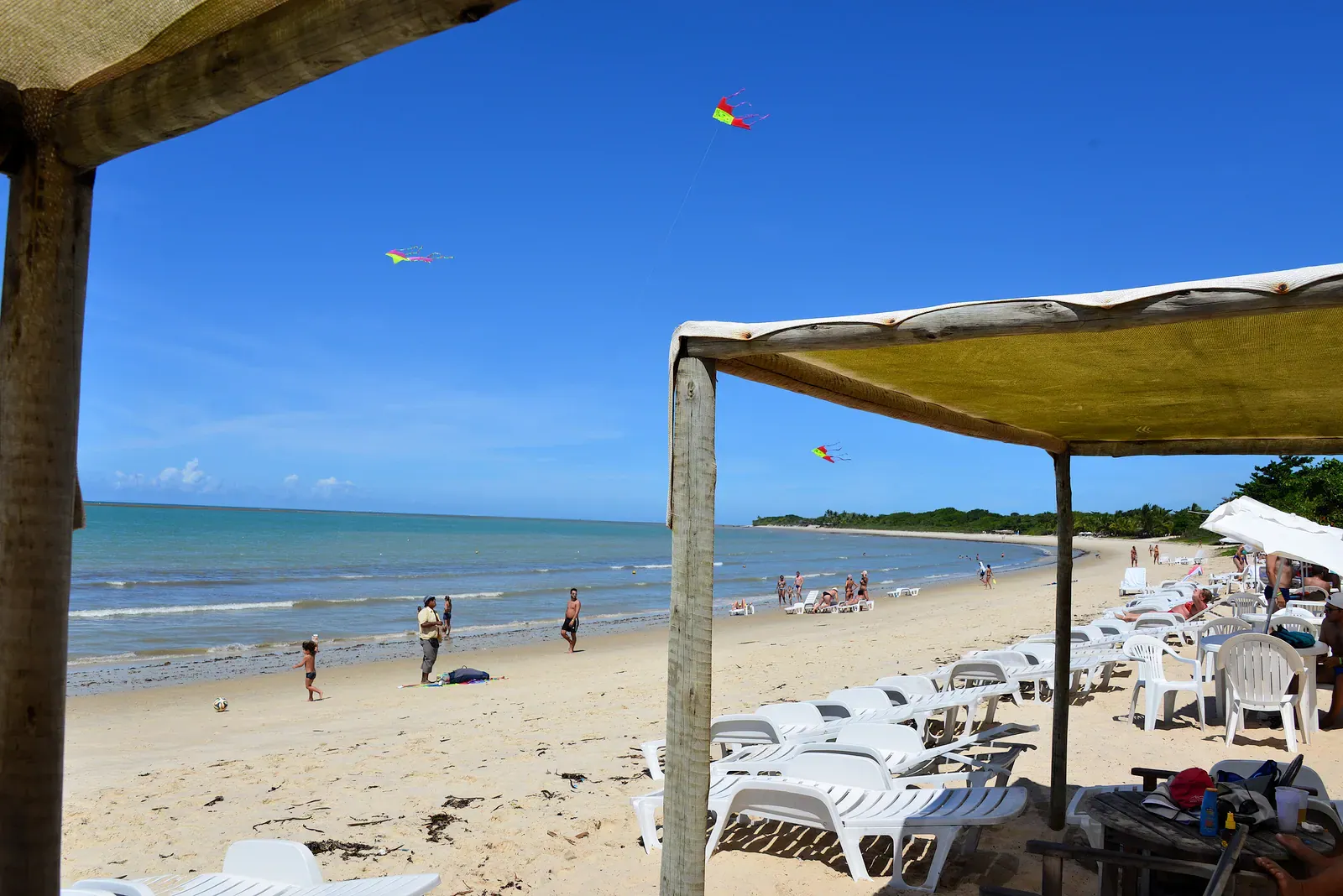
The dance took its familiar form in Porto Seguro, on the coast of Bahia. There the Pará two-beat step met the forró influence of the Northeast and became a four-beat dance, refined by local dancers, among them the Dos Santos brothers, on the beach floor of the Boca da Barra cabana.

World craze, 1989-1990
In 1988 the French entrepreneur Olivier Lamotte d’Incamps saw the dancers in Porto Seguro and began to build a European launch. The outcome was Kaoma, a French-Brazilian group fronted by the vocalist Loalwa Braz. Its single Lambada, filmed on a Bahia beach in June 1989, was a cover of Márcia Ferreira’s hit and sold about five million copies in its first year. It topped charts across Europe, reached number 4 in the UK and peaked at 46 on the US Billboard Hot 100. The album Worldbeat came out on Columbia in December 1989.
The marketing leaned on the image of a forbidden dance, with short skirts and tight holds. In 1990 two films, Lambada and The Forbidden Dance, reached cinemas within weeks of each other, and lambada nights spread through Europe and Japan. Dozens of acts rode the wave; the first single remained the peak.
Characteristics
The music is built on a steady, syncopated two-beat pulse, a bass line with Caribbean patterns, a bright electric guitar or saxophone hook, and Latin percussion on top of the drum kit. Late 1980s recordings add keyboards and synthesiser brass. The Kaoma hit uses an accordion-flavoured melody taken from the Peruvian cumbia version of the Bolivian song. Singing is romantic and lilting, usually in Portuguese, about longing and separation.
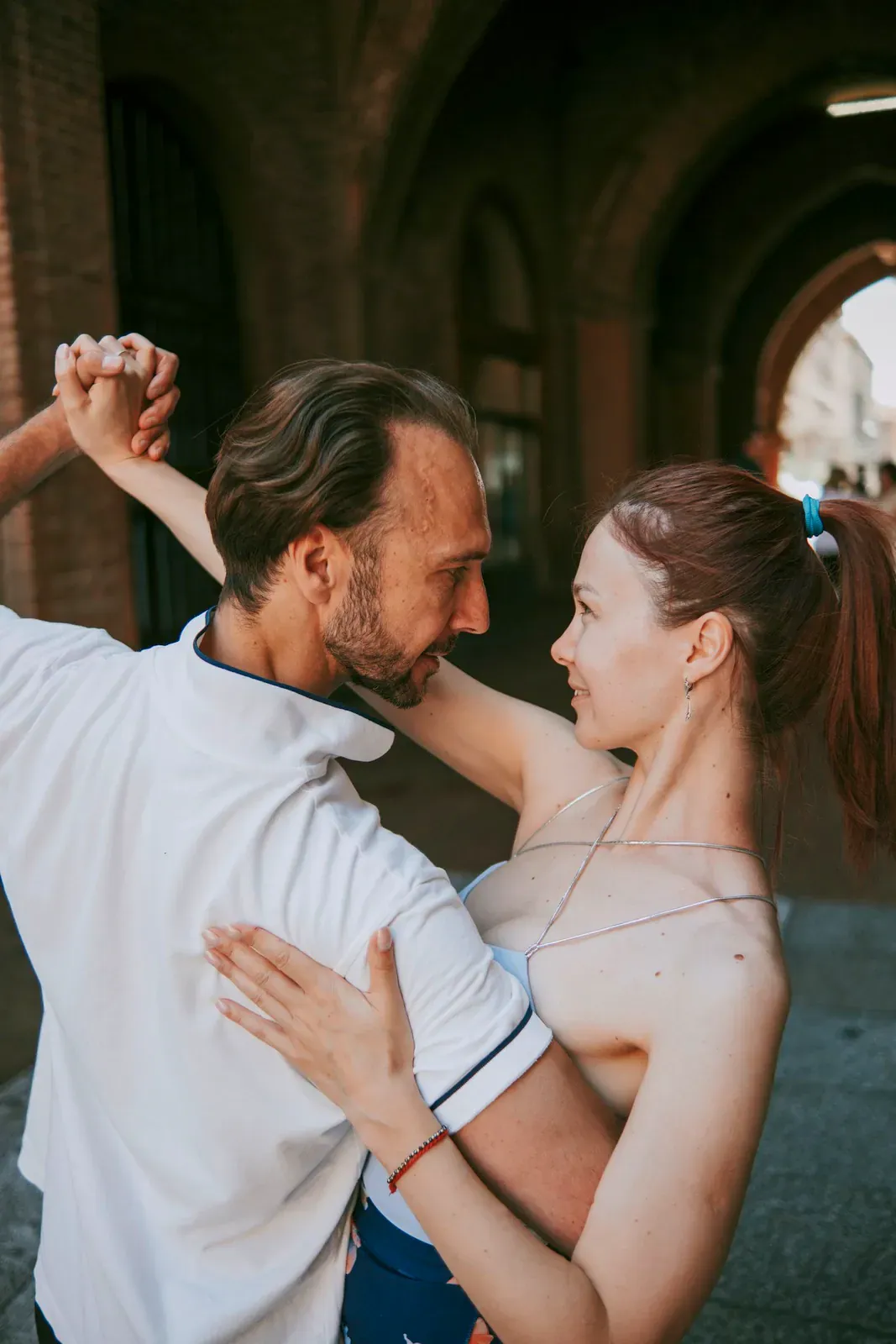
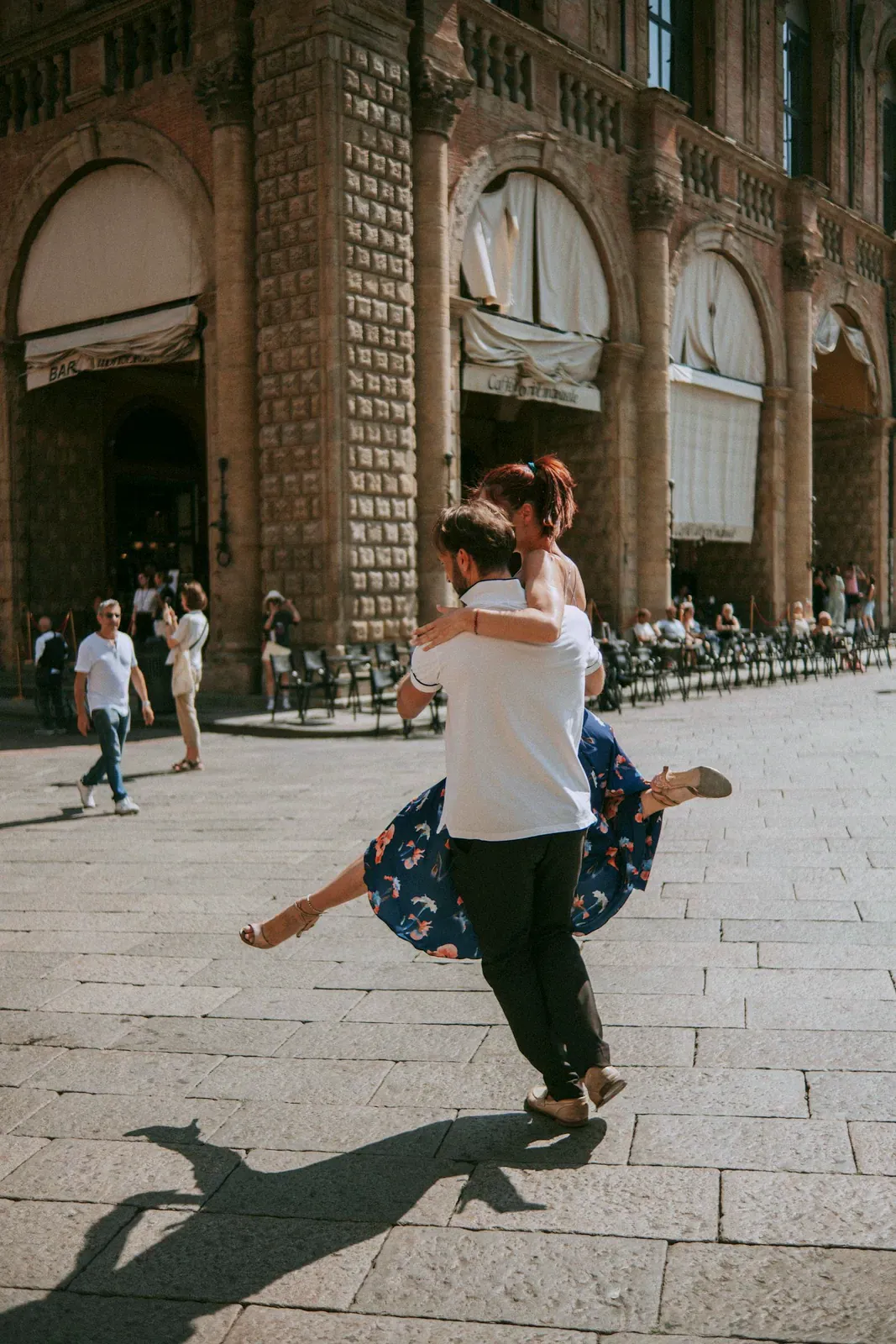
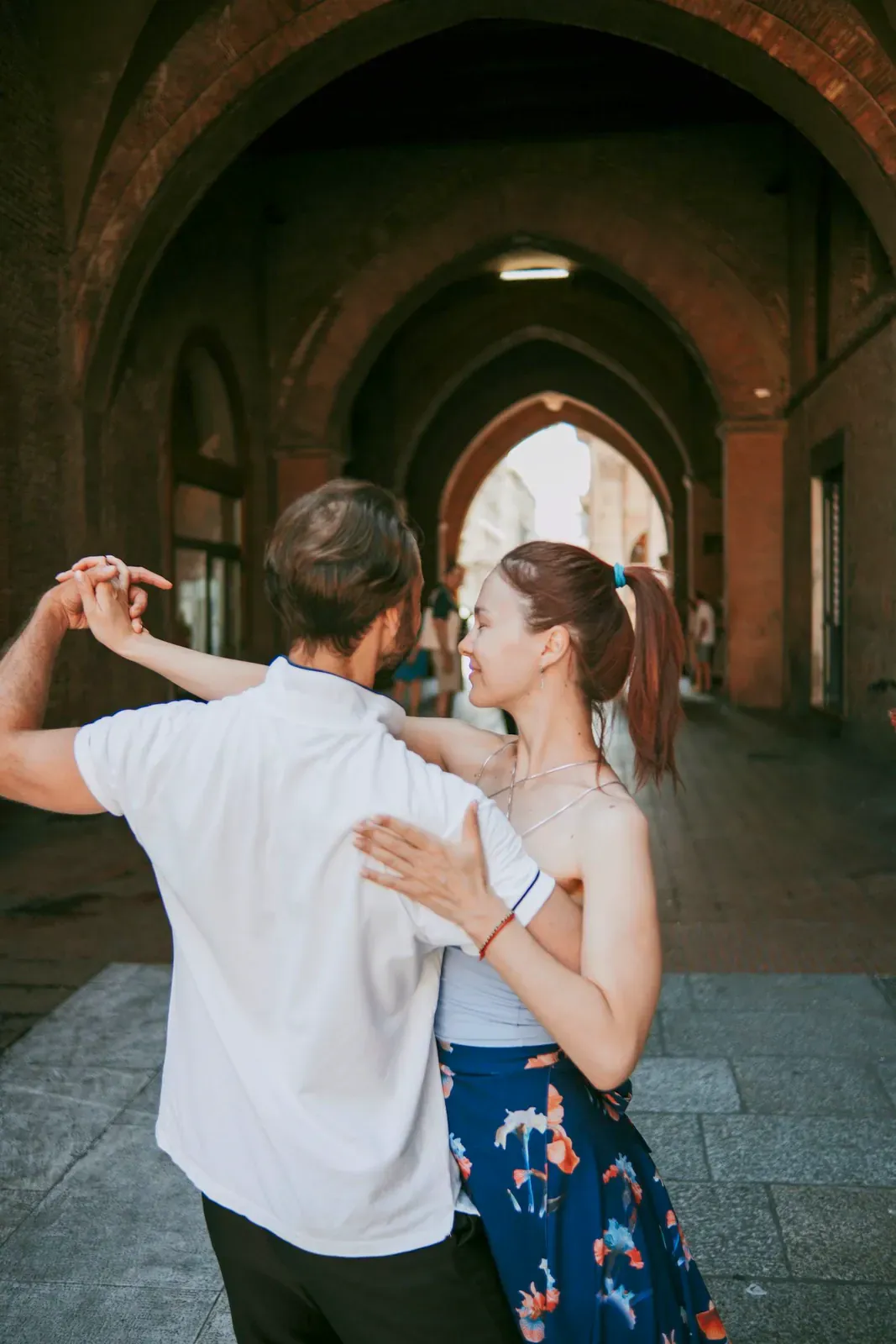
The dance matches the beat with continuous hip movement. Partners keep their legs interlaced in a close hold and shift weight on set counts, usually starting on the downbeat.
Instruments and production
Guitarrada records rely on one electric guitar playing the lead, backed by a small band. The brass and synthesiser textures typical of the late 1980s arrived with the Belém studio hits and the French production of Kaoma. The genre never settled around a single machine or studio, and the sound varies between the raw Pará records and the polished European pop of 1989.
Notable recordings
Llorando se fue, written by the Bolivian group Los Kjarkas and recorded in 1981, supplied the melody. Cuarteto Continental, a Peruvian group, released the first upbeat version with accordion in 1984 on the label Infopesa. Márcia Ferreira adapted it into Portuguese in 1986, and Kaoma reworked it in 1989 without crediting the original authors. The registered author name, Chico de Oliveira, was revealed on 30 August 1989 to be a pseudonym of Lamotte d’Incamps.
Adocica by Beto Barbosa is the best-known Brazilian lambada of its day and shows the Belém sound before the European gloss: synthesiser lines, a dance beat and a sung hook.
Legal fallout
Los Kjarkas won a plagiarism case against the Kaoma song in 1990, and Márcia Ferreira won a similar case in 1991. The suits shaped how the genre is remembered: as much for the dispute over one melody as for the scene it came from.
Culture
Lambada was sold as a scandal. Press and films stressed short skirts and the close hold, and the label forbidden dance stuck for years. In Brazil the same music kept a place in the regional dance halls of the North and Northeast, where it stayed one more couple dance beside the forró and the brega of the region.

Legacy
New lambada recordings thinned out after 1990, and from about 1994 dancers began using the same steps to other music, including flamenco rumba, Arabian music and Caribbean zouk. The zouk version, known as lambazouk, developed into Brazilian zouk, which is now the main living form of the dance. The older guitarrada tradition was revived in the 2000s through Mestre Vieira’s late albums, including Os Mestres da Guitarrada in 2003, and he received Brazil’s Order of Cultural Merit in 2008.
Lambada belongs to the wider Latin family and shares ancestors with forró, merengue and cumbia. Pinduca recorded for Copacabana Discos, and the Kaoma album came out on Columbia Records. The northern pop of brega grew up in the same Pará and Amazon dance halls.
Misconceptions
Lambada did not begin with Kaoma. The first recordings date from 1976 and 1978, more than a decade earlier, and the hit song itself was a cover. The 1989 song was also not an original: it adapted a Bolivian saya, and courts later sided with its authors. Finally, lambada is not the same as zouk, even though the dance later merged into lambazouk and Brazilian zouk.
Frequently asked questions
What does lambada mean?
Lambada is Portuguese for a strong slap or lash. The name was applied to a style of Pará dance music and to the close couple dance that went with it.
Where does lambada come from?
Lambada comes from Pará in northern Brazil, with the dance taking its common form in Porto Seguro, Bahia. Its roots are carimbó, guitarrada and Caribbean rhythms.
What was the first lambada record?
Pinduca’s 1976 track Lambada is usually cited as the first. Mestre Vieira’s 1978 LP Lambadas das Quebradas was the first album made around the style.
Why was lambada called the forbidden dance?
Promoters and the 1990 films presented the close hold and short skirts as scandalous, and the label became a selling point during the 1989 to 1990 craze.
Sound
Sound sheet
Anatomy of a track
| # | Part |
|---|---|
| 1 | Intro with percussion and guitar hook |
| 2 | Verse |
| 3 | Chorus on the main melody |
| 4 | Guitar or sax solo |
| 5 | Final chorus |
Signature sounds
- Syncopated Caribbean-style bass and percussion
- Electric guitar or sax lead hook
- Accordion-flavoured melody in the Kaoma era
- Synth brass fills in 1980s recordings
Drums and percussion
- Drum kit
- Congas
Techniques
- Guitarrada lead
- Syncopated bass
- Accordion-style melody
Keys and modes
Minor keys with Latin chord turns. Plaintive minor melodies, as in Llorando se fue.
Vocals
Romantic sung lines, male or female, with a lilting phrasing, in Portuguese for the Brazilian hits.
Scenes
Where it happened
Where and when the sound lived: one bar per city on a shared timeline.
Latin America
Europe
Active scenes
Peak 3, 1989-2025
Capital of Pará, home of carimbó, guitarrada and the lambada bands.
Bahia beach town where dancers gave the dance its four-beat form.
Base of the producers who built Kaoma and launched the craze.
Culture
Culture markers
- Close hip-driven couple dance
Partners dance in close embrace with hip movement and weight shifts on a fast two-beat count.
Dance - Short skirts and the forbidden dance
Press and films sold the dance as scandalous, with short skirts and tight holds.
Fashion - Queen of Lambada
Márcia Ferreira's title in the Brazilian press.
Slang
Media
Key media
- 1989Worldbeat
by Kaoma. Kaoma's debut album, released on Columbia in December 1989.
Compilation - 1990Lambada
by Joel Silberg. Cannon Films drama that tied the dance to a teacher's double life.
Film - 1990The Forbidden Dance
by Greydon Clark. Rival 1990 release that fixed the forbidden dance label.
Film
Glossary
Terms on this page
Drum-based dance music of Pará that lambada grew from.
Portuguese title of the song behind the Kaoma hit, meaning crying, he went away.
Instrumental style of Pará built on electric guitar, created by Mestre Vieira.
Portuguese for a strong slap, used for the music and the close dance, perhaps after the wave of a whip.
Later name for lambada danced to zouk, the root of Brazilian zouk.
Latin family