Salsa
Salsa is a clave-based Latin dance music codified by Cuban and Puerto Rican musicians in New York in the 1960s, built on brass, piano and sung improvisation.
New York City, 1965
Latin family
Born
1965
New York City
Subgenres
8
Documented branches
Links
24
Genres it drew on or shaped
Tempo
180-245 BPMLineage
Family tree
Grew out of
- Son montuno
Derived from
- Mambo
Derived from
- Cha-cha-chá
Derived from
- Guaracha
Derived from
Influenced by
New York City, 1965
Salsa
Led to (8)
Timeline
Era by era
From the first sparks to today. Select a dot to read the story behind it.
- Cuban son and the mambo years
1930 to 1963
- Fania and the New York boom
1964 to 1979
- Regional scenes and salsa romantica
1980 to 1999
- Catalogue and heritage
2000 to 2026
Eras
Moments
- 1 Cuban son and the mambo years, 1930 to 1963
- 2 Fania and the New York boom, 1964 to 1979
- 3 Regional scenes and salsa romantica, 1980 to 1999
- 4 Catalogue and heritage, 2000 to 2026
around 1930
Cuban son and the mambo years
Son montuno, mambo and charanga travel from Havana to New York, where the Palladium and labels such as Tico and Alegre build the audience.
- 1930Piñeiro composes Échale salsitaIgnacio Piñeiro's son is an early link between the word salsa and Cuban dance music.
- 1946Palladium Ballroom opensThe Manhattan hall becomes the home of the mambo craze and its Big Three bandleaders.
- 1956Alegre Records opens in the BronxAl Santiago's label starts from the Casalegre record shop and later issues Pacheco, Puente and Palmieri.
- 1960Pacheco forms his charangaPacheco y su Charanga records for Alegre and sells over 100,000 copies in its first year.
- 1962El Gran Combo founded in San JuanRafael Ithier's orchestra, formed 21 May, becomes known as the university of salsa.
- 1963Barretto's El WatusiRay Barretto y su Charanga Moderna scores a pachanga hit on Tico.
1964
Fania and the New York boom
Fania Records and the Fania All-Stars turn barrio dance music into a branded sound, from the Cheetah in 1971 to Yankee Stadium and Zaire in the mid 1970s.
- 1964Pacheco and Masucci found FaniaThe label's first release is Pacheco's Cañonazo.
- 1965Palmieri's Azúcar Pa' TiLa Perfecta replaces violins with trombones and pushes harder piano playing.
- 1967Colón and Lavoe debut with El MaloA teenage Willie Colón and singer Héctor Lavoe record on Fania.
- 1968Fania All-Stars formedPacheco assembles the label's top musicians as a showcase band.
- 1971Fania All-Stars at the CheetahThe 26 August concert is recorded as Live at the Cheetah.
- 1972Our Latin ThingThe All-Stars album and its documentary film show the Cheetah night to a wider audience.
- 1972Dimensión Latina forms in CaracasOscar D'León co-founds the band that makes Venezuela a salsa centre.
- 1973Fania All-Stars fill Yankee StadiumMore than 40,000 attend the 24 August show in the Bronx.
- 1973Barretto's IndestructibleA hard-driving Fania album by the conga player and bandleader.
- 1974Celia Cruz joins FaniaCelia & Johnny, with Johnny Pacheco, includes Quimbara.
- 1974Fania All-Stars play KinshasaThe band appears at the Zaire 74 festival tied to the Ali and Foreman fight.
- 1974Fania buys TicoThe mambo-era label joins the Fania group; Alegre follows in 1975.
- 1978SiembraWillie Colón and Rubén Blades make a best-selling salsa album with socially aware songs including Pedro Navaja.
- 1978Lavoe records El CantanteRubén Blades writes the song that becomes Héctor Lavoe's signature, on the album Comedia.
1980
Regional scenes and salsa romantica
Caracas, Cali, San Juan and Havana develop their own salsa while a softer, ballad-driven style emerges in 1984.
- 1984Noches Calientes opens salsa romanticaThe José Alberto album starts a softer, ballad-based style that purists later criticise.
- 1984Grupo Niche's No Hay Quinto MaloThe Colombian band's album carries Cali Pachanguero, an anthem of the city.
2000
Catalogue and heritage
Orchestras such as El Gran Combo and Grupo Niche keep touring and winning awards, while the Fania catalogue is reissued under Concord.
- 2005Fania catalogue sold after the Masucci estateAssets pass to V2 and Emusica after years in probate; Concord buys them in 2018.
- 2026Willie Colón diesThe trombonist and bandleader dies on 21 February at age 75.
Listening path
Start listening
A short path from an easy way in to the deep end. Thumbnails come from YouTube; the player loads only when you press play.
- 01
Johnny Pacheco and Celia Cruz, 1974
Queen of salsa meets Fania's founder on the track that carried the sound worldwide; an easy first listen.
- 02
Fania All-Stars, 1972
Signature number of the All-Stars from the Cheetah concert era that made salsa a brand.
- 03
Héctor Lavoe, 1978
Lavoe's signature song, a barrio-singer portrait written by Rubén Blades.
- 04
Willie Colón and Rubén Blades, 1978
Story-song from Siembra, the best-selling salsa album, that took salsa to socially aware lyrics.
- 05
Grupo Niche, 1984
Colombian anthem showing salsa moving beyond New York and Puerto Rico.
Facts
| Family | Latin |
| Origin | New York City, United States |
| Emerged | 1960s to 1970s |
| Status | Active |
| Tempo | 180 to 245 BPM |
| Meter | 4/4 |
| Grew out of | Son montuno, Mambo, Cha-cha-chá, Guaracha |
| Subgenres | 7 |
Salsa is a Latin dance music built on Afro-Cuban rhythm, brass arrangements and a sung dialogue between a lead improviser and a chorus. It was codified in New York from the mid-1960s by Cuban and Puerto Rican musicians, and it spread from there to Puerto Rico, Venezuela, Colombia and Cuba itself.
Typical performances run fast, roughly 180 to 245 beats per minute, with every part tied to the clave rhythm.
Origins
Salsa is a synthesis more than an invention. It grew from son montuno, mambo, cha-cha-cha and guaracha, forms that Cuban musicians had carried to New York, and absorbed Puerto Rican bomba and plena, jazz, R&B and the Latin boogaloo of the mid-1960s. The word itself is older than the genre: Ignacio Piñeiro’s son “Échale salsita”, composed in 1930, is an early link between the word and Cuban dance music.
The arrangement follows a fixed logic. A song opens with a composed section and a verse for the lead singer, then moves into the montuno, the faster, semi-improvised part built on call and response between the chorus and the sonero. A brass-led mambo section sits inside it, and the closing montuno gives the singer room to improvise. The five-stroke clave, in a 3-2 or 2-3 direction, organises the whole arrangement.
Cuban son and the mambo years, 1930-1963
The first audience was built before the music had its name. Son montuno, mambo and charanga travelled from Havana to New York, where the Palladium Ballroom on Broadway opened in 1946 and became the home of the mambo craze and its big bandleaders. Labels gave the scene a recorded form: Tico started in 1948 under George Goldner, and Alegre opened in 1956 from the Casalegre record shop in the Bronx, run by Al Santiago.
Two records in this period mark the shift from mambo to the new sound. In 1960 Johnny Pacheco formed his charanga, and the first album sold over 100,000 copies in its first year. In 1963 Ray Barretto’s charanga scored a pachanga hit with “El Watusi” on Tico. Meanwhile in San Juan, Rafael Ithier founded El Gran Combo on 21 May 1962, an orchestra later nicknamed the university of salsa because so many musicians passed through it.
Fania and the New York boom, 1964-1979
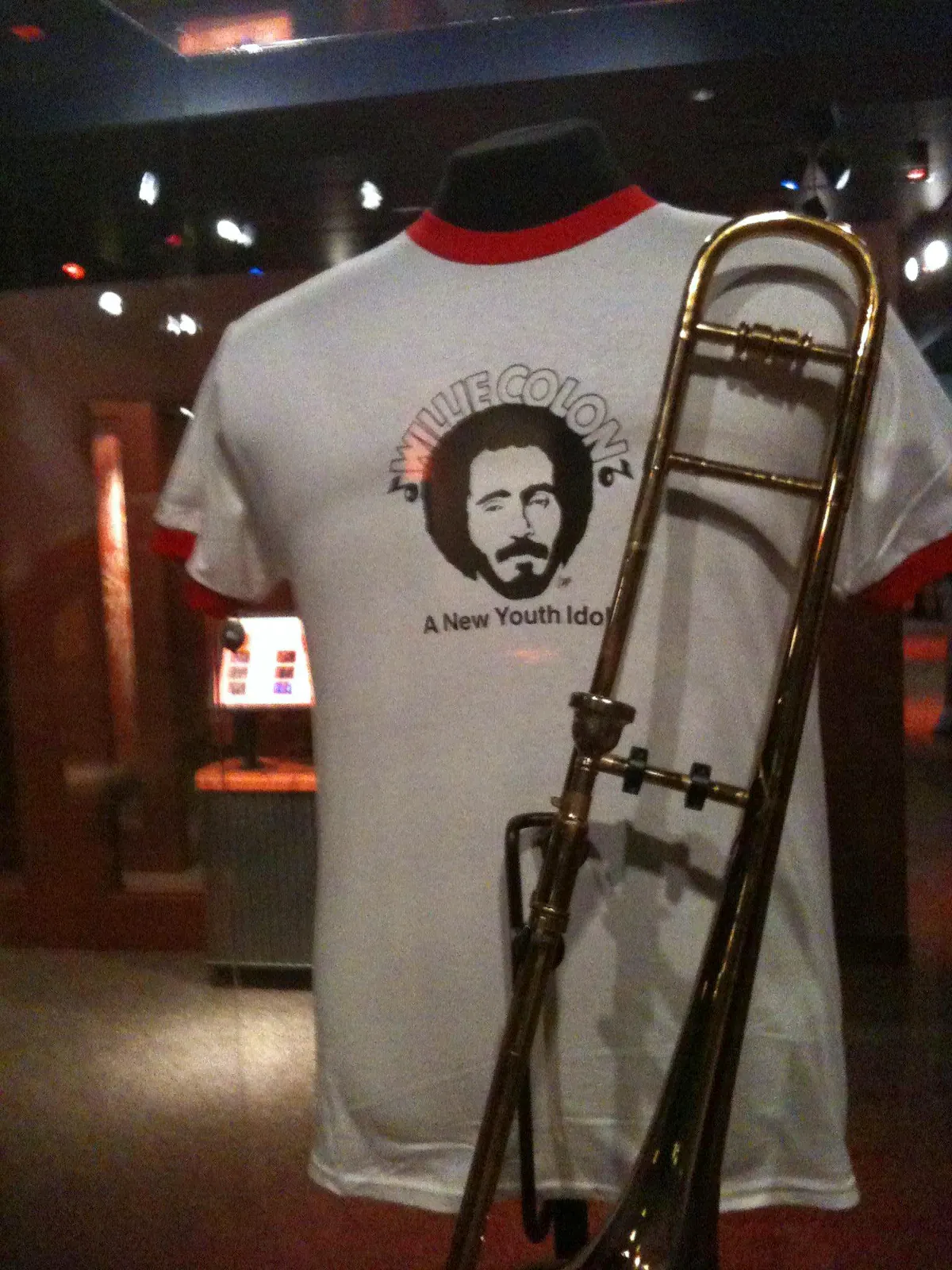
Fania Records was founded in 1964 by Johnny Pacheco and Jerry Masucci, and its first release was Pacheco’s “Cañonazo”. The label’s sound came from the neighbourhoods around it. In 1965 Eddie Palmieri’s La Perfecta replaced violins with trombones and pushed harder piano playing on “Azúcar Pa’ Ti”, and around 1967 a teenage Willie Colón recorded his debut “El Malo” with singer Héctor Lavoe. Colón and Lavoe went on to make 14 albums together.
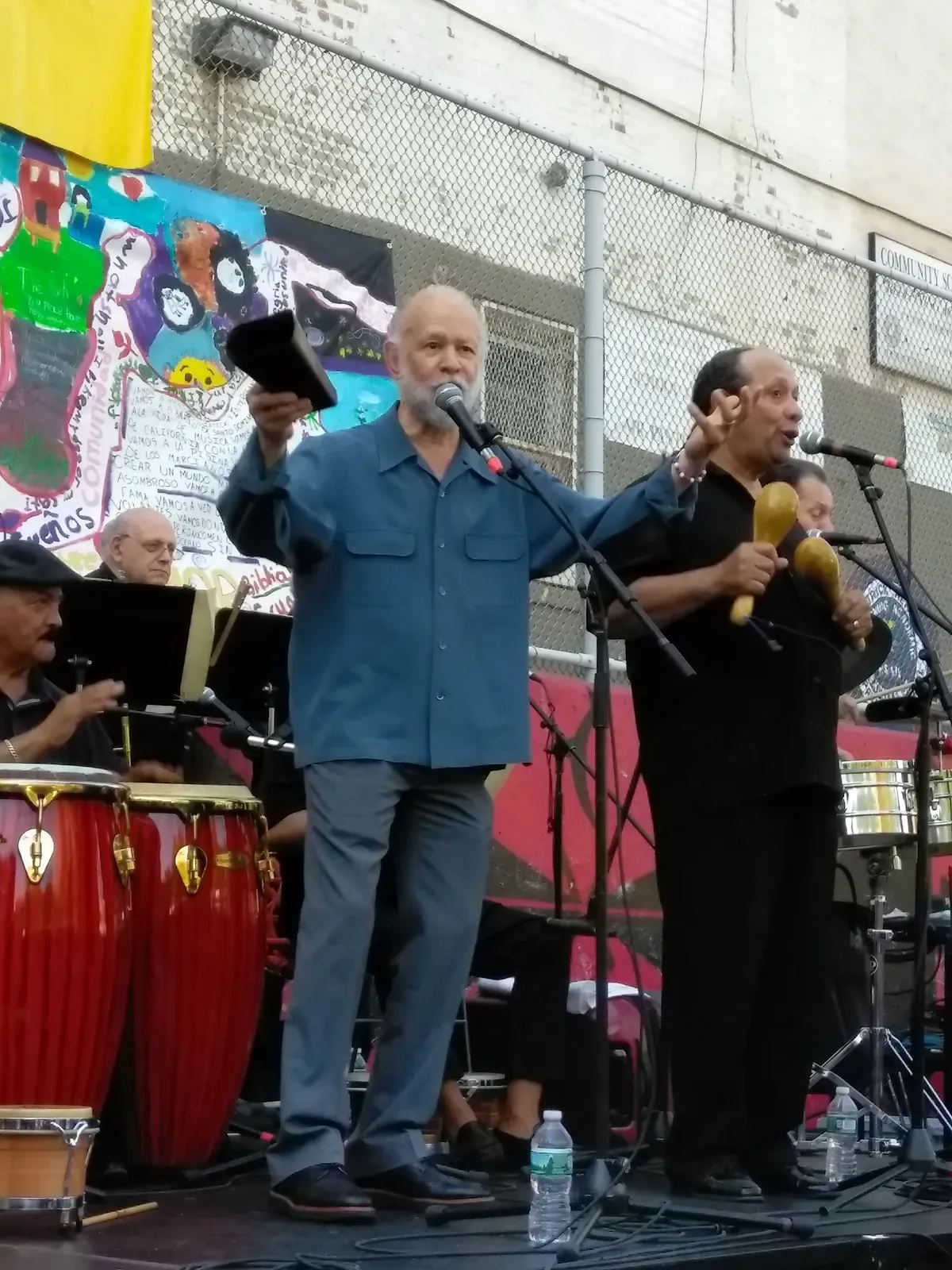
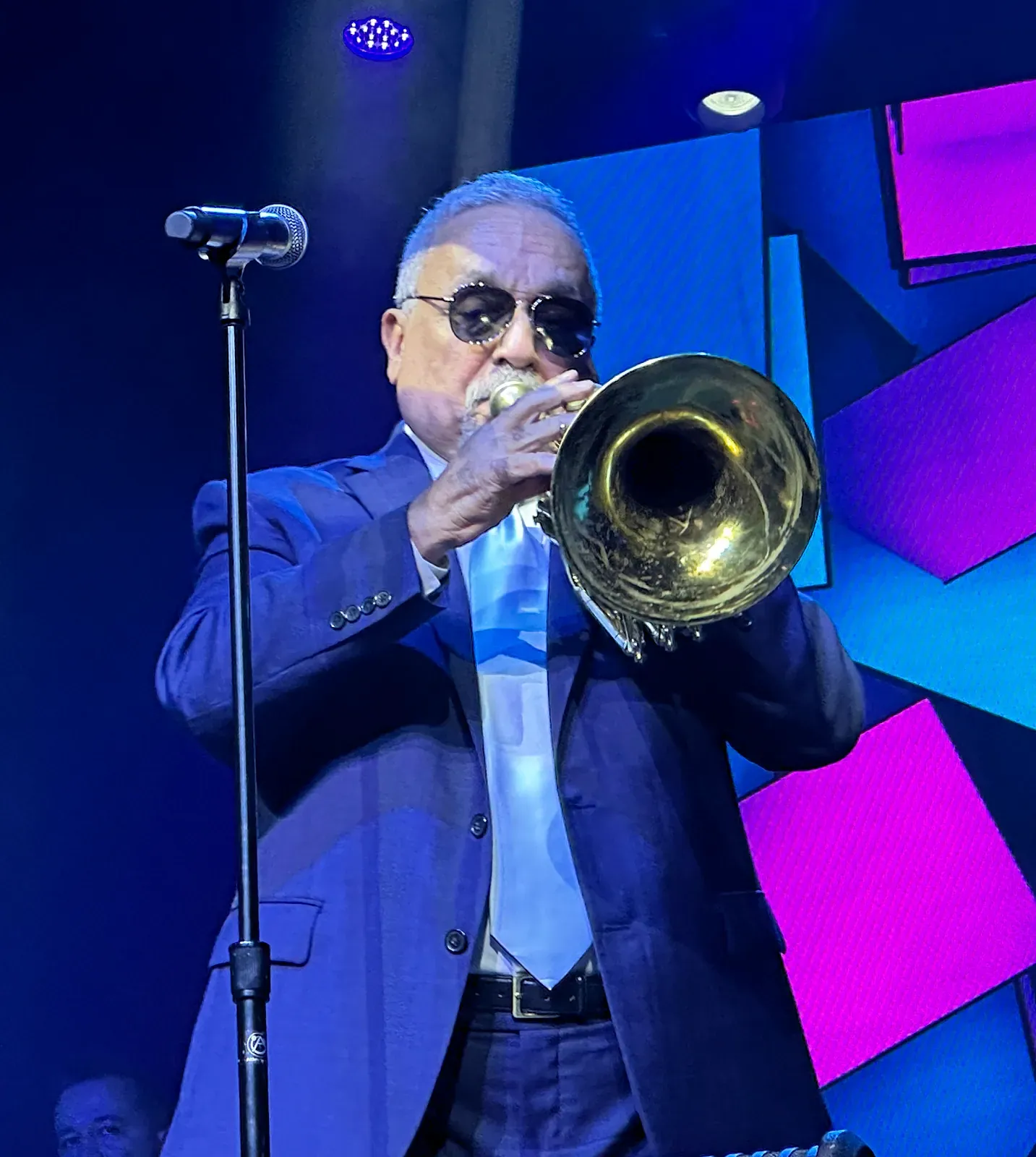
Pacheco assembled the label’s top musicians as the Fania All-Stars in 1968, and the group turned a record catalogue into a brand. The 26 August 1971 concert at the Cheetah club in midtown Manhattan was recorded as “Live at the Cheetah”, and “Our Latin Thing” followed in 1972 as an album and as a documentary film. On 24 August 1973 more than 40,000 people attended the band at Yankee Stadium in the Bronx. In 1974 the All-Stars appeared at the Zaire 74 festival in Kinshasa, the event tied to the Ali and Foreman fight.
The decade also set out the genre’s main talents. Celia Cruz joined Fania in 1974 on “Celia & Johnny”, which contains “Quimbara”. Fania bought Tico that year and Alegre in 1975, which brought the older labels’ catalogues under one roof. In 1978 Colón and Rubén Blades released “Siembra”, widely described as the best-selling salsa album, with socially aware songs such as “Pedro Navaja”, and the same year Héctor Lavoe recorded “El Cantante”, written for him by Blades. Caracas became a second centre in 1972, when Oscar D’León helped found Dimensión Latina.
Regional scenes and salsa romantica, 1980-1999
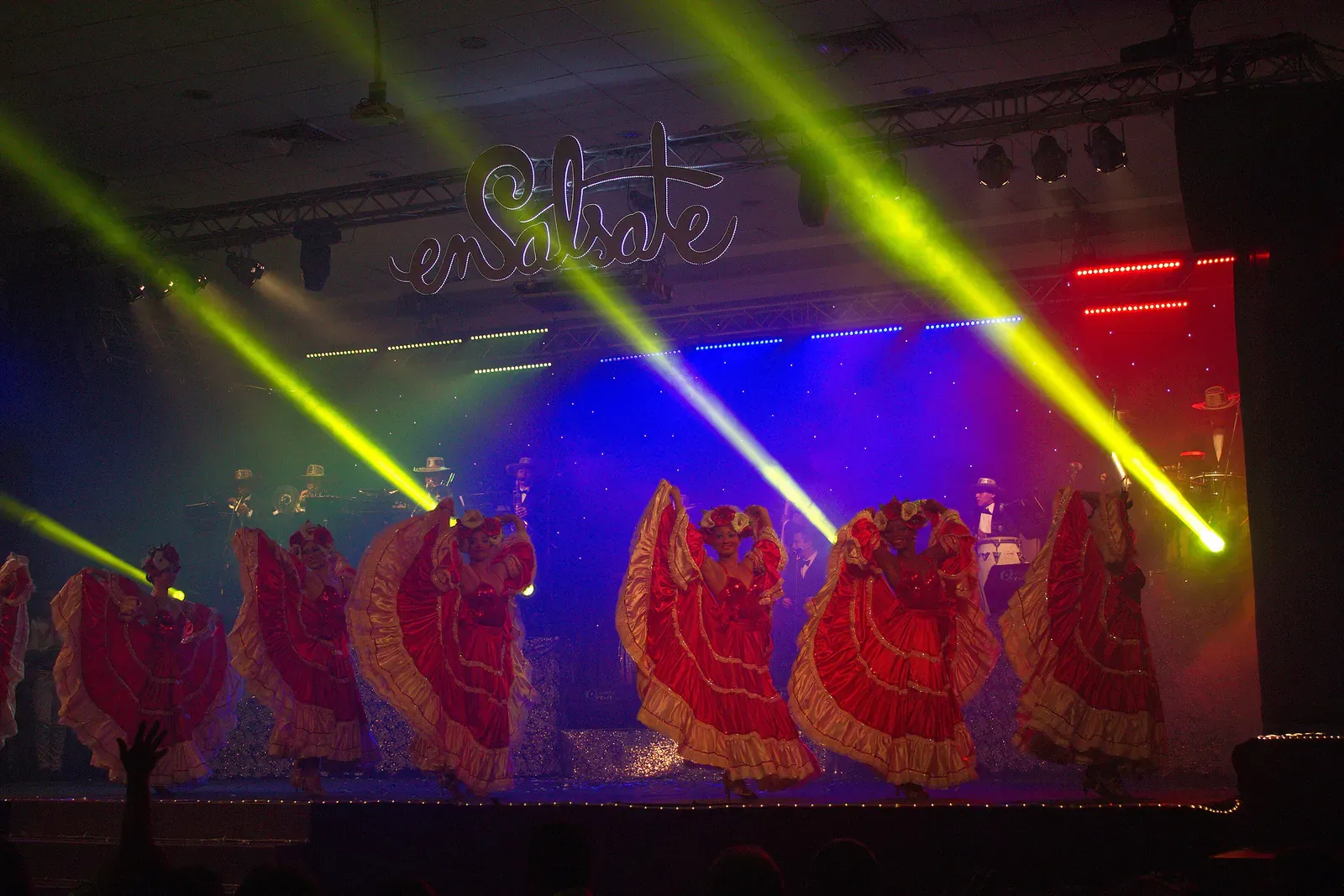
After the Fania peak the music split into local schools. In 1984 the album “Noches Calientes” opened salsa romantica, a softer, ballad-based style that purists later criticised. The same year the Colombian band Grupo Niche released “No Hay Quinto Malo”, whose “Cali Pachanguero” became an anthem of Cali, a city known for fast footwork. Colombian salsa also drew on the label Discos Fuentes, founded in Cartagena in 1934, which issued Fruko y sus Tesos’s “El Preso” in 1975 and Joe Arroyo’s “La Rebelión” in 1986. The story of salsa’s rise there is told further on the cumbia page, since salsa displaced cumbia at home from about 1975.
Catalogue and heritage, 2000 to the present
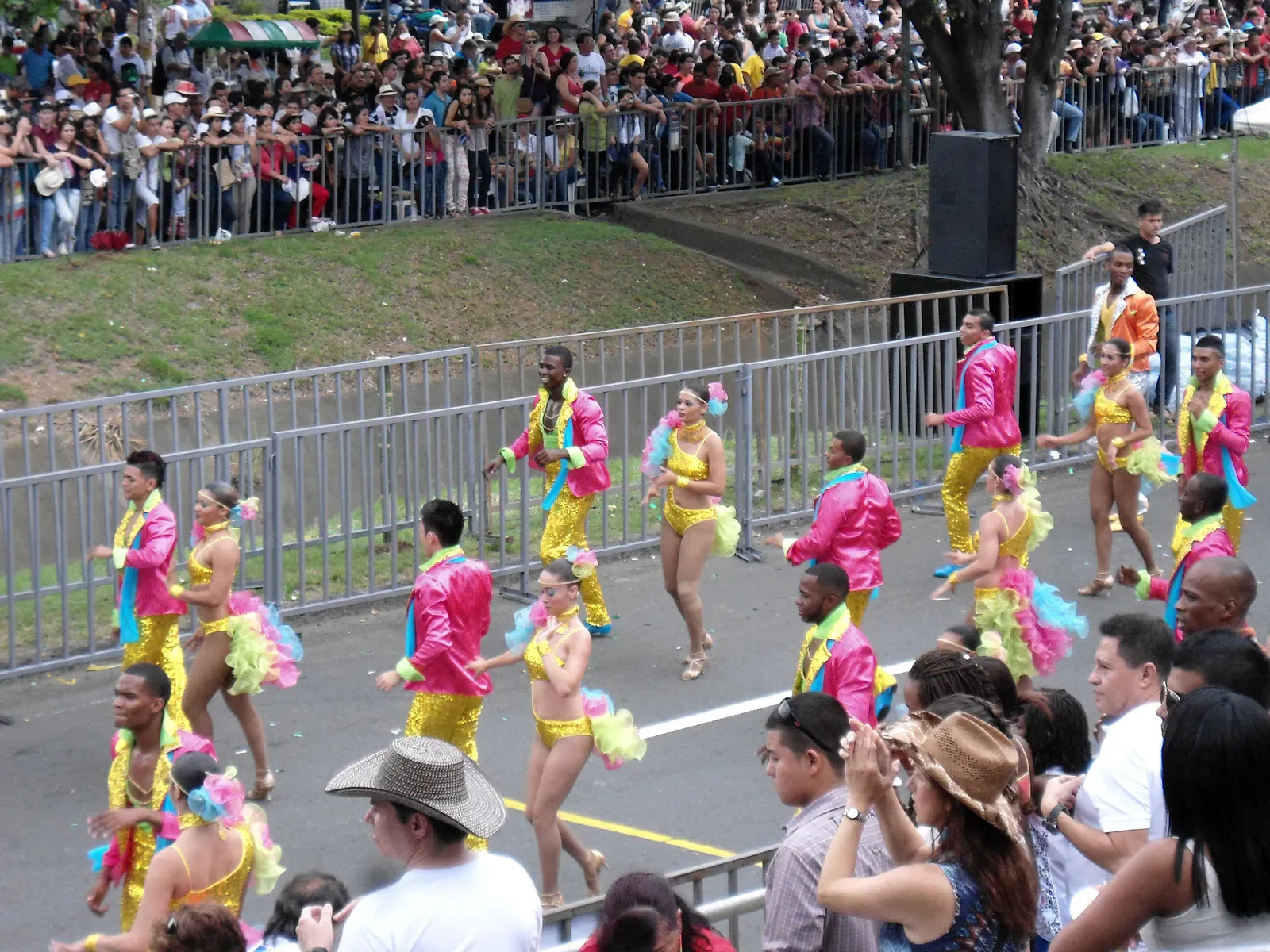
Orchestras such as El Gran Combo and Grupo Niche kept touring and winning awards. The Fania catalogue went through years of probate after Masucci’s death; its assets passed to V2 and Emusica in 2005, and Concord bought them in 2018, which keeps the recordings reissued. In 2026 Willie Colón died, one of the last major names of the Fania era.
Characteristics
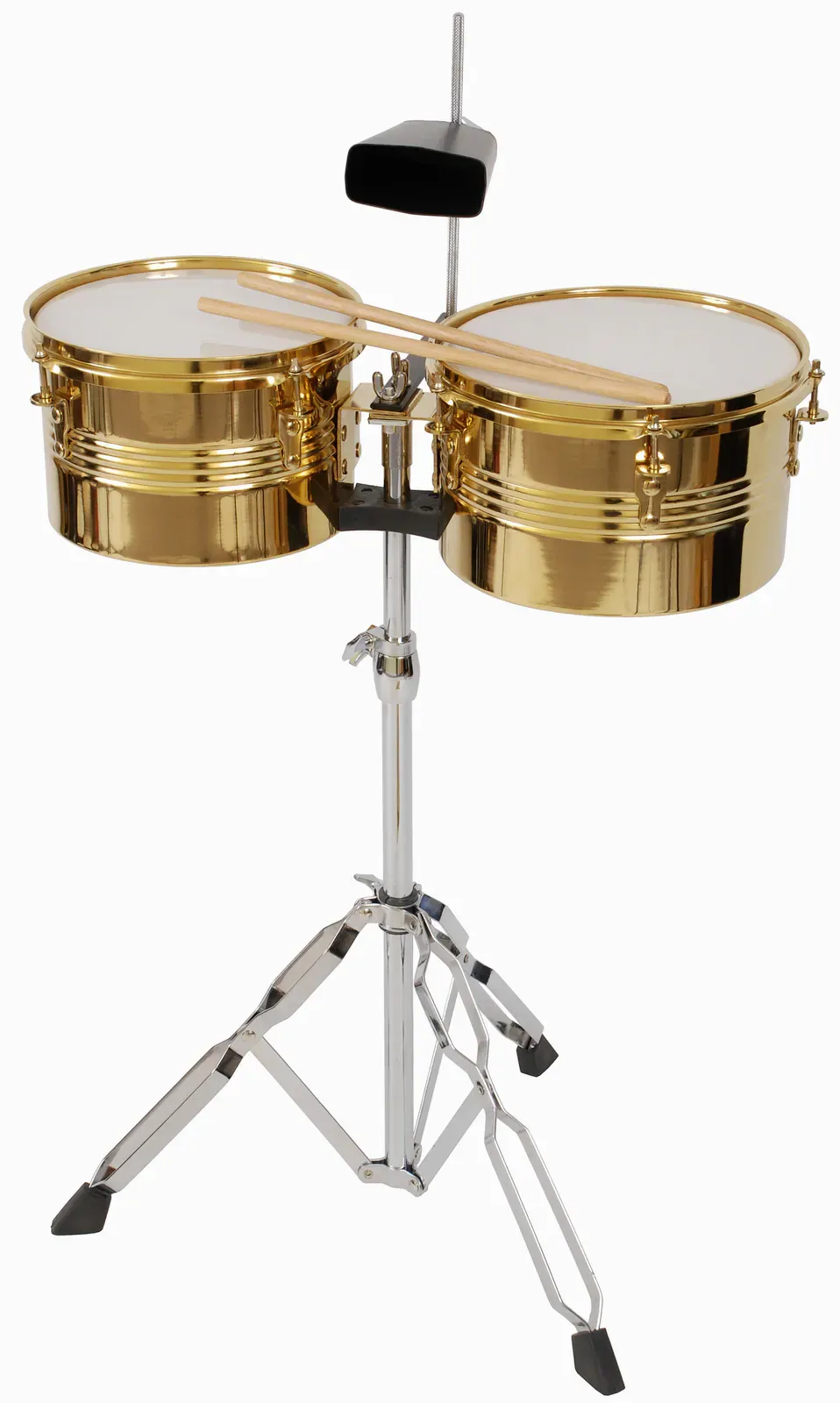
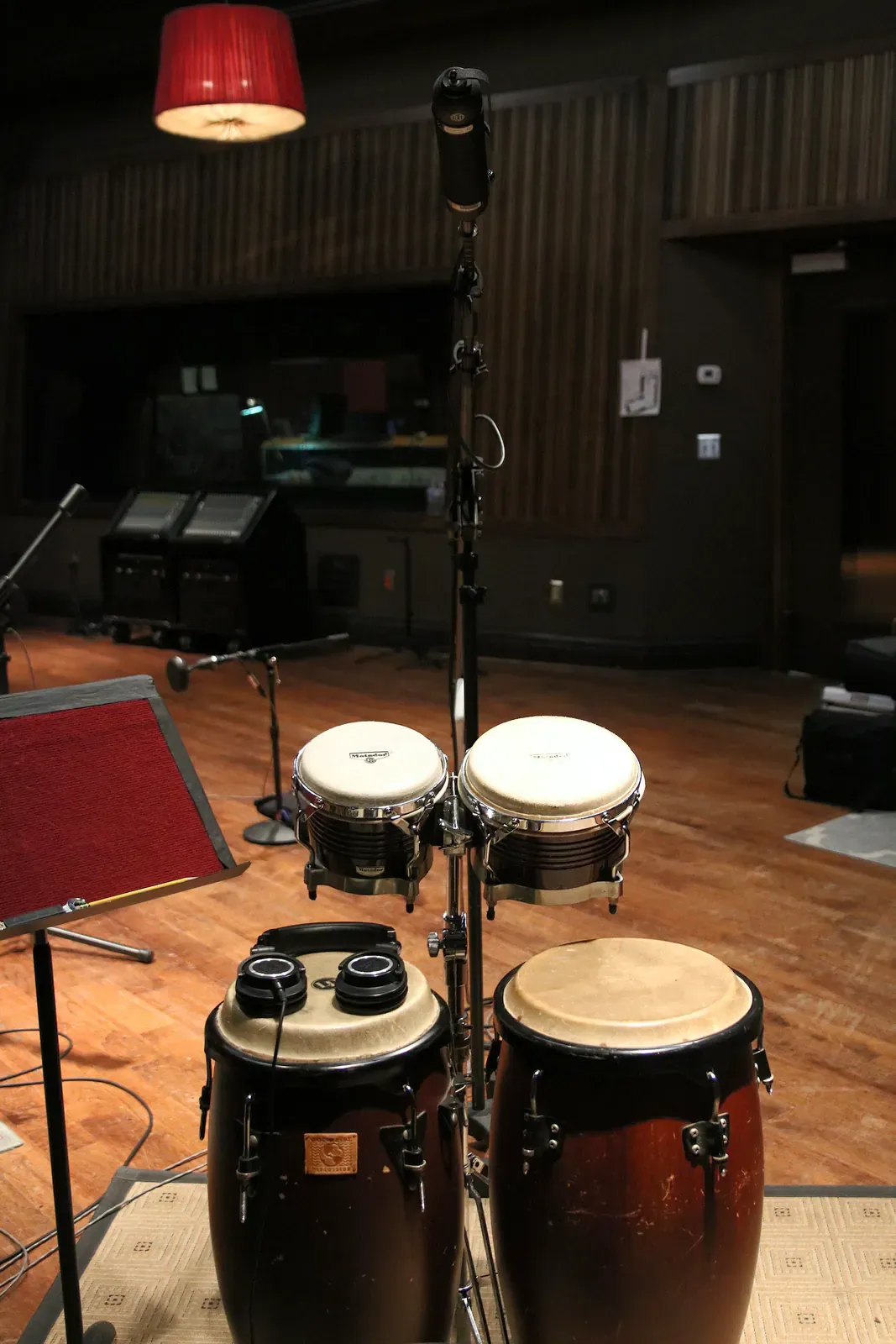
The rhythm section is the engine. Timbales play the bell pattern, congas the tumbao and bongos the martillo, while the bass anticipates the beat. The piano plays syncopated montuno vamps, called guajeos, under the singers, and trumpets and trombones add riffs and the mambo passages. The lead sonero improvises verses in Spanish against the chorus, and the call-and-response section between them is called the coro-pregón.
Notable recordings
“Quimbara” put Celia Cruz beside Pacheco on a track that carried the sound worldwide, and its place in “Celia & Johnny” joined the Queen of Salsa to Fania. “El Cantante” is Lavoe’s signature, a portrait of a barrio singer that Blades wrote for a singer he admired. “Pedro Navaja”, from “Siembra”, is a story-song that took salsa toward socially aware lyrics.
Culture
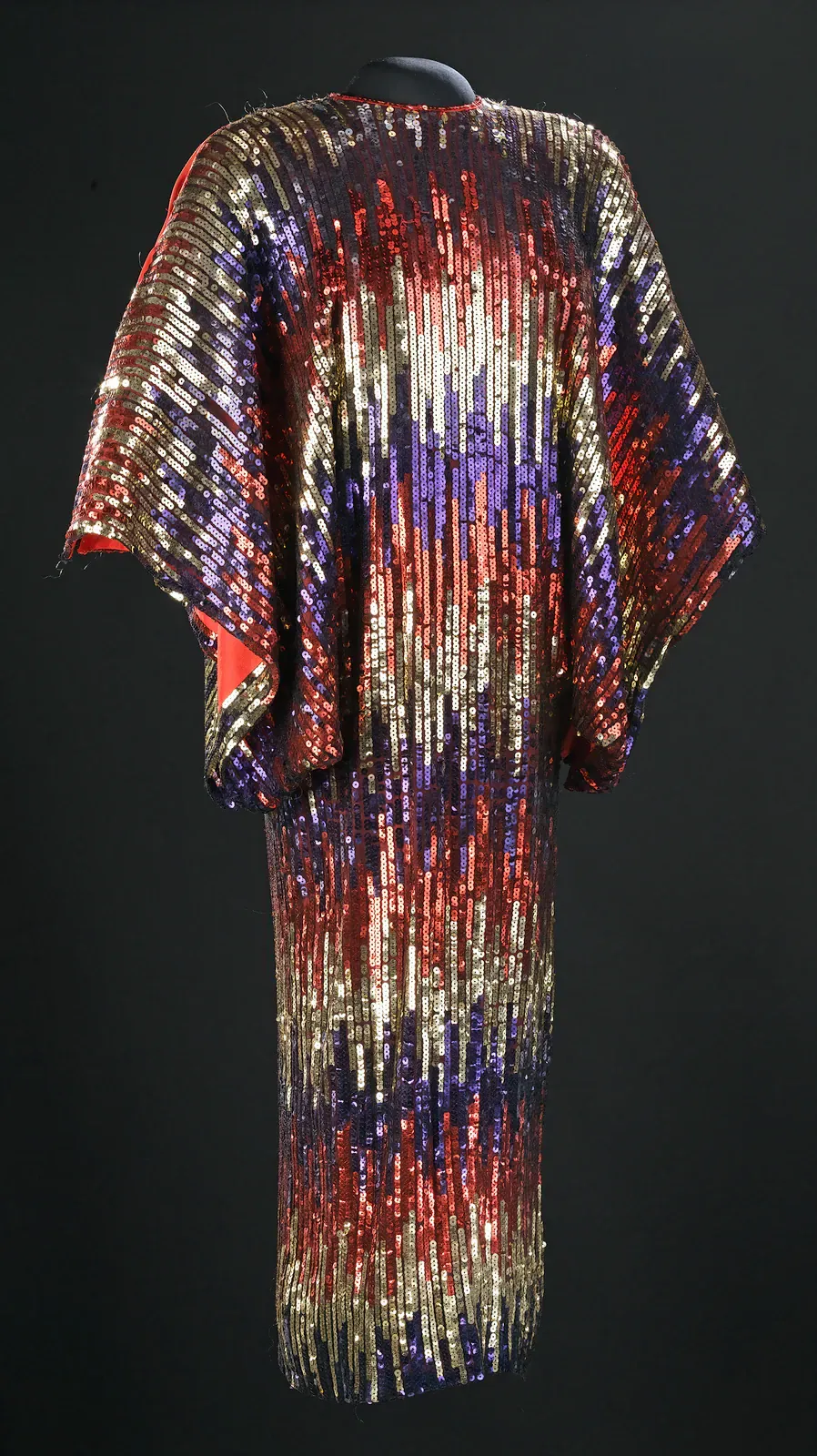
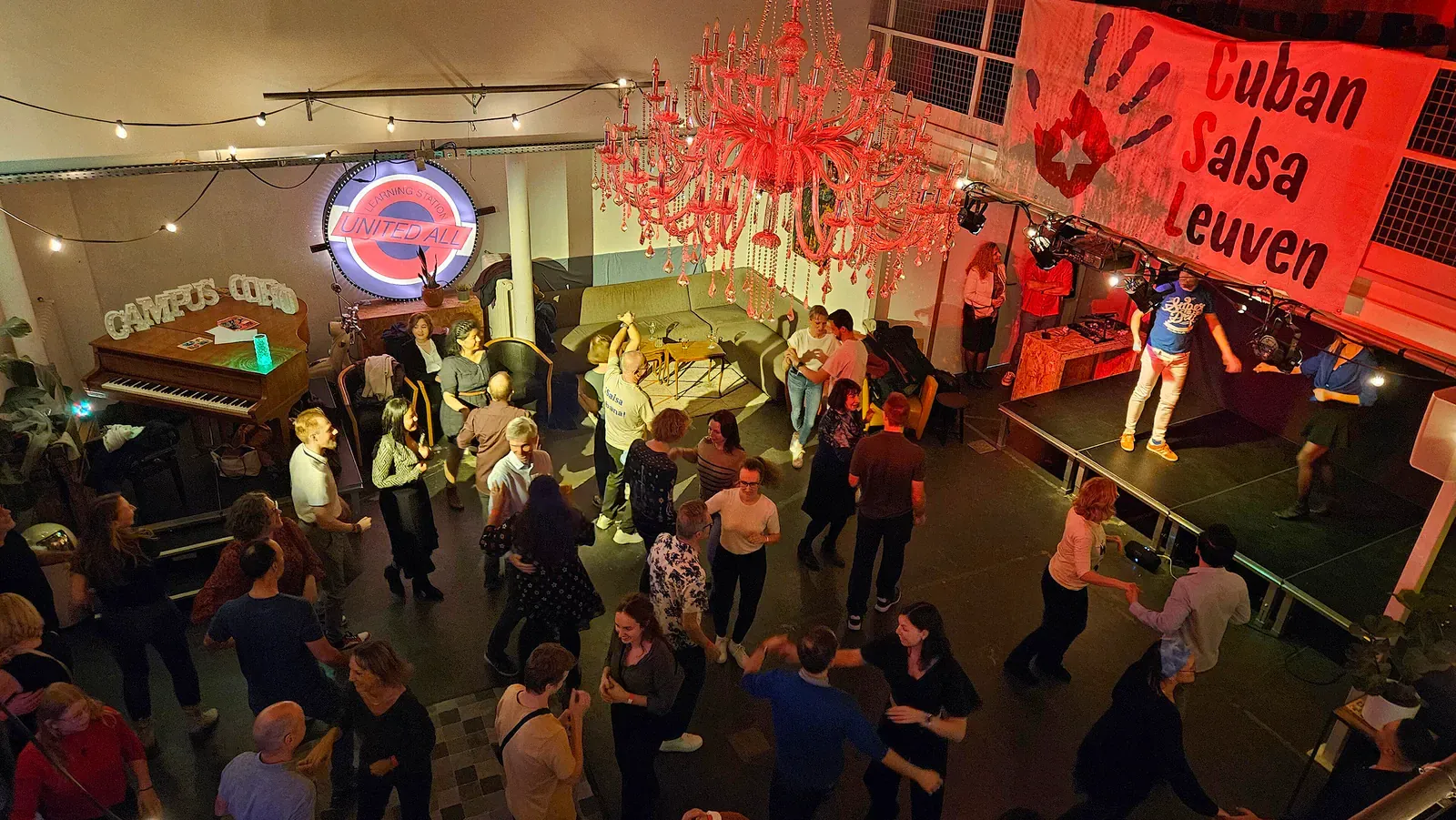
Salsa is a dance culture as much as a recording one. In New York, dancers use the On2 style, three steps over four beats that break on the second beat. Los Angeles style is On1, with the forward break on the first beat. Cuban casino and its group-wheel form, rueda de casino, developed in the 1950s. Radio gave the music a weekly home in New York, where the WRVR programme “Sunday Salsa Show” began in 1975. Venues such as the Village Gate hosted the Salsa Meets Jazz series between 1975 and 1980.
Misconceptions
Salsa is sometimes called a Cuban rhythm. Its raw materials are Cuban, but the sound was assembled in New York by Cuban, Puerto Rican and other Latin musicians, and the labels, clubs and audience that made it a genre were in the Bronx, Spanish Harlem and Manhattan.
Another belief is that Fania invented the word. The word salsa was already in use for Cuban dance music, as Piñeiro’s 1930 song shows, and Fania’s contribution was the packaging of a sound into a recognisable brand.
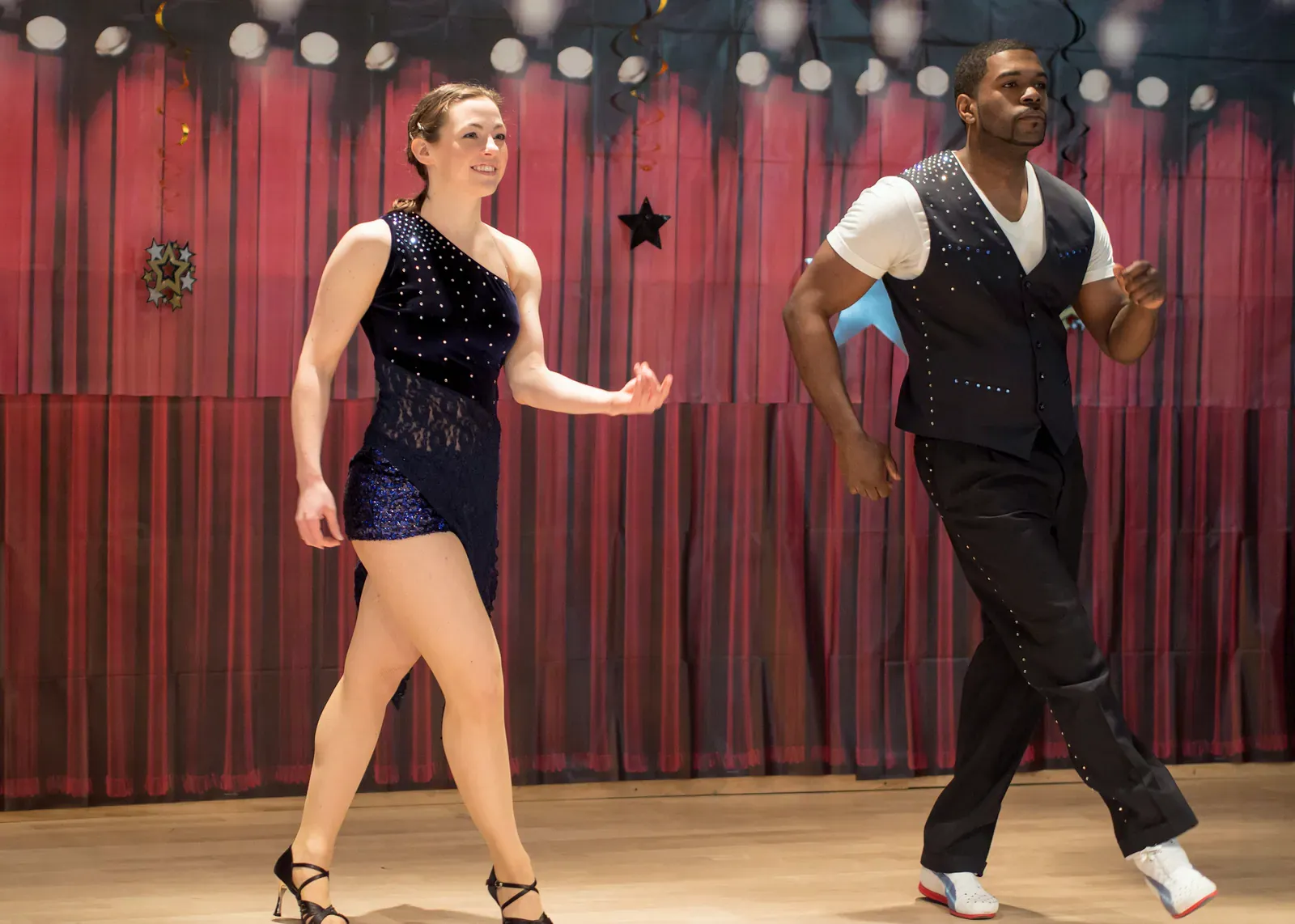
A third is that salsa has a single dance step. New York dancers break on the second beat, Los Angeles dancers on the first, and Cuban casino is a different partner and group tradition.
Legacy
Salsa created an international Latin market, and its network of orchestras in Puerto Rico, Venezuela, Colombia and Cuba continues to produce local variants. Its children include Latin boogaloo, Colombian salsa, Venezuelan salsa, salsa romantica, salsa dura, salsa choke and salsaton. The music also fed Latin disco, Latin house and Nuyorican rap, and the Fania recordings are still the reference points for new bands.
Frequently asked questions
What is salsa music?
Salsa is a Latin dance music built on clave, piano montuno, brass and a call-and-response between a lead singer and a chorus. It was codified in New York from the mid-1960s by Cuban and Puerto Rican musicians.
Where did salsa originate?
Salsa originated in New York City, in neighbourhoods such as the Bronx and Spanish Harlem, from Cuban son montuno and mambo and Puerto Rican forms. San Juan and Havana were closely linked sources.
What is the difference between salsa and mambo?
Mambo was a big-band Cuban dance music of the 1940s and 1950s, centred on the Palladium Ballroom in New York. Salsa grew out of it with smaller bands, a stronger singer role and influences from boogaloo and soul.
What is salsa romantica?
Salsa romantica is a softer, ballad-based style that began in 1984 with the album “Noches Calientes” by José Alberto. Purists later criticised it, and it is one of salsa’s major subgenres.
Which instruments are used in salsa?
Salsa uses timbales, congas, bongos, clave, piano, bass, a cowbell and a brass section of trumpets and trombones.
Sound
Sound sheet
Anatomy of a track
| # | Part |
|---|---|
| 1 | Intro |
| 2 | Verse with lead singer |
| 3 | Coro-pregón (montuno) |
| 4 | Mambo section (brass) |
| 5 | Closing montuno with improvised soneo |
Signature sounds
- Son clave in 3-2 (most common) or 2-3 organising every part
- Syncopated piano montuno over a tumbao bass
- Timbales bell pattern with conga and bongo martillo
- Brass riffs and an instrumental mambo section
- Sonero improvising against the chorus
Drums and percussion
- Timbales
- Congas
- Bongos
Techniques
- Clave-aligned arrangement
- Soneo
- Guajeo piano
- Anticipated bass tumbao
- Mambo brass passages
Keys and modes
Chromatic montuno vamps. Piano ostinato with chromatic root movement; jazz players add ninth, eleventh and thirteenth chords.
Tuning
12-TET, A=440
Vocals
Lead sonero with a call-and-response chorus; improvised verses in Spanish.
Scenes
Where it happened
Where and when the sound lived: one bar per city on a shared timeline.
Caribbean
North America
Latin America
Active scenes
Peak 5, 1982-2025
Palladium, Cheetah and Yankee Stadium, plus the Bronx and Spanish Harlem labels, make it the genre's birthplace.
Home of El Gran Combo, the long-running orchestra.
Son montuno source and home of casino and rueda de casino dancing.
Dimensión Latina and Oscar D'León built a Venezuelan salsa scene.
Grupo Niche's base and known as the salsa capital for its fast footwork.
Venues and places
New York, 1946 to 1966. Broadway and 53rd Street ballroom of the mambo craze and the Big Three bandleaders.
New York, 1956 to today. Bronx record shop on Westchester Avenue where Alegre Records began.
New York, 1971 to today. Midtown Manhattan club where the Fania All-Stars recorded their 26 August 1971 concert.
New York, 1973 to today. Hosted the Fania All-Stars on 24 August 1973 before more than 40,000 people.
Kinshasa, 1974 to today. Zaire 74 festival stage where the Fania All-Stars played.
New York, 1975 to 1980. Jazz club that hosted the Salsa Meets Jazz series.
Culture
Culture markers
- On2 (New York style)
Three steps over four beats, breaking on the second beat.
Dance - On1 (Los Angeles style)
Dancers break forward on the first beat.
Dance - Casino and rueda de casino
Cuban partner and group-wheel dancing that developed in the 1950s.
Dance - Azúcar!
Celia Cruz's catchphrase, shouted on stage and records.
Slang
Media
Key media
- 1972Our Latin Thing (Nuestra Cosa)
by Leon Gast. Documentary of the Fania All-Stars and the Cheetah scene.
Film - 1975Sunday Salsa Show
by Roger Dawson. WRVR FM programme that gave New York a weekly salsa slot.
Radio - 2008Soul Power
by Jeffrey Levy-Hinte. Documentary of Zaire 74 with footage of the Fania All-Stars.
Film
Glossary
Terms on this page
The five-stroke rhythmic key, in son clave 3-2 or 2-3, that organises the arrangement.
Call-and-response section between chorus and lead voice, the core of the montuno.
A brass-led instrumental passage inside the montuno, one of its subsections with the diablo and moña.
The basic hammer pattern played on the bongos.
The faster, semi-improvised final section, and the piano vamp that accompanies it.
New York dance timing that breaks on the second beat.
The lead singer who improvises verses over the chorus.
The repeating bass or conga pattern that anchors the groove.
Latin family