Brega
Brega is sentimental, working-class Brazilian popular music, once an insult for tacky romance, now a family of regional styles from Recife, Belém and beyond.
Brazil, 1965
Latin family
Born
1965
Brazil
Subgenres
11
Documented branches
Links
14
Genres it drew on or shaped
Tempo
90-155 BPMLineage
Family tree
Grew out of
- Samba-canção
Derived from
- Bolero
Derived from
- Jovem Guarda
Derived from
Influenced by
Brazil, 1965
Brega
Led to (11)
Timeline
Era by era
From the first sparks to today. Select a dot to read the story behind it.
- Bolero, samba-canção and the cafona label
1940 to 1969
- Cafona stars and record sales
1970 to 1979
- The press says brega
1980 to 1998
- Belém's brega pop and tecnobrega
1999 to 2014
- Heritage and recognition
2015 to today
Eras
Moments
- 1 Bolero, samba-canção and the cafona label, 1940 to 1969
- 2 Cafona stars and record sales, 1970 to 1979
- 3 The press says brega, 1980 to 1998
- 4 Belém's brega pop and tecnobrega, 1999 to 2014
- 5 Heritage and recognition, 2015 to today
around 1940
Bolero, samba-canção and the cafona label
Dramatic romantic singers such as Vicente Celestino and Cauby Peixoto work in bolero and samba-canção. As MPB, Tropicalismo and Jovem Guarda win the urban young, popular romance is dismissed as tacky.
- 1930Vicente Celestino sets the dramatic templateThe Rio-born singer is named a precursor of brega as a dramatic romantic genre.
- 1940Aparelhagem dance parties start in BelémPowerful sound systems animate large dances on the outskirts of Belém, later the stage of tecnobrega.
- 1943Continental label founded in São PauloAlberto Byington Jr.'s company becomes a home for regional and popular Brazilian acts.
- 1948Copacabana label founded in Rio de JaneiroThe Vitale family's company later issues regional and romantic popular music.
- 1964Reginaldo Rossi starts performing in RecifeHe begins as a Jovem Guarda-style rock singer before turning to romantic brega around 1970.
- 1966Rossi's debut LP O Pão on Chantecler
- 1969Som Livre foundedCreated by João Araújo for TV Globo soundtracks, it later releases tecnobrega and other regional pop.
1970
Cafona stars and record sales
Waldick Soriano, Odair José, Reginaldo Rossi and Paulo Sérgio sell heavily while critics scorn them. Sidney Magal adds a danceable, disco-tinged version late in the decade.
- 1973Odair José's Uma Vida Só (Pare de Tomar a Pílula)One of the year's most played songs; its refrain was censored by the dictatorship.
- 1977Sidney Magal's debut album on PolydorA theatrical latin-lover persona brings a danceable, sensual brega to the late 1970s.
1980
The press says brega
The press applies the word brega widely to working-class romance. Amado Batista and Wando become its symbols, and Reginaldo Rossi turns the insult into the title King of Brega.
- 1980The press adopts the word bregaFrom the 1980s the term replaces cafona and is used for overly dramatic music for working-class listeners.
- 1983Amado Batista's Pensando em Você
- 1987Reginaldo Rossi's GarçomHis biggest hit; it is revived in the 1990s and gets covers by established artists.
1999
Belém's brega pop and tecnobrega
In Belém, Banda Calypso sells millions of CDs and DVDs largely outside the major-label chain. Electronic tecnobrega grows out of aparelhagem sound-system parties, and brega-funk appears in Recife.
- 1999Banda Calypso formed in BelémJoelma and guitarist Ximbinha build brega pop around cumbia, lambada, zouk and carimbó.
- 2002Tecnobrega takes shape with Tecno ShowGaby Amarantos fronts Tecno Show in Belém, blending electronic beats with brega guitar and melody.
- 2005Banda Calypso's Volume 8The album reaches about 1.8 million copies.
- 2011Brega-funk emerges in RecifeLocal MCs join brega with funk and electronic beats.
- 2012Gaby Amarantos' Treme on Som LivreIts single Ex Mai Love opens the TV Globo telenovela Cheias de Charme.
- 2013Reginaldo Rossi dies in RecifeThe self-styled King of Brega died on 20 December at age 69.
2015
Heritage and recognition
Pará recognises brega as intangible cultural heritage in 2021, Gaby Amarantos wins a Latin Grammy in 2023, and Belém is named World Capital of Brega in 2025.
- 2015Banda Calypso endsJoelma and Ximbinha announce their separation and the band plays out its dates.
- 2021Pará recognises brega as intangible heritageThe state recognises the genre as intangible cultural heritage.
- 2023Gaby Amarantos wins a Latin Grammy for TecnoShowThe prize is for best Portuguese-language roots music album.
- 2025Belém named World Capital of BregaUN Tourism announces the title on 30 May at its Executive Council in Segovia.
Listening path
Start listening
A short path from an easy way in to the deep end. Thumbnails come from YouTube; the player loads only when you press play.
- 01
Reginaldo Rossi, 1987
The hit that made King of Brega a national figure; the easiest way into the genre.
- 02
Odair José, 1973
One of the most played songs of 1973; its refrain was censored under the military dictatorship.
- 03
Banda Calypso, 2002
Pará brega pop single of 2002 by Banda Calypso; this clip is from the band's 2003 live DVD recorded in São Paulo.
- 04
Gaby Amarantos, 2012
Tecnobrega single from Belém that opened the TV Globo telenovela Cheias de Charme.
Facts
| Family | Latin |
| Origin | Brazil |
| Emerged | 1960s-1970s (term), roots in the 1940s-50s |
| Status | Active |
| Tempo | 90 to 155 BPM |
| Grew out of | Samba-canção, Bolero, Jovem Guarda |
| Subgenres | 11 |
Brega is a Brazilian popular music of openly sentimental, melodramatic romance, made and heard mostly by working-class listeners. The word began in the 1960s and 1970s as an insult meaning tacky, and the music grew from samba-canção, bolero, Jovem Guarda, pop rock and soul.
Today it names a large family of regional styles, from guitar-led brega pop to electronic tecnobrega.
Origins
Brega has no single founding record. Its precursors were dramatic romantic singers of the 1930s to 1950s such as Vicente Celestino, who worked in the tradition of samba-canção and bolero. In Belém, in the state of Pará, large dances built around powerful mobile sound systems called aparelhagens were already under way by the 1940s on the outskirts of the city.
Labels in São Paulo and Rio de Janeiro gave this music a commercial base. Continental was founded in São Paulo in 1943 and Copacabana in Rio de Janeiro in 1948. Chantecler followed in 1958, and Reginaldo Rossi’s debut LP O Pão appeared on it in 1966.
As MPB, Tropicalismo and Jovem Guarda won the urban young in the 1960s, popular romance was dismissed by critics as cafona, the older word for tacky. That social judgment, as much as any musical trait, defined the category.
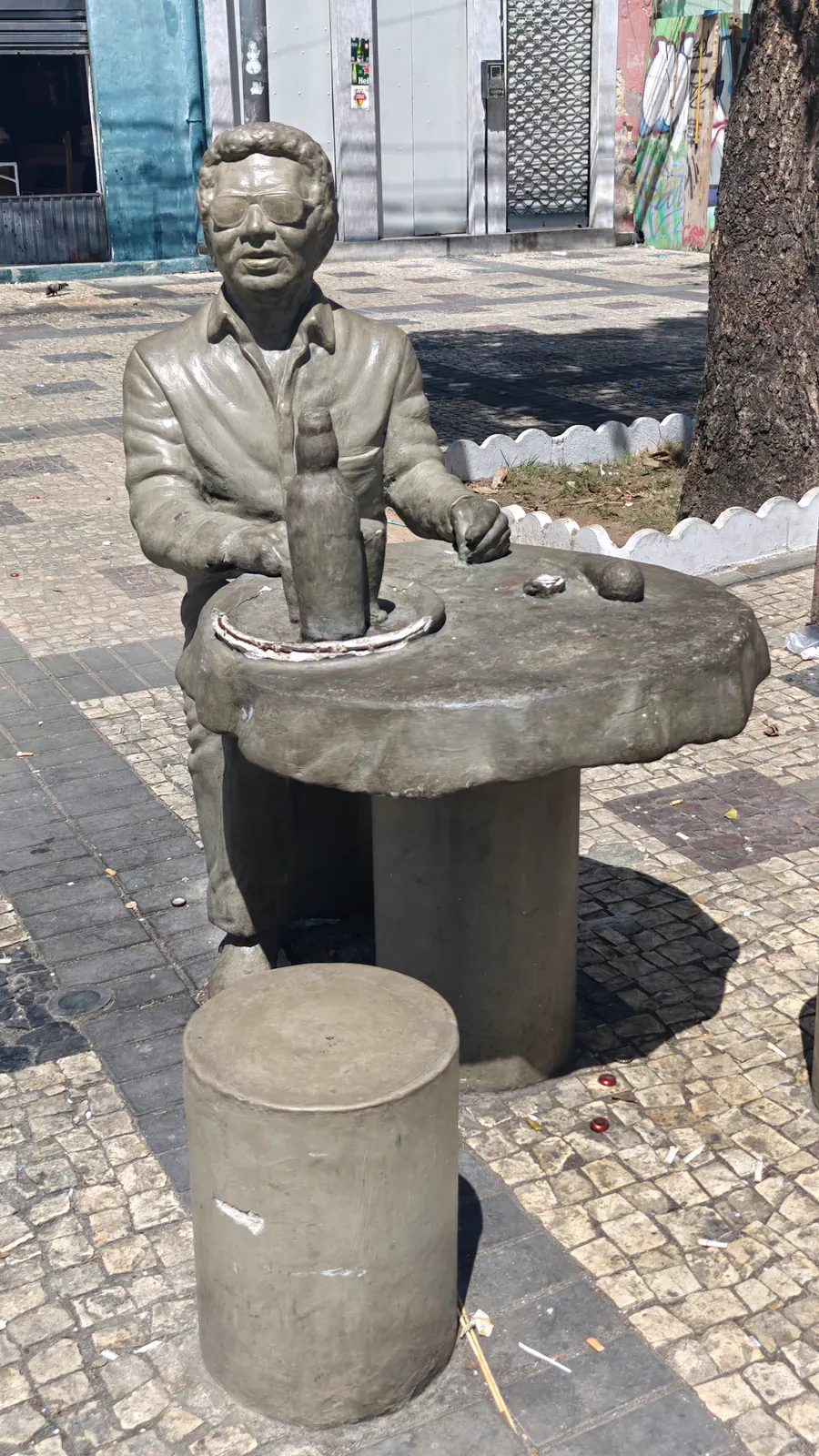
Cafona stars, 1970-1979
In the 1970s a group of singers sold heavily while the press ignored or mocked them. Waldick Soriano, Odair José, Reginaldo Rossi and Paulo Sérgio were the best known. Soriano’s “Eu Não Sou Cachorro Não” later gave its title to Paulo Cesar de Araújo’s 2002 book on cafona music and the military dictatorship. Odair José’s “Uma Vida Só (Pare de Tomar a Pílula)” (1973) was among that year’s most played songs, and its refrain was censored by the dictatorship.
Rossi had started in Recife as a Jovem Guarda-style rock singer, a connection to Brazilian rock, and turned to romantic song around 1970. Late in the decade Sidney Magal debuted on Polydor with a theatrical latin-lover persona, adding a danceable, sensual version to the field. Odair José’s 1977 album O Filho de José e Maria, built on a controversial theme, is later described as the first Brazilian pop rock opera album.
The press says brega, 1980-1998
From the 1980s the press applied the word brega, replacing cafona, to overly dramatic music for working-class audiences. Amado Batista, whose Pensando em Você appeared in 1983, and Wando became its symbols. Waldick Soriano rejected the label.
Reginaldo Rossi did the opposite. His 1987 single “Garçom” became his biggest success, was revived in the 1990s and drew covers from established artists, and he took the insult as a title: King of Brega.
Belém and Recife, 1999-2014
The centre of gravity then moved north. Banda Calypso formed in Belém in 1999 around the singer Joelma and the guitarist Ximbinha. They built brega pop on cumbia, lambada, zouk and carimbó, with rhythms close to cumbia, and sold millions of CDs and DVDs largely outside the major-label chain. Their album Volume 8 (2005) reached about 1.8 million copies.

Tecnobrega took shape in the same city. Gaby Amarantos fronted the group Tecno Show from 2002, and producers worked from home studios, reworking popular songs alongside original material and selling discs on the street. The parties that fed this scene, with fan clubs for each aparelhagem in matching outfits, were its real market. Meanwhile in Recife, brega-funk emerged around 2011 when local MCs joined brega with funk and electronic beats.

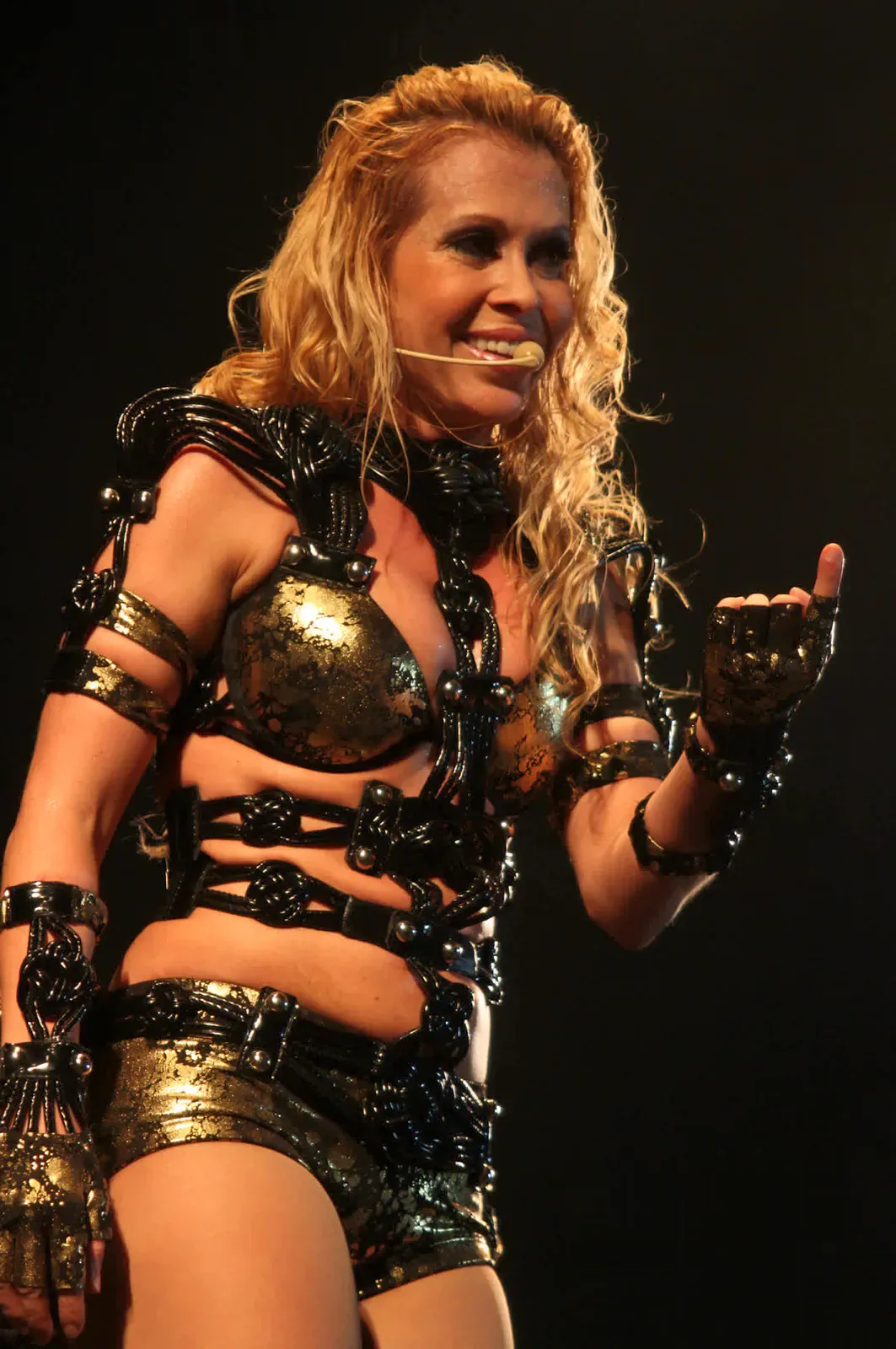
Mainstream success
Brega reached the mainstream twice. In the 1970s and 1980s its singers were top sellers despite critical contempt, a gap between sales and prestige that the term itself encodes. Som Livre, set up in 1969 by João Araújo for TV Globo soundtracks, later issued Gaby Amarantos’s Treme (2012), whose single “Ex Mai Love” opened the TV Globo telenovela Cheias de Charme. In 2023 she won a Latin Grammy for TecnoShow, in the best Portuguese-language roots music album category.
Recognition from institutions came late. In 2021 Pará recognised brega as state cultural heritage, and on 30 May 2025 UN Tourism named Belém World Capital of Brega.
Notable recordings
“Garçom” (1987) is the most widely known entry point. It is a drinking-table lament, and it first came out as a 7-inch single. “Eu Não Sou Cachorro Não” shows the dramatic cafona style, and “Uma Vida Só” shows how brega songs met the censors of the dictatorship. Banda Calypso’s “Cúmbia do Amor” and Gaby Amarantos’s “Ex Mai Love” mark the move to Pará’s brega pop and tecnobrega.
Culture
Brega is bound to class. It was the music of peripheral nightclub dances, called bregões, and of street-corner CD stalls, and its critics were usually urban, middle-class and attached to MPB. Some artists later took cafona and brega up with pride.
In Belém the dance floor has its own vocabulary: steps such as the caquiado, a quick foot flourish danced to merengue, and the aparelhagem sound systems that headline parties and have organised fan clubs. Recordings often shout out friends and neighbourhoods, which makes a disc worth more locally.

Legacy
The legacy of brega is partly a reversal of status. A term of contempt became a title for a king, a state heritage category and an international tourism designation. Its regional branches, from Recife to Belém, remain active, with tecnobrega and brega-funk as living styles. The wider context is the Latin music family.
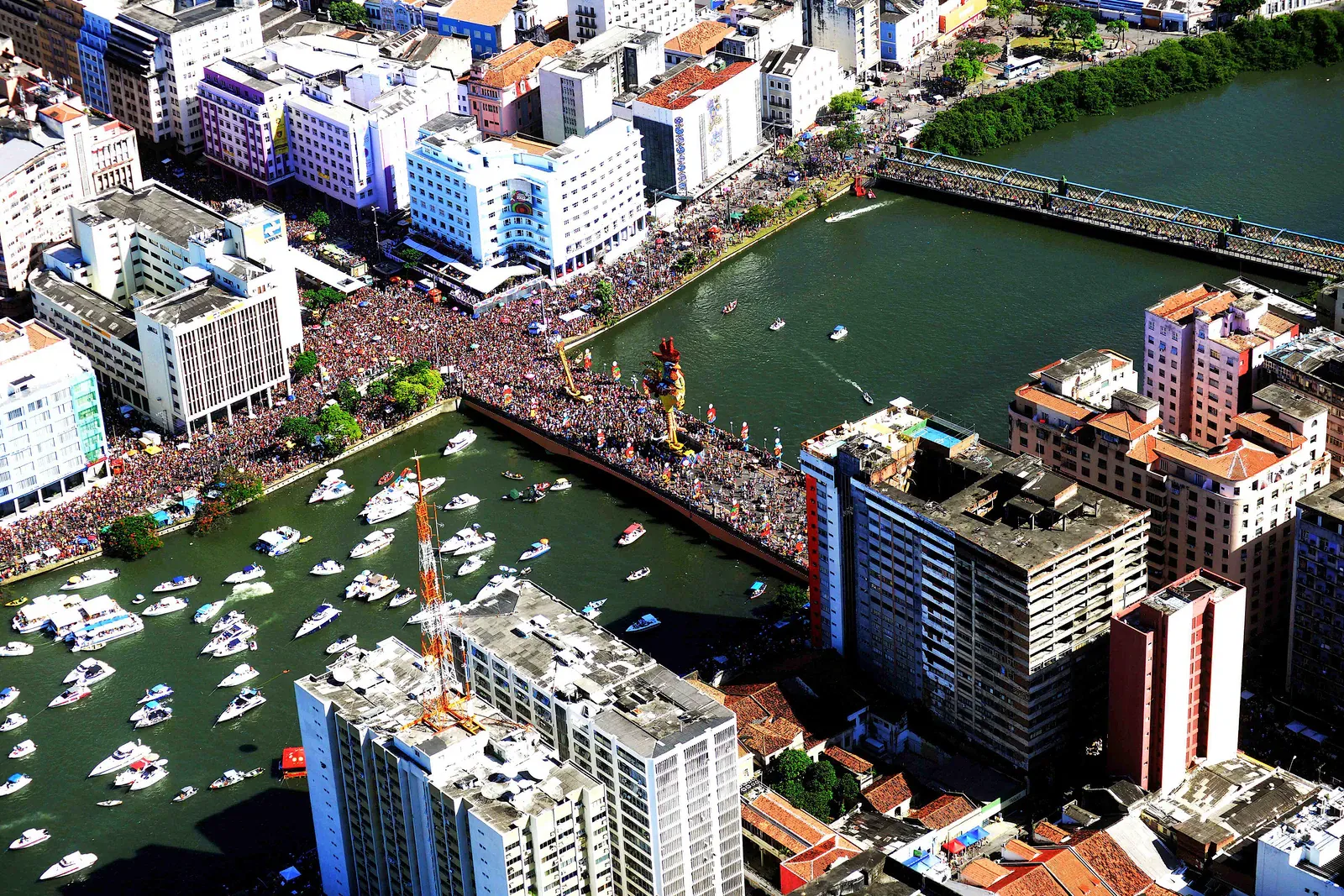
Misconceptions
One myth is that brega is a single style. The label marks social status and taste as much as sound, and it covers 1970s romantic ballads, guitar-led brega pop, electronic tecnobrega and brega-funk.
A second myth holds that brega was an unpopular genre dismissed by listeners as well as critics. In the 1970s Waldick Soriano, Odair José and Reginaldo Rossi sold heavily; the contempt came from the press and the cultural establishment.
A third myth is that brega comes from only one place. Its roots run through Rio de Janeiro and São Paulo labels, Recife’s romantic singers, Goiás-born stars such as Odair José and Amado Batista, and Belém’s sound-system parties.
Frequently asked questions
What does brega mean?
Brega is a Brazilian word for tacky or in poor taste. It became the common name for sentimental working-class romantic music in the 1980s, replacing cafona, and some artists adopted it proudly.
Is brega the same as tecnobrega?
No. Tecnobrega is one branch of brega, an electronic dance form from Belém built on synthesizers and sequenced beats. Brega also includes older romantic song, brega pop and brega-funk.
Who is the King of Brega?
Reginaldo Rossi, a singer from Recife whose hit “Garçom” (1987) made him a national figure, took the title King of Brega. He died in Recife on 20 December 2013.
Where did brega come from?
Brega developed in Brazil from samba-canção, bolero, Jovem Guarda, pop rock and soul. Its main centres are Recife and Belém, with record labels in São Paulo and Rio de Janeiro.
Sound
Sound sheet
Signature sounds
- Melodramatic, sentimental lyrics about love and heartbreak
- Electric guitar and keyboards over a steady dance beat
- Caribbean rhythms such as cumbia, merengue and zouk in brega pop
- Electronic beat under a brega melody in tecnobrega
Techniques
- Remixing existing songs
- Dramatic romantic vocal delivery
- Shout-outs on recordings
- Electronic beat under brega melody
Vocals
Emotional, often theatrical lead vocals on romantic and heartbreak themes.
Scenes
Where it happened
Where and when the sound lived: one bar per city on a shared timeline.
Latin America
Active scenes
Peak 4, 1964-2025
Home of aparelhagem dance parties, brega pop and tecnobrega; named World Capital of Brega in 2025.
Home city of Reginaldo Rossi and of brega-funk; its council recognised brega as intangible heritage in 2021.
Home of labels Continental and Chantecler, where many regional singers recorded.
Early base of Copacabana and Som Livre; Odair José and Sidney Magal built careers here.
Culture
Culture markers
- Aparelhagem party dancing
Belém dancers use steps such as the caquiado, a quick foot flourish danced to merengue.
Dance - Aparelhagem fan clubs
Members attend parties in matching outfits bearing the name of their favourite sound system.
Ritual - Cafona and brega
Words for tacky, used as an insult by critics and later taken up with pride by some artists.
Slang
Media
Key media
- 2002Eu Não Sou Cachorro, Não: Música Popular Cafona e Ditadura Militar
by Paulo Cesar de Araújo. Historian's study of cafona music and the military dictatorship, widely cited on brega.
Book
Glossary
Terms on this page
A large mobile sound system, with its own name and fan club, that headlines dance parties in Belém.
Brazilian label for sentimental working-class popular music, once only an insult meaning tacky or bad taste.
Faster, guitar-led brega with romantic to erotic lyrics, led nationally by Banda Calypso.
Recife style joining brega with funk and electronic beats.
A dance held in a peripheral nightclub, where brega first reached its public.
Older word for tacky that critics used for this music before brega became the common name.
Slower, close-dance style of Pará, also called brega-saudade.
Electronic dance form of brega from Belém, also called melody, built on synthesizers and sequenced beats.
Latin family