Italo disco
Italo disco is Italian electronic dance music of the 1980s, sung in accented English about love, robots and space, and an influence on house and techno.
Italy, Germany, 1981
Electronic family
Facts
| Family | Electronic |
| Branch of | Euro disco |
| Origin | Italy, Germany |
| Emerged | Early 1980s |
| Tempo | 110 to 130 BPM |
| Meter | 4/4 |
| Grew out of | Post-disco, Synth-pop |
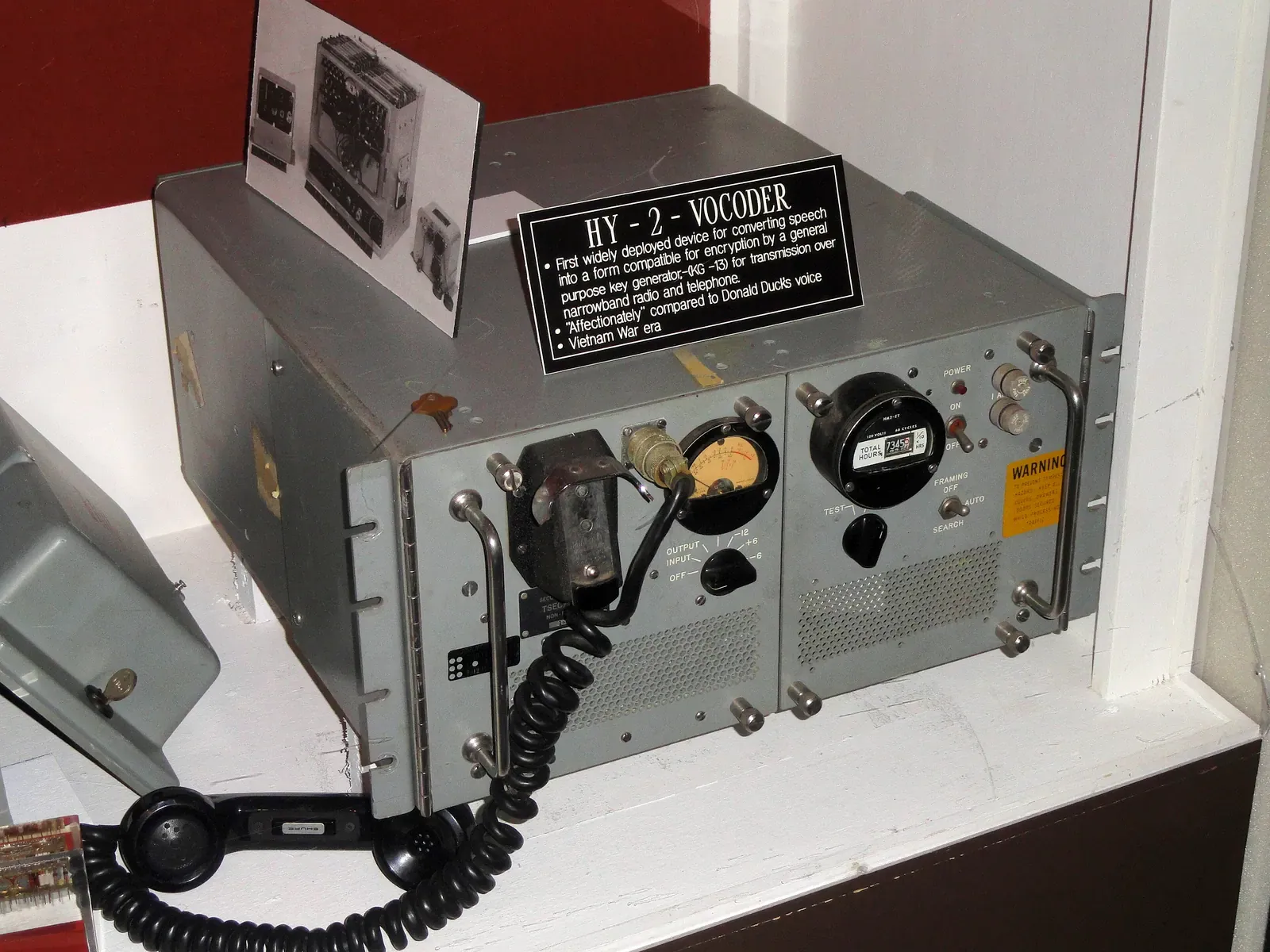
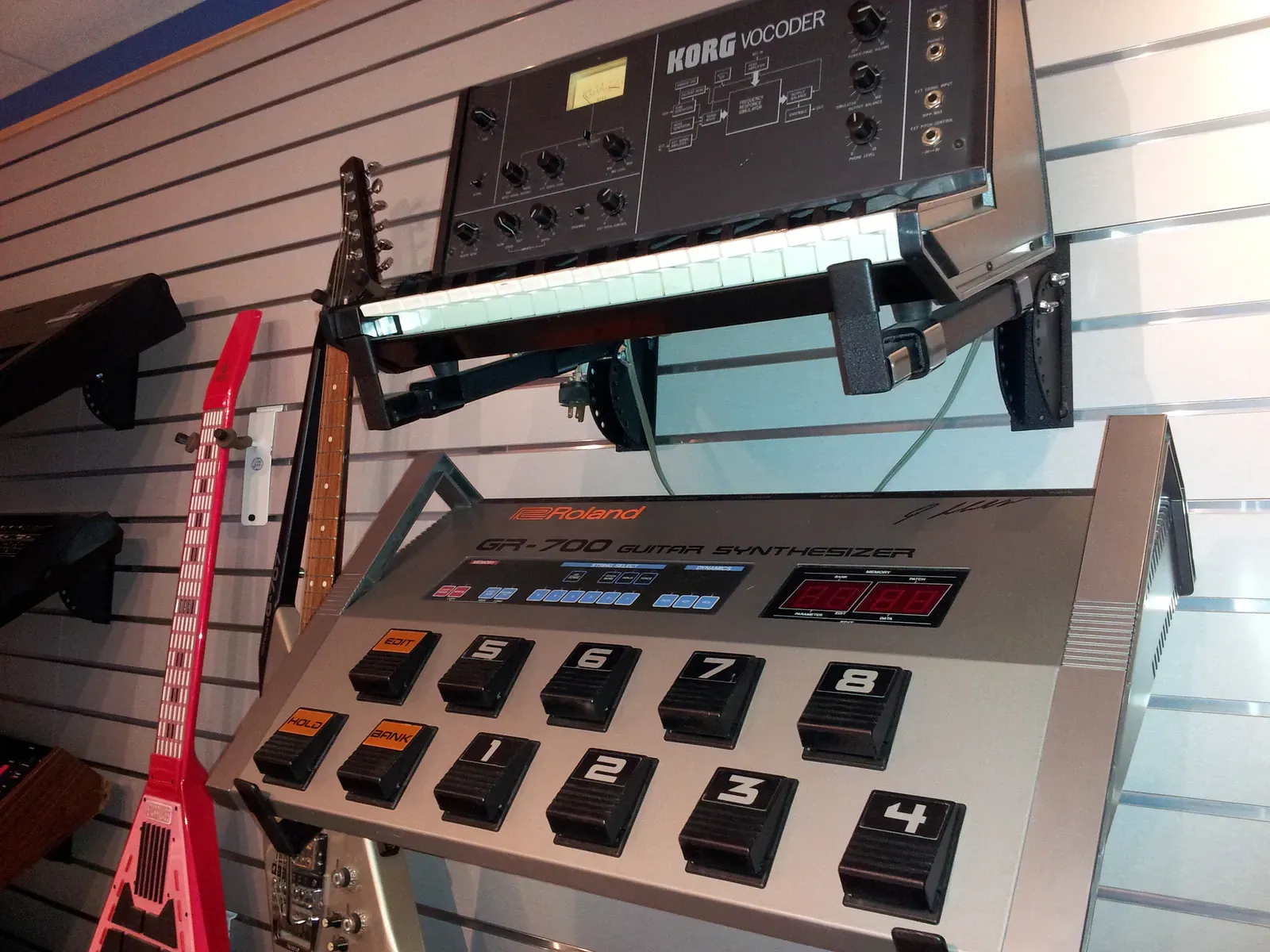
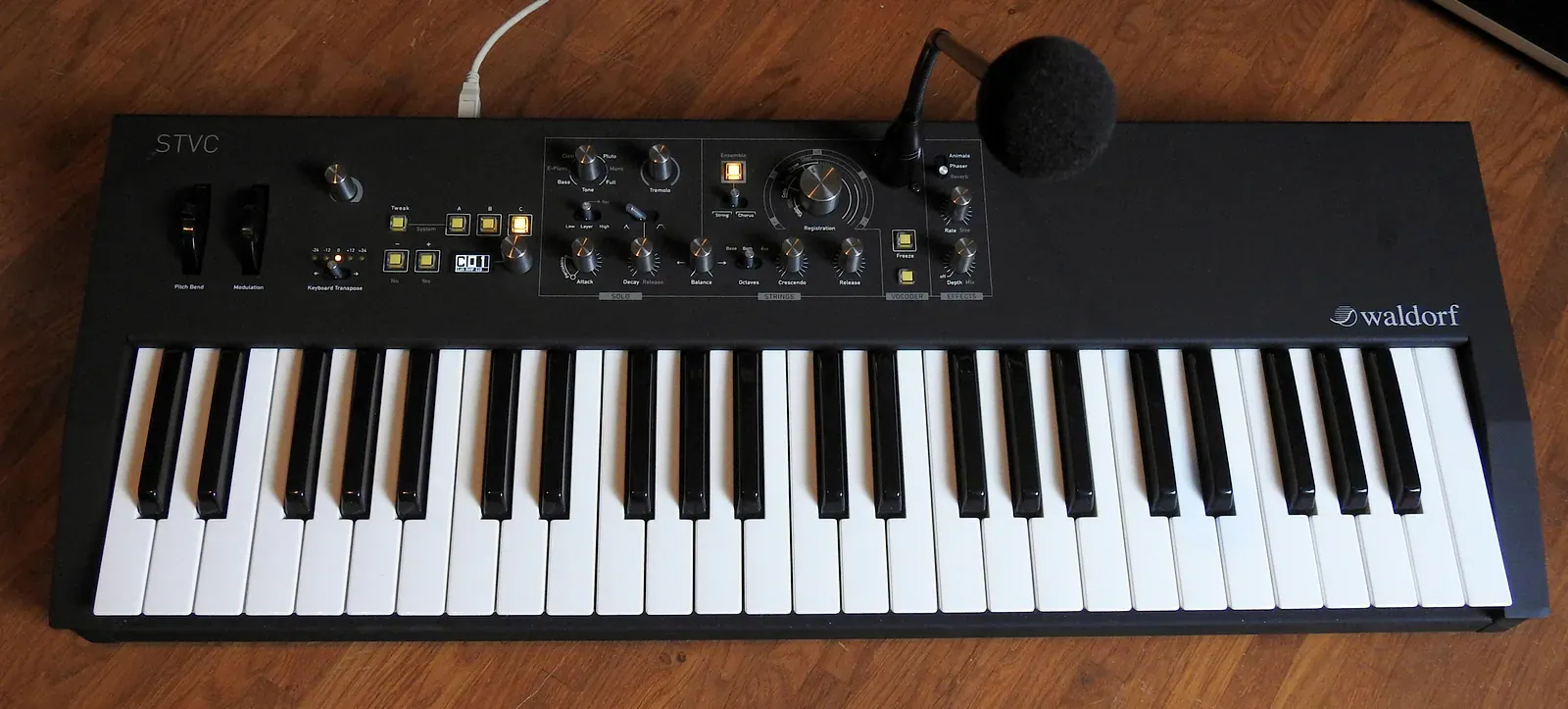
Italo disco is a style of electronic dance music made in Italy from about 1981, built on synthesizers, drum machines and sometimes vocoders, with melodic hooks and English lyrics sung with a heavy accent about love, robots and space. Tempos sit around 110 to 130 BPM.
It descends from post-disco and synth-pop, sits under Euro disco in the family tree, and later fed house, techno and nu-disco.
Origins
The genre’s first records appeared at the turn of the 1980s. Kano’s “I’m Ready” (1980) reached number one on the US Billboard Disco chart, and Lectric Workers’ “Robot Is Systematic” (1982) set the robot-and-space themes. In 1983 the Italian singer Paul Mazzolini, performing as Gazebo, released “I Like Chopin”, which reached number one in Germany, Spain and Austria and sold around 8 million copies.
Characteristics
Italo disco pairs a rigid electronic pulse with melodic synthesizer lines and a human voice that is often processed to sound mechanical. Lyrics mix love songs with spaceships and androids, and the accent of Italian singers working in English became part of the sound. Budgets varied: better-funded studios had expensive polysynths, while some underground producers worked with a synthesizer, a drum machine and basic recording facilities. The mood is glittery and slightly lonely, a listener’s reading rather than a measurable trait.
Instruments and production
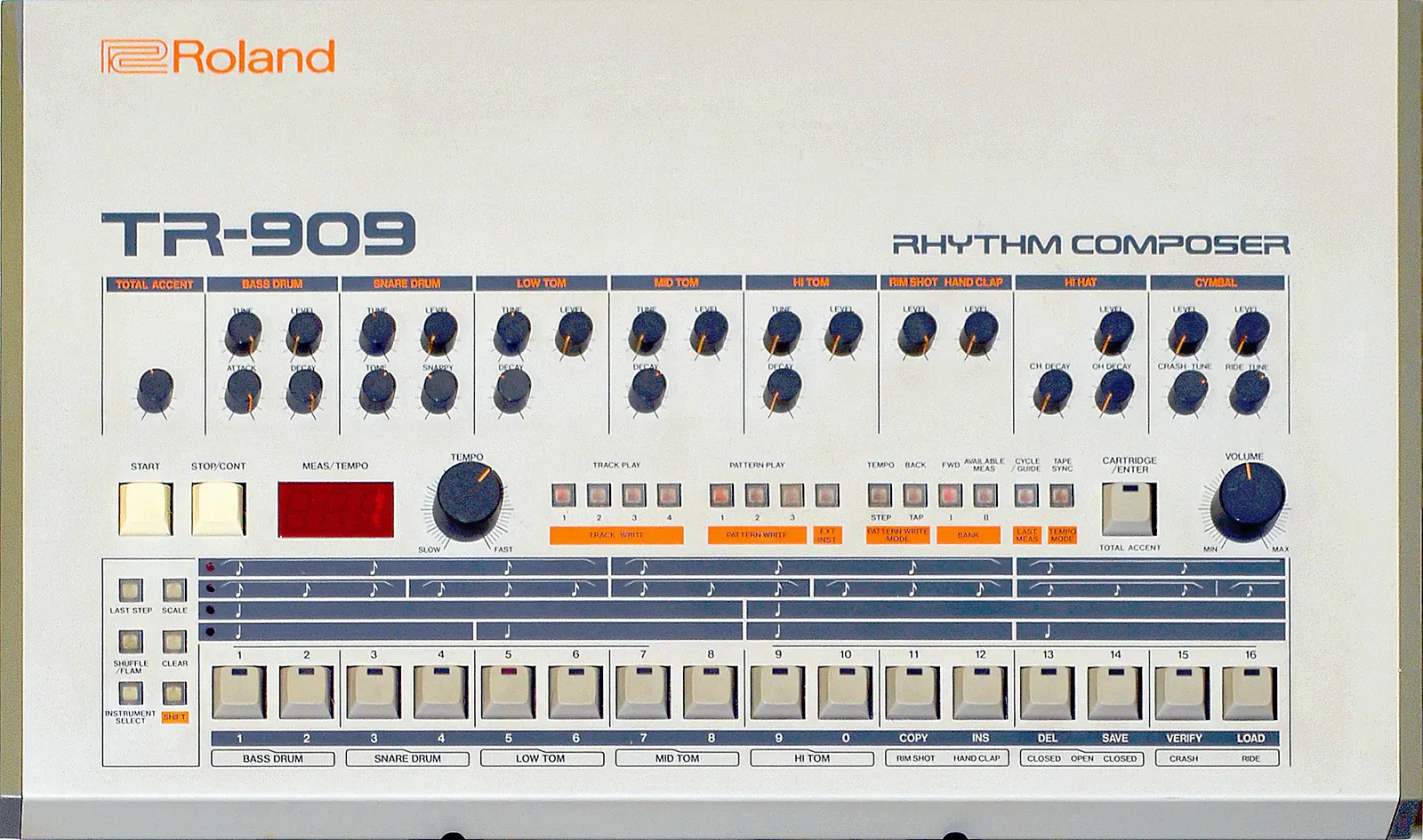
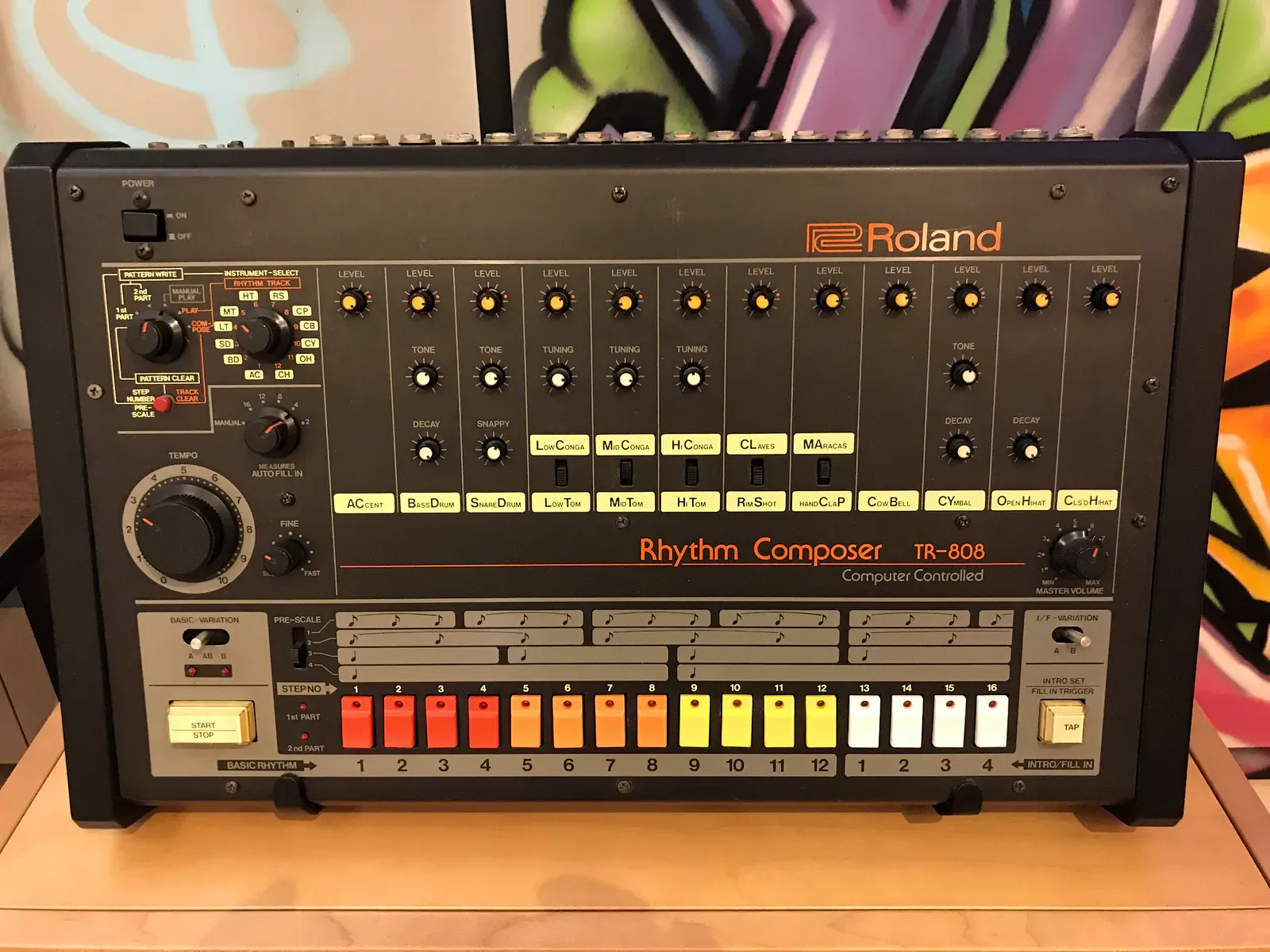
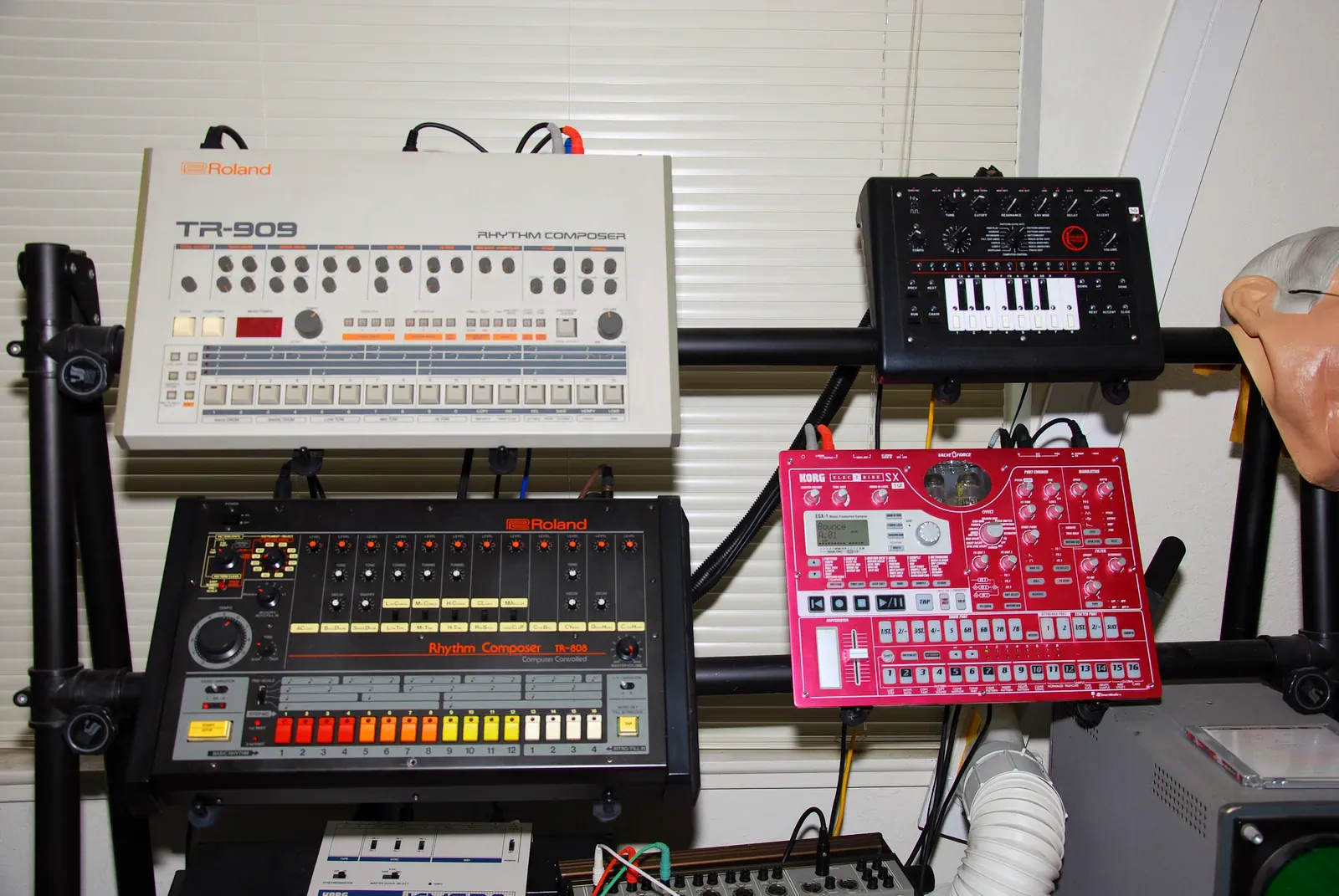
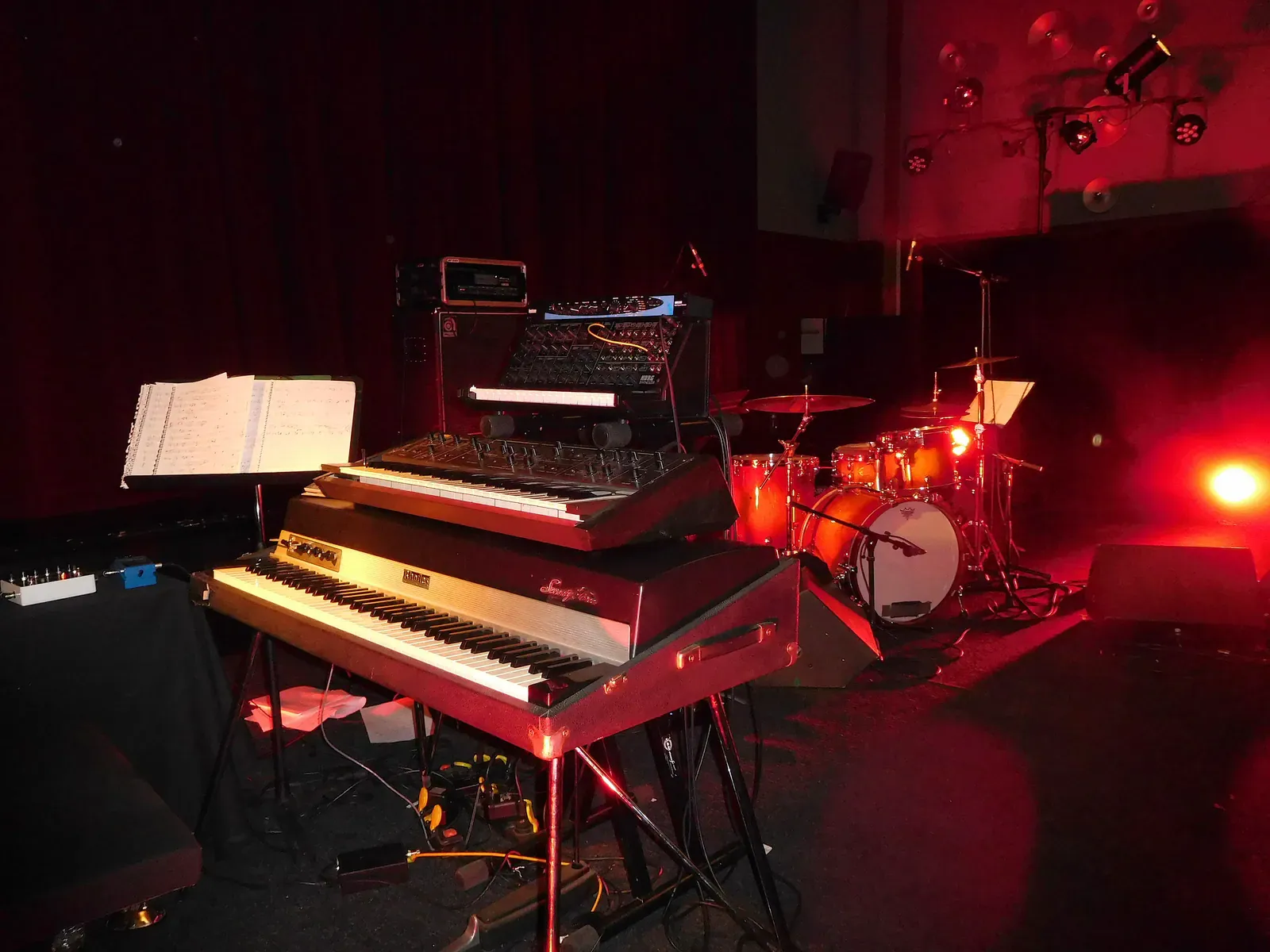
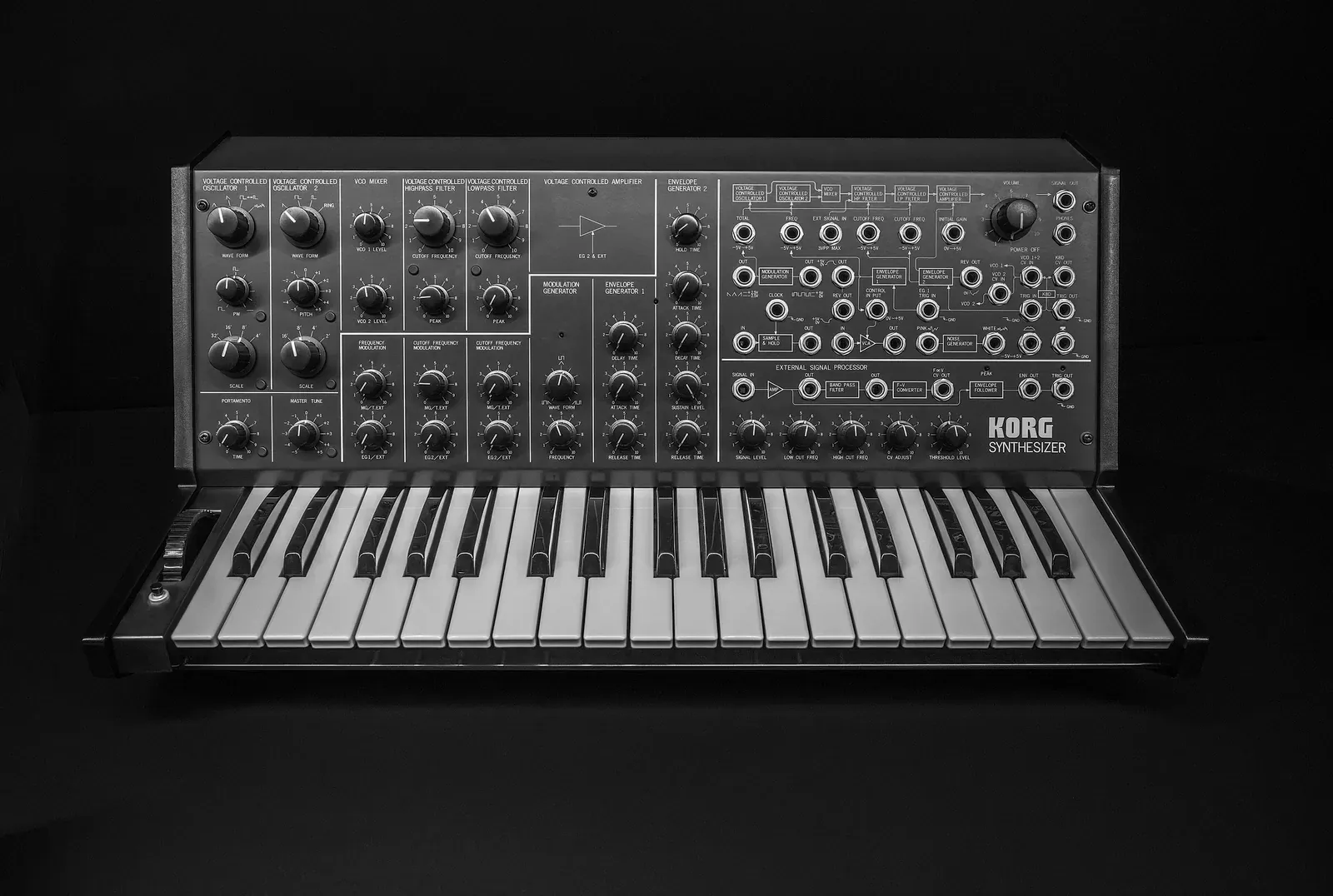
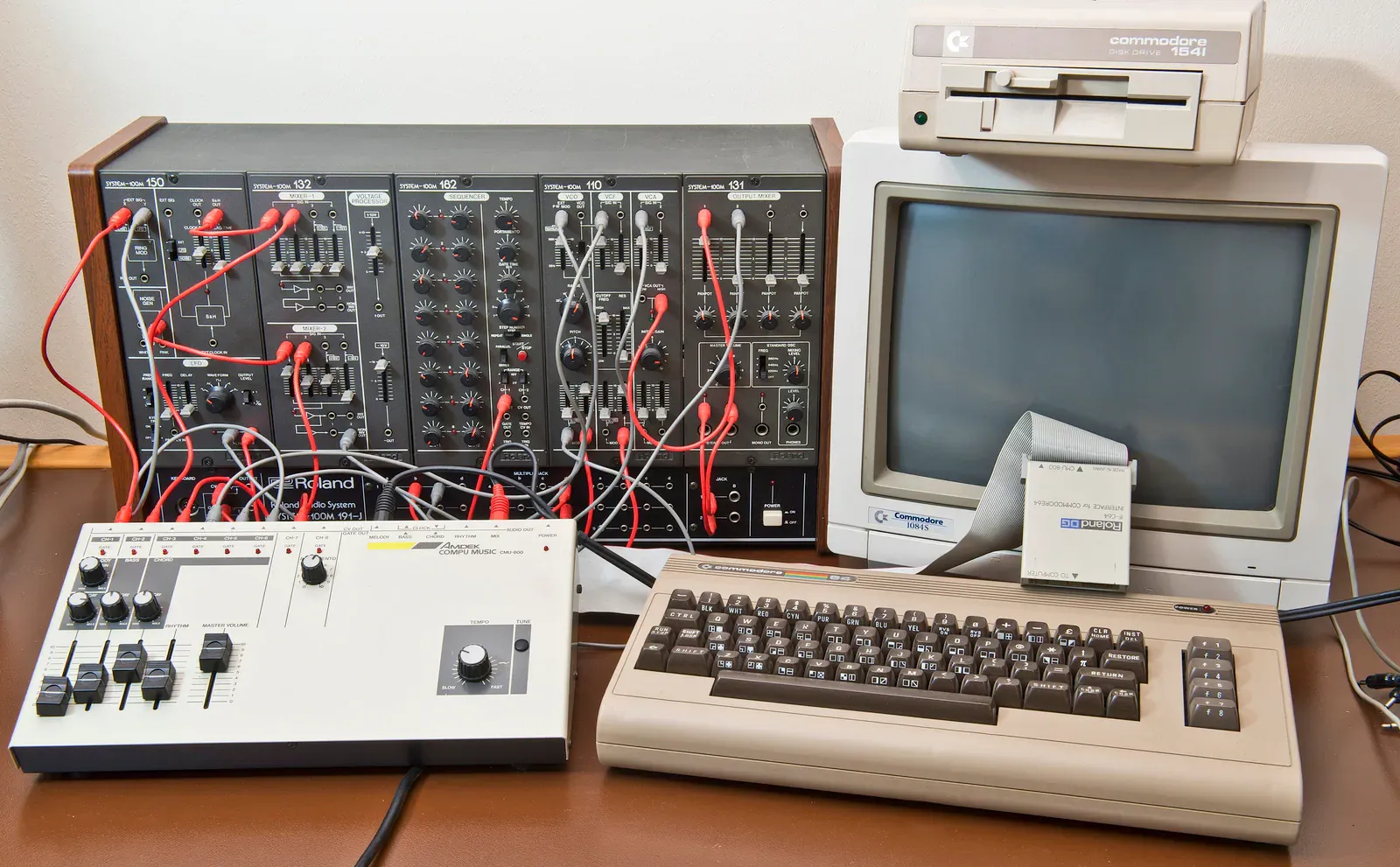
The gear was compact and programmable. Klein + M.B.O.’s “Dirty Talk” (1982) was recorded with Roland synthesizers and a TR-808, and it became an underground hit in the United States, reaching number 14 on the US Dance Singles chart.
Naming and ZYX
The word “Italo” was already printed on German compilations by 1978. “Italo-Disco” as a full label shows up on West German releases in late 1982. The usual story credits Bernhard Mikulski of the German label ZYX, whose 1983 compilations, including the sixteen-volume “The Best of Italo-Disco” and “Italo Boot Mix” series (which ended in 1991), spread the name.
Reliable third-party documentation confirming ZYX as the true originator has not been found. So a German label may have named an Italian style, or it may have simply been the loudest voice repeating a name already in circulation. The style is generally described as named via West German label ZYX from 1982, but the label story is widely repeated rather than proven.
Not everything in the genre was as it seemed. Den Harrow, a hit act from the mid-1980s (“Bad Boy”, 1985), was the face of Stefano Zandri, a male model. The American singer Tom Hooker provided most of the vocals, the producers Roberto Turatti and Miki Chieregato named the project after the Italian word denaro (money), and Zandri was marketed as “Manuel Stefano Curry from Boston, Massachusetts” for English-speaking audiences. Zandri sang on only two songs, “Born to Love” (1988) and “Ocean” (1991).
Influence on Chicago house and Detroit techno
The genre grew out of post-disco and synth-pop, with Hi-NRG and Euro disco as influences. Chicago house (1983) and Detroit techno (1985) are listed as styles influenced by Italo disco, and techno as derived from it.
In a 2004 interview, Derrick May said “the Italian music was also very good: Klein + M.B.O., all the Capricorn stuff.” He said he was the one who brought it back to Detroit, because it was “just from Chicago”, and that it “gave me my edge.” Chicago’s radio and record shops were the pipeline. Italo disco is also described as a template European producers emulated as the genre’s sound formed.
Legacy
Italo disco belongs to electronic music, with disco as its dance-floor branch. Its descendants include:
- Spacesynth (1984) and Eurobeat (1986), both marked as derived from it. The style was adapted for the Japanese market in the late 1980s as Eurobeat.
- Techno (1985) and Detroit techno (1985), the Midwest branch above.
- Balearic beat (1985), Italo house (1988), Disco polo (1988) and Latin freestyle (1983).
- Italo dance (1996) and Nu-disco (1996), then Synthwave (2006), Dark disco (2014) and Outrun.
The style never fully disappeared. Kano’s “I’m Ready” (1980), which reached number one on the US Billboard Disco chart, was sampled in Tag Team’s “Whoomp! (There It Is)” (1993), and later by Felix Da Housecat and Kavinsky. Miss Kittin & The Hacker covered “Dirty Talk” on their 1998 EP “Champagne”. The genre is classed as revived.
Notable recordings
Six records that define the style, in order:
- Kano, “I’m Ready” (1980)
- Lectric Workers, “Robot Is Systematic” (1982)
- Klein + M.B.O., “Dirty Talk” (1982)
- Gazebo, “I Like Chopin” (1983)
- Alexander Robotnick, “Problèmes d’amour” (1983, on the Italian label Materiali Sonori)
- Den Harrow, “Bad Boy” (1985)
Together they span five years in which the machines grew more confident. Detroit techno shows what Derrick May took from the pile.
Misconceptions
Italo disco is not simply disco sung in Italian: it is mostly sung in English, and its sound comes from electronic instruments rather than a disco orchestra. The name is often attributed to ZYX, yet “Italo” already appeared on German compilations in 1978. And acts were not always what they seemed: Den Harrow was fronted by the model Stefano Zandri while the American singer Tom Hooker sang most of the vocals.
Frequently asked questions
What is Italo disco?
Italo disco is Italian electronic dance music of the 1980s, made with synthesizers and drum machines and sung mostly in accented English. Its themes are love, robots and space.
Who are the most famous Italo disco artists?
Gazebo (“I Like Chopin”), Den Harrow (“Bad Boy”), Klein + M.B.O. (“Dirty Talk”) and Alexander Robotnick (“Problèmes d’amour”) are among the best known.
How did Italo disco influence house and techno?
Chicago radio and record shops carried Italian records, and Derrick May has said Italian music gave him his edge when he brought it back to Detroit. The genre is listed as an influence on Chicago house and Detroit techno.
What came after Italo disco?
Spacesynth, Eurobeat, Italo house and nu-disco followed, and the sound returned in synthwave and dark disco.
Sound
Sound sheet
Tempo
110-130 BPMInstruments
- Vocoder
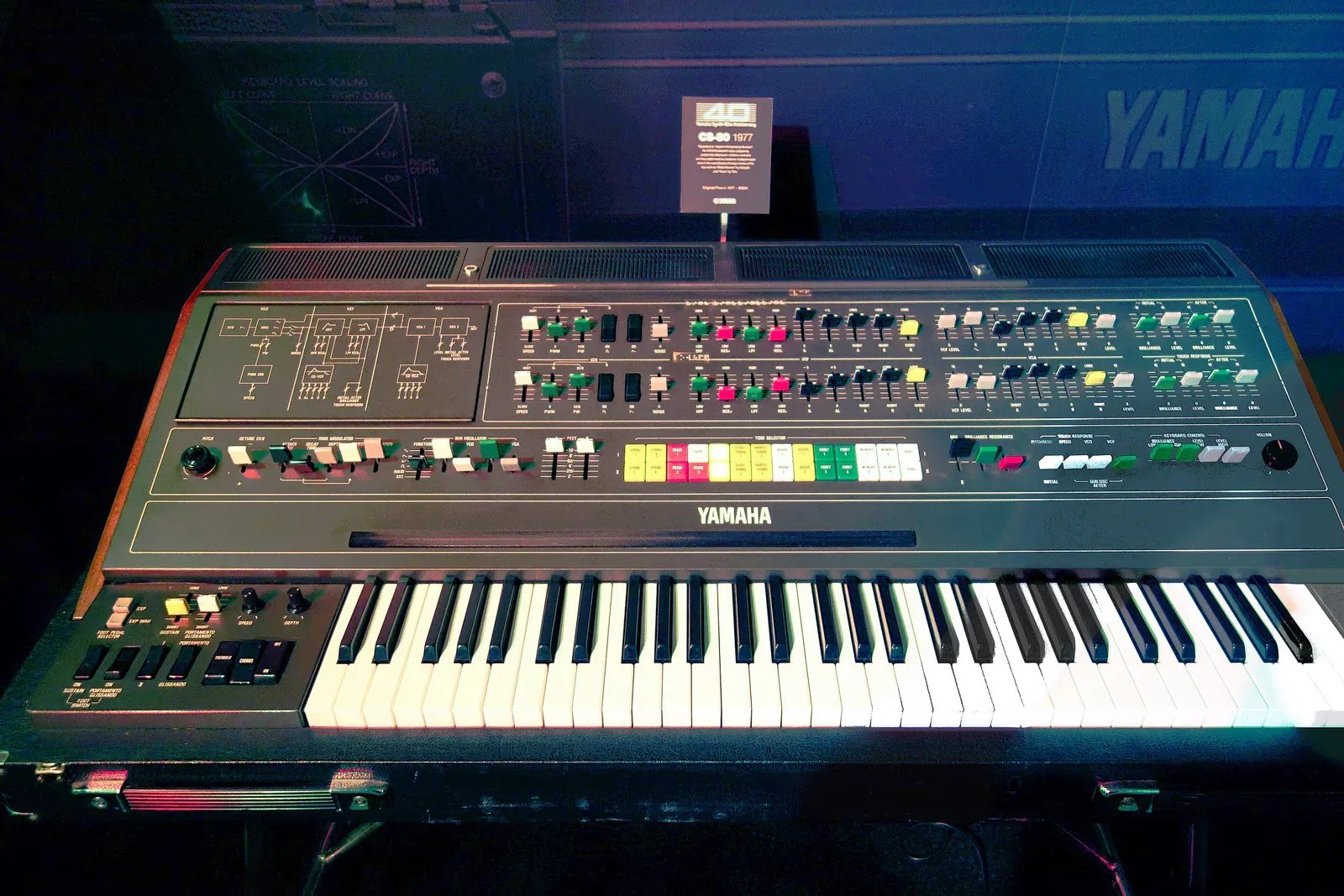
- Analog polysynth
- Drum machine
- Hardware sequencer
Drums and percussion
- Roland TR-808
- LinnDrum
- Oberheim DMX
Synths and software
- Roland Jupiter-8
- Sequential Prophet-5
- Roland Juno-60
- Yamaha DX7
Techniques
- Four-on-the-floor beat
- Sequenced octave bass
- Arpeggiated synth lines
- Vocoder vocals
Vocals
Heavily accented English; breathy, romantic delivery or vocoder, on themes of love, robots and space.
Lineage
Family tree
Electronic family