Krautrock
Krautrock is West German experimental rock of about 1968 to 1976, built on motorik rhythm, tape editing, synthesizers and long improvised forms.
Cologne, 1968
Rock family
Born
1968
Cologne
Links
39
Genres it drew on or shaped
Tempo
75-155 BPMLineage
Family tree
Grew out of
- Experimental rock
Derived from
Derived from
- Acid rock
Derived from
Derived from
Derived from
Influenced by
Cologne, 1968
Krautrock
Led to (4)
Timeline
Era by era
From the first sparks to today. Select a dot to read the story behind it.
- Communes and free forms
1968 to 1971
- Motorik and the British ear
1971 to 1975
- Absorbed by post-punk and electronics
1976 to 1994
- Rediscovery
1995 to today
Eras
Moments
- 1 Communes and free forms, 1968 to 1971
- 2 Motorik and the British ear, 1971 to 1975
- 3 Absorbed by post-punk and electronics, 1976 to 1994
- 4 Rediscovery, 1995 to today
1968
Communes and free forms
Student radicalism and the avant-garde meet rock in Cologne, Munich and West Berlin; Can, Amon Duul II, Faust and Tangerine Dream form and record their first albums.
- 1968Can form in CologneHolger Czukay, Irmin Schmidt, Michael Karoli and Jaki Liebezeit start as Inner Space and settle on the name Can.
- 1968Amon Duul II emerge from a Munich communeThe group splits from the original Amon Duul collective and becomes one of the movement's first recording acts.
- 1969Amon Duul II release Phallus Dei
- 1969Can release Monster MovieTheir debut album, with Malcolm Mooney on vocals, recorded at Schloss Norvenich near Cologne.
- 1970Yeti and Electronic MeditationAmon Duul II's double album Yeti and Tangerine Dream's debut Electronic Meditation both appear in 1970.
- 1970Ohr label startsRolf-Ulrich Kaiser's Ohr issues early Tangerine Dream and Klaus Schulze records.
- 1970Can's Mother Sky in the film Deep EndThe fourteen-minute track opens a long run of film and television scores by the group.
- 1970Faust form under producer Uwe NettelbeckTwo Hamburg-area groups merge and win a recording contract with Polydor.
1971
Motorik and the British ear
Neu! define the motorik beat, Can and Faust reach UK listeners through United Artists and Virgin, and Kraftwerk's Autobahn takes the sound onto international charts.
- 1971Can release Tago MagoA double LP on United Artists with Damo Suzuki on vocals, assembled from long improvisations.
- 1971Faust's debut on clear vinylPolydor issues the album on transparent vinyl in a clear sleeve.
- 1971Neu! form in DusseldorfDrummer Klaus Dinger and guitarist Michael Rother leave Kraftwerk's orbit and start a duo.
- 1972Neu! release their debutProducer Conny Plank helps shape the motorik pulse of Hallogallo.
- 1972Virgin and the British press popularise the wordUK coverage in 1972 spreads the term krautrock, until then often Deutsch-Rock in Germany.
- 1973The Faust Tapes sells at 48 penceVirgin prices the collage album as a sampler and reportedly sells over 100,000 copies.
- 1974Cluster release Zuckerzeit
- 1975Kraftwerk's Autobahn reaches the US top fiveA motorik-driven electronic album, released in 1974, reaches mainstream audiences abroad.
- 1975Neu! split and Faust break upNeu! 75 closes the duo's first run; Faust dissolve after a failed Munich session.
1976
Absorbed by post-punk and electronics
The original groups split or turn to synthesisers, while Bowie, Eno and post-punk bands borrow their rhythms and textures.
- 1976Bowie's Station to StationRecorded in Los Angeles, it shows Neu! and Kraftwerk influence and precedes Bowie's Berlin work.
- 1979Can disband
1995
Rediscovery
Julian Cope's Krautrocksampler and a wave of reissues bring the music to new listeners; post-rock and neo-psychedelic bands build on it.
- 1995Julian Cope publishes KrautrocksamplerThe book introduces the scene to a new generation of English-language listeners.
- 2022Neu! 50th anniversary concertsMichael Rother plays Neu! material live to mark fifty years since the debut.
Listening path
Start listening
A short path from an easy way in to the deep end. Thumbnails come from YouTube; the player loads only when you press play.
- 01
Kraftwerk, 1974
The scene's biggest international crossover, carrying the motorik pulse into electronic pop.
- 02
Can, 1971
Liebezeit's locked groove stretched over a side of Tago Mago, a defining improvised track.
- 03
Neu!, 1975
The duo's motorik drive in its fullest form on Neu! 75.
- 04
Amon Düül II, 1970
A psychedelic jam from Yeti that anchors the commune-era sound.
- 05
Faust, 1973
A long, droning track from Faust IV that took the genre's name for itself.
Facts
| Family | Rock |
| Origin | Cologne, Germany |
| Emerged | Late 1960s to early 1970s |
| Status | Revival |
| Tempo | 75 to 155 BPM |
| Meter | 4/4 |
| Grew out of | Experimental rock, Psychedelic rock, Acid rock, Progressive rock, Art rock |
Krautrock is a loose name for experimental rock made in West Germany from about 1968 to the mid-1970s. It combined psychedelia, electronics, minimalism and free improvisation into long, hypnotic pieces, often built on a steady 4/4 drum pattern called motorik.
It belongs to the rock family but grew largely outside the blues-based tradition of British and American rock.
Origins
The music came out of a West German youth culture shaped by student protest, a break with the generation that had lived through the Nazi years, and access to the postwar avant-garde. Cologne was home to a broadcaster’s electronic music studio and to the composer Karlheinz Stockhausen, with whom Can’s Czukay and Schmidt had studied.
Can began in Cologne in 1968 under the name Inner Space, with Holger Czukay, Irmin Schmidt, Michael Karoli and Jaki Liebezeit. In the same year Amon Düül II split from a Munich commune collective and became one of the first groups to record. West Berlin supplied a third centre: the Zodiak Free Arts Lab, opened in 1968, gave electronic and improvising groups a room, and the Ohr label, run by Rolf-Ulrich Kaiser, issued early records by Tangerine Dream and Klaus Schulze. Faust formed around 1970 when producer Uwe Nettelbeck merged two Hamburg-area groups and secured a contract with Polydor.
The groups shared little in style. What they had in common was a refusal to copy the blues forms of Anglo-American rock and a willingness to treat the recording studio, tape and early synthesizers as instruments.
Communes and free forms, 1968-1971
Amon Düül II’s Liberty debut Phallus Dei appeared in 1969, followed in 1970 by the double album Yeti, built on violin-led psychedelic jams. Can released Monster Movie in 1969, with Malcolm Mooney on vocals, recorded at Schloss Nörvenich, a castle near Cologne. Tangerine Dream’s first album, Electronic Meditation, came out on Ohr in 1970, and Can’s track Mother Sky opened a long run of film work when it was used in the 1970 film Deep End.
Faust’s self-titled debut followed in 1971 on Polydor, issued on clear vinyl in a transparent sleeve. Its mix of collage, noise and tape cut-ups showed how far the new German groups were from song-based rock. Later in 1971 Can released Tago Mago on United Artists, a double album with Damo Suzuki on vocals, assembled from long improvisations.
Motorik and the British ear, 1971-1975
In 1971 drummer Klaus Dinger and guitarist Michael Rother left Kraftwerk’s orbit in Düsseldorf and formed Neu!. Their debut, released in 1972 on Brain with producer Conny Plank, introduced the motorik pulse through the opening track Hallogallo: a locked 4/4 beat with a driving kick, held for the whole length of a piece. Liebezeit’s drumming in Can followed a similar logic.
The word krautrock itself dates from this period. It was popularised as a British press label in the early 1970s, drawn from a slang term for Germans, and spread through UK coverage in 1972 and Virgin promotion. At home the same music was often called Deutsch-Rock until about 1973, and many of the musicians disliked the English name. The term kosmische Musik, cosmic music, was the alternative many German artists preferred, especially for the electronic-leaning side.
British listeners had access through imports, radio and cheap releases. Can and Faust reached UK audiences through United Artists and Virgin, and in 1973 Virgin priced The Faust Tapes at 48 pence as a sampler, reportedly selling over 100,000 copies. The same year Can released Future Days, with flowing, ambient-leaning pieces.
The Berlin electronic strand developed in parallel. Cluster’s 1974 Zuckerzeit, on Brain, set rhythmic electronics beside gentle melodies, and Kraftwerk’s Autobahn, released in 1974, reached the US top five in 1975, carrying the motorik pulse into electronic pop.
Characteristics
Most krautrock builds a piece from a repeated figure rather than from verses and choruses. A drone or pulse enters, a groove locks in over one or two tonal centres, layers of guitar, keyboards or tape accumulate, and a track may run for ten minutes or fill an album side. Improvisation was usually the raw material, with the finished form decided later in the edit. Vocals are sparse, often wordless, chanted or half-spoken.
Tempo ranges widely, from slow drones to fast motorik runs, but the rhythmic feel is consistently even rather than swung. That evenness separates the music from blues-derived rock and from art rock of the same years, which leaned on theatrical song structures.
Instruments and production
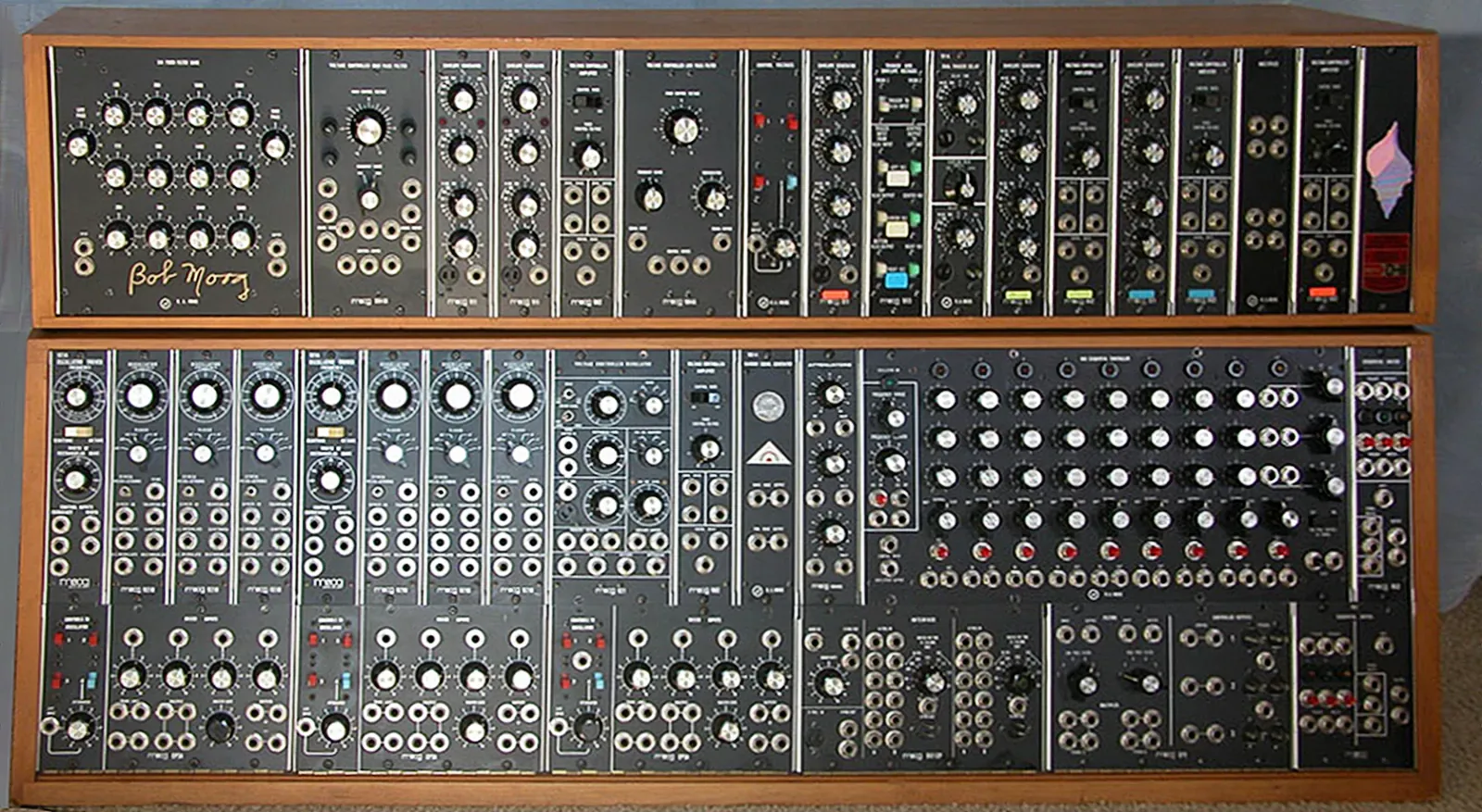
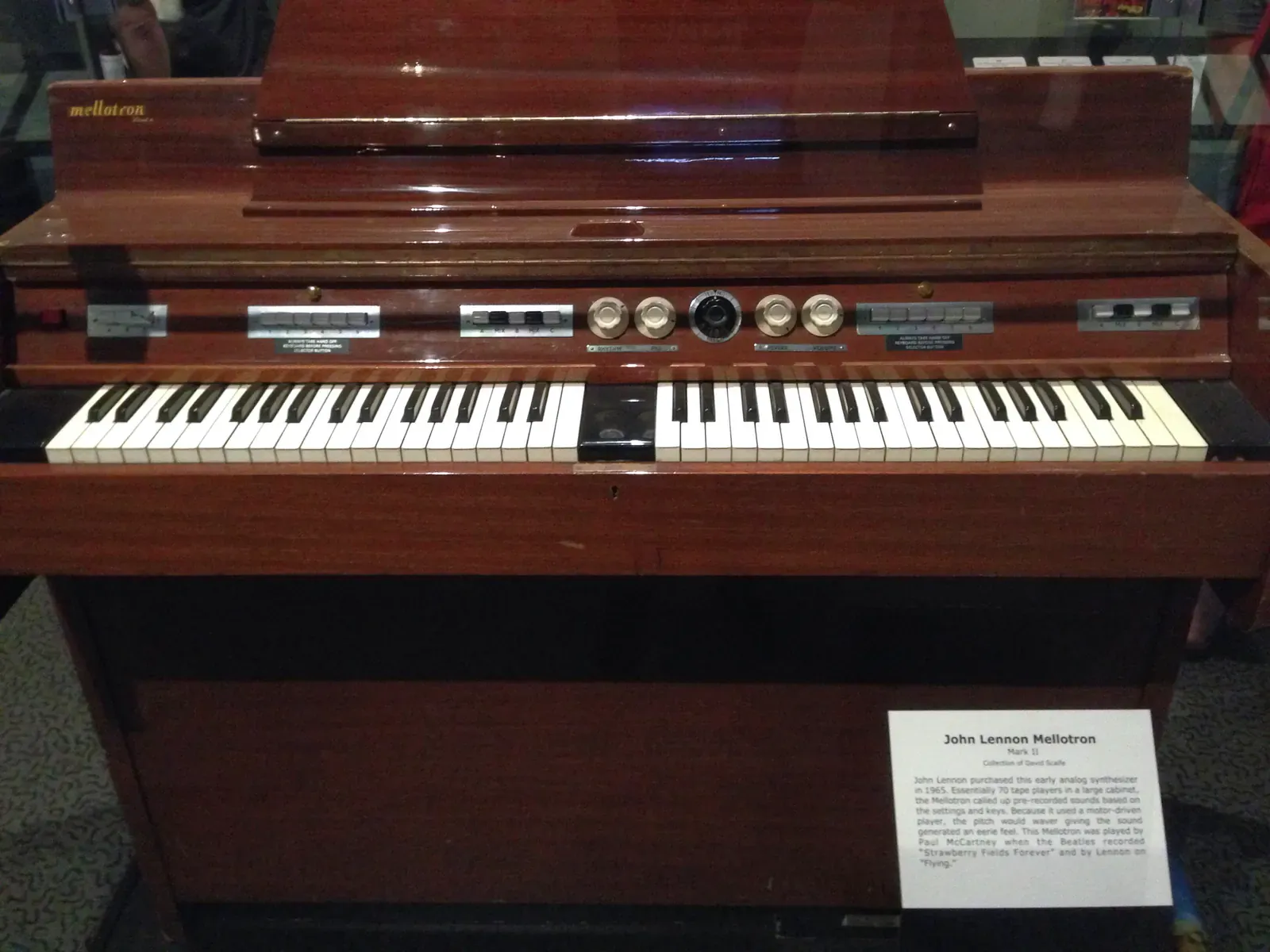
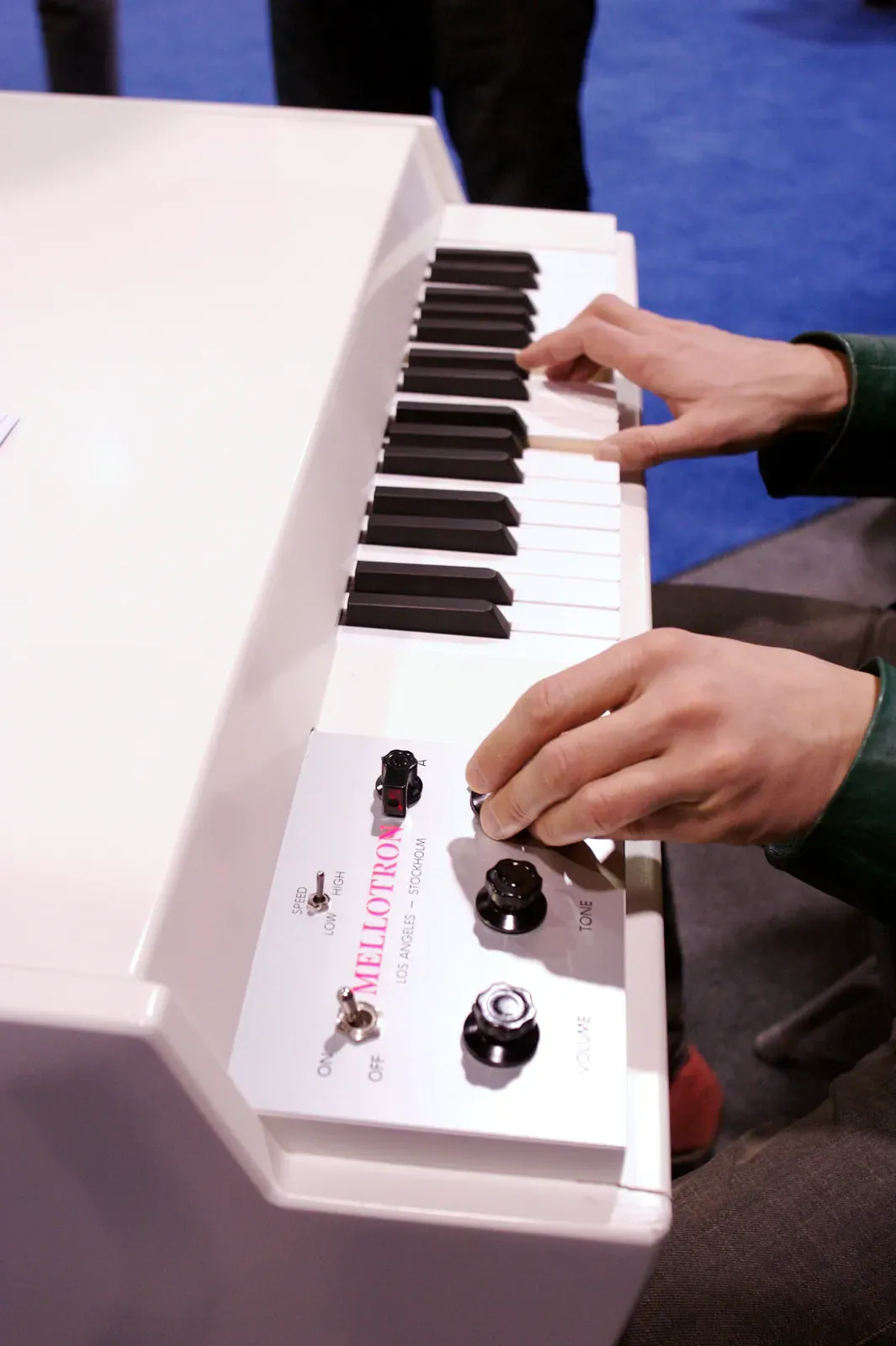
The groups worked with whatever the studio and the budget allowed. Czukay’s tape editing at Can, the electric violin of Chris Karrer in Amon Düül II and Dinger’s metronomic drumming defined three different approaches. The portable EMS VCS 3, introduced in 1969, and the Moog modular system gave Berlin groups oscillating textures and sequences, and the Mellotron supplied string and choir sounds from tape.
Notable recordings
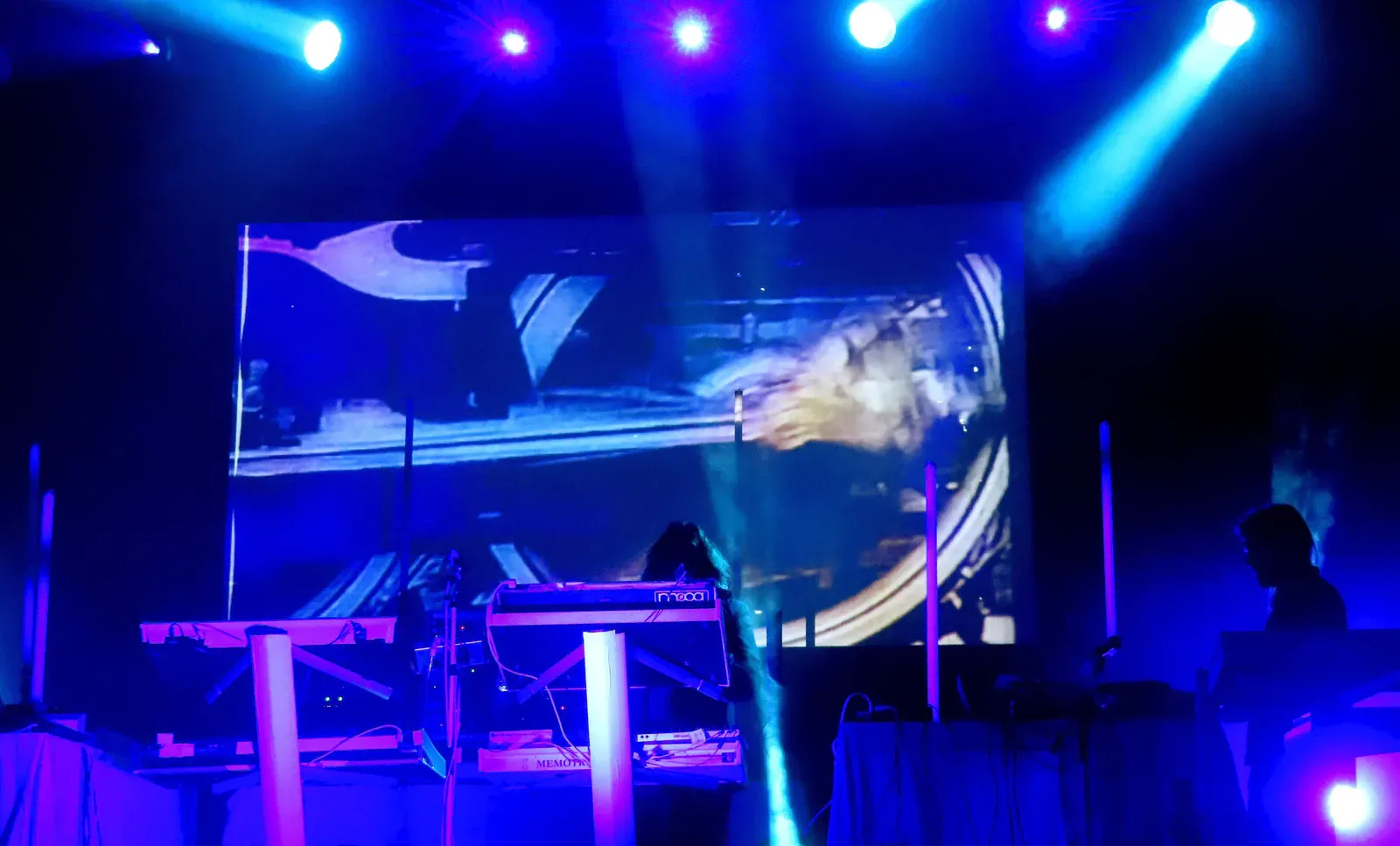
Tago Mago shows the method at its largest. Can recorded long improvisations at Nörvenich, and Czukay edited them into a double album. The track Halleluhwah fills a side of the LP on Liebezeit’s locked groove.
Neu!’s Hallogallo is the standard example of motorik: guitar lines and effects drift above a beat that never changes, so the feeling of speed comes from repetition rather than tempo. Neu! 75 carried the pulse furthest on tracks such as Isi.
Faust took the opposite route. Their records treat tape as collage, and the track Krautrock on Faust IV, a long droning piece from 1973, took the label for itself.
Mainstream success
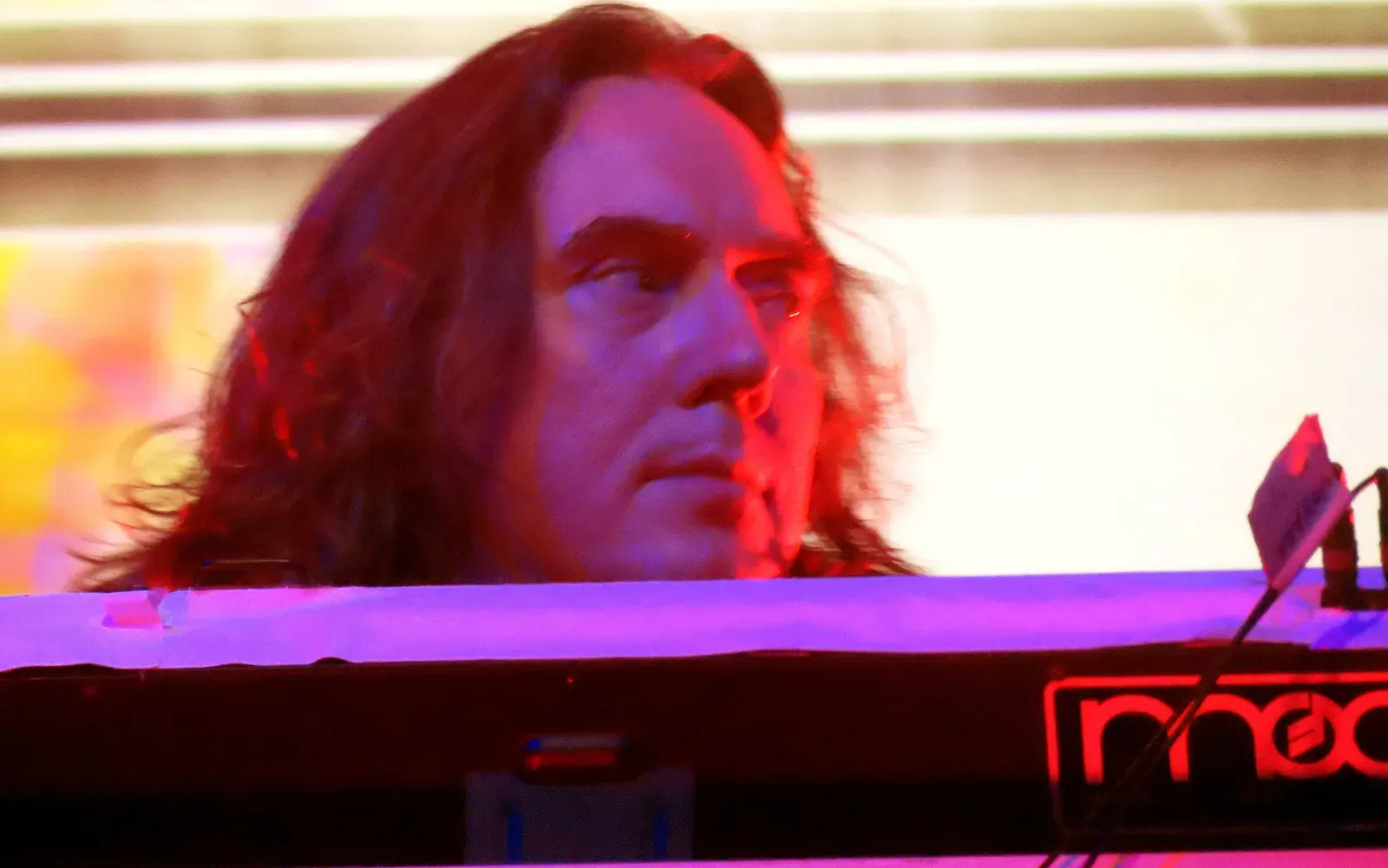
Krautrock rarely reached the charts at home. Kraftwerk’s Autobahn was the exception, reaching mainstream audiences abroad in 1974 and 1975 and taking the genre’s rhythm and electronics with it. The wider route was influence. In the later 1970s David Bowie and Brian Eno borrowed German rhythms and textures, and post-punk bands took the repetition and the studio methods.
Absorbed by post-punk and electronics, 1976-1994
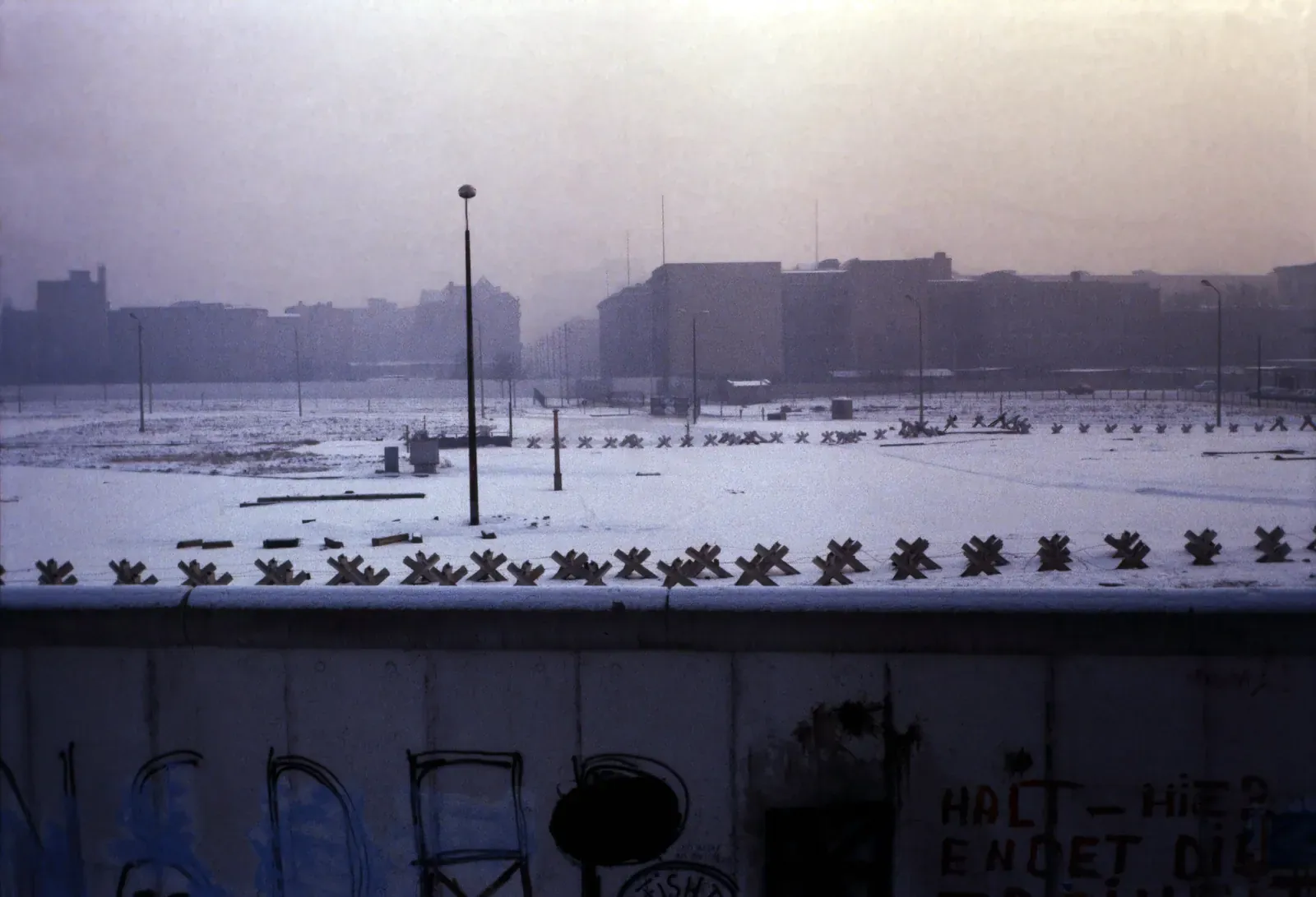
Neu! and Faust broke up in 1975, and Can disbanded in 1979. Many members turned to solo work, film scores and synthesizers. The sequencer-driven Berlin sound separated into what became the Berlin School, treated under the electronic and progressive electronic pages. The guitar side survived in post-punk, whose bands treated the German groups as a model of how to avoid blues clichés.

Rediscovery, 1995 onward
Julian Cope’s 1995 book Krautrocksampler introduced the scene to a new generation of English-language listeners, and reissue programmes followed. Bands working in post-rock and neo-psychedelia built on the repetition and texture. The ambient-leaning side, from Can’s Future Days to Cluster, is a direct ancestor of parts of ambient music. In 2022 Michael Rother played Neu! material live to mark fifty years since the debut.
Culture
Early groups often lived and worked collectively. Amon Düül II began as a student commune that made music to fund shared living, and several scenes depended on small independent labels, arts spaces and radio rather than clubs. Film became a second market: Can’s Mother Sky in Deep End and Amon Düül II’s score for San Domingo (1970) led to long work in cinema and television.

Misconceptions
Krautrock is not a single sound. A group such as Amon Düül II, with violin-led psychedelic jams, has little in common with Neu!’s precise motorik drive or Faust’s collage records. The label covers a period and a country more than a style.
The name was not chosen by the musicians. It was popularised by the British press and spread in 1972, while the German groups often preferred kosmische Musik or no label at all.
It is also not only electronic music. Guitar, violin, drums and voice drive most of the key records, and the synthesizer-led Berlin strand is one branch among several.
Frequently asked questions
What does krautrock mean?
Krautrock is a name popularised by the British press for West German experimental rock of the late 1960s and 1970s. It began as a press label and later became standard, although many of the musicians preferred kosmische Musik.
What is the motorik beat?
Motorik is a steady 4/4 drum pattern with a driving kick, associated with Neu!, Can and Kraftwerk. It repeats unchanged through a track, which creates a sense of forward motion without tempo changes.
Which are the essential krautrock albums?
Records that define the genre include Amon Düül II’s Yeti, Can’s Tago Mago, Neu!’s debut, Faust’s The Faust Tapes and Cluster’s Zuckerzeit, all from 1970 to 1974.
Is Kraftwerk krautrock?
Kraftwerk began in Düsseldorf in the same scene, and Autobahn carried the motorik pulse into electronic pop. The group is usually placed on the border of krautrock and the electronic family.
Sound
Sound sheet
Anatomy of a track
| # | Part | Bars |
|---|---|---|
| 1 | Drone or pulse enters, repeated riff | 16 |
| 2 | Locked groove with layered guitar or keys | 64 |
| 3 | Improvised or tape-edited section | 32 |
| 4 | Groove returns, fades out | 32 |
Signature sounds
- Motorik 4/4 drum pattern
- Long hypnotic repetition over one tonal centre
- Tape splicing and studio editing
- Synthesiser sequences and drones
- Sparse or wordless vocals
Drums and percussion
- Drum kit (motorik pattern)
Synths and software
- EMS VCS 3
- Moog modular synthesiser
Techniques
- Motorik beat
- Tape editing and splicing
- Extended improvisation
- Drone and repetition
Tuning
12-tone equal temperament, A=440, usually on one or two tonal centres
Vocals
Sparse, often wordless or improvised vocals, with chanted or half-spoken lines.
Scenes
Where it happened
Where and when the sound lived: one bar per city on a shared timeline.
Europe
Active scenes
Peak 5, 1970-1976
Home of Can, who worked in a castle studio near the city, and of producer Conny Plank.
Kraftwerk, Neu! and La Dusseldorf grew from the city's art-school milieu.
Tangerine Dream, Cluster and Klaus Schulze formed the electronic Berlin School.
Amon Duul II and Popol Vuh made psychedelic and spiritual music here.
Base of Brain Records, whose roster carried Neu!, Cluster and Klaus Schulze.
Venues and places
Nörvenich, 1968 to today. Medieval castle near Cologne where Can recorded early albums, including Tago Mago.
West Berlin, 1968 to today. Experimental arts space in Berlin that fed the city's electronic groups.
Cologne, 1974 to today. Producer Conny Plank's studio near Cologne worked with Neu! and other krautrock acts.
Culture
Culture markers
- Krautrock
A label popularised by the British press and Virgin in 1972, rejected by many of the musicians.
Slang - Kosmische Musik
The term many German artists preferred for their cosmic, electronic-leaning work.
Slang - Commune life
Amon Duul II began as a student commune that made music to fund shared living.
Ritual
Media
Key media
- 1970Deep End
by Jerzy Skolimowski. Features Can's Mother Sky on its soundtrack.
Film - 1970San Domingo
by Hans Geissendörfer. Amon Duul II's score won a German film prize.
Film - 1973The Faust Tapes
by Faust. A collage album priced as a sampler by Virgin.
Compilation - 1995Krautrocksampler
by Julian Cope. A personal guide that drew English-language attention to the scene.
Book
Glossary
Terms on this page
Sequencer-driven electronic style from Tangerine Dream and related Berlin acts.
The earlier domestic name for German rock of the period, used until around 1973.
The name many German musicians preferred for their cosmic, electronic-leaning music.
A label popularised by the British press for West German experimental rock of the late 1960s and 1970s.
A steady 4/4 drum pattern with a driving kick, associated with Neu!, Can and Kraftwerk.
Composition from recorded sounds, an influence on tape-editing groups such as Can.
Rock family