Progressive rock
Progressive rock is ambitious rock that borrows from classical, jazz and folk, formed in Britain in the late 1960s around suites, odd metres and keyboards.
United Kingdom, United States, 1967
Rock family
Born
1967
United Kingdom, United States
Subgenres
9
Documented branches
Links
52
Genres it drew on or shaped
Tempo
70-150 BPMLineage
Family tree
Grew out of
Derived from
Derived from
- Proto-prog
Derived from
Influenced by
United Kingdom, United States, 1967
Progressive rock
Led to (13)
Timeline
Era by era
From the first sparks to today. Select a dot to read the story behind it.
- Psychedelic roots
1965 to 1968
- Classic era
1969 to 1976
- Punk-era fragmentation
1977 to 1981
- Neo-prog and pop turn
1982 to 1989
- Third wave and prog metal
1990 to 2008
- Specialist press and modern revival
2009 to 2026
Eras
Moments
- 1 Psychedelic roots, 1965 to 1968
- 2 Classic era, 1969 to 1976
- 3 Punk-era fragmentation, 1977 to 1981
- 4 Neo-prog and pop turn, 1982 to 1989
- 5 Third wave and prog metal, 1990 to 2008
- 6 Specialist press and modern revival, 2009 to 2026
1965
Psychedelic roots
Psychedelic bands such as Pink Floyd and the Moody Blues swap pop rules for jazz, folk and classical devices, with the Beatles' studio albums as a model.
- 1965Pink Floyd form in LondonA psychedelic band that later becomes one of the major progressive rock acts.
- 1966UFO Club opens in LondonOpened 23 December 1966 on Tottenham Court Road with Pink Floyd and Soft Machine as house bands.
- 1967Moody Blues release Days of Future PassedA Mellotron and orchestra concept album on Decca's Deram imprint, widely seen as an early prog landmark.
- 1967Genesis form at Charterhouse SchoolSchoolboys in Godalming, Surrey, begin the band that later signs to Charisma.
1969
Classic era
King Crimson, Yes, Genesis, ELP, Pink Floyd and Jethro Tull make side-long suites, concept albums and Mellotron and Moog walls of sound a chart force.
- 1969King Crimson release In the Court of the Crimson KingIssued October 1969 on Island, now cited as a cornerstone of the genre.
- 1969Charisma Records foundedTony Stratton Smith's label becomes the home of Genesis and Van der Graaf Generator.
- 1970Emerson, Lake & Palmer play the Isle of Wight FestivalAn August 1970 set before a huge crowd launches the trio into the press.
- 1971ELP release TarkusA side-long multi-part suite built on Keith Emerson's Moog and Hammond.
- 1971Fragile brings Roger Dean's artwork to YesDean's first Yes cover begins a long run of album art, logo and stage sets.
- 1972Genesis release FoxtrotHome of the 23-minute Supper's Ready; the first Genesis album to chart in the UK, at No. 12.
- 1972Yes release Close to the EdgeA four-part, 18-minute title track, often ranked among the best prog albums.
- 1972Thick as a Brick reaches No. 1 in the USJethro Tull's single 43-minute piece on Chrysalis tops the Billboard album chart.
- 1973Pink Floyd release The Dark Side of the MoonOne of the best-selling albums of all time, with a 7/4 Money and an EMS VCS 3 synthesizer.
- 1974King Crimson disbandRobert Fripp ends the group in 1974, one of several classic acts to pause or reshuffle in the mid-1970s.
- 1975Peter Gabriel leaves GenesisHe quits after the Lamb Lies Down on Broadway tour and starts a solo career.
- 1976Rush release 2112The Toronto trio's 20-minute title suite finds a wide audience.
around 1977
Punk-era fragmentation
Punk attacks prog's excess, major acts lose members or go on hiatus, and labels push the survivors toward shorter, simpler songs.
- 1977Punk rock turns on progCritics and the new scene label prog pretentious and overblown, and labels press acts toward simpler songs.
around 1982
Neo-prog and pop turn
Marillion, IQ, Pendragon and Pallas build a club circuit around keyboard-led long songs while Yes and Genesis scale to pop radio.
- 1984Owner of a Lonely Heart tops the US Hot 100Yes's only US number one, in January 1984, shows prog names reaching pop radio.
- 1985Marillion's Misplaced Childhood reaches UK No. 1The neo-prog flagship's 1985 album yields top-five singles including Kayleigh.
around 1990
Third wave and prog metal
Cheaper recording and the internet feed bands like The Flower Kings and Spock's Beard, while Dream Theater carries prog structures into metal.
- 1992Dream Theater release Images and WordsPull Me Under gets radio and MTV play and brings progressive metal to a wide audience.
2009
Specialist press and modern revival
A dedicated magazine, an awards ceremony and acts such as Steven Wilson and Opeth give the genre a stable niche audience.
- 2009Prog magazine launchesA Classic Rock spin-off published by Future, covering both veteran and new acts.
- 2021King Crimson end activityIn December 2021 Fripp says the group has moved from sound to silence.
Listening path
Start listening
A short path from an easy way in to the deep end. Thumbnails come from YouTube; the player loads only when you press play.
- 01
Emerson, Lake & Palmer, 1970
The 1970 debut ballad, whose closing Moog solo is among the earliest Moog solos in rock.
- 02
Pink Floyd, 1971
A signature side-long piece from Meddle, a step on the road to the band's mainstream breakthrough.
- 03
Emerson, Lake & Palmer, 1971
The scene's signature suite, showing Moog and Hammond-led long form.
- 04
Genesis, 1972
The 23-minute suite of Foxtrot, a signature track of the classic era.
- 05
Dream Theater, 1992
The radio and MTV hit that carried prog structures into the mainstream as progressive metal.
Facts
| Family | Rock |
| Origin | United Kingdom, United States |
| Emerged | Mid to late 1960s |
| Status | Active |
| Tempo | 70 to 150 BPM |
| Meter | 4/4 with frequent odd and shifting meters |
| Grew out of | Psychedelic rock, Art rock, Proto-prog |
| Subgenres | 9 |
Progressive rock is a branch of rock that takes devices from classical music, jazz and folk and builds them into long forms: suites, concept albums, shifting metres and keyboard-heavy arrangements.
It formed in Britain in the late 1960s out of psychedelia and reached its commercial peak between 1969 and 1976.
Origins
The genre grew out of British psychedelic rock. In London, the UFO Club opened on Tottenham Court Road in December 1966 with Pink Floyd and Soft Machine as house bands, and Pink Floyd had formed the year before. In 1967 the Moody Blues released Days of Future Passed, a concept album built around one day and played with an orchestra and a Mellotron, an instrument that replays recorded tape to give a string or choir sound. The Beatles’ studio albums served as a model for bands that wanted records to be more than collections of singles.
Genesis, formed in 1967 by schoolboys at Charterhouse in Godalming, were already writing together by 1968. A shared aim bound these bands: to treat rock as a form that could match classical music or jazz in scale and craft.
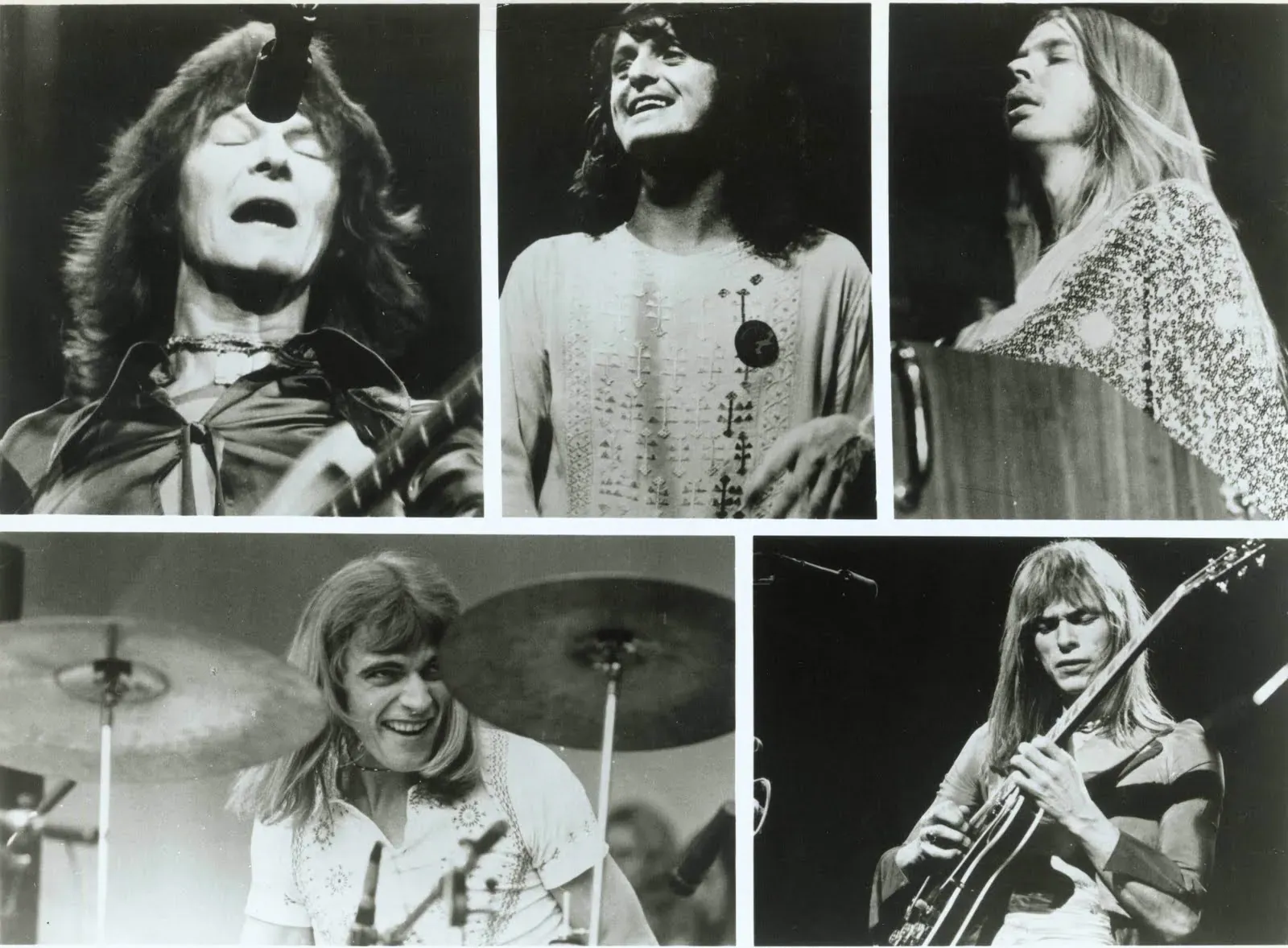
Psychedelic roots, 1965-1968
Psychedelic clubs gave the first prog bands a place to play long, unstructured sets before an audience that wanted them. The UFO Club, the Marquee and the Roundhouse in Chalk Farm were rooms where an unusual band could find a following without a hit single. Rock’s pop rules, with three-minute songs and a fixed verse-chorus shape, loosened here, and jazz and folk devices moved in. The Mellotron, developed in Birmingham from the American Chamberlin tape keyboard and first built in 1963, gave studios a way to add an orchestra without hiring one.
Classic era, 1969-1976
October 1969 brought King Crimson’s In the Court of the Crimson King on Island, a debut that sounded finished: Mellotron washes, a jarring opener in 21st Century Schizoid Man, and long, quiet passages. The same year Tony Stratton Smith founded Charisma Records, which became the home of Genesis and Van der Graaf Generator, while Island Records carried King Crimson.
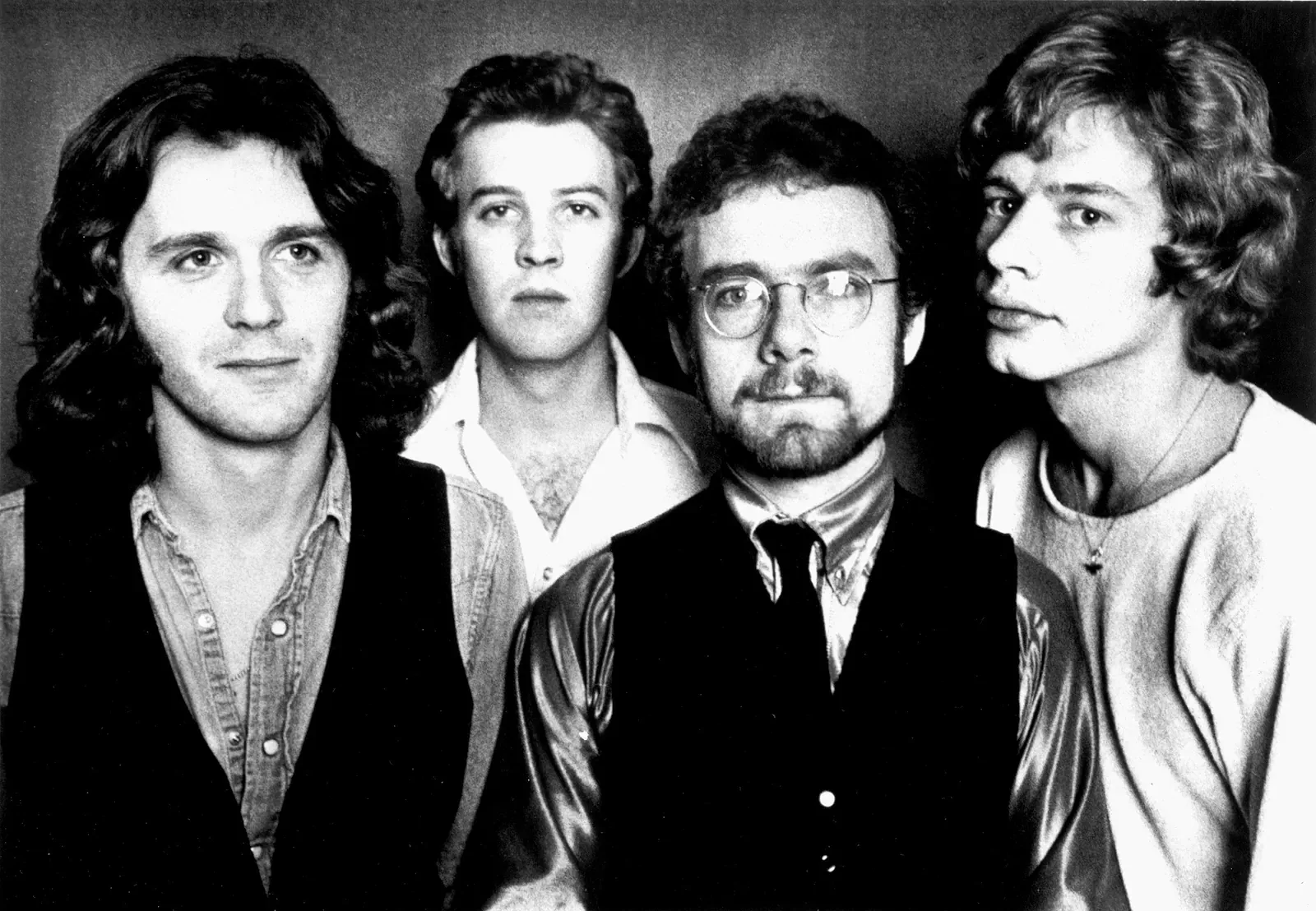
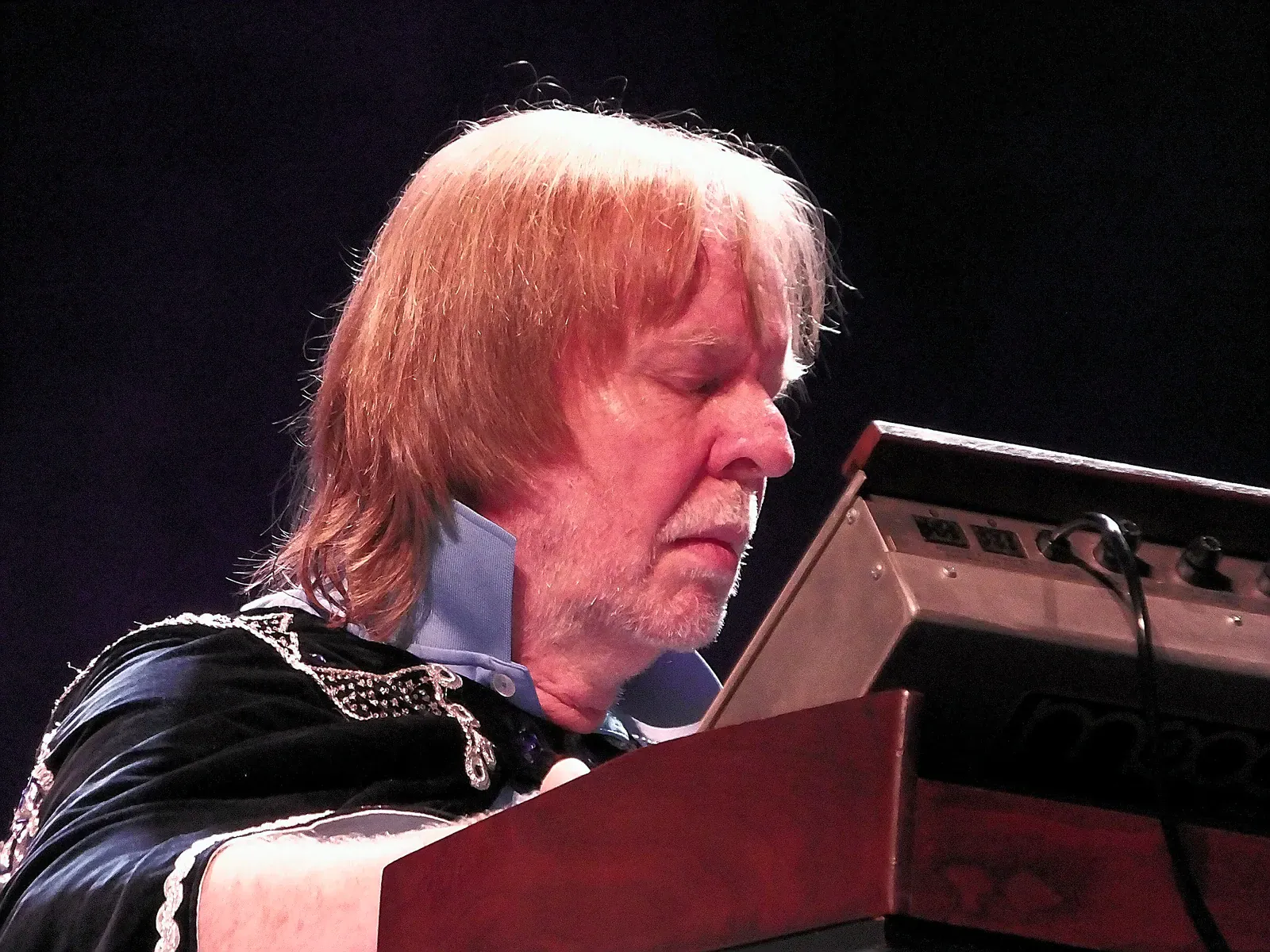
Emerson, Lake and Palmer played the Isle of Wight Festival in August 1970 and the set launched the trio into the press. Their Tarkus (1971) filled a side of an LP with a multi-part suite on Keith Emerson’s Moog and Hammond. Yes issued Fragile in 1971, the first of many covers by the artist Roger Dean, and Close to the Edge in 1972, whose four-part title track runs about 18 minutes. Rick Wakeman, who joined Yes on keyboards, took the Minimoog onto the stage.
Genesis, on Charisma, released Foxtrot in 1972, with the 23-minute Supper’s Ready in seven sections; it was their first album to chart in the UK, at No. 12. Jethro Tull’s Thick as a Brick, a single 43-minute piece across two sides, reached No. 1 in the US the same year. In 1973 Pink Floyd’s The Dark Side of the Moon, with Money in 7/4 and an EMS VCS 3 synthesizer, became one of the best-selling albums of all time.
Punk-era fragmentation, 1977-1981
By 1975 the classic line-ups were coming apart: Peter Gabriel left Genesis after The Lamb Lies Down on Broadway tour, and Fripp had shut King Crimson down the year before. The next year, punk rock turned on prog. Critics and the new scene called it pretentious and overblown, and labels pressed the survivors toward shorter, simpler songs. The attack was real but not total: acts such as Rush, whose 20-minute suite 2112 appeared in 1976, kept a large audience.
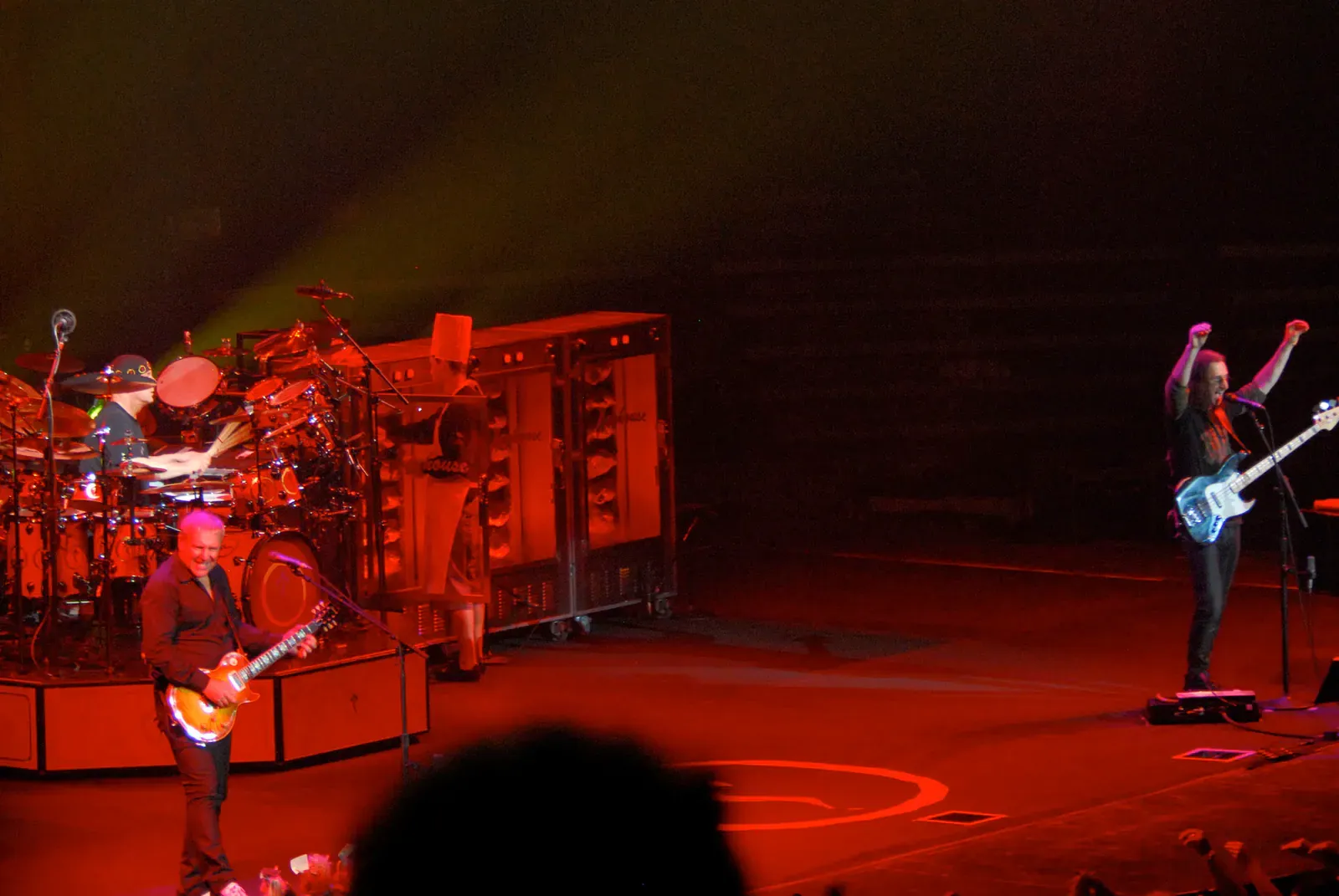
Neo-prog and the pop turn, 1982-1989
A second British wave formed around Marillion, IQ, Pendragon and Pallas, building a club circuit on keyboard-led long songs and a modern sound. Marillion’s Misplaced Childhood reached UK No. 1 in 1985 and produced top-five singles, including Kayleigh. Meanwhile established names reached pop radio: Owner of a Lonely Heart gave Yes their only US number one in January 1984.
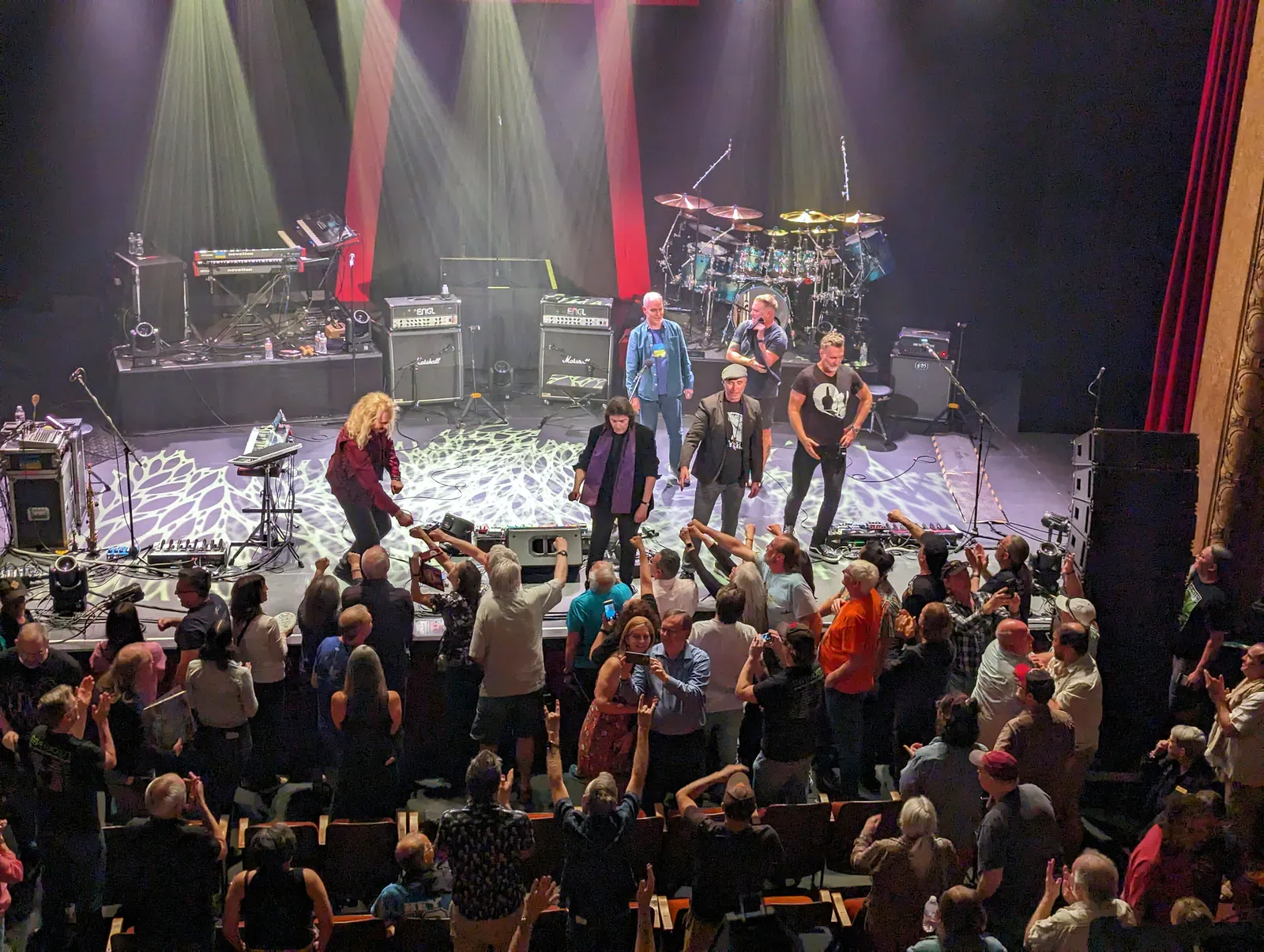
Third wave and progressive metal, 1990-2008
Cheaper recording and the internet let small bands reach listeners. The Flower Kings and Spock’s Beard led a third wave, while in Boston, Dream Theater, who met at Berklee College of Music in 1985, carried prog structures into metal. Their 1992 album Images and Words put Pull Me Under on radio and MTV and brought progressive metal to a wide audience.
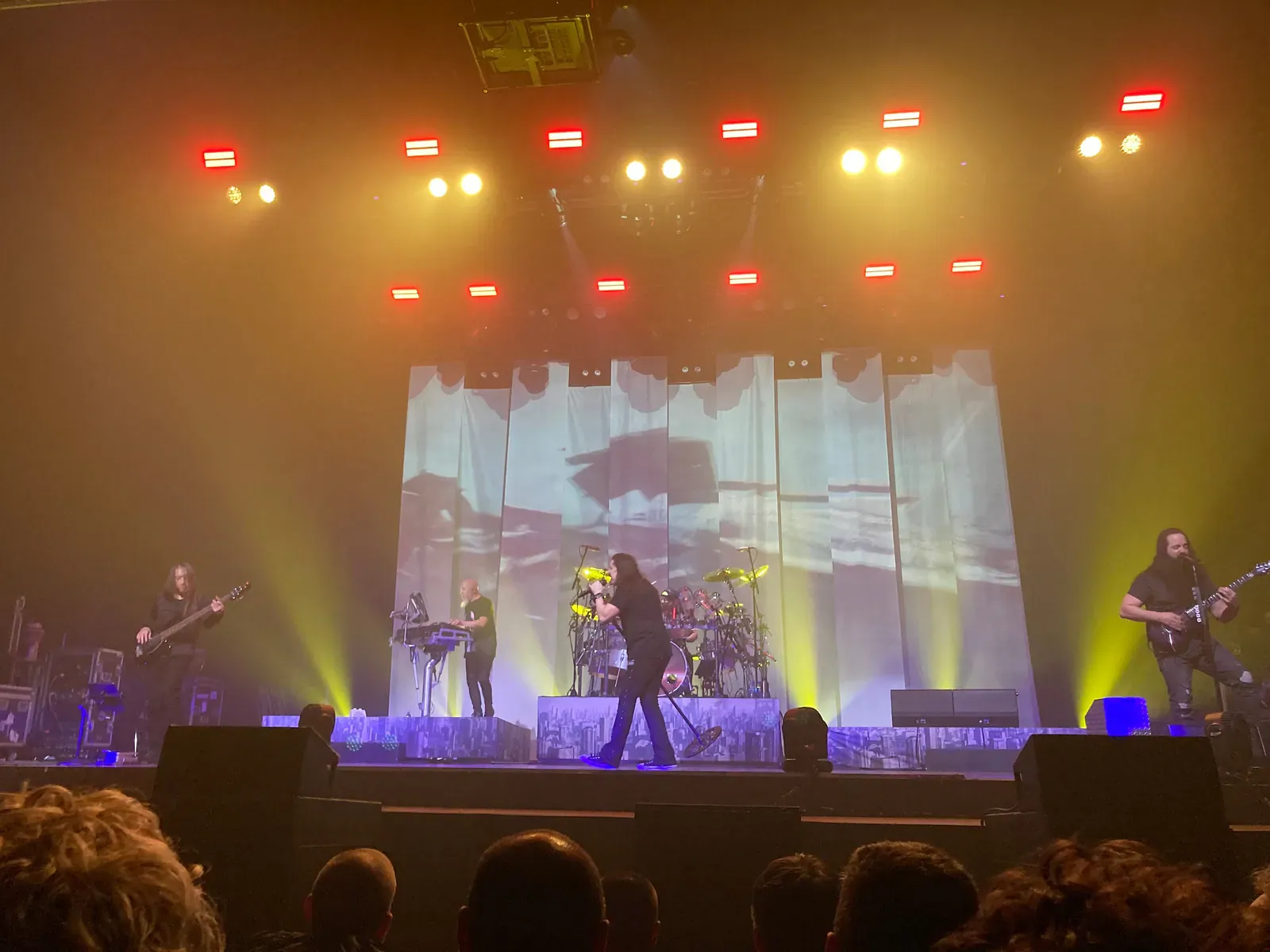
Specialist press and revival, 2009 onward
The magazine Prog launched in 2009 as a spin-off of Classic Rock and started the Progressive Music Awards in 2012, giving the scene a stable platform. New acts such as Steven Wilson and Opeth found audiences alongside veterans. King Crimson ended activity in December 2021, when Fripp described the group as having moved from sound to silence.
Characteristics
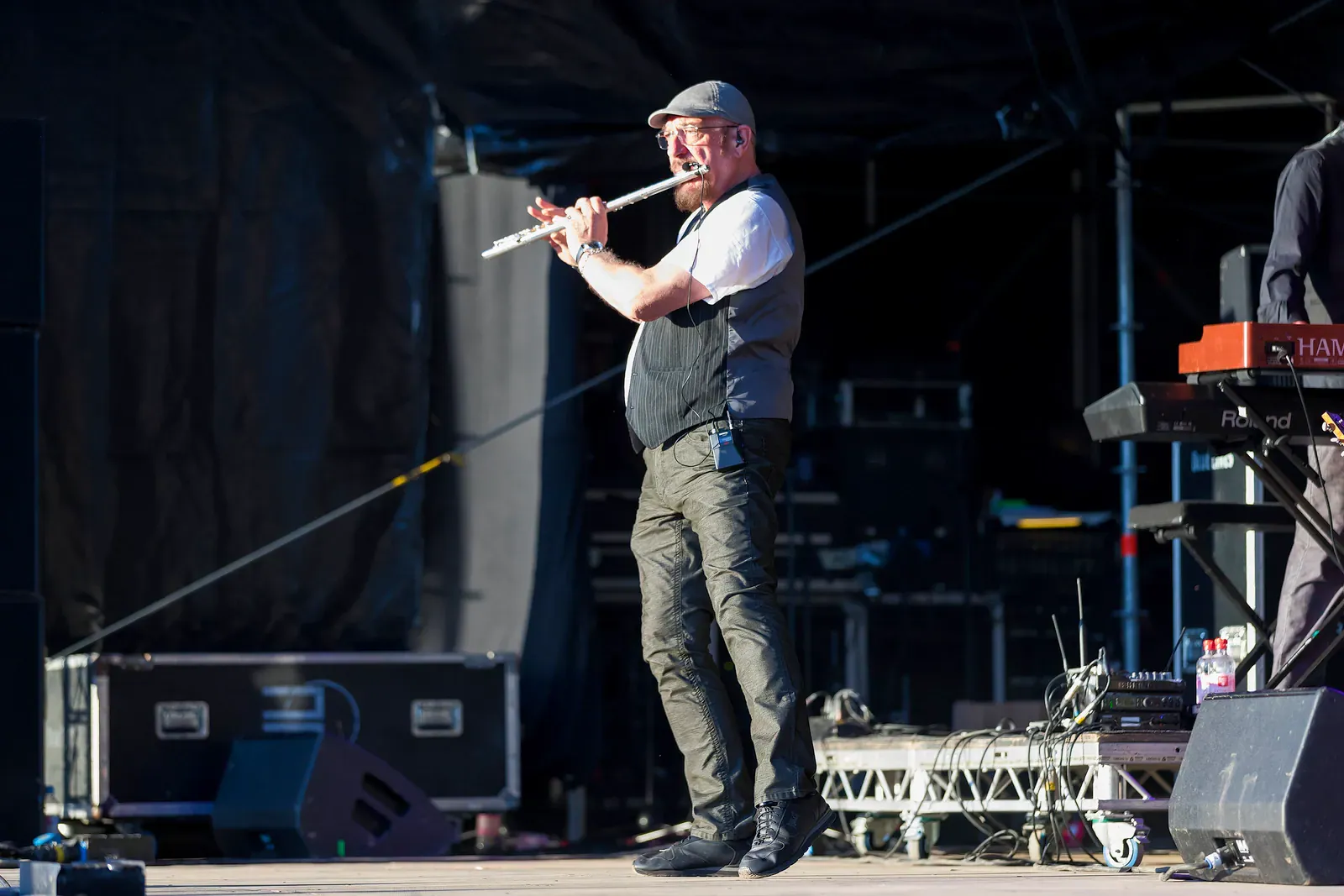
Prog tracks tend to hold several sections, a sung part, long instrumental passages, a slow contrast movement and a return of the opening theme, rather than a verse-chorus loop. Tempo and metre change within a piece, and albums are often tied together by a theme or story. The lead voice is as likely to be a keyboard or flute as a guitar.
Instruments and production
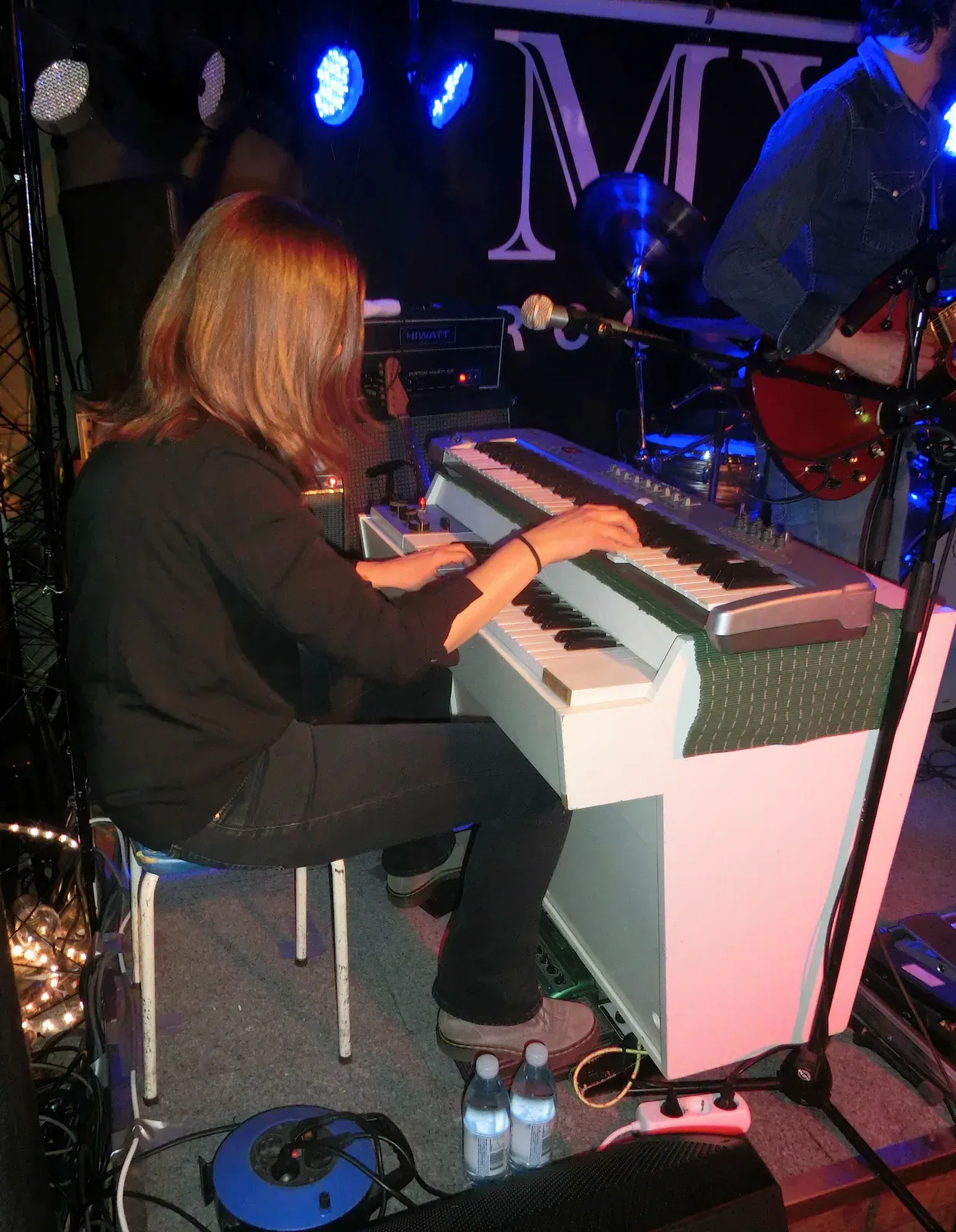
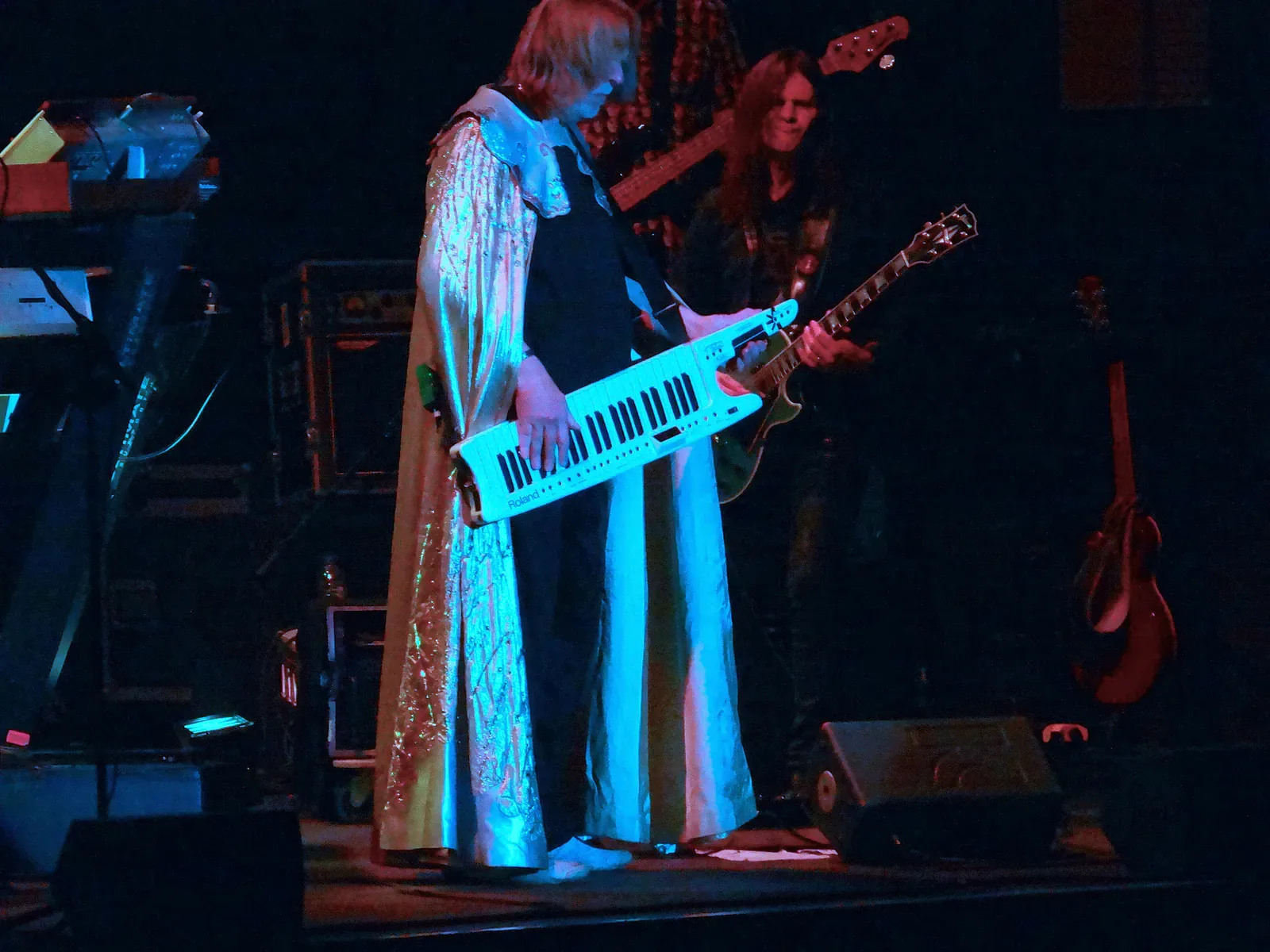
The keyboard became the genre’s central instrument. The Mellotron, Hammond organ and Moog synthesizers replaced the second guitar, and one player could stand in for an orchestra. Where the Hammond gave clean or distorted chords, the Moog gave solo lines. Studios mattered as much as stages: Pink Floyd recorded The Dark Side of the Moon at Abbey Road between 1972 and 1973, using tape loops among other techniques.
Mainstream success
Prog was a chart genre for a few years. Thick as a Brick topped the US album chart, Foxtrot entered the UK top twenty and The Dark Side of the Moon sold to a vast audience. In the 1980s the crossover continued through Yes and Marillion. Reviews, however, were often hostile, and the label “pretentious” stuck long after the music’s popularity faded.
Notable recordings
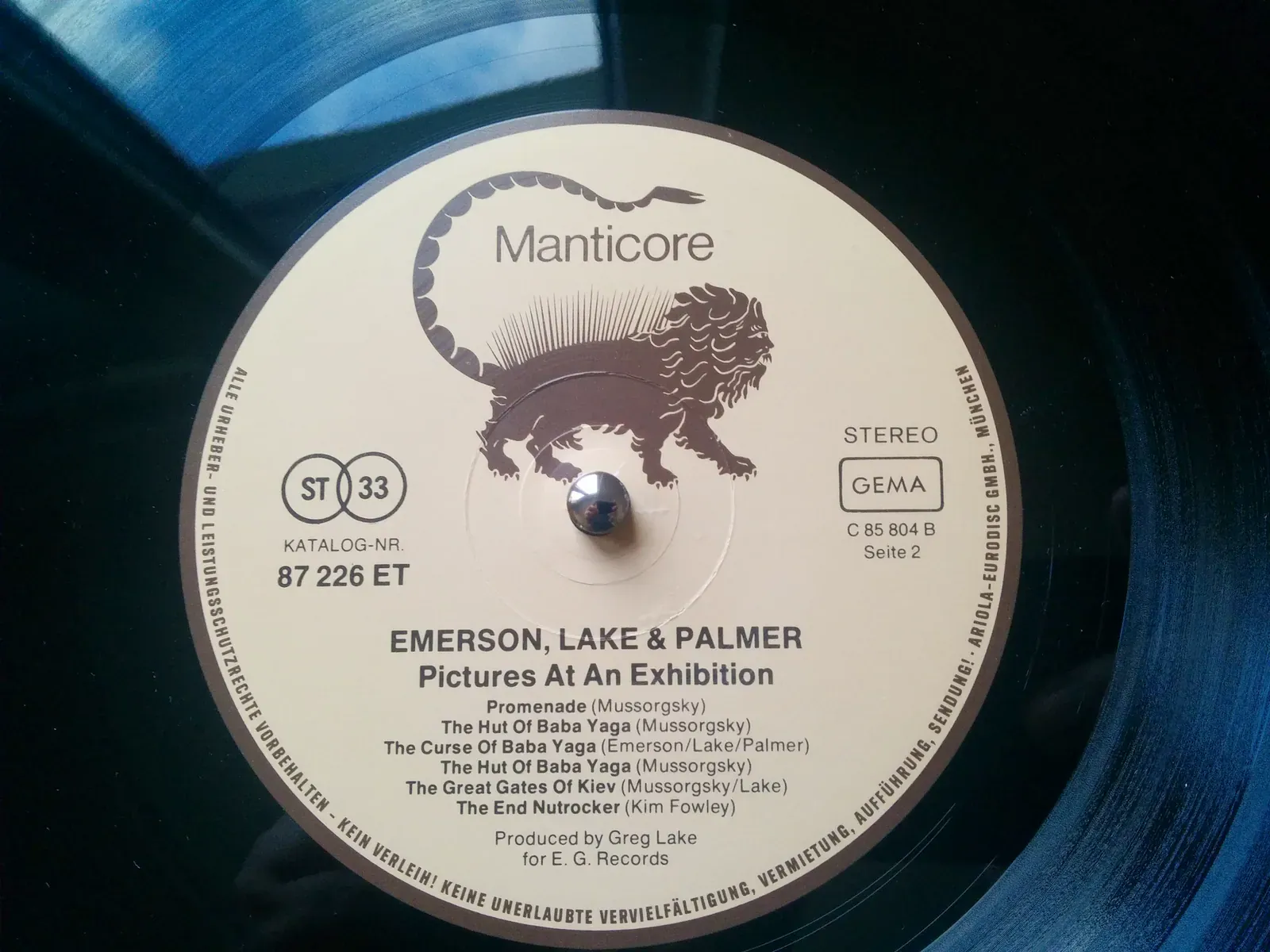
Close to the Edge shows the genre at full stretch: a title track in four movements, with passages of near-silence between the bursts. Supper’s Ready tells a story through seven linked sections. Emerson, Lake and Palmer’s debut ballad Lucky Man, by contrast, is short, and its closing Moog solo is among the earliest Moog solos in rock.
Culture
Album art was part of the package. Roger Dean’s floating islands and organic landscapes began on Yes’s Fragile and gave the band a logo and stage sets, while Hipgnosis supplied surreal photographic sleeves, including the Dark Side of the Moon prism. Keith Emerson played the Hammond upside down and wedged knives into its keys to sustain notes.
Legacy
Prog’s influence runs through progressive metal, neo-prog and post-progressive music, and through the Canterbury scene, which blended it with jazz and pop, and the symphonic prog that leans on orchestral textures. Its methods, from the concept album to the long-form suite, continue in rock and metal. A niche audience, a dedicated press and an awards ceremony keep the genre alive.
Misconceptions
Punk did not end prog overnight. Labels pressed acts toward shorter songs after 1977, but Yes reached the US top spot in 1984 and Marillion reached UK number one in 1985; the audience simply moved to a smaller circuit.
Prog is not only British. Rush came from Toronto, Dream Theater from Boston, and the Canterbury scene from Kent.
Prog is not always long. Lucky Man, and later Owner of a Lonely Heart, show that the same musicians wrote songs of ordinary length when it suited them.
Frequently asked questions
What is progressive rock?
Progressive rock is a style of rock that uses suites, odd metres, concept albums and classical, jazz and folk devices. It formed in Britain in the late 1960s.
Which bands defined progressive rock?
King Crimson, Yes, Genesis, Pink Floyd and Emerson, Lake and Palmer are the five most often named, with Jethro Tull and Rush also central to the classic period.
What is the difference between progressive rock and neo-prog?
Neo-prog is the British wave of the early 1980s led by Marillion, with keyboard-led long songs and a more modern sound than the classic bands of the 1970s.
Is Pink Floyd progressive rock?
Pink Floyd began as a London psychedelic band and became one of the major progressive rock acts, with long pieces such as Echoes and the concept album The Dark Side of the Moon.
Sound
Sound sheet
Signature sounds
- Multi-movement suites and side-long tracks
- Mellotron, Moog and Hammond keyboard layers
- Odd time signatures such as 7/4
- Concept album themes with orchestral touches
Synths and software
- Minimoog Model D
Techniques
- Odd time signatures
- Multi-movement suite
- Side-long track
- Synthesizer lead solo
Scenes
Where it happened
Where and when the sound lived: one bar per city on a shared timeline.
Europe
North America
Active scenes
Peak 4, 1968-1970
UFO Club, the Marquee and Abbey Road make the capital the genre's hub.
Wilde Flowers alumni form Soft Machine, Caravan and Gong, blending jazz and prog.
Charterhouse School is where Genesis began.
Rush form in August 1968 and carry prog into North America.
Dream Theater form at Berklee College of Music in 1985.
Venues and places
London, 1966 to today. Psychedelic club on Tottenham Court Road where Pink Floyd and Soft Machine were house bands.
London, 1964 to today. Late-1960s residencies by Yes and King Crimson, among others.
London, 1967 to today. Chalk Farm venue that housed the final two months of the UFO Club in 1967.
London, 1931 to today. Pink Floyd recorded The Dark Side of the Moon here between 1972 and 1973.
Isle of Wight, 1970 to today. Emerson, Lake & Palmer's August 1970 set before roughly 600,000 people.
Culture
Culture markers
- Roger Dean covers
Floating islands and organic landscapes for Yes from Fragile in 1971, plus the 1972 bubble logo.
Artwork - Hipgnosis sleeves
Surreal photographic covers, including the Dark Side of the Moon prism, for Pink Floyd, Genesis and Yes.
Artwork - Organ stunts
Keith Emerson played the Hammond upside down and wedged knives into its keys to sustain notes.
Ritual - Keyboardists in capes
Cape-wearing keyboardists became shorthand for the genre's theatrical stage image.
Fashion
Media
Key media
- 2009Prog
by Future plc. Magazine launched in March 2009 as a spin-off of Classic Rock; it began the Progressive Music Awards in 2012.
Zine - 2010Romantic Warriors: A Progressive Music Saga
by Adele Schmidt and Jose Zegarra Holder. Feature documentary on prog's origins and its 21st-century resurgence.
Film
Glossary
Terms on this page
Kent-rooted bands such as Soft Machine and Caravan mixing prog, jazz and pop.
An album built around one story or theme, as in Days of Future Passed's single day.
A keyboard that plays tape loops of strings, choir or flute.
The early 1980s British wave led by Marillion, with keyboard-led long songs and a modern sound.
A metre other than 4/4, such as the 7/4 of Pink Floyd's Money.
One piece filling an LP side, such as Thick as a Brick's 43 minutes over two sides.
A long piece in linked movements, like the seven sections of Supper's Ready.
A style that leans on orchestral textures, as in Genesis and Yes.
Rock family