Makossa
Makossa is dance music from Douala, Cameroon, built on electric bass, brass and two guitar roles, formed in the 1950s and 1960s and heard worldwide from 1972.
Douala, 1955
African family
Born
1955
Douala
Subgenres
2
Documented branches
Links
13
Genres it drew on or shaped
Tempo
105-125 BPMLineage
Family tree
Timeline
Era by era
From the first sparks to today. Select a dot to read the story behind it.
- Douala beginnings
1955 to 1971
- Soul Makossa and the funk-disco turn
1972 to 1981
- Paris studios and the cassette boom
1982 to 1999
- Sampled legacy
2000 to today
Eras
Moments
- 1 Douala beginnings, 1955 to 1971
- 2 Soul Makossa and the funk-disco turn, 1972 to 1981
- 3 Paris studios and the cassette boom, 1982 to 1999
- 4 Sampled legacy, 2000 to today
around 1955
Douala beginnings
Palm-wine bars, ambasse bey, assiko, highlife and Congolese rumba fed a Duala dance music shaped by Nelle Eyoum and Eboa Lotin.
- 1955Nelle Eyoum shouts kossa kossaEmmanuel Nelle Eyoum and his group Los Calvinos blend ambasse bey, assiko and highlife with the refrain kossa kossa for dancing children.
- 1962Eboa Lotin's first singleThe Douala artist records Mulema Mwam, Elimba Dikalo, the start of a career as a major makossa figure.
- 1966Cercul Jazz stays in DoualaThe Brazzaville orchestra spends about eight months in Douala and shows that rumba can be sung in Duala.
1972
Soul Makossa and the funk-disco turn
Manu Dibango's 1972 single reached New York and the US charts, while brass and bass from funk and disco entered the Douala sound.
- 1972Manu Dibango's Soul MakossaRecorded as the B-side of a hymn for Cameroon's first Africa Cup of Nations as host, sung in Duala with some English.
- 1972Soul Makossa spreads in New YorkDavid Mancuso plays a Brooklyn import at The Loft and Frankie Crocker airs it on WBLS; at least 23 groups rush out covers.
- 1973Atlantic issues Soul Makossa in the USAtlantic licenses the single from Fiesta; it peaks at number 35 on the Billboard Hot 100 in 1973.
- 1976Sam Fan Thomas's Funky New BellHis first solo LP is recorded in Benin on the Satel label after eight years with Andre Marie Tala's band.
1982
Paris studios and the cassette boom
Sam Fan Thomas, Golden Sounds and Petit-Pays made makossa a pan-African dance music, recorded in Paris and sold on cassette.
- 1982Soul Makossa hook in Wanna Be Startin' Somethin'Michael Jackson borrows the ma-ma-se, ma-ma-sa, ma-ma-ko-sa chant on Thriller and later settles with Dibango.
- 1984Makassi and African Typic CollectionRecorded in Paris, the album brings Sam Fan Thomas a golden disc and a dance-floor hit across Africa, France and the West Indies.
- 1986Golden Sounds release ZangaléwaA presidential guard band founded in 1984 scores a huge African hit with a comic military song.
- 1987Petit-Pays's first albumÇa fait mal starts the career of the singer later crowned the most popular makossa artist in Cameroon.
2000
Sampled legacy
The Soul Makossa hook and Zangaléwa came back through pop samples and lawsuits while Douala artists kept recording makossa.
- 2009Dibango sues over the Rihanna sampleA Paris court rejects his claim against Jackson and Rihanna after Rihanna's 2007 Don't Stop the Music reused the hook.
- 2010Shakira samples ZangaléwaWaka Waka (This Time for Africa) for the World Cup revives the 1986 Golden Sounds song worldwide.
- 2020Manu Dibango diesThe saxophonist who took makossa abroad dies of COVID-19 on 24 March at age 86.
Listening path
Start listening
A short path from an easy way in to the deep end. Thumbnails come from YouTube; the player loads only when you press play.
- 01
Manu Dibango, 1972
The single that made makossa a global name; listen for the Duala chant over the bass and horns.
- 02
Francis Bebey, 1982
Bebey's electronic-tinged makossa with flute and drum machine, later sampled by Arcade Fire.
- 03
Sam Fan Thomas, 1984
The makassi hit of the Paris-recorded 1980s cassette era, with a rumba melody and uptempo makossa bass.
Facts
| Family | African |
| Origin | Douala, Cameroon |
| Emerged | Mid-20th century, international from 1972 |
| Status | Active |
| Tempo | 105 to 125 BPM |
| Meter | 4/4 |
| Grew out of | Ambasse bey, Assiko |
| Subgenres | 2 |
Makossa is a dance music from Douala, Cameroon, sung in Duala, French or Pidgin English over a heavy electric bass groove, a brass section and guitars that alternate between solo and rhythm roles.
It took shape in the 1950s and 1960s from local and imported styles and reached a world audience in 1972 through Manu Dibango’s “Soul Makossa”. It belongs to the African family of popular music.
Origins
The word comes from the Duala language. It is linked to the cry kossa, an exclamation of encouragement used to push dancers to more energy, and some accounts read makossa as “contortions” or “I dance”. Emmanuel Nelle Eyoum, leader of the group Los Calvinos, is credited with putting the refrain kossa kossa into songs in the 1950s, blending Douala ambasse bey, Bassa assiko and Ghanaian and Nigerian highlife while shouting to make children dance.
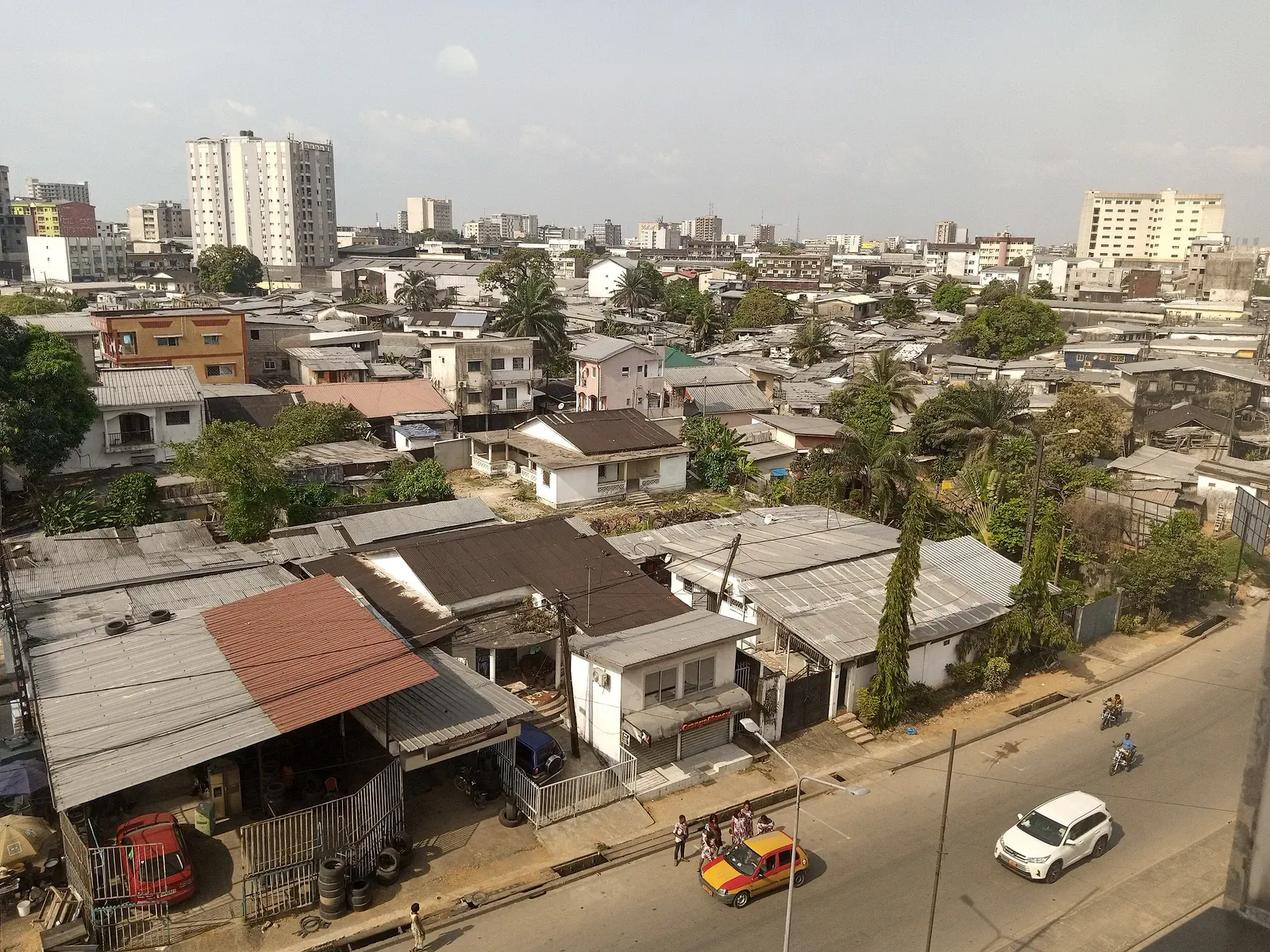
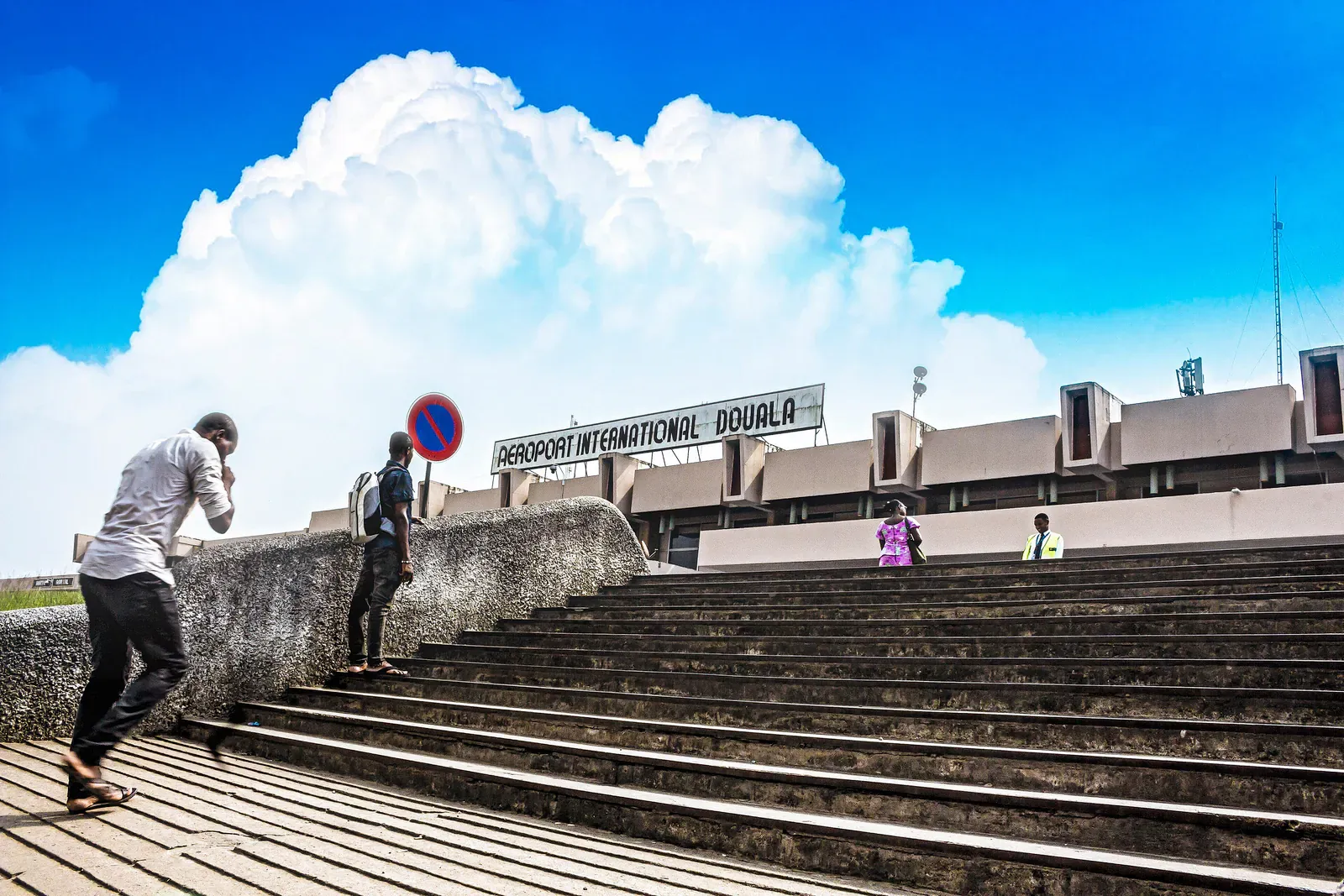
Douala in those years was a port city in the last stretch of colonial rule. Palm-wine bars gave small formations of a guitarist, a percussionist and singers a place to play, and independence brought a wish for a local urban music in place of the waltz and twist that colonists favoured.
Several outside currents fed the style. Assiko supplied the bottle percussion and the habit of a guitar switching between solo and accompaniment, and Bassa assiko is often described as the fast, jerky parent that makossa slowed down. Bikutsi picking supplied guitar technique. Highlife supplied guitar-led harmony, and merengue left a mark on tempo. Congolese rumba, broadcast by Radio Leopoldville, supplied the sebene and a stock of guitar phrases, and the Brazzaville orchestra Cercul Jazz spent about eight months in Douala in 1966 and 1967, showing that rumba could be sung in Duala.
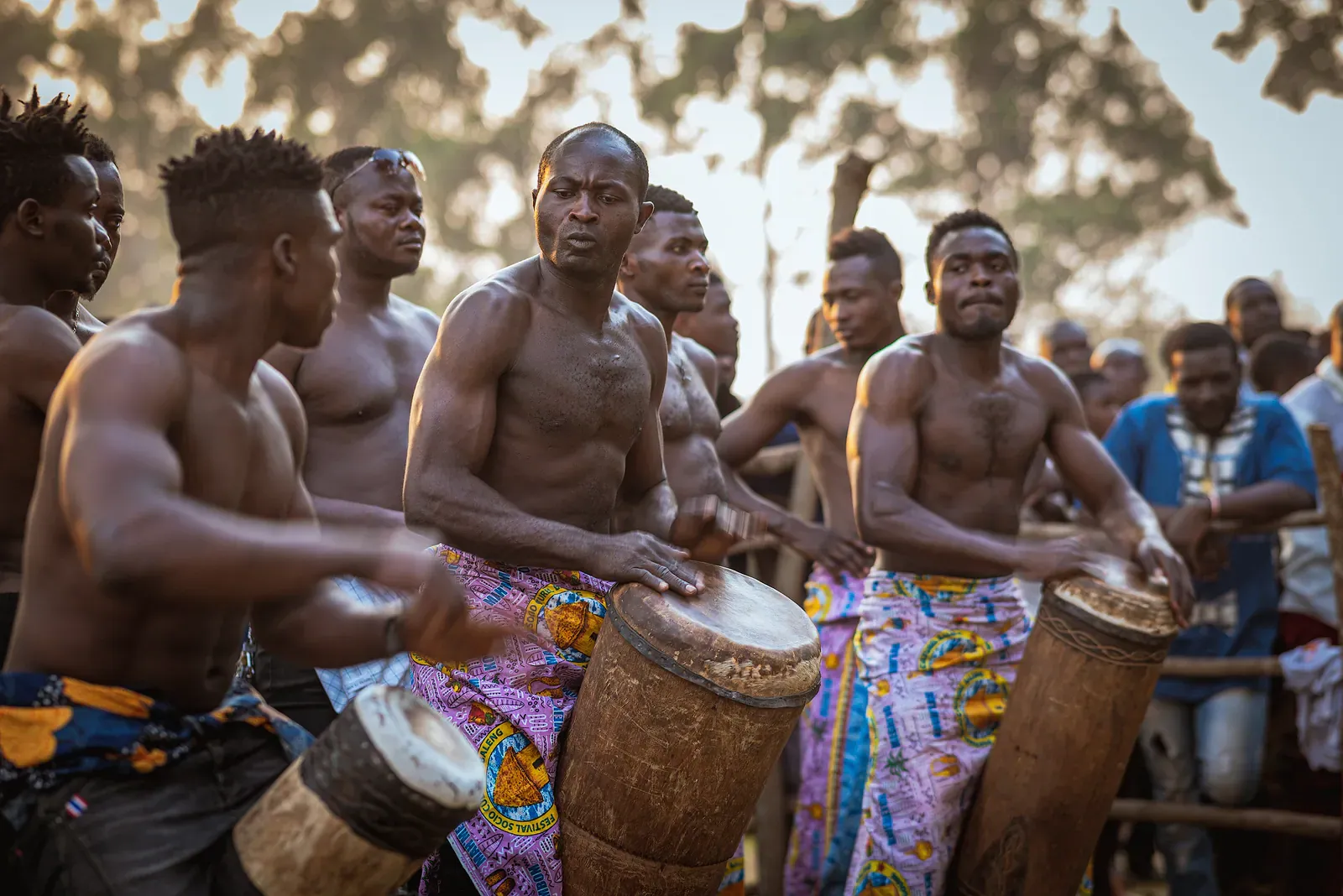
Douala, 1955-1971
The first recordings came about a decade later. Eboa Lotin, a Douala singer, cut his first single “Mulema Mwam, Elimba Dikalo” in 1962 and became one of the major names of the genre. French pop also left a trace: the slow, sentimental songs modelled on French ballads gave rise to makossa slows, sometimes called Cameroon slows, sung in Duala or French.
Francis Bebey, born in Douala in 1929, worked as a broadcaster and at UNESCO and helped launch Manu Dibango’s career. Bebey merged makossa with classical guitar, jazz and electronics, and is credited as the first African musician to use electric keyboards and programmable drum machines next to traditional instruments.
Soul Makossa, 1972-1981
Dibango was born in Douala in 1933 to a Yabassi father and a Duala mother. He played in French and Belgian clubs and in the Congolese band African Jazz before recording “Soul Makossa” in 1972. It began as the B-side of a hymn for the Africa Cup of Nations, celebrating Cameroon’s first time as host and its team’s run to the quarterfinals, with lyrics by the poet and musicologist S.M. Eno Belinga, in Duala with a few English words.
The record’s second life began in New York. David Mancuso found a copy in a Brooklyn West Indian record store and played it at The Loft, and Frankie Crocker put it on heavy rotation at WBLS. Copies were so scarce that at least 23 groups rushed out covers. Atlantic Records licensed the original from the French label Fiesta and issued it in the United States, where it peaked at number 35 on the Billboard Hot 100 in 1973. Dibango received Grammy nominations the following year for the song.
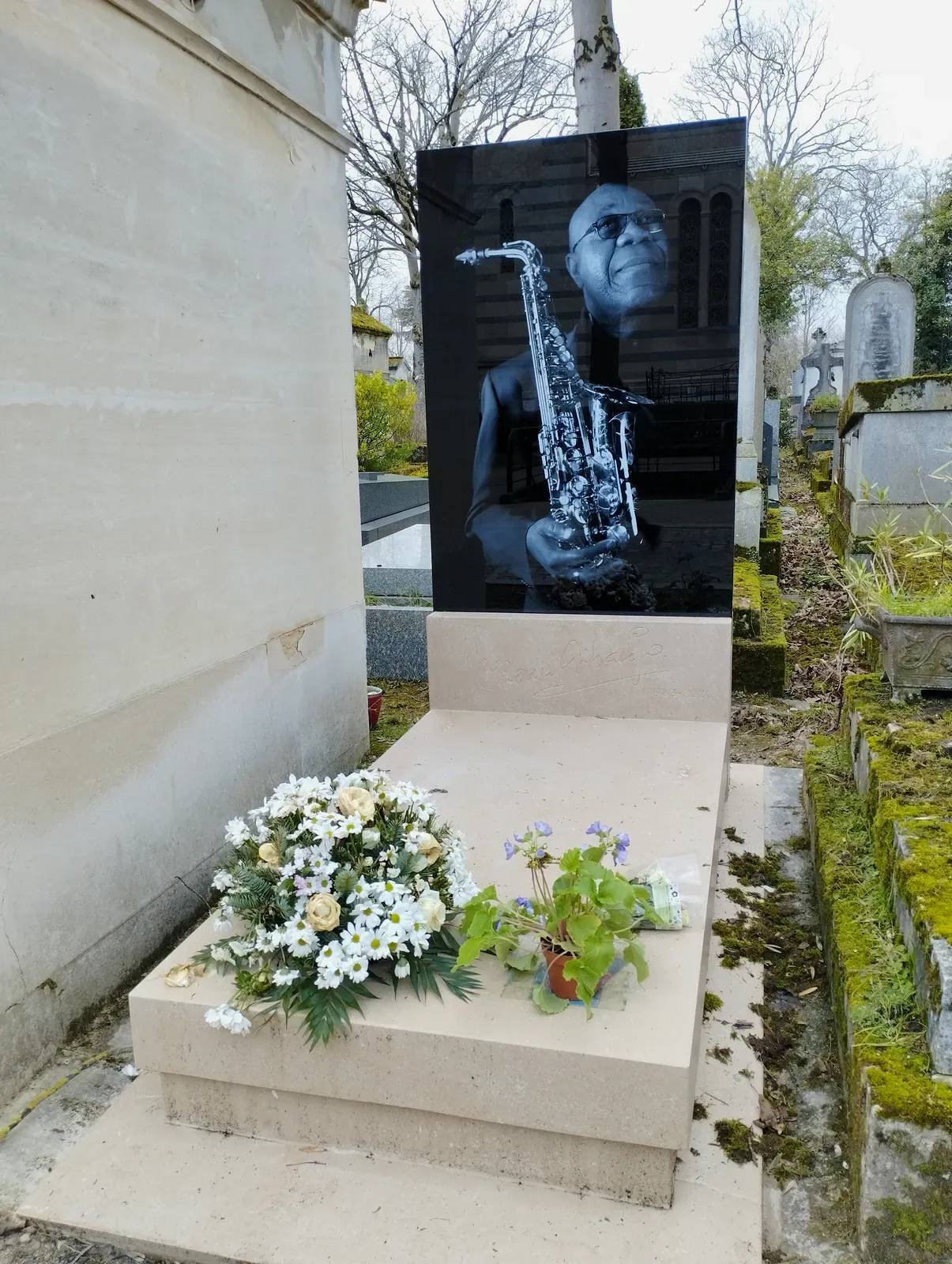
The funk and disco of the period changed how makossa sounded. Brass and woodwind lines, tighter bass playing and some drum-kit patterns came from American soul and funk, and string arrangements arrived with disco in the 1970s. Dibango’s “Big Blow”, first released in 1976 and remixed as a 12-inch for Island in 1978, built him a UK following.
Paris studios and the cassette boom, 1982-1999
By the 1980s makossa was a pan-African dance music with a stream of success abroad. Much of it was recorded, pressed or promoted in Paris, where exiled Cameroonian musicians worked with French labels and radio. The Cameroonian-born broadcaster Georges Collinet, nicknamed Maxi Voom Voom, brought African pop to millions of listeners through a long-running Voice of America morning show. The distributor Sonodisc handled albums and cassettes from Cameroon, and Celluloid distributed Sam Fan Thomas’s Makassi Again internationally in 1988.
Sam Fan Thomas, born in Bafoussam, spent eight years in André-Marie Tala’s band before a solo career. In Paris in 1983 he recorded Makassi, a faster makossa that blended Tala’s tchamassi rhythm and Bamileke folklore. In 1984 the album won a golden disc. Golden Sounds, formed the same year by presidential guard members, scored a huge African hit in 1986 with “Zangaléwa”. Petit-Pays, who launched his career in 1987 and took the name Sans Visas for his band after being deported from France in 1985 for lacking a visa, mixed makossa with soukous, zouk and salsa. He sold over 50,000 cassettes on the first day of his 1996 double album Class F and Class M.
Characteristics
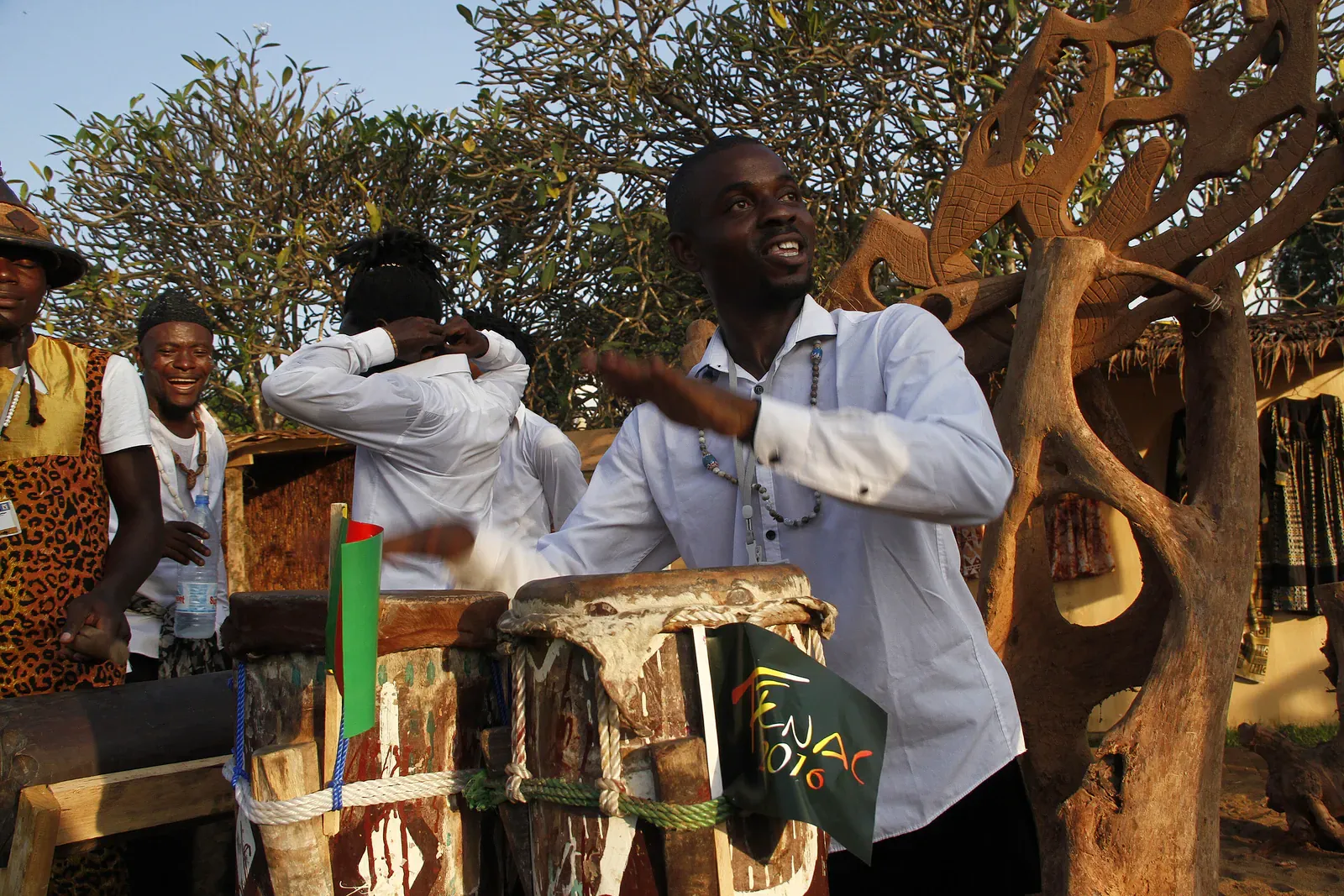
Makossa is almost always in 4/4, with a lead singer set against a choir of backing voices. The guitar often moves from solo to rhythm in the middle of a song, a habit from assiko, while the bass carries elaborate lines that dancers follow. The frenzied closing section, called the secousse, pushes dancers to redouble their effort, and sebene guitar sections borrowed from Congolese rumba add lift.
Instruments and production
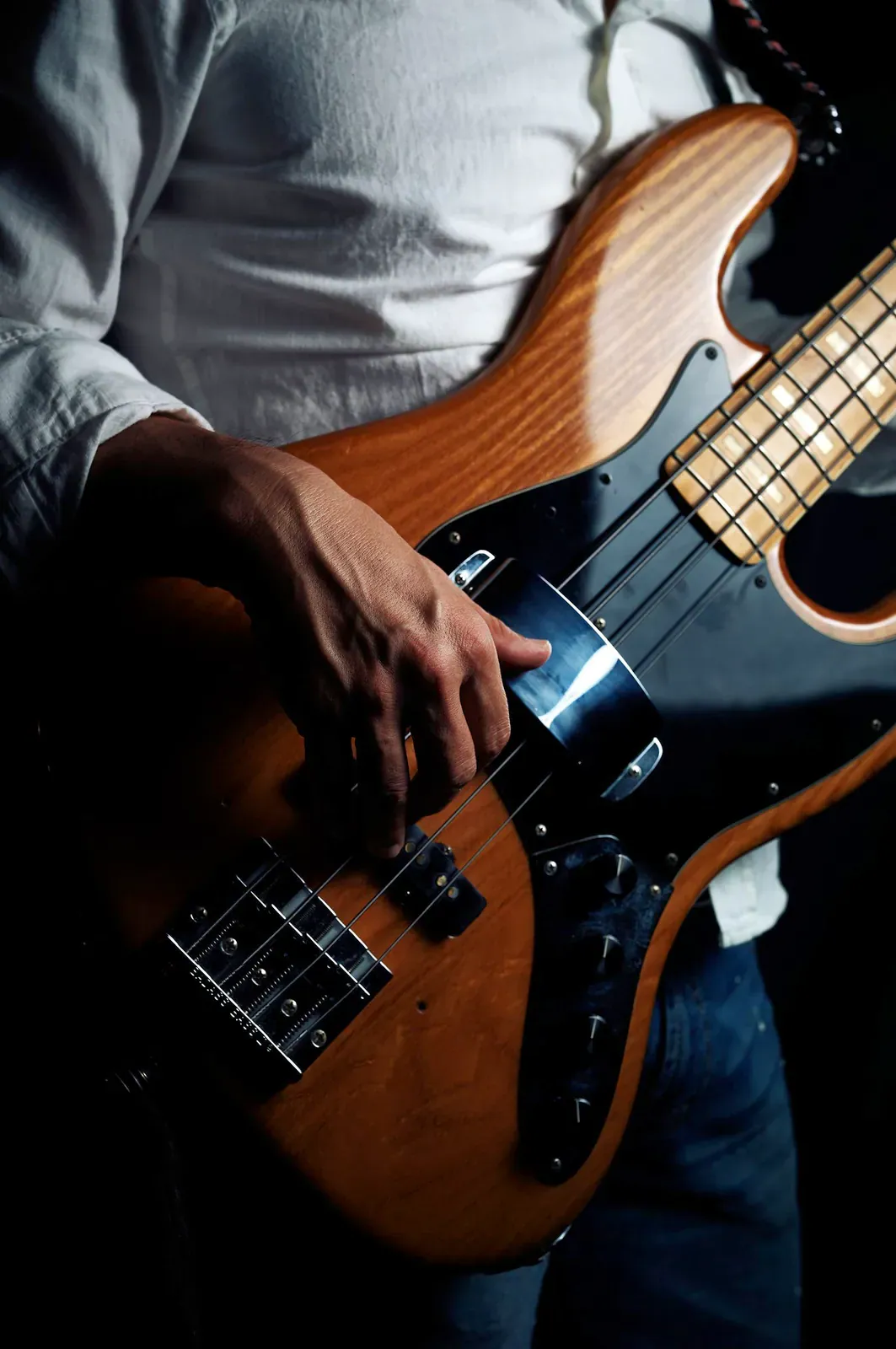
The electric bass, two guitars, a drum kit and a horn section form the core, with the bottle of assiko as a link to older dances. In the 1970s the horns and strings reflected funk and disco, and later makossa leaned on keyboards and studio technology, a path Bebey explored early with electronics and drum machines.
Mainstream success
“Soul Makossa” remains the genre’s one big pop crossover, charting in the United States and inspiring a rush of covers. In the 1980s makossa reached a wave of success across Africa and, to a lesser extent, abroad. Sam Fan Thomas’s hit sold in Africa, France and the West Indies, and “Zangaléwa” also became popular in Colombia, where it was known as “The Military”. Its wider spread came through radio, cassettes and later sampling.
Notable recordings
“Soul Makossa” began as an afterthought. Its chant, “ma-ma-ko, ma-ma-sa, ma-ko ma-ko-sa”, plays on the genre’s own name and has become one of the most sampled African hooks in history. It also influenced Kool and the Gang’s “Jungle Boogie”.
Sam Fan Thomas’s “African Typic Collection” is built around the melody of Franco’s “Boma l’heure”. It was recorded in Paris for the 1984 album Makassi, issued as a 12-inch single in the West Indies, and helped make the makassi variety of uptempo makossa a standard of African dance floors.
“Zangaléwa” is a comic military song. The four gendarmes of Golden Sounds dressed in uniforms and pith helmets, padding their clothes with pillows, and the band later took the name Zangaléwa, which in Ewondo means “Who called you?”. The lead singer said the chorus came from a slang that Cameroonian sharpshooters invented for communication in the Second World War.
Culture
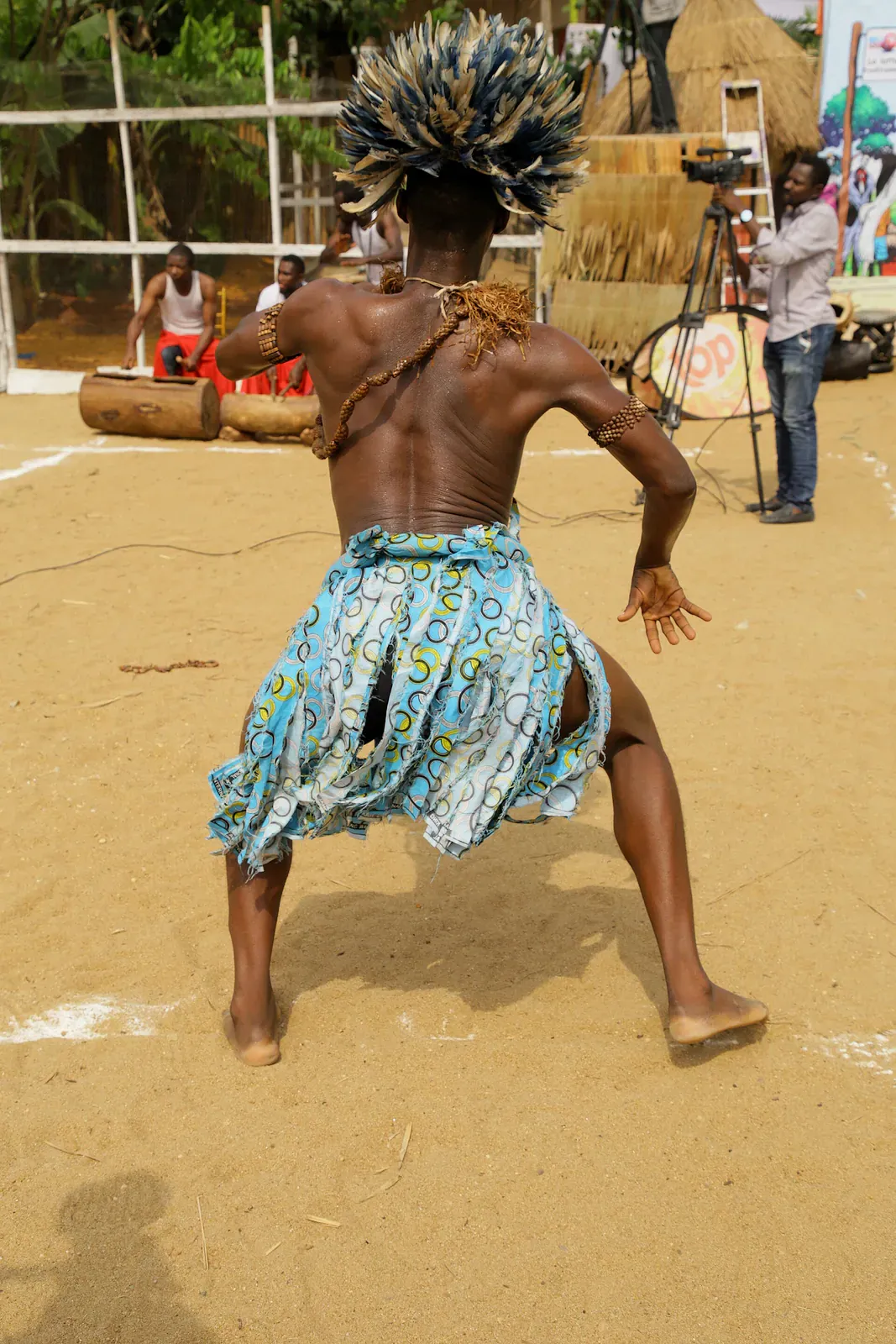
Makossa began as a dance, and the kossa cry was meant to provoke movement; the secousse shaped how bands built songs. Image mattered too: American stage names such as Peter Moukoko and Bill Loko in the 1970s, the playful military costumes of Golden Sounds, and the provocative dress and album covers of Petit-Pays.
Legacy
Michael Jackson used the “ma-ma-se, ma-ma-sa, ma-ma-ko-sa” hook in “Wanna Be Startin’ Somethin’” on Thriller and later reached a settlement with Dibango. When Rihanna sampled the line for “Don’t Stop the Music” in 2007, Dibango sued in 2009, and a Paris court rejected his claim. In 2010 Shakira sampled Golden Sounds for the World Cup song “Waka Waka”, and Arcade Fire’s “Everything Now” features a flute part from Bebey’s “The Coffee Cola Song”, played by his son Patrick.
Misconceptions
One myth holds that makossa is only Dibango’s “Soul Makossa”. The style began in the 1950s and had its own singers such as Eboa Lotin before Dibango made it known worldwide in 1972. A second is that the hit was planned as a single: it started as the flip side of a football hymn. A third is that makossa is a form of Congolese rumba. It borrowed the sebene and guitar phrases from rumba but also draws on assiko, highlife, merengue and funk, and it is sung in Duala.
Frequently asked questions
What is makossa music?
Makossa is a Cameroonian dance music from Douala, built on electric bass, brass, and lead and rhythm guitars, usually in 4/4 and sung in Duala, French or Pidgin English.
What does makossa mean?
The name comes from the Duala kossa, a shout of encouragement to dancers. Some accounts translate makossa as “contortions” and others as “I dance”.
What is the most famous makossa song?
Manu Dibango’s “Soul Makossa” from 1972, the most sampled African song in history. Golden Sounds’ “Zangaléwa” and Sam Fan Thomas’s “African Typic Collection” are other well-known recordings.
How is makossa related to other genres?
Makossa grew from ambasse bey, assiko, highlife and Congolese rumba, and later took brass and bass from funk and strings from disco. It sits in the same West and Central African pop world as Afrobeat.
Sound
Sound sheet
Signature sounds
- Heavy electric bass groove
- Guitar switching between solo and rhythm roles
- Horn section from funk
- Lead singer with a backing choir
Techniques
- Bikutsi guitar picking
- Solo and rhythm guitar switching
- Sebene
- Shouted kossa refrain
Tuning
12-tone equal temperament, A=440
Vocals
Lead singer with backing choir, in Duala, French or Pidgin English.
Scenes
Where it happened
Where and when the sound lived: one bar per city on a shared timeline.
Africa
Europe
North America
Active scenes
Peak 3, 1972-2025
Port city of the Duala, where palm-wine bars and electrified bands shaped the genre.
Studios, labels and radio there gave exiled Cameroonian musicians a route to international audiences.
Loft parties and WBLS airplay turned Soul Makossa into a hit in 1972 and 1973.
Culture
Culture markers
- Kossa dance
Duala dance whose shouted kossa cry gave the genre its name.
Dance - Secousse
Dancers' term for the frenzied closing part of a song.
Slang - Golden Sounds military costume
Gendarme musicians wore uniforms, pith helmets and pillow padding for comic effect.
Fashion
Media
Key media
- 1965Voice of America morning show
by Georges Collinet. The broadcaster nicknamed Maxi Voom Voom spread African pop, including makossa, to listeners across the continent.
Radio - 2024Disco: Soundtrack of a Revolution
by PBS. A PBS series that explores the importance of Soul Makossa to disco history.
Film
Glossary
Terms on this page
Bottle-driven Cameroonian rhythm whose switching solo and rhythm guitar roles shaped makossa.
Duala exclamation of encouragement shouted to push dancers to greater energy, the root of the word makossa.
Ballad-like Cameroonian style based on French slow songs, also called Cameroon slows.
Guitar-led dance section borrowed from Congolese rumba.
The frenzied part of a composition, also called balle a terre, where dancers redouble their effort.
African family