Marabi
Marabi is keyboard-led dance music of Johannesburg's slumyards and shebeens, built on a short repeating chord cycle, formed between the 1890s and 1920s.
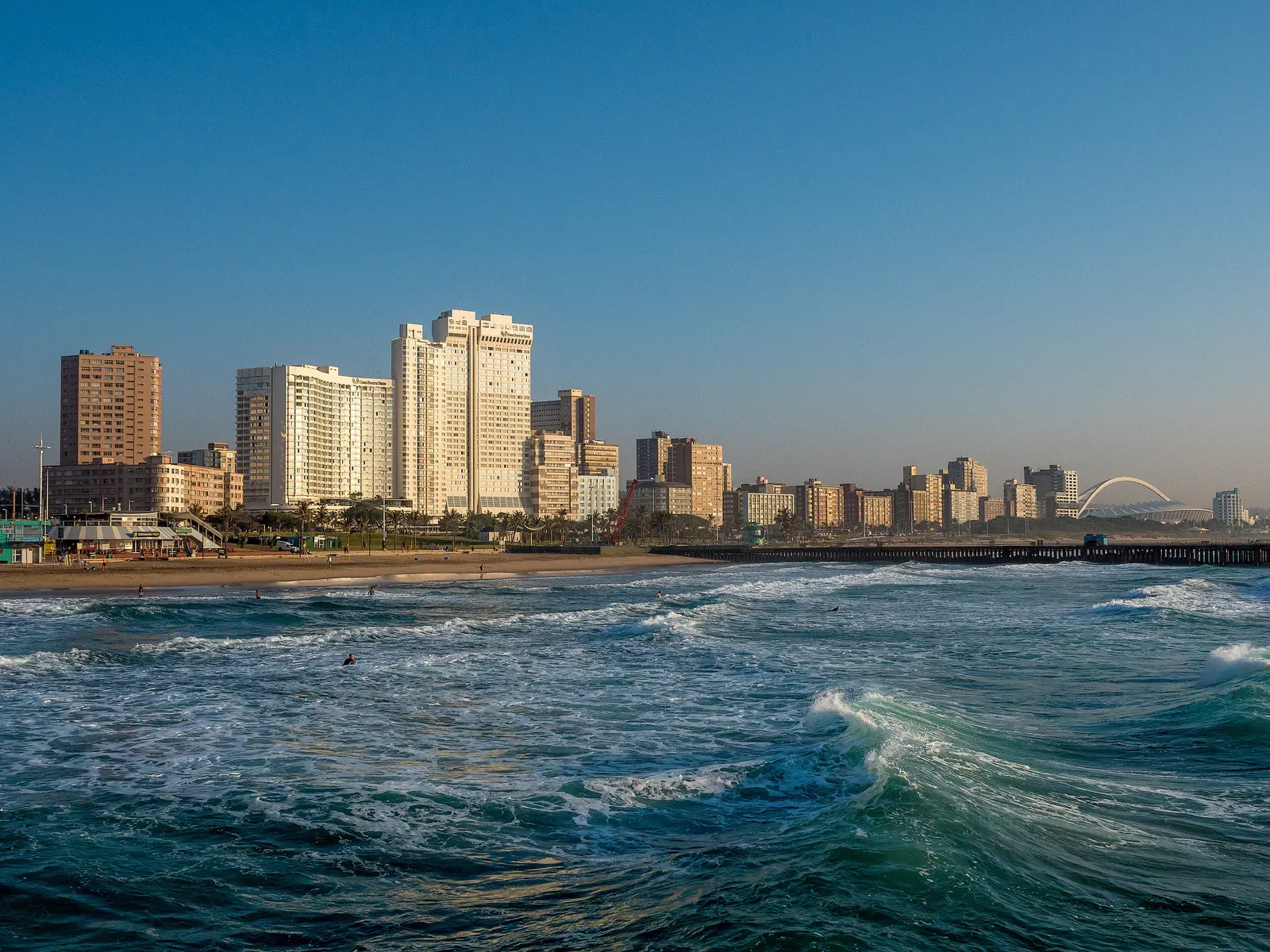
Johannesburg, 1910
African family
Born
1910
Johannesburg
Subgenres
1
Documented branches
Links
12
Genres it drew on or shaped
Tempo
95-130 BPMLineage
Family tree
Timeline
Era by era
From the first sparks to today. Select a dot to read the story behind it.
- Witwatersrand slumyards
1900 to 1930
- Dance bands and radio
1930 to 1950
- Township successors
1950 to 1975
Eras
Moments
- 1 Witwatersrand slumyards, 1900 to 1930
- 2 Dance bands and radio, 1930 to 1950
- 3 Township successors, 1950 to 1975
around 1900
Witwatersrand slumyards
Mine workers and domestic servants crowded into Johannesburg yards, and shebeen keyboardists played cyclic chord dance music through weekend-long parties.
- 1900Gold-rush urbanisation of the WitwatersrandMining brought black workers to Johannesburg, where slumyard districts formed and produced new dance music.
- 1913Natives Land ActBlack South Africans could not own property in the city, which pushed workers into slumyards.
- 1920Shebeen parties in the yardsShebeen Queens brewed and sold beer while pedal-organ players drew dancers to weekend-long parties.
- 1927Licensed premises closed to black patronsBlack South Africans were barred from selling alcohol or entering licensed premises, which made shebeens the main nightlife.
around 1930
Dance bands and radio
Marabi moved from organ and piano into popular dance bands, helped by black-audience radio and a local recording industry that produced the first professional black musicians.
- 1930Radio and recording for black audiences beginBroadcast radio and a local recording industry carried marabi-derived sounds into popular dance bands from the 1930s.
- 1936Marabi kept out of the Empire ExhibitionMarabi was not allowed to be part of the Johannesburg exhibition, a sign of how white audiences treated it.
around 1950
Township successors
Kwela and mbaqanga grew from marabi, and Cape jazz and its pianists carried its vamping groove into recordings such as Mannenberg.
- 1950Kwela and mbaqanga emergeKwela fused Malawian music with marabi, and mbaqanga took marabi, American jazz and Zulu tradition as its roots.
- 1959Jazz Epistles formedThe Cape Town bebop group included Abdullah Ibrahim and Hugh Masekela, and Cape jazz is described as marabi with more improvisation.
- 1974Mannenberg recordedIbrahim's piano had thumbtacks on its hammers, giving the metallic timbre associated with marabi.
- 1980Mannenberg becomes an anti-apartheid anthemThe piece, which draws on marabi, was among the movement's most popular songs in the 1980s.
Listening path
Start listening
A short path from an easy way in to the deep end. Thumbnails come from YouTube; the player loads only when you press play.
- 01
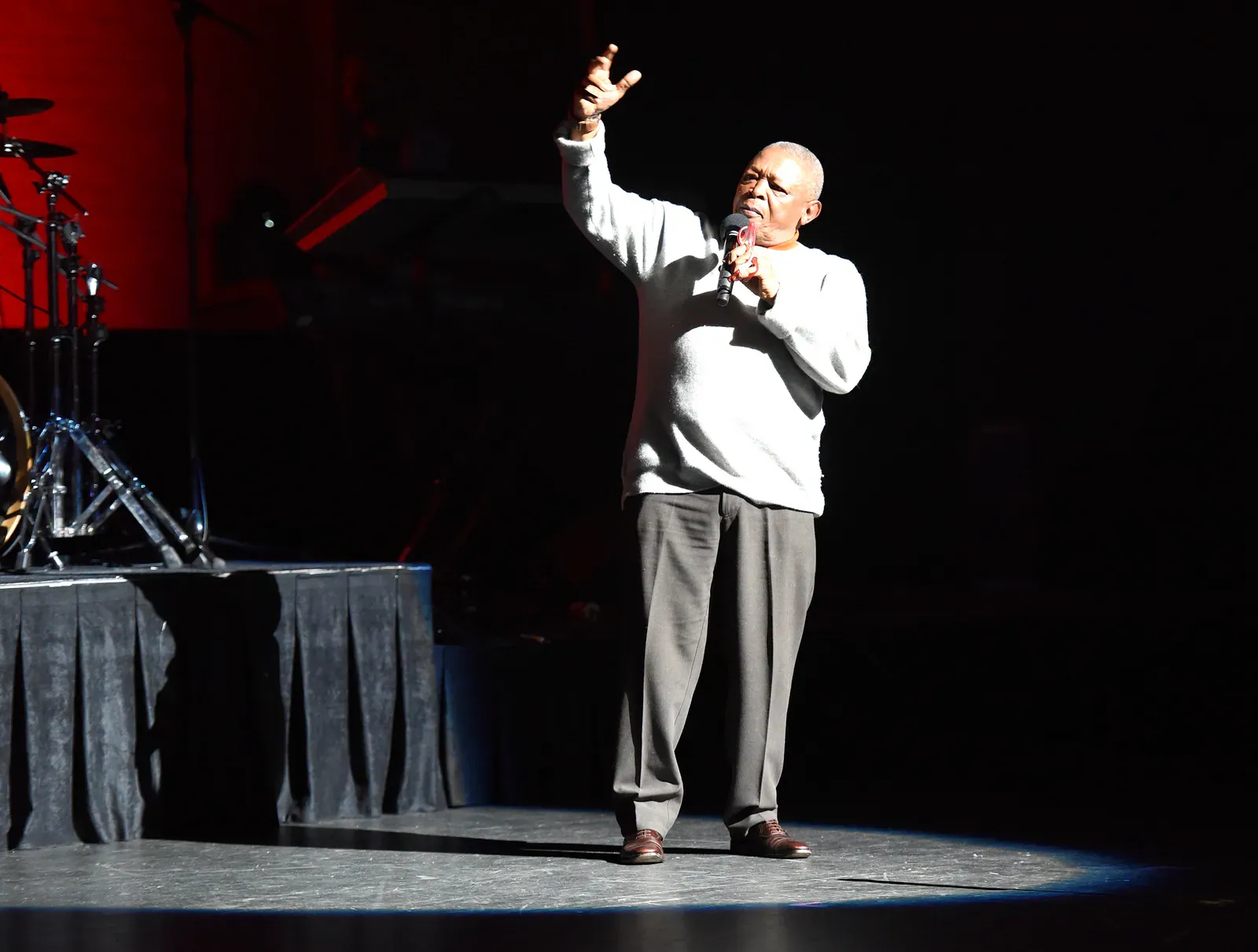
Hugh Masekela, 2016
Tribute to Miriam Makeba by a trumpeter from the township-jazz generation that grew out of the marabi scene.
Facts
| Family | African |
| Origin | Johannesburg, South Africa |
| Emerged | 1890s to 1920s |
| Status | Historical |
| Tempo | 95 to 130 BPM |
| Meter | 4/4 |
| Subgenres | 1 |
Marabi is a South African dance music that took shape between the 1890s and the 1920s in the slumyards of the Witwatersrand, the gold-mining region around Johannesburg.
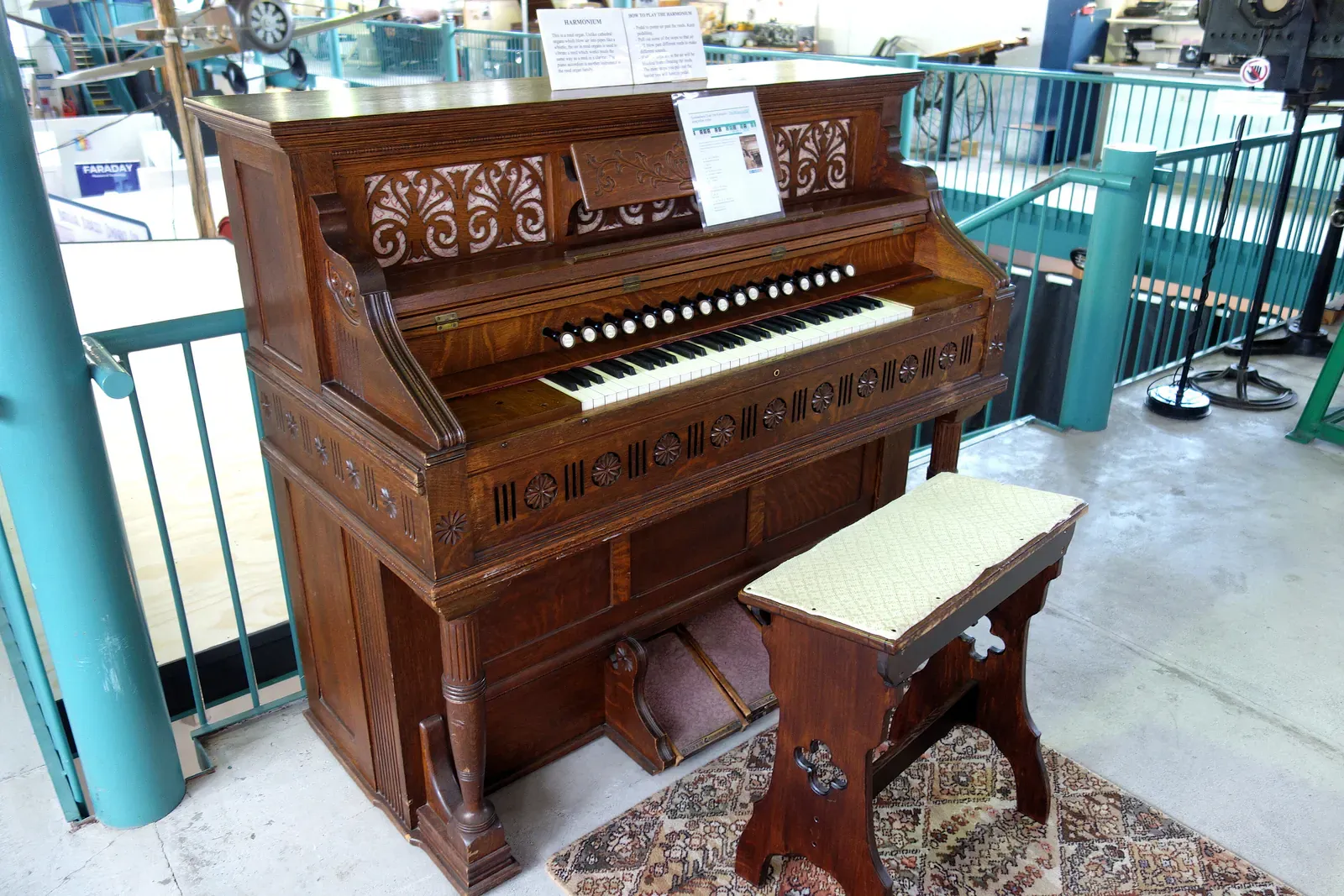
It was played on keyboards, often a cheap pedal organ, over a few chords repeated in changing patterns, and it drew on American jazz, ragtime and blues as well as older African musical habits. Heard in illegal bars called shebeens, it is the earliest form of township music and the base on which kwela, mbaqanga and later South African jazz were built. It belongs to the African music family.
Origins
The discovery of gold, diamonds and other minerals in the late nineteenth century drew black workers from the countryside to the mining towns. The Natives Land Act of 1913 forbade them to own property in the city, so many ended up renting rooms in crowded yards on the edge of Johannesburg. Out of that urban hardship came marabi, along with other new forms such as kwela.
In 1927 black South Africans were barred from selling alcohol or entering licensed premises. Women who had brewed traditional beer in the countryside took up the trade in the yards, selling umqombothi in private homes that became known as shebeens, and their owners as Shebeen Queens. The shebeens were among the few places where residents, including mine workers, could relax and speak freely. A keyboard player in the corner served a practical purpose: the sound was meant to bring people in from the street and keep them dancing.
Marabi was formed from several streams. It had a clear link to American jazz, ragtime and blues, which were popular in the cities and imitated in the shebeens, and it kept roots in African tradition, including repeated harmonic patterns of the kind common in older African music. One account sees it as the first township music, growing out of the choral makwaya tradition. The origin of the word itself is unclear. One Sotho dictionary lists marabi as slang for a lawless person or gangster, and another reading ties it to a verb meaning to fly around, which would describe the dancers.
The slumyards, 1900-1930
The music of this period is poorly documented. Marabi had a reputation for illegality, police raids, sex and desperate poverty, and the educated black classes shunned it as readily as white society did. Its early players were part of an underground culture and were typically not recorded, so very little of the earliest sound survives.
What is known comes from description. The most famous venues were the shebeens and the weekend-long slumyard parties, where the music could run for many hours. Doornfontein, in eastern Johannesburg, is the district most often linked to the yards, and Sophiatown, a multiracial suburb, is credited as a place where the style was pioneered. Instruments were whatever could be had cheaply: the pedal organ above all, then piano, and later guitar. Singers were common, and the lyrics were loose, with participants free to make up words to suit the melody. They were also at times an expression of political protest.
Dance bands and radio, 1930-1950
From the 1930s the lilting melodies and catchy rhythms of marabi moved into the sound of popular dance bands, with a distinctively South African style. Brass instruments joined the organ and piano. The beginning of broadcast radio for black listeners and the growth of an indigenous recording industry helped push these sounds to wide popularity, and the bands produced the first generation of professional black musicians in the country.
The respectability gap remained. When Johannesburg held its Empire Exhibition in 1936, marabi was not allowed to be part of the show, which shows how white audiences accepted contemporary African performance selectively.
Characteristics
Marabi is defined by repetition. It uses a few simple chords, commonly three, repeated in varying vamping patterns that could go on for a long time. A frequently described cycle is four bars long, with one bar for each of the chords I, IV, I in second inversion and V, in a major key. The pattern is short enough that dancers could pick up the feel after a few passes without knowing the song, which is the practical reason it was built that way. Melodies were improvised over the cycle, and the meter is a steady four beats with a lilt.
The pattern is the point rather than a limit: a player could stretch a cycle indefinitely, change the left-hand figure, or hand the tune to a singer. The sound sheet on this page lists the instruments and techniques in detail.
Instruments and production
Marabi was never a studio style, so production in the modern sense does not apply. The defining sound was the pedal organ, and a piano served the same role where one was available. Later groups added guitar and brass. When pianist Abdullah Ibrahim recorded Mannenberg in 1974 the piano had thumbtacks attached to its hammers, producing a metallic timbre generally associated with marabi.
Notable recordings
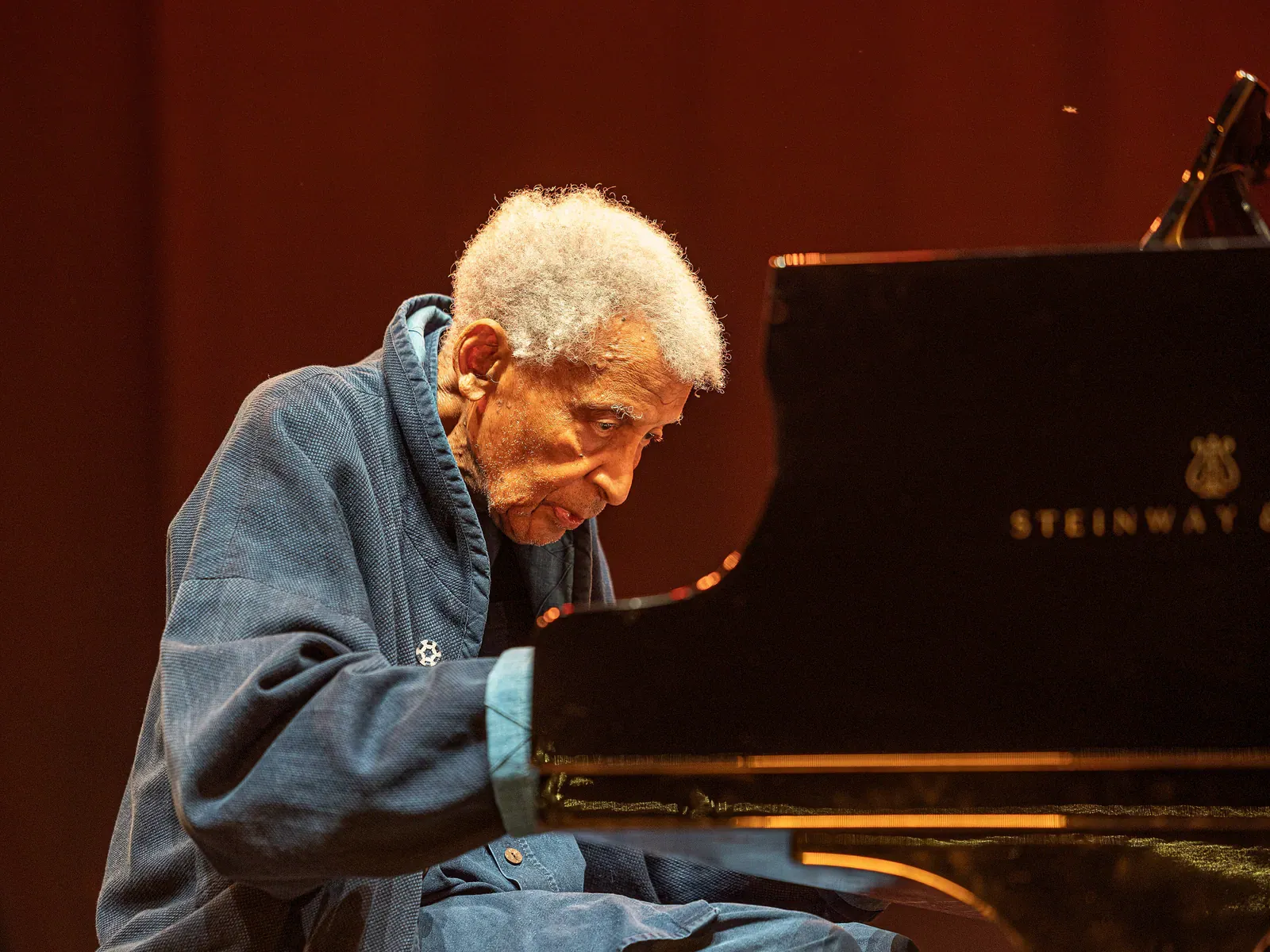
Because few early marabi players were recorded, the most cited recording is a later one that recalls the style. Mannenberg was recorded in 1974 by Ibrahim, then performing as Dollar Brand, with saxophonist Basil Coetzee and a band assembled around him. It was recorded in a session of improvisation, issued as Mannenberg - Is Where It’s Happening, and is named for the township of Manenberg near Cape Town. The groove draws on marabi, the beat resembles ticky-draai, the saxophone melody comes from langarm, and jazz underlies all three. It was an instant hit and, in the 1980s, became among the most popular songs of the anti-apartheid movement. It is an example of Cape jazz, a style that is similar to marabi but more improvisational.
Culture
Marabi was a social event as much as a sound. The weekend-long slumyard parties gave the African working class a gathering place and, in some accounts, a new sense of identity. Shebeen Queens ran the trade that financed the nights. The music also drew moral disapproval from outside: its association with drinking, crime and prostitution made respectable families wary, even while its dance rhythms attracted large crowds.
Legacy
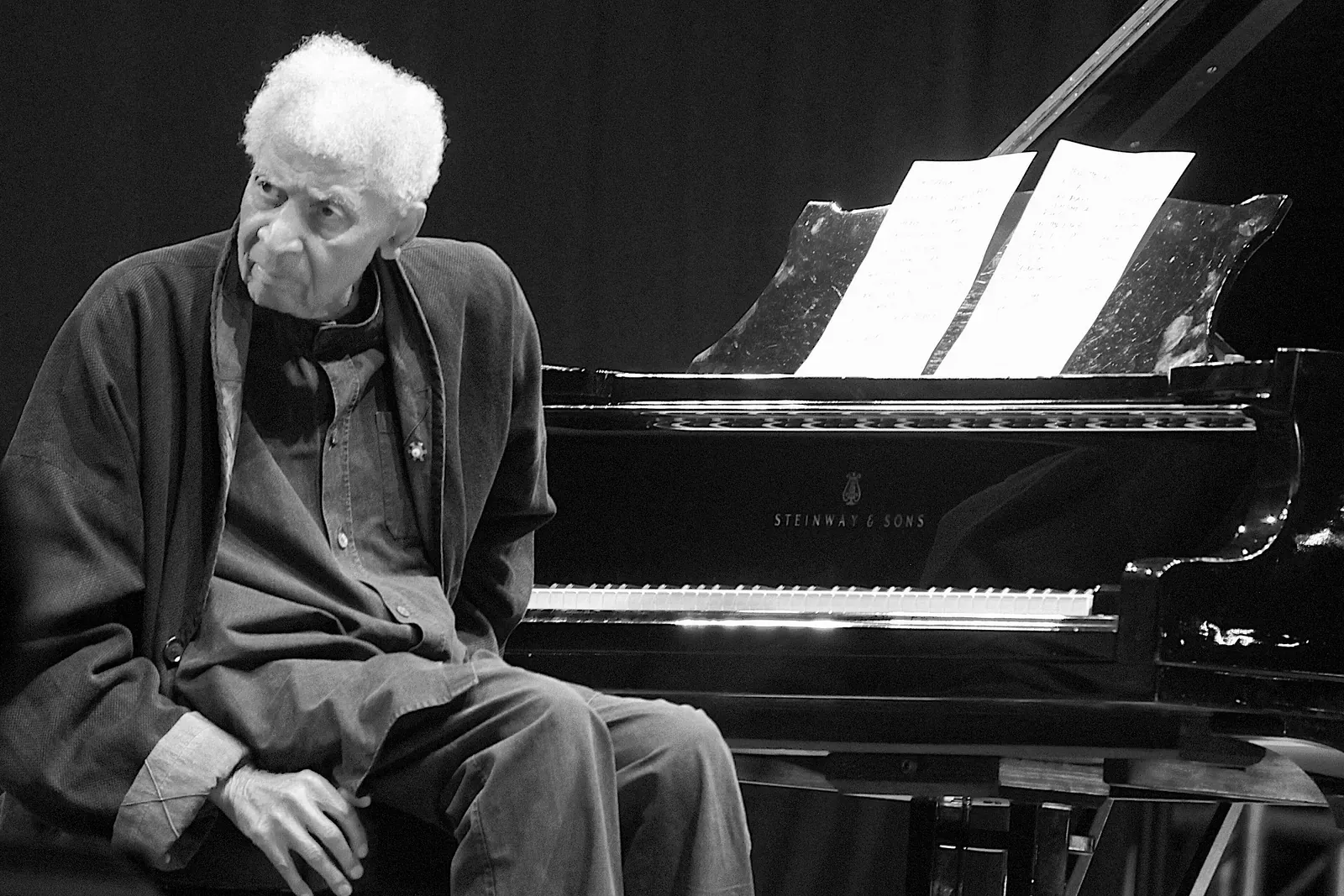
Marabi is called the harmonic foundation of South African jazz. Kwela, which fused Malawian music with marabi, and mbaqanga, whose roots lie in marabi, American jazz and Zulu tradition, are regarded as its successors. Cape jazz, which began to emerge around the time the Jazz Epistles formed in 1959 with Ibrahim and trumpeter Hugh Masekela, keeps its vamping feel. A number of later township stars, among them Miriam Makeba, Dolly Rathebe, Masekela and Ibrahim, are linked to the music that grew from it.
Misconceptions
Marabi is sometimes treated as a single recorded song or a band name. It is a style and a dance, and its original players were largely not recorded. It is also sometimes confused with its offspring: kwela is the pennywhistle-led street music that followed, and mbaqanga is the later electric township sound, both built on marabi but distinct from it. A third error is that marabi was a respectable concert style from the start. It was the opposite, a music of illegal bars that was shunned by much of the establishment and that only later entered dance bands and recordings.
Frequently asked questions
What is marabi music?
Marabi is a South African dance music of the early twentieth century, played on pedal organ or piano over a repeating cycle of a few chords. It began in the Johannesburg slumyards and shebeens.
Where does the word marabi come from?
The origin is unclear. It may refer to dancers who seemed to fly around, and one Sotho dictionary gives it as slang for a lawless person or gangster.
What chords does marabi use?
It uses a short cycle, commonly described as I, IV, I in second inversion and V in a major key, one bar per chord, repeated for as long as the dancers want.
How is marabi related to mbaqanga and kwela?
Both are later township styles built on marabi. Kwela fused Malawian music with it, and mbaqanga drew on marabi, American jazz and Zulu tradition.
Why are there almost no early marabi recordings?
The music was tied to illegality, police raids and poverty, so early players were considered a corrupting influence and were not recorded. Recording of marabi-derived dance bands began from the 1930s.
Sound
Sound sheet
Anatomy of a track
| # | Part | Bars |
|---|---|---|
| 1 | Four-bar chord cycle (I, IV, I 6/4, V) | 4 |
Signature sounds
- Cyclic three-chord vamp
- Pedal organ or piano lead
- Improvised melody over repeating chords
Techniques
- Cyclic vamping
- Improvised melody
- Improvised lyrics
- Thumbtacked piano hammers
Keys and modes
Major-key vamp. A three-chord cycle commonly I, IV, I 6/4 and V, one bar per chord.
Vocals
A solo voice over organ, accordion or later guitar, with lyrics improvised to the melody.
Scenes
Where it happened
Where and when the sound lived: one bar per city on a shared timeline.
Africa
Active scenes
Peak 2, 1920-1940
The Doornfontein slumyards and Witwatersrand mining districts, where marabi parties and shebeens were centred.
Multiracial suburb where the style was pioneered, later cleared under apartheid.
Culture
Culture markers
- Marabi dance parties
Weekend-long slumyard dances in which the shebeen music kept people moving for hours.
Dance - Shebeen Queens
Women who used rural beer-brewing skills to run shebeens, the social centres of marabi nights.
Ritual - Marabi as lawless person
The word has a murky origin; one Sotho dictionary lists it as slang for a gangster.
Slang
Glossary
Terms on this page
Keyboard-led dance music and dance of the Witwatersrand slumyards; a Sotho slang sense of the word is lawless person.
Unlicensed bar in a black urban district where alcohol was sold and marabi was played.
Woman who brewed and sold beer in a shebeen.
Crowded rented yard of urban black workers in Johannesburg, home of weekend-long marabi parties.
Traditional beer sold in shebeens.
Short chord pattern repeated for as long as dancers wish.
African family