Kuduro
Kuduro is a fast Angolan electronic dance music from Luanda's musseques, built on a four-to-the-floor kick and tresillo percussion, from the late 1980s.
Luanda, 1988
African family

Born
1988
Luanda
Subgenres
3
Documented branches
Links
13
Genres it drew on or shaped
Tempo
130-140 BPMLineage
Family tree
Timeline
Era by era
From the first sparks to today. Select a dot to read the story behind it.
- Batida and the first generation
1988 to 1999
- Fruity Loops and the musseques
2000 to 2005
- Luanda hits and the Lisbon crossover
2006 to 2012
- Afro house and ndombolo influence
2013 to today
Eras
Moments
- 1 Batida and the first generation, 1988 to 1999
- 2 Fruity Loops and the musseques, 2000 to 2005
- 3 Luanda hits and the Lisbon crossover, 2006 to 2012
- 4 Afro house and ndombolo influence, 2013 to today
around 1988
Batida and the first generation
Producers in Luanda mixed African percussion samples with zouk beton, soca, house and techno. Middle-class youth with imported sequencer workstations made short instrumental loops at 128-135 BPM.
- 1988Batida takes shape in LuandaProducers mix African percussion samples with zouk beton and soca to make a style first called batida.
- 1989Kickboxer and the danceTony Amado, who claims to have created kuduro, says its dance began with a bar scene in the 1989 film Kickboxer.
- 1991First generationMiddle-class youth use imported sequencer and sampler workstations for instrumental house and techno experiments.
around 2000
Fruity Loops and the musseques
Cheap computers and pirated Fruity Loops moved production into the poor neighbourhoods. Tempo climbed toward 140 BPM and urgent vocals joined the loops.
- 2001Fruity Loops reaches the mussequesWider access to personal computers and pirated Fruity Loops lets poor neighbourhoods make batidas at home.
- 2003FL Studio adds audio recordingMulti-track and direct audio recording let producers capture vocals at home without a studio.
2006
Luanda hits and the Lisbon crossover
Os Lambas' Comboio defined a visual style in Angola while Buraka Som Sistema from Lisbon's suburbs took kuduro to European festivals, with Titica and the I Love Kuduro festival following.
- 2006Comboio by Os LambasThe video of this hit marks a before and after in Angolan music video production and defines kuduro's visual style.
- 2006From Buraka to the WorldBuraka Som Sistema's EP, including Yah!, is the first release on Enchufada.
- 2006Enchufada is foundedBranko and Kalaf Angelo of Buraka Som Sistema start the Lisbon label that carries kuduro into European clubs.
- 2008Sound of KuduroBuraka Som Sistema record the track in Angola with DJ Znobia and M.I.A.; it appears on the album Black Diamond.
- 2011Hangover (BaBaBa)Buraka Som Sistema's single, a first release from their second album Komba, spreads kuduro further in Europe.
- 2011Titica releases ChaoHer debut album and the single Olha o Boneco make the BBC call her the new face of kuduro.
- 2012I Love Kuduro in LuandaA two-day festival at the Luanda International Fair draws over 14,000 fans in January.
around 2013
Afro house and ndombolo influence
A third generation brought Afro house and Congolese ndombolo, with slower, sparser production. Kuduro stays a core Angolan dance sound at home and in the diaspora.
- 2013Titica becomes a UNAIDS ambassadorTitica is named a goodwill ambassador and speaks publicly on HIV and LGBT rights.
- 2022Nagrelha diesThe Os Lambas front man dies in November aged 36; over 20,000 people attend his funeral, where police use tear gas on mourners.
Listening path
Start listening
A short path from an easy way in to the deep end. Thumbnails come from YouTube; the player loads only when you press play.
- 01
Os Lambas, 2006
The hit that set kuduro's visual look; listen for the loop and the shouted vocals.
- 02
Buraka Som Sistema feat. M.I.A., 2008
The track that took kuduro from Lisbon to the world, shot in Angola.
- 03
Buraka Som Sistema feat. Pongolove, 2008
Progressive kuduro with the zouk bass the Lisbon group is credited with.
- 04
Buraka Som Sistema, 2011
The crossover single from their second album.
Facts
| Family | African |
| Origin | Luanda, Angola |
| Emerged | Late 1980s |
| Status | Active |
| Tempo | 130 to 140 BPM |
| Meter | 4/4 |
| Subgenres | 2 |
Kuduro is an Angolan electronic dance music and dance that began in Luanda in the late 1980s. It sets African percussion samples over a fast four-to-the-floor bass drum, usually at 130 to 140 beats per minute, and it grew from imported house and techno, soca and zouk béton.
Made first in the capital’s informal neighbourhoods, it spread to Lisbon’s suburbs and then to clubs and festivals worldwide. It belongs to the African family and is a close cousin of house and techno.
Origins
In the late 1980s producers in Luanda began mixing African percussion samples with zouk béton, the hard zouk of the Caribbean, and with soca. Their music was first called batida, the Portuguese word for beat. European and American electronic music was reaching the Angolan market at the same time, and young producers laid heavy percussion over those imported beats. The result is mainly electronic and built on loops.

The music grew up during years of civil unrest, and it gave young people a way to cope with hardship and to claim space in the city. Its lyrics often describe life in the musseques, and its sound hardened over time. The ruling party, the MPLA, later recognised its popularity and adopted it for campaigns.
The dance came first, according to Tony Amado, who calls himself the creator of kuduro. He says the idea came from a bar scene in the 1989 film Kickboxer, in which Jean-Claude Van Damme dances in a hard, odd style.
Batida and the first generation, 1988-1999
The first generation began in the early 1990s and drew mostly on middle-class youth, some of whom had spent time in Europe and brought back sequencer and sampler workstations. Those machines had little memory, so tracks became short loops, recorded straight onto tape or a CD writer with no overdubs. Studios able to record vocals were rare, so the music stayed largely instrumental, close to the house and techno that inspired it, at 128 to 135 beats per minute.
Singers soon appeared. Dog Murras, a Luanda singer and songwriter active from the mid 1990s, recorded his debut album Sui Generis in 1999 and is counted among the early pioneers, alongside Rei Helder and Os Lambas.
Fruity Loops and the musseques, 2000-2005
The economy opened up gradually in the early 2000s, and personal computers reached ordinary people. Producers began making tracks in Fruity Loops, later renamed FL Studio. Pirated copies spread widely, which put production in reach of the musseques and made the poor neighbourhoods the genre’s production centre.
Tempo rose to about 140 beats per minute, and urgent vocals became common. In 2003 FL Studio added direct audio recording, so musicians could record vocals at home. Producers also sampled everyday sounds such as keyboards and cellphones, a texture that suits one reading of the name, in hard times.
Luanda hits and the Lisbon crossover, 2006-2012
In 2006 Os Lambas, a Luanda group led by Nagrelha, released Comboio. Its video marks a before and an after in Angolan music video production and defined kuduro’s visual style.
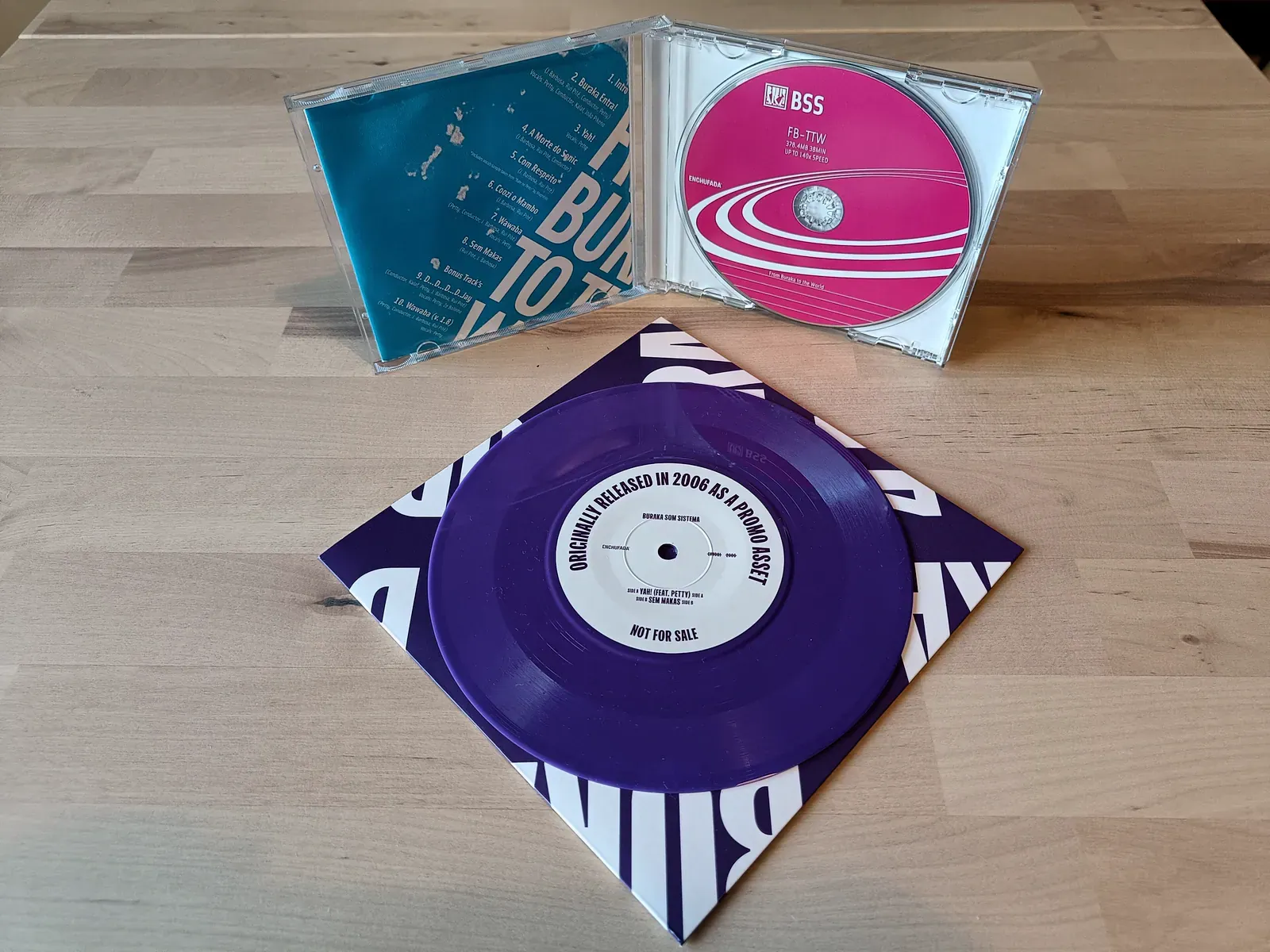
The same year the Lisbon group Buraka Som Sistema released the EP From Buraka to the World on Enchufada, a label founded by its members Branko and Kalaf Ângelo. It included Yah!, with vocals by the Angolan MC Petty. The group is credited with creating the zouk bass and a progressive kuduro that blends the genre with house and techno.
Titica, a Luanda singer and dancer, came to the front in 2011 with her debut album Chão and the single Olha o Boneco with Ary. She blends kuduro with the Congolese styles kallé and ndombolo.
Afro house and ndombolo influence, 2013-present
A third generation brought Afro house and ndombolo into the mix, with slower, sparser beats. Production moved from FL Studio to Cubase and Logic Pro. Listeners and artists of each generation still respect the others, and kuduro remains one of the most popular forms of music in Angola.
Characteristics
A kuduro track sits on a fast four-to-the-floor bass drum, while a snare or sidestick plays the first two hits of the tresillo pattern, which links it to semba. Loops are short and repeated, and sampled African percussion carries the rhythm. Vocals are shouted and recorded with relatively low fidelity, a trace of the early studio limits, and the lyrics are secondary to the beat and dance.
Instruments and production
Early kuduro was made on imported workstations whose small memory shaped the short loops. From the 2000s the typical studio was a pirated copy of Fruity Loops on a home computer, whose built-in synthesised sounds widened the palette, and producers sampled whatever was at hand, from PC libraries to phones. This do-it-yourself approach, with no big studio and little money, is central to the genre’s character.
Mainstream success
Buraka Som Sistema carried kuduro across Europe, playing Glastonbury and Roskilde after the success of Yah!. Their collaboration Sound of Kuduro, with M.I.A., DJ Znobia, Saborosa and Puto Prata, was recorded in Angola. The album Black Diamond followed in 2008 on Sony BMG, then the single Kalemba (Wegue Wegue) and, in 2011, Hangover (BaBaBa).

The I Love Kuduro festival, created by the Angolan artist Coréon Dú, began as the touring Kuduro Sessions in Paris and Berlin in 2011. Its Luanda edition in January 2012 drew more than 14,000 people, and a documentary of the same name followed.
Notable recordings
Comboio is the Luanda reference point: a hard loop with shouted vocals, filmed in the musseques, which showed how the music’s own neighbourhood wanted to be seen.
Sound of Kuduro works in the other direction. Its video was shot in Angola in 2007, with the vocalists recorded around the country and joining street and yard parties alongside local dancers. M.I.A. also placed it on a special edition of her album Kala.
Olha o Boneco showed that kuduro could carry a new kind of star. It reached number one for three weeks on a Portuguese video chart and for seven weeks on a Brazilian one.
Culture
Kuduro dance is usually performed in the street, where people form a circle and step in one by one while the crowd claps. The moves break the body into isolations and staccato movements, with falls and echoes of pop and lock and breakdance. Some dancers move on their knees as if legless, a reference to civil war amputees, and Costuleta, an amputee, is well known for it. Titica, named a UNAIDS goodwill ambassador in 2013, has also used kuduro to speak out on HIV and LGBT rights.
The name is read in two ways. In Portuguese, cu duro means hard buttocks and describes the stiff, aggressive dance. In Kimbundu, ku is a locative, so the name can also mean in hard times or in a hard place.
Legacy
Kuduro gave Angola a global dance sound and fed a wider Afro-Portuguese electronic scene in Lisbon, usually called batida. Enchufada kept issuing music into the 2020s, including its Hard Ass Sessions compilations, named for the literal translation of kuduro. Related genres include kizomba, another Angolan dance music, and the South African gqom.
Misconceptions
Kuduro is sometimes filed under traditional world music. It is a modern electronic genre made on sequencers and computers by young people working from house and techno records and local rhythms, not a folk tradition played on congas and bongos.
The name is often given as only the rude translation, but it has a second reading, in hard times.
Buraka Som Sistema did not invent kuduro. It began in Luanda in the late 1980s, and the Lisbon group made its own progressive variant and spread it across Europe.
Frequently asked questions
What is kuduro music?
Kuduro is a fast Angolan electronic dance music and dance from Luanda, with a four-to-the-floor kick, tresillo percussion and sampled African sounds. It began in the late 1980s and typically runs at 130 to 140 beats per minute.
Is kuduro the same as batida?
Batida was the genre’s first name, used before kuduro took hold. Today batida also names a separate Lisbon variant that mixes kuduro with house, techno, kizomba and funaná.
Who are the most important kuduro artists?
Os Lambas, Dog Murras and Rei Helder are named as early pioneers, Titica as a leading present-day voice, and the Lisbon group Buraka Som Sistema as the act that took the genre to Europe.
Sound
Sound sheet
Signature sounds
- Fast four-to-the-floor kick
- Tresillo percussion over the kick
- Short sampled loops
- Shouted, low-fidelity vocals
Synths and software
- FL Studio
- Cubase
- Logic Pro
Techniques
- Four-to-the-floor kick with tresillo
- Short loop arrangement
- Everyday sound sampling
- Low-fidelity vocals
Keys and modes
Minor keys. Producer guides name A minor and D minor as typical for Luanda kuduro.
Vocals
Shouted, urgent vocals in Portuguese, often secondary to the beat and dance.
Scenes
Where it happened
Where and when the sound lived: one bar per city on a shared timeline.
Africa
Europe
Active scenes
Peak 2, 2002-2025
Birthplace, made in the musseques, the informal and poor neighbourhoods around the city.
Lisbon suburb with many Angolan immigrants and home of Buraca, which gave Buraka Som Sistema its name.
Culture
Culture markers
- Street circle dance
Dancers step into a circle one by one while the crowd claps; dance moves include isolations, falls and pop and lock.
Dance - Amputee-inspired moves
Some dancers move on their knees as if legless, recalling civil war amputees; the dancer Costuleta, an amputee, is known for it.
Dance - Music video aesthetic
Videos filmed in the musseques, such as Comboio, set the genre's look and spread it through YouTube.
Artwork
Media
Key media
- 2009FabricLive 49
by Buraka Som Sistema. A club mix by the Lisbon group for the London club's mix series.
Mix
Glossary
Terms on this page
The original name of the music, from the Portuguese word for beat.
Portuguese for hard buttocks, one reading of the name; kuduro can also mean in a hard place in Kimbundu.
Kuduro dancers and artists.
An informal, unpaved neighbourhood of Luanda where kuduro grew.
A three-hit pattern whose first two hits kuduro percussion plays over a four-to-the-floor kick.
Hard zouk from the Caribbean, one of the genre's early sample sources.
African family