Kizomba
Kizomba is a slow, romantic Angolan couple-dance music that joined semba with Caribbean zouk in the 1980s; its name means party in Kimbundu.
Angola, 1980
African family
Born
1980
Angola
Subgenres
4
Documented branches
Links
11
Genres it drew on or shaped
Tempo
85-115 BPMLineage
Family tree
Timeline
Era by era
From the first sparks to today. Select a dot to read the story behind it.
- Semba roots
1947 to 1974
- Independence and zouk
1975 to 1989
- Lisbon and the dance
1990 to 2007
- Festivals and global pop
2008 to today
Eras
Moments
- 1 Semba roots, 1947 to 1974
- 2 Independence and zouk, 1975 to 1989
- 3 Lisbon and the dance, 1990 to 2007
- 4 Festivals and global pop, 2008 to today
1947
Semba roots
Ngola Ritmos, formed in Luanda in 1947, sang in Kimbundu and carried semba into modern Angolan music, the base kizomba later slowed down.
- 1947Ngola Ritmos formed in LuandaThe group sings in Kimbundu and modernises Angolan music, setting the stage for semba.
1975
Independence and zouk
During Angola's civil war little semba was released, and listeners looked to the Caribbean. Kizomba grew in the 1980s from semba and Antillean zouk, with Eduardo Paím and his band SOS among the pioneers.
- 1975Angola gains independenceIndependence from Portugal is followed by a civil war lasting until 2002, which slows semba releases and turns Angolan listeners toward the Caribbean.
- 1979Kassav' forms in GuadeloupeThe French Caribbean band later credited with pioneering zouk, the second parent of kizomba.
- 1980Kizomba emerges in AngolaA slower, more sensuous cadence and a heavier bassline set the new style apart from semba; the name means party in Kimbundu.
1990
Lisbon and the dance
Paím's records reached Portuguese audiences, kizomba spread across Portuguese-speaking Africa, and Lisbon clubs and schools turned the couple dance into a named style.
- 1991Luanda, Minha BandaEduardo Paím's debut album brings kizomba to Portuguese audiences.
- 1998Lisbon names the dance kizombaCouple-dance practices from Portuguese-speaking Africa are packaged under one label in Lisbon clubs and schools.
- 2006Histórias de AmorAnselmo Ralph's first album starts a run of romantic kizomba and R&B hits.
2008
Festivals and global pop
Lisbon's Africadancar festival opened a European festival circuit, while singers such as Anselmo Ralph, Kaysha and Matias Damásio carried romantic kizomba onto international charts.
- 2008First Africadancar festival in LisbonAn early festival built around kizomba and related African partner dances.
- 2011Não Me TocaAnselmo Ralph's ballad, a signature song of the romantic kizomba wave.
- 2015Kelly Key records kizomba in BrazilThe Brazilian pop singer releases No Controle on 3 February, introducing the style to a mass Brazilian audience.
- 2018Augusta tops the Portuguese album chartMatias Damásio's album Augusta reaches number one in Portugal.
Listening path
Start listening
A short path from an easy way in to the deep end. Thumbnails come from YouTube; the player loads only when you press play.
- 01
Eduardo Paím, 1991
Title track of the debut album by the genre's best-known pioneer; hear the slowed, bass-led groove.
- 02
Anselmo Ralph, 2011
Romantic kizomba ballad with R&B phrasing.
- 03
Kaysha, 2014
Kizomba shaped by zouk and R&B production.
- 04
Matias Damásio, D.A.M.A, 2024
Recent romantic kizomba-R&B single from a chart-topping Angolan singer.
Kizomba is a music and couple-dance genre from Angola, formed in the late 1970s and early 1980s. It moves at a slower, more sensuous pace than the semba it grew from, rests on a heavy bassline and electronic percussion, and is mostly sung in Angolan Portuguese.
The word means “party” in Kimbundu, and the style is regarded as a national heritage of Angola.
Origins
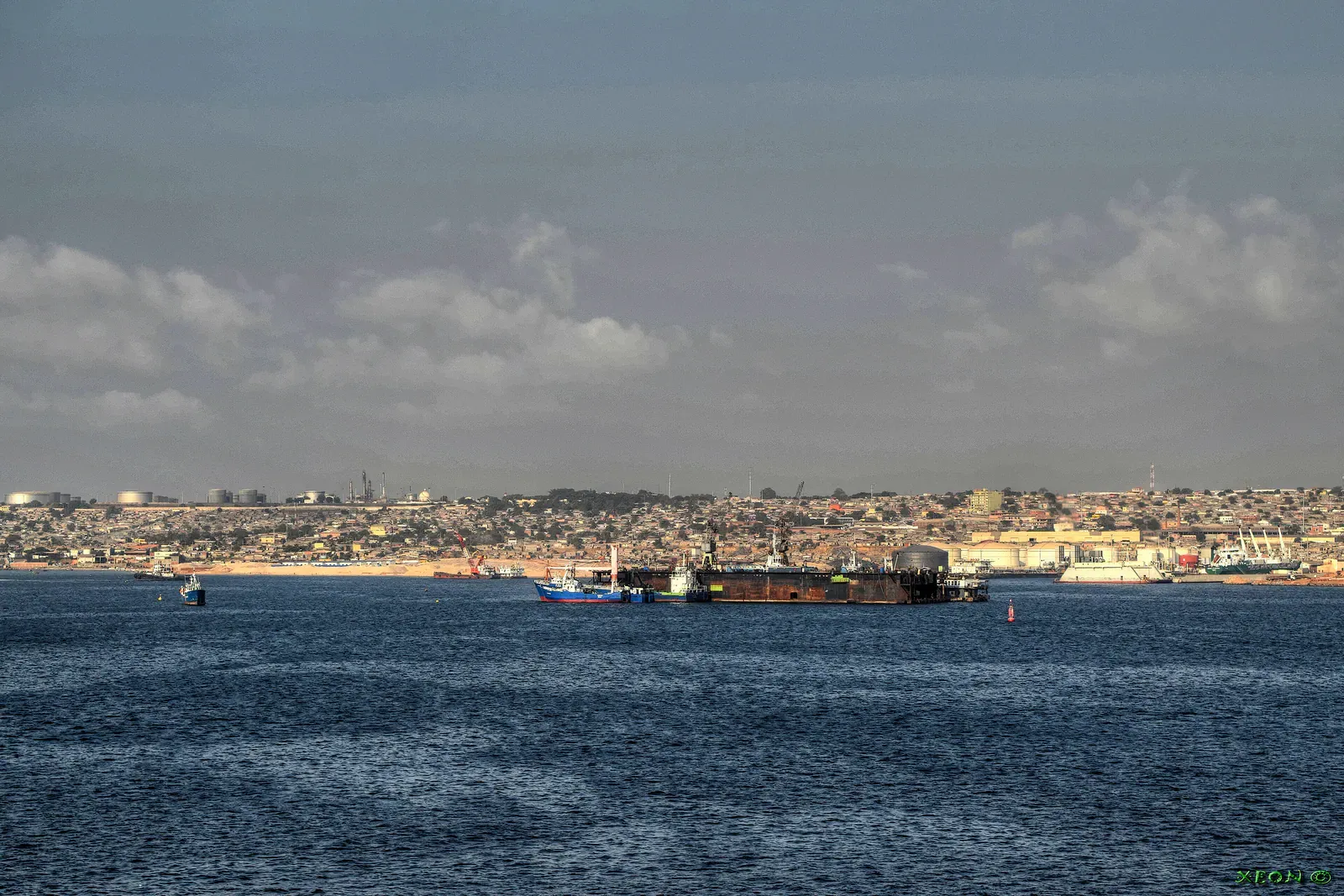
The base of kizomba is semba, the Angolan dance music that rose in the 1950s with the Luanda group Ngola Ritmos, formed in 1947 and singing in Kimbundu. Independence from Portugal in 1975 was followed by a civil war that lasted until 2002. Little semba was released in those years, and many Angolans looked elsewhere, above all to the Caribbean.
From there came zouk, the dance music of Guadeloupe and Martinique that Kassav’ had begun to popularise after forming in 1979. Kizomba emerged as a fusion of semba with Antillean zouk and other Angolan influences. It slowed the cadence of songs and added a stronger bass line under the instruments. Angolan carnival dances such as dizanda also fed into it.
Eduardo Paím is the name most often given as its originator. He was born in Brazzaville in 1964 to Angolan parents in exile and returned to Angola at the age of nine. His school-friend group, first called Os Puros, became the band SOS, whose first success came with the song Carnival. SOS is described as one of the forerunners of the style.
Luanda and Lisbon, 1990-2007
In the 1990s the music spread across Angola and the other Portuguese-speaking African countries, and São Tomé developed a similar kizomba of its own. Paím moved to Portugal to work with Paulo Flores, and his debut album Luanda, Minha Banda (1991) began to reach audiences in Lisbon. Do Kayaya (1992) and Kambuengo (1993) followed. Back in Luanda he opened EP Studios, a studio and label that started to work in 1996; the label page covers its role.
Immigrant communities in Lisbon and suburbs such as Amadora and Almada built clubs around the genre. Couple-dance practices from Portuguese-speaking Africa were gathered under one label in the late 1990s and presented as kizomba dance, which gave the music a second life as a teaching style.
Festivals and romantic pop, 2008 onward
The first Africadancar festival in Lisbon in 2008 marked the start of a European festival circuit, and events later followed around Paris and in other cities. Kizomba dancing also grew in China, Ghana and Brazil, where the pop singer Kelly Key released the album No Controle in 2015 with a kizomba sound.
On record, the style moved toward romantic pop and R&B. Anselmo Ralph, born in Luanda in 1981, released Histórias de Amor in 2006 and later hits such as Não Me Toca (2011). The French producer Kaysha, born in Kinshasa, works from the zouk side of the genre and released the album Kizomba in 2014. Matias Damásio’s album Por Amor reached number 4 on the Portuguese albums chart in 2016, and Augusta topped it in 2018.
Characteristics
Kizomba keeps a slow, insistent pulse, mostly in 4/4 and at roughly 85 to 115 beats per minute. A strong bassline gives the style its weight, and a drum machine supplies the percussion. The bass often outlines the chord roots and syncopates just ahead of the beat, which helps lead dancers into the next step. Singers deliver romantic lyrics in a smooth, melodic manner, usually in Angolan Portuguese.
Tarraxinha, a still slower and more percussive branch, and urban kiz, a newer club-oriented variant, are treated as offshoots. Cape Verdean and Guinea-Bissauan zouk offshoots such as cabo-love sit close to it.
Instruments and production
The core sound is electronic. A programmed drum machine replaced live percussion in early kizomba, which is why the beat is described as insistent and somewhat hard-edged. A bass guitar or synth bass carries the groove, and keyboards add the chords and pads.

Culture
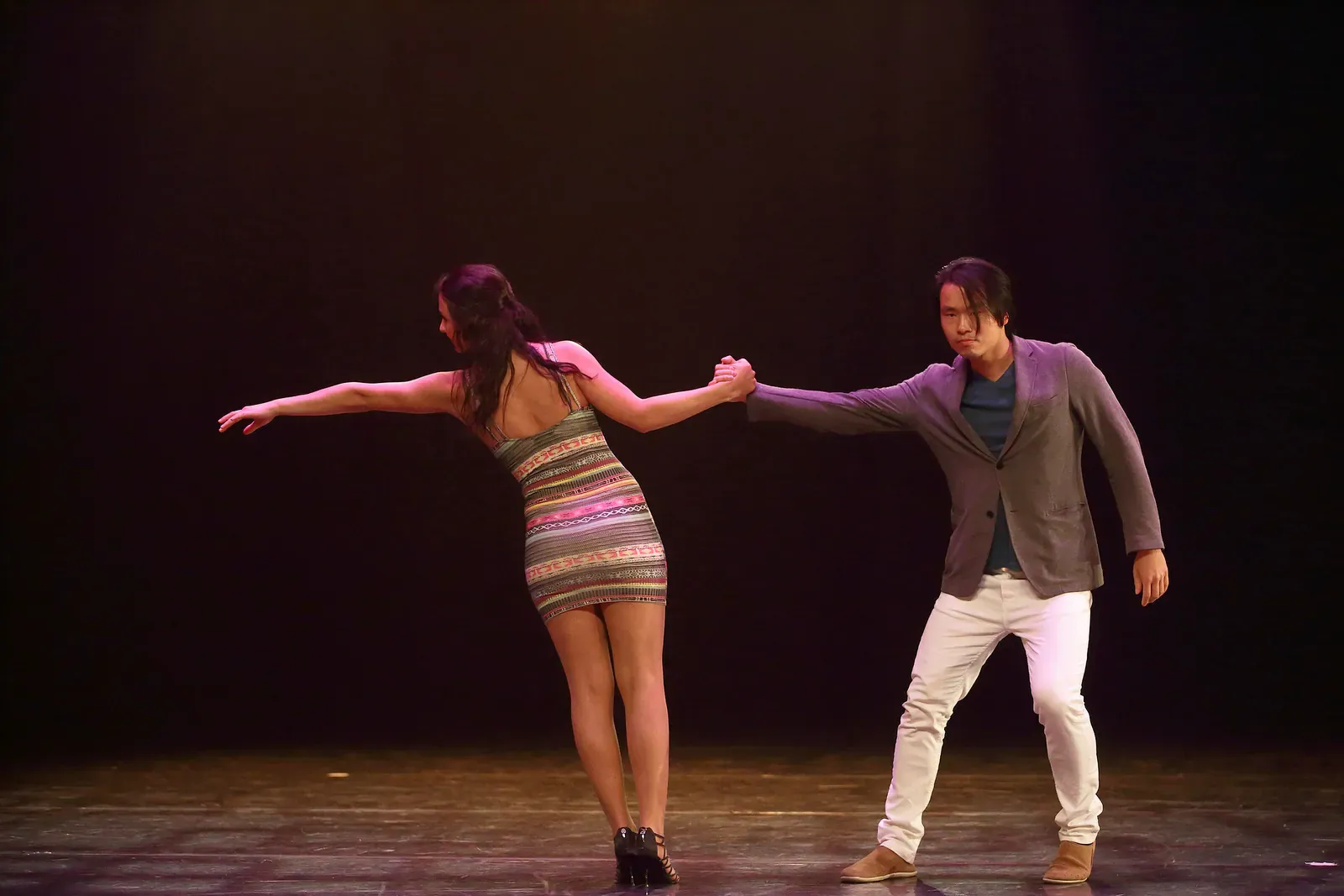
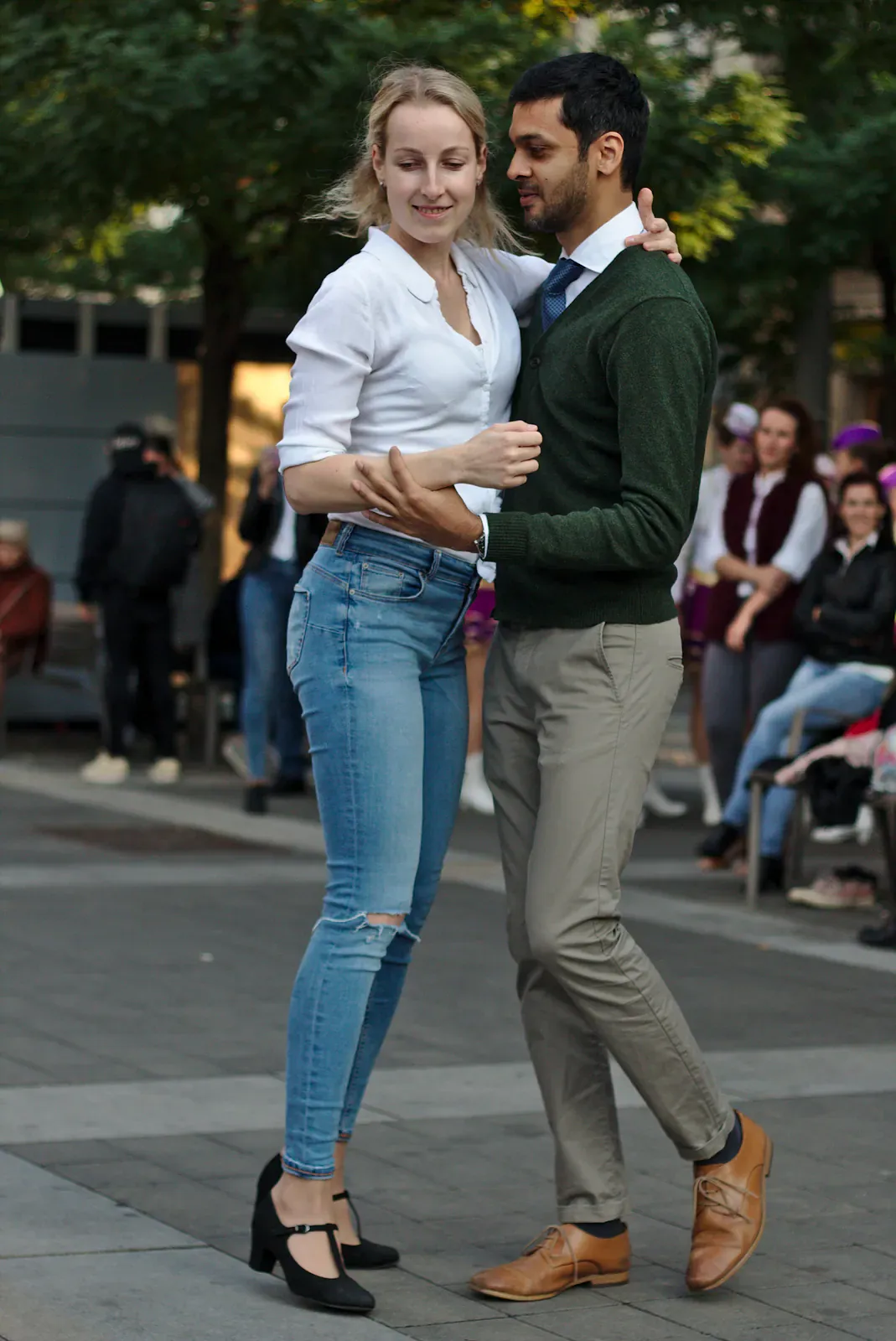
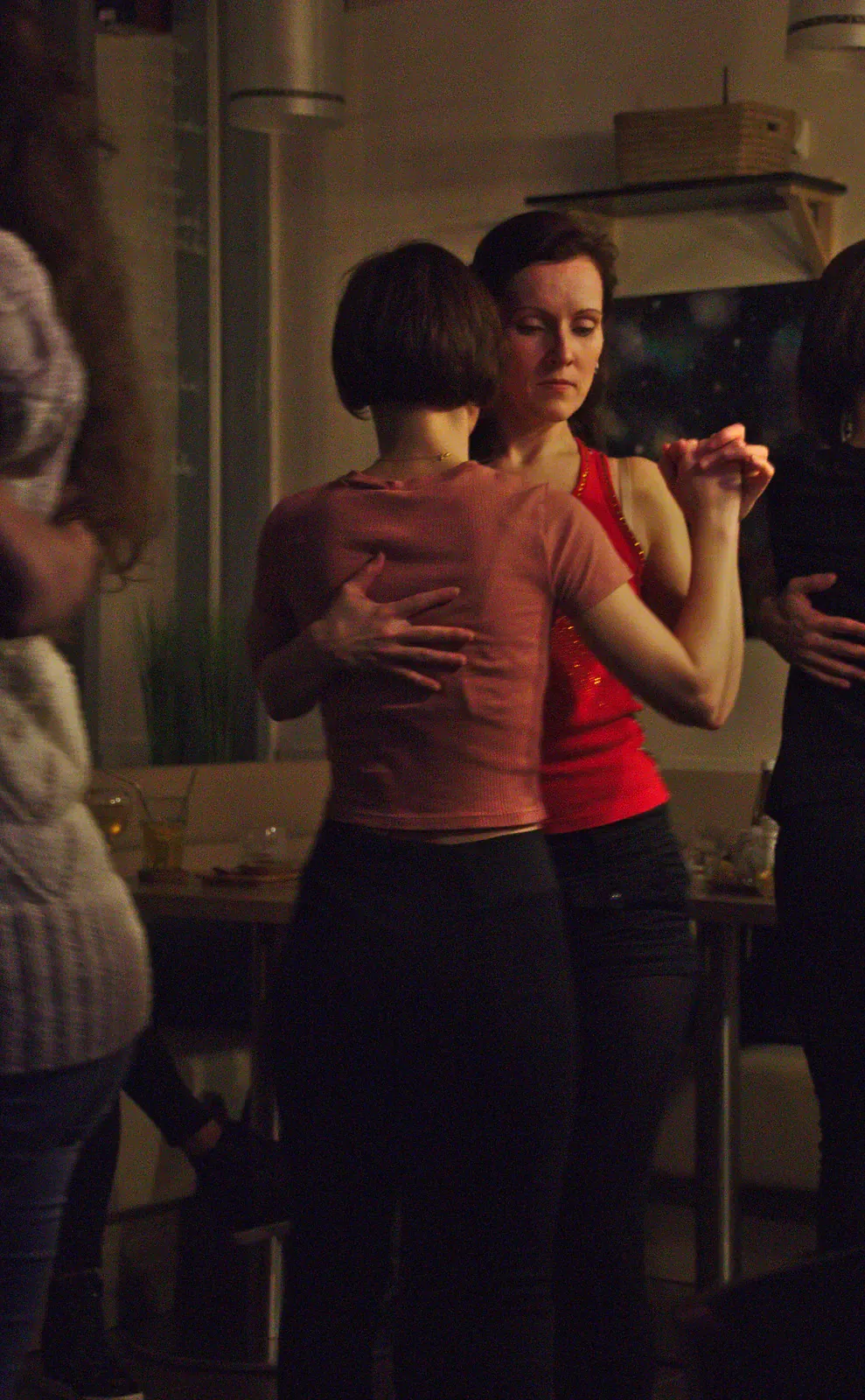
The dance is a couple dance in which the leader guides the follower with the torso and right arm across the floor, with smooth body movement and, in the quieter refrains, hip rotations that the partners coordinate. Angolans use the terms ginga for the style of a woman dancer and banga for a man. Many Angolans see kizomba as “semba social”, the same semba steps adapted to a slower beat, and distinguish it from “semba show”, a fast trick-heavy style that teachers abroad sometimes sold under the semba name.
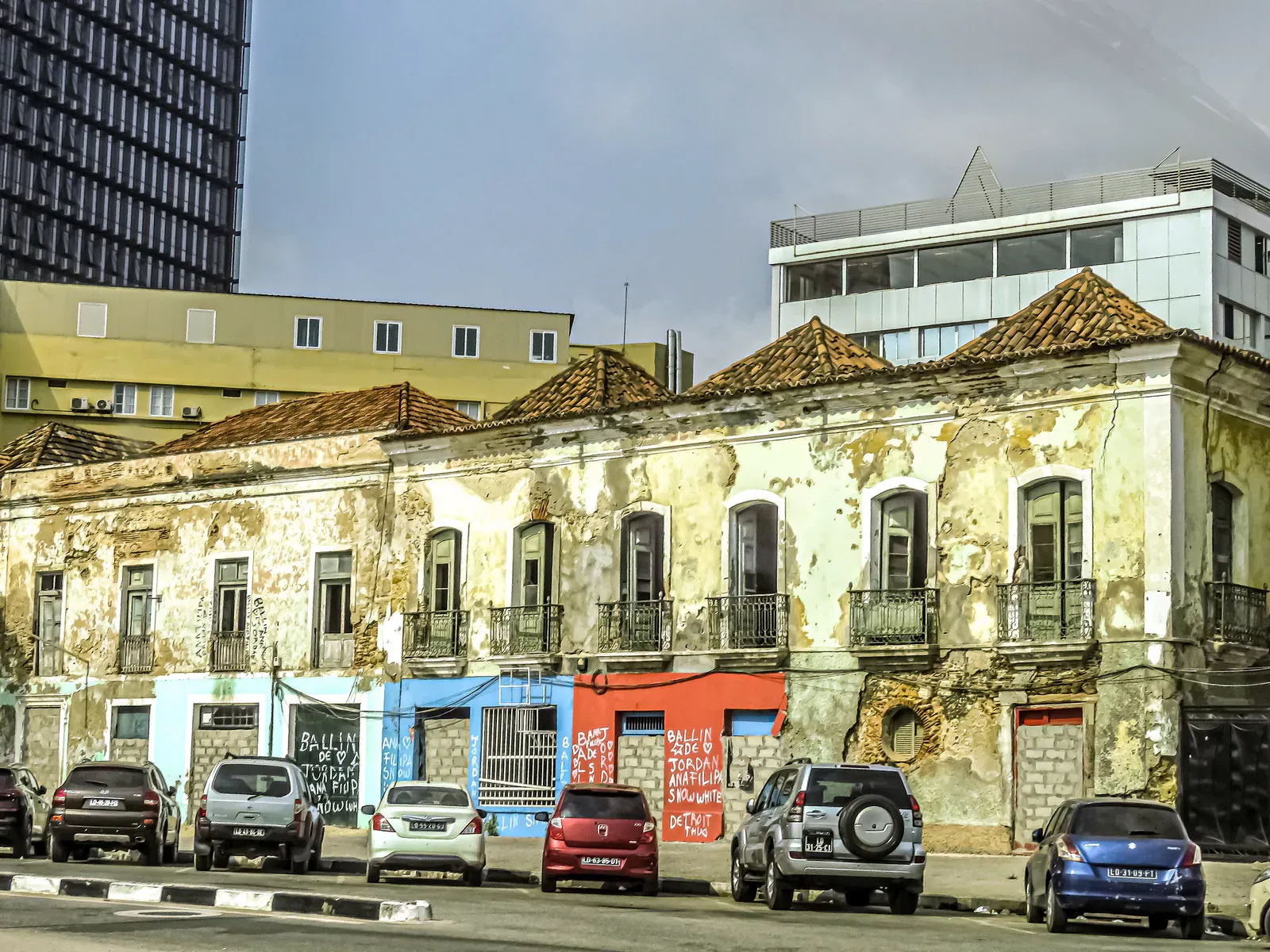
In Luanda the dance also has an open-air side in the street parties called Kizomba na Rua. Angolan teachers such as José N’dongala, founder of the Kizombalove Academy, have taught kizomba and semba abroad for years.
Legacy
Kizomba gave Angola a popular export that reaches dance floors in Europe, Brazil and Asia,. It also tied together the Lusophone Atlantic: a sound from Luanda, shaped by Caribbean zouk, was reorganised as a dance in Lisbon and re-exported. Its descendants, tarraxinha, ghetto zouk and urban kiz, extend that route.
Misconceptions
Kizomba is not a faster form of semba. It was created by slowing the semba cadence and adding a heavier bass, and the two are still treated as different styles. It is also not simply Caribbean zouk: Antillean zouk was one input into a style that is Angolan in language, scene and dance. Finally, the name does not belong only to the dance. Kizomba means party, and the music existed in Angola before Lisbon schools packaged the dance under that label.
Frequently asked questions
What does kizomba mean?
Kizomba is a Kimbundu word for “party”. It now names both the Angolan music genre and the slow couple dance that goes with it.
Who created kizomba?
Eduardo Paím and his band SOS are the names most often linked to its creation in Angola in the 1980s. The style grew from semba, slowed down and influenced by Antillean zouk.
How fast is kizomba music?
Kizomba usually sits at about 85 to 115 beats per minute in 4/4, which is slower than semba and well below fast dance genres.
Is kizomba the same as zouk?
No. Zouk comes from Guadeloupe and Martinique, while kizomba is an Angolan style that took zouk as one influence among others.
Sound
Sound sheet
Signature sounds
- Deep bassline under slow electronic drums
- Romantic lyrics sung in Angolan Portuguese
- Semba cadence slowed with zouk-style harmony
Drums and percussion
- Drum machine
Techniques
- Slowed semba cadence
- Anticipated bass
- Programmed percussion
Tuning
Western 12-tone equal temperament
Vocals
Mostly sung in Angolan Portuguese, in a romantic, melodic style.
Scenes
Where it happened
Where and when the sound lived: one bar per city on a shared timeline.
Africa
Europe
Active scenes
Peak 3, 2010-2025
Birthplace of the style; street parties known as Kizomba na Rua are popular here.
Immigrant clubs and schools made it the first European home of kizomba and a hub for its dance teaching.
Hosts one of the main European festival scenes for kizomba and its offshoots.
Culture
Culture markers
- Kizomba couple dance
Partners dance close and slow, the leader guiding the follower with torso and arm, with hip rotations in quieter passages.
Dance - Kizomba na Rua
Open-air kizomba gatherings in Luanda streets.
Ritual - Semba social
Angolans often see kizomba dancing as the social form of semba steps adapted to a slower beat.
Dance
Glossary
Terms on this page
Angolan terms for the style and attitude of a female (ginga) and male (banga) dancer.
Kimbundu word for party, now the name of the music and of the couple dance.
Street kizomba parties popular in Luanda.
Angolan music and dance from which kizomba slowed the cadence.
French Caribbean dance music, popularised by Kassav', that fed kizomba's bass and mood.
African family