Sega music
Sega is the song and dance tradition of Mauritius and Réunion, born among enslaved Africans and Malagasy and built on the ravanne, triangle and maravanne.
Mauritius, around 1700
African family
Born
around 1700
Mauritius
Subgenres
5
Documented branches
Links
9
Genres it drew on or shaped
Tempo
110-175 BPMLineage
Family tree
Grew out of
Mauritius
Sega
Led to (5)
Timeline
Era by era
From the first sparks to today. Select a dot to read the story behind it.
- Slave-era roots and early recordings
1700 to 1963
- National music
1964 to 1985
- Seggae and modern sega
1986 to 2009
- Heritage and crossover
2010 to today
Eras
Moments
- 1 Slave-era roots and early recordings, 1700 to 1963
- 2 National music, 1964 to 1985
- 3 Seggae and modern sega, 1986 to 2009
- 4 Heritage and crossover, 2010 to today
around 1700
Slave-era roots and early recordings
Sega grows among enslaved and later Creole communities of Mauritius, sung in Creole around ravanne, triangle and maravanne, and kept out of polite society until the mid-twentieth century.
- 1700Sega takes shape among enslaved communitiesMost accounts place its start in Mauritius under French rule at the turn of the 1700s, though research has not fixed a date.
- 1900Ti Frère is bornJean Alphonse Ravaton is born on 22 April at Quartier Militaire, in the Moka district.
- 1948Tamassa is pressedTi Frère's Tamassa is reported as the first disc made on Mauritius.
- 1958Madame Eugène at the PlazaSerge Lebrasse sings the song at a Mr Mauritius contest in Rose Hill and his career starts.
1964
National music
Ti Frère's 1964 concert at Le Morne and Serge Lebrasse's stage career turn sega into a public music, and electric instruments enter the bands.
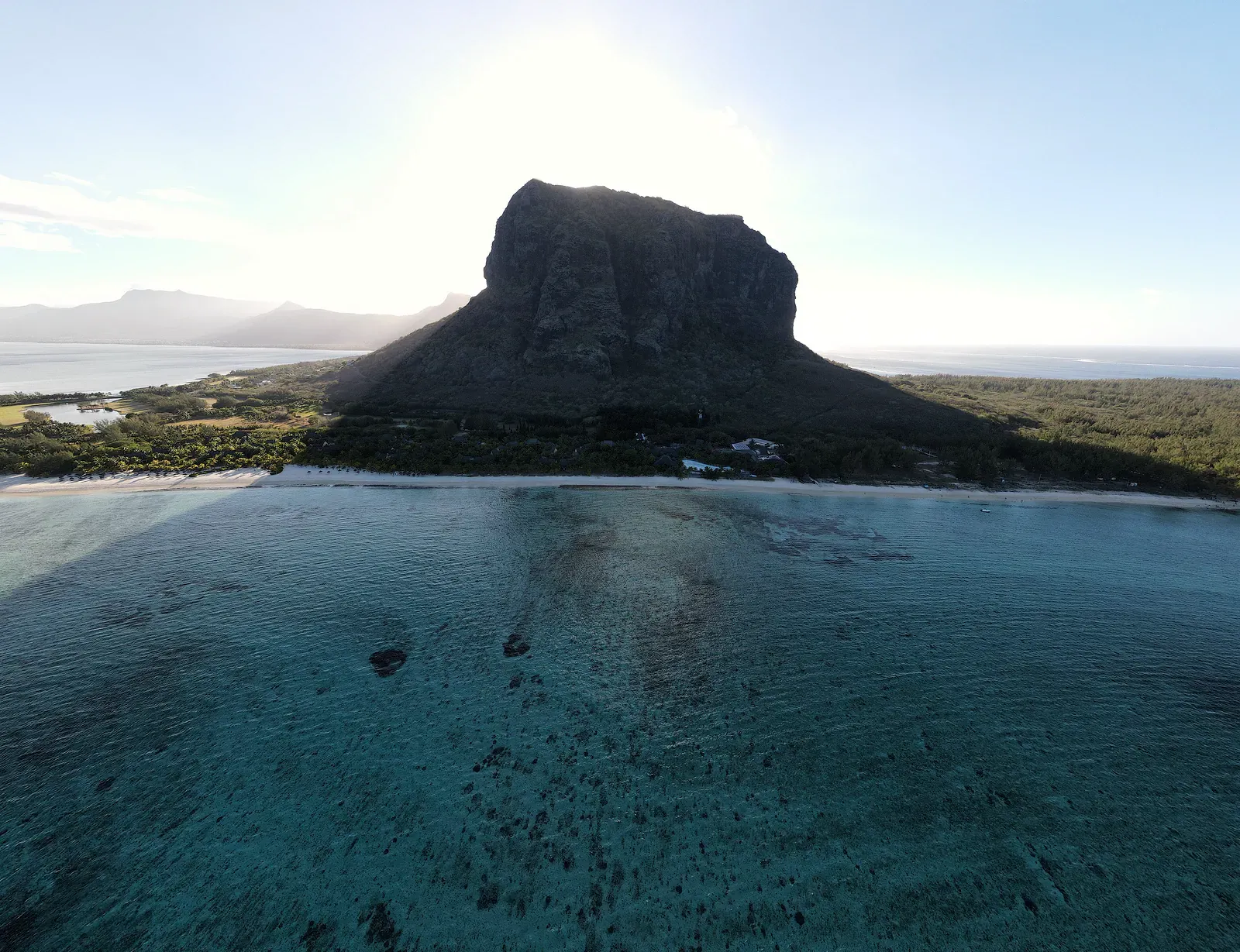
- 1964Night of the Sega at Le MorneTi Frère's 30 October concert is the turning point that moves sega from private gatherings to public stages.
- 1974Regsegae Kung FuThe London-based Mauritian group Creolites releases a 7-inch that mixes sega with blue beat and tops the local charts.
1986
Seggae and modern sega
Kaya fuses sega with reggae into seggae, while bands such as Cassiya and singers such as Jean-Claude Gaspard make a keyboard-and-ravanne sega for radio and tourism.
- 1986Kaya starts seggaeKaya begins mixing reggae with sega, a fusion later called seggae.
- 1988Cassiya formsThe group builds a modern sega around ravanne rhythm and later sets up its own label, Cassiya Productions.
- 1990Pat pa touaJean-Claude Gaspard issues Pat pa toua, an album of Mauritian segas.
- 1996MarlèneCassiya's song becomes one of the best-known sega hits of the decade.
- 1999Kaya dies in custodyKaya dies on 21 February in a police cell after a marijuana arrest, and riots follow across Mauritius.
2010
Heritage and crossover
Sega enters UNESCO heritage lists and Alain Ramanisum's Li Tourner reaches French club charts in 2013 through a dance remix.
- 2013Li Tourner crosses overAlain Ramanisum's sega is remixed with DJ Assad and Willy William for the French market.
Listening path
Start listening
A short path from an easy way in to the deep end. Thumbnails come from YouTube; the player loads only when you press play.
- 01
Cassiya, 1996
The sega hit of the 1990s; listen for the ravanne under the band.
- 02
Alain Ramanisum, 2012
A fast modern sega with synthesised backing and a dance-floor feel.
Facts
| Family | African |
| Origin | Mauritius |
| Status | Active |
| Tempo | 110 to 175 BPM |
| Meter | 6/8 |
| Subgenres | 5 |
Sega (also written séga) is a branch of African music and a combined music, song, storytelling and dance form of Mauritius and Réunion, sung in Creole over a rolling 6/8 pulse.
It began among enslaved Africans and Malagasy in the Mascarene Islands, and its core sound is the goatskin ravanne drum with a triangle and a shaker called the maravanne. It is now regarded as the national music of Mauritius and sits on UNESCO heritage lists. Its best-known offshoot is seggae, a fusion with reggae.
Origins
Sega grew out of the music of enslaved people in Mauritius and Réunion, and later spread to the Seychelles. Its exact roots are disputed. Most accounts describe Afro-Malagasy beginnings blended with European folk dance such as the polka, waltz and quadrille. Some writers trace it to Madagascar, others to Mozambique, and comparisons have been drawn with dances such as the fandango and the Brazilian chica. Most claim it started in Mauritius at the end of the 1600s or early 1700s, under French rule, but no research has fixed a date.
For most of its early history sega was looked down on. It was the music of slaves, and the Catholic Church disliked its association with sexuality and alcohol. It lived at gatherings, in fishing villages and in private, kept alive by singers who used it to describe daily hardship and to protest injustice.
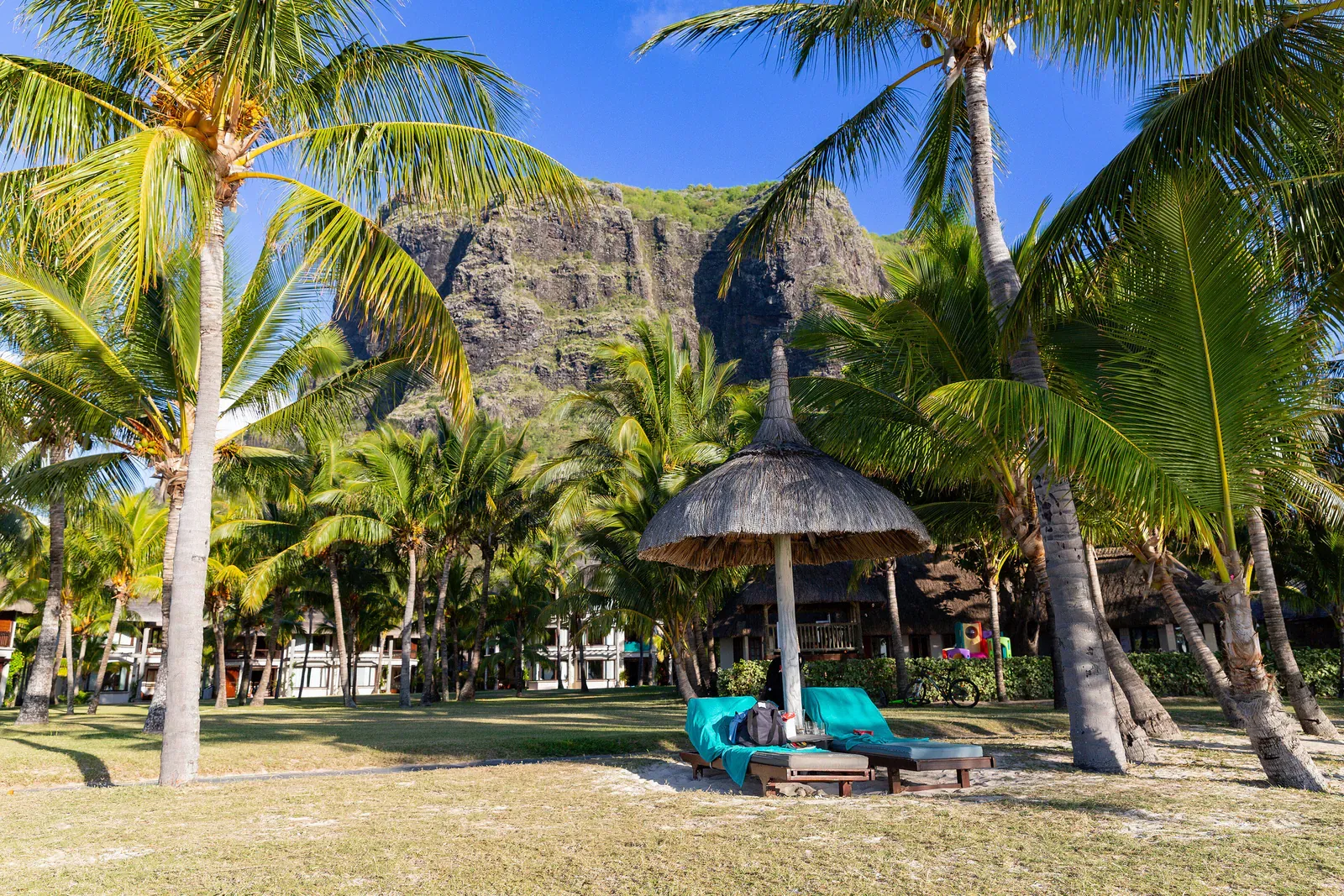
From private gatherings to public stages, 1948-1985
The first name that stands out is Ti Frère, born Jean Alphonse Ravaton in 1900 at Quartier Militaire in the Moka district. His song “Tamassa” was pressed in 1948 and is reported as the first disc made on the island. Until the 1960s sega was mostly played in private places, and Ti Frère’s concert on 30 October 1964, the Night of the Sega at Le Morne, is seen as the turning point. He was crowned King of Sega that year.
Serge Lebrasse, born in Rose Hill in 1930, took the music to formal stages. He learned sega from Ti Frère, worked for seventeen years as a primary school music teacher, and in 1958 sang “Madame Eugène” at a Mr Mauritius contest at the Plaza. The song became a classic of the repertoire. Backed by the Mauritius Police Force Band in the late 1950s, he gave sega a new respectability, and by the 1960s his records sold well alongside imported pop.
The 1970s brought electric guitars and keyboards, and performers such as Cyril Labonne and Ti L’Afrique blended sega with funk, rock and jazz. In 1974 a London-based Mauritian group, Creolites, released “Regsegae Kung Fu”, a mix of sega and the blue beat sound of early reggae. It sold nearly 15,000 copies and topped the local charts.
Seggae and modern sega, 1986-2009
In the mid-1980s the singer Joseph Réginald Topize, known as Kaya after a Bob Marley album, formalised the fusion. Born in 1960 in the Roche-Bois quarter of Port Louis, he started on pop-rock covers, then moved through the band Lélou Menwar and founded his own group, Racinetatane, named after a Malagasy prince exiled in Mauritius. From 1986 he mixed reggae with sega, calling the result seggae and campaigning for the rights of Mauritian Creoles. He became the best-known name of the genre and was nicknamed the Bob Marley of seggae.
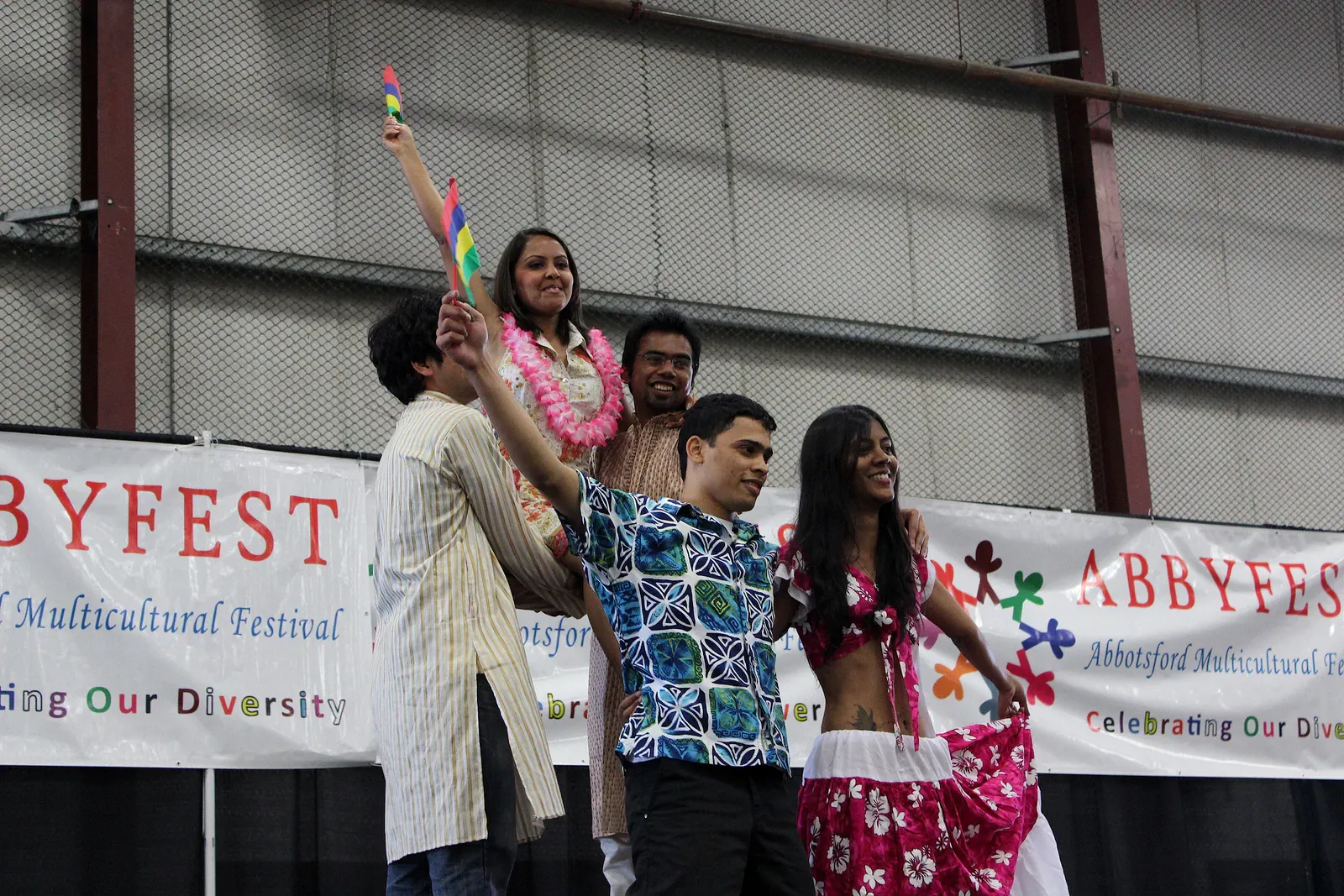
Alongside seggae a polished modern sega developed. Cassiya, founded in 1988 and later the owner of Cassiya Productions, set the hypnotic ravanne rhythm against a full band and became one of the most popular groups of the mid-1990s, with influence reaching Réunion. Its song “Marlène” is among the decade’s best-known sega recordings. Jean-Claude Gaspard recorded well over 200 compositions, among them the 1990 album “Pat pa toua”. Menwar, a percussionist and singer born in 1955, helped pioneer seggae and developed a written technique for the ravanne.
Kaya’s death shook the island. On 21 February 1999 he died in a police cell after being arrested for smoking marijuana at a concert. Riots followed, one of Mauritius’s major social upheavals, and the musician’s catalogue has remained popular since.
Characteristics
Sega is usually in 6/8 and is sung in Mauritian or Réunionese Creole. Songs tell stories, often with a chorus answering the lead singer, and the lyrics can protest social conditions, a line that survives in the santé engagé style that mixes sega with Indian influences. Seggae keeps the 6/8 pulse but follows the reggae habit of an offbeat guitar, and its drum one-drop is faster than in reggae.
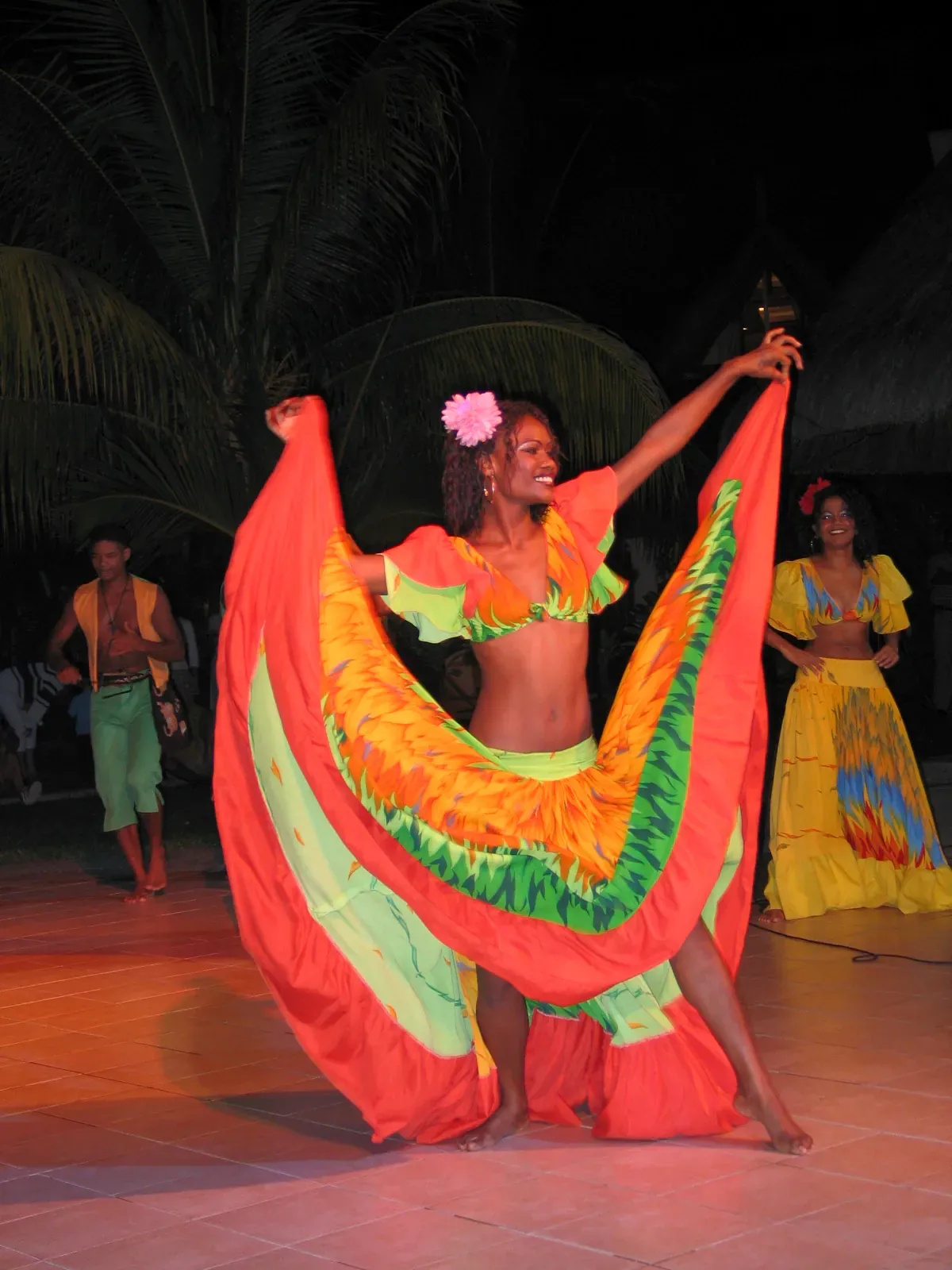
The dance is as important as the sound. The feet barely leave the ground, and the hips and waist do the work. Women wear wide skirts and midriff-baring tops, men colourful shirts and sometimes straw hats. The dance is a courtship game in which the man circles the woman and tries to guess where she will move.
Instruments and production
The traditional ensemble is small: the ravanne, a goatskin frame drum warmed over a fire to tighten the skin, a triangle, and the maravanne, a rattle. Older ensembles also used the moutia hand drum, the bobre musical bow and the tantam, a gourd with a bow. Since the 1970s electric guitar, bass, keyboards and drum kits have come in, and the studio sound of the 1990s often replaces the old percussion. In fishing villages along the coast the traditional instruments are still used.
Regional varieties
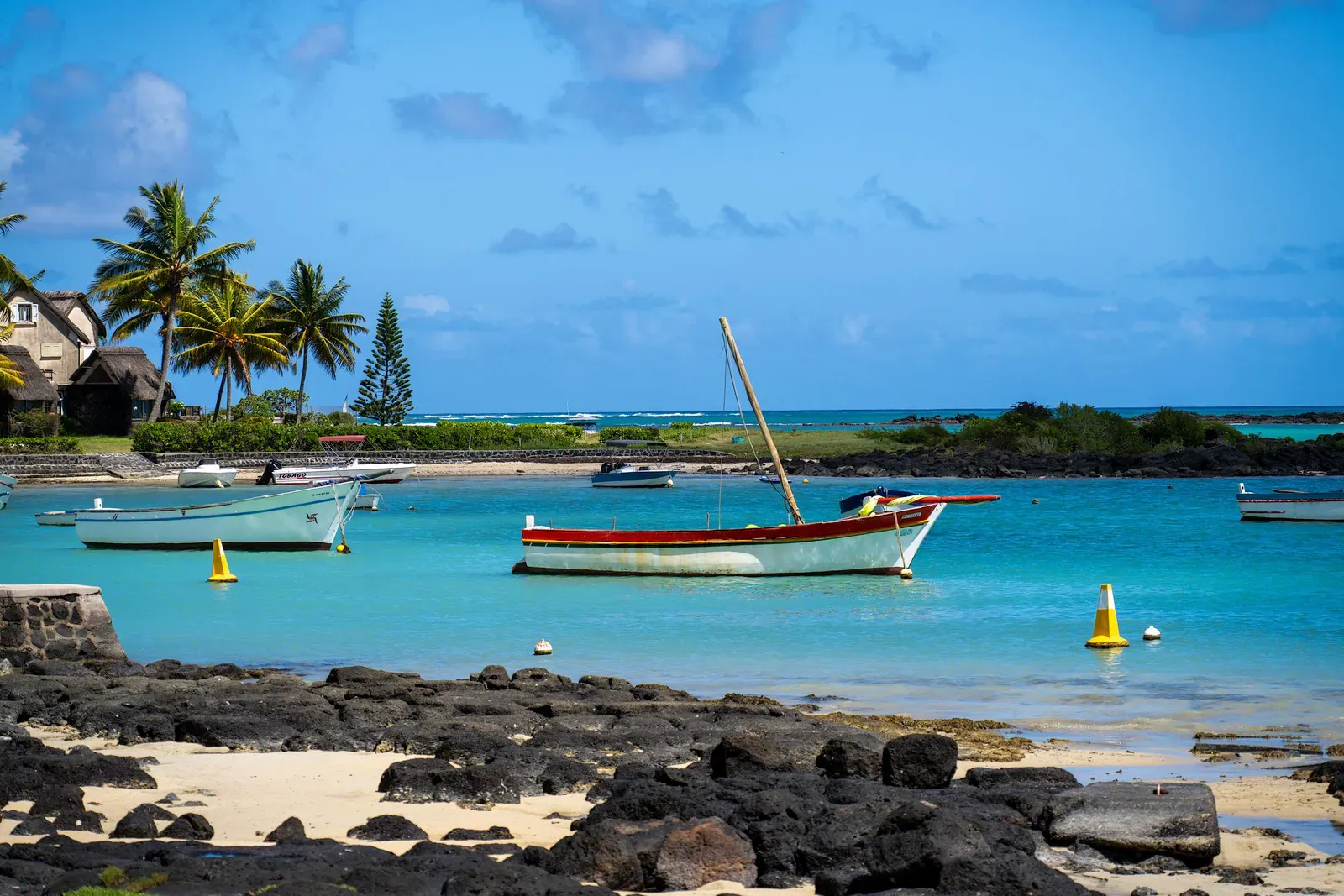
Sega differs from island to island. In Réunion it is slower, danced by couples who stay further apart than in Mauritius. Historical accounts of sega there describe something close to what is today called maloya, so the two words have overlapped, and maloya itself was banned as a threat to French authority in the 1970s.
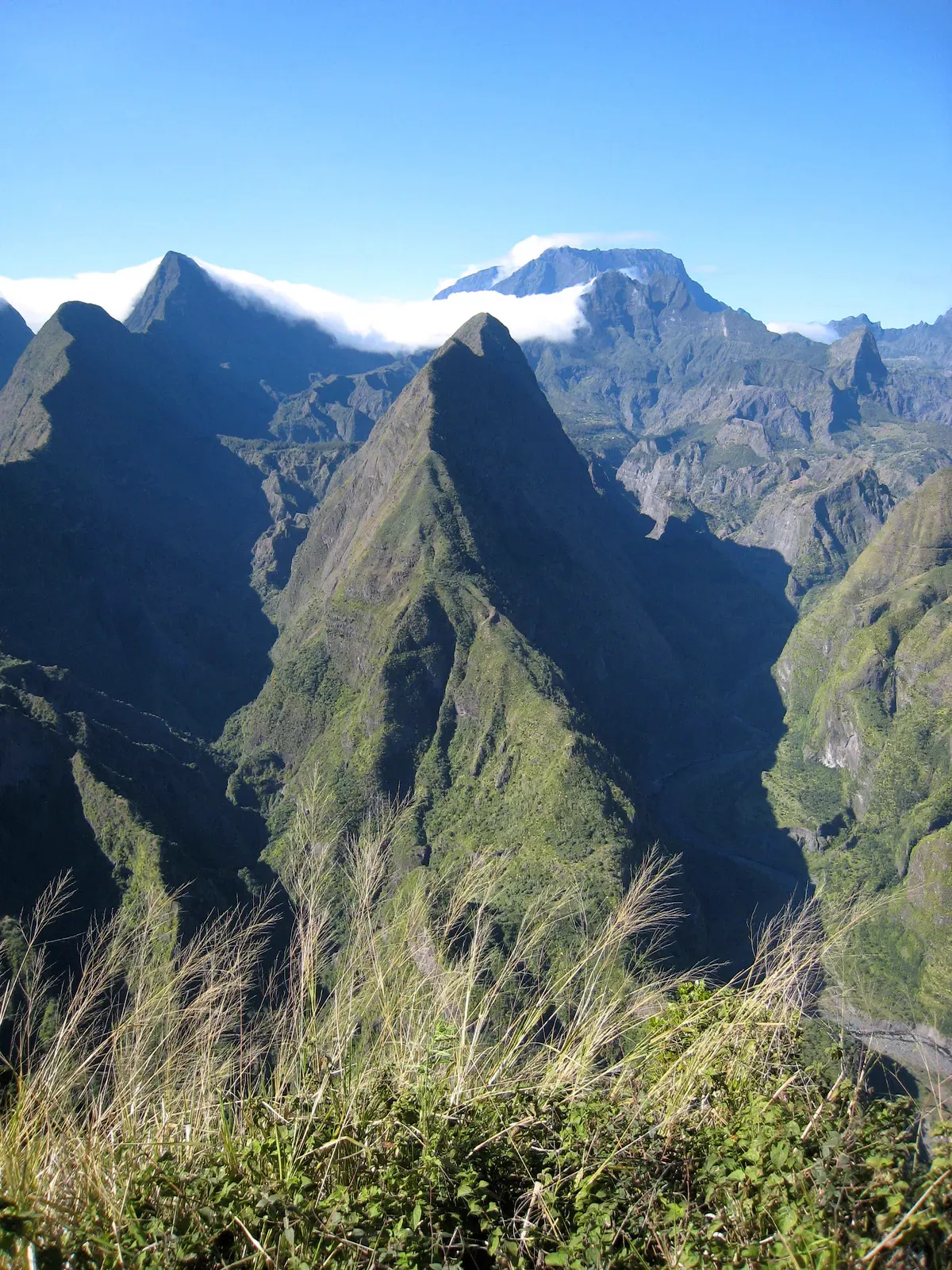
In Rodrigues the drum takes the lead in sega tambour, sung mostly by women and danced one couple at a time, and its fast tempo is regarded as closer to the origin of the music than the Mauritian style. Rodrigues also has segakordeon, where accordion groups play polkas, quadrilles, waltzes and Scottish reels. Sega is also played in the Seychelles, Agaléga and the Chagos Islands, each with its own language and rhythm. Mauritian sega, the sega tambour of Rodrigues and the sega tambour of the Chagos Islands have all been included in UNESCO’s lists of intangible heritage.
Mainstream success
Sega reached a national audience in the 1960s and is now considered the national music of Mauritius, not restricted by ethnicity. Seggae became popular across the Mascarene Islands. Abroad the crossover has been mostly through dance remixes: in 2013 Alain Ramanisum’s “Li Tourner” was reworked with DJ Assad and Willy William for the French market, and the music is carried by Mauritian communities worldwide.
Notable recordings
“Tamassa” belongs to the earliest phase of the genre, when a singer with a ravanne could be the whole band. “Madame Eugène” later gave the music a polished, stage-ready form. “Regsegae Kung Fu” is the key early seggae statement, issued ten years before Kaya’s movement. “Marlène” by Cassiya shows how sega held its identity in the 1990s with a studio band, and “Sega sexy” by Ramanisum shows the fast club-ready variant of the 2010s.
Culture
Sega is an everyday social music: danced at family parties, on beaches and at festivals, and used for commentary on poverty, racism and politics. Because it was once stigmatised as a slave music, its acceptance in the 1960s was bound up with the Creole community’s claim to dignity, and Kaya’s later career tied seggae closely to Creole rights.
Legacy
Sega is the base of seggae and of modern Mauritian pop, the model for sega tambour in the outer islands, and a cousin of the maloya of Réunion. Its recognition on UNESCO lists has encouraged efforts to document the tambour traditions and the ravanne technique.
Misconceptions
Sega is not one single style. The Mauritian, Réunionese, Rodriguan, Seychellois and Chagossian forms differ in tempo, instruments and dance. It is also not a tourist invention: it began as a music of enslaved people and carried protest for generations before hotels adopted it. Finally, sega and maloya are different traditions with overlapping histories, and in Réunion the old accounts of sega often describe what is now called maloya.
Frequently asked questions
What is sega music?
Sega music is the song and dance tradition of Mauritius and Réunion, performed in Creole over a 6/8 rhythm played on the ravanne, triangle and maravanne.
Where does sega come from?
Sega comes from the Mascarene Islands, where it arose among enslaved Africans and Malagasy and absorbed European dance forms.
What is the difference between sega and seggae?
Seggae is a fusion of sega and reggae that Kaya popularised from 1986. It keeps the sega 6/8 pulse and adds a reggae offbeat guitar.
What instruments are used in sega?
The core instruments are the ravanne goatskin drum, the triangle and the maravanne rattle. Modern bands add electric guitar, bass, keyboards and drum kits.
Sound
Sound sheet
Anatomy of a track
| # | Part |
|---|---|
| 1 | Ravanne and triangle intro |
| 2 | Verse in Creole |
| 3 | Chorus refrain |
| 4 | Instrumental break |
Signature sounds
- Ravanne and triangle ostinato
- Storytelling Creole lyrics
- Swaying hip dance
- Keyboards and electric guitar in modern sega
Drums and percussion
- Ravanne
- Moutia
- Triangle
Techniques
- Ravanne warming
- Ostinato in 6/8
- Offbeat guitar in seggae
- Storytelling lyrics
Tuning
Equal temperament on guitars and keyboards, with the ravanne skin warmed over heat to raise its pitch
Vocals
Sung in Mauritian or Réunionese Creole, as story and protest, often in call and response with a chorus.
Scenes
Where it happened
Where and when the sound lived: one bar per city on a shared timeline.
Africa
Active scenes
Peak 4, 1958-2025
Capital and port, home of the Roche-Bois quarter where Kaya grew up and created seggae.
Town of Serge Lebrasse and the Plaza theatre where his career began.
Capital of Rodrigues, where the drum-led sega tambour and accordion segakordeon survive.
Capital of Réunion, where sega is slower and sits beside maloya.
Venues and places
Le Morne, 1964 to today. Site of the 1964 Night of the Sega that put sega on public stages.
Rose Hill, 1958 to today. Theatre where Serge Lebrasse sang Madame Eugène at a Mr Mauritius contest.
Culture
Culture markers
- Sega dance
Feet stay on the ground while hips and waist sway, with the man circling the woman in a flirtatious game.
Dance - Circular skirts and straw hats
Women wear wide colourful skirts with midriff-baring tops, men colourful shirts and straw hats.
Fashion - Protest song
Sega has long voiced complaints about injustice, inequality and oppression, a line carried on as santé engagé.
Ritual
Glossary
Terms on this page
The goatskin frame drum at the core of sega.
Protest songs that mix sega with Indian influences.
Drum-led sega of Rodrigues and the Chagos Islands.
Traditional sega with ravanne, triangle and maravanne, as opposed to the electric modern style.
Rodrigues sega played on accordion with polka, quadrille and waltz influence.
A fusion of sega and reggae created in Mauritius in the mid-1980s.
African family