Coco
Coco is a northeastern Brazilian circle dance and rhythm of African and Indigenous roots, built on call and response, improvised verses and percussion.
Northeast Brazil, around 1700
Latin family
Born
around 1700
Northeast Brazil
Subgenres
2
Documented branches
Links
11
Genres it drew on or shaped
Tempo
95-110 BPMLineage
Family tree
Timeline
Era by era
From the first sparks to today. Select a dot to read the story behind it.
- Rural roots
1700 to 1899
- Village and beach circles
1900 to 1949
- Coco on record and in the city
1950 to 1989
- Mangue and revival
1990 to today
Eras
Moments
- 1 Rural roots, 1700 to 1899
- 2 Village and beach circles, 1900 to 1949
- 3 Coco on record and in the city, 1950 to 1989
- 4 Mangue and revival, 1990 to today
around 1700
Rural roots
Coco grows out of Afro-Brazilian and Indigenous circle dances of the Alagoas and Pernambuco interior. Its exact birthplace is disputed, with one theory pointing to the Palmares quilombo zone.
- 1750Coco takes shape in the NortheastSources place its birth in the Alagoas and Pernambuco border area, in the zone once held by the Palmares quilombo, with Angolan-Congolese drumming and Indigenous group dance as roots.
around 1900
Village and beach circles
Coco is danced at street parties, beaches and Carnival across the Northeast, under local names such as coco de roda, coco de praia, coco do sertão and coco de umbigada.
- 1919Jackson do Pandeiro is bornJosé Gomes Filho is born on 31 August in Alagoa Grande, Paraíba, and grows into the Rei do Ritmo.
- 1945Mestre Salustiano is bornThe rabeca player and coco, ciranda and maracatu keeper is born on 12 November and later influences Chico Science and Siba.
1950
Coco on record and in the city
Jackson do Pandeiro takes coco rhythms and the embolada patter style to national radio and records, while mestres such as Selma do Coco keep the circle alive in Olinda.
- 1953Sebastiana reaches recordRosil Cavalcanti's coco Sebastiana becomes one of Jackson do Pandeiro's signature hits.
1990
Mangue and revival
Recife bands of the manguebeat scene, among them Mestre Ambrósio and Nação Zumbi, rework coco and maracatu with guitars and drum kits, and annual coco festivals keep the traditional circles in view.
- 1992Mestre Ambrósio forms in RecifeThe manguebeat band, with Siba on vocals, builds its sound on coco, cavalo-marinho and other regional rhythms.
- 1996Mestre Ambrósio's debut albumThe self-titled album includes Pé de Calçada and puts coco-based songs into the Recife rock scene.
- 1996AfrociberdeliaChico Science and Nação Zumbi release the album with Maracatu Atômico, carrying northeastern drum traditions to a national audience.
- 2015Death of Selma do CocoThe Olinda singer, known as the queen of coco in Pernambuco, dies on 9 May in Paulista.
Listening path
Start listening
A short path from an easy way in to the deep end. Thumbnails come from YouTube; the player loads only when you press play.
- 01
Jackson do Pandeiro, 1953
Listen for the steady pandeiro and the quick, playful verses.
- 02
Jackson do Pandeiro, 1956
A faster number showing the rhythmic drive of the style.
- 03
Dona Selma do Coco, 2000
Voice and percussion in the circle tradition of Olinda.
- 04
Mestre Ambrósio, 1996
Regional rhythms rebuilt with a rock band.
Coco is a rhythm, a song form and a circle dance from northeastern Brazil, rooted in African drumming and Indigenous group dance.
It is found mainly in Alagoas, Pernambuco and Paraíba, where a solo singer improvises verses and a group answers with a fixed chorus over percussion and the stomp of wooden clogs. It is closely related to forró and sits within the wider Latin family.
Origins
The beginnings of coco are as obscure as those of most Brazilian folk music. One account says enslaved people from Angola combined their musical habits with Indigenous rhythms. Another proposes that workers made the style while breaking coconuts with stones. A third places its birth in the border country between Alagoas and Pernambuco, in the mountains once held by the Palmares quilombo, a community of escaped slaves. The claim for Alagoas is common, but coco is also practised in Pernambuco, Paraíba, Ceará and Rio Grande do Norte.
From the African side come the drum and shaker rhythm and the verse and refrain format. From the Indigenous side comes the group shape, a circle or line of dancers. The word itself means coconut in Portuguese, and in northeastern slang it also means the head, a nod to the improvised lyrics.
Rural roots, to 1899
Coco spread through the interior as a communal dance, with no fixed author and no written score. A leader, called the puxador, pulls each verse and the circle answers. Songs follow the work, love, rivalry and daily life of the village, and the singer can change the words on the spot.
Village and beach circles, 1900 to 1949
Regional names grew up with the landscape. Coco de roda is the circle form, coco de praia belongs to the coast, and coco do sertão to the dry interior. Other names record how it is danced or sung, such as coco de umbigada and coco de desafio, the sung contest. The dance is performed at weekend street parties and at Carnival, and the tradition passed from older masters, the mestres, to younger dancers without schools or records.
Coco on record and in the city, 1950 to 1989
Coco reached national radio through Jackson do Pandeiro, born in Alagoa Grande, Paraíba, in 1919. He took its rhythms and rapid sung patter, the embolada, into the repertoire that made him known as the Rei do Ritmo. His recordings of Sebastiana, O Canto da Ema and Chiclete com Banana were issued by Copacabana Discos in the 1950s, and they set the pandeiro up as a lead voice. The embolada style also lived on among city singers in Recife, who performed it in pairs for passers-by.
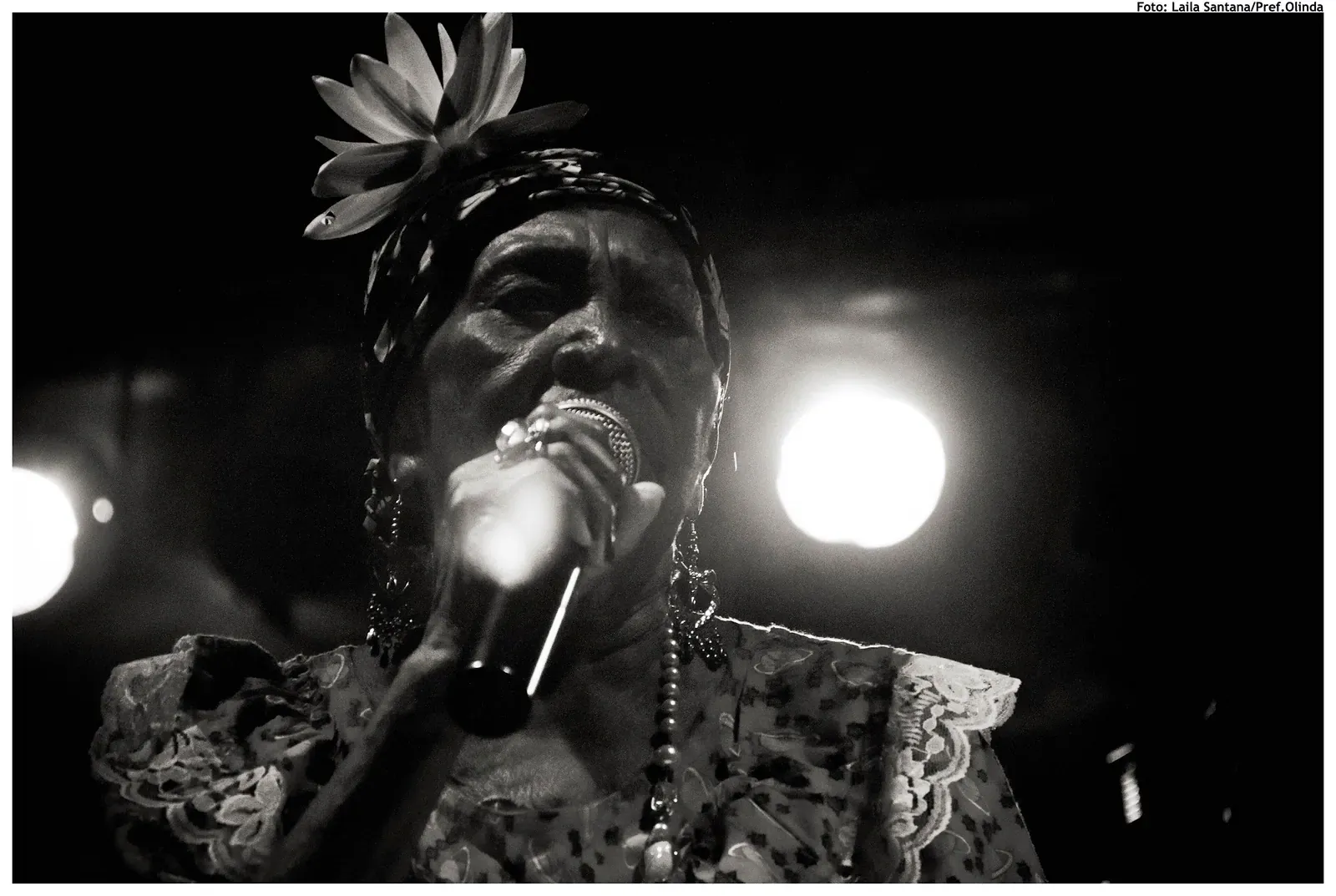
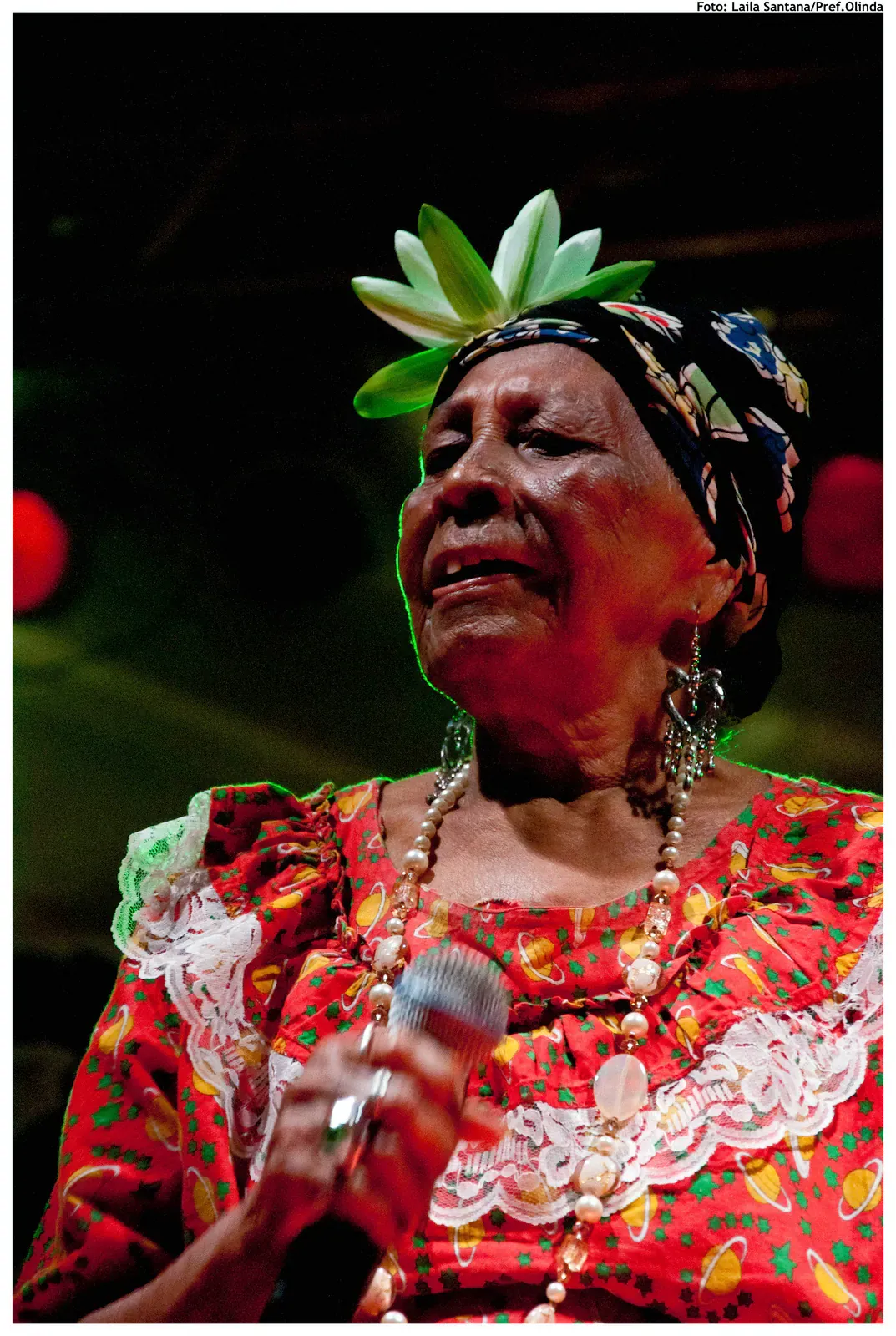
In Olinda, Selma do Coco kept the circle tradition at its most local. She began by singing coco while she sold tapioca at Alto da Sé, and her solo singing grew into circles in her backyard. She became known as the queen of coco in Pernambuco and was still performing in her later years.
Mangue and revival, 1990 to the present
In the 1990s the Recife manguebeat scene pulled coco into rock. Mestre Ambrósio formed in 1992 with Siba on vocals and built songs on coco and other regional rhythms. Its 1996 debut included Pé de Calçada. The same year Chico Science and Nação Zumbi released Afrociberdelia, which carried the drumming of Pernambuco to a national audience. Mestre Salustiano, a rabeca player who kept coco, ciranda and maracatu alive, influenced this generation, including Chico Science and Siba.
Selma do Coco died in 2015, but her descendants carry the circles on, and Olinda hosts a festival that bears her name. The Alto da Sé square remains a meeting place for the tradition.
Characteristics
The beat is repetitive and steady, usually counted in two. The sound rests on four instruments: the ganzá, surdo, pandeiro and triangle. Dancers wear wooden clogs, and their stomping adds a fifth percussive element. Measured recordings of Jackson do Pandeiro and of the manguebeat versions fall between about 95 and 110 beats per minute.
Vocals follow a call and response pattern similar to capoeira music. The puxador sings the verse, often improvised, and the group answers the refrain. In the embolada form the verses are delivered in a fast, slurred patter, sometimes called machine-gun singing.
Instruments and production
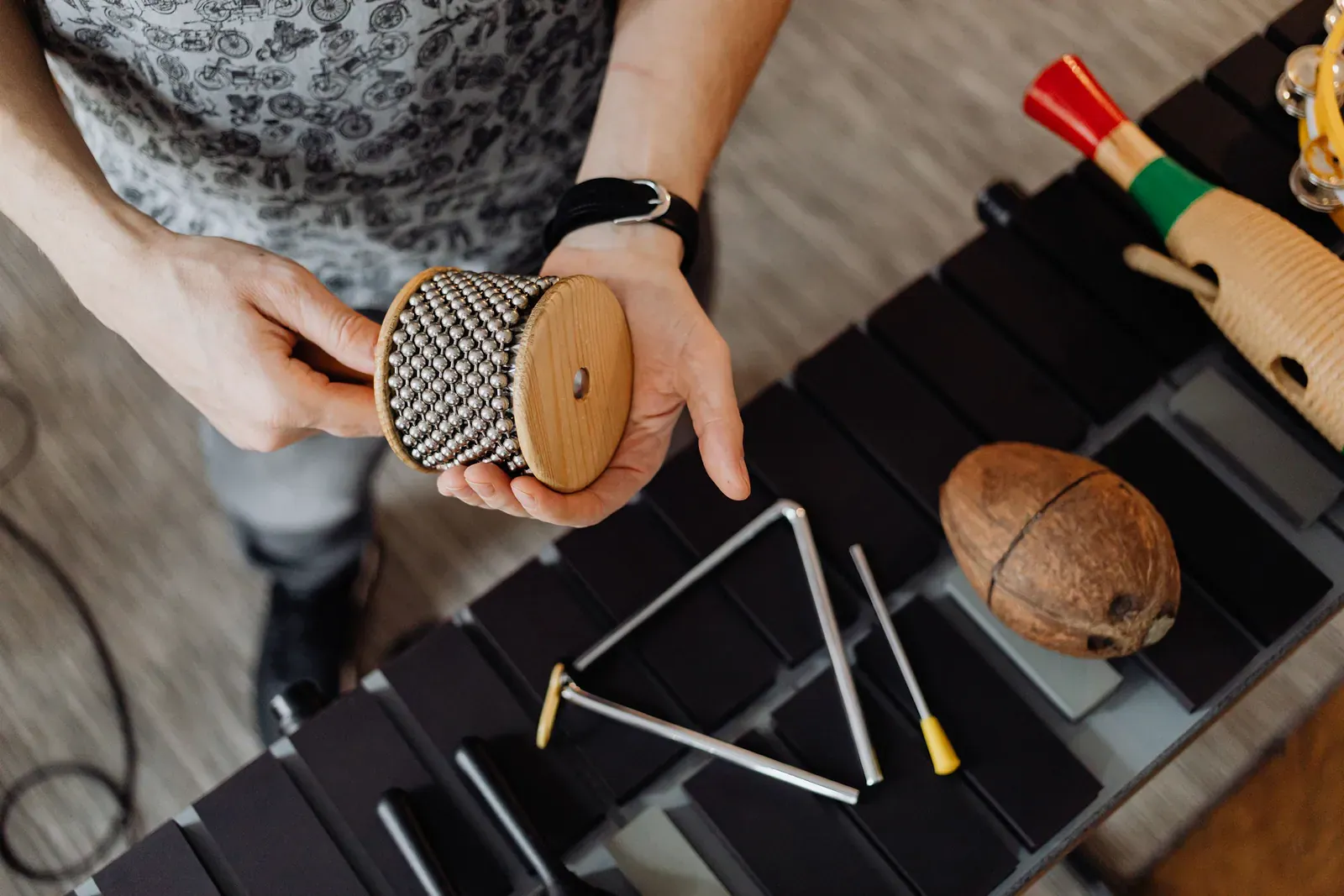
Coco is acoustic by tradition. The ganzá, a shaker, sets the pulse, the surdo marks the low beat, the pandeiro supplies the lead rhythm and fills, and the triangle adds a high, ringing line. No melodic instrument is required, and the tunes are short and repeated so the group can join in.
Bands from the manguebeat era added electric guitar, bass and drum kit, but kept the hand drums and the call and response form at the centre of the arrangement.
Culture
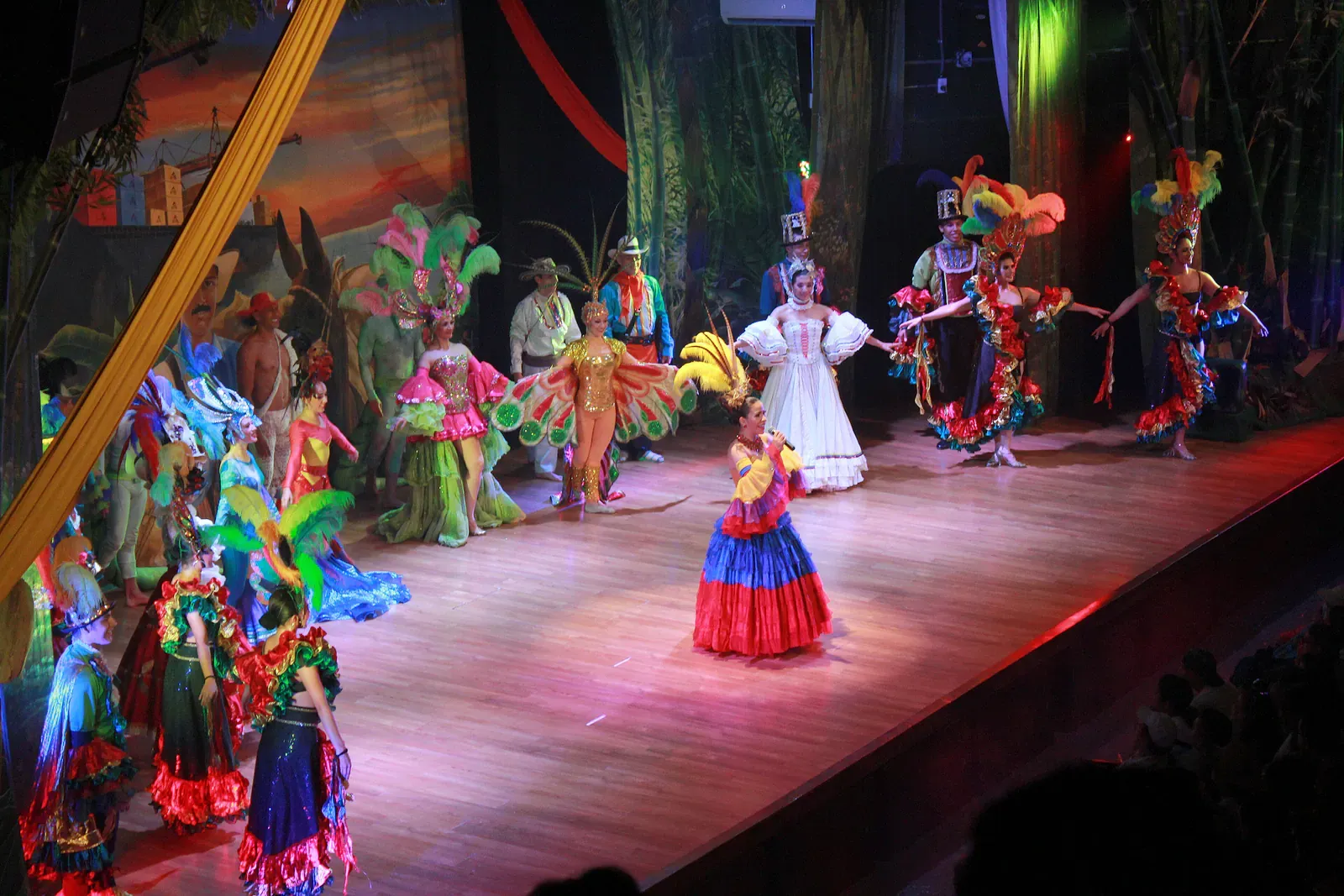
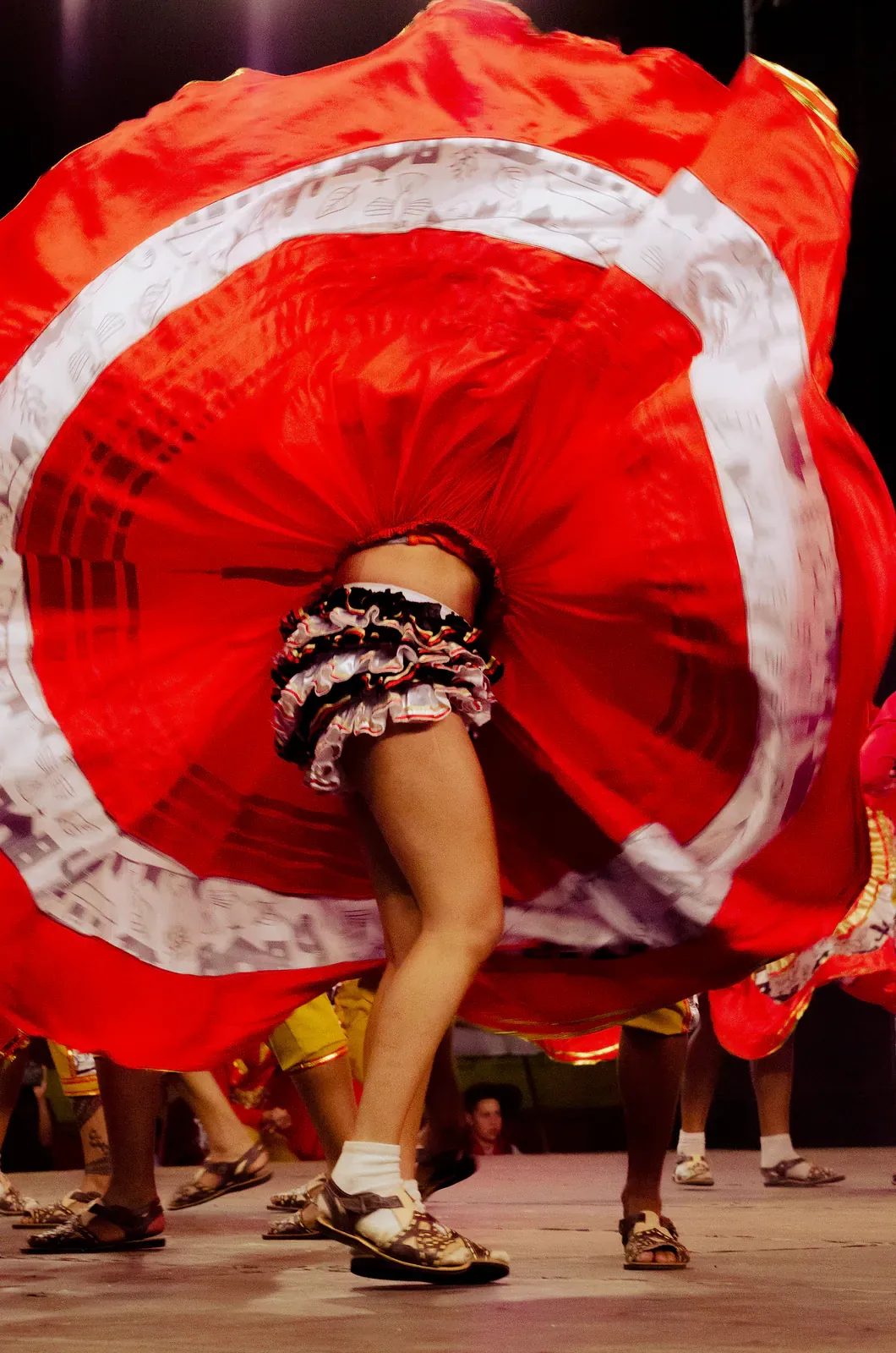
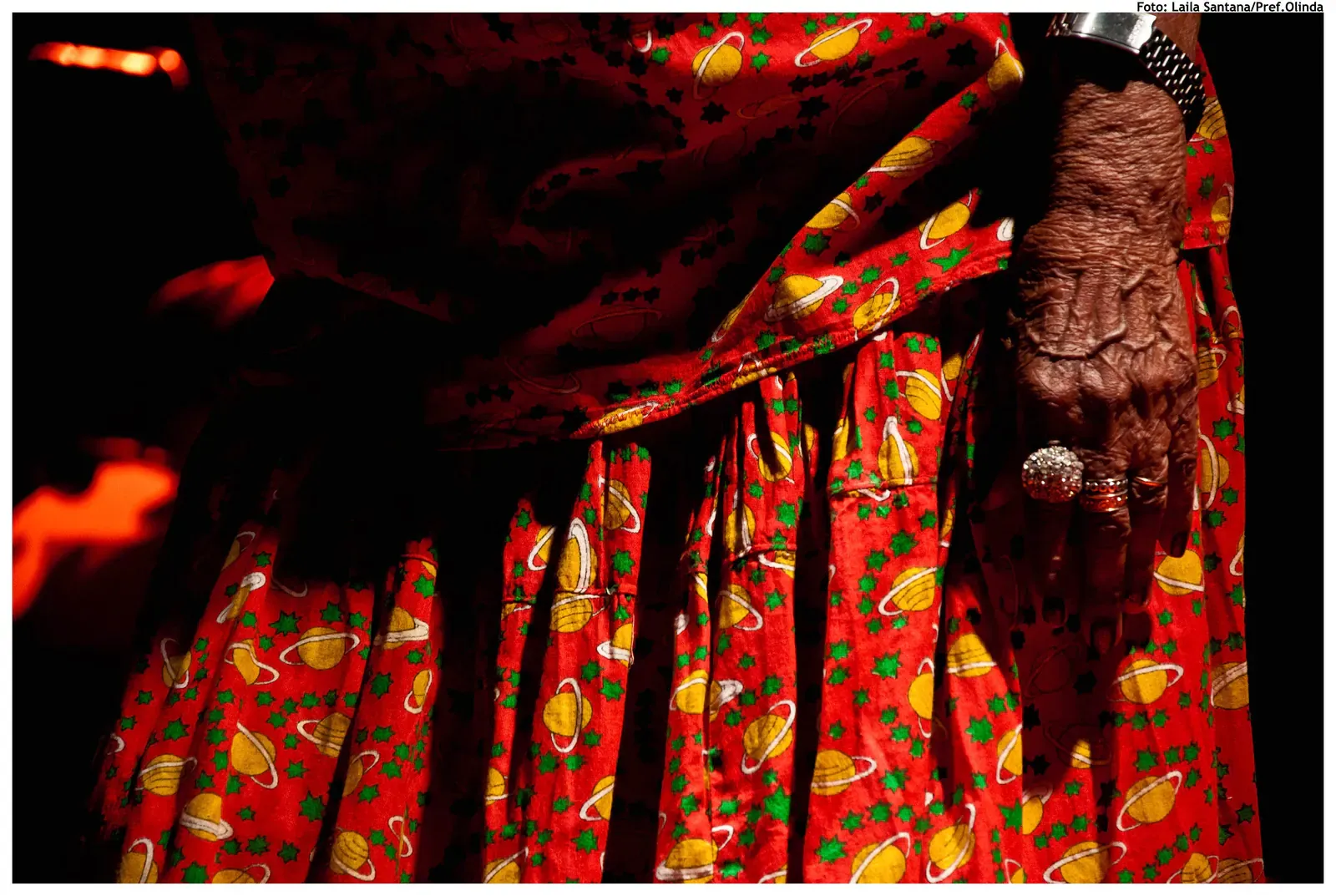
Coco is a social event as much as a musical one. People gather in a circle or a line, the mestre leads, and anyone present may step in to dance or to take the next verse. The tradition links to ciranda, another Pernambuco circle dance, and to capoeira through shared call and response. Costume varies from everyday clothes to full, colourful skirts, as in the photographs on this page.
Legacy
Coco is a named stylistic root of baião, forró, maracatu rural and manguebeat. Its call and response, improvised patter and percussion-first approach reach into several later northeastern styles. The tradition also remains in its own right, in circles led by mestres and in the groups that continue the embolada.
Misconceptions
Coco is not only a dance. The name covers the rhythm, the songs and the circle dance together, and the same word is used for the faster embolada patter.
Coco is not found in a single state. Alagoas has a strong claim to its origin, but it is also performed in Pernambuco, Paraíba, Ceará and Rio Grande do Norte, each with its own variants.
Coco is not a coconut dance. The word does mean coconut, but one theory about the name rests on coconut-breaking workers, and in slang it also means the head, referring to improvised lyrics.
Frequently asked questions
What is coco music?
Coco is a northeastern Brazilian rhythm and circle dance with African and Indigenous roots. A soloist improvises verses, a group sings the chorus, and ganzá, surdo, pandeiro and triangle supply the beat.
What instruments are used in coco?
Coco uses the ganzá, surdo, pandeiro and triangle. Dancers also stomp in wooden clogs, which adds a fifth percussive sound.
How is coco different from embolada?
Embolada names the fast, slurred sung patter, and the name is sometimes used for coco as a whole. Coco de roda is the circle form with a puxador and a group chorus.
Who are the best-known coco artists?
Jackson do Pandeiro brought coco rhythms to national records, and Selma do Coco was the best-known mestre of the Olinda circles. Mestre Ambrósio and Nação Zumbi rebuilt northeastern rhythms with rock instruments.
Sound
Sound sheet
Anatomy of a track
| # | Part | Bars |
|---|---|---|
| 1 | Solo verse by the puxador | 4 |
| 2 | Chorus answered by the group | 4 |
| 3 | Improvised verse | 4 |
Signature sounds
- Repeated percussion beat
- Call and response between soloist and chorus
- Stomping of wooden clogs
Techniques
- Call and response
- Improvised verses
- Embolada patter
- Clog stomping
Tuning
Voices and percussion; short repeated melodies with no fixed tuning reference
Vocals
Solo puxador with answering group chorus, often improvised and sometimes rapid patter
Scenes
Where it happened
Where and when the sound lived: one bar per city on a shared timeline.
Latin America
Active scenes
Peak 4, 1990-2025
Capital of Alagoas, one of the states where coco is claimed to have begun.
Home of Selma do Coco and her coco circles in the Alto da Sé.
Home of embolada singers and the manguebeat bands that reworked coco.
Paraíba town where Jackson do Pandeiro was born.
Venues and places
Olinda, 1990 to today. Hilltop square where Selma do Coco held her circles and which hosts coco in Carnival.
Glossary
Terms on this page
The circle form, with a solo singer pulling verses and dancers answering the refrain.
A fast, slurred sung patter, also used as another name for coco.
A master of a coco group who leads songs and teaches the tradition.
The solo singer who pulls the verses and sets the refrain.
Wooden clogs whose stomping adds a percussive layer to the dance.
A belly-to-belly invitation between dancers, used in the coco de umbigada form.
Latin family