Reggaeton
Reggaeton is Spanish-language urban music built on the dembow beat, formed in Puerto Rico from Panamanian reggae en espanol, dancehall and hip hop.
San Juan, 1991
Latin family
Born
1991
San Juan
Subgenres
11
Documented branches
Links
29
Genres it drew on or shaped
Tempo
90-105 BPMLineage
Family tree
Grew out of
- Reggae en Español
Derived from
Derived from
San Juan, 1991
Reggaeton
Led to (12)
Timeline
Era by era
From the first sparks to today. Select a dot to read the story behind it.
- Panamanian roots and Spanish rap
1980 to 1993
- The underground
1994 to 2002
- Crossover and Gasolina
2003 to 2008
- Colombia, streaming and Despacito
2009 to 2026
Eras
Moments
- 1 Panamanian roots and Spanish rap, 1980 to 1993
- 2 The underground, 1994 to 2002
- 3 Crossover and Gasolina, 2003 to 2008
- 4 Colombia, streaming and Despacito, 2009 to 2026
around 1980
Panamanian roots and Spanish rap
Panamanian MCs translate Jamaican dancehall into Spanish while Vico C and others start rapping in Spanish in Puerto Rico, preparing the two streams that later merge.
- 1982Reggae en espanol starts in Panama CityDescendants of West Indian canal workers, including Renato and El General, begin translating Jamaican dancehall into Spanish.
- 1985Renato's El D.E.N.I.One of the earliest hits of Spanish dancehall, about discrimination against English-speaking Black Panamanians.
- 1985Vico C starts rapping in Spanish in San JuanA founder of Spanish-language hip hop in Puerto Rico, he becomes a major influence on reggaeton.
- 1991Vico C's Hispanic SoulAlbum by Vico C, a Puerto Rican pioneer of Spanish-language hip hop.
1994
The underground
In San Juan, cassette mixtapes and clubs such as The Noise grow a scene that police raids and the Mano Dura anti-crime campaign target, but only make more popular.
- 1994DJ Playero's Playero 37A landmark underground tape of Spanish rap over dancehall riddims that featured Daddy Yankee.
- 1995Police raid San Juan record storesCassettes are seized under obscenity laws as the government targets underground music during its Mano Dura campaign.
- 1995The Noise becomes the underground's stageDJ Negro's club and cassette series is where Ivy Queen, Daddy Yankee and others test their talent and where perreo takes hold.
- 1997El Cartel Records is foundedDaddy Yankee's own company, first known as El Cartel Productions, later releases Barrio Fino with VI Music.
- 1997VI Music is foundedThe Puerto Rican label, partnered later with Universal and Machete Music, handles Don Omar and Barrio Fino.
- 2002Tego Calderon's El AbayardeA debut mixing salsa, plena, dancehall and hip hop that makes Calderon a leading voice of the genre.
2003
Crossover and Gasolina
Label deals and Daddy Yankee's Gasolina (2004) turn underground into reggaeton and put it on US and European radio, led by Tego Calderon, Don Omar and Wisin & Yandel.
- 2003Don Omar's The Last DonHis first studio album, released through VI Music, becomes his breakthrough.
- 2004Daddy Yankee's Barrio Fino and GasolinaThe single Gasolina becomes a global hit and opens world markets to reggaeton.
- 2005Wisin & Yandel's Pa'l MundoThe duo's album, released through Machete Music.
- 2006Don Omar's King of KingsEnters the Billboard 200 at number seven.
around 2009
Colombia, streaming and Despacito
Medellin becomes a second base, Spotify and YouTube carry the sound worldwide, Despacito (2017) breaks records, and Bad Bunny's albums reach the top of the Billboard 200.
- 2009Reggaeton artists settle in MedellinNicky Jam and others find an eager audience in Colombia, where J Balvin and Maluma emerge a few years later.
- 2014Streaming opens the world to reggaetonSpotify and similar services make the genre easy to reach worldwide through the rest of the decade.
- 2017DespacitoLuis Fonsi and Daddy Yankee's song becomes the most-streamed song of its time within six months of release.
- 2020Bad Bunny's YHLQMDLGIts track Safaera, with Jowell & Randy and Nengo Flow, reaches number one in Spain.
- 2022Un Verano Sin Ti tops the Billboard 200Bad Bunny's second number-one album on the US chart, after El Ultimo Tour Del Mundo, the first all-Spanish-language album to top it.
- 2025Daddy Yankee closes El Cartel RecordsHe shuts the label on April 23, citing a dispute over data destruction that left it unable to operate.
Listening path
Start listening
A short path from an easy way in to the deep end. Thumbnails come from YouTube; the player loads only when you press play.
- 01
Luis Fonsi ft. Daddy Yankee, 2017
The pop-leaning reggaeton single that became the most-streamed song of its time, at about 90 BPM.
- 02
Daddy Yankee, 2004
The song that carried reggaeton from San Juan to world radio, built on a steady dembow.
- 03
Don Omar, 2003
First single of The Last Don, promoted heavily on Puerto Rican radio in 2003.
- 04
Tego Calderon, 2002
Lead single of El Abayarde, a Caribbean-flavored track that helped shape the sound of early reggaeton.
- 05
Bad Bunny, Jowell & Randy, Nengo Flow, 2020
A modern perreo medley that shows the old reggaeton sound back at the top of the charts.
Reggaeton is a Spanish-language urban genre built on the dembow beat, a rhythm taken from Jamaican dancehall. It formed in Puerto Rico in the 1990s out of Panamanian reggae en espanol, dancehall and hip hop, and became a global pop force from the 2000s.
Verses are rapped, hooks are sung, and the music is made for the perreo dance.
Origins
Reggaeton has two roots that met in San Juan. The first is Panama City, where descendants of West Indian canal workers began translating Jamaican dancehall into Spanish in the early 1980s. Renato’s El D.E.N.I. (1985), about discrimination against English-speaking Black Panamanians, was one of the earliest hits of that Spanish dancehall, with El General among the pioneers.
The second root is Spanish-language rap in Puerto Rico. Vico C began rapping in Spanish in San Juan in 1985 and became a major influence on everyone who followed; his album Hispanic Soul came out in 1991. The dembow riddim itself comes from dancehall and is named after the song Dem Bow. Puerto Rican producers and MCs put Spanish rap on top of that beat, and the mix drew in the island’s own traditions as well: bomba, plena and salsa all left traces on its later sound.
Panama City and San Juan, 1980-1993
Before it had a name, the music lived in two cities. In Panama City, reggae en espanol was a voice of Afro-Caribbean Panamanians. In San Juan, rappers such as Vico C were building a Spanish-language hip hop scene. The two streams ran in parallel through the 1980s and early 1990s, linked by cassettes and radio, and preparing the ground for the merger that followed. The Spanish-language rap side belongs to the wider hip hop family.
The underground, 1994-2002
The merger happened on tape. Playero 37 (1994), a mixtape by DJ Playero, set Spanish rap over dancehall riddims and featured Daddy Yankee. Cassettes spread through the barrios and the low-income housing projects known as caserios, and the scene took its own name: the underground. Clubs gave it a stage, and The Noise, run by DJ Negro, was where Ivy Queen, Daddy Yankee and others tested their material and where perreo took hold on the dance floor.
The state pushed back. In 1995 police raided record stores in San Juan and seized cassettes under obscenity laws, part of the Mano Dura Contra el Crimen campaign, which treated underground fans and artists as criminals. The raids made the music more visible rather than less. In 1997 two companies appeared that would shape what came next: Daddy Yankee’s El Cartel and the label VI Music, home of Don Omar. Around the turn of the century the word reggaeton replaced “underground” as the common name.
Crossover and Gasolina, 2003-2008
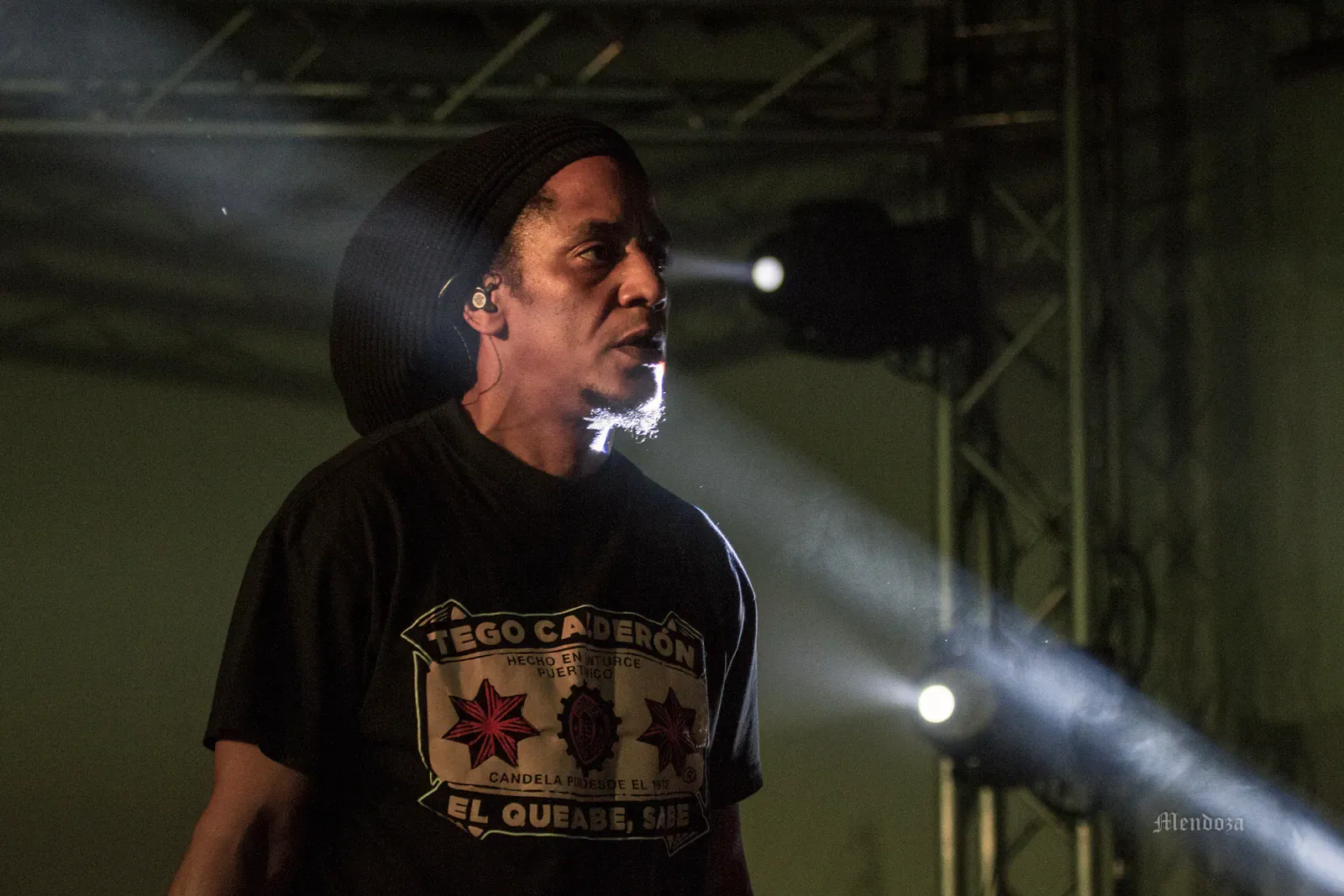
Label deals turned the underground into an industry. Tego Calderon’s debut El Abayarde (2002), distributed internationally from 2003, mixed salsa, plena, dancehall and hip hop, put Afro-Puerto Rican identity at the centre of the genre and earned a Latin Grammy nomination. Don Omar’s The Last Don (2003), released through VI Music, was his breakthrough and went gold in the US.
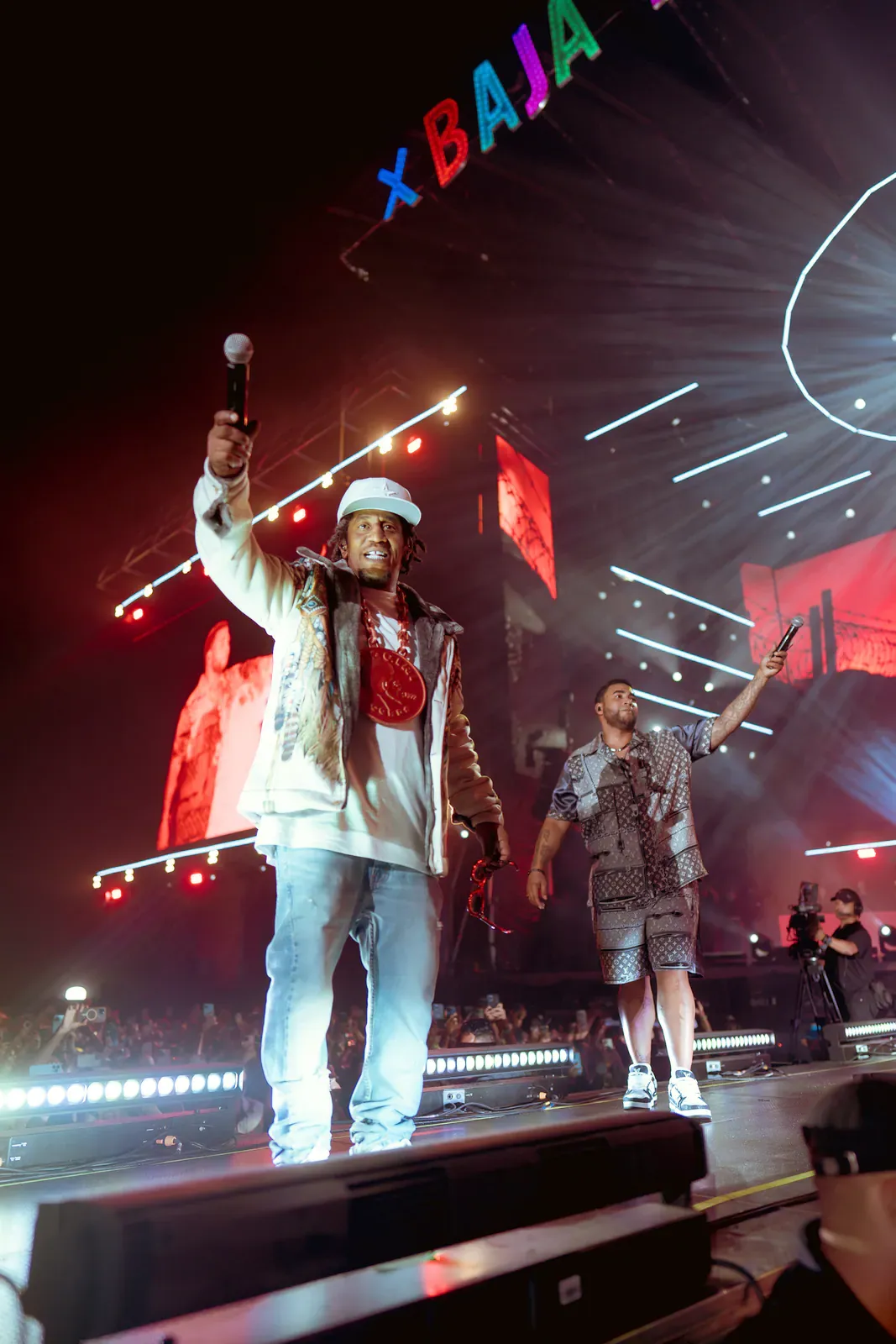
The turning point was Daddy Yankee’s Barrio Fino (2004) and its single Gasolina, which became a global hit and opened world radio to reggaeton. Barrio Fino was the top-selling Latin album of the 2000s in the United States. Wisin & Yandel followed with Pa’l Mundo (2005). In 2006 Don Omar’s King of Kings entered the Billboard 200 at number seven.
Colombia, streaming and Despacito, 2009-present
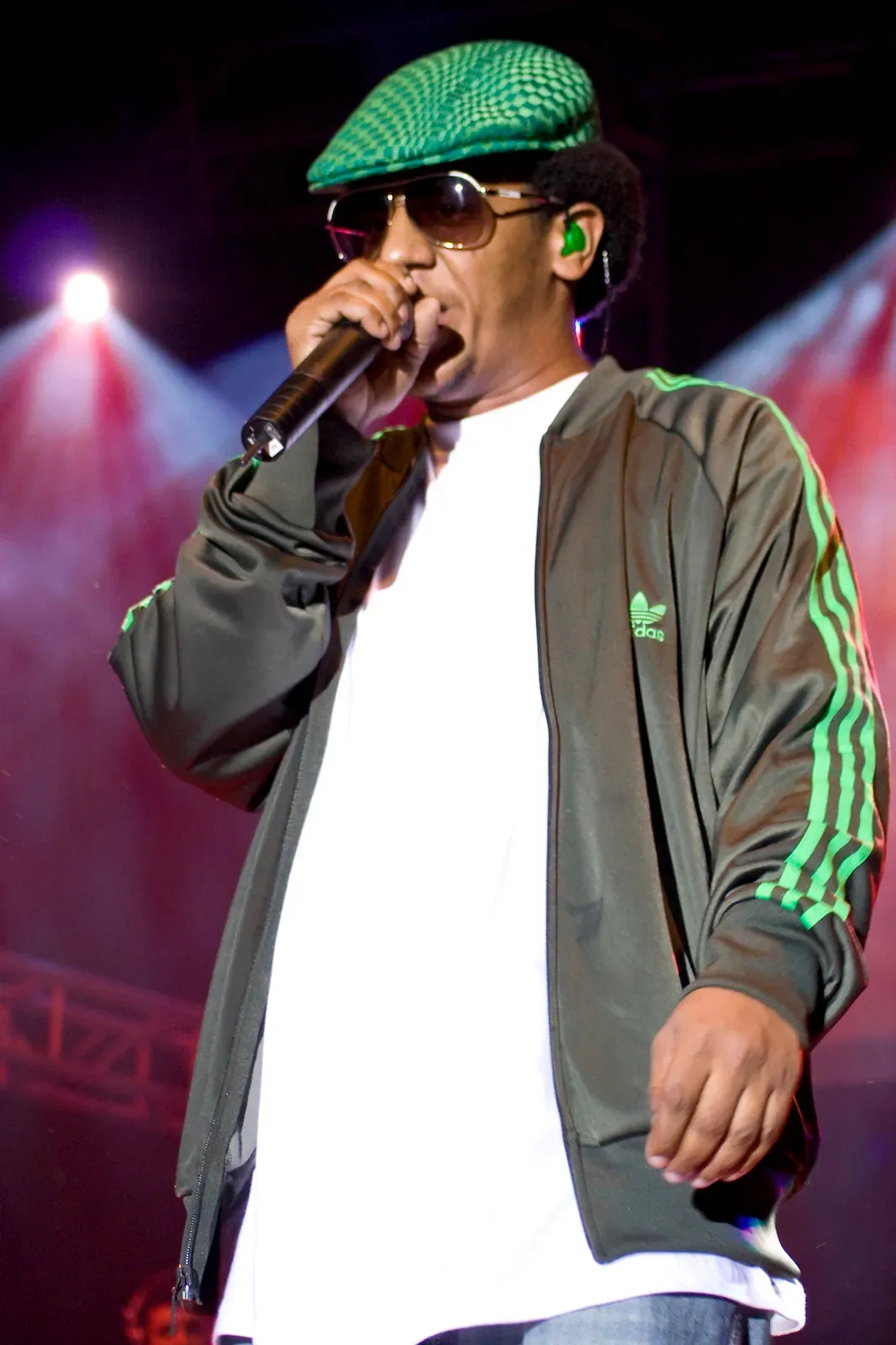
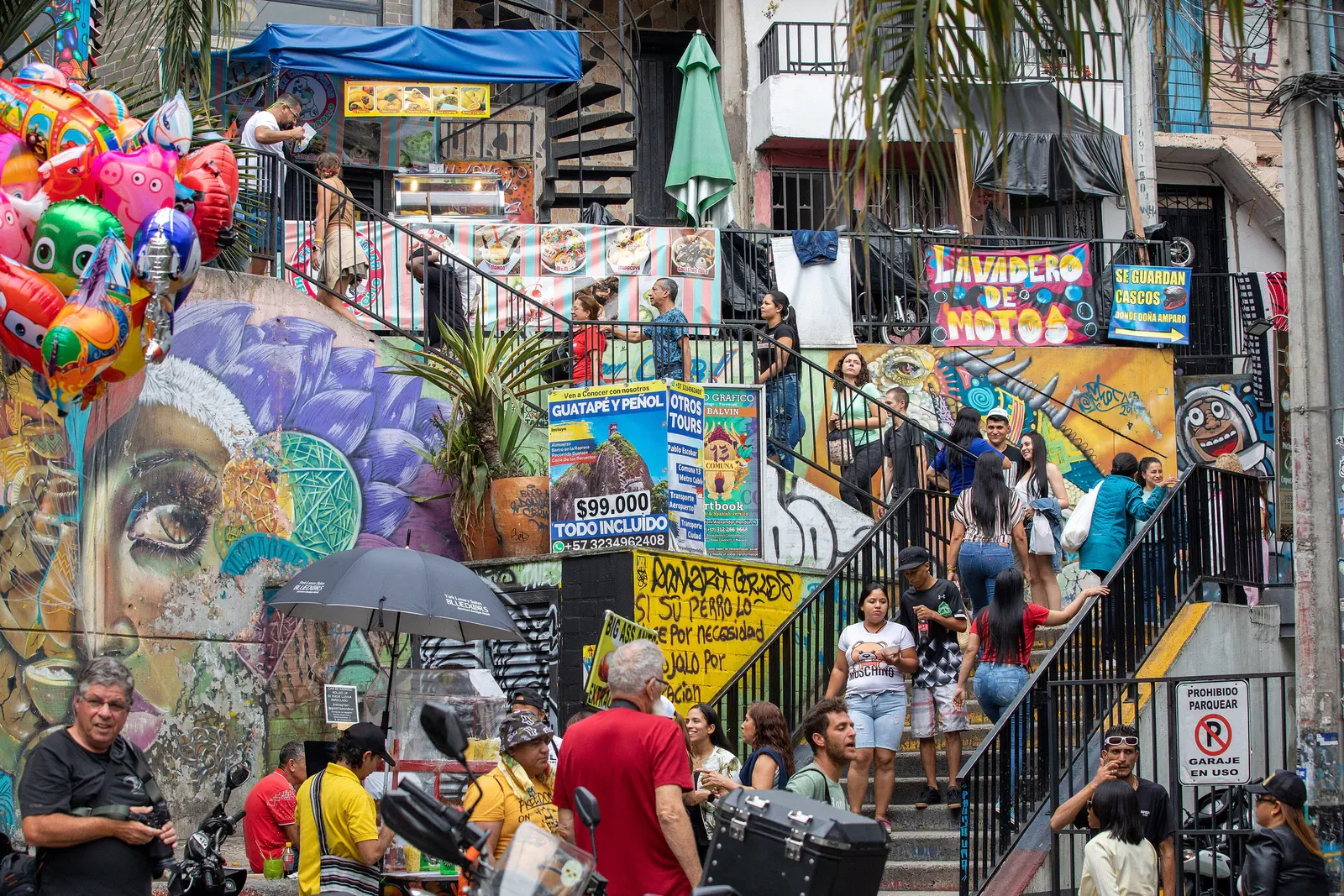
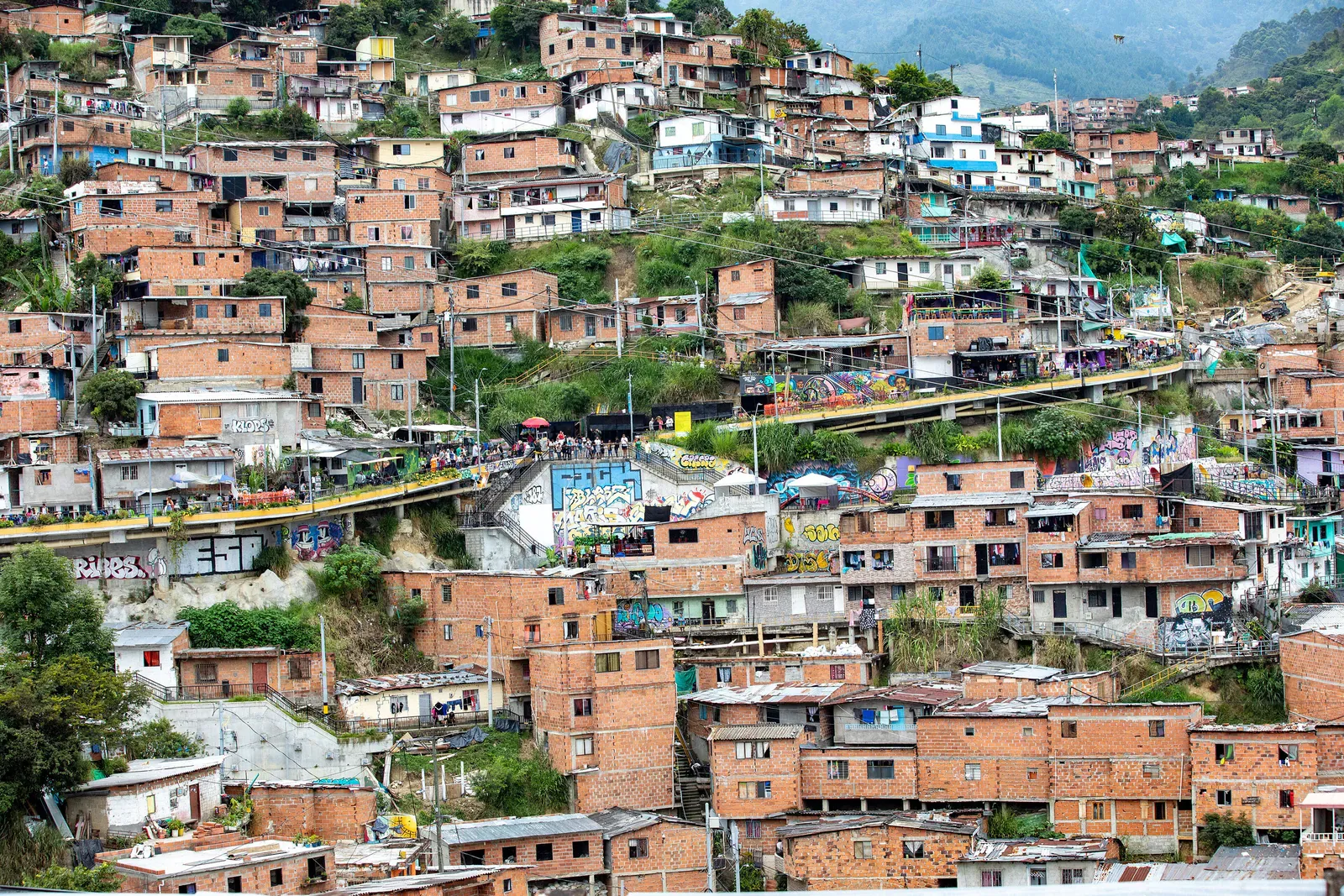
Around 2009 reggaeton artists, among them Nicky Jam, began settling in Medellin, where audiences were eager for the sound. A local generation including J Balvin and Maluma emerged a few years later, and Colombia became a second base beside Puerto Rico. From about 2014, Spotify and similar services made the genre easy to reach worldwide.
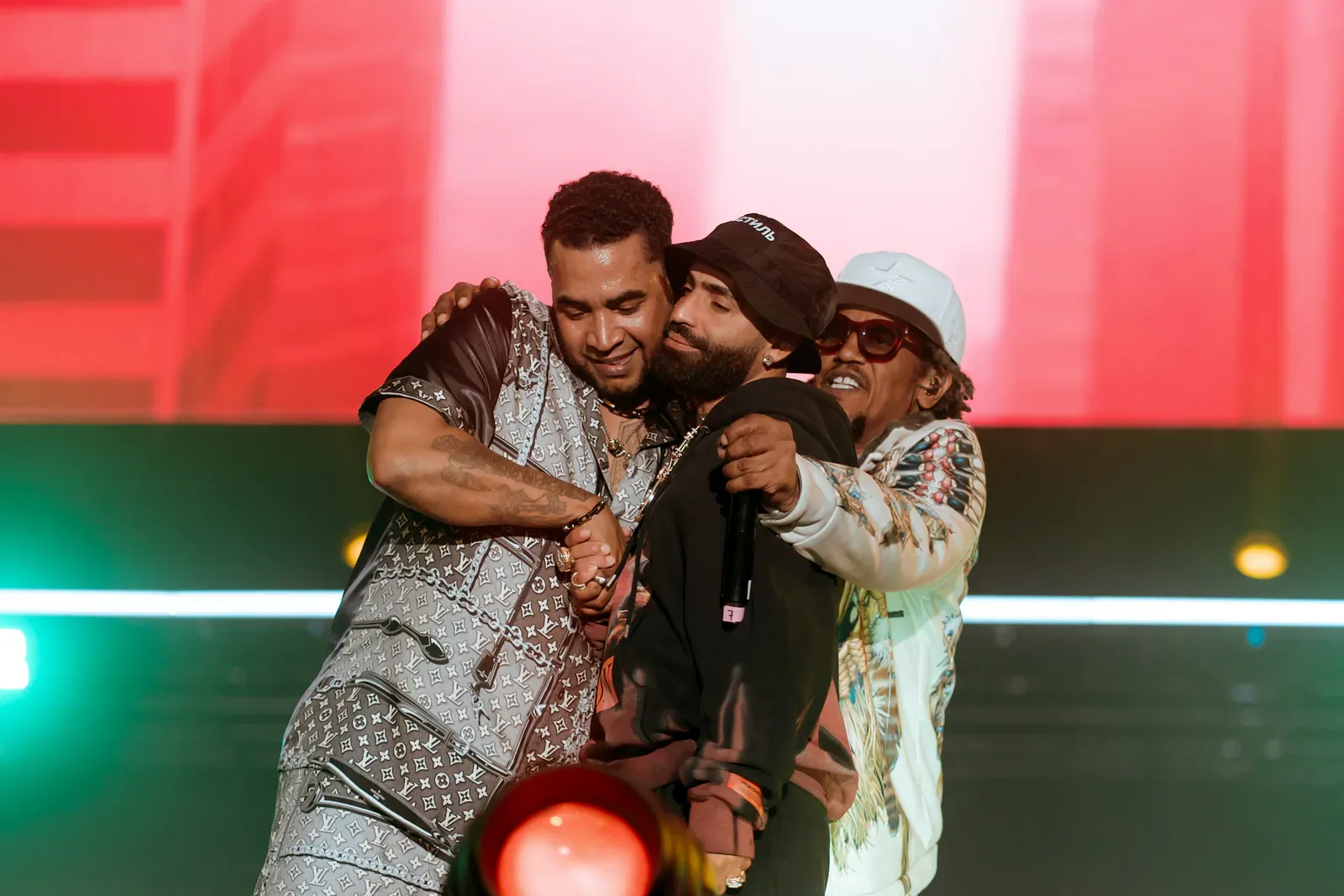
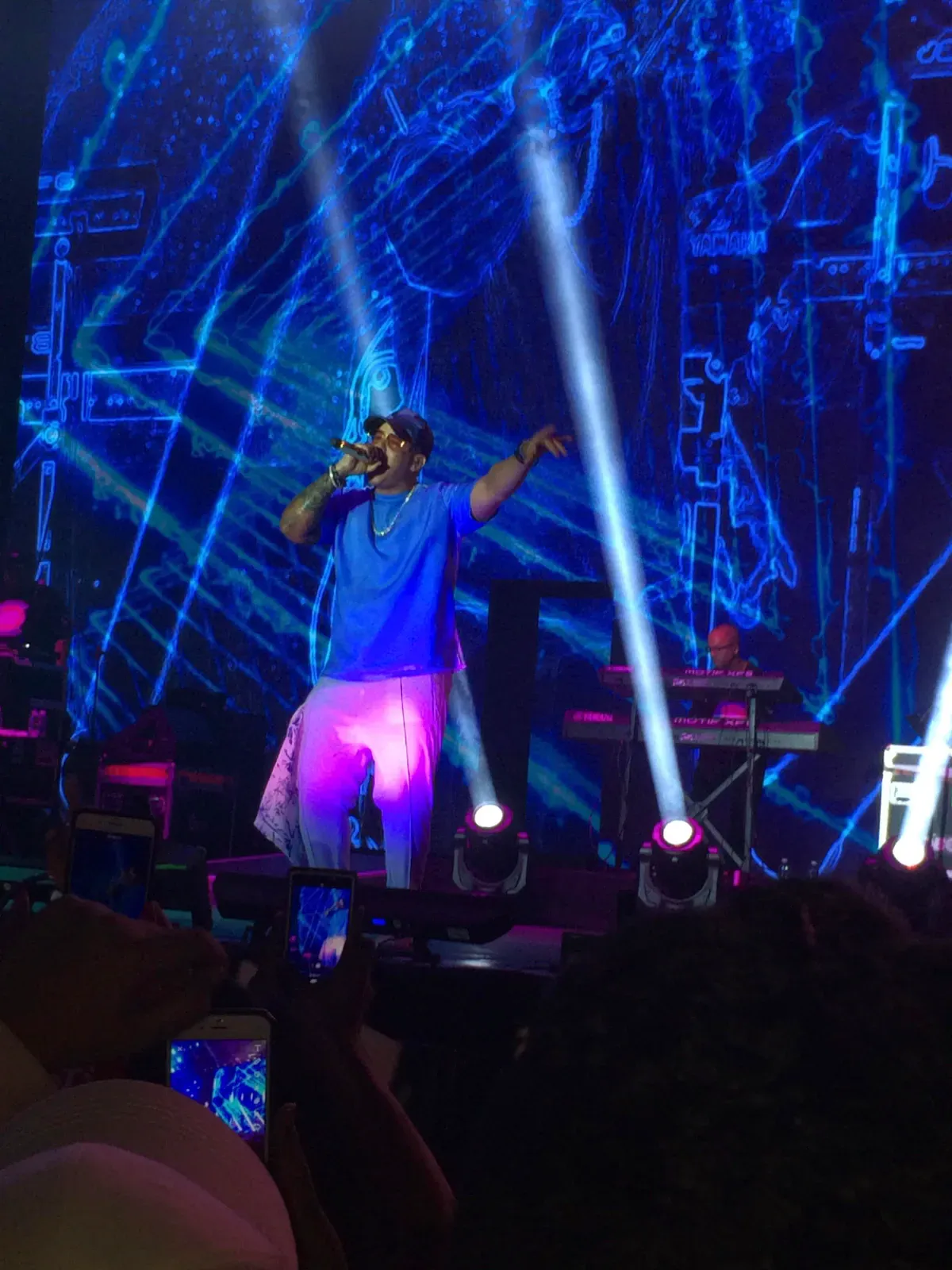
In 2017 Luis Fonsi and Daddy Yankee’s Despacito became the most-streamed song of its time within six months and renewed attention to reggaeton and Latin music; it was released through Universal Music Latino. Bad Bunny, signed to Rimas Entertainment, took the sound further: Safaera, from YHLQMDLG (2020), reached number one in Spain, and Un Verano Sin Ti (2022) topped the Billboard 200. In 2025 Daddy Yankee closed El Cartel Records.
Characteristics
The dembow loop is the backbone of nearly every track, and the vocal approach alternates rapped verses with sung hooks. Production is mainly electronic and loop-based, and the music is made for the dance floor and perreo.
Instruments and production
Reggaeton production is mainly electronic. Dancehall producers had adopted the electronic keyboard and drum machine in the mid-1980s to build the riddims reggaeton borrowed. Cassette mixtapes were the first distribution medium, and the dembow stayed a programmed loop on later records.
Notable recordings
Playero 37 is the document of the underground: raw Spanish rap over dancehall riddims, copied and passed around San Juan. Gasolina is the record that carried the genre out of the island, built on a steady dembow. Despacito shows the pop end of the sound, and Safaera, a medley of perreo with Jowell & Randy and Nengo Flow, showed the older sound returning to the top of the charts.
Culture
Perreo is a close-contact grinding dance tied to the music since the underground clubs of the early 1990s. The caserios of Puerto Rico supplied many of the singers and listeners. Reggaeton also carried social themes from the start: discrimination in Panama, Afro-Puerto Rican pride in Calderon’s work, and the policing of the barrios in the 1990s.
Legacy
Reggaeton brought Spanish-language music to the top of global charts, with Puerto Rico and Colombia as its two main bases. Its offshoots include alternative reggaeton, cubaton and cumbiaton. The wider tradition it belongs to is covered in Latin music.
Misconceptions
Reggaeton is not simply reggae in Spanish. Its beat comes from Jamaican dancehall, but the genre grew from the merger of Panama’s reggae en espanol with Spanish-language rap in Puerto Rico, and it absorbed salsa, plena and hip hop. Jamaican reggae is a separate tradition.
Reggaeton also did not begin with Gasolina. The underground scene was recording and playing in San Juan from at least 1994, and Daddy Yankee himself first recorded on the Playero tapes. Gasolina in 2004 was the crossover, not the start.
The genre is not purely Puerto Rican either. Panama City is one of its two roots, and Medellin became a second base after 2009.
Frequently asked questions
What is reggaeton?
Reggaeton is a Spanish-language urban genre built on the dembow beat from Jamaican dancehall. It combines rapped verses and sung hooks and developed in Puerto Rico in the 1990s.
Where did reggaeton start?
Reggaeton started in Puerto Rico, where Spanish rap met dancehall riddims in the San Juan underground, with an earlier root in Panama City’s reggae en espanol in the 1980s.
What is dembow?
Dembow is the signature rhythm of reggaeton, taken from Jamaican dancehall riddims and named after the song Dem Bow. It repeats as a drum loop under nearly every track.
Who made reggaeton popular worldwide?
Daddy Yankee’s Gasolina (2004) took reggaeton to world radio, and Don Omar, Wisin & Yandel and Tego Calderon widened its audience. Despacito in 2017 and Bad Bunny’s albums carried it further.
What is perreo?
Perreo is a grinding, close-contact dance that took hold in the underground clubs of Puerto Rico and became tied to reggaeton.
Sound
Sound sheet
Signature sounds
- Dembow riddim with a steady kick on every beat
- Rapped or sung Spanish verses with a repeated hook
- Perreo-ready groove for the dance floor
Techniques
- Dembow loop
- Spanish toasting over riddims
- Rap-and-sung vocals
Vocals
Spanish rapping and singing, often alternating between verse and hook.
Scenes
Where it happened
Where and when the sound lived: one bar per city on a shared timeline.
Latin America
Caribbean
Active scenes
Peak 2, 1985-2025
Descendants of West Indian canal workers turn Jamaican dancehall into reggae en espanol.
Spanish rap, dancehall and the underground tapes and clubs merge here into reggaeton.
Artists such as Nicky Jam relocate and a new local generation including J Balvin and Maluma follows.
Culture
Culture markers
- Perreo
Sensual grinding dance linked to the music since the early 1990s underground clubs.
Dance - Underground
The scene's own name in 1990s Puerto Rico, before reggaeton became the common term around the turn of the century.
Slang
Media
Key media
- 1994Playero 37
by DJ Playero. Landmark underground mixtape that featured Daddy Yankee and spread across San Juan's barrios on cassette.
Mix
Glossary
Terms on this page
The low-income housing projects of Puerto Rico, home to many underground singers and listeners.
The signature beat of reggaeton, taken from Jamaican dancehall riddims, named after the song Dem Bow.
"Iron Fist Against Crime", the 1990s government campaign that targeted underground fans and artists as criminals.
A grinding, close-contact dance that took hold at underground clubs and became tied to the music.
Spanish-language dancehall that began in Panama in the 1980s, one of the two roots of reggaeton.
The 1990s name for Puerto Rico's Spanish rap and dancehall scene, before it became known as reggaeton.
Latin family