Toasting
Toasting is the Jamaican practice of chanting rhymes over a rhythm, born on 1950s sound systems and made a recorded form by U-Roy in 1970.
Jamaica, around 1957
Caribbean family
Born
around 1957
Jamaica
Links
8
Genres it drew on or shaped
Tempo
70-100 BPMLineage
Family tree
Grew out of
Influenced by
Jamaica
Toasting
Led to (4)
Timeline
Era by era
From the first sparks to today. Select a dot to read the story behind it.
- Sound system talkover
1957 to 1968
- The deejay on record
1969 to 1972
- Roots deejays
1973 to 1979
- Into dancehall
1980 to today
Eras
Moments
- 1 Sound system talkover, 1957 to 1968
- 2 The deejay on record, 1969 to 1972
- 3 Roots deejays, 1973 to 1979
- 4 Into dancehall, 1980 to today
around 1957
Sound system talkover
Selectors on Kingston sound systems such as Count Matchuki added jive-style spoken introductions and comic patter to American R&B records, borrowing from US radio disc jockeys.
- 1958Count Matchuki talks over recordsOn Clement Dodd's Downbeat sound system, Winston Cooper adds jive-talk talkovers to American R&B records, the template for deejaying.
- 1961U-Roy starts as a deejayEwart Beckford, inspired by Count Matchuki, begins on Dickie Wong's sound system and later works for Sir Coxsone Dodd and King Tubby.
- 1968I-Roy starts Soul BunnyRoy Reid runs his Soul Bunny sound system from Victoria Pier on Wednesday afternoons while working as an accountant.
1969
The deejay on record
U-Roy toasted over stripped rocksteady rhythms on King Tubby's Hometown Hi-Fi, then took Wake the Town and Rule the Nation to the top of the Jamaican charts in 1970 and made deejaying a recorded form.
- 1969Toasting over dub platesOn King Tubby's Hometown Hi-Fi, U-Roy toasts over rocksteady rhythms stripped of vocals; a version of the Techniques' You Don't Care becomes the system's signature.
- 1970Wake the Town and Rule the NationRecorded for Duke Reid, both reach number one in Jamaica and Wear You to the Ball follows, giving U-Roy the top three places on two charts.
- 1970Big Youth joins Lord TippertoneManley Buchanan, a hotel mechanic, becomes resident deejay of Lord Tippertone's sound system and draws the attention of producers.
- 1972S-90 SkankBig Youth's Keith Hudson production, with a motorbike revved in the studio, becomes his first Jamaican number one.
- 1972U-Roy tours the UKU-Roy makes his first British tour with Roy Shirley and Max Romeo, organised by R&B Records of Stamford Hill.
1973
Roots deejays
Big Youth, I-Roy, Dillinger and Prince Jazzbo filled the charts with Rastafari-minded, street-level toasting; Virgin and Island carried it to British and European audiences.
- 1973Big Youth reveals his dreadlocksAt Kingston's Carib Theatre he shows his locks on stage to an enthusiastic crowd, at a time when open Rastafari faced discrimination in the industry.
- 1973Kool Herc's Bronx partyOn 11 August DJ Kool Herc and his sister Cindy host a back-to-school party at 1520 Sedgwick Avenue, a founding moment of hip hop.
- 1973Presenting I-RoyI-Roy's debut album with producer Gussie Clarke appears on Trojan.
- 1975U-Roy's Dread in a BabylonVirgin releases the album in Europe and Jamaica and it sells well in Britain, leading to three more albums with producer Tony Robinson.
- 1976Cokane in My BrainDillinger's single from CB 200 on Island, produced by Jo Jo Hoo Kim, tops the Dutch chart and reaches number two in Belgium.
- 1978U-Roy launches Stur GavHis own sound system, named after his sons, launches Ranking Joe, Jah Screw, Charlie Chaplin and Josey Wales.
1980
Into dancehall
Digital rhythms and slackness lyrics reshaped deejaying in the early 1980s, with Yellowman as its leading star, while Jamaican sound-system culture fed the Bronx parties of DJ Kool Herc.
- 1983ZungguzungguguzungguzengYellowman's Junjo Lawes production on Greensleeves becomes a signature tune of early dancehall.
- 2021U-Roy diesThe pioneer of toasting dies on 17 February, aged 78.
Listening path
Start listening
A short path from an easy way in to the deep end. Thumbnails come from YouTube; the player loads only when you press play.
- 01
U-Roy, 1970
The Duke Reid single that made toasting a recorded form; listen to the melodic phrasing over the rhythm.
- 02
Big Youth, 1972
The title track of the classic debut album, a half-sung, shouted deejay style.
- 03
Big Youth, 1976
A deejay take on a Ray Charles hit, showing how toasters reworked American soul.
- 04
Dillinger, 1976
The deejay single that charted across Europe.
- 05
Yellowman, 1983
Early dancehall deejaying over a digital-era rhythm.
Facts
| Family | Caribbean |
| Origin | Jamaica |
| Emerged | Late 1950s |
| Status | Active |
| Tempo | 70 to 100 BPM |
| Meter | 4/4 |
Toasting, also called deejaying, is the act of talking or chanting over a rhythm, usually in a near-monotone melody, with boasts, rhymes and shouted interjections. It grew out of Jamaican sound-system culture in the late 1950s and became a commercial recorded form in 1970.
It is the direct root of dancehall deejaying and a recognised influence on hip hop, and it belongs to the Caribbean family of styles.
Origins
Jamaican sound systems of the 1940s and 1950s were mobile discos: a truck, a generator, turntables and large speakers set up for street parties. The records were American rhythm and blues, and the system with the best exclusive discs drew the biggest crowd. In the late 1950s a selector named Winston Cooper, known as Count Matchuki, began speaking over the records on Clement Dodd’s Downbeat system. Dodd had heard the jive-talking style of southern American radio disc jockeys on his record-buying trips, and he asked for the same patter.
The model of a talker beside a record player spread through the scene, borrowing boasts, catchphrases and rhyme from American R&B radio. When ska and rocksteady replaced imported R&B, the deejay stayed. U-Roy has praised Matchuki’s timing and the way he never crowded the vocalist.
The deejay on record, 1969-1972
Ewart Beckford, known as U-Roy, began deejaying in 1961 on Dickie Wong’s system and worked for several others, including Sir Coxsone Dodd’s, before joining King Tubby’s Hometown Hi-Fi. In 1969 Tubby cut dub plates of existing rocksteady recordings with the vocals stripped away, and U-Roy chanted over them. A version of a Techniques rocksteady recording became the system’s signature tune. First records followed for Keith Hudson and Lee Perry.
In 1970 the singer John Holt heard U-Roy toast over a Duke Reid rhythm at a dance and recommended him to Reid. Treasure Isle released Wake the Town and Rule the Nation, which both went to number one, and a third single joined them, giving U-Roy the top three places on two Jamaican charts at once. The deejay was now a recording artist, and others followed: Dennis Alcapone, King Stitt, I-Roy, Dillinger, Big Youth and Prince Jazzbo.
Roots deejays, 1973-1979
Producers such as Gussie Clarke, Bunny Lee and Keith Hudson matched deejays with fresh versions of popular rhythms. Big Youth, a former hotel mechanic who became resident deejay for Lord Tippertone, had his first number one with S-90 Skank in 1972 and released Screaming Target, a debut that reuses hit rhythms of the day. His half-sung delivery set him apart from contemporaries, and in early 1973 he showed his dreadlocks on stage at Kingston’s Carib Theatre, when open Rastafari still faced discrimination in the industry.
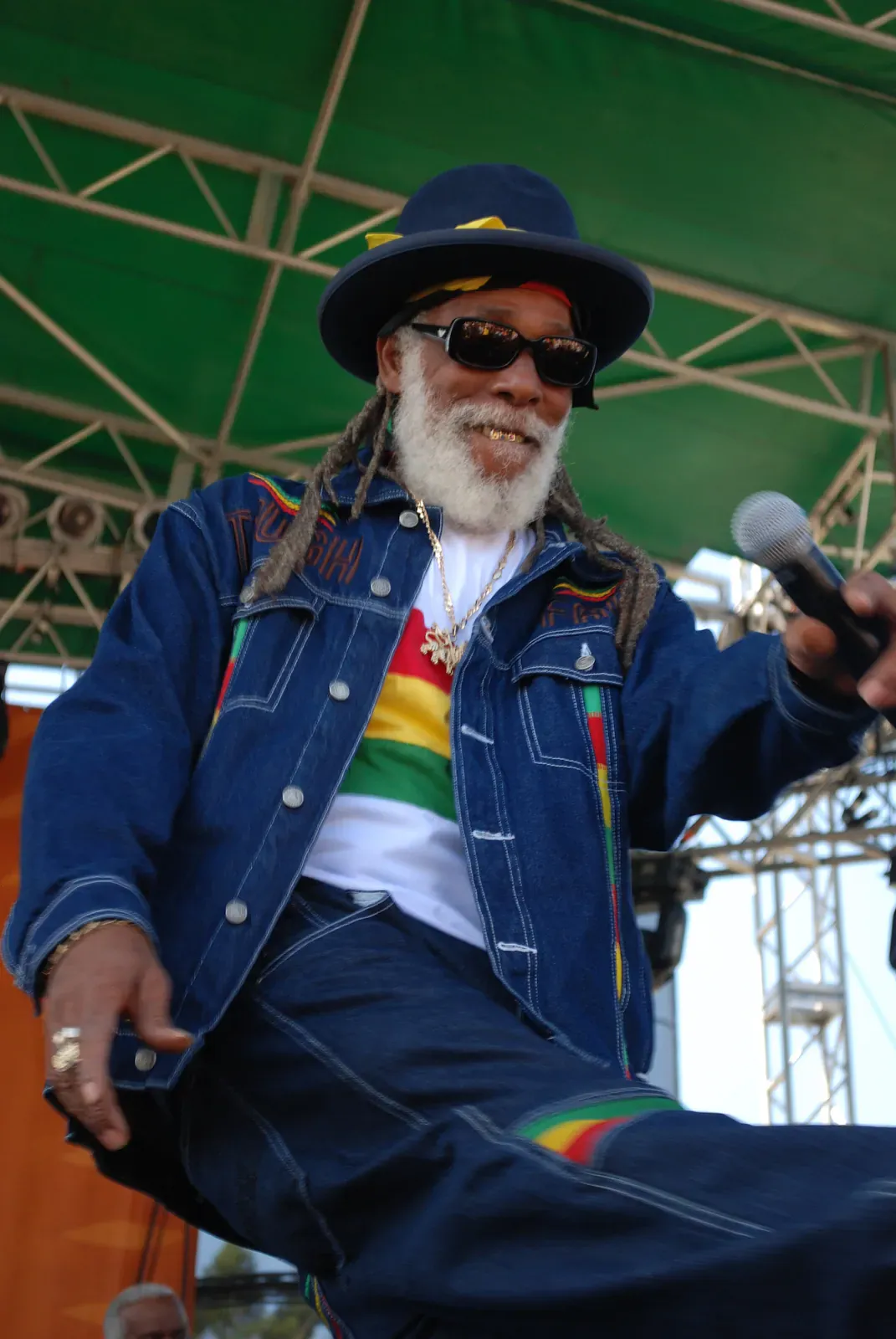
I-Roy, who took his name and part of his style from U-Roy, worked nursery rhymes into his chat and from 1975 traded insults on record with Prince Jazzbo, though the two were friends. Virgin signed both men, and U-Roy’s Dread in a Babylon (1975) sold well in Britain. In 1978 U-Roy started his own system, Stur Gav, which launched Ranking Joe, Jah Screw, Charlie Chaplin and Josey Wales.
Into dancehall, 1980 onward
By the early 1980s digital rhythms and sexually explicit “slackness” lyrics were in fashion, and the cultural, chanting style of the 1970s lost ground. Yellowman became the dominant voice of early dancehall. Zungguzungguguzungguzeng, a Junjo Lawes production issued on Greensleeves, became his signature. Toasting did not disappear: it became the ordinary mode of deejaying over dancehall rhythms.
Characteristics
Toasting sits between speech and song. The delivery is rhythmic and often close to a monotone, laid on top of a backing rhythm so that it rides the beat without crowding the lead vocal. Content varies from boasts and party calls to humour and social comment, and deejays have long acted as a singing newspaper, satirising current affairs. Words may be improvised or written in advance. A performer who alternates singing and toasting is called a singjay.
Rastafari runs through much of the roots-era work: U-Roy’s Rightful Ruler opens with a statement of faith in Amharic. Tempo follows the rhythm underneath, at about 70 to 100 beats per minute in the felt reggae pulse.
Instruments and production
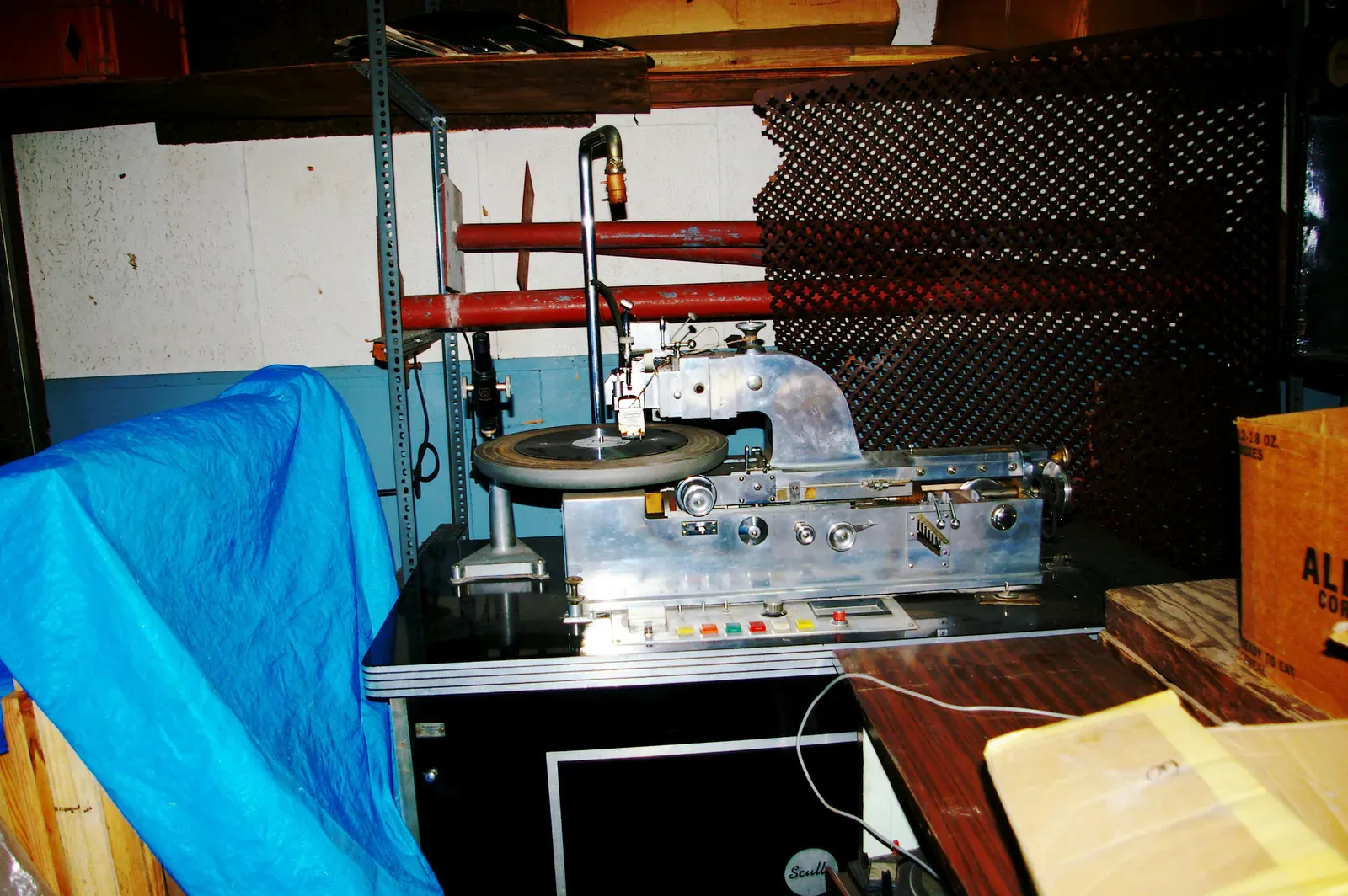
The essential instrument is the sound system itself. By the mid-1950s custom-built cabinets from specialists such as Hedley Jones, who called his Houses of Joy, were taking over from live bands, and later rigs delivered tens of thousands of watts.
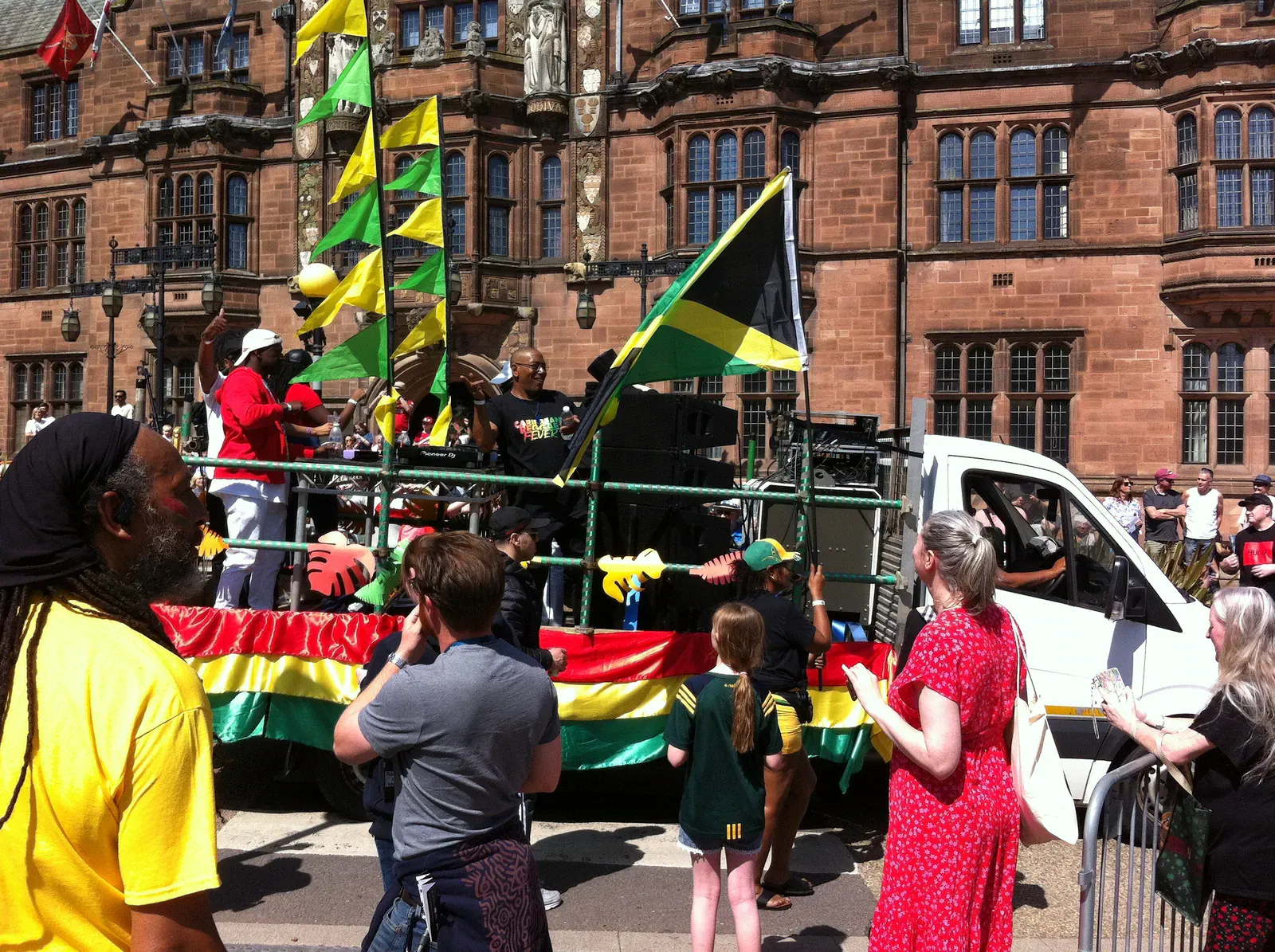
Production gave the deejay something to talk over. Sound-system owners wanted exclusives, so they made one-copy discs known as dub plates, often with the singer removed and with echo and effects added by engineers such as King Tubby. These versions left space for a voice, and a producer could reuse an existing rhythm.
Mainstream success
Dread in a Babylon brought U-Roy to British listeners through Virgin’s expanding label and shop network. Dillinger’s Cokane in My Brain, released from the album CB 200 on Island in 1976, reached number one in the Netherlands, number two in Belgium and number 35 in Germany. Blondie’s 1980 cover of The Tide Is High led Virgin to reissue the Paragons original and U-Roy’s 1971 deejay version. U-Roy appeared on the Grammy-winning True Love by Toots and the Maytals in 2004, and Jamaica gave him the Order of Distinction in 2007.
Notable recordings
Wake the Town was cut for Duke Reid at Treasure Isle without restarts, from start to finish. Dennis Alcapone later said that when U-Roy came with it, it was like a new Jamaica was born.
S-90 Skank came from Big Youth and producer Keith Hudson. It versions Hudson’s own We Will Work It Out, features a motorbike revved in the studio, and the Honda motorcycle that inspired it used the record in a television advertisement. It was Big Youth’s first number one in Jamaica.
Cokane in My Brain was produced by Jo Jo Hoo Kim and built on samples of a People’s Choice track and Enoch Light’s Hijack. It was Dillinger’s best-selling single.
Culture
The social unit of toasting is the sound clash, a contest between two sound systems. A typical clash has a juggling round, in which each system has fifteen minutes to move the crowd, a tune-for-tune exchange of commercial releases, and a dub-for-dub round of specials made for that system.
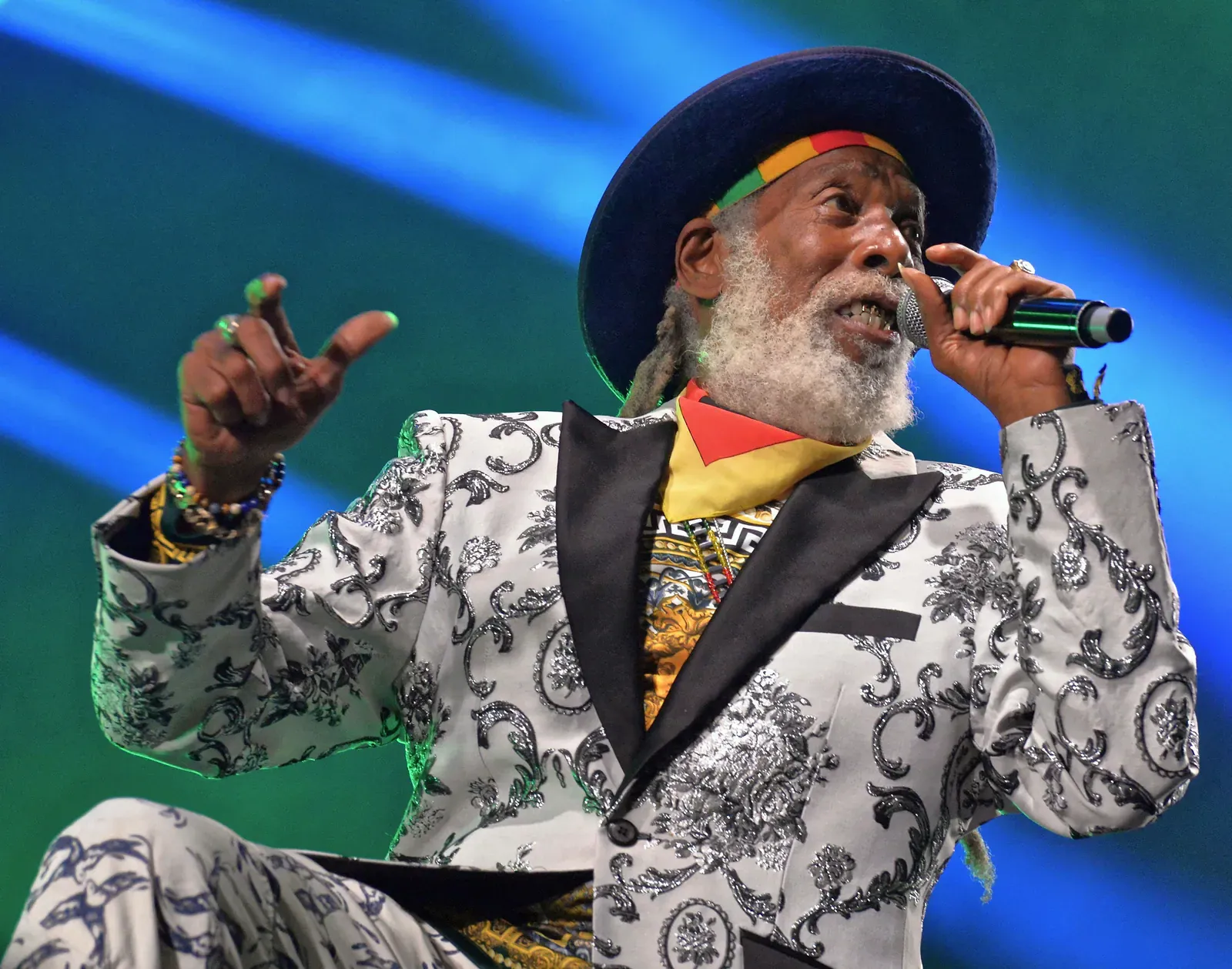
Sound systems also became politicised, with many linked to one of the two main parties. Migration carried the culture overseas: sound systems reached Britain in the 1960s and 1970s, where Sir Coxsone Outernational became a fixture.
Legacy
Toasting is the immediate parent of dancehall deejaying, and the same talking style is heard over ska, reggae, dub, soca and bouyon, and in grime. Its largest offspring is hip hop. DJ Kool Herc, who was born in Kingston and emigrated to the Bronx as a teenager, had grown up around sound-system parties and the toasting that accompanied them. On 11 August 1973 he and his sister Cindy threw a party at 1520 Sedgwick Avenue that is often marked as a founding moment of hip hop, and he punctuated records with rhymed slang, a technique that later rappers developed. See old-school hip hop for what came next in New York.
Within Jamaican music the form links closely to dub, where engineers stripped rhythms down for deejays, to reggae and to dancehall. Labels such as Studio One and Trojan Records issued the first wave.
Misconceptions
Toasting is sometimes described as Jamaican rap. The chronology runs the other way for the Caribbean practice: toasters were chanting over records in Kingston in the 1950s, while hip hop emerged in the Bronx in the 1970s. Influence ran both ways, since the first Jamaican deejays borrowed from American radio talk.
A second belief is that the deejay is the person who plays the records. On a sound system the selector chooses and plays the records, and the deejay is the voice on the microphone.
A third is that toasting is always improvised. It can be improvised or pre-written.
Frequently asked questions
What is toasting in reggae?
Toasting is rhythmic talking or chanting over a reggae, rocksteady or dub rhythm, usually in a near-monotone melody. It is performed by a deejay, who may also be called a toaster, usually on a sound system.
Who invented toasting?
Count Matchuki is credited with talking over records on a Kingston sound system in the late 1950s, and U-Roy made it a melodic, chart-topping recorded form in 1970. The practice drew on American radio disc jockeys.
What is the difference between a deejay and a selector?
A selector picks and plays the records on a sound system. A deejay speaks or chants over them with a microphone.
Is toasting the same as rapping?
They are closely related but come from different places. Toasting is the Jamaican tradition of chanting over a rhythm, and rapping developed in the Bronx, shaped by Jamaican practices such as those DJ Kool Herc brought with him.
Sound
Sound sheet
Signature sounds
- Chanted or spoken boasts and rhymes over a rhythm
- Vocal-less version rhythm with echo and effects
- Shouted catchphrases and interjections to the crowd
Techniques
- Talkover
- Boasts and catchphrases
- Chatting over a version
- Half-sung chanting
Tuning
No fixed tuning of its own: the voice chants in a near-monotone melody over the key of the backing rhythm.
Vocals
Spoken or chanted in a near-monotone melody, with boasts, rhyme and shouted interjections.
Scenes
Where it happened
Where and when the sound lived: one bar per city on a shared timeline.
Caribbean
Europe
North America
Active scenes
Peak 3, 1973-2025
Home of the sound systems of Tom the Great Sebastian, Coxsone Dodd, Duke Reid and King Tubby, where deejaying began.
Jamaican migrants carried sound systems to Britain; U-Roy toured in 1972 and I-Roy played the Roaring 20s club.
Kingston-born DJ Kool Herc brought sound-system practice to the Bronx.
Venues and places
Kingston, 1970 to today. Duke Reid's studio, where U-Roy cut Wake the Town and Rule the Nation.
New York, 1973 to today. Bronx apartment building whose recreation room hosted DJ Kool Herc's first party.
Culture
Culture markers
- Sound clash
Two systems compete in rounds of juggling, tune fe tune and dub-fe-dub, with deejays working the crowd.
Ritual - Singing newspaper
Deejays satirised current affairs and local events, taking on a news-bearing role in the community.
Slang - Big Youth's jewelled smile
Big Youth was visibly distinctive, with teeth inlaid in the Rastafari colours of red, gold and green.
Fashion - Singjaying
The blend of singing and toasting, as in Big Youth's half-sung delivery.
Slang
Media
Key media
- 1988Keep On Coming Through the Door: Jamaican Deejay Music 1969-1973
by Various. Collects the first wave of recorded Jamaican deejay singles.
Compilation - 2000Classic Reggae: The Deejays: The Best of the Original 1970s Reggae DJs
by Various. Survey of the roots-era deejays.
Compilation
Glossary
Terms on this page
A one-copy exclusive disc made for a sound system, often a rhythm with the vocals removed.
The person on a sound system who chooses and plays the records while the deejay talks.
A performer who mixes singing and toasting.
A contest between two sound systems, with rounds such as juggling, tune fe tune and dub-fe-dub.
Spoken introductions and comments added over a record, the earliest form of deejaying.
Talking or chanting, usually in a near-monotone melody, over a rhythm; also called deejaying.
Caribbean family