Nyabinghi
Nyabinghi is the ritual drumming and chanting of Rastafari, shaped in 1950s Jamaica from Burru, Kumina and Revival Zion drumming, and a root of roots reggae.
Jamaica, around 1930
Caribbean family
Born
around 1930
Jamaica
Links
6
Genres it drew on or shaped
Tempo
55-110 BPMLineage
Family tree
Grew out of
- Buru
Derived from
Derived from
Influenced by
Revival Zion
Jamaica
Nyabinghi
Led to (1)
Timeline
Era by era
From the first sparks to today. Select a dot to read the story behind it.
- Rastafari and the name
1930 to 1949
- Wareika Hill and the first records
1950 to 1969
- Grounation and roots reggae
1970 to 1979
- Continuation after Ossie
1980 to 2026
Eras
Moments
- 1 Rastafari and the name, 1930 to 1949
- 2 Wareika Hill and the first records, 1950 to 1969
- 3 Grounation and roots reggae, 1970 to 1979
- 4 Continuation after Ossie, 1980 to 2026
around 1930
Rastafari and the name
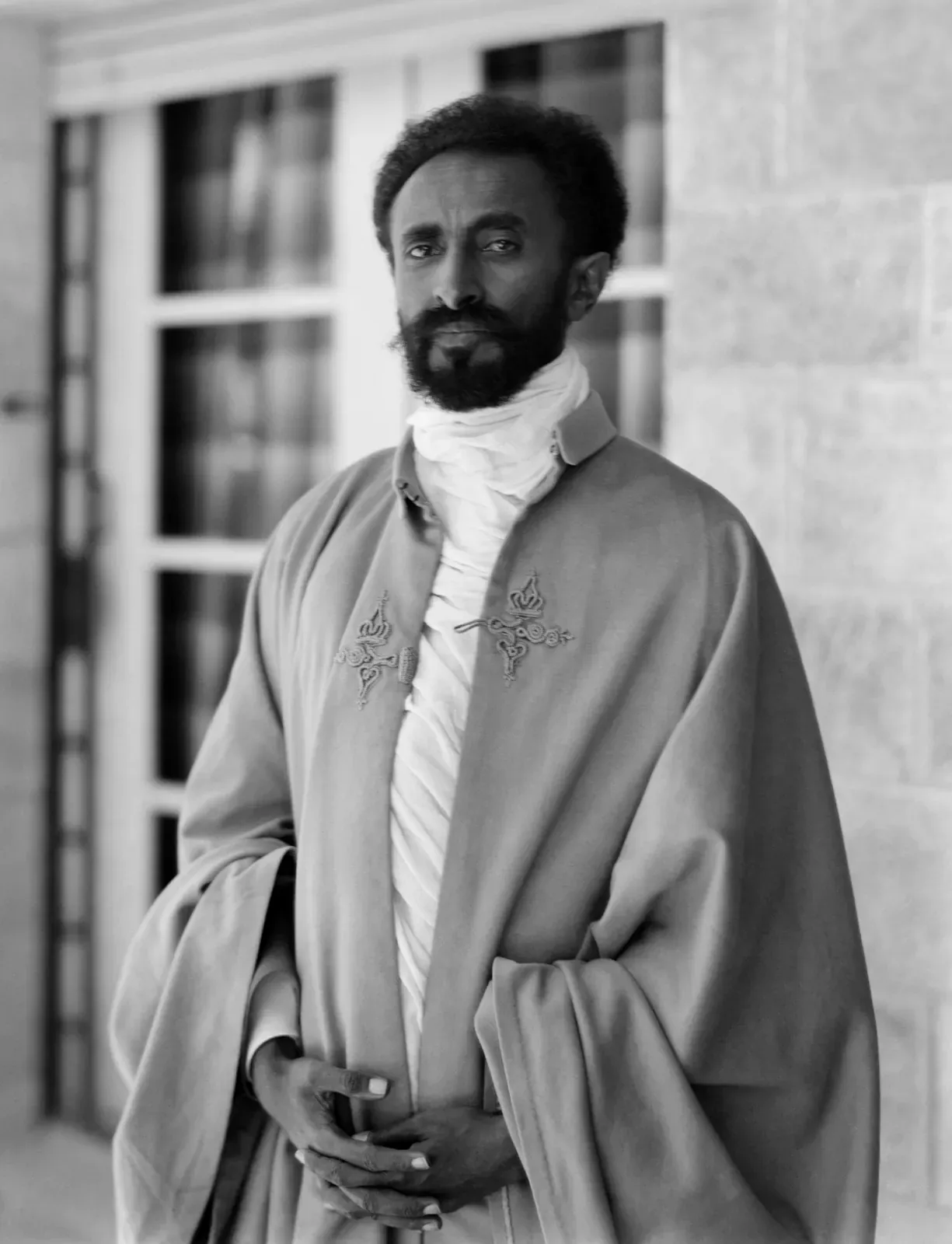
Rastafari emerges in 1930s Jamaica around Haile Selassie, and the word Nyabinghi arrives in the island press in 1935 to name Rasta gatherings.
- 1930Rastafari takes shape in JamaicaThe religion, devoted to Haile Selassie, emerges in the 1930s and later supplies the setting for nyabinghi music.
- 1935The word Nyabinghi reaches JamaicaAn Italian journalist's article, published in Italy in 1934, appears in the Jamaica Times in 1935, and Rastas adopt the name for their gatherings.
around 1950
Wareika Hill and the first records
Count Ossie's Rockfort community near Wareika Hill trains Kingston musicians, and his drummers reach record with Oh Carolina in 1959 and Harry Mudie singles in the early 1960s.
- 1950Count Ossie founds the Rockfort communityHe sets up a Rasta community near Wareika Hill in east Kingston where many Kingston musicians learn about Rastafari.
- 1955Nyabinghi drumming takes shapeRasta drummers develop a ritual style drawing on Burru, Kumina and Revival Zion drumming.
- 1959Mahfood brings the drummers to the stageDancer Margarita Mahfood insists that Count Ossie's group join her Ward Theatre show, opening doors in Kingston.
- 1959Oh CarolinaPrince Buster produces the Folkes Brothers song with Rasta hand drumming from Ossie's group at the JBC studios.
- 1961Harry Mudie singlesCount Ossie and the Wareikas record African Shuffle and other singles for Harry Mudie.
- 1967Lion of Judah Time on JBC radioRas Michael becomes the first Rasta to host a reggae program on Jamaican radio.
1970
Grounation and roots reggae
The Mystic Revelation of Rastafari releases Grounation in 1973, Ras Michael and the Sons of Negus record from 1974, and nyabinghi rhythms inform roots reggae.
- 1973GrounationCount Ossie and the Mystic Revelation of Rastafari release a three-LP set that includes a 30-minute title track.
- 1973Rasta Man Chant on BurninBob Marley and the Wailers carry a Rasta chant with drumming onto a worldwide album.
- 1974Nyahbinghi by Ras MichaelTommy Cowan releases the first Sons of Negus album, recorded from the group's live sound.
- 1976Count Ossie diesHe is killed in a road accident on 18 October at age 50; the Mystic Revelation of Rastafari carries on.
- 1978One Love Peace ConcertRas Michael performs with Bob Marley at the concert in Jamaica.
1980
Continuation after Ossie
Count Ossie dies in 1976, his group continues into the 1990s, and Ras Michael keeps recording and teaching, with an Order of Distinction in 2015.
- 2015Order of Distinction for Ras MichaelThe Jamaican government announces the honour for his contribution to the country's music.
Listening path
Start listening
A short path from an easy way in to the deep end. Thumbnails come from YouTube; the player loads only when you press play.
- 01
Bob Marley & The Wailers, 1973
A Rasta chant with hand drums, the easiest way into the sound.
- 02
Burning Spear, 1975
Roots reggae built on nyabinghi chant and drum feel.
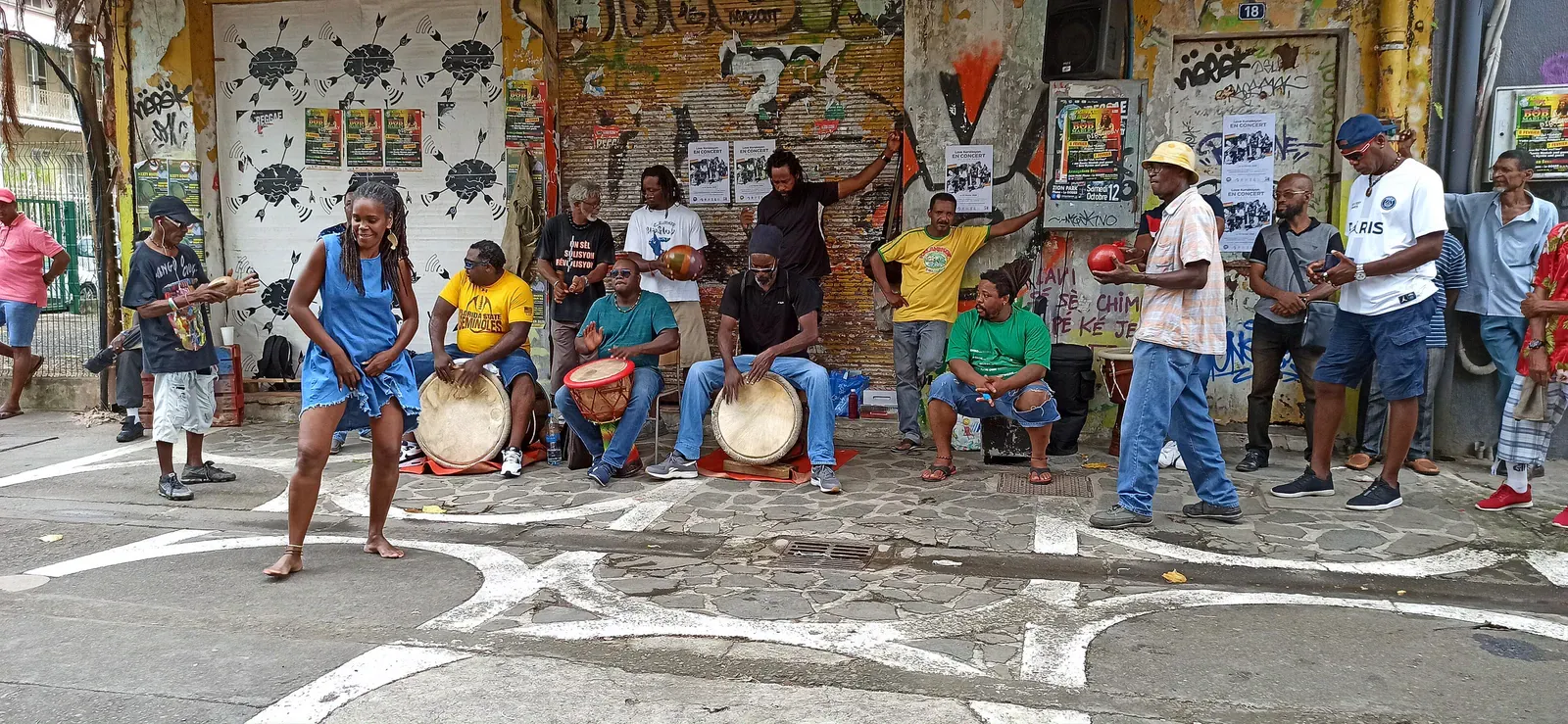
Nyabinghi is the ritual drumming and chanting of the Rastafari movement in Jamaica. It developed among Rasta drummers in the 1950s from older Afro-Jamaican styles and is built on a set of three hand drums that carry call-and-response chants at religious gatherings.
The same word names those gatherings and one of the oldest branches of the faith, and its rhythms became a base for roots reggae within the Caribbean family.
Origins
Rastafari took shape in Jamaica in the 1930s around devotion to Haile Selassie of Ethiopia. The word Nyabinghi came later, through an Italian journalist’s article published in Italy in 1934 and in the Jamaica Times in 1935. Written as propaganda against anti-colonial movements, it described a secret society devoted to ending white rule, and early Rastas took the name for their own gatherings. The name itself belongs to a much older tradition: in Rwanda, Uganda and Tanzania, Nyabinghi is a legendary woman around whom possession cults formed.
By the 1950s various Rasta drummers had worked out a ritual style they called Nyabinghi drumming. It drew on Burru drumming and on the drum traditions of Kumina and Revival Zion, with Congolese roots in the case of Kumina. The result was a slow, heavy pulse suited to hours of chanting and prayer rather than dancing.
Wareika Hill and the first records
Count Ossie, born Oswald Williams, founded a Rasta community at Rockfort near Wareika Hill in east Kingston in the early 1950s, and many of the city’s musicians went there to learn about Rastafari. Rastas were outlawed and rejected by the music establishment, and his drummers found work only after the dancer Margarita Mahfood insisted on including them in her Ward Theatre show around 1959.
The first recording came the same year. Prince Buster produced the Folkes Brothers song Oh Carolina at the JBC studios with Ossie’s drummers behind it. The song is rhythm and blues in form, yet it carries Rasta hand drumming that earlier R&B records in Jamaica did not, and some historians count it among the first ska records. In the early 1960s Count Ossie and the Wareikas also recorded singles such as African Shuffle for Harry Mudie, with saxophonist Bobby Gaynair and trombonist Rico Rodriguez, and worked with Coxsone Dodd’s Studio One. Other Jamaican artists later hired the group as percussionists on ska and reggae sessions.
Grounation and the Sons of Negus
Count Ossie later formed the Mystic Revelation of Rastafari, which added horns, including the saxophone and flute of Cedric Brooks. Its three-LP set Grounation (1973) joined nyabinghi drums, jazz and spoken Rasta oration, and its title track runs over thirty minutes. Tales of Mozambique followed in 1975. Ossie was killed in a road accident on 18 October 1976 at the age of 50, and the group carried on into the 1990s.
Ras Michael, a Rasta from Saint Mary raised in Kingston’s Waterhouse district, led the other main group, the Sons of Negus. His JBC radio program The Lion of Judah Time, first aired in 1967, was the first reggae show hosted by a Rasta in Jamaica. Producer Tommy Cowan released the group’s first album, Nyahbinghi, in 1974. It sold poorly, so Cowan added top studio players, including Robbie Shakespeare, Earl “Chinna” Smith and Peter Tosh on guitar, for Rastafari (1975), a better seller with a cover painting of the young Haile Selassie by Neville Garrick. Ras Michael also played sessions at Lee Perry’s Black Ark with Bob Marley and performed with Marley at the One Love Peace Concert in 1978. He has recorded more than 25 albums, and in 2015 the Jamaican government announced an Order of Distinction for his contribution to the island’s music.
Characteristics
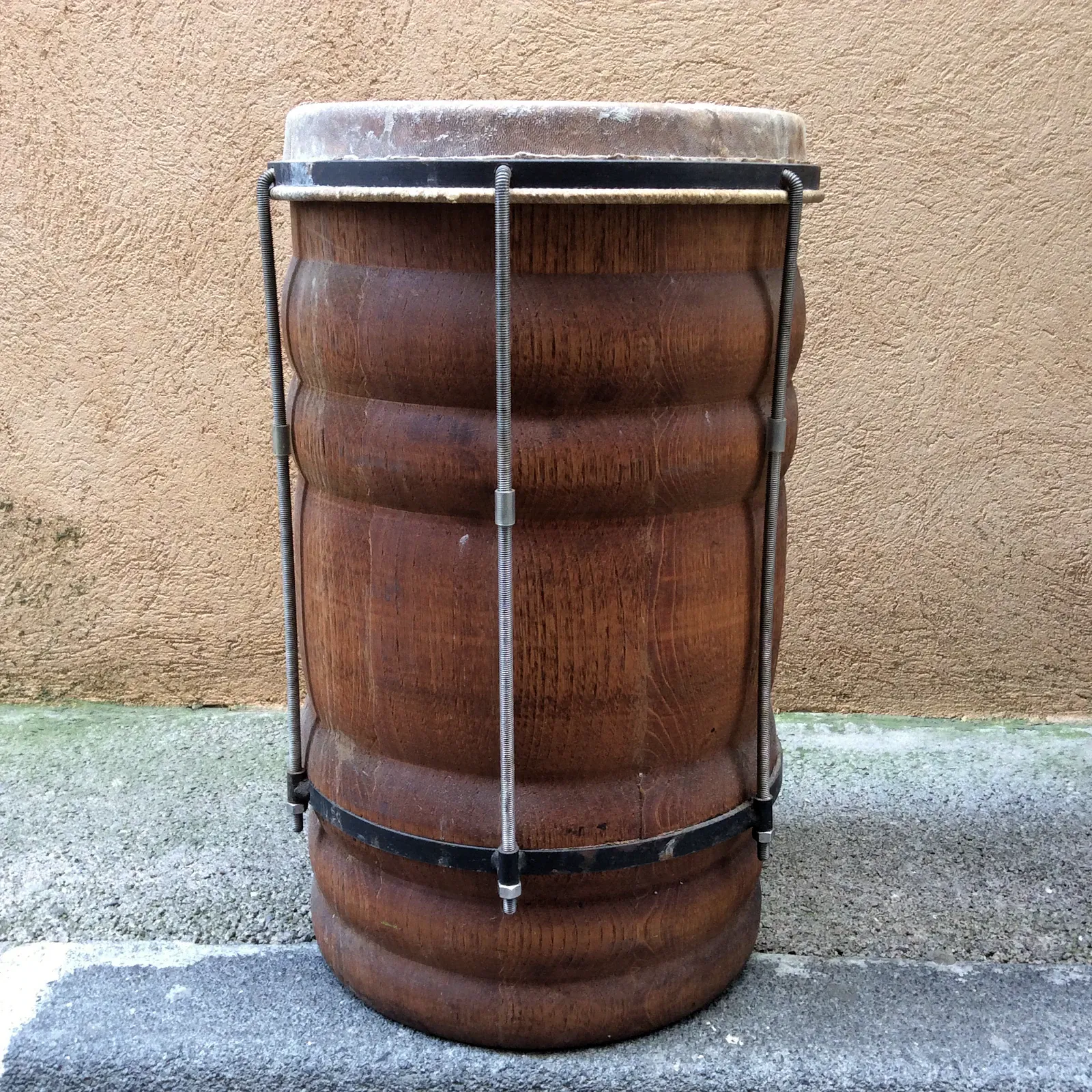
A nyabinghi set uses three drums: a bass drum for the low pulse, the funde for a steady syncopated pattern in the middle, and the repeater, the highest drum, which improvises over the other two. Chants are led by a voice and answered by the gathering, usually in unison. Tempo is slow compared with most reggae: measured tracks from the movement sit between about 55 and 110 beats a minute at their felt pulse.
Influence on roots reggae
Nyabinghi supplied the chant, drum feel and Rasta imagery of 1970s roots reggae. Burning Spear’s Studio One debut and Marcus Garvey (1975) are built on that chant style, and Bob Marley and the Wailers placed Rasta Man Chant on Burnin’ in 1973. Count Ossie’s drummers, and later the Sons of Negus, are the link between the ritual and the commercial records.
Culture
A nyabinghi, or binghi, is a gathering of drumming, chant and prayer. Among Rasta women, Queen Nyabinghi and Empress Menen Asfaw are symbols of women’s agency against domination. The two names of the music, Nyabinghi and Nyahbinghi, are both in use.
Legacy
Count Ossie’s centenary falls in 2026, and the Mystic Revelation of Rastafari still carries his name. Ras Michael continues to record and perform and runs culture centres in Kingston and Los Angeles. Nyabinghi remains a living religious practice, not only a recorded style.
Misconceptions
Nyabinghi is not a type of reggae: it is a ritual music that predates the genre and fed it. Nor does the name come from Jamaica, since it was borrowed from East African tradition by way of a 1930s press article. It is also not one fixed repertoire, because the repeater drum improvises and groups such as the Mystic Revelation added jazz horns.
Frequently asked questions
What is nyabinghi music?
Nyabinghi is the drumming and chanting of Rastafari, played on three hand drums for religious gatherings in Jamaica.
Who made the first nyabinghi records?
Count Ossie and his drummers reached record in 1959 on Oh Carolina by the Folkes Brothers, and led their own albums from 1973.
How is nyabinghi different from reggae?
Nyabinghi is ritual music with hand drums and chants. Reggae is a popular band style that took its Rasta chants and drum feel from it.
Sound
Sound sheet
Anatomy of a track
| # | Part |
|---|---|
| 1 | Chant call |
| 2 | Bass and funde pulse |
| 3 | Repeater improvisation |
Signature sounds
- Three-drum set of bass, funde and repeater
- Call-and-response chants
- Slow heartbeat-like pulse
Drums and percussion
- Bass drum
- Funde
- Repeater
Techniques
- Call-and-response chanting
- Repeater improvisation
- Heating the drum heads
Tuning
Hand drums are tuned by warming the skins; chants follow free vocal pitch.
Vocals
Unison and call-and-response chants of Rasta hymns over hand drums.
Scenes
Where it happened
Where and when the sound lived: one bar per city on a shared timeline.
Caribbean
Active scenes
Peak 1, 1950-2025
Wareika Hill, Rockfort and Waterhouse were the base of Ossie's group and Ras Michael.
Venues and places
Kingston, 1950 to today. Count Ossie's Rockfort settlement where many Kingston musicians learned about Rastafari.
Kingston, 1959 to today. Site of the Mahfood show that put Ossie's drummers before a Kingston audience.
Kingston, 1959 to today. Where Oh Carolina was recorded with Rasta hand drumming.
Culture
Culture markers
- Nyabinghi gathering
Rasta gathering of drumming, chant and prayer; the name also designates one of the oldest Rastafari branches, the House of Nyabinghi.
Ritual - Queen Nyabinghi
Among Rasta women, Queen Nyabinghi and Empress Menen Asfaw stand as symbols of women's agency against domination.
Ritual - Haile Selassie portrait sleeves
The 1975 Rastafari album shows a painting of a young Haile Selassie by Neville Garrick.
Artwork
Media
Key media
- 1967The Lion of Judah Time
by Ras Michael. JBC program that was the first reggae radio show hosted by a Rasta.
Radio - 2003The First Rasta
by Hélène Lee. History of Rasta drummers and the Kingston music establishment's rejection of them.
Book
Glossary
Terms on this page
Afro-Jamaican drumming tradition and one root of nyabinghi.
Rasta gathering for drumming, chant and reasoning; also the title of Count Ossie's 1973 album.
Afro-Jamaican ritual drum tradition of Congolese origin that fed nyabinghi.
Rastafari gathering and the drumming style used at such gatherings.
The improvising lead drum of the nyabinghi set.
Caribbean family