Kompa
Kompa is Haitian dance music created by saxophonist Nemours Jean-Baptiste in the mid-1950s, built on a pulsing beat, guitars and horns, and a root of zouk.
Haiti, 1955
Caribbean family
Born
1955
Haiti
Links
11
Genres it drew on or shaped
Tempo
115-125 BPMLineage
Family tree
Grew out of
- Haitian méringue
Derived from
Haiti
Kompa
Timeline
Era by era
From the first sparks to today. Select a dot to read the story behind it.
- Callebasses and konpa direct
1955 to 1964
- Mini-jazz bands
1965 to 1979
- Diaspora and gouyad
1980 to 1999
- Modern bands
2000 to today
Eras
Moments
- 1 Callebasses and konpa direct, 1955 to 1964
- 2 Mini-jazz bands, 1965 to 1979
- 3 Diaspora and gouyad, 1980 to 1999
- 4 Modern bands, 2000 to today
1955
Callebasses and konpa direct
Nemours Jean-Baptiste founded Ensemble Aux Callebasses in 1955 and shaped a modern meringue with electric guitars and saxophones. Rival Webert Sicot answered with cadence rampa in 1962.
- 1955Ensemble Aux Callebasses foundedSaxophonist Nemours Jean-Baptiste founds the band in Port-au-Prince whose sound becomes konpa direct.
- 1957Ensemble becomes Nemours Jean-BaptisteThe group takes its leader's name, fixing his role as the creator of the style.
- 1962Cadence rampa splitWebert Sicot leaves Nemours' band and names his own version cadence rampa, opening a rivalry that fuelled both camps.
- 1962Carré dance introducedNemours Jean-Baptiste introduces carré, a two-step partner dance, for the compas ballroom crowd.
- 1963Les Frères Déjean formedLyonel Déjean founds the Pétion-Ville band first named Les Frères de Pétion-Ville.
1965
Mini-jazz bands
Small Port-au-Prince and Pétion-Ville bands such as Shleu-Shleu, Les Frères Déjean and Tabou Combo trimmed the big orchestra to two guitars, bass, percussion and optional horns.
- 1965Shleu-Shleu start the mini-jazz eraFormed on 22 December 1965, the band's reduced line-up gives the small-band format its name.
- 1968Tabou Combo foundedYoung musicians in Pétion-Ville form the band that later becomes kompa's best-known export.
- 1973Tabou Combo's New York CityThe song about Haitian life in New York becomes the band's signature hit abroad.
- 1974Guêpe PangnoleSkah Shah, the former Shleu-Shleu, record the album that gives mini-jazz one of its best-known tracks.
- 1975The Masters on Mini RecordsTabou Combo's album appears on Mini Records, the Brooklyn label that issued much Haitian dance music.
1980
Diaspora and gouyad
Haitian migration to New York and Miami and tours across the Caribbean and Africa spread the style, while slower kompa gouyad emerged and zouk grew from it in the French Antilles.
- 1980Kompa gouyad emergesA slower, more sensual variant of kompa appears during the 1980s.
- 1992T-Vice formedThe band formed in Port-au-Prince later settles in Miami and leads modern kompa.
2000
Modern bands
Bands such as Carimi and T-Vice, based in New York and Miami, blend kompa with reggae, hip-hop and R&B. UNESCO recognised compas as intangible heritage in 2025.
- 2001Carimi assembled in New YorkThe popular band is assembled in New York City and is active until about 2016.
- 2025UNESCO recognitionCompas is recognised as intangible cultural heritage.
Listening path
Start listening
A short path from an easy way in to the deep end. Thumbnails come from YouTube; the player loads only when you press play.
- 01
Tabou Combo, 1973
Tabou Combo's signature song about Haitian life in New York; listen for the steady guitar and drum pulse.
- 02
Skah Shah, 1974
A mini-jazz track from the successors of Shleu-Shleu, built on paired guitars and a driving rhythm section.
- 03
Tabou Combo, 1991
A later Tabou Combo song showing how the band kept the kompa pulse across decades.
Facts
| Family | Caribbean |
| Origin | Haiti |
| Emerged | Mid-1950s |
| Status | Active |
| Tempo | 115 to 125 BPM |
| Meter | 4/4 |
| Grew out of | Haitian méringue |
Kompa (also spelled konpa or compas, and called compas direct or konpa dirèk) is a Haitian dance music that grew out of méringue in the mid-1950s. It is built on a steady pulsing drumbeat with electric guitars and horns, and it is danced in pairs.
The saxophonist Nemours Jean-Baptiste is credited with creating it, and it belongs to the wider Caribbean family of dance music.
Origins
Before kompa, traditional Haitian méringue dominated the dance floors. Nemours Jean-Baptiste, born in Port-au-Prince in 1918, wanted a more modern version and added elements of Latin and jazz music that were gaining ground across the Caribbean. In 1955 he founded Ensemble Aux Callebasses. Two years later it became Ensemble Nemours Jean-Baptiste. The new sound gave the rhythm and harmony more structure, using electric guitars, saxophones and a strong brass section.
The name has several layers. The word compas means measure or rhythm in Spanish, and direct refers to the direct beat. Creole spelling officially uses konpa, but kompa with an m is the most popular form.
Kompa rose during the presidency of François Duvalier, when the state promoted Haitian culture to build national unity. The style crossed class lines and became popular with both the elite and working-class listeners.
Rivalry and spread, 1955-1964
In 1962 the saxophonist Webert Sicot left Nemours’ band and named his own variant cadence rampa, in the spirit of competition. Both men toured the Caribbean in the early 1960s, visiting Curaçao, Aruba, Saint Lucia, Dominica and especially Martinique and Guadeloupe. Sicot recorded several albums with producers in the French islands. Groups such as Les Guais Troubadours helped local musicians learn the rhythms, and by the late 1960s almost every prominent Haitian band had played there. Nemours also introduced a two-step partner dance, carré, in 1962.
Mini-jazz bands, 1965-1979
From the mid-1960s, small neighbourhood bands replaced the big orchestra. In Haiti the word jazz had become a general term for a dance band, so these groups were called mini-jazz. A typical line-up had paired electric guitars, electric bass, a drum set with congas and timbales, and two cowbells, one on the timbales and one on the floor tom. Some added an alto sax or a horn section, others a keyboard or accordion.
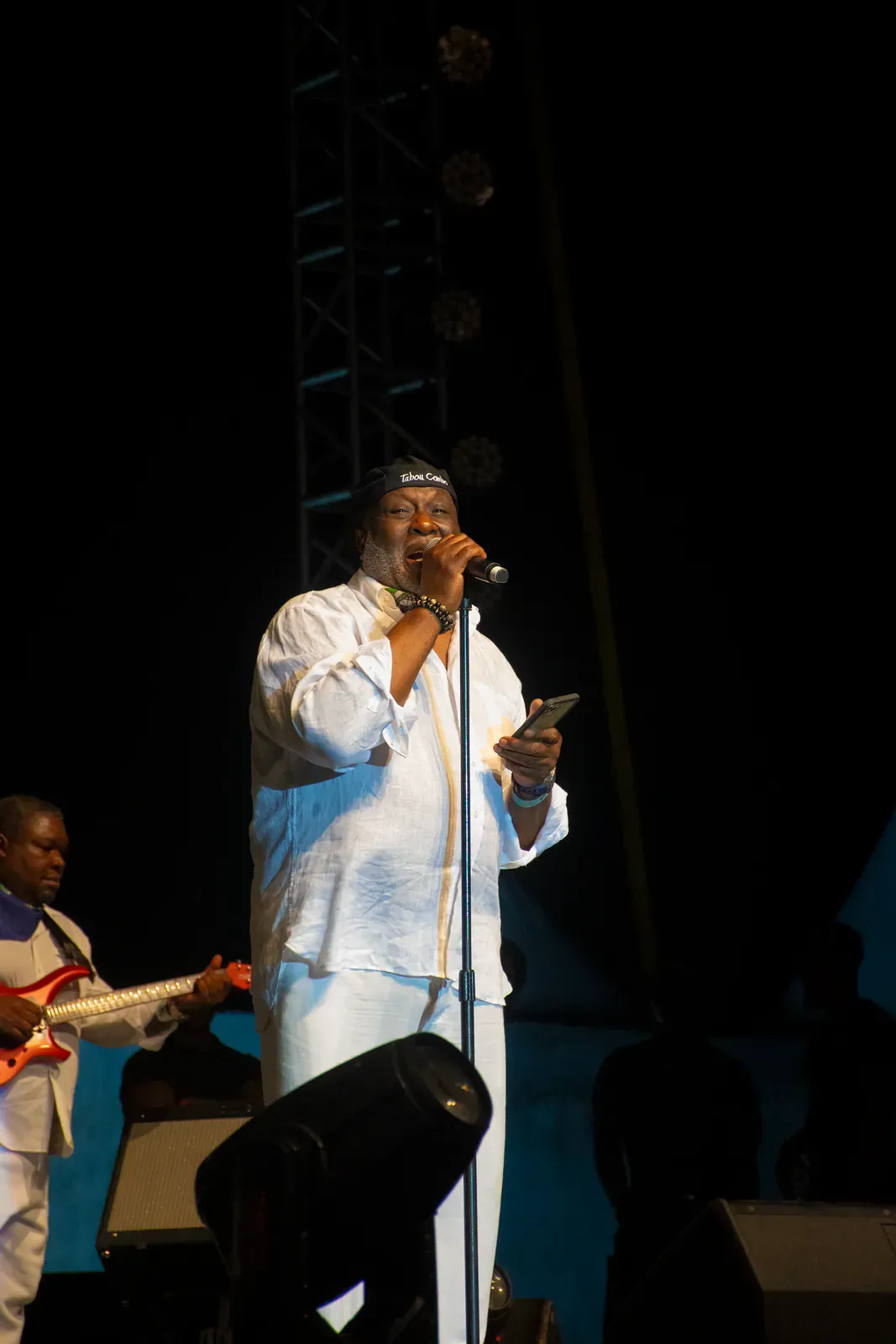
Shleu-Shleu, formed on 22 December 1965 in Port-au-Prince, launched the format and the term. Les Frères Déjean, created in 1963 as Les Frères de Pétion-Ville, Tabou Combo and others from Pétion-Ville and Port-au-Prince formed the core of the movement. The music was linked to the urban middle class, and the small line-ups were easy to tour. Orchestre Septentrional kept the big-orchestra tradition alive in the north.
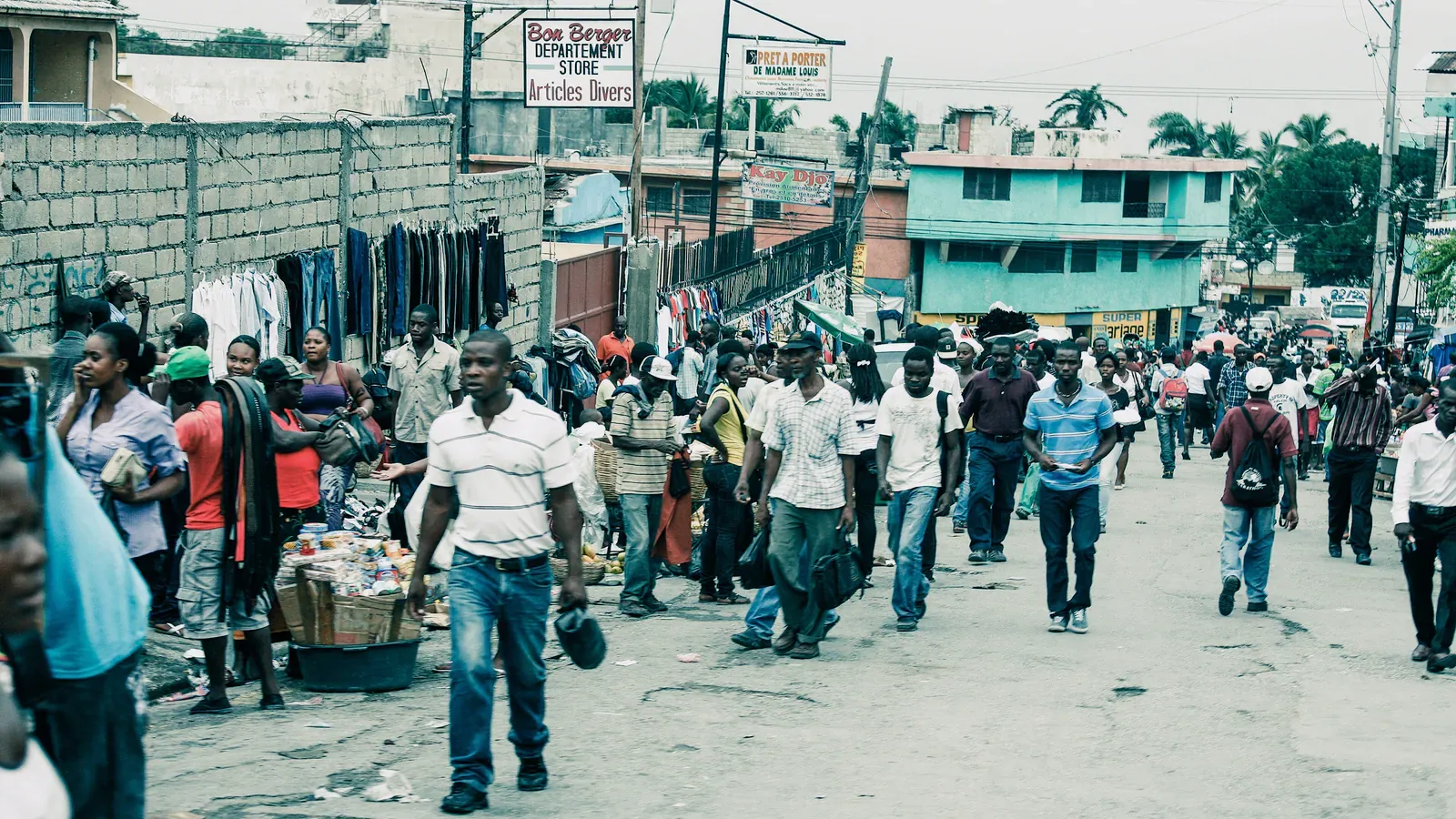
Diaspora and world tours, 1980-1999
In the 1970s and 1980s Haitian bands toured the Caribbean, Europe, Africa and the Americas. Tabou Combo became one of the best-known acts. In Panama listeners adopted its music as their own and called it reggae haitiano, and the band was the first from Haiti to play in Japan, Ivory Coast and Senegal. Coupé Cloué, known for humorous, sometimes bawdy lyrics and the style he called kompa manba, toured West Africa, where he was crowned king. Concerts in New York, including Central Park, drew large crowds of Haitian migrants. A slower, more sensual variant, kompa gouyad, emerged in the 1980s.
Brooklyn labels such as Mini Records issued albums by Tabou Combo and others for the diaspora market.
Characteristics
The beat is the defining feature: a consistent, pulsating tanbou pattern. Guitars strum rhythmically, horns add bright lines, and the voice, in Creole or French, sings anything from romance to comedy. The music blends African, Latin and European influences. Dancing is smooth and close, with hip sway, gentle footwork and turns, and it is less hurried than merengue or salsa.
Instruments and production
The core is the drum set with congas and timbales, a tanbou on some recordings, two electric guitars and a bass. Saxophones and trumpets appear in larger groups. Smaller line-ups often use a keyboard or accordion to supply harmony, which keeps the band mobile for club and festival work.
Mainstream success
Kompa became the main popular music of Haiti and a leading dance style in the French Antilles and among the diaspora. Its influence is also strong in Dominica, and in Panama Tabou Combo found a devoted audience. Bands such as T-Vice, formed in Port-au-Prince in 1992 and now based in Miami, and Carimi, assembled in New York City in 2001, carried it into the twenty-first century by blending in reggae, hip-hop and R&B. In 2025 compas was recognised as intangible cultural heritage.
Notable recordings
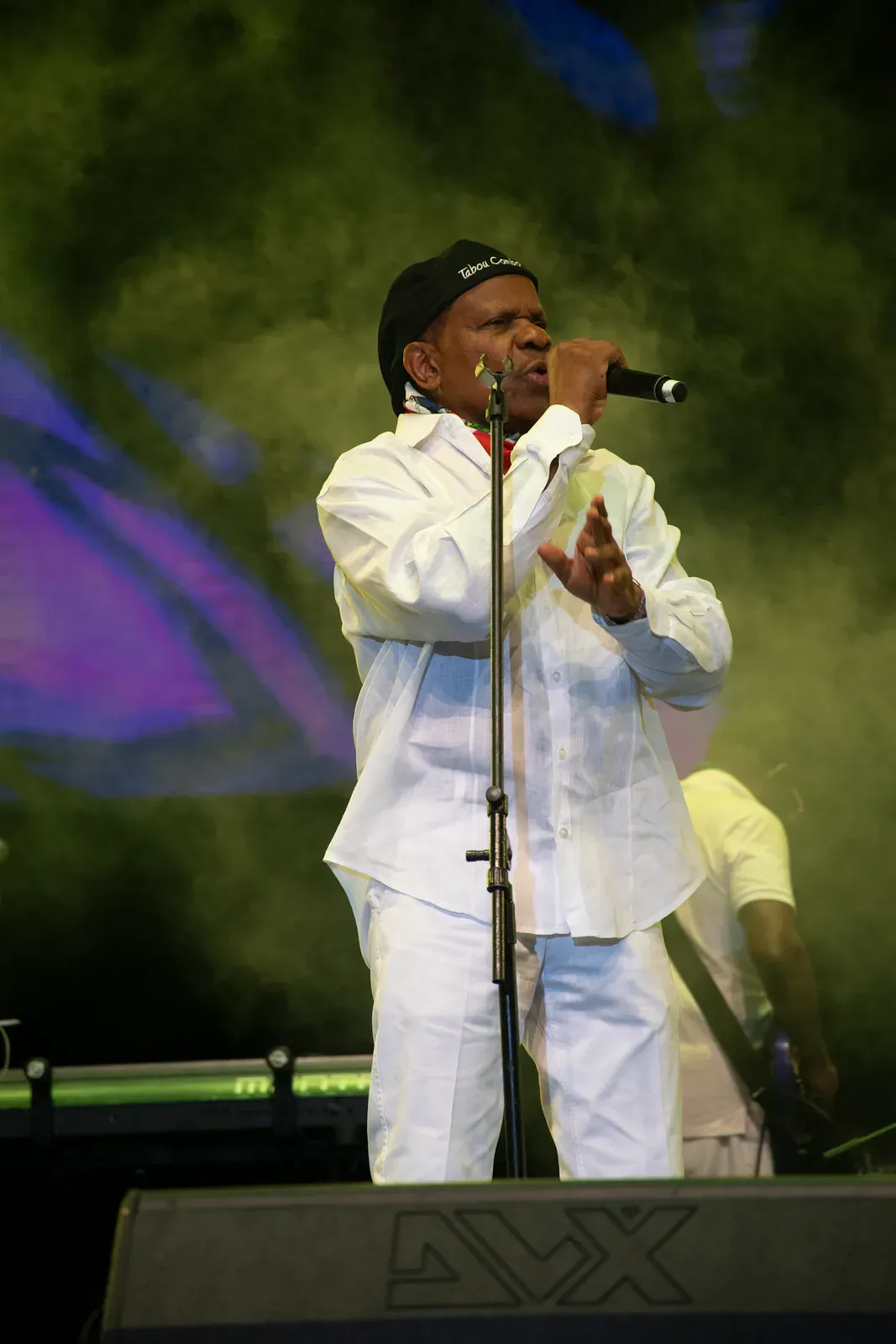
Tabou Combo’s New York City is the band’s signature song abroad, and its Zap Zap remained in the repertoire for decades. Skah Shah, the successor of Shleu-Shleu, recorded Guêpe Pangnole in 1974, a mini-jazz title track still widely played. Les Frères Déjean released their first album of hits more than ten years after forming. Nemours Jean-Baptiste’s L’As du Rythme from 1964 captures the creator at the height of his rivalry with cadence rampa.
Culture
Kompa plays at weddings, festivals and community events, and at Haitian Carnival and diaspora gatherings people of all ages dance. The carré and close-embrace couple dances link the music to social life, and bands compete through rivalries that echo the one between Nemours and Sicot.
Legacy
Kompa played a major role in shaping zouk in the French Antilles, where musicians in Martinique and Guadeloupe took up the rhythms and developed their own style. It also influenced Dominican merengue. Wherever Haitian bands toured, from Cape Verde to Paris, the pulse of konpa left a mark.
Misconceptions
Kompa is not simply Haitian merengue: it grew out of méringue but changed the rhythm and instrumentation and the dance. It is not only a Haitian style, since in the French Antilles the same rhythm took the name zouk. It is also not a single sound: cadence rampa, mini-jazz and kompa gouyad show different tempos and line-ups within the family.
Frequently asked questions
Who created kompa?
Nemours Jean-Baptiste, a Haitian saxophonist and bandleader, created kompa after founding Ensemble Aux Callebasses in 1955. Webert Sicot, who left his band in 1962, named a rival variant cadence rampa.
What does kompa mean?
The word compas means measure or rhythm in Spanish. Compas direct, as the style was named, refers to a direct beat, and kompa is the popular Creole spelling.
What is the tempo of kompa?
Typical recordings sit at about 115 to 125 beats per minute, in four beats to the bar.
What is mini-jazz?
Mini-jazz is a reduced kompa band of two guitars, bass, percussion and optional horns or keyboards, launched in the mid-1960s by Shleu-Shleu.
Sound
Sound sheet
Signature sounds
- Pulsing tanbou direct beat
- Paired electric guitars strumming rhythmically
- Two cowbells on timbales and floor tom
- Horn section or alto sax lines
- Ballroom partner dance feel
Drums and percussion
- Drum set
- Congas
- Timbales
- Tanbou
Techniques
- Pulsating tanbou beat
- Rhythmic guitar strumming
- Two-cowbell pattern
- Reduced mini-jazz line-up
Keys and modes
Major and minor tonal harmony. Guitar and horn arrangements follow Western tonal harmony.
Tuning
Western equal temperament
Vocals
Lead vocals in Haitian Creole or French, from humorous and bawdy lines to romantic songs.
Scenes
Where it happened
Where and when the sound lived: one bar per city on a shared timeline.
Caribbean
North America
Active scenes
Peak 5, 1990-2025
Home of Nemours Jean-Baptiste, Webert Sicot and Shleu-Shleu, and the centre of the style.
Suburb where Les Frères Déjean, Tabou Combo and other mini-jazz bands formed.
Part of the French Antilles, where Haitian bands toured and local musicians took up the style.
Diaspora hub with concerts in Central Park and a base for bands such as Carimi.
Base of T-Vice and other modern kompa bands.
Culture
Culture markers
- Close-embrace couple dance
Danced in pairs with hip swaying and gentle footwork, often holding the partner tightly.
Dance - Carré
Two-step square dance introduced by Nemours Jean-Baptiste in 1962.
Dance - Haitian Carnival and diaspora festivals
Bands play for crowds of all ages at carnival and diaspora events.
Ritual
Glossary
Terms on this page
Rival style named by Webert Sicot in 1962 after he left Nemours' band.
Two-step partner dance introduced by Nemours Jean-Baptiste in 1962.
Slower, more sensual variant that emerged in the 1980s.
Creole name for compas direct, the direct-beat style created by Nemours Jean-Baptiste.
Reduced méringue-compas band, in Haiti jazz is a general word for dance band.
Caribbean family