Chutney music
Chutney is Indo-Caribbean dance music that mixes Hindustani and Bhojpuri folk song with calypso and soca, born in Trinidad around the 1940s.
Trinidad & Tobago, Suriname, Guyana, around 1940
Caribbean family
Born
around 1940
Trinidad & Tobago, Suriname, Guyana
Subgenres
2
Documented branches
Links
7
Genres it drew on or shaped
Tempo
120-130 BPMLineage
Family tree
Grew out of
- Tan singing
Derived from
Influenced by
Trinidad & Tobago, Suriname, Guyana
Chutney
Led to (2)
Timeline
Era by era
From the first sparks to today. Select a dot to read the story behind it.
- Folk roots
1940 to 1967
- First recordings
1968 to 1986
- Chutney soca and the Monarch
1987 to today
Eras
Moments
- 1 Folk roots, 1940 to 1967
- 2 First recordings, 1968 to 1986
- 3 Chutney soca and the Monarch, 1987 to today
around 1940
Folk roots
Indo-Caribbean descendants of indentured laborers fuse Hindustani and Bhojpuri folk song with calypso, mostly at weddings and religious gatherings.
- 1940Hindustani folk meets calypsoIndo-Caribbean communities begin blending Hindustani and Bhojpuri folk music with calypso.
- 1963Mohammed brothers stage showsSham and Moean Mohammed host shows with Surinamese singers Ramdew Chaitoe and Dropatie.
1968
First recordings
Ramdew Chaitoe records in Suriname in 1968, and Sundar Popo's 1969 Nani and Nana adds guitars and early electronics, making chutney a recorded dance music.
- 1968Ramdew Chaitoe's King of SurinameThe earliest recorded chutney, a religious album with a danceable sound.
- 1969Sundar Popo records Nani and NanaProducer Moean Mohammed has the song recorded with the BWIA National Indian Orchestra.
- 1979Come Dance with the ChampSundar Popo's first LP collects his 1970s singles.
1987
Chutney soca and the Monarch
Drupatee Ramgoonai names chutney soca in 1987, Carnival opens to the style, and the Chutney Soca Monarch competition begins in the 1995-96 season.
- 1987Chutney Soca albumDrupatee Ramgoonai coins the term chutney soca with English and Hindustani versions of each song.
- 1988Roll Up de TassaDrupatee's Road March contender builds an international market for chutney soca.
- 1990Soca LambadaTerry Gajraj launches his solo career in New York with an album that brings immediate success.
- 1994Sonny Mann's Soca ChutneyThe album is credited as the best-selling Indo-Caribbean album, with its title track charting in the Caribbean, US, Canada and England.
- 1995Black Stalin wins with Sundar Popo tributeA calypso about the veteran singer takes the Calypso Monarch title in February.
- 1996Chutney Soca Monarch beginsThe competition, set up in the 1995-96 Carnival season, becomes the largest Indo-Caribbean concert of its kind.
Listening path
Start listening
A short path from an easy way in to the deep end. Thumbnails come from YouTube; the player loads only when you press play.
- 01
Drupatee Ramgoonai, 1988
The Carnival hit built on tassa drumming and a soca beat.
Facts
| Family | Caribbean |
| Origin | Trinidad & Tobago, Suriname, Guyana |
| Emerged | C. 1940s, documented from 1968 |
| Status | Active |
| Tempo | 120 to 130 BPM |
| Meter | 4/4 |
| Grew out of | Tan singing |
Chutney is a fusion genre of the Indo-Caribbean, the descendants of indentured laborers brought from India to the West Indies. It blends Hindustani and Bhojpuri folk music with calypso and soca, and later with film music from India.
The mixture took shape around the 1940s in Trinidad and Tobago, and it is also popular in Guyana and Suriname. Lyrics are sung in Caribbean Hindustani, English or a mix of both.
Origins
The name comes from the Hindi word chatni, a spiced condiment, and the music mixes traditions in the same way. Descendants of indentured laborers carried wedding and devotional songs to the Caribbean, and by the 1940s these were meeting calypso and the dance rhythms around them. Early chutney was largely religious and was sung mainly by women, which is unusual among popular genres.
No chutney was recorded until 1968, when Ramdew Chaitoe of Suriname made an album, King of Suriname. Its songs were religious, yet they could be danced to. Chaitoe and the singer Dropatie had already toured Trinidad in shows put on by the promoter brothers Sham and Moean Mohammed. For the first time Indo-Caribbean listeners had music that was not simply Indian, African or European.
Sundar Popo and the first records, 1969-1986
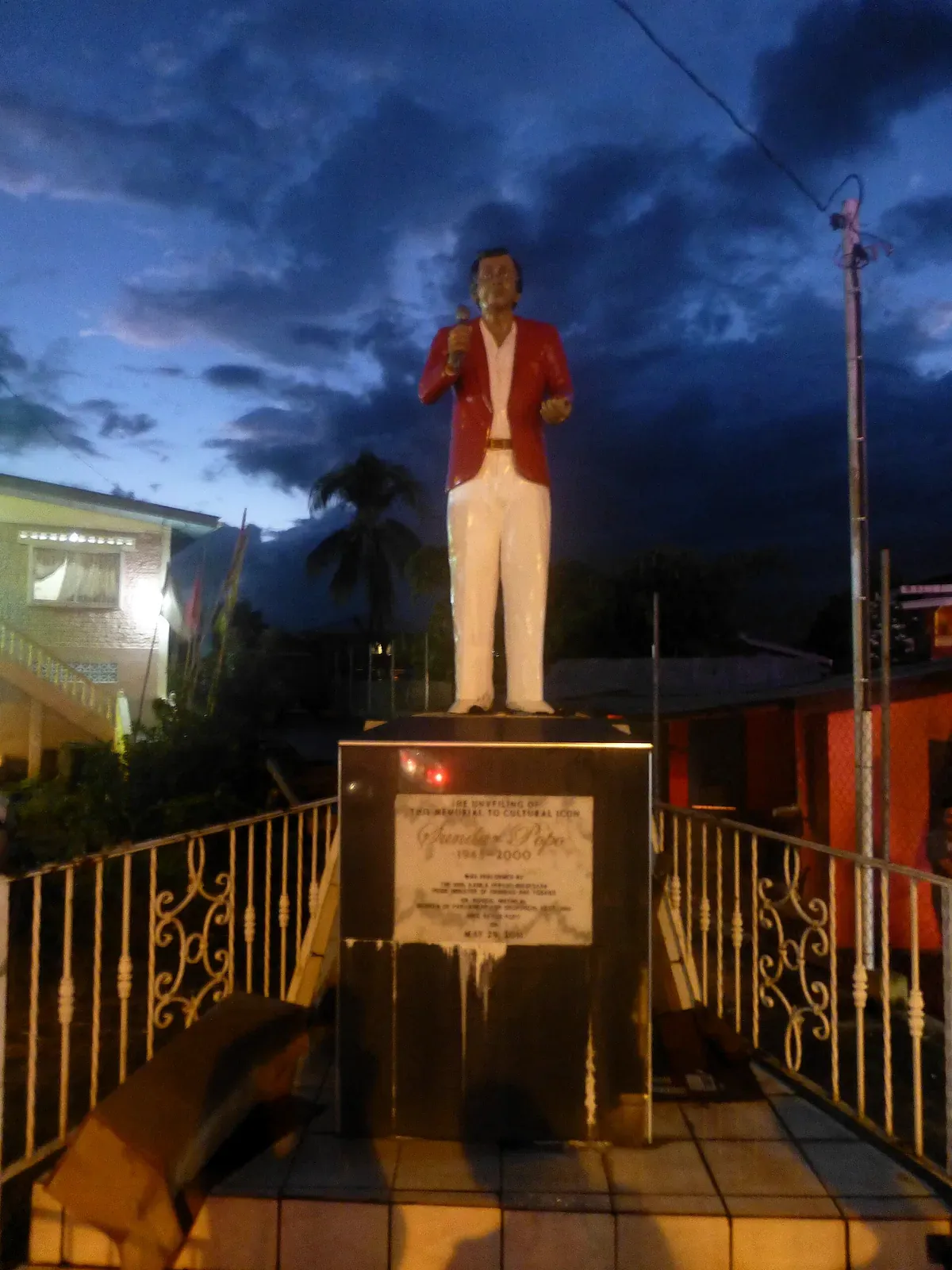
In 1969 the radio host and promoter Moean Mohammed heard Sundar Popo sing Nani and Nana, a song about an Indian grandmother and grandfather in Hindustani and Trinidadian English. Mohammed had the bandleader Harry Mahabir record it with the BWIA National Indian Orchestra. Popo added Western guitars and early electronics, and the record changed Indo-Caribbean music in Trinidad. He became known as the King of Chutney, though Lakhan Kariya of Chaguanas had sung in the style before him.
Popo’s singles appeared through Moean Mohammed’s Windsor Records, which sent them around the Caribbean, South America, North America and Europe. His first LP, Come Dance with the Champ, followed in 1979. Other early names include Rakesh Yankaran, Sam Boodram, Babla and Kanchan, and Heeralal Rampartap.
Chutney soca, 1987 to the present
Calypso and soca singers began adding Indian themes in the 1980s. In 1987 Drupatee Ramgoonai released the album Chutney Soca, with English and Hindustani versions of each song, and so named the crossover style. Her 1988 hit Mr. Bissessar, known as Roll Up de Tassa, was a Road March contender and opened an international market. Lord Shorty had already been adding dholak, tabla and dhantal to calypso in the 1960s and 1970s, which makes him the forerunner of the style.
In Guyana, Terry Gajraj started a solo career in New York in 1990 with Soca Lambada, and in 1995 he became the first Guyanese artist to perform at Trinidad’s Carnival. Sonny Mann’s 1994 album Soca Chutney is credited as the best-selling Indo-Caribbean album, with its title track charting in the Caribbean, the United States, Canada and England.
Characteristics
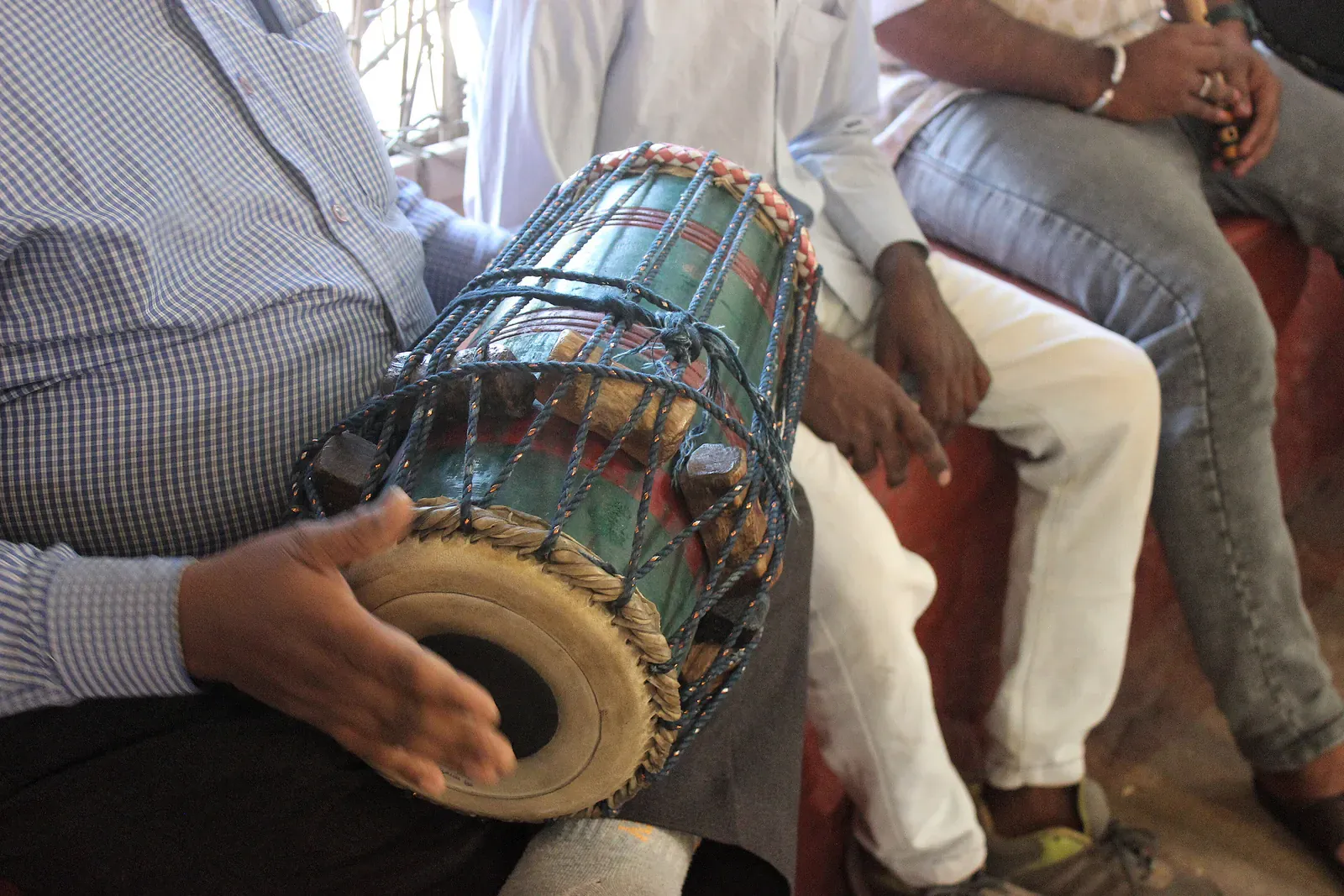
Modern chutney is fast dance music for the dance floor. A harmonium carries the melody, while the dholak and the dhantal keep the rhythm, and drum machines now play tassa patterns derived from film music, calypso or soca. Tassa is the drumming heard at the Hosay festival and at Hindu weddings. Electric guitar, bass and synthesizer fill out the band.
Mainstream success
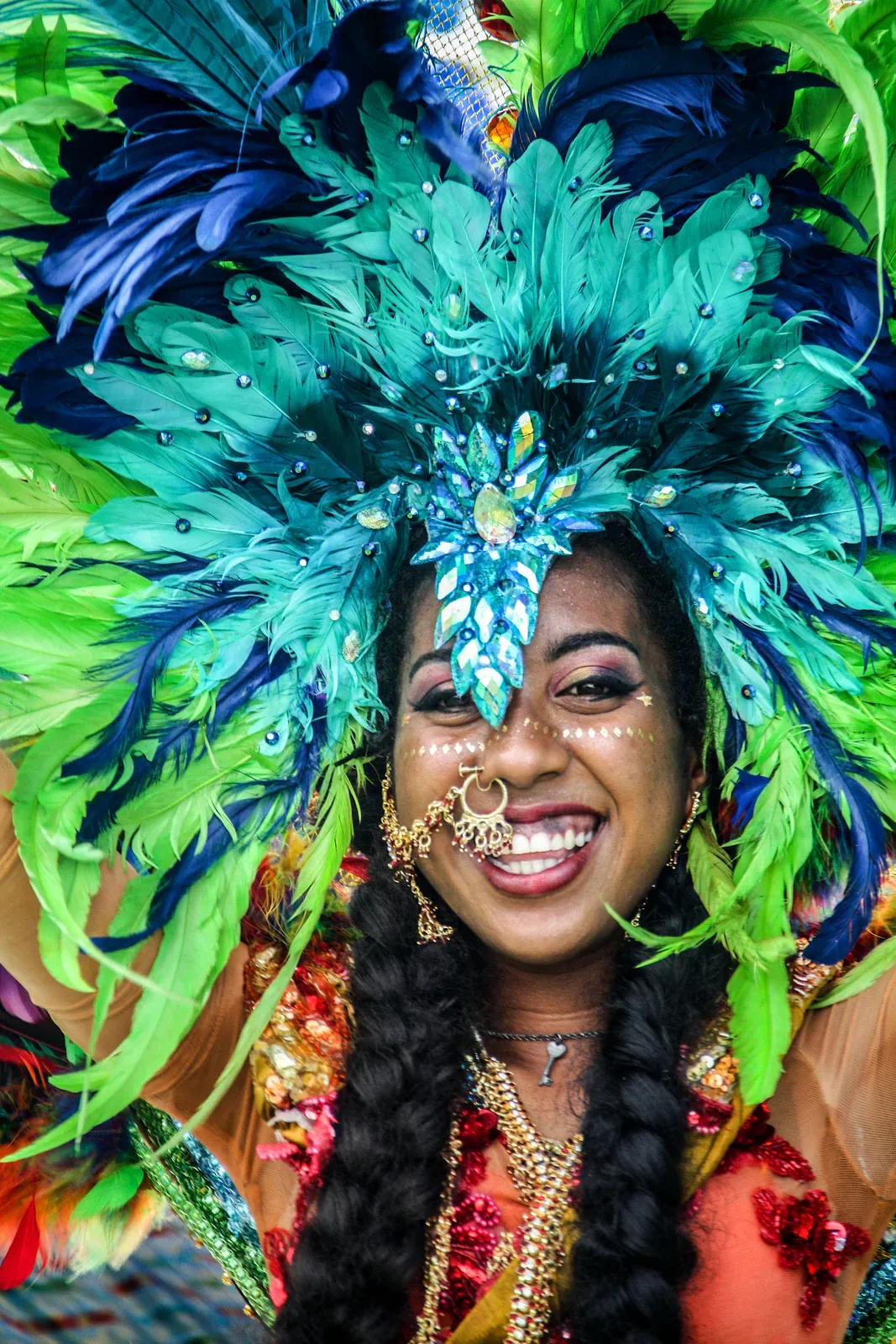
Carnival became chutney’s largest stage. The 1995-96 season saw the first Chutney Soca Monarch competition, and non-Indian singers also performed chutney soca that year. The contest grew into the biggest Indo-Caribbean concert of its kind. Winners include Sonny Mann and Heeralal Rampartap. Rikki Jai is a nine-time champion, while Rakesh Yankaran won the National Chutney Monarch title in 1996, 1997 and 2008. In February 1995 Black Stalin won the Calypso Monarch with a song about Sundar Popo, a sign of how far the music had moved into national life.
Notable recordings
Nani and Nana is the founding record: a song about everyday life in a family, in two languages, that gave Indo-Trinidadians a popular sound of their own. Roll Up de Tassa shows the next step, in which the tassa drum sits inside a soca arrangement.
Legacy
Chutney soca has become almost indistinguishable from chutney in recent years. Ravi B, who released Chutney Steam in 2023, and Rikki Jai continue the tradition in Trinidad, and the music is also heard in Jamaica, Fiji, Mauritius and South Africa. It belongs to the wider Caribbean family of dance styles and still ties Indo-Caribbean identity to Carnival.
Misconceptions
Chutney is not the same as soca. Chutney is rooted in Hindustani and Bhojpuri folk song, and chutney soca is its crossover with the soca beat. It is also not only a Trinidadian music, since it grew in Guyana and Suriname too and reached other countries of the Indian diaspora. Nor was it always party music: the first recorded chutney was devotional, and women dominated its early years.
Frequently asked questions
What is chutney music?
Chutney is an Indo-Caribbean genre that blends Hindustani and Bhojpuri folk song with calypso, soca and film music, sung in Caribbean Hindustani and English.
Who is the father of chutney music?
Sundar Popo of Trinidad is credited as the father of chutney music, beginning with his 1969 hit Nani and Nana.
What is chutney soca?
Chutney soca is a crossover of chutney with the soca beat. Drupatee Ramgoonai coined the term in 1987.
Sound
Sound sheet
Signature sounds
- Dholak and dhantal rhythm over a soca beat
- Harmonium melody line
- Hindustani and English lyrics in one song
Drums and percussion
- Dholak
- Tassa
Techniques
- Dholak over soca beat
- Drum-machine tassa
- Bilingual lyrics
Keys and modes
A major. Key of Mr. Bissessar, a typical major-key dance tune.
Vocals
Sung in Caribbean Hindustani, English or Hinglish, with women prominent in the early years.
Scenes
Where it happened
Where and when the sound lived: one bar per city on a shared timeline.
Caribbean
Latin America
North America
Active scenes
Peak 5, 1988-2025
Home town area of Lakhan Kariya, who sang in the chutney style before Sundar Popo.
Carnival capital, where the Chutney Soca Monarch competition draws the genre's biggest crowds.
Base of Ramdew Chaitoe, whose 1968 recordings reached Indo-Caribbeans across the region.
Guyanese scene that produced Terry Gajraj.
Diaspora hub where Popo headlined and Gajraj launched his solo career.
Culture
Culture markers
- Wedding songs
Early chutney grew from songs sung at weddings, largely by women.
Ritual - Chutney Soca Monarch
Annual Carnival-season competition, the genre's biggest stage.
Ritual - Tassa drumming
Festival and wedding drumming brought into chutney soca.
Ritual
Glossary
Terms on this page
From Hindi chatni, a spiced condiment, applied to this mixed musical style.
Crossover blending chutney with soca, the dominant form today.
Metal rod and beater percussion instrument.
Mix of Hindustani and English in a lyric.
Drumming used at the Hosay festival and Hindu weddings.
Caribbean family