Cadence-lypso
Cadence-lypso is a Dominican dance music that fused Haitian cadence rampa with Trinidadian calypso in the 1970s, led by Exile One and a forerunner of zouk.
Dominica, around 1950
Caribbean family
Born
around 1950
Dominica
Links
4
Genres it drew on or shaped
Tempo
90-145 BPMLineage
Family tree
Timeline
Era by era
From the first sparks to today. Select a dot to read the story behind it.
- Dominican dance bands
1950 to 1972
- The cadence-lypso boom
1973 to 1979
- Decline
1980 to 1987
- Legacy and revival
1988 to today
Eras
Moments
- 1 Dominican dance bands, 1950 to 1972
- 2 The cadence-lypso boom, 1973 to 1979
- 3 Decline, 1980 to 1987
- 4 Legacy and revival, 1988 to today
around 1950
Dominican dance bands
Calypso and steelpan displace carnival music in Roseau, radio spreads local bands, and rock, soul and funk reach young Dominican groups.
- 1960Haitian cadence reaches DominicaHaitian musicians introduce cadence rampa to Dominica, Guadeloupe and Martinique in the early 1960s.
- 1965Calypso takes over RoseauCalypso and steelpan replace chanté mas and lapo kabwit as the main popular sounds of the capital.
- 1970Grammacks formThe Dominican band begins the run of groups that will carry cadence-lypso.
- 1972Midnight Groovers startOne of the first of many Dominican kadans bands that followed Exile One.
1973
The cadence-lypso boom
Exile One, Grammacks and a wave of Dominican bands become popular across the French Antilles, Haiti and Africa.
- 1973Exile One forms in GuadeloupeGordon Henderson gathers Dominican musicians in Guadeloupe and names the fusion cadence-lypso.
- 1974Exile One's first albumThe debut album includes Funky Crookie and Don't Bite the Hand That Feeds You.
- 1975Face au publicExile One's second album carries Gader Deye, Ilyne and Aki Yaka.
- 1976Grammacks' La Vie DiscoThe band's disco-era album, with the hit Wooy Midebar.
- 1979Ophelia's Ay DominiqueA lament for Dominica becomes a hit in Guadeloupe and Martinique and makes her an international star.
around 1980
Decline
Popularity falls during the 1980s as zouk takes over the French Antilles, while singers such as Ophelia keep touring in France.
- 1980Popularity fallsCadence-lypso loses ground in the French West Indies as the 1980s begin.
around 1988
Legacy and revival
Bouyon grows out of cadence-lypso in Dominica, and the World Creole Music Festival brings vintage bands and new recordings back to audiences.
- 1988WCK forms in DominicaThe band blends cadence-lypso with jing ping and lapo kabwit rhythms, the roots of bouyon.
Listening path
Start listening
A short path from an easy way in to the deep end. Thumbnails come from YouTube; the player loads only when you press play.
- 01
Exile One, 1975
A track from Face au public that shows the cadence groove under calypso-style vocals.
Facts
| Family | Caribbean |
| Origin | Dominica |
| Emerged | 1970s |
| Status | Historical |
| Tempo | 90 to 145 BPM |
| Meter | 4/4 |
Cadence-lypso is a dance music from Dominica that combines the Haitian cadence rampa with Trinidadian calypso and touches of jazz, blues and local jing ping. It took shape in the early 1970s around the band Exile One and its leader Gordon Henderson, who coined the name.
It was the first Dominican style to win international acclaim, and it fed directly into zouk and later bouyon. It belongs to the wider Caribbean family.
Origins
Dominica sits between Guadeloupe and Martinique, and its popular music in the 1950s and 1960s came from several directions at once. Local dance bands played Latin and Caribbean styles. By the early 1960s calypso and steelpan had become the most popular sounds in the capital, Roseau, replacing older carnival forms such as chanté mas and lapo kabwit. Radio, first WIDBS and later Radio Dominica, carried the new bands across the island.
Haitian musicians meanwhile brought cadence rampa, also called kadans or meringue, to Dominica and the French Antilles in the early 1960s. It spread quickly and tied the former French colonies together. By the late 1960s young Dominican bands were also absorbing rock, soul and funk, and the Latin rock of Santana and the Afro-rock of Osibisa left a strong mark on their guitars and horns.
Exile One and the boom, 1973-1979
Exile One was formed in 1973 by Gordon Henderson with musicians from Dominican bands including Woodenstool, Voltage Four and De Boys and Dem, and was based in Guadeloupe. Its sound mixed calypso, reggae and above all kadans. Henderson called the result cadence-lypso, and later described it as a synthesis of Caribbean and African musical patterns that joins the traditional to the contemporary. The band recorded its self-titled debut in 1974, with titles such as “Funky Crookie”, and followed it in 1975 with “Face au public”, which holds “Gader Deye”, “Ilyne” and “Aki Yaka”. Its recordings link to the Guadeloupe label Disques Debs, and Exile One became known across the Caribbean, Europe, Africa and the Indian Ocean.
The band’s success set off a rush of kadans groups from Dominica. Grammacks, formed in 1970 and led by Jeff Joseph, released “Tonton Bichot” in 1974, “La Vie Disco” in 1976 and “Wooy Midebar” in 1977, and introduced synthesizers to the style. Others included Midnight Groovers, Liquid Ice, Black Affairs, Black Machine, Mantra, Belles Combo, Milestone, Wafrikai and Naked Feet. Leading singers of the era included Chubby Marc, Linford John, Bill Thomas, Sinky Rabess, Tony Valmond, Anthony Gussie, Janet Azouz and Henderson himself. These bands became popular in Martinique, Guadeloupe, Haiti, Latin America and Africa.
Characteristics
The groove comes from cadence rampa and sits under a calypso-influenced melodic and vocal approach. Arrangements use electric guitar, keyboards, horns and percussion, with funk-style bass and horn writing and soul-style singing. Songs were usually sung in Dominican Creole, and many used proverbs and other oral traditions, which linked the music to folk song and to jing ping rhythms. Older listeners recognised that connection, and younger ones heard in it a platform for social comment.
The ideas of the period also left a mark on the music. The Black Power and Rastafari movements shaped nationalist and pro-African lyrics, and band names such as Black Roots, Black Blood and Wafrikai point the same way. Most of the repertoire was kadans in practice, even when the style carried the calypso half of its name.
Notable recordings
“Aki Yaka” and “Gader Deye” on “Face au public” show the Exile One approach at its clearest: a steady cadence pulse, guitar and keyboard colour, and sung Creole choruses. Grammacks’ “Wooy Midebar” represents the other main strand, with a more keyboard-led, disco-era sound. In 1979 the singer Ophelia Marie released the lament “Ay Dominique” on her first album. It became a hit in Guadeloupe and Martinique and an anthem for Dominicans, and she became the island’s first female cadence-lypso singer to reach international fame.
Decline and legacy
Cadence-lypso lost much of its popularity during the 1980s, as the French Antilles turned toward zouk. Kassav and the zouk bands took cues from Exile One and Grammacks. The cadence bands also influenced soca.
In Dominica the style survived in other forms. WCK, formed in 1988, combined cadence-lypso with jing ping, chanté mas and lapo kabwit rhythms, and is credited with creating bouyon. The World Creole Music Festival, held in Dominica, has since helped revive the older bands, and Exile One, Grammacks and Liquid Ice have reissued remastered 1970s material.
Misconceptions
Cadence-lypso is not simply calypso. Its rhythmic base is Haitian cadence rampa, and most of the early repertoire was kadans. It is also not Haitian music in a Dominican accent: the Creole language, jing ping influence and Dominican band culture give it its own character. Finally, it was not a French Antillean creation. Exile One worked from Guadeloupe, but its members were Dominican musicians.
Frequently asked questions
What is cadence-lypso?
Cadence-lypso is a Dominican dance music from the 1970s that blends Haitian cadence rampa with Trinidadian calypso, plus jazz, blues and local jing ping influences.
Who created cadence-lypso?
The Dominican band Exile One, led by Gordon Henderson, created it in the early 1970s, and Henderson coined the name.
How does cadence-lypso relate to zouk and bouyon?
It is a direct precursor of zouk, which grew out of the same French Antillean audience, and it is one of the roots of bouyon, which the band WCK developed in Dominica in the late 1980s.
Who were the main cadence-lypso bands?
Exile One and Grammacks were the best known, along with Midnight Groovers, Liquid Ice, Black Machine and many other Dominican kadans bands.
Sound
Sound sheet
Signature sounds
- Cadence rampa pulse with a calypso feel
- Creole-language lyrics with proverbs
- Guitar, keyboard and horn arrangements
- Nationalist and social-commentary songs
Techniques
- Calypso-cadence blend
- Horn punctuation
- Creole call and response
Tuning
12-tone equal temperament, standard electric guitar and keyboard tuning
Vocals
Lead and chorus singing in Dominican Creole and English, with social and nationalist themes.
Scenes
Where it happened
Where and when the sound lived: one bar per city on a shared timeline.
Caribbean
Active scenes
Peak 2, 1973-2025
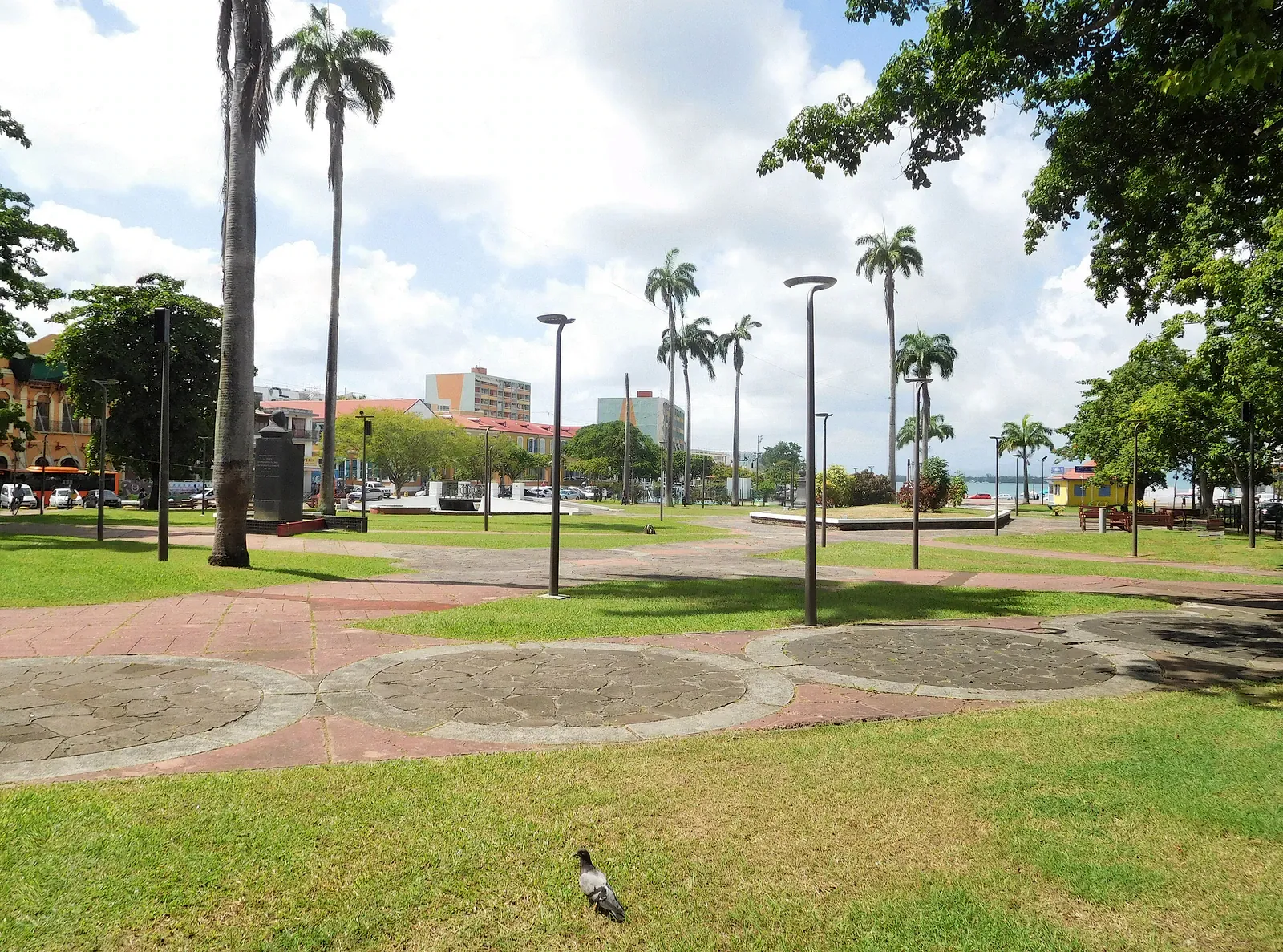
Dominica's capital, home of the dance bands and Carnival that fed the style.
Exile One's base, from where the music reached the French Antilles market.
Culture
Culture markers
- Creole lyrics and proverbs
Songs use Dominican Creole and oral traditions such as proverbs, which tied the music to folk song.
Slang - Black Power band names
Names such as Black Roots, Black Machine and Wafrikai reflect the Black Power and Rastafari currents of the 1970s.
Slang - World Creole Music Festival
Dominican festival that brings Creole-speaking bands together and helped revive the style.
Ritual
Glossary
Terms on this page
Haitian dance music, also called kadans or meringue, that is one half of cadence-lypso.
Dominican carnival singing, displaced by calypso in the 1960s.
Traditional Dominican ensemble music that influenced the rhythm and feel of the style.
The Dominican spelling of cadence; kadans bands is the common name for the 1970s groups.
Goatskin drum tradition of Dominica, later blended into bouyon.
Caribbean family