Drill music
Drill is a hip-hop style born on Chicago's South Side in the early 2010s, known for dark trap beats and blunt street narration, now with UK and Brooklyn scenes.
Parkway Gardens, South Side, Chicago, Illinois, 2011
Hip Hop family
Born
2011
Parkway Gardens, South Side, Chicago, Illinois
Subgenres
7
Documented branches
Links
15
Genres it drew on or shaped
Tempo
125-145 BPMLineage
Family tree
Grew out of
Derived from
- Gangsta rap
Derived from
Derived from
- Hardcore hip hop
Derived from
Influenced by
Footwork
Parkway Gardens, South Side, Chicago, Illinois, 2011
Drill
Led to (8)
Timeline
Era by era
From the first sparks to today. Select a dot to read the story behind it.
- Chicago, 2010-2013
2010 to 2013
- London, 2014-2018
2014 to 2018
- Brooklyn and the crossover, 2019-2021
2019 to 2021
- Policing and global scenes, 2022 onward
2022 to today
Eras
Moments
- 1 Chicago, 2010-2013, 2010 to 2013
- 2 London, 2014-2018, 2014 to 2018
- 3 Brooklyn and the crossover, 2019-2021, 2019 to 2021
- 4 Policing and global scenes, 2022 onward, 2022 to today
2010
Chicago, 2010-2013
Drill took its name and sound on the South Side of Chicago, where Chief Keef's viral YouTube videos won a major-label deal in 2012 and made the style a national story.
- 2010Pac Man's It's a DrillDro City rapper Pac Man is credited as the first to apply the street word drill, meaning to fight or retaliate, to local rap.
- 2012Chief Keef's I Don't LikeReleased on the Back from the Dead mixtape in March 2012, with a video on the DGainz YouTube channel that spread the Chicago sound.
- 2012Chief Keef signs to InterscopeKeef, then 16, is offered a major-label deal on the strength of viral singles such as Love Sosa and I Don't Like.
- 2012Kanye West remixes I Don't LikeKanye West, Pusha T, Big Sean and Jadakiss join Chief Keef on Don't Like for the GOOD Music compilation Cruel Summer.
- 2012Finally RichChief Keef's Interscope debut arrives in December and sells about 50,000 copies in its first week, which labels read as a sign of a fad.
2014
London, 2014-2018
Brixton crews such as 150 and 67 swapped Chicago's template for faster tempos and sliding 808s, and music videos carried UK drill past radio.
- 201667 and Giggs release Let's LurkThe Brixton group's track, produced by GottiOnEm and Mazza, is seen as the point where UK drill left Chicago's template behind.
- 2017Harlem Spartans' Kennington Where It StartedReleased in early 2017, it is credited by fans with taking UK drill from an underground style to a mainstream one.
- 2017Sheff G's No SuburbanSheff G's answer to 22Gz's Suburban helps start the Brooklyn drill scene.
- 2018YouTube removes UK drill videosAfter police pressure under Operation Domain, YouTube deletes more than 30 clips in May 2018.
- 2018Court order on Digga D and CGMMembers of 1011, now CGM, are banned from making music without police permission, in an order rare in British courts.
2019
Brooklyn and the crossover, 2019-2021
New York artists worked with UK drill producers, Pop Smoke broke through in 2019, and drill became a global youth idiom by 2021.
- 2019Skengdo and AM get a suspended sentenceThe 410 pair receive a nine-month sentence, suspended for two years, for breaching a gang injunction that barred certain drill lyrics.
- 2019Headie One's 18HUNNAHeadie One and Dave's single, released in January 2019, spreads through a viral video challenge before release.
- 2019Pop Smoke's Welcome to the PartyProduced by 808Melo, it breaks out in New York and gets remixes with Nicki Minaj and Skepta in August 2019.
- 2020Pop Smoke is killedThe Brooklyn rapper dies on 19 February 2020, aged 20, months after his breakthrough.
- 2020Central Cee's LoadingReleased in October 2020, it is one of the drill singles that made him a leading figure in UK rap.
2022
Policing and global scenes, 2022 onward
Drill spread to Europe, Africa and Australia while police, prosecutors and festivals in London and New York moved against the music and its videos.
- 2022NYPD pulls drill acts from Rolling LoudIn September 2022 police order local drill artists off the festival bill over public-safety fears.
Listening path
Start listening
A short path from an easy way in to the deep end. Thumbnails come from YouTube; the player loads only when you press play.
- 01
Chief Keef feat. Lil Reese, 2012
The viral single that started the mainstream drill moment; listen for the bell melody and busy snares.
- 02
67 feat. Giggs, 2016
The UK drill signature that left Chicago's template behind.
- 03
Headie One feat. Dave, 2019
A UK drill hit at about 145 BPM that reached the mainstream.
- 04
Pop Smoke, 2019
The Brooklyn breakout, with a UK-style sliding 808 beat.
- 05
Fivio Foreign, 2019
A Brooklyn drill hit that later went platinum.
Facts
| Family | Hip Hop |
| Origin | Parkway Gardens, South Side, Chicago, Illinois, United States |
| Emerged | Early 2010s |
| Status | Active |
| Tempo | 125 to 145 BPM |
| Meter | 4/4 |
| Grew out of | Trap, Gangsta rap, Midwest hip hop, Hardcore hip hop |
| Subgenres | 7 |
Drill, also called drill rap, is a style of hip-hop that began on the South Side of Chicago in the early 2010s. Its sound descends from trap and its lyrics from gangsta rap: dark minor-key beats, sliding 808 bass and a deadpan delivery that reports street conflict in plain terms.
Within a decade it had become a global youth idiom with separate scenes in London, New York and many other places.
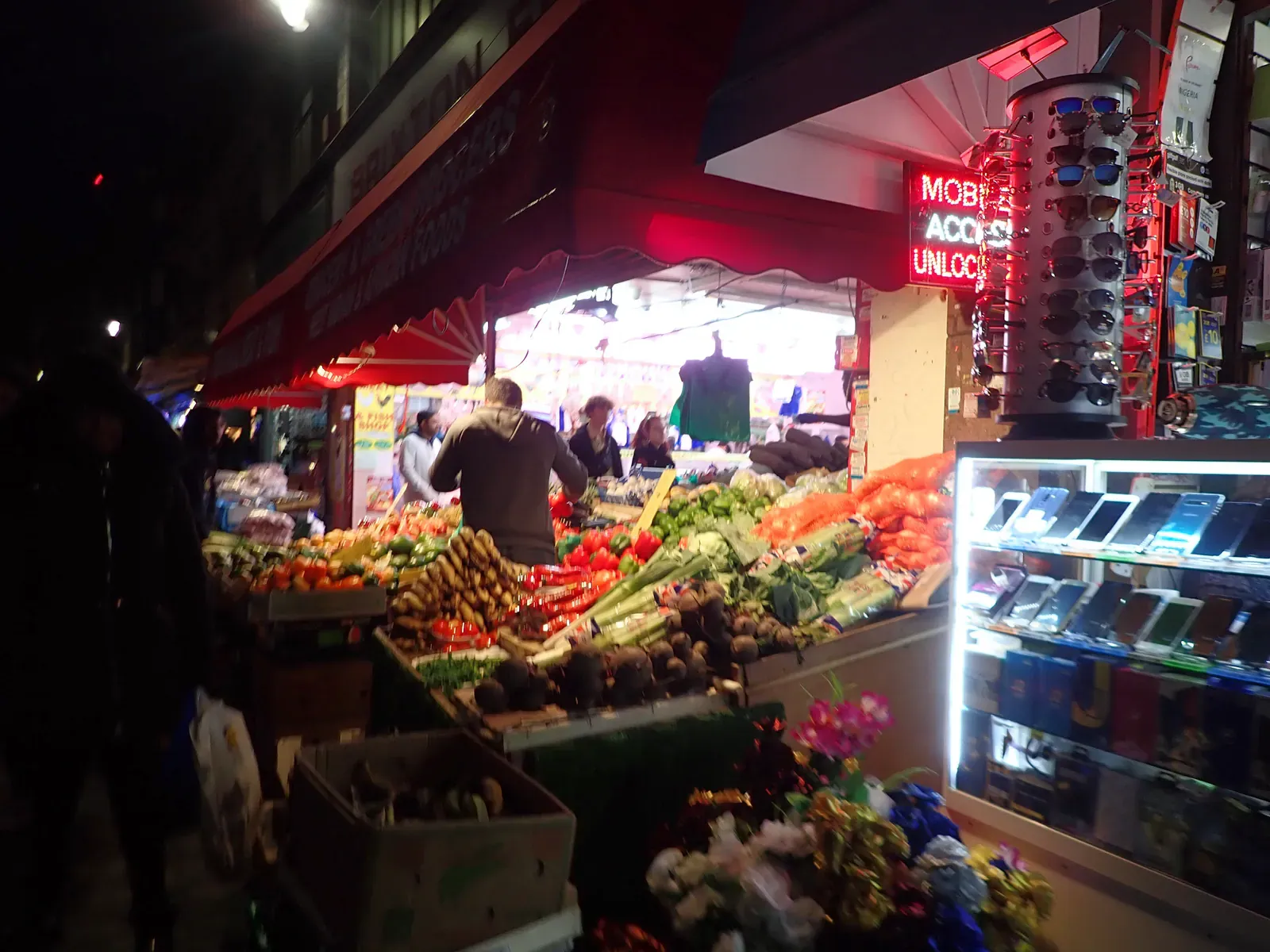
Origins
The word came first. In street slang, to drill means to fight or retaliate, and in 2010 the Dro City rapper Pac Man is credited as the first to apply it to local rap with the track It’s a Drill. Dro City is a gang-defined stretch of Woodlawn on the South Side, and the scene grew in the middle of a homicide crisis, as large gang organisations broke into smaller factions fighting over a few blocks.
The music borrowed from the South. Early drill rappers took cues from Gucci Mane and Waka Flocka Flame, with Lex Luger’s trap beats a major influence. Chicago drill is typified by synth brass and bell melodies, crash cymbals and busy snare patterns. Rappers delivered grim, often Auto-Tuned lines with little metaphor, a choice Chief Keef described as deliberate. YouTube was the main outlet, carried by local videographers who filmed artists on their own blocks.
Chicago, 2010-2013
Chief Keef turned a local scene into a national story. In 2011 and 2012 he released a run of viral singles, among them Love Sosa and I Don’t Like, and an Interscope Records deal followed when he was 16. Around the same time King Louie signed to Epic Records. Lil Reese, Lil Durk, G Herbo and Lil Bibby emerged in the same wave, with Young Chop producing many of Keef’s early hits.
The mainstream reacted fast. By late 2012 Kanye West, Drake and Rick Ross were working with drill artists, and West’s remix of I Don’t Like appeared on the compilation Cruel Summer. He later cited drill as an influence on Yeezus (2013), which carries vocals from Chief Keef and King Louie.
Chief Keef’s Interscope debut Finally Rich arrived in December 2012, was later called a classic of the genre, and sold about 50,000 copies in its first week. Labels read that as a sign of a fad and pulled back, and Chicago drill lost mainstream momentum after 2012. Lil Durk, later became the style’s most commercially successful artist.
London, 2014-2018
The sound crossed the Atlantic and changed. UK drill took shape in Brixton, South London, with the group 150 often credited as a pioneer and producers such as Carns Hill and QUIETPVCK offering alternatives to the Chicago template. It drew on road rap, the British gangsta rap that preceded it, and on grime and UK garage, and young MCs used it to set themselves apart from an older grime generation.
The group 67 is credited with moving the sound away from Chicago and toward something homegrown, and its member LD is named the godfather of UK drill. Let’s Lurk, with Giggs and a beat by GottiOnEm and Mazza, marked the style’s 2016 peak. Music videos did the work radio would not, since the uncensored lyrics kept the music out of the mainstream industry. Harlem Spartans’ Kennington Where It Started, released in early 2017, is credited by fans with taking UK drill from underground to mainstream.
Brooklyn and the crossover, 2019-2021
New York had its own early drill, but the Brooklyn sound that broke through used UK production. The scene gathered around 22Gz’s Suburban (2016), Sheff G’s reply No Suburban, and artists such as Fivio Foreign and Sleepy Hallow, who worked with UK producers including 808Melo.
Pop Smoke’s Welcome to the Party, produced by 808Melo, became the breakout in 2019 and drew remixes with Nicki Minaj and Skepta that August. Fivio Foreign’s Big Drip was later certified platinum in the United States. In the UK, Headie One and Dave’s 18HUNNA spread through a viral video challenge before its January 2019 release, and Central Cee’s Loading in October 2020 launched the artist who went on to top the UK albums chart with his second mixtape. By 2021 drill was being described as the sound of global youth.
Policing and global scenes, 2022 onward
Scenes appeared in Ireland, Australia, Ghana, Uganda, Denmark and France, even as authorities in the original cities moved against the music. In September 2022 the New York police department ordered local drill artists off the Rolling Loud festival,. In Britain the Crown Prosecution Service announced in 2022 that it would update its guidance on using drill lyrics in criminal trials.
Characteristics
Drill differs from trap in rhythm. Where trap tends to place the snare on the third beat of a bar, drill moves to skippy, syncopated hi-hat patterns and a more mechanical feel. The tempo of the recordings measured for this page runs from about 125 to 145 beats per minute, with UK drill at the faster end. The lyrics are adversarial and nihilistic, in contrast to the celebratory rap that dominated at its emergence.
Instruments and production
Production is built from a small kit. The 808 supplies the bass line, whose slides in UK-influenced drill give the style its recognisable low end, while melodies are cold and often minor, from bells and synth brass in Chicago to darker, sparser loops in London and Brooklyn.
Notable recordings
I Don’t Like (2012) is the record that made Chicago drill audible far beyond the South Side. It appeared on Chief Keef’s Back from the Dead mixtape in March 2012, and its video on the DGainz YouTube channel spread it before any label was involved. Young Chop’s production and Lil Reese’s guest verse became a template.
Let’s Lurk (2016) did the opposite job: it showed that drill could leave Chicago’s template behind. Credited to 67 with Giggs, it is regarded as instrumental in establishing the UK scene as distinct from the original.
Welcome to the Party (2019) shows the style reversing direction. A Brooklyn rapper used a UK-style beat, and the record travelled back to London through a Skepta remix.
Culture
Drill is bound up with place and territory. Naming opps and rival blocks is part of the genre’s language, and videos are shot where the artists live. UK videos favour affordable Nike tracksuits and Tech hoodies over Chicago’s designer labels. UK artists often mute names, weapons and acts in lyrics so that police cannot use the lines in court.
Controversy is constant. In 2018 YouTube removed more than 30 UK drill clips after police pressure, a court order barred members of the group CGM, including Digga D, from making music without police permission, and in 2019 Skengdo and AM received a suspended sentence for breaching a gang injunction. London police also used Form 696 to cancel shows by drill artists, among them 67’s first UK tour. Some drill lyrics mock the dead, a practice Chief Keef and Lil Durk have distanced themselves from.
Legacy
Drill widened what mainstream hip-hop could sound like and showed how far a style could travel on video platforms alone. Its UK branch fed back into American production and shaped Brooklyn. It also pushed legal debates on how rap lyrics and videos are used as evidence, which campaign groups such as Art Not Evidence have taken on.
Misconceptions
Drill is often said to cause violence. Researchers disagree: a sociologist writing in a British criminology journal argues that drill rappers exaggerate or invent violence in their lyrics and that the music should not be treated as evidence of, or a cause of, violence. A 2021 report linking 37 percent of London’s 2018 homicide cases to drill was called factually incorrect by 49 criminologists.
It is also assumed that drill is only an American style. UK drill developed its own tempos, drum patterns and slang, and producers such as Carns Hill have said it deserves a name of its own.
A third confusion is with drill and bass, the 1990s electronic style of artists such as Aphex Twin and Squarepusher. The two share only a word.
Frequently asked questions
What is drill music?
Drill is a style of hip-hop that began in Chicago in the early 2010s, combining trap-style production with violent, deadpan street narration. Later scenes in the UK and Brooklyn changed its tempo and bass.
Where did drill start?
Drill started on the South Side of Chicago, in the Woodlawn area known as Dro City, where Pac Man’s 2010 track It’s a Drill is the first use of the word for the music.
What is the difference between UK drill and Chicago drill?
UK drill is faster, uses sliding 808 basses and a 3+3+2 hi-hat pattern, and borrows from grime and road rap. Chicago drill leans on synth brass, bells and busy snares.
What is the tempo of drill?
The tracks measured for this page fall between roughly 125 and 145 beats per minute, with UK drill generally faster than Chicago drill.
Who are the most important drill artists?
Chief Keef, Lil Durk and the producer Young Chop shaped Chicago drill, 67 shaped UK drill, and Pop Smoke carried Brooklyn drill to a global audience. Related styles include trap, grime and Midwest hip-hop, and the style belongs to the wider hip-hop family.
Sound
Sound sheet
Signature sounds
- Sliding 808 bass
- Syncopated hi-hat rolls
- Dark minor-key bell or synth-brass melody
- Deadpan, often Auto-Tuned rap delivery
Techniques
- Sliding 808 bass
- Syncopated hi-hats
- Snare on the fourth beat
- Muted lyric cuts
Keys and modes
Minor keys. Dark minor-key melodies sit over the bass.
Vocals
Grim, deadpan delivery, often Auto-Tuned, with few metaphors.
Scenes
Where it happened
Where and when the sound lived: one bar per city on a shared timeline.
North America
Europe
Active scenes
Peak 3, 2016-2025
South Side crews in Woodlawn's Dro City and nearby blocks produced the first drill.
Brixton groups such as 150 and 67 built UK drill on road rap and grime.
Brooklyn artists including 22Gz, Sheff G, Pop Smoke and Fivio Foreign adopted the UK sound.
Culture
Culture markers
- Opps
Lyrics name rivals as opps, and rap feuds and street conflicts often overlap.
Slang - Muted words in UK lyrics
Artists cut names, weapons and acts from songs with a hushed mute to avoid police use of lyrics.
Slang - Nike tracksuits and Tech hoodies
UK drill videos favour affordable sportswear over the designer labels seen in Chicago.
Fashion - YouTube video premieres
Local videographers filmed drill artists on their blocks and released clips straight to YouTube.
Ritual
Media
Key media
- 2012Cruel Summer
by GOOD Music. Compilation whose Don't Like remix brought Kanye West and other stars onto a drill track.
Compilation - 2019Rap on Trial: Race, Lyrics, and Guilt in America
by Erik Nielson and Andrea L. Dennis. Study of how rap lyrics are used as evidence in court.
Book - 2019Meet the Woo
by Pop Smoke. Mixtape carrying Welcome to the Party, the record behind Brooklyn drill's breakthrough.
Mix
Glossary
Terms on this page
A bass note that glides between pitches, a mark of UK-influenced drill.
Street slang for fighting or retaliating, adopted as the name of the music.
Gang-defined stretch of Woodlawn on Chicago's South Side where early drill grew.
London police risk-assessment form used to cancel shows by drill artists.
Short for opposition, a rival gang member named in lyrics.
British gangsta rap that preceded UK drill and shares its themes.
Hip Hop family