Midwest hip hop
Midwest hip hop is rap from Detroit, Chicago, Cleveland, St. Louis and Minneapolis, known for chopper speed, sung hooks and independent labels since the 1980s.
Chicago, 1988
Hip Hop family
Born
1988
Chicago
Subgenres
9
Documented branches
Links
16
Genres it drew on or shaped
Tempo
75-145 BPMLineage
Family tree
Grew out of
Derived from
Influenced by
Chicago, 1988
Midwest hip hop
Led to (10)
Timeline
Era by era
From the first sparks to today. Select a dot to read the story behind it.
- Local scenes
1980 to 1992
- Chopper breakthrough
1993 to 1998
- Detroit, St. Louis and Chicago on the charts
1999 to 2007
- Independent scenes and drill
2008 to today
Eras
Moments
- 1 Local scenes, 1980 to 1992
- 2 Chopper breakthrough, 1993 to 1998
- 3 Detroit, St. Louis and Chicago on the charts, 1999 to 2007
- 4 Independent scenes and drill, 2008 to today
1980
Local scenes
Detroit record shops, radio shows and home studios nurture the first Midwestern rappers while New York and Los Angeles hold the national spotlight.
- 1980Future Funk Records opens in DetroitThe West Seven Mile Road shop lets young rappers set up a makeshift stage, battle and sell tapes until it closes in 1992.
- 1983The Flamethrower RapDetroit duo Felix & Jarvis release the earliest successful Detroit rap record, built on a J. Geils Band song.
- 1988Detroit rap acts start to debutMagic Juan & Normski and Prince Vince and the Hip-Hop Force debut, and a wave of local acts follows in 1989.
- 1989Esham's Boomin' Words from HellDetroit rapper Esham releases his debut album at 16, a dark, hardcore record later tied to horrorcore.
- 1992Twista's world-record speedChicago's Tung Twista is credited with the fastest rapping in English, 598 syllables in 55 seconds.
1993
Chopper breakthrough
Bone Thugs-n-Harmony, Twista and Do or Die turn fast, multisyllabic rapping into a national sound, and Detroit's Hip Hop Shop trains a new generation.
- 1993Bone Thugs-n-Harmony sign to RuthlessCleveland group signed by Eazy-E to Ruthless Records, mixing staccato rapping with sung harmonies.
- 1993Detroit's Hip Hop Shop opensThe clothing store hosts Saturday rap battles led by Proof and helps a young Eminem sharpen his flow; it first closes in 1997.
- 1995E. 1999 EternalBone Thugs-n-Harmony's album carries Cleveland chopper rapping and sung hooks to a national audience.
- 1995Rhymesayers is founded in MinneapolisSlug, Ant, Sab the Artist and Siddiq found the independent label that becomes the base of the Twin Cities scene.
- 1996Tha CrossroadsBone Thugs-n-Harmony's tribute to Eazy-E debuts at number two on the Billboard Hot 100, then holds number one for eight weeks.
1999
Detroit, St. Louis and Chicago on the charts
Eminem, Nelly and Kanye West bring Midwestern rappers to the top of the Billboard charts with pop hooks, sped-up soul samples and film tie-ins.
- 1999The Slim Shady LPEminem's major-label debut, produced with Dr. Dre, reaches five-times platinum and brings Detroit rap to mainstream America.
- 2000Country GrammarSt. Louis rapper Nelly's debut album and lead single bring sing-song hooks and local slang to the charts.
- 2002Lose Yourself wins an OscarEminem's 8 Mile single holds number one for twelve weeks and becomes the first hip hop song to win the Academy Award for Best Original Song.
- 2004The College DropoutChicago producer Kanye West's debut album, built on sped-up soul samples, reaches number two and wins the Grammy for Best Rap Album.
2008
Independent scenes and drill
Rhymesayers builds a festival and a fan base in Minneapolis, while Chicago's Chief Keef and his peers make drill a national and then global sound from 2012.
- 2008Soundset festival beginsRhymesayers starts its annual Memorial Day hip hop festival in Minneapolis.
- 2012I Don't LikeChief Keef's single with Lil Reese brings Chicago drill national attention before his debut album Finally Rich.
Listening path
Start listening
A short path from an easy way in to the deep end. Thumbnails come from YouTube; the player loads only when you press play.
- 01
Bone Thugs-n-Harmony, 1996
The Cleveland group's Eazy-E tribute made chopper rapping and sung harmonies a number-one hit; listen for the staccato verses against the smooth chorus.
- 02
Eminem, 1999
The single that took Detroit rap to mainstream audiences; listen for the animated delivery over a sparse, bouncing beat.
- 03
Nelly, 2000
A St. Louis hit with the St. Lunatics; listen for the sung hook and slangy, upbeat flow.
- 04
Twista, 2003
Chicago's fastest rapper meets Kanye West's soul-sample production and Jamie Foxx; listen for Twista's rapid-fire verse.
- 05
Chief Keef, 2012
The drill breakthrough from Chicago; listen for the sparse, menacing beat and deadpan delivery.
Facts
| Family | Hip Hop |
| Origin | Chicago, United States |
| Emerged | Late 1980s-present |
| Status | Active |
| Tempo | 75 to 145 BPM |
| Meter | 4/4 |
| Grew out of | East Coast hip hop |
| Subgenres | 9 |
Midwest hip hop is rap made in the American Midwest, mainly in Detroit, Chicago, Cleveland, St. Louis and Minneapolis, from the late 1980s onward. It is tied to fast, multisyllabic “chopper” rhyming, to a run of independent labels and to a series of local sounds that never merged into one style.
Part of the hip hop family, it grew alongside West Coast hip hop and Southern hip hop and reached the top of the charts in four separate waves.
Origins
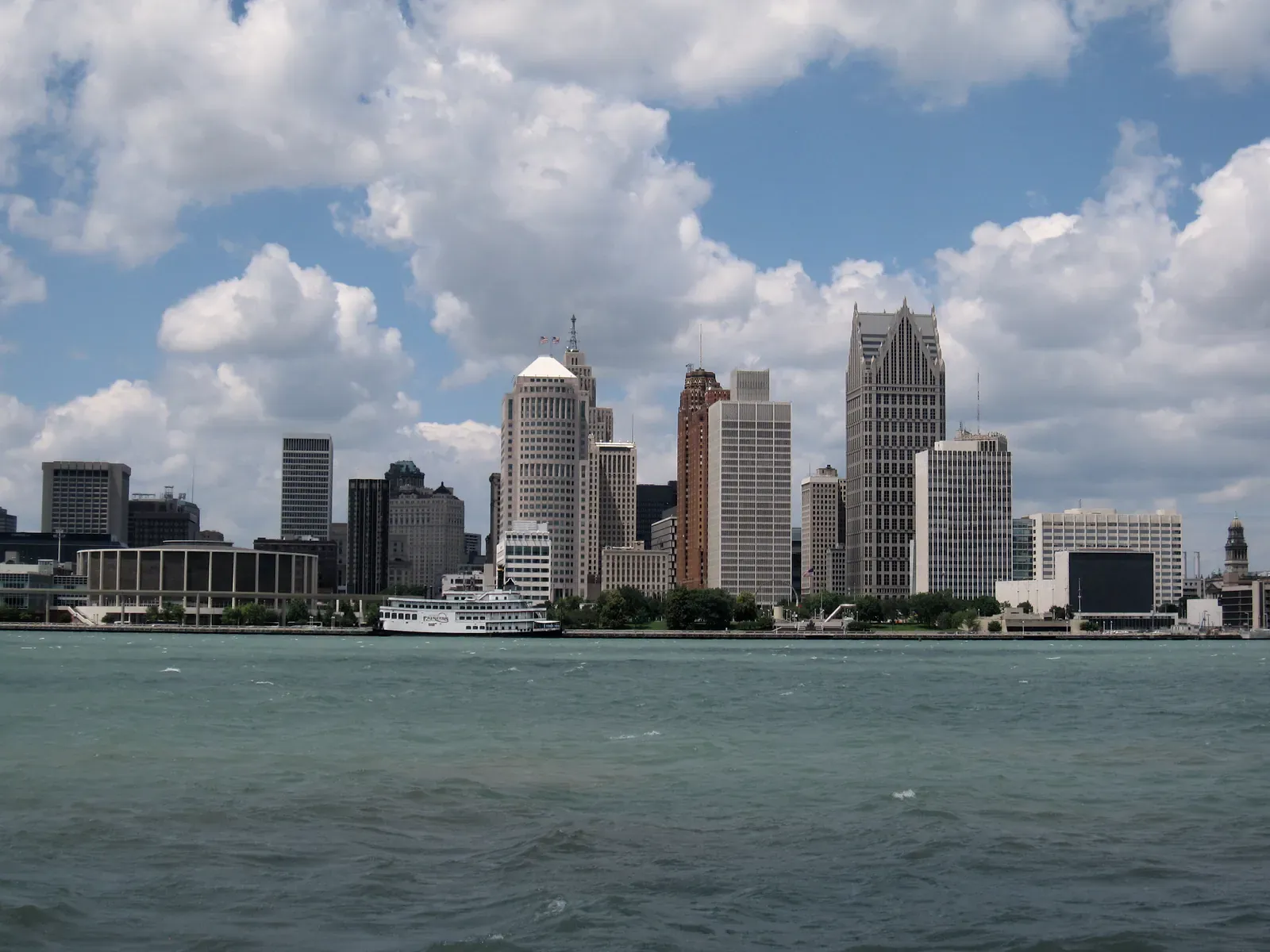
Hip hop reached the Midwest through radio and record shops before it reached its charts. In Detroit, the Future Funk Records shop on West Seven Mile Road opened in 1980 and let young rappers put up a makeshift stage, battle and sell their tapes. A rapper named Jerry Flynn Dale began there and later launched Def Sound Studios, which opened in 1985.
The first successful Detroit rap record came in 1983, when Felix & Jarvis released “The Flamethrower Rap”, built on a J. Geils Band song. Magic Juan & Normski and Prince Vince and the Hip-Hop Force debuted in 1988, followed in 1989 by Awesome Dre, Kaos & Mystro, Nikki D and Esham. Prince Vince sampled the funk of Parliament-Funkadelic on “Gangster Funk”, a record that came out before West Coast producers named their own funk-based style G-funk. Esham released his debut album, Boomin’ Words from Hell, in 1989 at age 16, and its dark, hardcore sound made him a reference point for what later became horrorcore.
Chopper breakthrough, 1993-1998
The first national success came from Cleveland and Chicago rather than Detroit. Eazy-E signed Bone Thugs-n-Harmony to Ruthless Records in 1993. The group mixed staccato rapping with sung harmonies over instrumentals that drew on West Coast G-funk, and its album E. 1999 Eternal (1995) carried the sound across the country. “Tha Crossroads”, a tribute to Eazy-E released in 1996, debuted at number two on the Billboard Hot 100, reached number one the following week and held it for eight weeks. It won a Grammy for Best Rap Performance by a Duo or Group in 1997.
In Chicago, Twista was credited in 1992 with the fastest rapping in English, 598 syllables in 55 seconds, and broke through after appearing on Do or Die’s “Po Pimp” in 1996 before releasing Adrenaline Rush in 1997. Common, from the same city, favoured jazz and soul samples and a reflective writing style, and he stood apart from the speed rappers. The speed style itself, known as chopper, spread well past the region by the early 2000s.
Detroit found its footing at the same time. The Hip Hop Shop, a clothing store that opened in 1993, held Saturday rap battles hosted by Proof, and the mid-1990s are remembered as the city’s golden age. Awesome Dre became the first Detroit rapper on Yo! MTV Raps and BET’s Rap City.
Detroit, St. Louis and Chicago on the charts, 1999-2007
Eminem was a regular at the Hip Hop Shop battles and had put out Infinite in 1996. After Jimmy Iovine and Dr. Dre heard his demo, he signed to Aftermath, and The Slim Shady LP (1999) reached five-times platinum. He is credited with popularizing hip hop in middle America and with widening the acceptance of white rappers, and his success launched Detroit peers such as Proof, Obie Trice, Trick Trick and the group D12.
St. Louis arrived in 2000 with Nelly’s Country Grammar. His first two albums sold close to 20 million copies between them, and Chingy’s debut later sold 2 million. St. Louis rappers leaned on local slang and upbeat pop-rap structures rather than distorted, aggressive beats, and the city’s sound was more club-friendly than its neighbours’. Chicago’s contribution was Kanye West, who had produced for Jay-Z and Talib Kweli before putting out The College Dropout on 10 February 2004 through Roc-A-Fella and Def Jam. Built on sped-up, pitch-shifted soul samples that critics called “chipmunk soul”, it debuted at number two and won the Grammy for Best Rap Album. “Slow Jamz”, with Twista and Jamie Foxx, became West’s first number-one single as a lead artist.
Independent scenes and drill, 2008-present
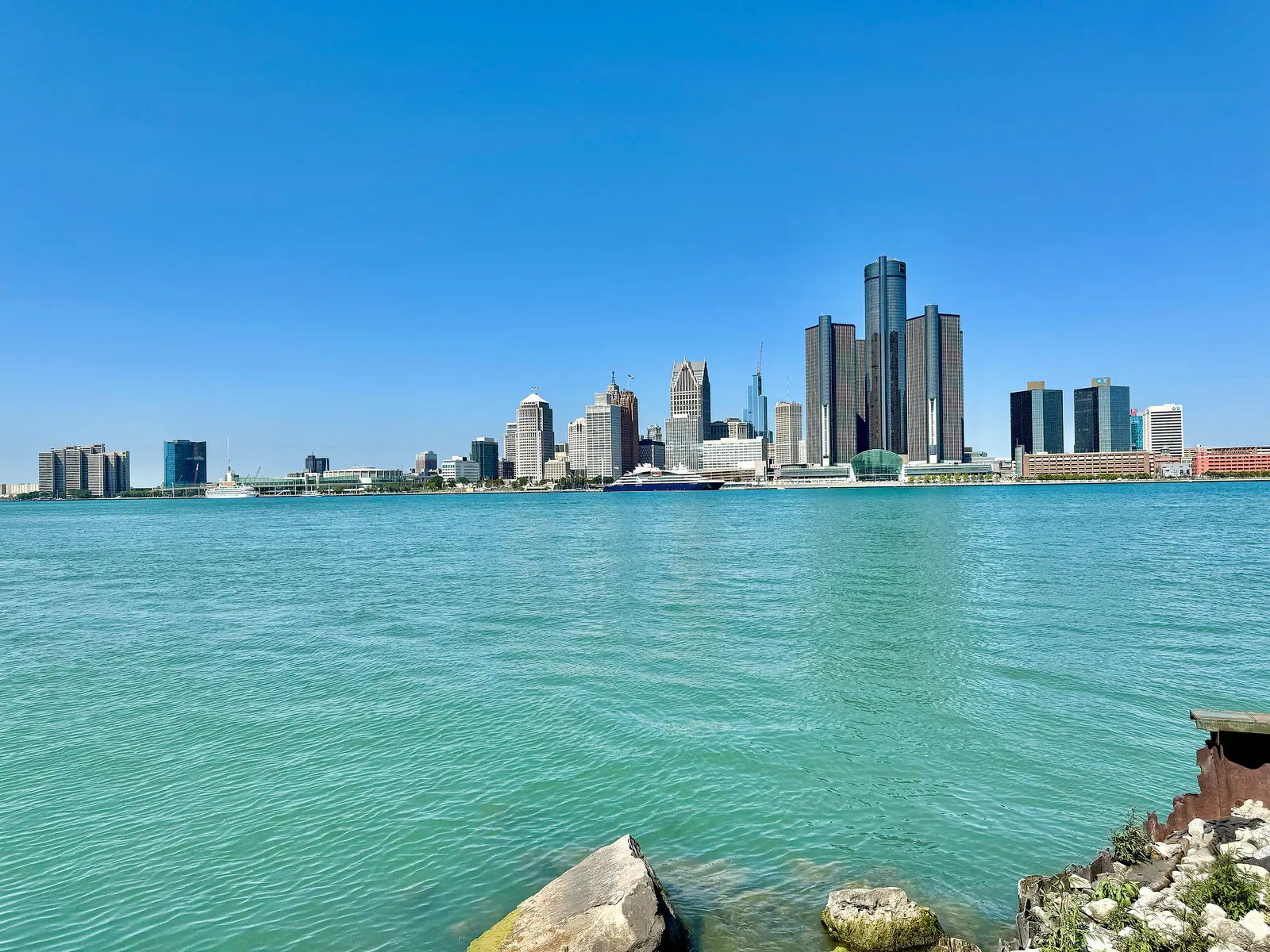
Minneapolis built a different kind of scene. Rhymesayers Entertainment was founded in 1995 by Slug, Ant, Sab the Artist and Siddiq, and its roster, including Atmosphere and Brother Ali, defined the Twin Cities sound. The label opened a record store, Fifth Element, in 1999 and began the annual Soundset festival in 2008. See the Rhymesayers page for the label’s history.
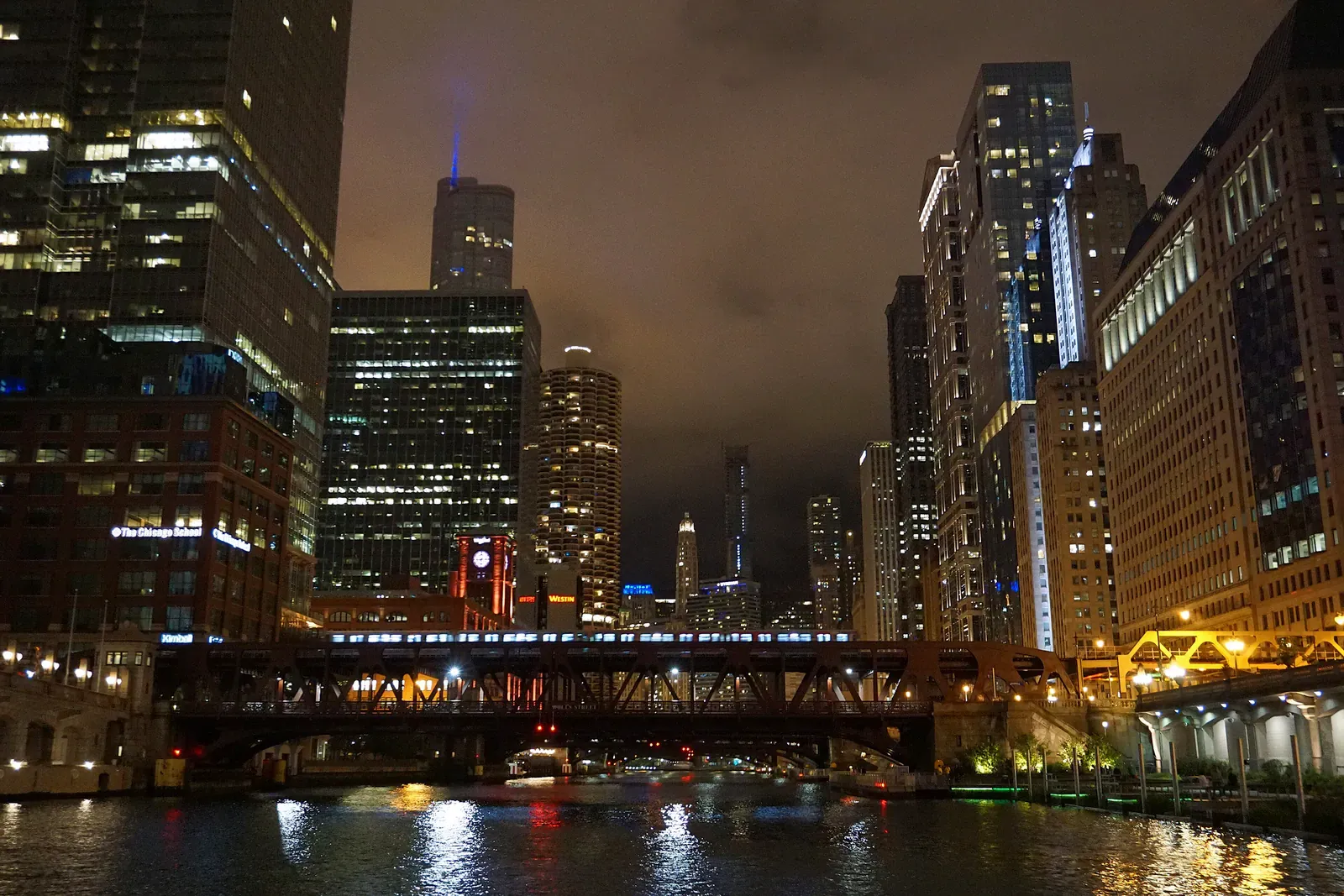
Chicago produced the next national wave. Drill emerged in the early 2010s, and Chief Keef’s 2012 single “I Don’t Like” with Lil Reese brought it national attention before his debut album Finally Rich. He had signed a major-label deal at 16. The producer Young Chop is widely linked to the sound, which pairs skippy, syncopated hi-hats with synth brass and bells. G Herbo, Lil Durk and King Von followed, and by 2019 Durk had a profile beyond Chicago. Drill borrowed from Atlanta trap, but its grim, deadpan delivery and street-level lyrics set it apart from the celebratory rap that dominated the mainstream at the time.
Characteristics
The region has no single sound. What links it is a taste for technical rapping: rapid articulation, internal rhymes and tight breath control, trained in rap battles and local cyphers. Another recurring trait is melody. Bone Thugs-n-Harmony sang harmonies, Nelly built sing-song hooks, and drill artists such as Lil Durk later added melodic structures to hard beats.
Regional differences are sharp. Cleveland borrowed from G-funk, Detroit from funk and horror imagery, St. Louis from club-friendly pop, Chicago from soul samples and later from trap-influenced drill, and Minneapolis from independent underground rap.
Instruments and production
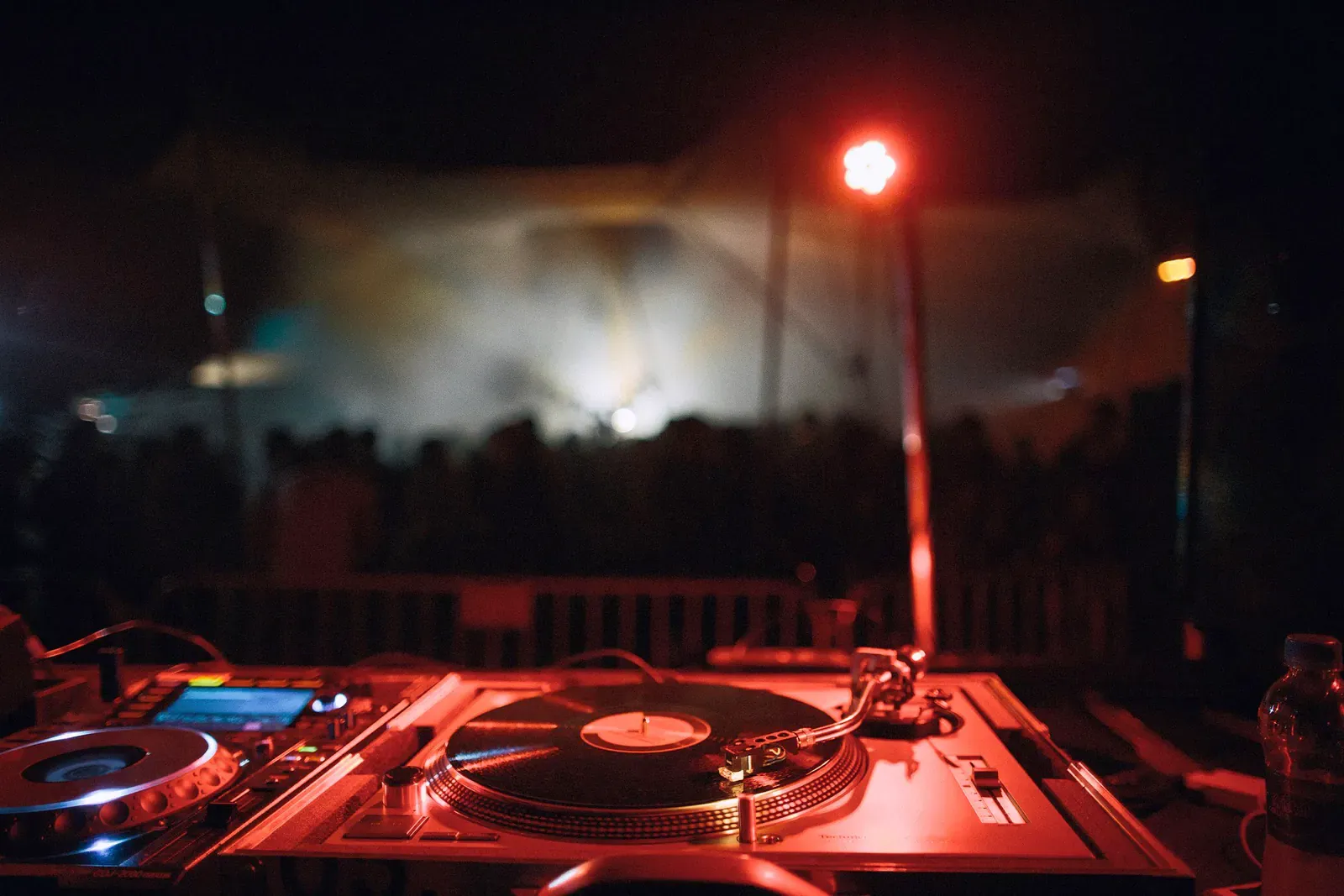
Production runs from sample-based boom bap to synthesizer-led beats. Detroit’s early producers chopped Parliament-Funkadelic records on samplers, and Kanye West’s early work sped up soul vocals to make hooks. Cleveland instrumentals used G-funk synthesizer leads, and Chicago drill rebuilt the drum machine sound of trap with the Roland TR-808 and syncopated hi-hats. Turntables stayed important in battle-oriented scenes, where DJs backed the rappers.
Mainstream success
Midwest rappers reached the top of the Billboard charts in each decade from the 1990s. Bone Thugs-n-Harmony had a number-one single in 1996, Eminem’s “Lose Yourself” held the top spot for twelve weeks in 2002, Nelly and Kanye West became pop-chart regulars in the 2000s, and Chief Keef’s drill sparked a wave of artists from Chicago. Drill drew strong criticism over its violent lyrics.
Notable recordings
“Tha Crossroads” (1996) started as a memorial to Eazy-E and the group’s family members, and its eight weeks at number one made it the highest-debuting rap single at the time. “Lose Yourself” (2002) was composed by Eminem with Jeff Bass and Luis Resto for the film 8 Mile.
Culture
The region’s rap culture grew in the battle: the Hip Hop Shop’s Saturday sessions in Detroit, the Fifth Element shop in Minneapolis, Chicago’s underground blog scene (Fake Shore Drive, See Beyond Genre and Midwest Live were its central nodes). Controversy followed. In 1993 a college radio station was fined $23,750 by the FCC, then the largest penalty of its kind against a college station, for playing Kid Rock’s “Yo-Da-Lin in the Valley”. Soundset has made a Memorial Day weekend ritual out of the independent Minneapolis scene since 2008.
Legacy
The Midwest gave rap its fastest vocal style and one of its most durable pop crossover formulas, the rapped verse with a sung hook. Chopper rhyming spread to New York, California and abroad. Drill moved from Chicago to Brooklyn, London and beyond. Its independent label model, led by Rhymesayers, showed that a regional rap scene could sustain itself outside the major-label system.
Misconceptions
One myth holds that Midwest rap is simply fast rap. Chopper is its best-known trait, but Common’s jazz-sampling reflection, Nelly’s pop hooks and Chicago’s slow, brooding drill sit well outside it. Another says the region arrived with Eminem in 1999. Felix & Jarvis released “The Flamethrower Rap” in 1983, Esham released an album in 1989, and Bone Thugs-n-Harmony were at number one in 1996, three years before The Slim Shady LP. A third says Detroit rap was a white scene. The city is predominantly African American, its early acts included Esham, Awesome Dre and Nikki D, and although many of its most successful acts have been white, that reflects the charts more than the local scene.
Frequently asked questions
What is Midwest hip hop?
Midwest hip hop is rap from the American Midwest, centred on Detroit, Chicago, Cleveland, St. Louis and Minneapolis. It is known for chopper rapping, sung hooks and a strong independent-label tradition.
What is chopper rap?
Chopper rap is a style of fast, rhythmically precise rapping that stresses speed of pronunciation. Bone Thugs-n-Harmony, Twista and Tech N9ne are among its best-known practitioners, and it began in the Midwest before spreading across the United States.
Who is the fastest rapper from the Midwest?
Twista, from Chicago, was credited in 1992 with 598 syllables in 55 seconds, the fastest rapping in English at the time. Bone Thugs-n-Harmony and Eminem are also cited as chopper pioneers.
Sound
Sound sheet
Signature sounds
- Fast, multisyllabic chopper verses
- Sung, harmonized hooks over rapped verses
- Sped-up soul samples and funk loops
- Synth brass, bells and syncopated hi-hats in drill
Drums and percussion
- Roland TR-808
Techniques
- Chopper delivery
- Rap-singing hooks
- Chipmunk soul sampling
- Funk sampling
- Syncopated hi-hats
Keys and modes
D. Key reading of Slow Jamz, I Don't Like and Lose Yourself.
F. Key reading of My Name Is and 1st of tha Month.
Vocals
Fast multisyllabic rapping, often with sung or harmonized hooks.
Scenes
Where it happened
Where and when the sound lived: one bar per city on a shared timeline.
North America
Active scenes
Peak 5, 1996-2025
Record shops, radio and the Hip Hop Shop battles produced Esham, Proof and Eminem.
Home of Twista, Common, Kanye West and later Chief Keef's drill.
Bone Thugs-n-Harmony's G-funk-tinged chopper rapping came from here.
Nelly, Chingy and Murphy Lee brought upbeat, club-friendly pop rap to the charts.
Rhymesayers, Atmosphere and Brother Ali anchored an independent scene.
Venues and places
Detroit, 1980 to today. West Seven Mile Road record shop where young rappers battled, tested songs and sold tapes until 1992.
Detroit, 1985 to today. Studio launched by Jerry Flynn Dale after producing hip hop beats in his bedroom.
Detroit, 1993 to today. Clothing store whose Saturday rap battles, hosted by Proof, trained Eminem and others.
Minneapolis, 1999 to today. Rhymesayers' record store, open from 1999 until April 2020.
Culture
Culture markers
- Chopper rhyming
A speed-based style that became a regional signature, with rappers prized for breath control and rhythm.
Slang - Saturday rap battles
Hip Hop Shop cyphers in 1990s Detroit were where young rappers tested their skills in public.
Ritual - Soundset
Minneapolis festival held over Memorial Day weekend from 2008 by Rhymesayers.
Ritual
Media
Key media
- 20028 Mile
by Curtis Hanson. Film built around Detroit's battle scene, with Eminem's Lose Yourself on its soundtrack.
Film - 2009I Am Hip-Hop: The Chicago Hip Hop Documentary
by Various. Documentary on Chicago's underground rap scene from 2004 to 2009.
Film
Glossary
Terms on this page
Sped-up, pitch-shifted vocal samples from soul and R&B records, popularized by Kanye West.
Fast-paced rapping that stresses speed of pronunciation, precise breath control and intricate rhyme schemes.
Chicago style from the early 2010s with grim, deadpan delivery, skippy hi-hats and synth brass and bell melodies.
Detroit clothing store that hosted Saturday rap battles between 1993 and 1997.
Blending rapped verses with sung, harmonized hooks, as Bone Thugs-n-Harmony did.
Hip Hop family