Comedy hip hop
Comedy hip hop is rap made to amuse, through parody, punchlines and comic personas, from Beastie Boys and the Fresh Prince in the 1980s to meme rap.
United States, 1986
Hip Hop family
Born
1986
United States
Subgenres
2
Documented branches
Links
9
Genres it drew on or shaped
Tempo
85-150 BPMLineage
Family tree
Grew out of
Derived from
Influenced by
United States, 1986
Comedy hip hop
Led to (2)
Timeline
Era by era
From the first sparks to today. Select a dot to read the story behind it.
- Party rap and new-school jokes
1986 to 1989
- Novelty hits and parody
1990 to 1999
- Digital shorts and viral clips
2000 to 2009
- Meme rap and streaming
2010 to today
Eras
Moments
- 1 Party rap and new-school jokes, 1986 to 1989
- 2 Novelty hits and parody, 1990 to 1999
- 3 Digital shorts and viral clips, 2000 to 2009
- 4 Meme rap and streaming, 2010 to today
1986
Party rap and new-school jokes
Beastie Boys, DJ Jazzy Jeff & the Fresh Prince and De La Soul make humour a mainstream rap register before the darker turn of gangsta rap.
- 1986Beastie Boys' Licensed to IllThe debut album on Def Jam becomes the first rap LP to top the Billboard 200.
- 1987Run-DMC's Christmas in HollisA comic holiday rap, cited as an early comedy rap record.
- 1988Parents Just Don't UnderstandDJ Jazzy Jeff & the Fresh Prince's single peaks at No. 12 on the Hot 100 and wins the 1989 Grammy for Best Rap Performance.
- 1989De La Soul's 3 Feet High and RisingThe landmark debut of a group described as a progenitor of modern satirical rap.
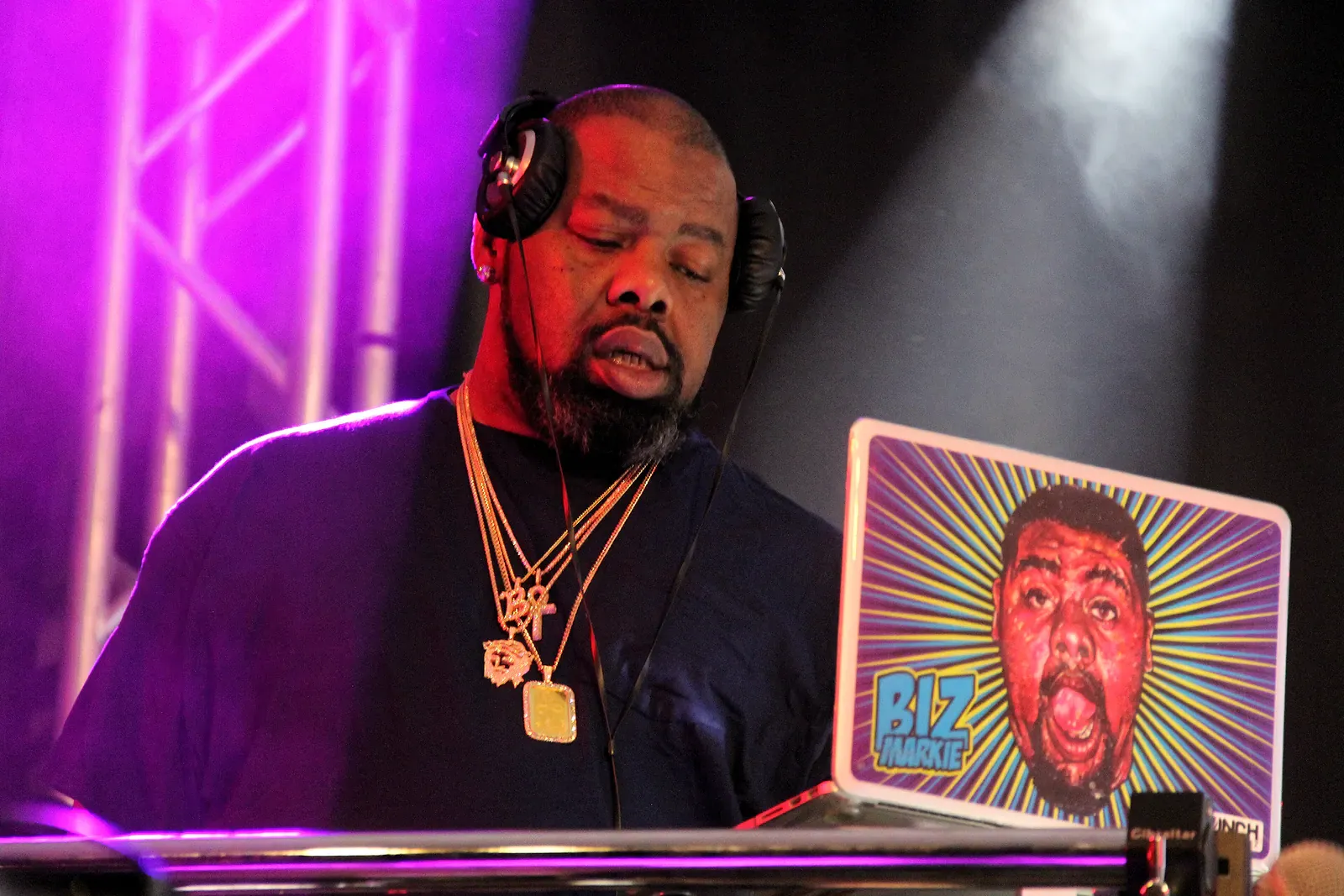
- 1989Biz Markie's Just a FriendThe single reaches No. 9 on the US Hot 100 and fixes his image as the Clown Prince of Hip-Hop.
1990
Novelty hits and parody
Digital Underground's Humpty Dance and Weird Al's Amish Paradise become pop hits, while comic rap groups appear in Germany, Sweden and France.
- 1990The Humpty DanceDigital Underground's single, sung by the alter ego Humpty Hump, reaches No. 11 on the pop chart and No. 1 on the Rap Singles chart.
- 1992Fettes Brot form in HamburgThe group becomes a leading act of German humorous rap, a tradition mocking the seriousness of US gangsta rap.
- 1996Amish ParadiseWeird Al Yankovic's parody of Gangsta's Paradise leads his album Bad Hair Day.
2000
Digital shorts and viral clips
The Lonely Island's Saturday Night Live videos and Afroman's novelty hits move comedy rap onto television and the early web.
- 2001Afroman's Because I Got High and Crazy RapTwo comic rap tracks from the Southern California rapper released in 2001.
- 2005Lazy Sunday on Saturday Night LiveThe Lonely Island's digital short becomes an early internet sensation.
- 2009I'm on a BoatThe Lonely Island and T-Pain release the single, followed by the album Incredibad.
2010
Meme rap and streaming
Thrift Shop reaches international charts in 2012, and SoundCloud-era meme rap makes satire of rap itself a viral genre.
- 2012Thrift Shop breaks into international chartsMacklemore & Ryan Lewis' comic hit charts across several countries.
Listening path
Start listening
A short path from an easy way in to the deep end. Thumbnails come from YouTube; the player loads only when you press play.
- 01
Beastie Boys, 1986
A party-rap send-up of rowdy teenage rebellion that made humour mainstream rap.
- 02
DJ Jazzy Jeff & The Fresh Prince, 1988
Listen for the storytelling and the punchline in each verse.
- 03
Digital Underground, 1990
The alter ego Humpty Hump over a funk sample, with its own dance.
- 04
"Weird Al" Yankovic, 1996
A song parody: the same beat as the original, new comic lyrics.
- 05
The Lonely Island ft. T-Pain, 2009
Mock-macho rap staged as a television sketch.
Facts
| Family | Hip Hop |
| Origin | United States |
| Emerged | 1980s |
| Status | Active |
| Tempo | 85 to 150 BPM |
| Grew out of | Alternative hip hop |
| Subgenres | 2 |
Comedy hip hop, also called comedy rap, novelty rap or parody rap, is a branch of hip hop designed to be amusing, as opposed to rap in which an artist uses humour inside otherwise serious work.
It came to prominence in the United States in the 1980s, before gangsta rap darkened the mainstream, and many of its records are parodies of other songs or of rap’s own conventions. Its traits are punchline lyrics, parody and novelty hooks.
Origins
Satire and hip hop were linked well before the first comic rap hit. Writers trace satire in Black American music to the Black Arts Movement, and hip hop has been mocked from inside and outside ever since, in the 1993 mockumentary Fear of a Black Hat, in a 2005 Boondocks episode about a fictional rapper, and in Spike Lee’s 2000 film Bamboozled.
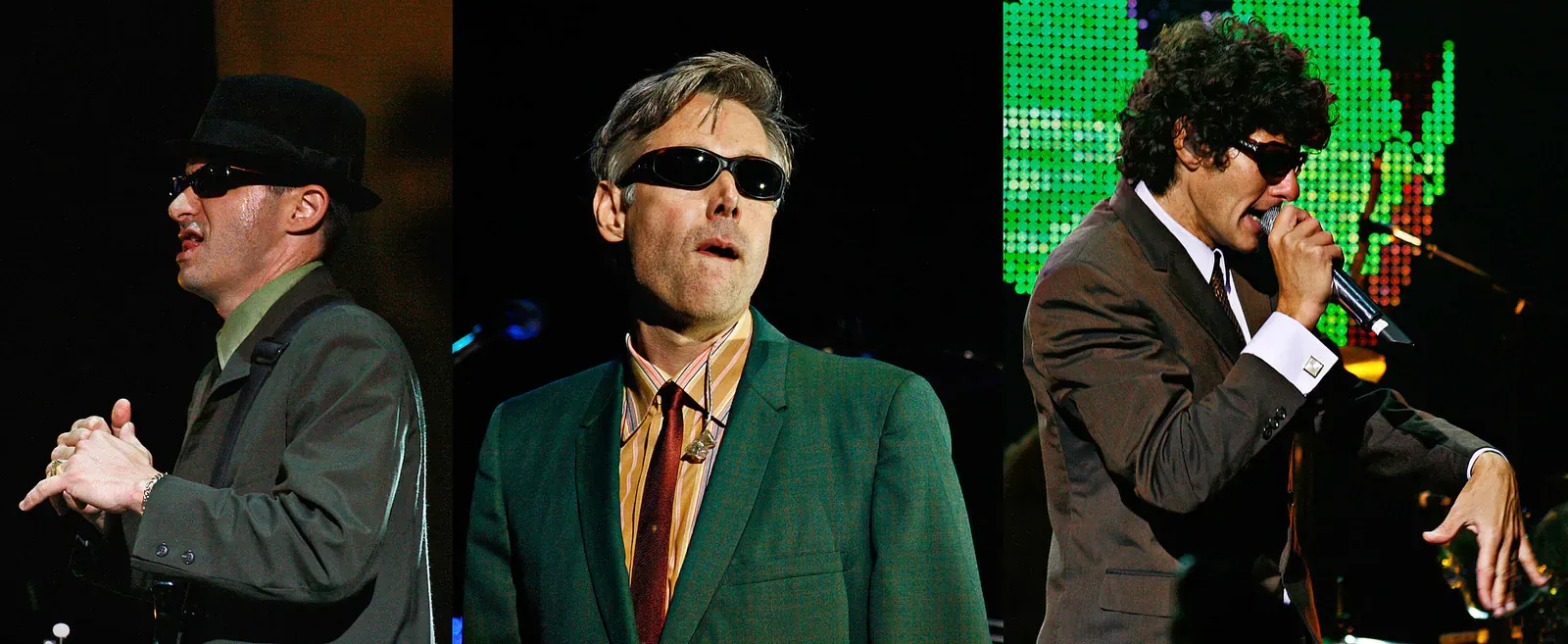
As a commercial style it appeared in the mid-1980s. Beastie Boys, formed in New York in 1981 out of a hardcore punk band, released Licensed to Ill on Def Jam on 15 November 1986. It became the first rap LP to top the Billboard 200 and the second rap album to go platinum, and its party-rap jokes defined the group’s early image. In 1987 Run-DMC recorded the comic holiday rap Christmas in Hollis. By the end of the decade DJ Jazzy Jeff & the Fresh Prince, De La Soul, Kid ’n Play, Das EFX and Fu-Schnickens had all built careers on humour, and even the early albums of N.W.A and Ice Cube carried jokes, though they were far less lighthearted.
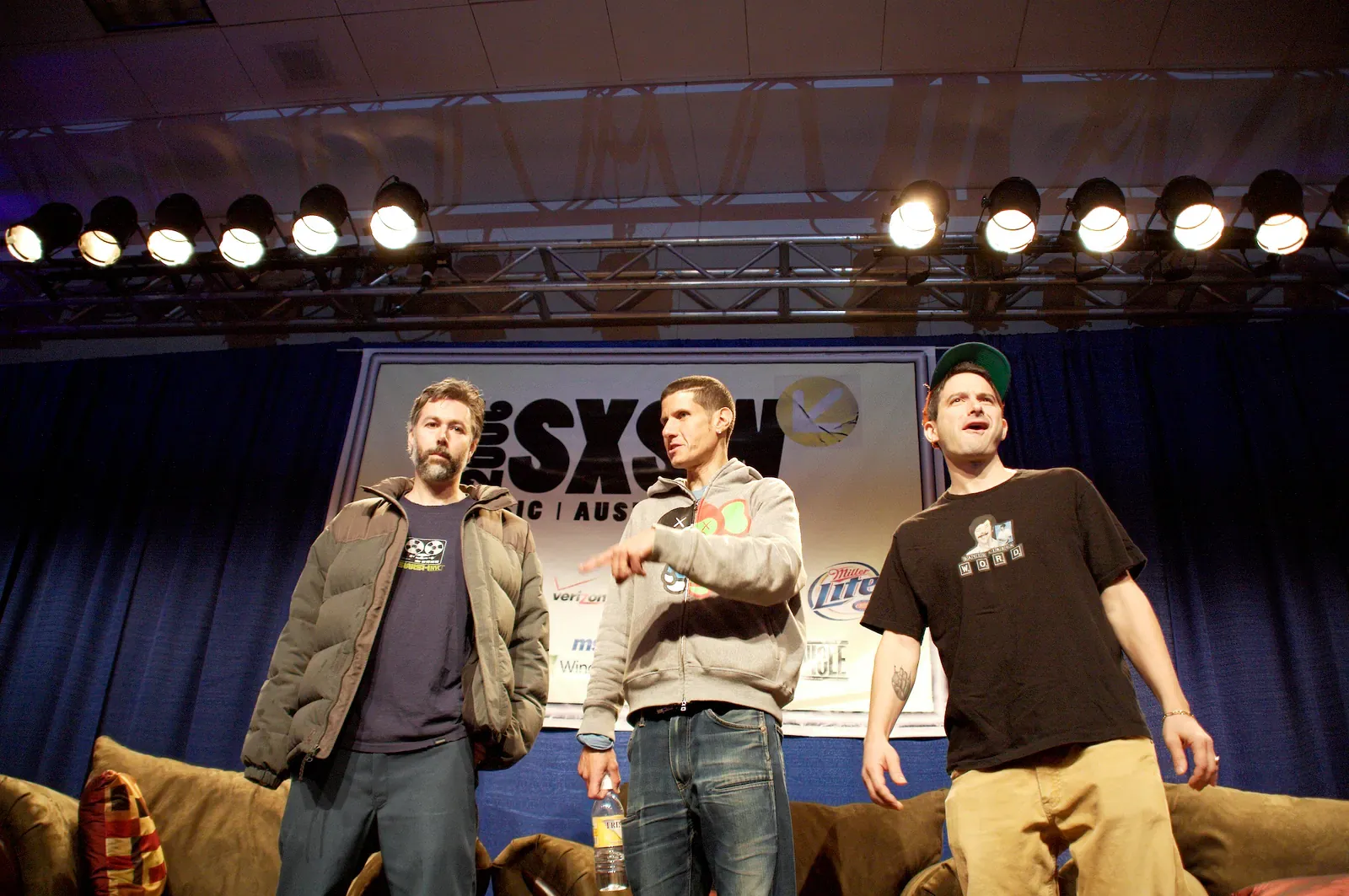
New York and Philadelphia, 1986-1989
The Fresh Prince’s records showed how a story could carry the joke. DJ Jazzy Jeff & the Fresh Prince, a duo from West Philadelphia made up of turntablist Jeff Townes and the rapper Will Smith, were active from 1985 to 1994 and became the third rap group to be certified platinum, after Run-DMC and Beastie Boys. Their single Parents Just Don’t Understand, released on Jive in spring 1988, details a teenager’s grievances with his parents. It peaked at number 12 on the Billboard Hot 100 and won the 1989 Grammy for Best Rap Performance, one of only two songs to win the award before it was discontinued in 1991.
Biz Markie, a member of the Juice Crew who became known as the Clown Prince of Hip-Hop, reached number 9 on the Hot 100 in 1989 with Just a Friend, a comic lament built on an off-key sung hook. In the same year De La Soul released 3 Feet High and Rising, a landmark debut that writers cite as the starting point of modern satirical rap. The group followed it with the record-industry-critical De La Soul Is Dead in 1991.
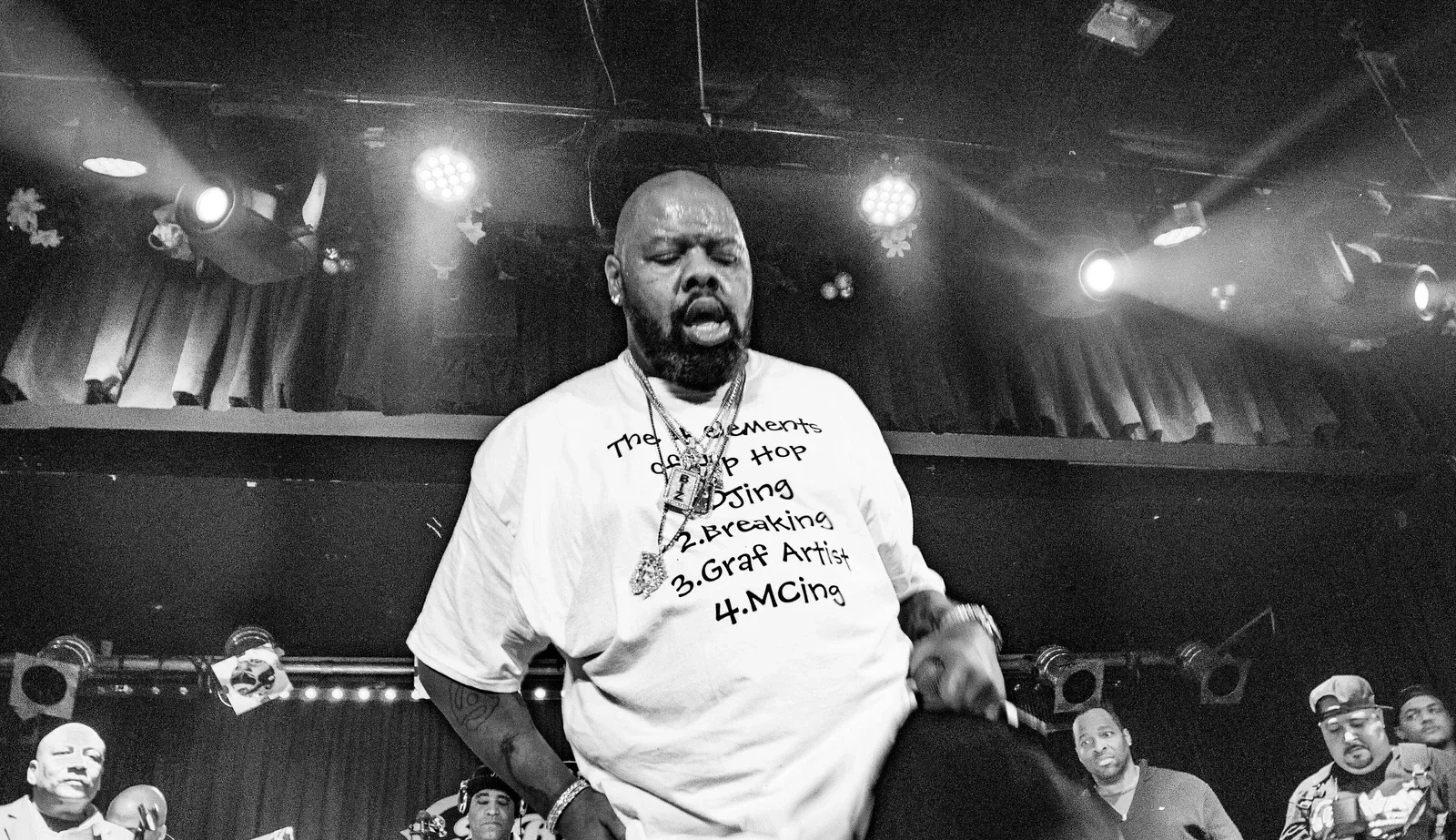
Oakland and the novelty hit, 1990-1999
Digital Underground formed in Oakland in 1987 around Gregory “Shock G” Jacobs, drawing heavily on the funk bands of the 1970s and sampling them. Its alter ego Humpty Hump, voiced by Shock G, first appeared in the 1989 video single Doowutchyalike. The Humpty Dance, released in January 1990 as the second single from the album Sex Packets, reached number 11 on the pop chart and number 1 on the Billboard Rap Singles chart. It was nominated for Best Rap Video at the 1990 MTV Video Music Awards, losing to U Can’t Touch This, and in 2021 it was ranked number 241 on a Rolling Stone list of the 500 greatest songs.
Parody of other records also reached the pop charts. “Weird Al” Yankovic, a musician known for comedy songs that parody specific hits, has recorded send-ups of hip hop since the 1990s. Amish Paradise, the lead single of his 1996 album Bad Hair Day, recasts Coolio’s Gangsta’s Paradise as the boast of an Amish man, in contrast to the original’s lament over a dangerous life. His trademark instrument is the accordion.
Comic rap also spread outside the United States in the 1990s. German groups such as Fettes Brot, formed in Hamburg in 1992, and Die Fantastischen Vier made humorous and ironic lyrics a feature of German-language hip hop, which often mocked the seriousness of US gangsta rap. Writers trace the tradition to the Austrian artist Falco. The Swedish-Finnish rapper Markoolio sold platinum records between 1998 and 2007, and the French group Svinkels belongs to the same wave. See European hip hop for the wider picture.
Television and the web, 2000-2009
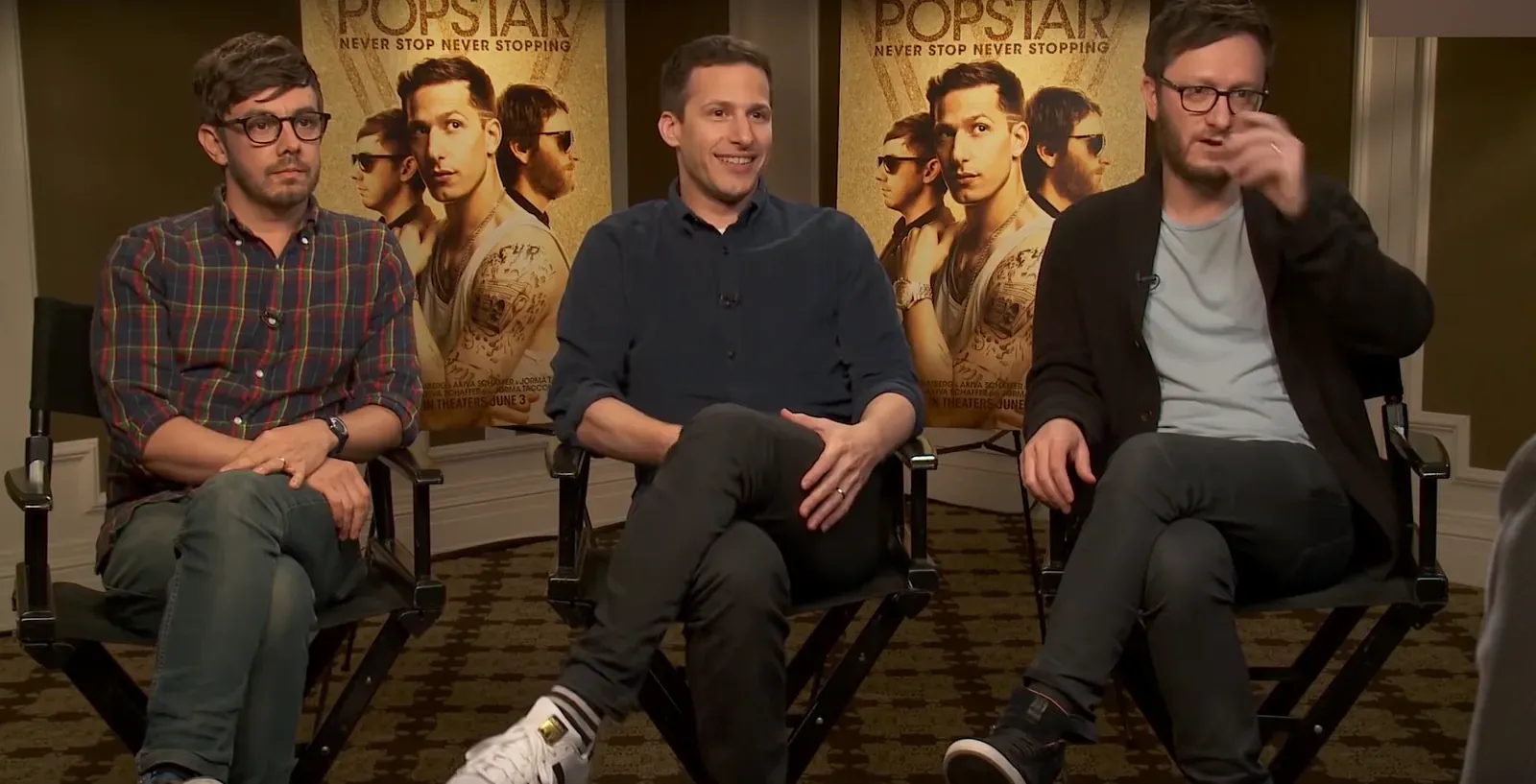
Comedy rap reached a new audience through television and early video sharing. The Lonely Island, a trio of Andy Samberg, Jorma Taccone and Akiva Schaffer formed in Berkeley in 2001, released their first comic rap, Ka-Blamo!, that year. After joining Saturday Night Live in 2005 they made a series of digital shorts, which they described as fake rap. Lazy Sunday became an internet sensation, with more than five million views before NBC removed it. Their approach is songs that sound macho but parody masculinity, and they have worked with Justin Timberlake, Nicki Minaj and Rihanna. Dick in a Box won an Emmy, and I’m on a Boat, with T-Pain, appeared in 2009 on the album Incredibad. Their YouTube channel has passed one billion views.
Other acts used comedy in different ways. Afroman’s Because I Got High and Crazy Rap, both from 2001, carried comedic lyrics, and through the late 1990s and 2000s Insane Clown Posse, Eminem and Ludacris built part of their popularity on humour. In 2008 Tyler, the Creator and Jasper Dolphin released an EP as the comedy group I Smell Panties, and Tyler later said his 2011 single Yonkers was made as a joke parodying New York rappers. Rucka Rucka Ali gained a following in the late 2000s with pop-song parodies that rely on shock value and have drawn accusations of racism from some critics.
Meme rap, 2010 onward
Thrift Shop by Macklemore & Ryan Lewis broke into charts internationally in 2012. In the same decade a satirical branch grew from SoundCloud rap. Meme rap is made with the intent of going viral. Satirical hip hop in this vein can parody the whole genre and often imitates mumble rap with lo-fi production, personas or pseudonyms, simple videos, lazy rhymes and intentionally stereotypical topics. Hopsin’s 2015 song No Words mocks mumble rappers by speaking only gibberish over a stereotypical video. Filthy Frank’s 2017 album Pink Season, released as Pink Guy, reached number 1 on the iTunes chart and number 70 on the Billboard 200. Lil Dicky, Ugly God, Yung Gravy and Zack Fox have kept the genre’s following loyal.
Characteristics
The defining device is the joke inside the rap: a punchline at the end of a bar, a story that escalates, or a recognisable beat rebuilt with new lyrics. Parody takes two forms, imitation of rap’s own conventions, and rewriting of a specific song. A second device is the persona, such as Humpty Hump, Pink Guy or the Lonely Island’s swaggering narrators, which lets the artist exaggerate. Novelty hooks, often sung and sometimes deliberately off-key, make the records easy to quote. The sound sheet on this page lists tempo, techniques and vocal approaches; the music itself usually follows the production of its time, from funk samples and turntables to lo-fi laptop beats.
Misconceptions
The first is that comedy rap is an internet-era invention. Its hits date to 1986 and 1988, and The Lonely Island’s television shorts and meme rap are later chapters. The second is that parody means only Weird Al. He is the best-known song parodist, but De La Soul and Digital Underground made humour part of original records, and Beastie Boys did the same with live guitars. The third is that comic rap is purely American: German, Swedish and French acts developed their own traditions from the 1990s, and German hip hop is especially known for satirical lyrics.
Legacy
Comedy hip hop kept a lighter register available alongside gangsta rap and conscious rap. Its devices, alter egos, sketch-style videos and viral jokes, were taken up by later acts, from the Lonely Island to meme rap. Related approaches are covered in alternative hip hop.
Frequently asked questions
What is comedy hip hop?
Comedy hip hop is rap made to be funny, whether by parodying songs, mocking rap conventions or telling comic stories. It differs from rap that merely contains humour, which is common across hip hop.
Who started comedy rap?
No single artist started it. Beastie Boys, Run-DMC and DJ Jazzy Jeff & the Fresh Prince had comic rap records between 1986 and 1988, and De La Soul and Biz Markie followed in 1989.
What are the best-known comedy hip hop songs?
Parents Just Don’t Understand (1988), Just a Friend (1989), The Humpty Dance (1990), Amish Paradise (1996), I’m on a Boat (2009) and Thrift Shop (2012) are among the best known.
Is Weird Al a rapper?
“Weird Al” Yankovic is a comedy musician who parodies many styles. His hip hop parodies, such as Amish Paradise, count as comedy hip hop, but most of his catalogue covers other genres.
Sound
Sound sheet
Signature sounds
- Punchline lyrics
- Parody of rap conventions or of a specific song
- Novelty hooks
- Comic alter egos
Techniques
- Song parody
- Funk sampling
- Turntablism
- Lo-fi satire
Vocals
Rapped punchlines and character voices, often with sung hooks and guest features.
Scenes
Where it happened
Where and when the sound lived: one bar per city on a shared timeline.
North America
Europe
Active scenes
Peak 4, 1992-2025
Home of Beastie Boys, whose jokey party rap carried the style into the 1980s mainstream.
West Philadelphia duo DJ Jazzy Jeff & the Fresh Prince formed here.
Digital Underground formed here and built funk-sampling party rap around Shock G.
Fettes Brot started in Hamburg, a centre of German humorous rap.
Culture
Culture markers
- The Humpty Dance
Dance named in the Digital Underground single, performed by the character Humpty Hump.
Dance - Television digital shorts
The Lonely Island's Saturday Night Live videos like Lazy Sunday spread online as sketches.
Artwork - Personas and pseudonyms
Satirical rap often uses alter egos, from Humpty Hump to the Joji persona of George Miller.
Artwork
Media
Key media
- 1993Fear of a Black Hat
by Rusty Cundieff. Mockumentary on hip-hop posturing.
Film - 2000Bamboozled
by Spike Lee. Satire cited among works that critique representation in Black American entertainment.
Film
Glossary
Terms on this page
A comic character such as Humpty Hump, Shock G's persona, voiced in place of the artist.
The Lonely Island's term for their songs, which sound macho but parody masculinity.
Ironic rap from the SoundCloud era made with the intent of going viral.
A rap that rewrites the lyrics of an existing song or imitates the conventions of another rapper.
A variant done in a sarcastic, parodic or deadpan way, sometimes critiquing hip-hop itself.
Hip Hop family