Canadian hip hop
Canadian hip hop is rap made in Canada since 1979, shaped by Caribbean communities and by French, Punjabi and Indigenous scenes.
Toronto, 1983
Hip Hop family

Born
1983
Toronto
Subgenres
4
Documented branches
Links
5
Genres it drew on or shaped
Tempo
75-120 BPMLineage
Family tree
Timeline
Era by era
From the first sparks to today. Select a dot to read the story behind it.
- First singles and campus radio
1979 to 1988
- Maestro, Dream Warriors and a brief mainstream run
1989 to 1991
- Underground years
1992 to 1997
- Northern Touch and urban radio
1998 to 2007
- The Toronto sound and global success
2008 to today
Eras
Moments
- 1 First singles and campus radio, 1979 to 1988
- 2 Maestro, Dream Warriors and a brief mainstream run, 1989 to 1991
- 3 Underground years, 1992 to 1997
- 4 Northern Touch and urban radio, 1998 to 2007
- 5 The Toronto sound and global success, 2008 to today
1979
First singles and campus radio
Mr. Q's Ladies' Delight in 1979 was the first Canadian rap single. With little industry backing, the scene grew through campus radio, Toronto's Fantastic Voyage show and local independent labels.
- 1979Mr. Q releases Ladies' DelightThe first known Canadian rap single came out weeks after Rapper's Delight, though historians long credited a 1982 record.
- 1981Rap the Night AwayBobby Boyer and Demo Cates release what is credited as the first full-length Canadian hip hop album, with Mr. Q featured.
- 1983The Fantastic Voyage begins on CKLN-FMRon Nelson launches Canada's first hip hop radio program in Toronto; it airs until 1991 and gives early airplay to local rappers.
- 1983Le Rap-a-BillyLucien Francoeur releases the first known French-language Canadian rap single, a hybrid of funk and rockabilly.
- 1987Varsity Stadium hip hop concertRon Nelson promotes the first major hip hop concert in Canada, with Run-DMC, Public Enemy and EPMD.
- 1988Michie Mee signs with a US labelShe is the first Canadian rapper to sign with an American record company, though the deal brings little chart success.
1989
Maestro, Dream Warriors and a brief mainstream run
Maestro Fresh-Wes took Let Your Backbone Slide into the national Top 40 and the Billboard charts, and Dream Warriors reached an international audience with a jazz-sampling hit.
- 1989Maestro Fresh-Wes: Let Your Backbone SlideThe first Canadian hip hop single in the national Top 40 and on the US Billboard charts.
- 1990Toronto urban radio licence refusedThe CRTC rejects Milestone Radio's application for an urban music station, in favour of a country station.
- 1990Dream Warriors: My Definition of a Boombastic Jazz StyleA jazz-sampling single built on Quincy Jones's Soul Bossa Nova, a theme tune Canadian audiences knew from a TV game show.
- 1991Main Source: Breaking AtomsThe Toronto and New York group's debut features a young Nas and is regarded as a classic.
1992
Underground years
Labels stopped signing rappers and Toronto's urban radio licence was refused twice. The scene survived on campus radio, MuchMusic video shows and independent releases.
- 1997Dubmatique top the francophone chartsThe first Quebec rap group to reach number one on Canada's francophone Top 40; their debut album goes platinum.
1998
Northern Touch and urban radio
The Rascalz Juno protest and the Northern Touch single changed how the industry treated rap, and Flow 93.5 opened as Canada's first urban station in 2001.
- 1998Rascalz refuse their Juno AwardThe Vancouver group declines the non-televised rap award, citing the lack of inclusion of Black music at the ceremony.
- 1998Rascalz release Northern TouchWith Checkmate, Kardinal Offishall, Thrust and Choclair, the single becomes the first Canadian rap track to reach the Top 100.
- 2001Flow 93.5 launches in TorontoCFXJ becomes Canada's first urban music station after Milestone's third licence application.
2008
The Toronto sound and global success
Kardinal Offishall's Dangerous, Drake and K'naan took Canadian rap to the world charts, and a moody Toronto style led by Drake and the Weeknd became a template for streaming-era pop rap.
- 2008Dangerous reaches number five in the USKardinal Offishall's collaboration with Akon is the first major US chart hit by a Canadian rapper and passes Maestro's sales record.
- 2009Drake: Best I Ever HadThe single reaches number two on the Billboard Hot 100 and launches Drake's career.
- 2016One Dance tops the Billboard Hot 100Drake's dancehall and afrobeats single is the first Canadian hip hop song at number one in the US and reaches the top in 15 countries.
Listening path
Start listening
A short path from an easy way in to the deep end. Thumbnails come from YouTube; the player loads only when you press play.
- 01
Maestro Fresh-Wes, 1989
The record that started Canadian rap's first mainstream run; listen for the sampled funk breaks.
- 02
Dream Warriors, 1990
The jazz-sampling hit that took Toronto rap abroad; listen for the Soul Bossa Nova sample.
- 03
Rascalz feat. Kardinal Offishall, Thrust, Choclair, Checkmate, 1998
The signature posse cut of the scene that ended the underground years.
- 04
Kardinal Offishall feat. Akon, 2008
The first major US chart hit by a Canadian rapper, with a dancehall-flavoured hook.
- 05
Drake feat. Wizkid and Kyla, 2016
The record that took the Toronto sound to number one worldwide; listen for the dancehall and afrobeats rhythm.
Facts
| Family | Hip Hop |
| Origin | Toronto, Canada |
| Emerged | 1980s |
| Status | Active |
| Tempo | 75 to 120 BPM |
| Meter | 4/4 |
| Subgenres | 4 |
Canadian hip hop is the rap scene of Canada, established in the 1980s and largely underground until the early 2000s. Its centres are Toronto, Montreal and Vancouver, and its sound draws on Caribbean music as much as on American rap.
The country’s multilingual make-up produced Indigenous, French-language and Punjabi Canadian branches within the wider hip hop family.
Origins
Canada had rappers almost from the start. Mr. Q’s “Ladies’ Delight” came out in 1979, a few weeks after “Rapper’s Delight”, and is the first known Canadian rap single, although reference works long credited a 1982 record instead. Two years later Bobby Boyer and Demo Cates released Rap the Night Away, regarded as the first full-length Canadian hip hop album. In 1983 Lucien Francoeur’s “Le Rap-à-Billy” became the first French-language rap single, mixing rapping with a funk and rockabilly track.
What the early scene lacked was a route to listeners. Radio did the work that labels would not. In 1983 Ron Nelson launched The Fantastic Voyage on Toronto’s campus station CKLN-FM, Canada’s first hip hop radio program. It ran until 1991 and gave first airplay to Maestro Fresh-Wes, Michie Mee, Get Loose Crew and Dream Warriors. Nelson also promoted the first major hip hop concert in the country, with Run-DMC, Public Enemy and EPMD at Varsity Stadium in 1987. In Vancouver the first all-rap radio show, In Effect, began on CITR-FM in 1989.

Toronto, Montreal and Vancouver, 1979-1988
Independent effort came first. Get Loose Crew started their own label, East Park Productions, in 1987 and released a mini-album sold internationally. In 1988 Michie Mee became the first Canadian rapper to sign with a US label. Her 1991 debut, Jamaican Funk - Canadian Style, met resistance from American executives over its reggae influence, an early sign of what made Toronto different.
Maestro, Dream Warriors and a brief breakthrough, 1989-1991
In 1989 Maestro Fresh-Wes released “Let Your Backbone Slide”, the first Canadian hip hop single in the national Top 40 and the first to chart on Billboard in the United States. It sampled James Brown and Public Enemy among others, and it stayed the best-selling Canadian rap single until 2008. Dream Warriors followed with “My Definition of a Boombastic Jazz Style”, built on a Quincy Jones theme that Canadians knew from a game show. Main Source’s 1991 debut Breaking Atoms, with an early appearance by Nas, came from the Toronto and New York axis.
The underground years, 1992-1997
The run ended quickly. No labels were signing rappers, and Maestro, who moved to New York in 1992, saw his career falter. Two decisions about radio hurt the scene. In 1990 the broadcast regulator refused Milestone Radio an urban station in Toronto and awarded the frequency to a country station, and a second Milestone application failed in 1997. Toronto listeners tuned to WBLK in Buffalo, which carried no Canadian content responsibilities. Outside Toronto the outlets were campus radio and MuchMusic video shows. The scene survived on independent releases and a few shows. Dubmatique’s 1997 success on the francophone charts showed what Quebec audiences would support.
Northern Touch and urban radio, 1998-2007
The turn came in 1998. Rascalz, from Vancouver, were handed their Juno Award for rap in the non-televised part of the ceremony and refused it, saying Black music was not properly included. After weeks of press debate the Junos moved the rap category to the main show. Rascalz then released “Northern Touch” with Kardinal Offishall, Choclair, Checkmate and Thrust. It became the first Canadian rap song in the Top 100 and won the Juno the next year, performed live on the stage by all five.
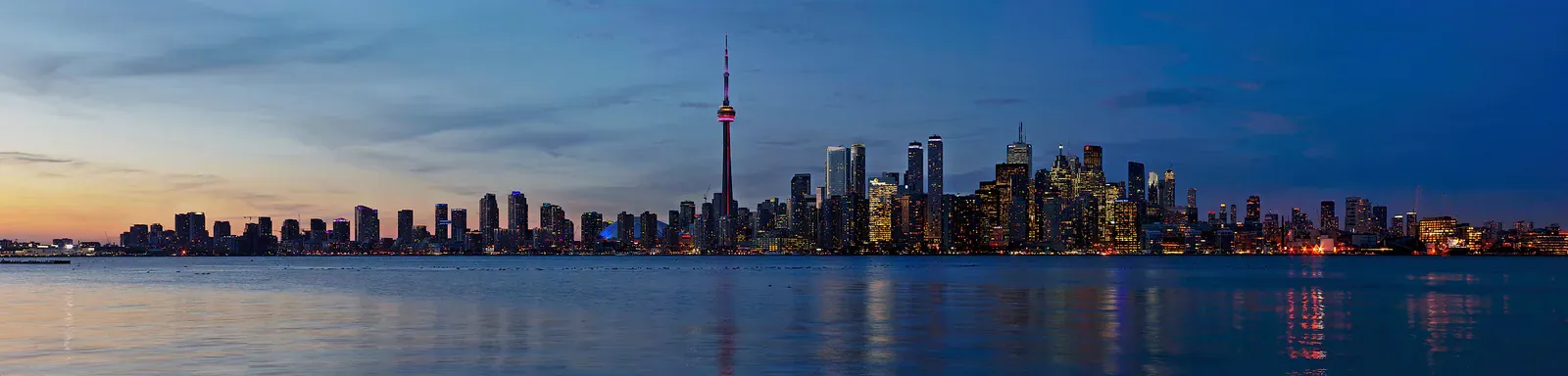
Radio caught up. Milestone won a Toronto licence on its third try in 2000, and Flow 93.5 opened in 2001 as the country’s first urban station. A generation including Kardinal Offishall, Classified, k-os, K’naan, Swollen Members, Buck 65, Shad and Cadence Weapon followed. Few of them broke into the American market. In 2008 Kardinal Offishall’s “Dangerous”, with Akon, reached number five on the Hot 100, the first major US hit by a Canadian rapper.
The Toronto sound and global success, 2008 to the present
Drake changed the scale. “Best I Ever Had” reached number two on the Hot 100 in 2009, and thirteen of his albums, mixtapes and playlists have peaked at number one on the US Billboard 200. “One Dance” in 2016 became the first Canadian hip hop single at number one on the Billboard Hot 100 and topped the charts in fifteen countries. The Weeknd, PARTYNEXTDOOR, Majid Jordan, Roy Woods, Nav and Tory Lanez came from the same Toronto circle, helped by Drake’s label OVO Sound and by his deal with Cash Money. The moody, reflective style they shared is called the Toronto sound. The scene also spread by language. Punjabi artists working in Canada such as Sidhu Moose Wala and Karan Aujla reached an international audience from the 2010s, and bbno$ became the first English-language hip hop winner of the Juno Fan Choice Award in 2025.
Characteristics
Canadian rap rests on American East and West Coast models, but its Black community is more heavily Caribbean than the African American one. English-language rap leans on Jamaican, Trinidadian and Bahamian rhythms and speech, and Quebec rap on French Antillean, Dominican and Haitian music. Kardinal Offishall’s “BaKardi Slang” turned Toronto’s Caribbean-derived slang into a hook. Rastafarian terms such as Zion and Babylon appear widely, even among rappers who are not Rastafarian. Other branches are less Caribbean. Buck 65 mixed in country, folk and blues, and his influence runs strongest in the Maritime provinces. Jazz appears in Dream Warriors and Da Grassroots, electronic music in Cadence Weapon and Kaytranada, and K’naan and k-os blend rap with rock, jazz and world music.
Instruments and production
Early records were built on turntables and samplers. “Let Your Backbone Slide” stacks breaks from James Brown, Strafe and Doug E. Fresh, and Dream Warriors reworked a Quincy Jones bossa nova. Later Toronto producers favoured sparse drum-machine patterns and synthesizer pads, and “One Dance” put a dancehall-afrobeats rhythm under a rapper’s sung hook. The tempo stays moderate, mostly between the mid 70s and about 120 beats per minute.

Notable recordings
“Let Your Backbone Slide” was Maestro’s debut single. It sold more than 50,000 copies in Canada, made him the first Canadian rapper with a gold single and reached number one on a national singles chart in April 1990. In a 2000 magazine poll it was voted the eleventh greatest Canadian song of all time.
“Northern Touch” was recorded in 1997 for a compilation that fell through. Rascalz released it alone the next year. It missed the national Top 40 by one place, at number 41, yet reached the top ten in most major markets, and the all-star line-up later returned to present the Juno rap award in 2018.
“Dangerous” came out in 2008 on Kardinal Offishall’s album Not 4 Sale. Its hook came from Akon, it passed Maestro’s old sales record, and the video was shot in Miami.
Culture
Canadian hip hop culture was built on small institutions. Campus radio, MuchMusic’s RapCity and X-Tendamix, and the film Make Some Noise (1994) documented the Toronto underground. The 2000 CBC drama Drop the Beat, about a campus radio hip hop show, starred Michie Mee and Kardinal Offishall in its cast. Online, HipHopCanada (from 2000) and later 6ixBuzz gave unsigned artists exposure, and the 2017 documentary 6ix Rising recorded the Drake-era boom.

Legacy
The Canadian scene proved that rap could grow in a country without a hip hop industry. Its radio fights led to urban stations and a Juno category in the main show, and its post-2008 stars, Drake above all, supplied pop rap’s streaming-era template. French-language Montreal rap earned a 2024 exhibit at the Musée de la civilisation,. SiriusXM Canada added a full-time channel, Mixtape: North, for Canadian hip hop and R&B in 2022.
Misconceptions
One myth is that Drake started Canadian hip hop. The first Canadian rap singles date from 1979, and Maestro Fresh-Wes had a national Top 40 and Billboard-charting single twenty years before “Best I Ever Had”. A second holds that Snow’s “Informer” was a rap hit. It topped the Billboard chart in 1993, but its style was dancehall, a branch of reggae, and it is not generally counted as hip hop. A third is that Canadian rap speaks only English. French-language rap has existed since 1983, Dubmatique topped the francophone charts in 1997, and Punjabi and Indigenous rappers have their own scenes.
Frequently asked questions
Who was the first Canadian rapper?
Mr. Q released the first known Canadian rap single, “Ladies’ Delight”, in 1979. Maestro Fresh-Wes was the first Canadian rapper with a national Top 40 hit, in 1989.
What is the Toronto sound in Canadian hip hop?
The Toronto sound is a moody, atmospheric style of hip hop and R&B with reflective and hedonistic lyrics. Drake, the Weeknd and PARTYNEXTDOOR made it popular from about 2009.
Why did Canadian hip hop stay underground for so long?
Canadian labels rarely signed rappers in the early 1990s, and the regulator refused an urban radio station in Toronto in 1990 and 1997. The first urban station, Flow 93.5, only opened in 2001.
What is Northern Touch?
Northern Touch is a 1998 single by Rascalz with Kardinal Offishall, Choclair, Checkmate and Thrust. It was the first Canadian rap song in the Top 100 and a landmark for the scene.
Sound
Sound sheet
Anatomy of a track
| # | Part | Bars |
|---|---|---|
| 1 | Intro | 4 |
| 2 | Verse | 16 |
| 3 | Hook | 8 |
| 4 | Verse | 16 |
| 5 | Hook and outro | 8 |
Signature sounds
- Caribbean-inflected delivery and slang
- Dancehall and reggae rhythmic touches
- Sung melodic hooks in the Toronto sound
- Posse cuts uniting rappers from several cities
Techniques
- Jazz and funk sampling
- Dancehall and patois delivery
- Melodic rap-singing
- Dancehall and afrobeats bounce
- Multilingual verses
Keys and modes
C-sharp or D-flat centre. Tonal centre of both Northern Touch and One Dance.
Tuning
12-TET, A=440
Vocals
Rapped verses in Caribbean-inflected English, Quebec French, Punjabi and Indigenous languages, with sung hooks common in the Toronto sound.
Scenes
Where it happened
Where and when the sound lived: one bar per city on a shared timeline.
North America
Active scenes
Peak 4, 2000-2025
The centre of Canadian rap, shaped by Caribbean communities, campus radio and later Drake's Toronto sound.
Home of French-language rap with French, Haitian and Antillean influences.
West Coast scene behind Rascalz and the Van City tag; its first all-rap radio show started in 1989.
Maritime scene shaped by Buck 65's country, folk and blues influenced rap and artists such as Classified.
Venues and places
Toronto, 1987 to today. Site of the first major hip hop concert in Canada, with Run-DMC, Public Enemy and EPMD.
Toronto, 1983 to today. Campus station that aired the Fantastic Voyage hip hop show from 1983 to 1991.
Toronto, 2001 to today. Canada's first urban music station, launched by Milestone Radio.
Vancouver, 1989 to today. Campus station where In Effect became Vancouver's first all-rap radio show.
Culture
Culture markers
- Toronto Caribbean slang
Black Toronto youth slang drawing on Caribbean speech, showcased in Kardinal Offishall's BaKardi Slang.
Slang - Rastafarian vocabulary
Terms such as Zion for good and Babylon for evil appear even among rappers who are not Rastafarian.
Slang - Video show and campus radio circuit
MuchMusic's RapCity and X-Tendamix and campus stations were the main outlets outside Toronto in the 1990s.
Ritual
Media
Key media
- 1983The Fantastic Voyage
by Ron Nelson. Canada's first hip hop radio program, and first airplay for many Toronto artists.
Radio - 1994Make Some Noise
by Andrew Munger. Documentary profiling Toronto underground rappers such as Ghetto Concept and Dan-e-o.
Film - 2000Drop the Beat
by CBC. TV drama about a campus hip hop radio show, among the first such series in the world.
Film - 20176ix Rising
by Noisey. Documentary on the rise of Toronto rap in the Drake era.
Film
Glossary
Terms on this page
Broadcast obligations to air Canadian music, which Buffalo's WBLK, a US station popular in Toronto, did not have.
Canadian industry award whose low-key 1998 presentation to Rascalz triggered a boycott and a move to the main ceremony.
The 1998 Rascalz single and the name of its all-star line-up of Canadian rappers.
Moody, atmospheric Toronto style of hip hop and R&B popularised by Drake, the Weeknd and PARTYNEXTDOOR.
A broadcast format for hip hop, R&B and Caribbean music; Canada had none before Flow 93.5 in 2001.
Nickname for Vancouver popularised by Rascalz.
Hip Hop family