Country rap
Country rap fuses country instruments and rural Southern themes with hip-hop beats and rapped verses, developed in the United States from the late 1990s.
Southern United States, 1998
Country family
Born
1998
Southern United States
Subgenres
1
Documented branches
Links
8
Genres it drew on or shaped
Tempo
65-130 BPMLineage
Family tree
Grew out of
Derived from
Influenced by
Southern United States, 1998
Country rap
Led to (1)
Timeline
Era by era
From the first sparks to today. Select a dot to read the story behind it.
- Talking blues and Southern rap prototypes
1961 to 1997
- Emergence
1998 to 2007
- Independent labels and Nashville crossovers
2008 to 2016
- Yee Haw and country trap
2017 to today
Eras
Moments
- 1 Talking blues and Southern rap prototypes, 1961 to 1997
- 2 Emergence, 1998 to 2007
- 3 Independent labels and Nashville crossovers, 2008 to 2016
- 4 Yee Haw and country trap, 2017 to today
1961
Talking blues and Southern rap prototypes
Talking-blues story songs, novelty rap records and Southern hardcore rap that called itself country rap prepared the fusion.
- 1961Jimmy Dean's Big Bad JohnA talking-blues story song later counted among the prototypes of country rap.
- 1979The Devil Went Down to GeorgiaCharlie Daniels' spoken-sung duel is cited as an early country-rap prototype.
- 1980Blowfly's Rapp and Western Gangster TownTwo early records mix country references with rap delivery.
- 1985Sir Mix-a-Lot's Square Dance RapHe raps in the voice of a white country boy.
- 1987Bellamy Brothers release Country RapThe country duo's single carries the genre's name in its title.
1998
Emergence
Kid Rock, Bubba Sparxxx and Cowboy Troy bring banjo, fiddle and rural themes to rap records and country radio.
- 1998Mo Thugs Family's Ghetto CowboyA rap single noted for its harmonica.
- 1998Kid Rock's Cowboy on Devil Without a CauseHe described it as a cross between Run DMC and Lynyrd Skynyrd.
- 2001Bubba Sparxxx's Ugly reaches the Hot 100The Timbaland-produced single peaked at number 15 and led to his Interscope deal.
- 2005Cowboy Troy's Loco MotiveBig & Rich introduce him on a country-radio album mixing banjo and fiddle with rock guitar and rap.
2008
Independent labels and Nashville crossovers
Average Joes Entertainment builds a country rap roster while rappers join country stars on hits such as Dirt Road Anthem and Cruise.
- 2008Average Joes Entertainment foundedColt Ford and producer Shannon Houchins start a label for country rap.
- 2011Jason Aldean's Dirt Road Anthem singleThe cover of Colt Ford's song became the best-selling digital song by a male country solo artist in the US.
- 2012Cruise remix with NellyFlorida Georgia Line's single reached number 1 on Hot Country Songs and became country's first diamond-certified single.
2017
Yee Haw and country trap
Hip-hop producers fold country sounds into trap, and Lil Nas X's Old Town Road sets a Hot 100 record.
- 2017Young Thug's Family Don't MatterCredited with popularizing the Yee Haw movement of rappers using country sounds.
- 2019Old Town Road tops the Hot 100 for 19 weeksLil Nas X's country trap single set a record for weeks at number one.
Listening path
Start listening
A short path from an easy way in to the deep end. Thumbnails come from YouTube; the player loads only when you press play.
- 01
Kid Rock, 1998
The rap-rock mix of country, Southern rock and hip-hop that predates the genre's later wave.
- 02
Bubba Sparxxx, 2001
Southern rap beat with a rural Georgia voice.
- 03
Cowboy Troy, 2005
Country-radio rap with banjo, fiddle and rock guitar.
- 04
Colt Ford, 2008
The original version of the song later made a country hit by Jason Aldean.
- 05
Lil Nas X, 2019
Banjo over 808 drums, the country trap record that topped the Hot 100.
Country rap, also called hick-hop, country hip-hop or redneck rap, is a fusion of country music and hip-hop that pairs rapped verses with country instruments and rural Southern subject matter.
It emerged in the United States in the late 1990s, built on a longer history of talking-blues story songs and Southern rap, and returned to the top of the charts in 2019 through its trap-based branch, country trap. It descends from country and draws on hip-hop and Southern hip-hop.
Origins
Before the genre had a name, several kinds of records pointed toward it. Talking blues, the spoken story song of country music, supplied the idea of a vocal that is narrated rather than sung: Jimmy Dean’s “Big Bad John” (1961), Johnny Cash’s “A Boy Named Sue” (1969), C. W. McCall’s “Convoy” (1975) and Charlie Daniels’ “The Devil Went Down to Georgia” (1979) are the usual examples. Some writers trace the line back to Woody Guthrie. Black artists contributed their own country-flavoured records, among them Prince Buster’s “Texas Hold-Up” (1964) and Parliament’s “Lil Ole Country Boy” (1970).
Rap records of the 1980s then borrowed country voices and stereotypes. Blowfly’s “Blowfly’s Rapp” and Trickeration’s “Western Gangster Town” appeared in 1980, Sir Mix-a-Lot’s “Square Dance Rap” in 1985, and the Bellamy Brothers, a country duo, put “Country Rap” on record in 1987. The duo UGK used the phrase for the hardcore Southern rap that followed the Geto Boys, as a reply to Northern critics who said Southern rap was not real hip-hop. In that sense country rap meant a place and an attitude before it meant a banjo.
Emergence, 1998-2007
The Mo Thugs Family single “Ghetto Cowboy” (1998), noted for its harmonica, and Kid Rock’s “Cowboy” from Devil Without a Cause (1998) are the first records of the modern fusion. Kid Rock described the second as a cross between Run DMC and Lynyrd Skynyrd, and his former DJ Uncle Kracker carried the blend into a solo career.
Bubba Sparxxx, from LaGrange, Georgia, made Dark Days, Bright Nights with the producer Shannon Houchins and released it independently. Its blend of country and trap caught the attention of the producer Jimmy Iovine, who put it out again on Interscope Records in 2001. The Timbaland-produced single “Ugly” reached number 15 on the Hot 100 that year.
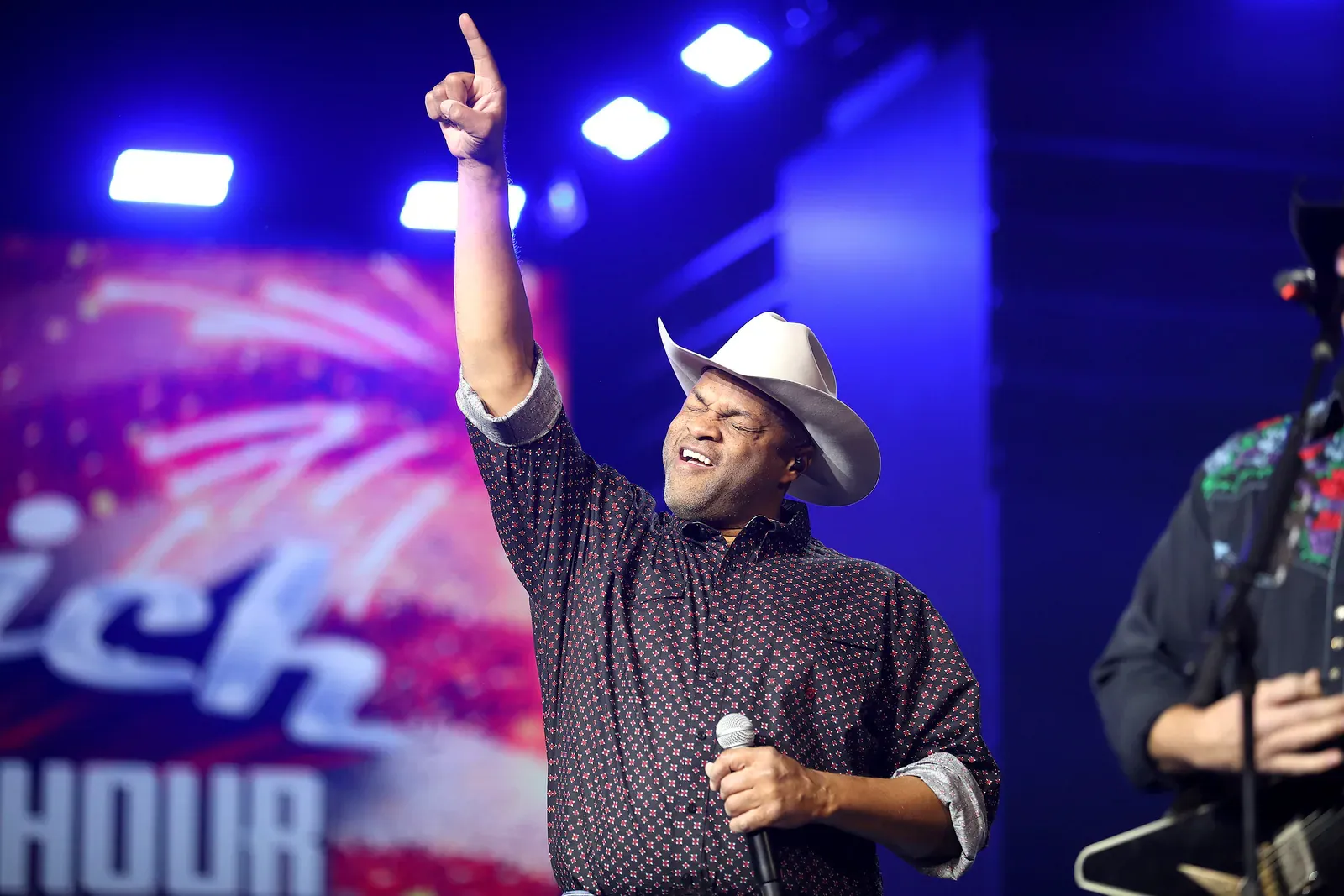
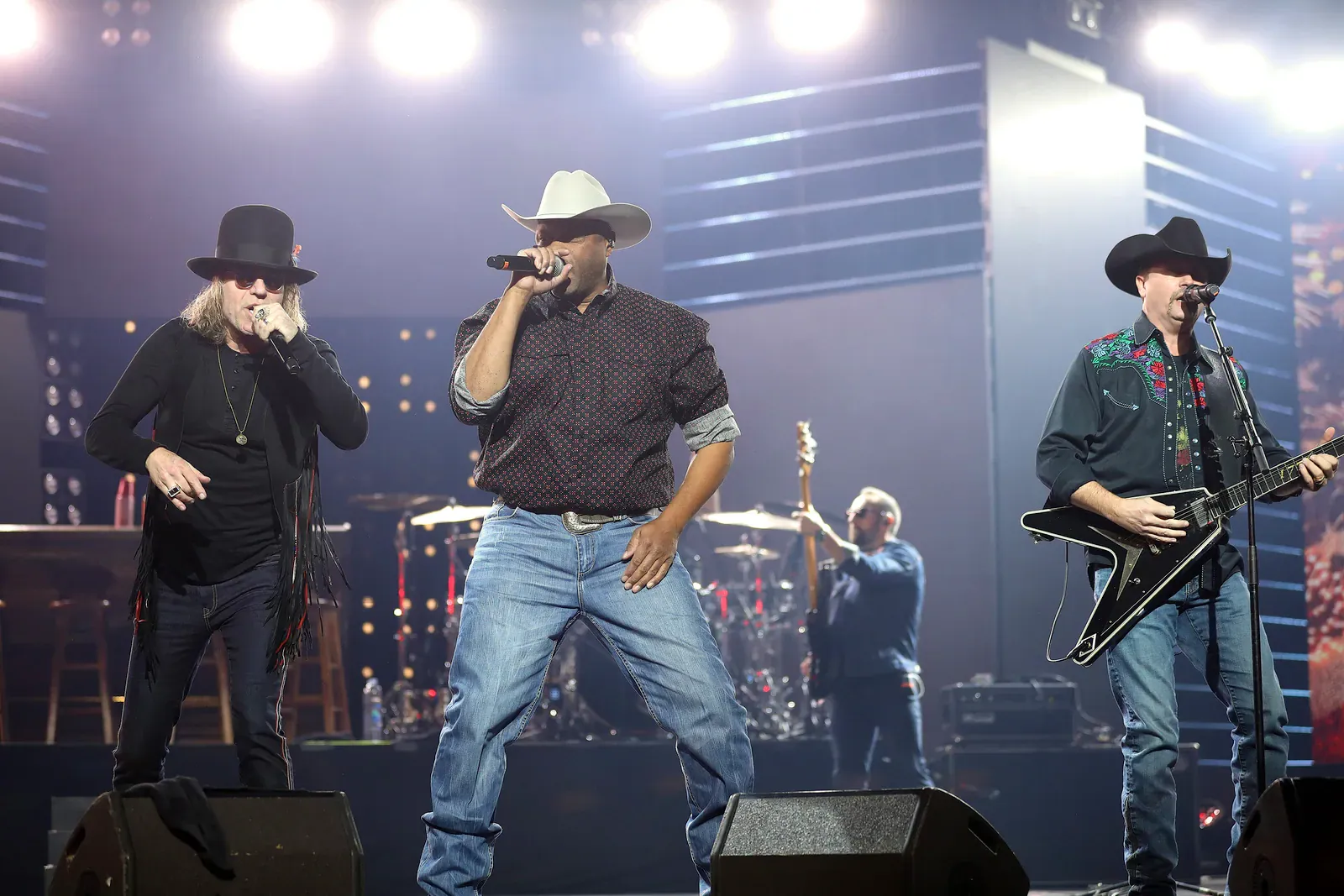
Country radio opened to the style in 2005, when Big & Rich introduced Cowboy Troy and his album Loco Motive. He has described his sound as country instrumentation, meaning banjo, fiddle and acoustic guitar, set against shredding rock guitar riffs and a rap delivery. In the United Kingdom, the artist Eminemmylou coined the term “hip hopry” in 2003 for country-instrument versions of rap hits and took part in an International Country Hip Hop Festival in New York in 2006.
Independent labels and Nashville crossovers, 2008-2016
In 2008 Houchins and the former golfer Colt Ford founded Average Joes Entertainment, which gave the genre a dedicated label. Ford’s songs, among them “No Trash in My Trailer” (2008) and “Drivin’ Around Song” (2013), helped him sell over one million albums. In 2013 Cowboy Troy, Lenny Cooper and The Lacs each had an album on Billboard’s country chart.
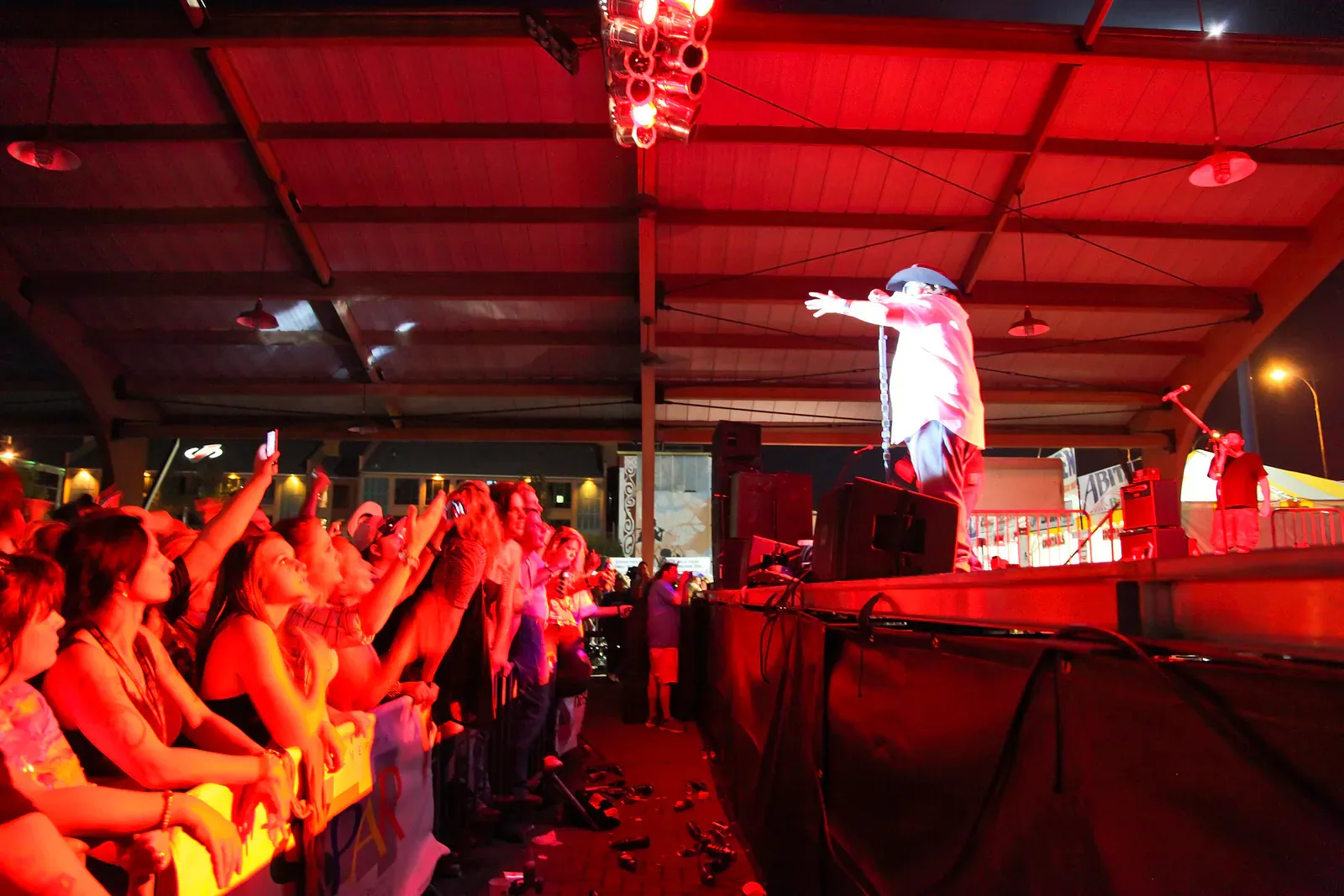
The more visible effect came from collaborations. Nappy Roots recorded “Po’ Folks” with Anthony Hamilton in 2002. Colt Ford’s “Dirt Road Anthem” appeared on Ride Through the Country (2008), and Jason Aldean’s cover, released as a single in 2011, became the best-selling digital song by a male country solo artist in the United States, with over four million sold. In 2012 Florida Georgia Line’s “Cruise” was remixed with Nelly and topped Hot Country Songs, and it became the first country single to earn a diamond certification. That record is often credited with opening the bro-country wave, in which hip-hop drum loops ran under country party songs. In the same year B.o.B and Taylor Swift made “Both of Us”, and in 2013 Brad Paisley and LL Cool J recorded the controversial “Accidental Racist”.
Yee Haw and country trap, 2017-present
The late 2010s brought what the press called the Yee Haw movement, in which hip-hop producers worked country sounds into their own records. Young Thug’s “Family Don’t Matter” (2017) is credited with popularizing it, and Lil Tracy and DaBaby are counted among its artists.
Country trap, built on trap drums and a banjo, reached the mainstream with Lil Nas X’s “Old Town Road” (2019). Produced by YoungKio and featuring banjo with Roland TR-808 drums and bass, it spent a record nineteen weeks at number one on the Hot 100 once subsequent versions, including a remix with Billy Ray Cyrus, were added. Blanco Brown’s “The Git Up” had gone viral in the same year, and later country trap records include Lil Nas X’s “Rodeo” with Cardi B, RMR’s “Rascal” and BigXthaPlug and Shaboozey’s “Home”. In 2020 Niko Moon’s “Good Time” peaked at number 20 on the Hot 100, and Beyoncé’s 2024 album Cowboy Carter mixed country with hip-hop, R&B and soul.
Characteristics
Country rap keeps the rapped verse and the sung country hook as separate roles: the verses are rapped and the chorus returns to a melody that a country audience can sing along to. Lyrics deal with rural and blue-collar life, mudding, fishing, small-town pride and party culture. Production varies by branch. The early records of Bubba Sparxxx rest on Southern hip-hop beats, Cowboy Troy’s on country band instruments and rock guitar, and country trap on 808 bass and hi-hats under a banjo line. Tempo ranges from slow half-time trap, such as “Old Town Road” at about 68 beats per minute, to faster country shuffles.
Instruments and production
Banjo, fiddle, acoustic guitar and slide guitar supply the country colour, while drum machines and sampled beats carry the rhythm, and some producers build tracks on samples of classic country records. The same elements can be arranged in different ways: Cowboy Troy pairs country instruments with rock guitar riffs, while trap producers keep a single banjo or acoustic guitar loop over 808 drums. The sound sheet lists the keys and techniques in detail.
Culture
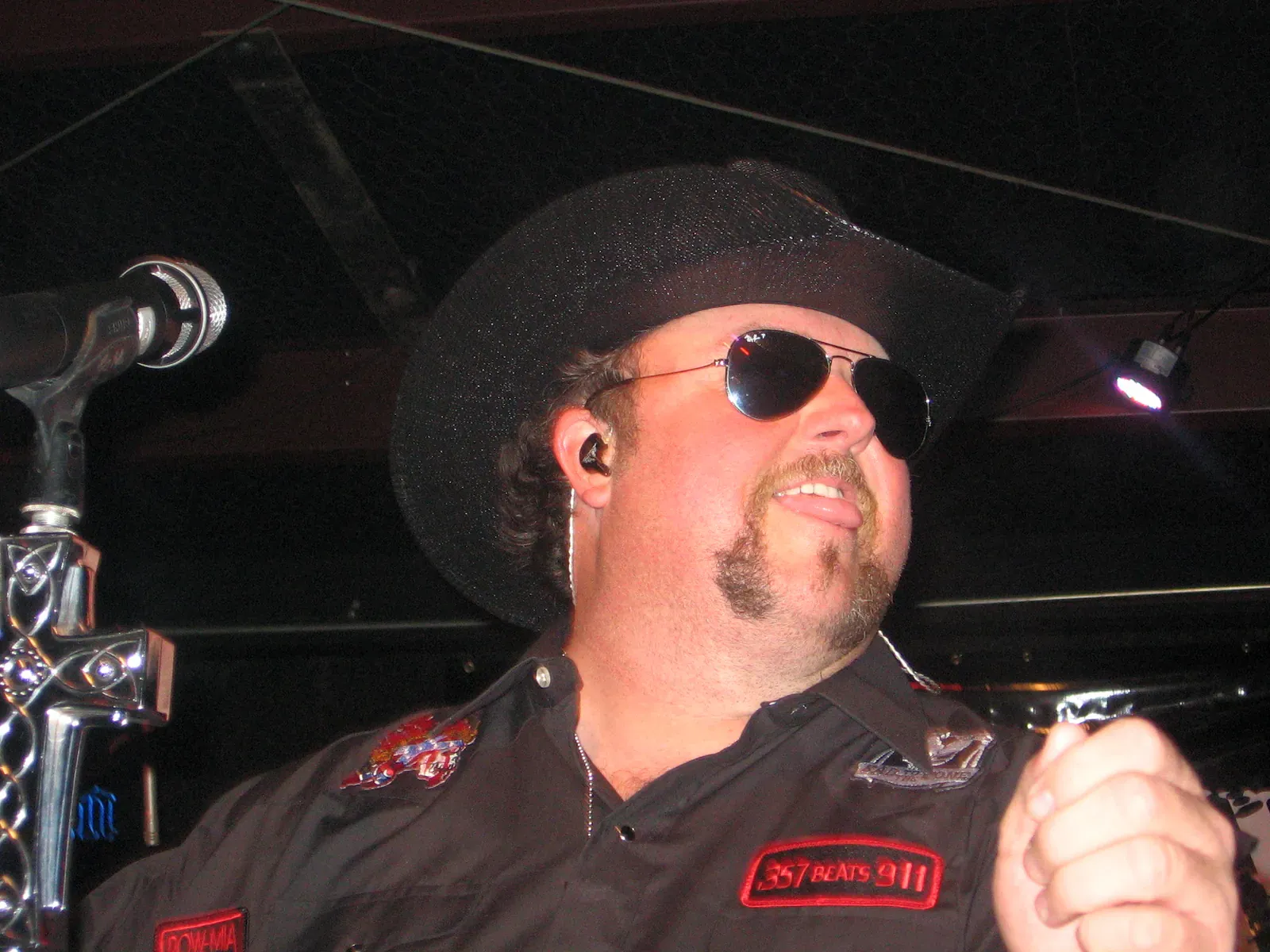
Country rap has an audience in rural areas, where physical sales of albums are higher because fans there often lack the internet service needed to stream or download. Artists gather for country rap festivals with audiences of up to 7,000 people. The name “hick-hop” is disputed: the rapper Struggle Jennings has said he loves the country and the South but is not a hick. The politics of the scene are often assumed to be right-wing, because of artists such as Upchurch and Forgiato Blow, but the views of its artists range across the whole spectrum.
Legacy
Country rap changed what counts as a country record. Hip-hop drum programming became common in mainstream country in the 2010s, and “Old Town Road” gave the style a record-setting Hot 100 run. Its branches remain active: Big Smo, The Lacs, Moonshine Bandits, Jawga Boyz and Ryan Upchurch are among the artists of the independent circuit, and the trap-based branch continues through country trap.
Misconceptions
One common view is that country rap began with “Old Town Road”. The fusion has records from the 1980s and a recognised modern form from 1998, and the term was used in Southern rap before that. A second is that it is a purely white style; Cowboy Troy, Lil Nas X and the Black artists named in the genre’s prototypes show otherwise. A third is that the hit crossovers are a different genre: Aldean’s “Dirt Road Anthem” was written by Colt Ford and Brantley Gilbert and first recorded by Ford, and Aldean himself did not describe it as a rap song.
Frequently asked questions
What is country rap?
Country rap is a fusion genre that mixes country music elements with hip-hop beats and rapping. Verses are rapped, hooks are usually sung, and the instruments include banjo, fiddle and slide guitar over drum-machine beats.
What is the difference between country rap and hick-hop?
They name the same style. Hick-hop is a nickname, and some artists, such as Struggle Jennings, reject it.
Is “Old Town Road” country rap?
It is usually called country rap or country trap. Lil Nas X himself regards it as country trap, a branch built on trap drums, 808 bass and banjo.
Who are the main country rap artists?
Early figures include Kid Rock, Bubba Sparxxx and Cowboy Troy. Colt Ford co-founded Average Joes Entertainment and has sold over one million albums, and Lil Nas X took the trap branch to the top of the Hot 100.
Sound
Sound sheet
Signature sounds
- Rapped verses with sung country hooks
- Banjo or slide guitar over 808 drums
- Rural and party lyrics such as mudding
Drums and percussion
- Roland TR-808
Techniques
- Rapped verse, sung hook
- Half-time trap bounce
- Sampling country records
Keys and modes
G-sharp minor. Old Town Road, over a G#m-Badd9-F#-C#m7 progression.
D major. Dirt Road Anthem.
Vocals
Rapped verses with sung country hooks, often in a Southern drawl.
Scenes
Where it happened
Where and when the sound lived: one bar per city on a shared timeline.
North America
Active scenes
Peak 3, 2008-2025
Hometown of Bubba Sparxxx, whose records took rural Georgia to rap audiences.
Georgia home of Colt Ford, the former golfer behind Average Joes Entertainment.
Country industry base where Cowboy Troy and Average Joes Entertainment worked.
Culture
Culture markers
- Hick-hop
Nickname for the style, disputed by some of its artists.
Slang - Country rap festivals
Gatherings where artists play to as many as 7,000 fans.
Ritual
Glossary
Terms on this page
Country rap built on trap drums and 808 bass, as in Old Town Road.
A nickname for country rap that some artists reject, such as Struggle Jennings.
Term coined in 2003 by UK artist Eminemmylou for country-instrument versions of rap hits.
Spoken story-song style, a forerunner of country rap's rapped verses.
Late-2010s trend of hip-hop producers folding country music into their records.
Country family