Country pop
Country pop is country music built for the pop market, with strings, hooks and smooth production. It began in Nashville around 1957 and now tops the Hot 100.
Nashville, Tennessee, 1962
Country family

Born
1962
Nashville, Tennessee
Subgenres
5
Documented branches
Links
16
Genres it drew on or shaped
Tempo
70-150 BPMLineage
Family tree
Grew out of
- Countrypolitan
Derived from
Influenced by
Pushed back against
Nashville, Tennessee, 1962
Country pop
Led to (7)
Timeline
Era by era
From the first sparks to today. Select a dot to read the story behind it.
- The Nashville sound
1957 to 1966
- Countrypolitan and the crossover wave
1967 to 1979
- Urban Cowboy and the duet era
1980 to 1989
- Arena country and pop remixes
1990 to 2004
- Idol, Swift and bro-country
2005 to 2018
- Streaming and genre blur
2019 to 2026
Eras
Moments
- 1 The Nashville sound, 1957 to 1966
- 2 Countrypolitan and the crossover wave, 1967 to 1979
- 3 Urban Cowboy and the duet era, 1980 to 1989
- 4 Arena country and pop remixes, 1990 to 2004
- 5 Idol, Swift and bro-country, 2005 to 2018
- 6 Streaming and genre blur, 2019 to 2026
1957
The Nashville sound
Chet Atkins and Owen Bradley drop fiddle and steel for strings, piano and choirs, aiming country at pop buyers after rock and roll. RCA Studio B and the Quonset Hut are the workshops; Patsy Cline and Jim Reeves lead.
- 1957RCA Studio B opens in NashvilleBuilt by RCA with Chet Atkins on Music Row, it becomes the main workshop of the Nashville sound.
- 1961Patsy Cline records CrazyOwen Bradley produces the Willie Nelson song with piano, strings and the Jordanaires; it crosses to the Hot 100 in late 1961.
1967
Countrypolitan and the crossover wave
Billy Sherrill-style orchestral countrypolitan meets pop-folk crossovers: Glen Campbell, John Denver, Olivia Newton-John, Dolly Parton and Kenny Rogers top both charts, and Nashville traditionalists push back.
- 1971John Denver releases Take Me Home, Country RoadsA folk-pop single on RCA becomes a defining pop-country crossover of the early 1970s.
- 1974Olivia Newton-John wins CMA Female Vocalist of the YearHer win as the first British winner sparks traditionalist protest and the short-lived Association of Country Entertainers.
- 1975Charlie Rich burns the envelope naming John DenverPresenter Rich sets fire to the card announcing Denver as CMA Entertainer of the Year, a protest at pop acts in country.
- 1975Glen Campbell releases Rhinestone CowboyThe Larry Weiss song becomes Campbell's comeback and a standard of pop-country.
1980
Urban Cowboy and the duet era
The film Urban Cowboy and Dolly Parton and Kenny Rogers hits bring country to pop radio. By 1984 sales fall sharply and the neotraditionalists take over country radio.
- 1980Urban Cowboy opensThe film set at Gilley's club sparks a mainstream country, line dance and western wear boom.
- 1980Dolly Parton releases 9 to 5The title song of the film tops both the country and pop charts and makes her a crossover star.
- 1983Kenny Rogers and Dolly Parton release Islands in the StreamWritten by the Bee Gees, the RCA duet is a country and pop number one and a template for crossover duets.
- 1984Country sales fall sharply after the Urban Cowboy boomRecord sales drop and neotraditional artists reassert a traditional sound, ending the first mass pop-country boom.
1990
Arena country and pop remixes
Garth Brooks, Shania Twain, Faith Hill and the Dixie Chicks sell at pop scale. Pop-radio remixes with the steel guitar removed become standard for crossover singles.
- 1990Garth Brooks releases No FencesFriends in Low Places and the album bring rock-concert staging and pop-scale sales to country.
- 1997Shania Twain releases Come On OverMutt Lange produces a country edition and a pop-oriented international mix; the album sells over 40 million copies.
- 1998Dixie Chicks release Wide Open SpacesNatalie Maines's first album with the trio reaches diamond status and wins the Best Country Album Grammy.
2005
Idol, Swift and bro-country
Carrie Underwood and Taylor Swift cross over without leaving Nashville, then Florida Georgia Line and Sam Hunt bring party themes, hip-hop beats and a 2012 chart rule change that rewards pop airplay.
- 2005Carrie Underwood wins American IdolHer debut single Inside Your Heaven becomes the first by a country artist to debut at number one on the Hot 100.
- 2008Taylor Swift releases FearlessLove Story and You Belong with Me make the album a country and pop smash and win Album of the Year in 2010.
- 2012Florida Georgia Line release CruiseThe debut single becomes the first country song to reach Diamond certification and kicks off bro-country.
- 2012Billboard adds cross-format airplay to Hot Country SongsFrom October 20 the chart counts pop radio, downloads and streams, which lengthens the runs of crossover songs.
- 2017Meant to Be spends 50 weeks atop Hot Country SongsBebe Rexha and Florida Georgia Line set the record for weeks at number one on the chart.
2019
Streaming and genre blur
Lil Nas X, Morgan Wallen, Beyonce and Shaboozey push country-pop onto the Hot 100 and into rap, pop and R&B playlists. Wallen and Shaboozey set chart records on streaming-era rules.
- 2019Billboard removes Old Town Road from Hot Country SongsThe chart says the song does not embrace enough country elements, a move that fuels a debate over the genre's limits.
- 2019Old Town Road remix tops the Hot 100 for 19 weeksWith Billy Ray Cyrus, released April 5, it sets the Hot 100 record of its day and reaches Diamond status within months.
- 2023Morgan Wallen's One Thing at a Time dominates the chartsFive songs from the album sit in the top ten of the Hot 100 at once, a first for a country act.
- 2024Beyonce releases Cowboy CarterThe March album brings a pop superstar and Black country artists to the centre of the genre debate.
- 2024Shaboozey releases A Bar Song (Tipsy)The country-rap single spends 19 weeks atop the Hot 100, tying Old Town Road.
Listening path
Anthems
The records that built the sound, grouped by the part they played. Thumbnails come from YouTube; the player loads only when you press play.
- 01
Patsy Cline, 1961 · Decca Records
Owen Bradley's polished ballad made the Nashville sound a pop hit and set the template for country-pop.
Origin - 02
Dolly Parton, 1980 · RCA Records
A film theme that topped the pop and country charts and made Dolly Parton a mainstream star.
Breakthrough - 03
Shania Twain, 1997
A glam-rock-styled pop-country hit from the biggest-selling female studio album.
Breakthrough - 04
Taylor Swift, 2008 · Big Machine Records
A teenage songwriter's Fearless single that became a pop and country smash.
Start hereBreakthrough - 05
Glen Campbell, 1975 · Capitol Records
A big-chorus Capitol single that defined 1970s pop-country sound and showmanship.
Anthem - 06
Kenny Rogers, 1983 · RCA Records
The Rogers and Parton duet showed a country pairing could top the pop charts too.
Start hereAnthem - 07
Florida Georgia Line, 2012 · Republic Records
The Nelly remix era single that launched bro-country and a Diamond country song.
Anthem - 08
John Denver, 1971 · RCA Records
A folk-pop singalong on RCA that carried a country-flavoured song across pop and country radio.
Start hereCrossover - 09
Olivia Newton-John, 1973 · MCA Records
The light country single behind the 1974 CMA row over who counts as country.
Crossover - 10
Faith Hill, 1999 · Warner Music Nashville
A slow-build ballad that took a country singer to pop radio.
Crossover - 11
Carrie Underwood, 2006
A country revenge song that succeeded on pop radio without a pop remix.
Crossover - 12
Lil Nas X, 2019 · Columbia Records
The remix with Billy Ray Cyrus that blurred country and trap and sparked the chart genre debate.
Crossover - 13
Shaboozey, 2024
A country-rap singalong that tied the Hot 100 record for weeks at number one.
Revival
Facts
| Family | Country |
| Origin | Nashville, Tennessee, United States |
| Emerged | 1960s to 1970s |
| Status | Active |
| Tempo | 70 to 150 BPM |
| Meter | 4/4 |
| Grew out of | Countrypolitan |
| Subgenres | 5 |
Country pop is country music written, arranged and promoted for pop listeners, with pop song structures, smooth production and only light country instrumentation. It grew out of the Nashville sound of the late 1950s, and its songs have repeatedly crossed from country radio to the pop charts since.
Typical tempos run from 70 to 150 BPM in 4/4.
Origins
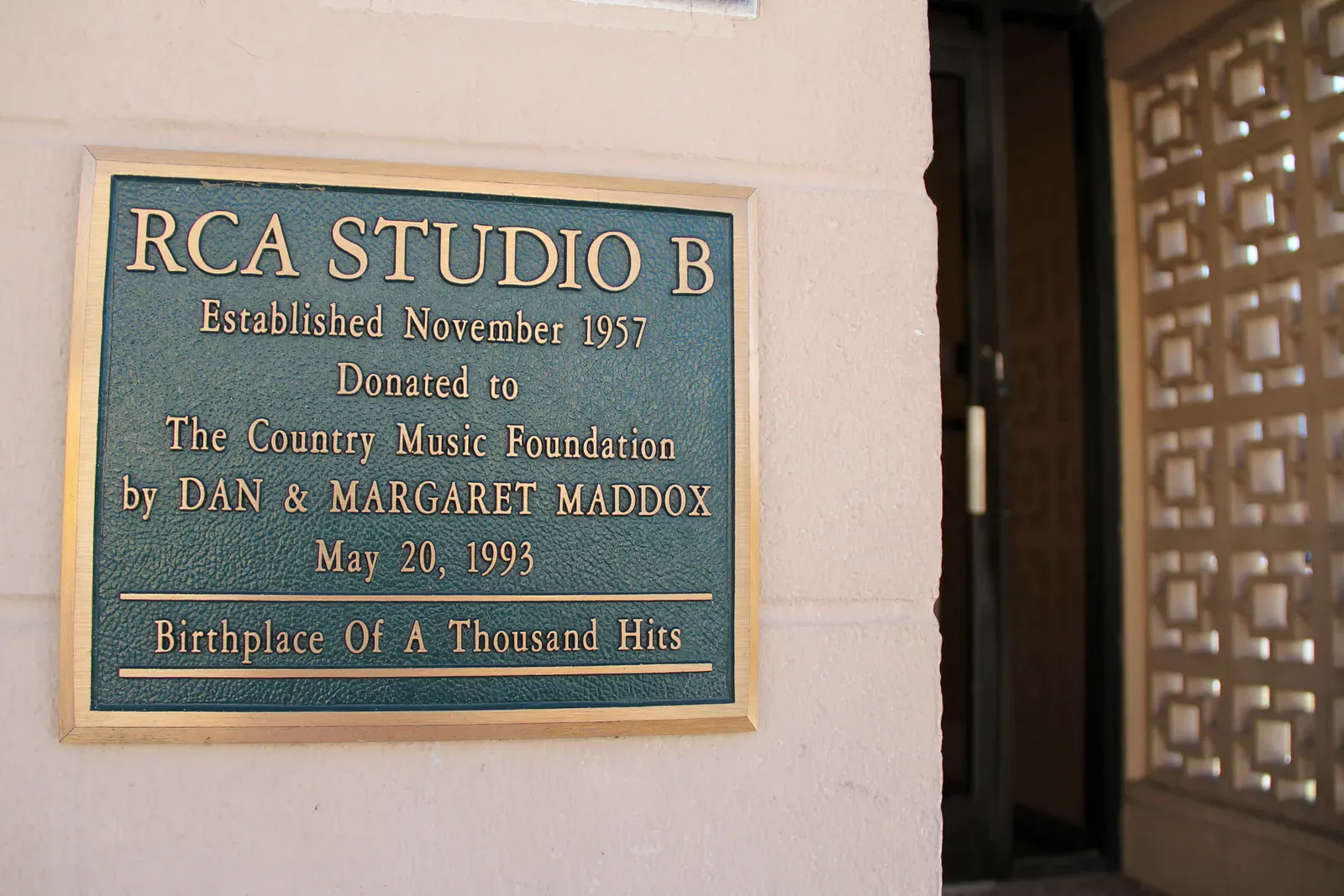
The genre starts as a business decision. After rock and roll cut into country sales in the mid-1950s, Nashville producers, above all Chet Atkins at RCA and Owen Bradley at Decca, replaced fiddle and steel guitar with piano, strings and choirs. RCA opened Studio B on Music Row in 1957, and Bradley worked in a converted Quonset hut and later in a converted barn outside the city. A rotating group of session players, later called the Nashville A-Team, played on most of the records.
The record that best shows the method is Patsy Cline’s “Crazy” (1961). Willie Nelson wrote it, Bradley produced it with piano, strings and the Jordanaires, and it crossed to the Hot 100 in late 1961. Its jazz-tinged chords sat well outside plain three-chord country, which was the point: country could sell to buyers who did not think of themselves as country fans.
The Nashville sound, 1957-1966
This period set the production habits that later pop-country kept: a close, clear lead vocal, background singers in place of a honky-tonk band, and a restrained drum kit. The sound offered an alternative to the hard honky-tonk style of the 1950s, which it partly reacted against. Studio B and the Quonset Hut are the two best-known rooms, and Cline and Jim Reeves were the era’s lead voices.
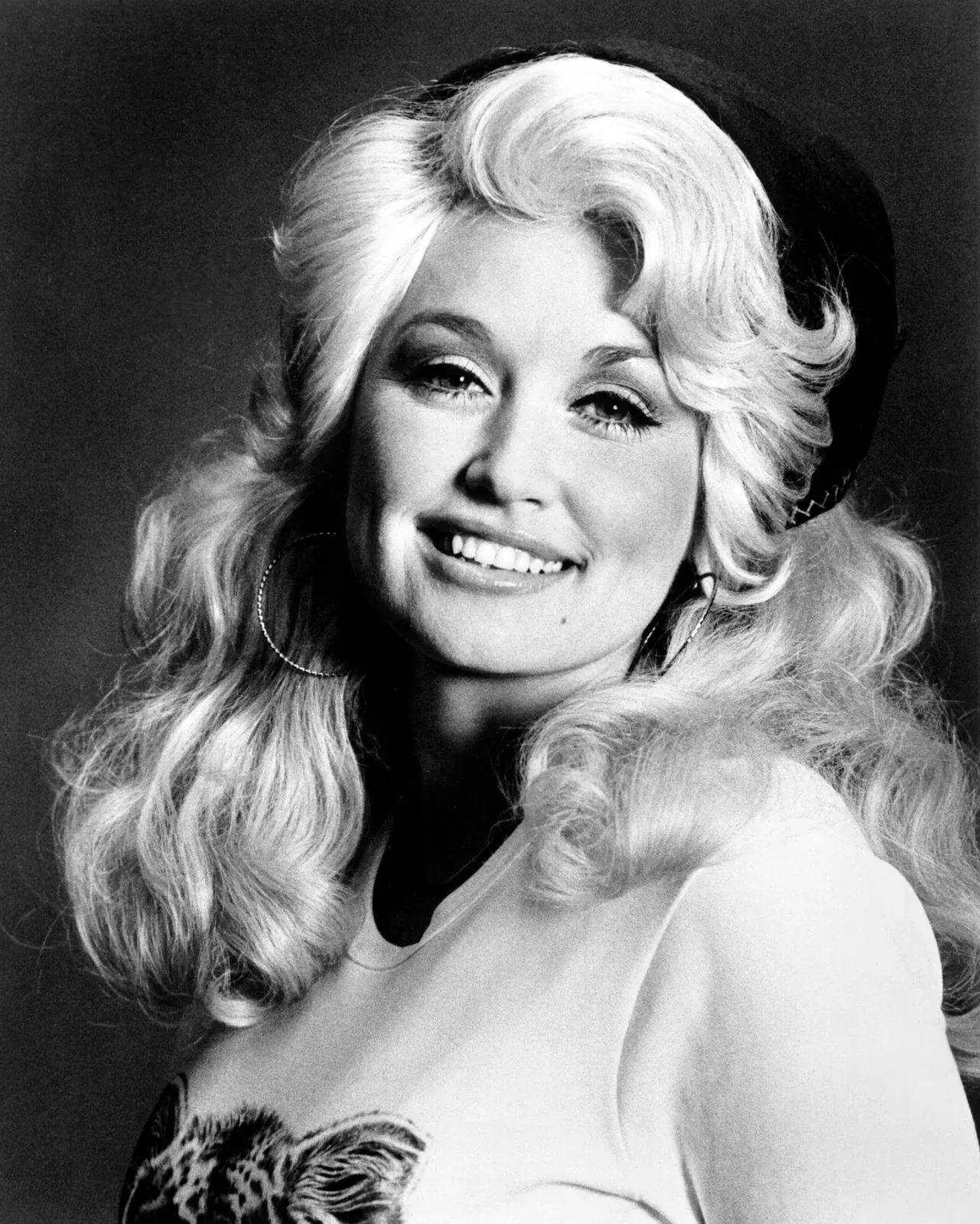
Countrypolitan and the crossover wave, 1967-1979
Producers such as Billy Sherrill pushed the formula further into orchestral countrypolitan, while pop-folk singers moved the other way. Glen Campbell recorded with Los Angeles session players for Capitol, and John Denver’s “Take Me Home, Country Roads” (1971) became a country and pop standard on RCA. Olivia Newton-John’s “Let Me Be There” (1973) led to a public argument over who counted as country.
That argument came to a head at the Country Music Association awards. Newton-John, the first British winner of Female Vocalist of the Year, took the prize in 1974, and traditionalists formed the short-lived Association of Country Entertainers in protest. In 1975 Charlie Rich set fire to the card naming John Denver Entertainer of the Year. The same year Campbell’s “Rhinestone Cowboy” on Capitol became his comeback single. The fight over the genre’s borders has recurred in every later decade.
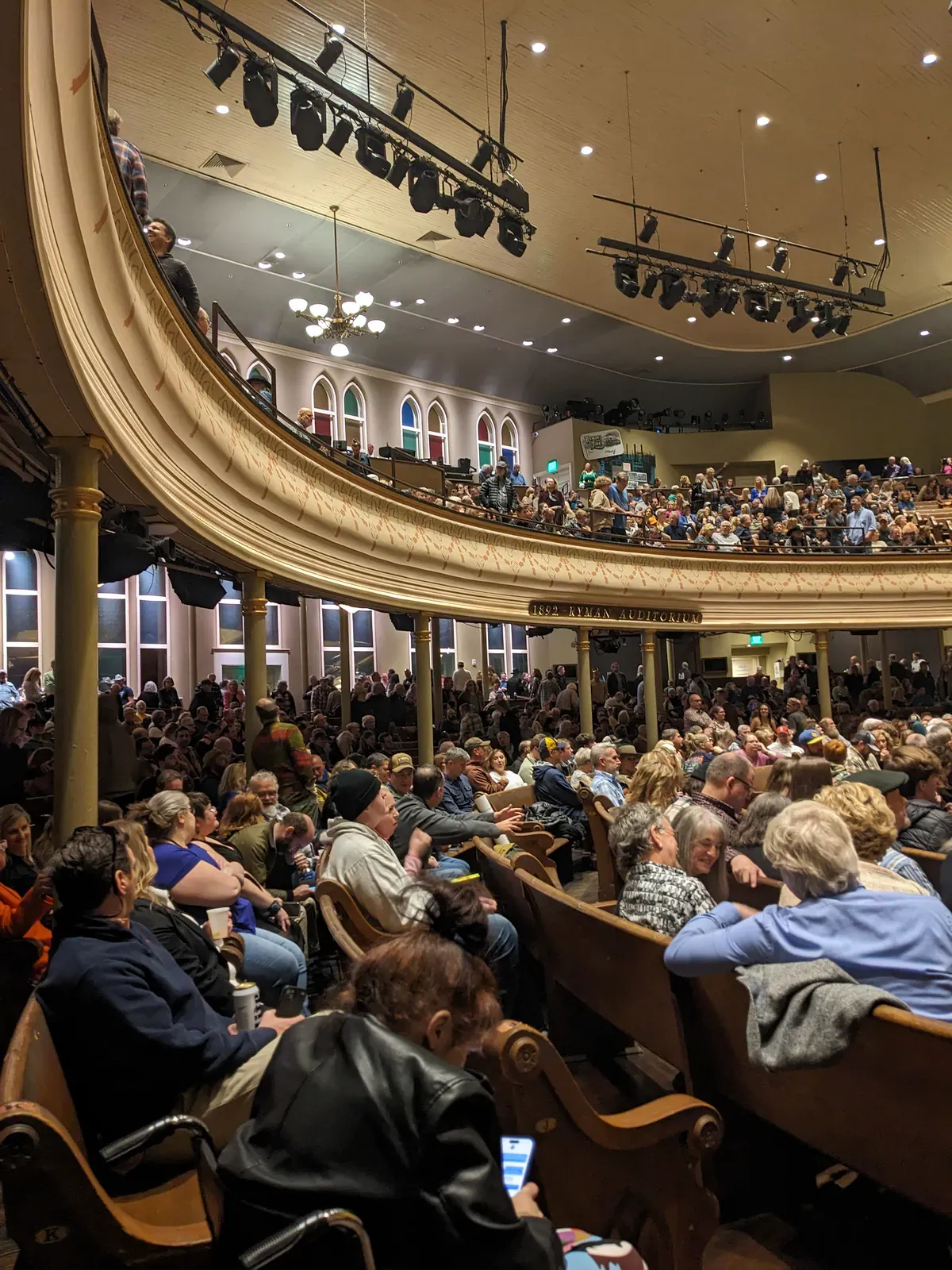
Urban Cowboy and the duet era, 1980-1989
The 1980 film Urban Cowboy, set at Gilley’s club in Pasadena, Texas, started a mainstream boom in country, line dancing and western wear, and its triple-platinum soundtrack mixed country and pop acts. Dolly Parton’s “9 to 5” (1980) topped both charts. Kenny Rogers and Parton followed with “Islands in the Stream” (1983), written by the Bee Gees, a number one on the pop and country lists and a template for crossover duets.
The boom ended quickly. By 1984 country sales had fallen sharply, and neotraditional artists took back country radio with a plainer sound.
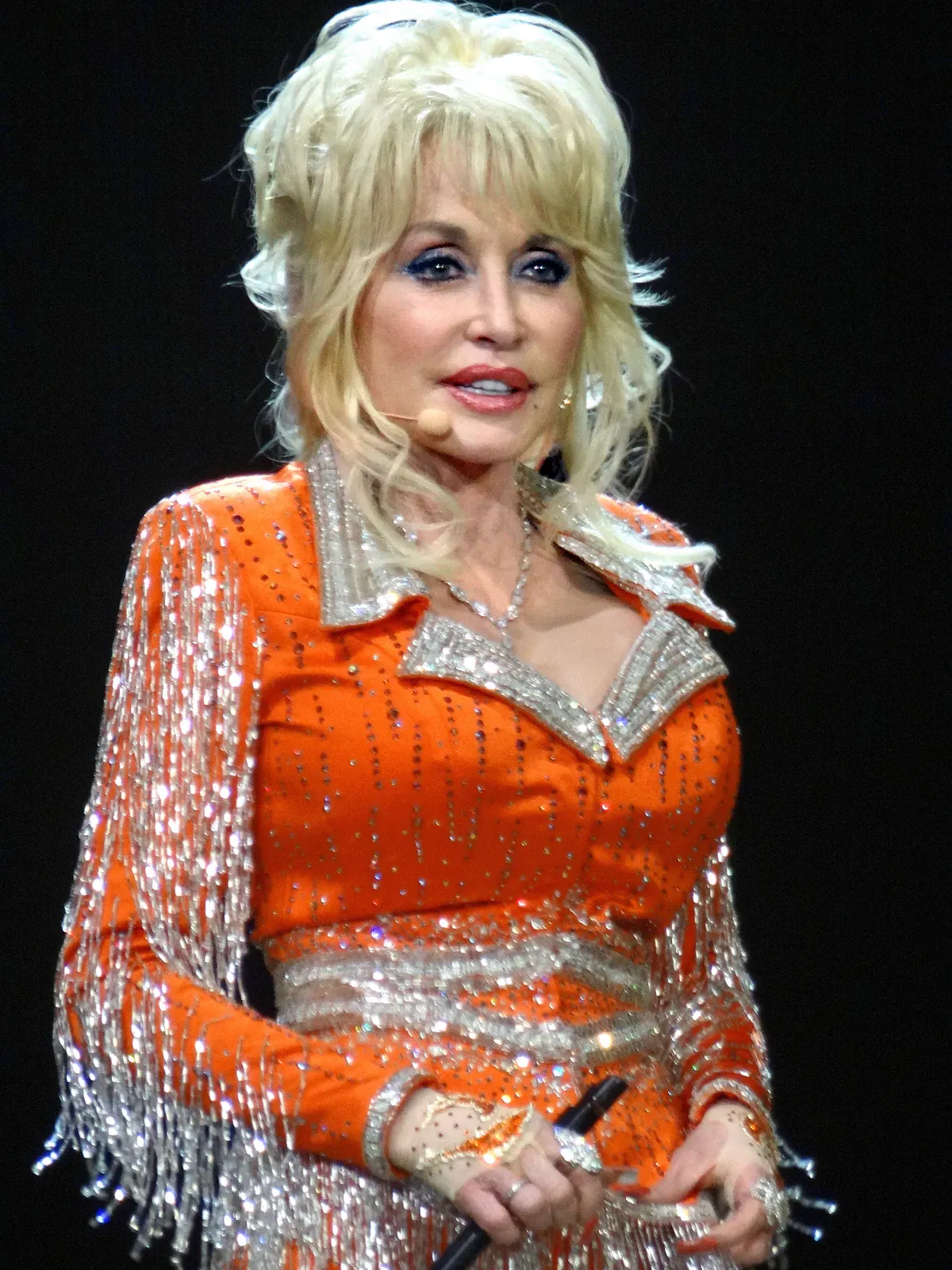
Arena country and pop remixes, 1990-2004
Garth Brooks released No Fences (1990) on Capitol Nashville, with “Friends in Low Places” and rock-concert staging, and country began to sell at pop scale. Shania Twain’s Come On Over (1997), produced by Robert John “Mutt” Lange, appeared in a country edition and a pop-oriented international mix. It sold over 40 million copies. The Dixie Chicks’ Wide Open Spaces (1998) reached diamond certification and won the Grammy for Best Country Album. Faith Hill’s “Breathe” (1999) took a country singer to pop radio dominance.
The pop-radio remix, a version with the steel guitar and fiddle removed, became standard practice for crossover singles in these years.

Idol, Swift and bro-country, 2005-2018
Carrie Underwood won American Idol in 2005, and her debut single was the first by a country artist to enter the Hot 100 at number one. Her “Before He Cheats” (2006) succeeded on pop radio without a pop remix. Taylor Swift’s Fearless (2008), on Big Machine Records, carried “Love Story” and “You Belong with Me” to country and pop success and won Album of the Year at the 2010 Grammys.
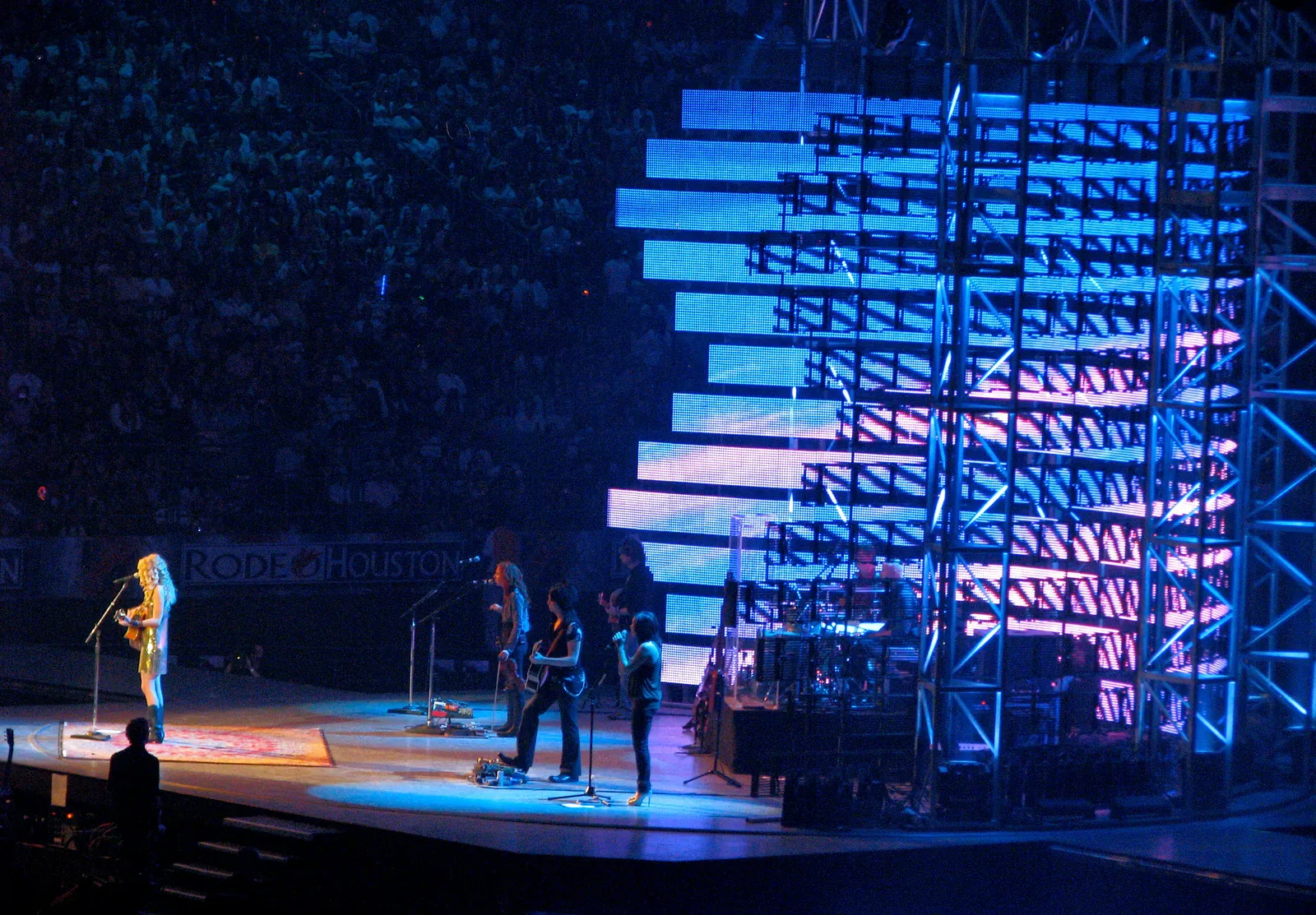
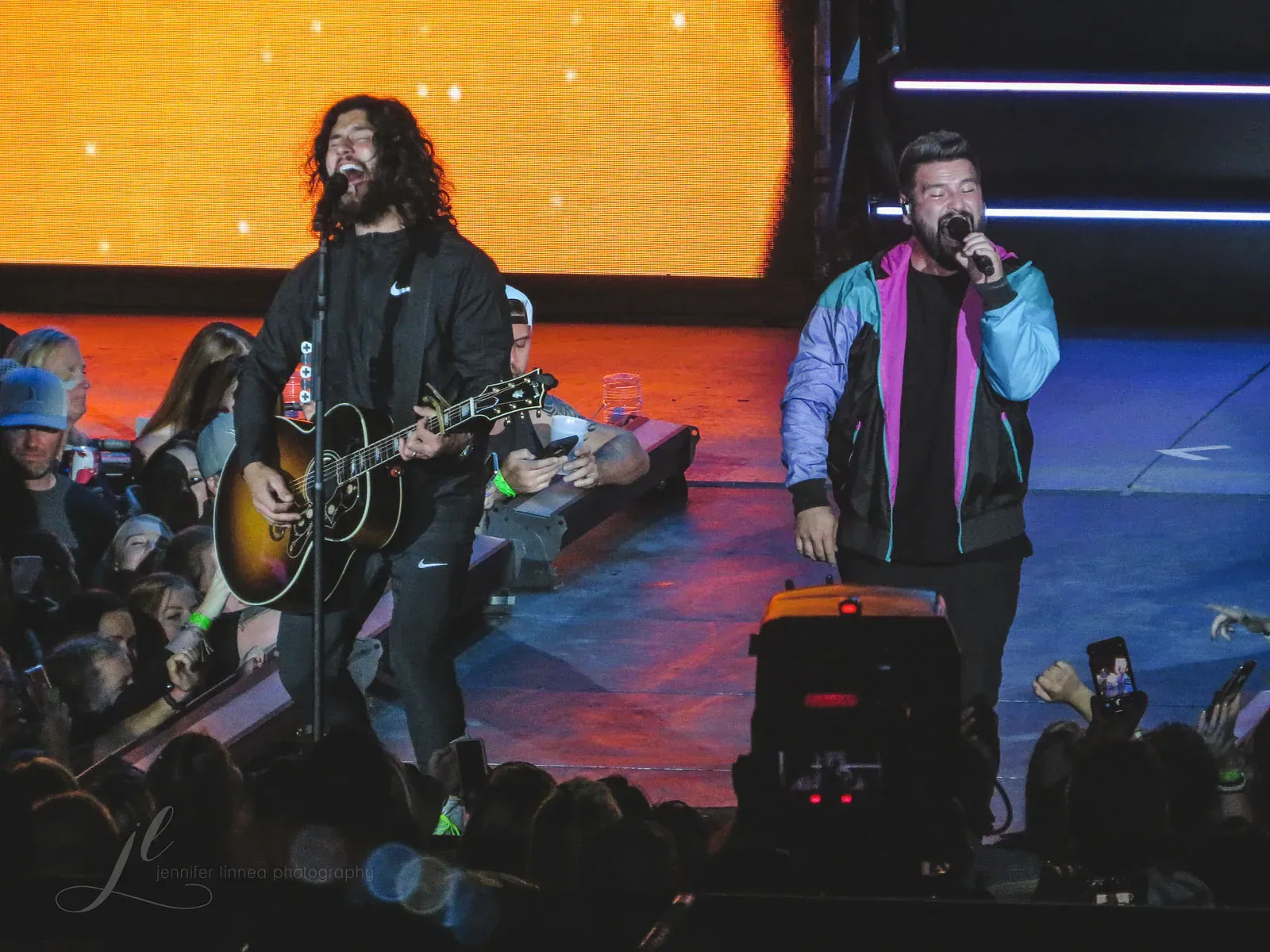
In 2012 Florida Georgia Line’s “Cruise” on Republic became the first country song certified Diamond and started bro-country: party, truck and romance songs with rock and hip-hop production. The same year Billboard began counting pop radio, downloads and streams on Hot Country Songs, from the chart dated 20 October, which lengthened the runs of crossover songs. “Meant to Be”, by Bebe Rexha and Florida Georgia Line, set a record of 50 weeks at number one on that chart in 2017 and 2018.
Streaming and genre blur, 2019 onward
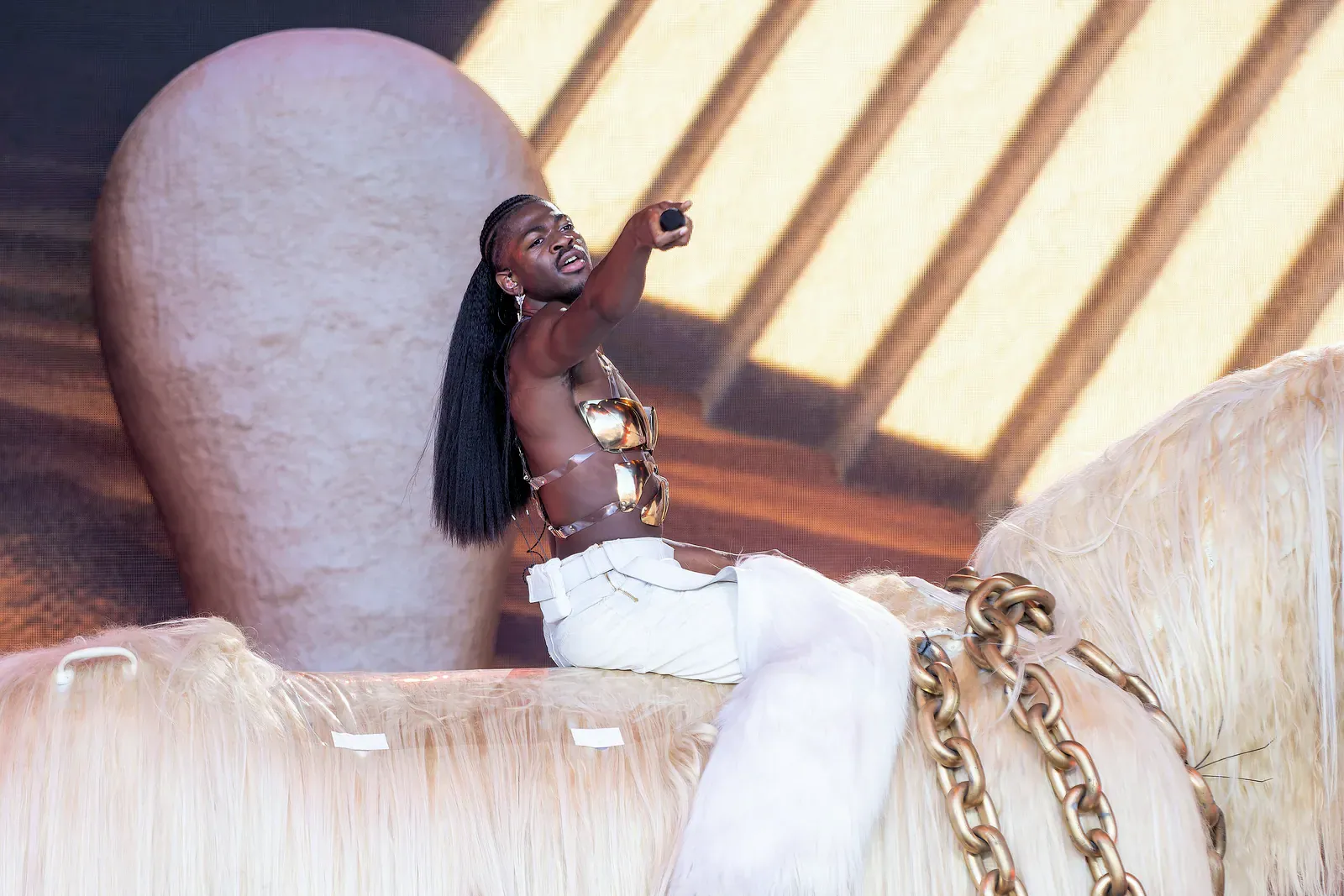
Lil Nas X’s “Old Town Road” (2019) merged country and trap. Billboard removed it from Hot Country Songs, saying it did not embrace enough country elements, which fed a public debate over the genre’s limits. The remix with Billy Ray Cyrus, released on 5 April, spent 19 weeks at the top of the Hot 100. In 2023 Morgan Wallen’s One Thing at a Time put five songs in the top ten of the Hot 100 at once, a first for a country act. In March 2024 Beyonce released Cowboy Carter, which placed a pop superstar and Black country artists at the centre of the argument, and Shaboozey’s “A Bar Song (Tipsy)” later matched the 19-week Hot 100 record.
Characteristics
Country pop keeps the verse-chorus-bridge form of pop, with a large singalong chorus and a clear, conversational lead vocal over stacked harmonies. The country element is a colour rather than a frame: acoustic guitar, banjo or a little pedal steel over a pop rhythm. Lyrics still draw on country subjects such as small towns, heartbreak and trucks, but the arrangement is built around the hook. In the 2010s, programmed trap-style beats and rap cadences joined the list.
Instruments and production
Piano and arranged strings carried the Nashville sound, and acoustic guitar became the strummed bed under pop melodies from “Country Roads” to “Love Story”. Electric guitar supplied clean fills in place of the fiddle, and bass moved from upright in the 1960s to electric in the 1970s. Production moved toward tight compression and a forward vocal, and from the 2010s programmed drums replaced much of the kit.
Culture
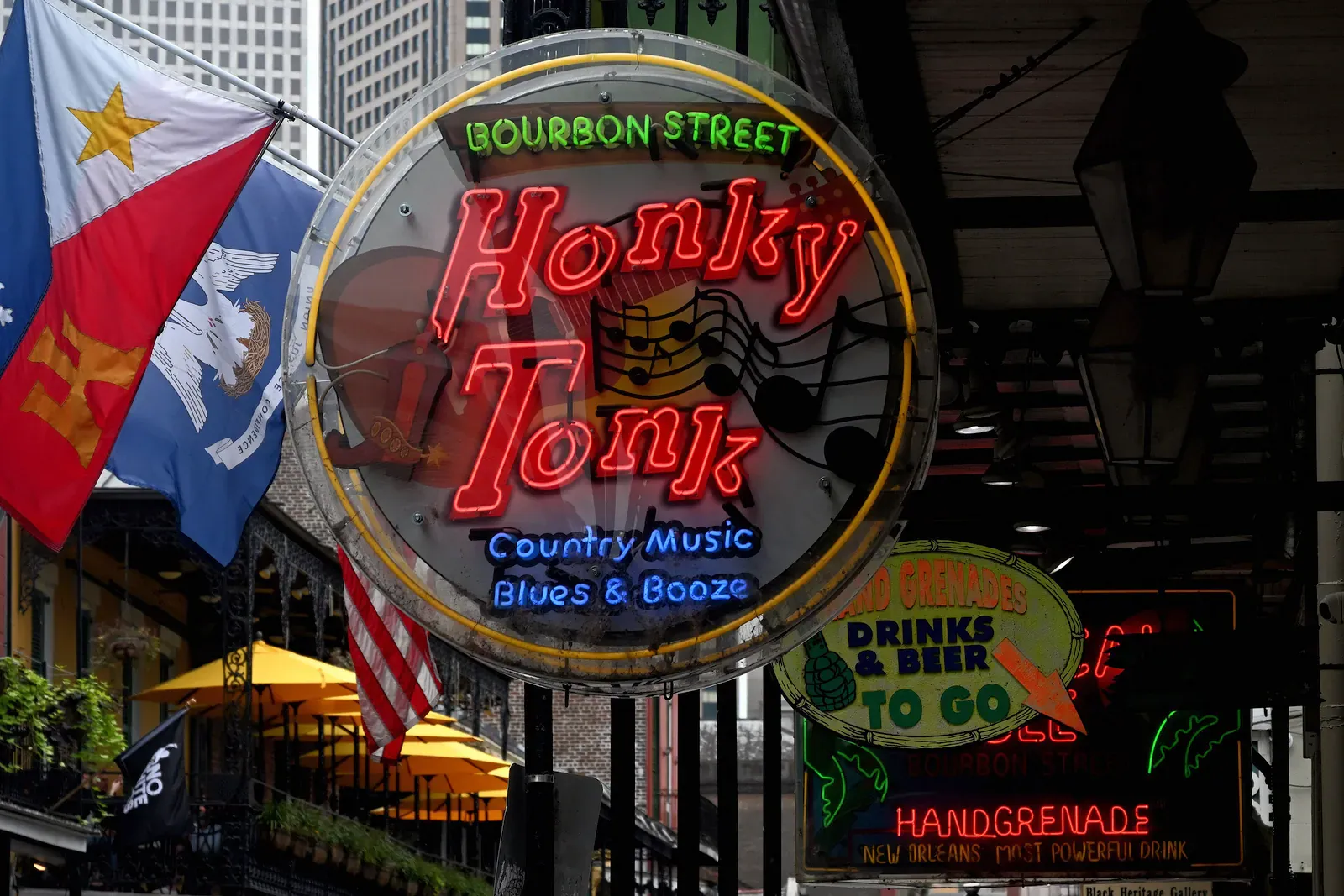
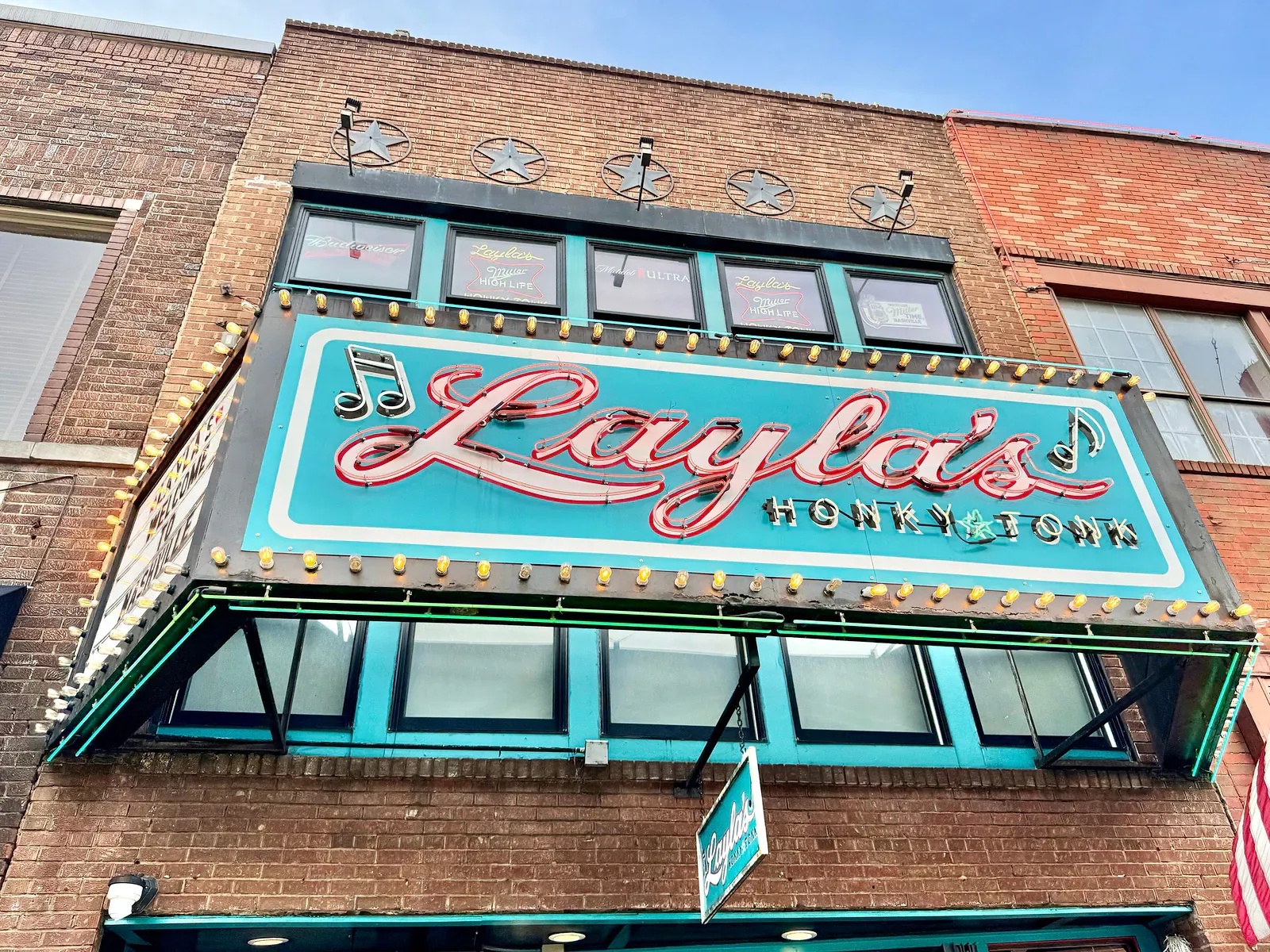
Western wear went from stagewear to retail after Urban Cowboy, and mechanical bull riding became a nightclub draw. Line dancing returned each time a new song invited it, including “A Bar Song”. Nashville’s Broadway honky-tonks and Music Row studios, whose business is selling country songs to wider audiences, remain the economic centre of the genre.

Legacy
Country pop made Nashville a global hit factory and set the template for the crossover duet, the diamond-selling album and the genre-blending single. Its two periods of expansion, the 1970s and the 1990s onward, produced the stars who now define commercial country. Its influence runs to pop writing as well: songs from Nashville sit on the Hot 100 beside pop and hip-hop releases. Related styles include adult contemporary and American folk.
Misconceptions
One myth is that country pop is a recent invention of the streaming era. The Nashville sound was already aimed at pop buyers in 1957, and “Crazy” crossed to the Hot 100 in 1961. A second is that crossover artists abandon country, yet Carrie Underwood’s “Before He Cheats” reached pop radio with no pop remix, and Taylor Swift’s Fearless won the 2010 Album of the Year while still a country record. A third is that the border fight began with “Old Town Road”. The 1974 and 1975 Country Music Association disputes over Olivia Newton-John and John Denver were the same argument five decades earlier.
Frequently asked questions
What is country pop?
Country pop is country music made for the pop market, with pop hooks, smooth production and light country instrumentation. It began with the Nashville sound around 1957 and covers acts from Patsy Cline and Dolly Parton to Shania Twain and Taylor Swift.
What is the difference between country pop and the Nashville sound?
The Nashville sound is the 1950s and 1960s production style, built on strings, piano and choirs. Country pop is the wider category it started, and it continued through countrypolitan, the 1980s duet era, 1990s arena country and later streaming-era hits.
Who are the biggest country pop artists?
Dolly Parton, Taylor Swift, Shania Twain, Kenny Rogers, Garth Brooks, Glen Campbell, Patsy Cline, John Denver, Carrie Underwood and Florida Georgia Line are the leading names.
What is bro-country?
Bro-country is the early-2010s style of party, truck and romance songs with hip-hop and rock production, led by Florida Georgia Line’s “Cruise” (2012). The name came from a critic in 2013.
Sound
Sound sheet
Anatomy of a track
| # | Part | Bars |
|---|---|---|
| 1 | Intro | 4 |
| 2 | Verse 1 | 16 |
| 3 | Chorus | 16 |
| 4 | Verse 2 | 16 |
| 5 | Chorus | 16 |
| 6 | Bridge | 8 |
| 7 | Final chorus | 16 |
| 8 | Outro | 4 |
Signature sounds
- Strings and background vocals in place of fiddle and steel (Nashville sound)
- Big pop hook and singalong chorus
- Light country colour: acoustic guitar, banjo or pedal steel over a pop rhythm
- Pop-radio remix with the steel guitar removed
- Programmed trap-style beats and rap cadence (2010s)
- Clear, close lead vocal with stacked harmonies
Drums and percussion
- Acoustic drum kit
- Programmed beats and loops
Techniques
- String arrangements
- Background vocal choirs
- Jazz-influenced chords
- Pop-radio remixes
- Programmed trap-style beats
- Tight compression, forward vocal
Keys and modes
Major, I-IV-V and vi. Most hits sit in major keys, for example Country Roads in A, Rhinestone Cowboy in C and Love Story in D.
Minor. Darker hits use minor keys, such as Before He Cheats in F sharp minor and Jolene in C sharp minor.
Tuning
12-TET, A=440; guitars in standard tuning
Vocals
Clear, conversational lead vocal with pop phrasing and stacked harmonies; light twang optional.
Scenes
Where it happened
Where and when the sound lived: one bar per city on a shared timeline.
North America
Active scenes
Peak 3, 1971-1989
Music Row studios, labels and session players turned country into a pop product from the late 1950s.
Gilley's club gave the Urban Cowboy craze its setting and its mechanical bull.
Capitol sessions and Wrecking Crew players shaped Glen Campbell's pop-country hits.
Venues and places
Nashville, 1957 to today. The Music Row studio where Chet Atkins and RCA recorded Nashville sound hits.
Nashville, 1955 to today. Owen Bradley's studio on 16th Avenue South, where Patsy Cline recorded Crazy.
Mount Juliet, 1964 to today. Owen Bradley's converted barn studio outside Nashville.
Pasadena, 1971 to today. The Texas honky-tonk and mechanical bull that gave the 1980 film Urban Cowboy its setting.
Culture
Culture markers
- Western wear
Cowboy hats, boots and denim were mass-marketed after the Urban Cowboy film.
Fashion - Line dancing
Interest in line dancing rose with the film and returns with songs such as A Bar Song.
Dance - Mechanical bull riding
A nightclub draw at Gilley's made famous by the 1980 film.
Ritual - Bro-country
A critic's 2013 label for the party-and-trucks sound of Florida Georgia Line.
Slang
Media
Key media
- 1970The Nashville Sound: Bright Lights and Country Music
by Paul Hemphill. A reporter's portrait of Nashville as an industry selling country to a mass market.
Book - 1980Urban Cowboy
by James Bridges. The film that set off the early-1980s pop-country and western wear boom.
Film - 1980Urban Cowboy: Original Motion Picture Soundtrack
by Various. A triple-platinum soundtrack of country and pop-country hits tied to the film.
Compilation - 19809 to 5
by Colin Higgins. The comedy whose theme song gave Dolly Parton a pop number one.
Film
Glossary
Terms on this page
The rotating group of Nashville session musicians that played on Nashville sound records.
Early-2010s style of party, truck and romance songs with hip-hop and rock production.
A smoother, orchestral extension of the Nashville sound shaped by producers such as Billy Sherrill.
A country release that also charts on pop or adult contemporary lists.
1950s-60s production style that swapped fiddle and steel for strings, piano and background choirs.
A radio version that removes steel guitar and fiddle so a country single suits pop stations.
The early-1980s boom in pop-country, line dancing and western wear after the 1980 film.
Country family