Honky-tonk
Honky-tonk is barroom country built on a two-beat pulse, steel guitar and fiddle, formed in Texas and Oklahoma in the 1930s and 1940s.
Texas, 1936
Country family
Born
1936
Texas
Subgenres
4
Documented branches
Links
24
Genres it drew on or shaped
Tempo
70-150 BPMLineage
Family tree
Grew out of
Derived from
- Western swing
Derived from
Influenced by
Texas, 1936
Honky-tonk
Led to (8)
Timeline
Era by era
From the first sparks to today. Select a dot to read the story behind it.
- Roadhouses and dance halls
1930 to 1940
- The electric turn
1941 to 1948
- Golden age
1949 to 1956
- Nashville polish and rebellion
1957 to 1979
- Revival and neotraditional
1980 to 2026
Eras
Moments
- 1 Roadhouses and dance halls, 1930 to 1940
- 2 The electric turn, 1941 to 1948
- 3 Golden age, 1949 to 1956
- 4 Nashville polish and rebellion, 1957 to 1979
- 5 Revival and neotraditional, 1980 to 2026
around 1930
Roadhouses and dance halls
Beer joints and dance halls in Texas and Oklahoma hire small bands that must be heard over a crowd. Al Dexter records Honky Tonk Blues in 1936, among the first country records to use the word.
- 1936Al Dexter records Honky Tonk BluesCut at his first session for ARC on 28 November, it is among the earliest country records to use the term.
1941
The electric turn
Ernest Tubb records Walking the Floor Over You in 1941 with an electric guitar, joins the Grand Ole Opry in 1943 and opens his Nashville record shop in 1947. The barroom sound reaches a national audience.
- 1941Ernest Tubb records Walking the Floor Over YouCut on 26 April and released in May on Decca, with Smitty Smith on electric guitar. It is often called the first honky-tonk song.
- 1943Ernest Tubb joins the Grand Ole OpryHe becomes a member in February and stays on the show for four decades.
- 1947Ernest Tubb Record Shop opens in NashvilleThe Broadway shop later hosts the Midnite Jamboree radio show after the Opry.
1949
Golden age
Hank Williams, Lefty Frizzell, Hank Thompson, Kitty Wells, Webb Pierce and Ray Price fill the country charts. Pedal steel arrives in 1954 and Price's 4/4 shuffle sets a new standard in 1956.
- 1949Hank Williams releases Lovesick BluesReleased on MGM in February, it spends 16 weeks at number one and becomes the top country record of the year.
- 1949Hank Williams debuts at the OpryHis 11 June appearance gets a standing ovation and repeated encores.
- 1949Floyd Tillman releases Slipping AroundA song about secret affairs becomes a country standard; a 1949 duet cover by Margaret Whiting and Jimmy Wakely spends 17 weeks at number one.
- 1950Lefty Frizzell cuts If You've Got the MoneyRecorded on 25 July at Jim Beck's Dallas studio and released in September, it launches his Columbia career.
- 1952Hank Thompson's The Wild Side of Life tops the chartReleased in January on Capitol, it spends 15 weeks at number one and sparks an answer song.
- 1952Kitty Wells answers with Honky Tonk AngelsHer reply from the woman's side also reaches number one and opens the country charts to women.
- 1953Hank Williams dies at 29His death on 1 January makes him the genre's tragic archetype.
- 1954Webb Pierce releases SlowlyRecorded in November 1953, it has 17 weeks at number one and Bud Isaacs's pedal steel intro changes the instrument's place in country.
- 1956Ray Price's Crazy Arms introduces the Texas shuffleA swinging 4/4 beat with walking bass spends 20 weeks at number one.
1957
Nashville polish and rebellion
Rockabilly and the Nashville sound crowd out the hard style. Honky-tonk lives on through Bakersfield, Merle Haggard, George Jones and the outlaw artists of the 1970s.
- 1957Rockabilly and the Nashville sound push honky-tonk backSmoother productions and rock and roll take over the mainstream from the mid 1950s.
- 1968Merle Haggard releases Mama TriedHis fifth number one holds the top spot for four weeks and later enters the Grammy Hall of Fame.
1980
Revival and neotraditional
Urban Cowboy spreads line dancing in 1980 and George Strait, Dwight Yoakam and Alan Jackson bring the sound back to the charts. Ameripolitan awards (2013) keep the roots scene organised.
- 1980Urban Cowboy takes country dancing nationwideThe film spreads line dancing and boot-scoot culture beyond Texas.
- 1980George Jones releases He Stopped Loving Her TodayReleased 14 April on Epic, it revives his career and wins Song of the Year at the CMA in 1980 and 1981.
- 1981George Strait debuts with UnwoundReleased 23 April on MCA, it peaks at number 6 and starts a neotraditional career.
- 1986Dwight Yoakam releases Honky Tonk ManA cover of Johnny Horton's 1956 song, his debut single reaches number 3 on the country chart.
- 1991Alan Jackson releases Don't Rock the JukeboxA plea for country music in a bar tops the chart and ends 1991 as the year's number one country song.
- 2013First Ameripolitan Music Awards in AustinDale Watson launches awards for honky-tonk, rockabilly, western swing and outlaw artists outside Nashville.
Listening path
Anthems
The records that built the sound, grouped by the part they played. Thumbnails come from YouTube; the player loads only when you press play.
- 01
Ernest Tubb, 1941 · Decca Records
Cut in April 1941 with an electric guitar, it is widely called the first honky-tonk song.
Origin - 02
Hank Williams, 1949 · MGM Records
Sixteen weeks at number one in 1949, it took the barroom sound to the whole country.
Start hereBreakthrough - 03
Lefty Frizzell, 1950 · Columbia Records
A debut hit whose stretched-out phrasing became a model for later honky-tonk singers.
Anthem - 04
Hank Thompson, 1952 · Capitol Records
A 15-week number one blaming a woman's nightlife, it set off a famous answer record.
Anthem - 05
Kitty Wells, 1952 · Decca Records
Her reply to Thompson also topped the chart and made her the first woman at number one in country.
Anthem - 06
Webb Pierce, 1954 · Decca Records
Seventeen weeks at number one, with a pedal steel intro by Bud Isaacs that changed the sound.
Anthem - 07
Ray Price, 1956 · Columbia Records
The record that introduced the Texas shuffle with a walking bass and 4/4 beat.
Anthem - 08
Loretta Lynn, 1966 · Decca Records
Lynn's first number one, a barroom warning from the wife's side.
Anthem - 09
Merle Haggard, 1968 · Capitol Records
Haggard's four-week number one carries a prison past into hard country.
Start hereAnthem - 10
George Jones, 1980 · Epic Records
A slow ballad that revived Jones's career and won the CMA Song of the Year twice.
Anthem - 11
George Strait, 1981 · MCA Records
Strait's debut single, a Texas honky-tonk number that began his neotraditional career.
Start hereRevival - 12
Dwight Yoakam, 1986 · Reprise Records
A rockabilly-edged cover that brought honky-tonk to country radio in the 1980s.
Revival - 13
Alan Jackson, 1991 · Arista Nashville
A number one demanding real country in a bar, it became the top country song of 1991.
Revival
Facts
| Family | Country |
| Origin | Texas, United States |
| Emerged | Late 1930s to 1950s |
| Status | Active |
| Tempo | 70 to 150 BPM |
| Meter | 4/4 shuffle or two-beat, with waltzes in 3/4 |
| Grew out of | Hillbilly music, Western swing |
| Subgenres | 4 |
Honky-tonk is a style of country music made for bars and dance halls, built on a two-beat rhythm with a crisp backbeat, steel guitar, fiddle and plain-spoken lyrics about drink, cheating and loneliness.
It took shape in Texas and Oklahoma in the 1930s and reached a national audience through Nashville in the 1940s and 1950s. Its modern name is hard country.
Origins
The word named a place before it named a sound: a honky-tonk was a rough bar or dance hall. The music played there descended from hillbilly string-band songs and western swing, with blues, boogie-woogie and Cajun dance music mixed in. In Texas and Oklahoma beer joints a small band had to be heard over a crowd, and that pressure shaped the style: a steady beat for dancers, a loud lead instrument and songs about the lives of the people in the room.
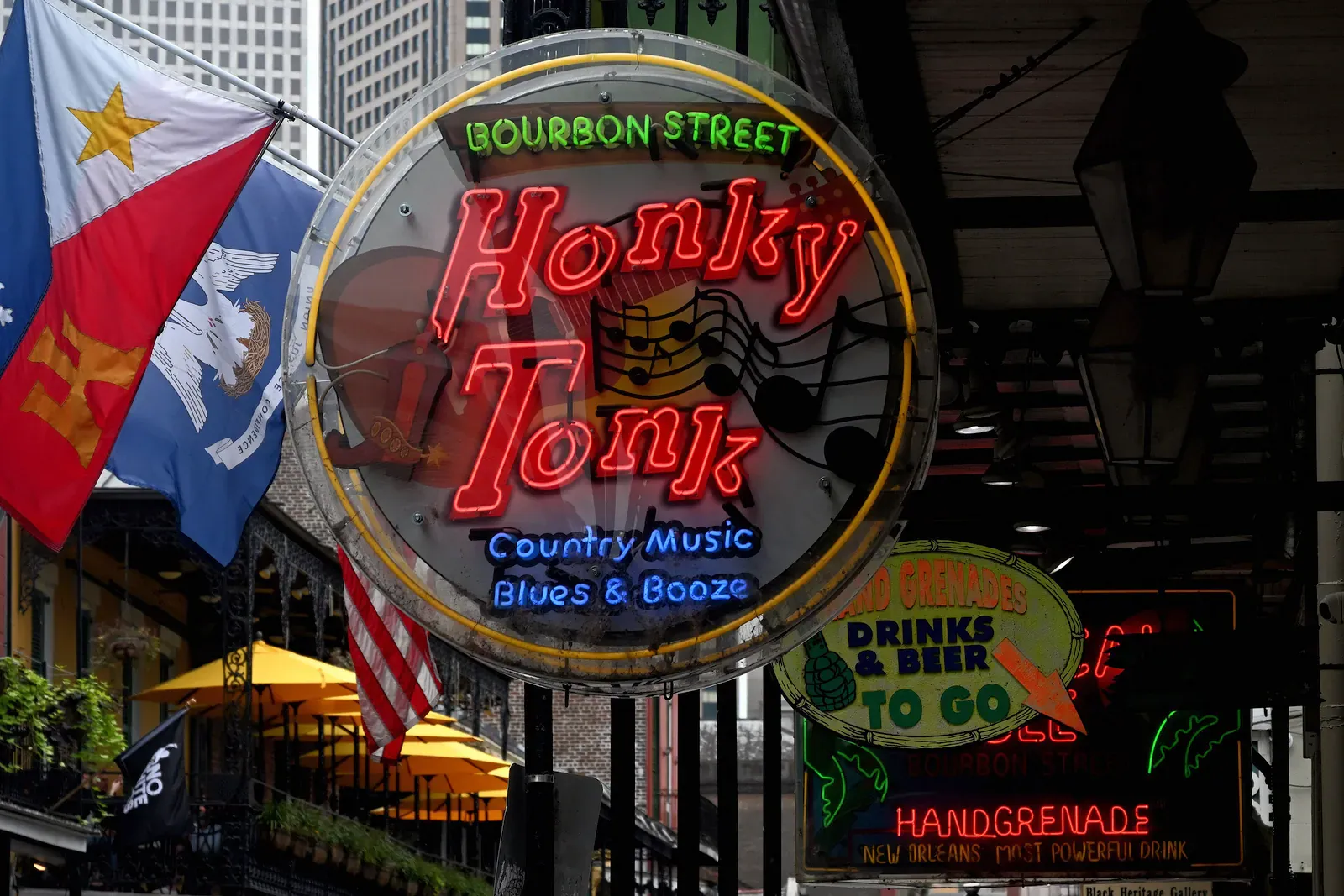
Al Dexter recorded “Honky Tonk Blues” on 28 November 1936, one of the first country records to use the term. The sound itself came together a few years later.
Roadhouses and dance halls, 1930s
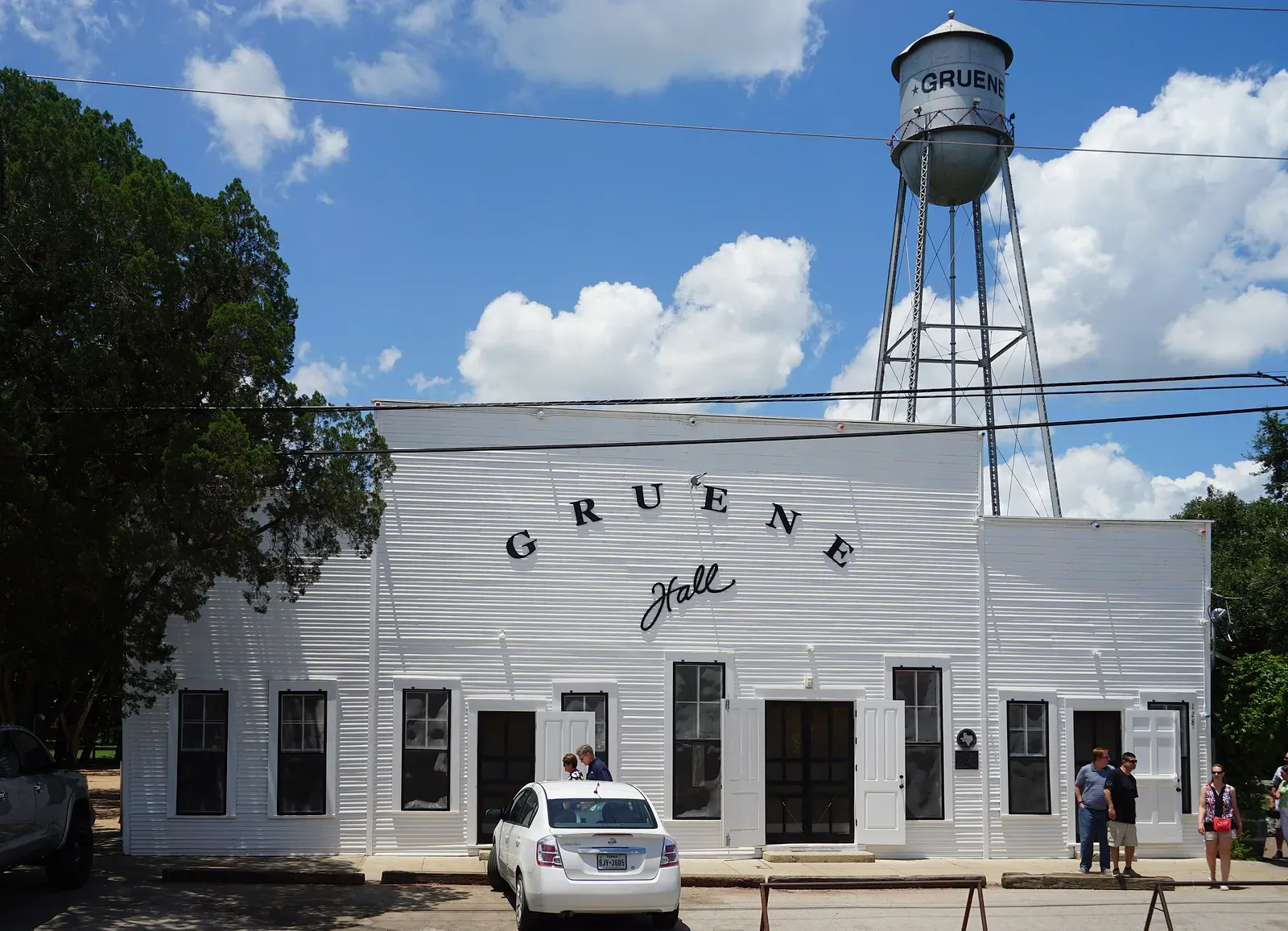
The 1930s honky-tonk was a regional circuit rather than an industry. Beer joints and dance halls across Texas and Oklahoma hired bands by the night, and the old halls built for farm communities served the same crowds. Gruene Hall, raised in 1878 as a saloon and social hall for cotton farmers, is one of the oldest dance halls in Texas and shows the kind of room the music grew up in.
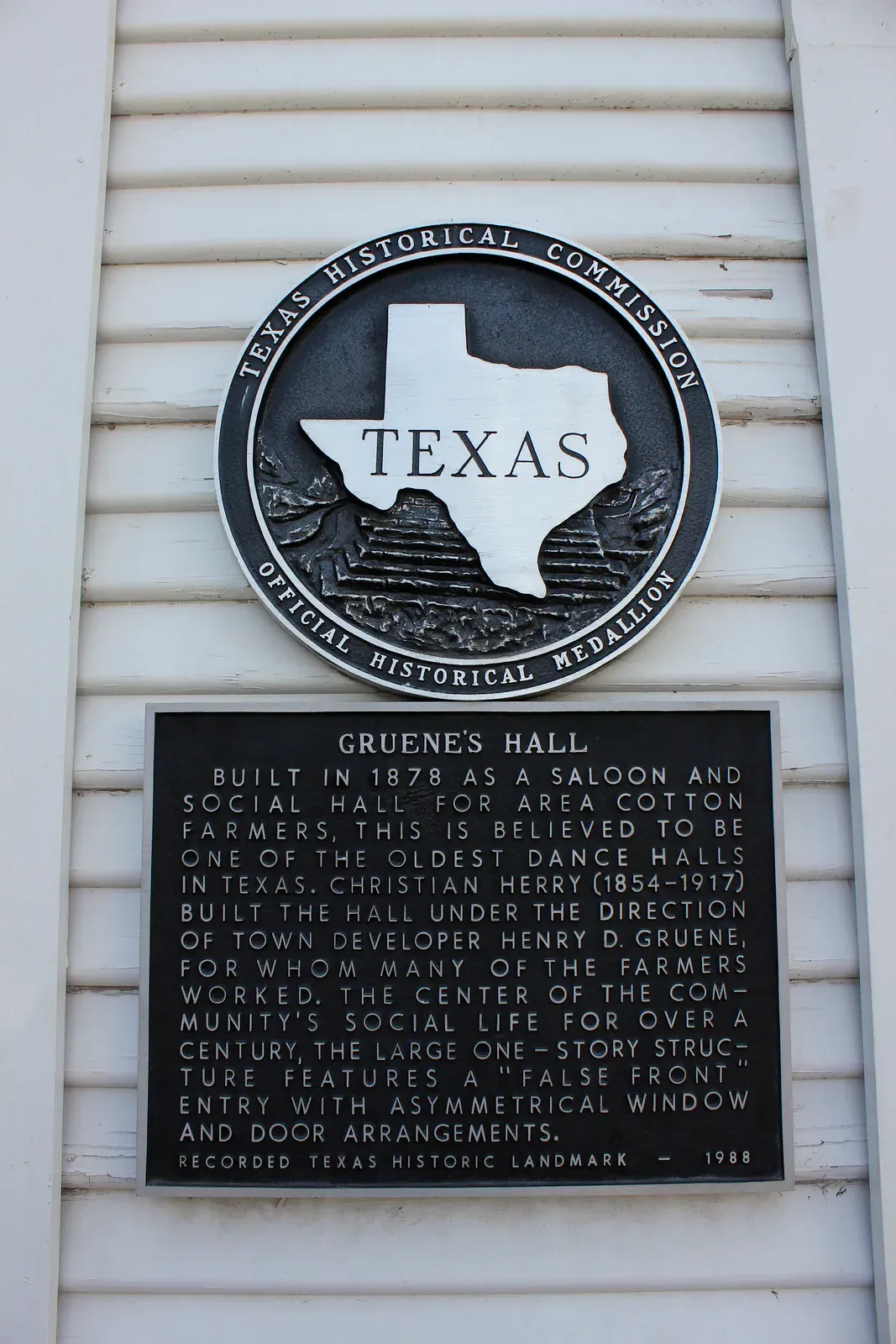
Records from the decade were mostly string-band and western swing in style. What separated honky-tonk was the emphasis: the rhythm section came forward and the lyrics left the farm for the bar.
The electric turn, 1941-1948
Ernest Tubb cut “Walking the Floor Over You” on 26 April 1941 and Decca released it that May. Smitty Smith played electric guitar on the session, the first prominent use of the instrument on a country hit of this kind, and the record is often called the first honky-tonk song. Tubb joined the Grand Ole Opry in February 1943 and stayed for four decades, which put the barroom sound on the most powerful country radio show in the United States.
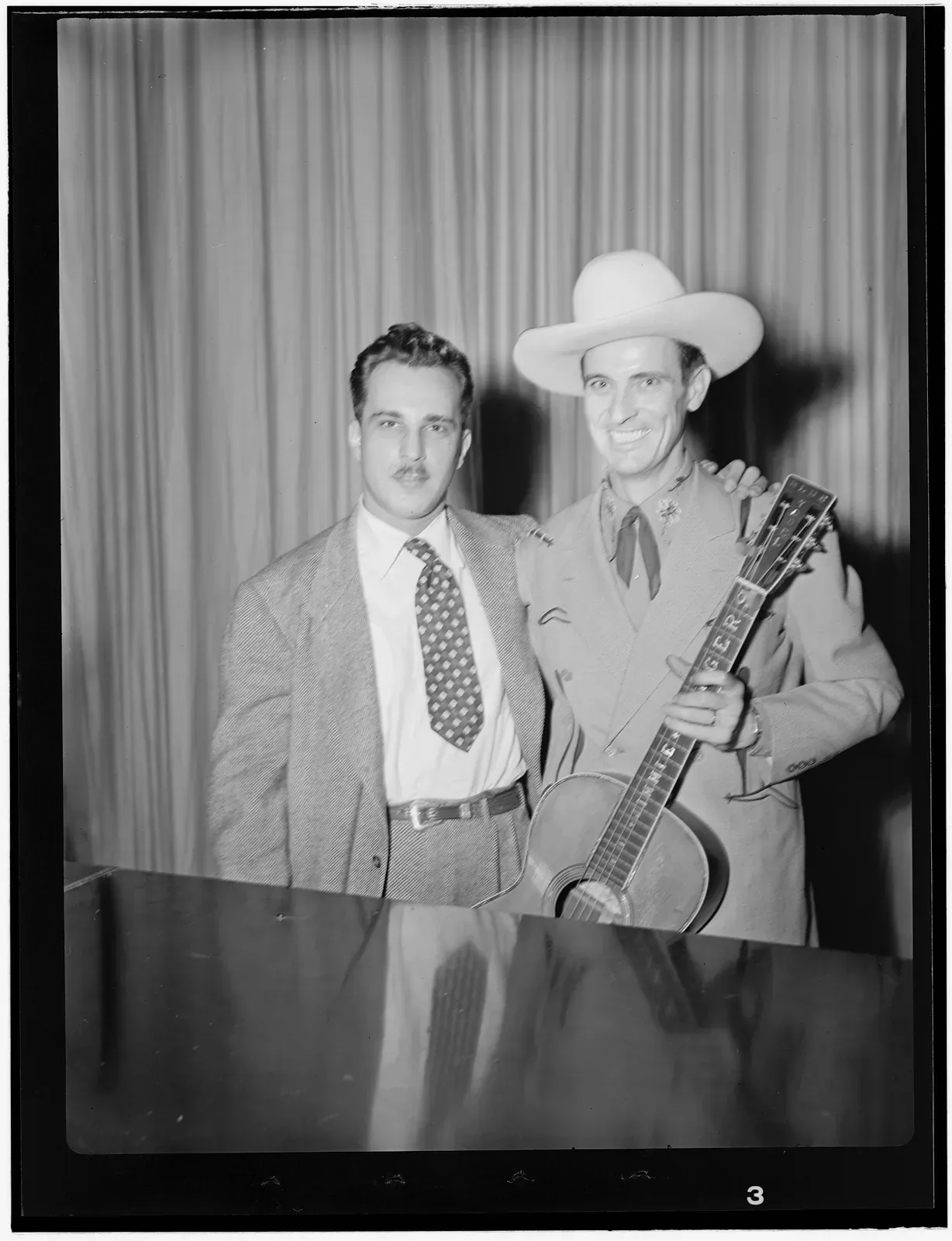
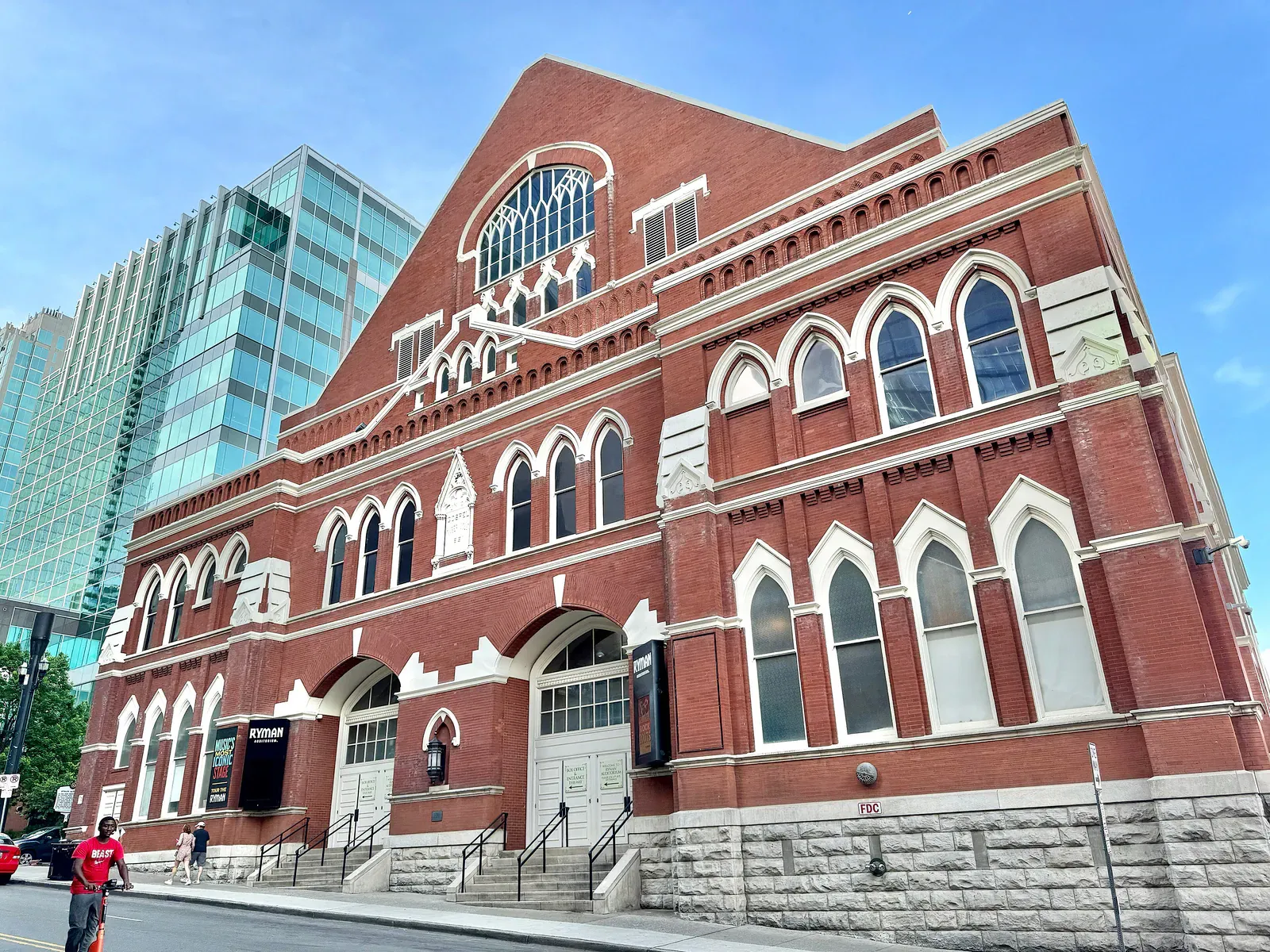
The Opry’s home was the Ryman Auditorium in Nashville from 1943 to 1974, and its stage carried Tubb, Hank Williams and Webb Pierce to listeners far from Texas.
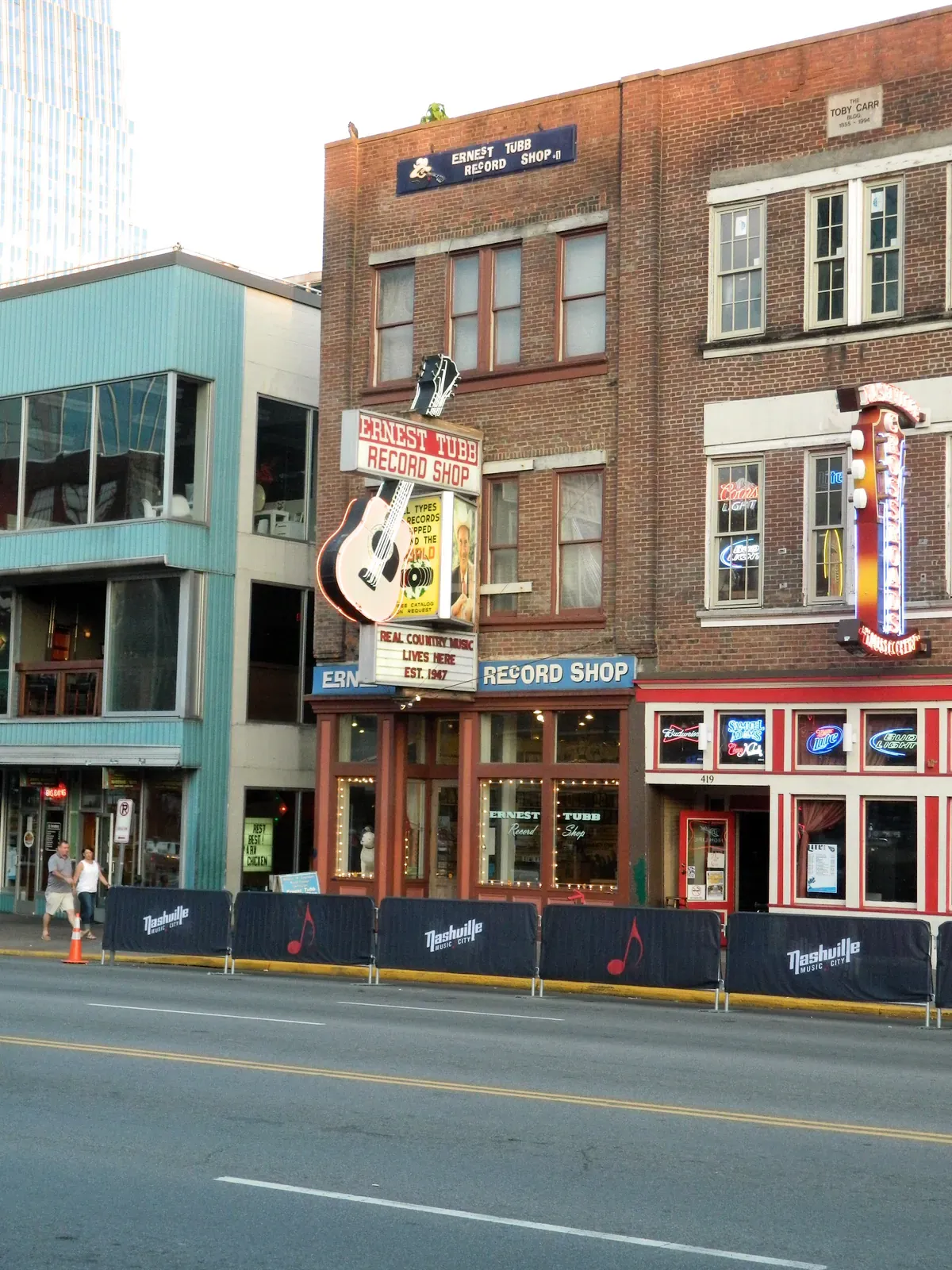
In 1947 Tubb opened the Ernest Tubb Record Shop on Broadway in Nashville. Its Midnite Jamboree radio show followed the Opry on Saturday nights and let fans and players mix.
Golden age, 1949-1956
Hank Williams released “Lovesick Blues” on MGM in February 1949. It spent 16 weeks at number one and was the top country record of the year. His Opry debut on 11 June brought a standing ovation and repeated encores, and his death on 1 January 1953, at 29, fixed him as the genre’s tragic archetype.
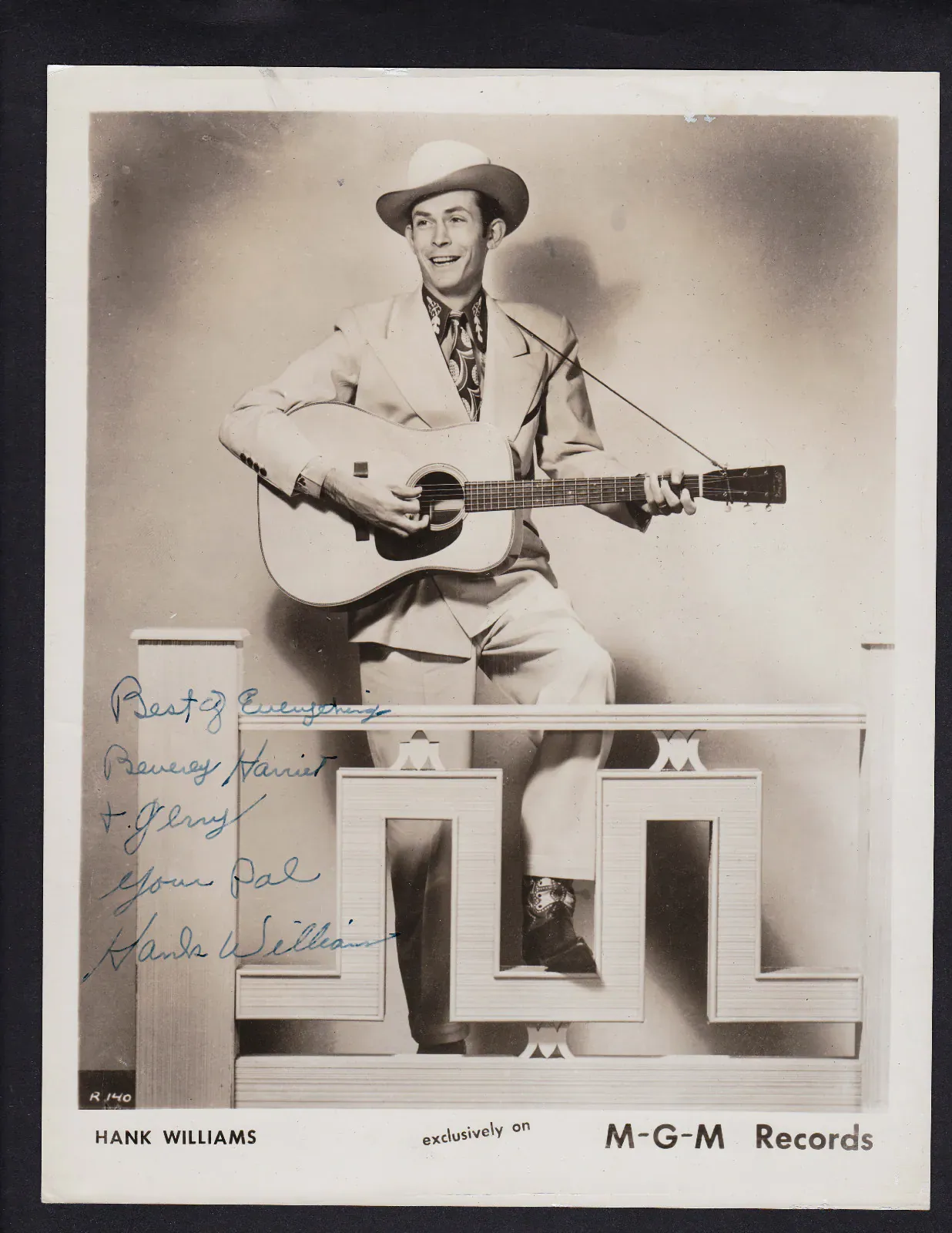
The charts filled with honky-tonk singers. Lefty Frizzell’s “If You’ve Got the Money I’ve Got the Time” launched his career on Columbia in 1950, and its stretched-out phrasing became a model for later singers. Hank Thompson’s “The Wild Side of Life” spent 15 weeks at number one on Capitol in 1952 with a lyric blaming a woman’s nightlife. Kitty Wells answered with “It Wasn’t God Who Made Honky Tonk Angels” on Decca, which also reached number one, made her the first woman to top the country chart and opened the charts to women. Floyd Tillman’s 1949 “Slipping Around” had already made the cheating song a country staple.
Two changes in the sound came late in the period. Webb Pierce’s “Slowly”, recorded in November 1953 and released in 1954, opened with a pedal steel part by Bud Isaacs, one of the first prominent pedal steel parts on a country hit, and it held number one for 17 weeks.
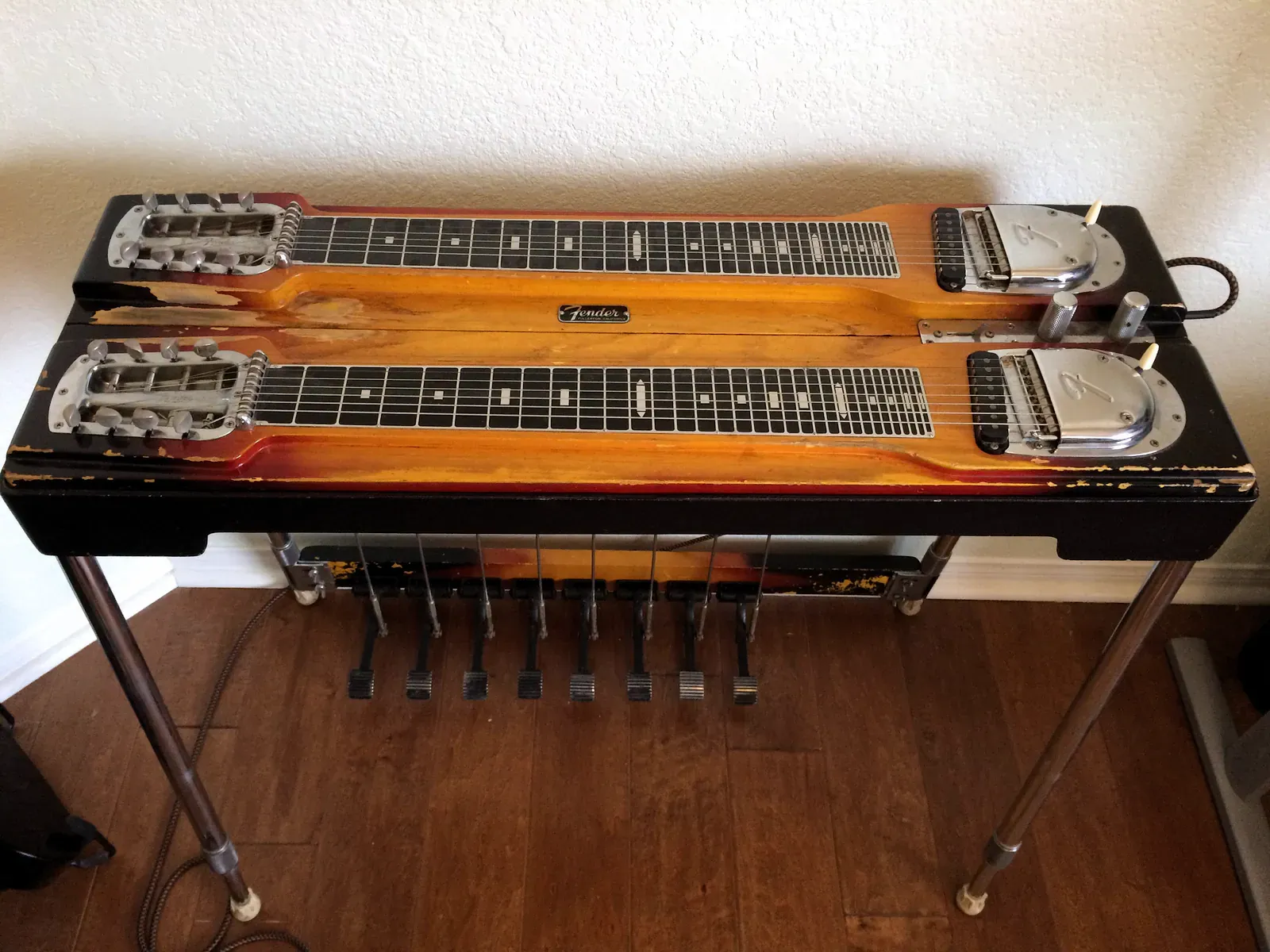
Then in 1956 Ray Price’s “Crazy Arms” introduced the Texas shuffle: a swinging 4/4 beat with walking bass that spent 20 weeks at number one and that other honky-tonk bands copied.
Nashville polish and rebellion, 1957-1979
Rockabilly and the Nashville sound pushed the hard style off the mainstream from the mid 1950s, as smoother productions and rock and roll took over radio. Honky-tonk survived outside that centre. In Bakersfield, California, Wynn Stewart, Buck Owens and Merle Haggard built an electric, drum-driven version on twin Telecasters as a rejection of orchestral Nashville records.
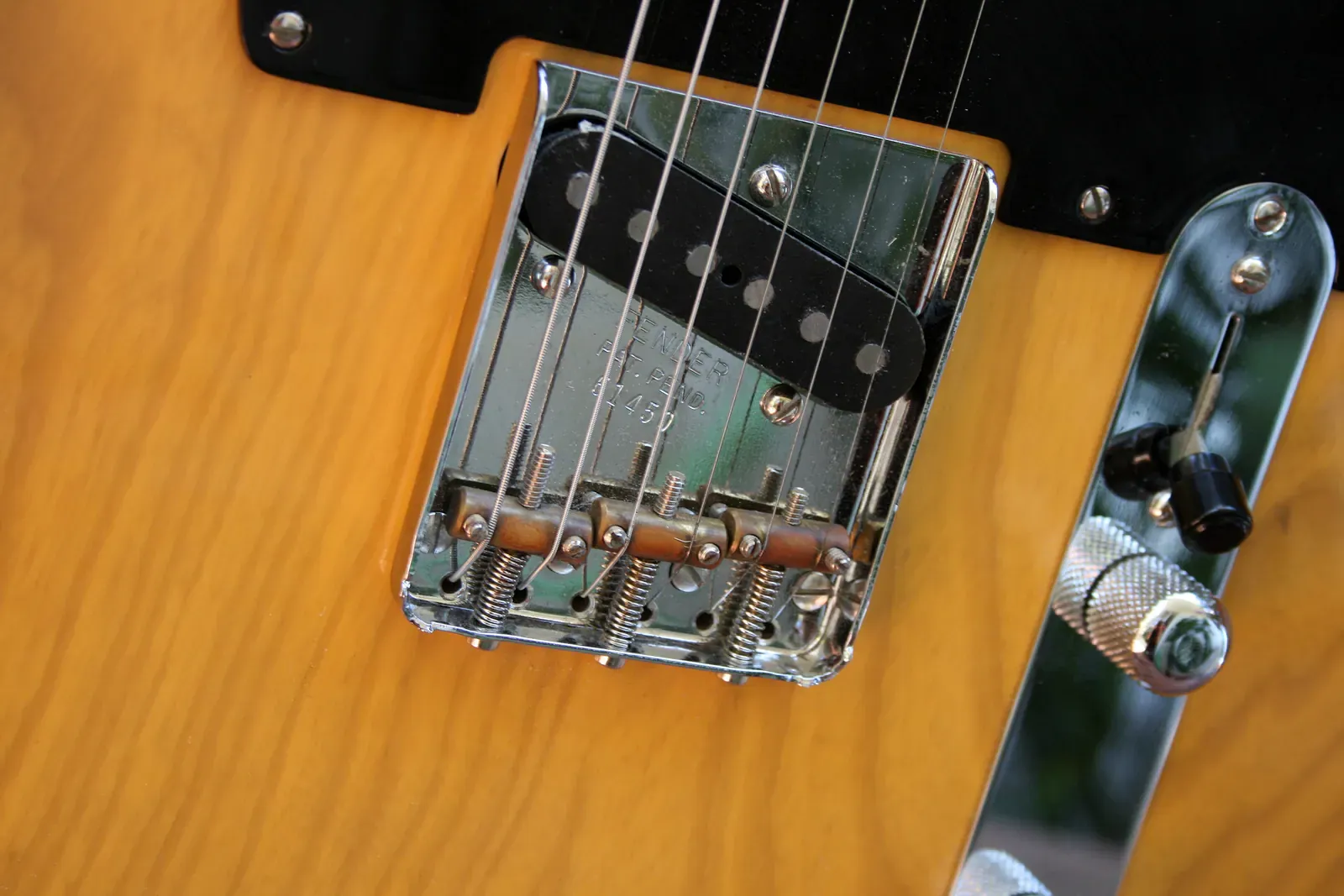
Haggard’s “Mama Tried” held number one for four weeks in 1968 and later entered the Grammy Hall of Fame, carrying his San Quentin past into hard country. Loretta Lynn brought the barroom song to the wife’s side of the table: “Don’t Come Home A-Drinkin’ (With Lovin’ on Your Mind)” was her first number one, in 1966.
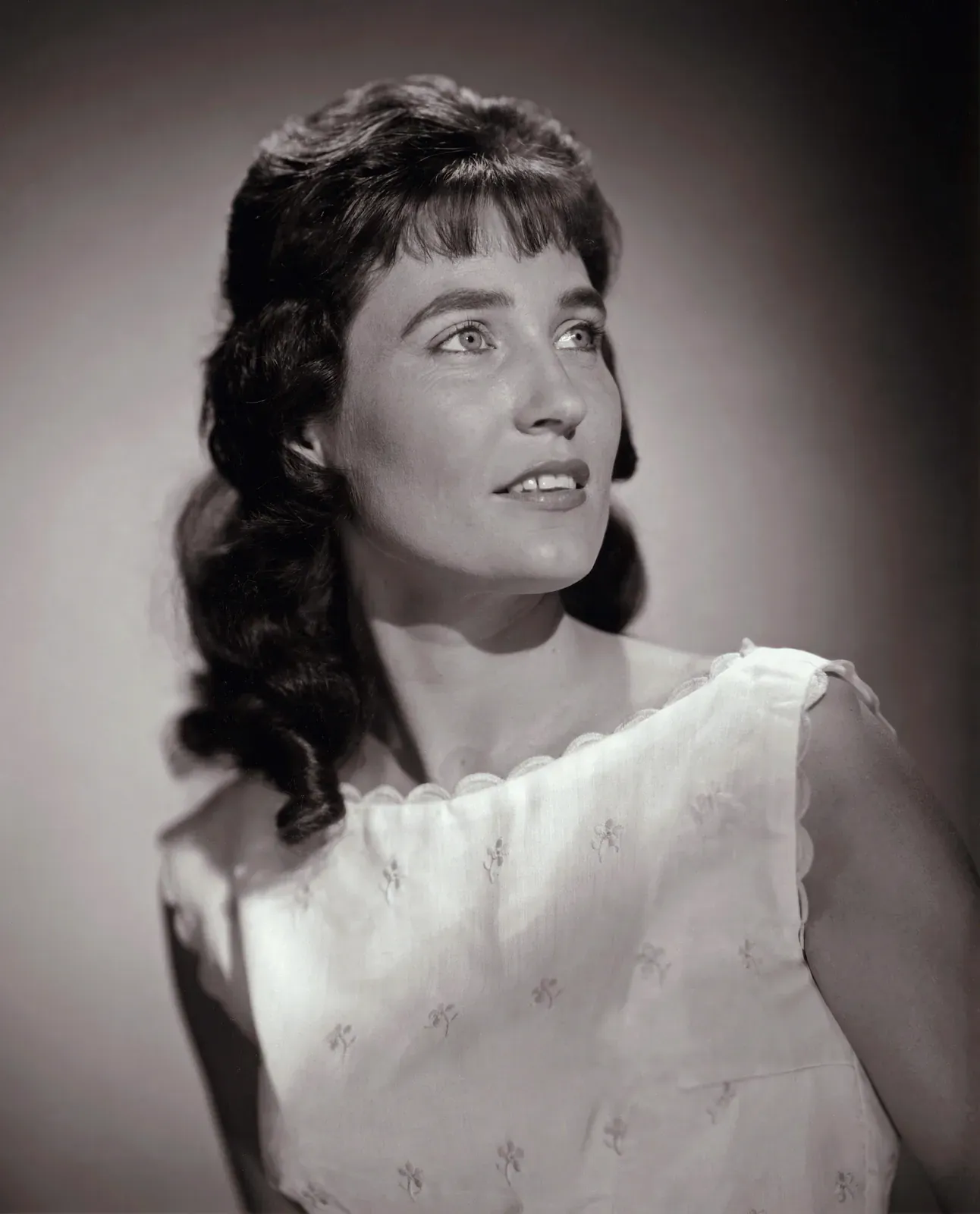
In the 1970s outlaw artists in Texas and Nashville moved the sound back toward its rougher roots, and George Jones, Haggard and others kept the standards alive.
Revival and neotraditional, 1980 onward
The 1980 film Urban Cowboy, set in a Texas honky-tonk, spread line dancing and country nightlife nationwide and made Gilley’s in Pasadena, Texas, famous for its mechanical bull. That same year George Jones released “He Stopped Loving Her Today” on Epic, a slow ballad that revived his career and won the CMA Song of the Year in 1980 and 1981.
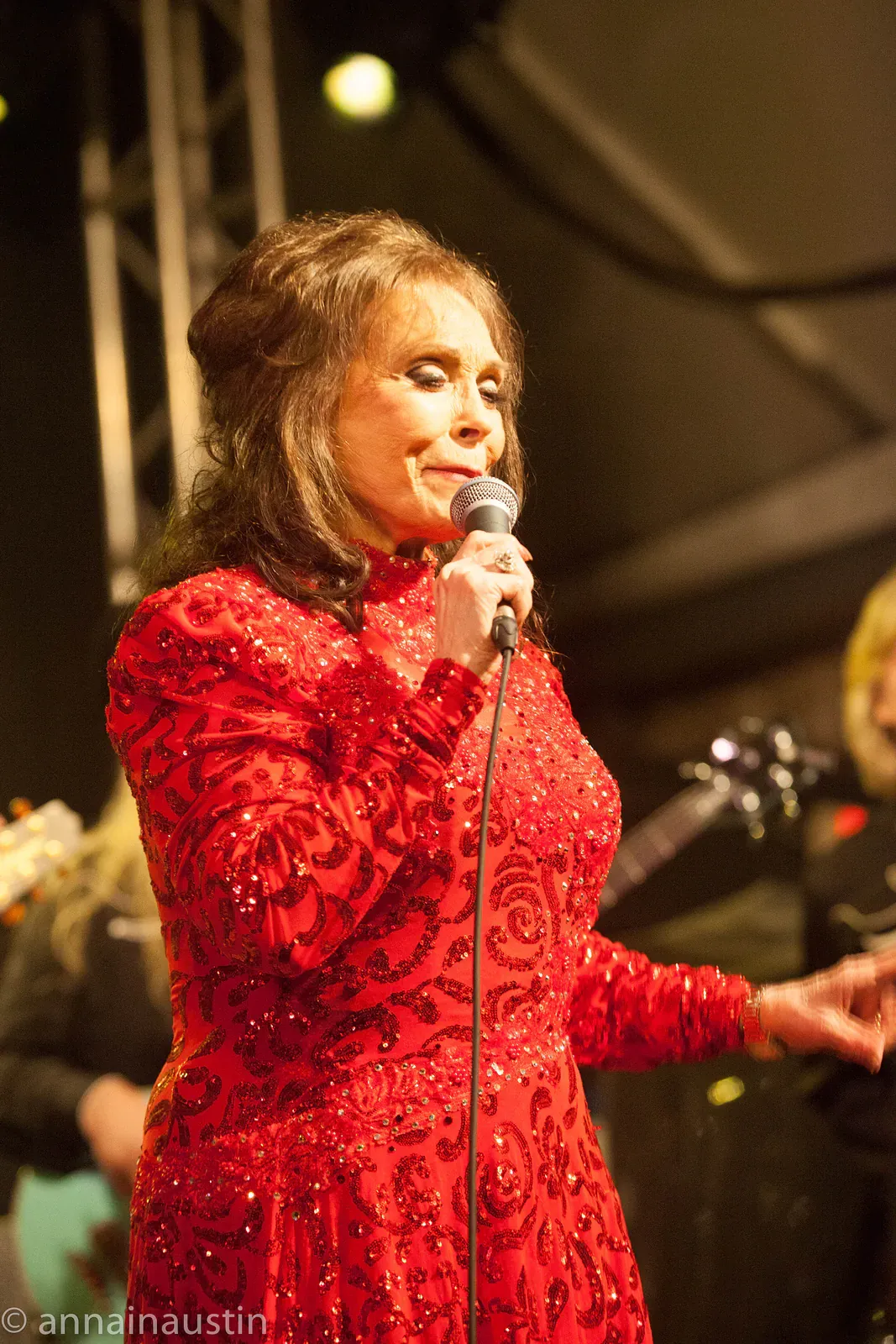
A generation of neotraditional singers returned to the style on country radio. George Strait debuted on MCA with “Unwound” in 1981, Dwight Yoakam reached number 3 with a cover of “Honky Tonk Man” on Reprise in 1986, and Alan Jackson’s “Don’t Rock the Jukebox” was the top country song of 1991. The first Ameripolitan Music Awards, held in Austin in 2013 by Dale Watson, gave honky-tonk, rockabilly, western swing and outlaw artists working outside Nashville their own platform.
Characteristics
The music is organised around the dance floor. A two-beat pulse, with bass on the beat and snare on the off beats, suits the two-step, and waltzes in 3/4 serve slower couples. Songs are short, usually verses with a fiddle or steel break in the middle, and the lyrics are narrative and direct. Singers favour a nasal, plain delivery with a drawn-out phrase and a catch in the voice.
Instruments and production
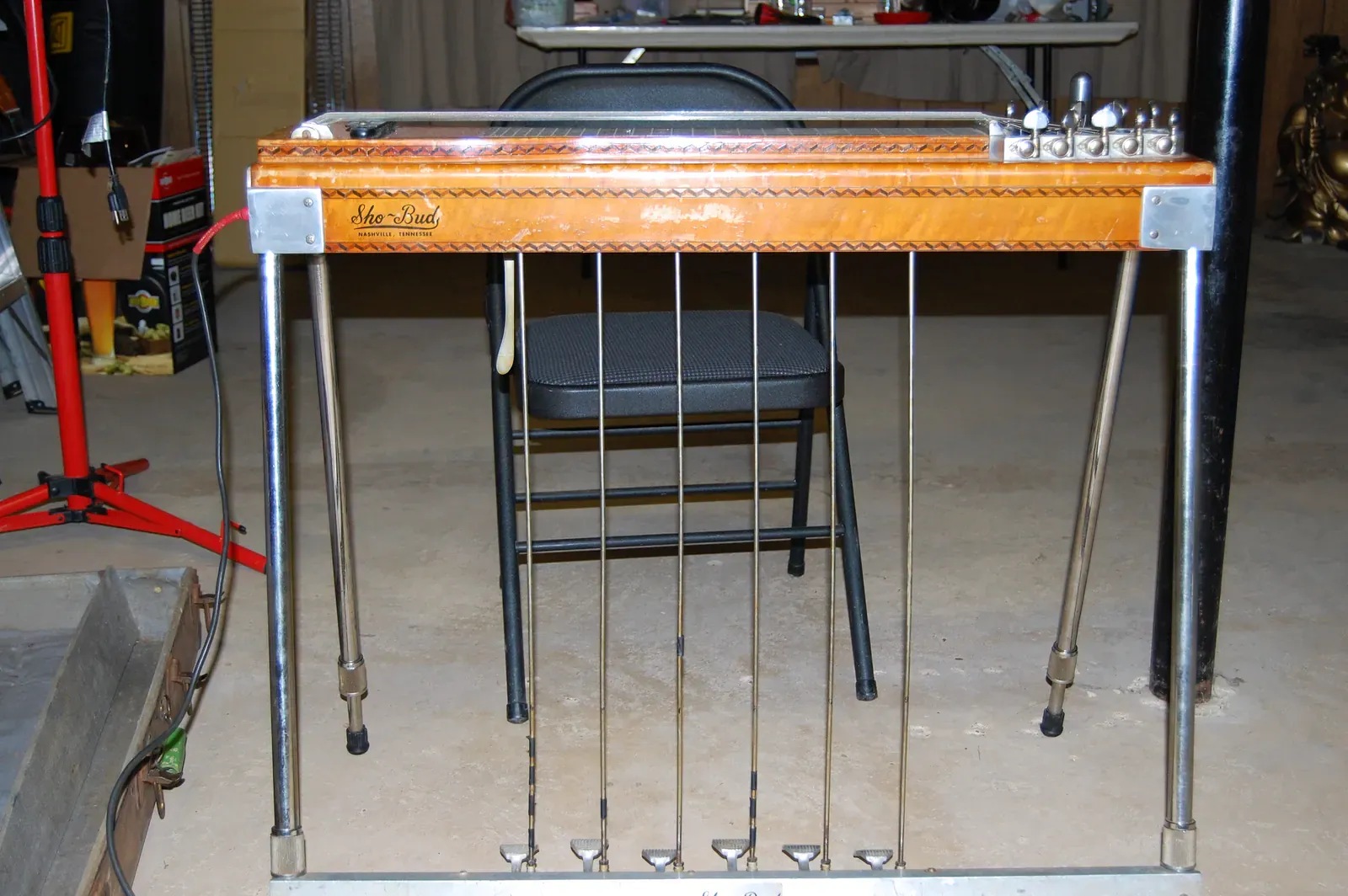
The steel guitar supplies the genre’s weeping slides, and the fiddle answers the singer between lines. Electric guitar cuts through room noise with twang, while an acoustic rhythm guitar and upright bass hold the chords and pulse. Early records often had no drums at all; a light kit with a crisp backbeat became standard once dance floors needed a clearer beat in loud rooms. Barroom piano adds boogie-woogie colour to some records.
Notable recordings
“Walking the Floor Over You” shows the form at its start: an electric guitar, a plain vocal and a groove aimed at dancers. “Lovesick Blues” took that sound to the whole country, and its 16 weeks at number one made Williams a star. “He Stopped Loving Her Today” closes the classic story as a ballad that many fans consider the genre’s best-loved.
Culture
The two-step and the waltz set the tempo, and line dancing spread beyond Texas after Urban Cowboy. Stars wore rhinestone Nudie suits, and Webb Pierce drove silver-dollar convertibles. A “honky-tonk angel” meant a bar-going woman until Kitty Wells gave the phrase her own voice. Late-night radio from the record shop after the Opry let fans and pickers mix on Saturday nights.
Legacy
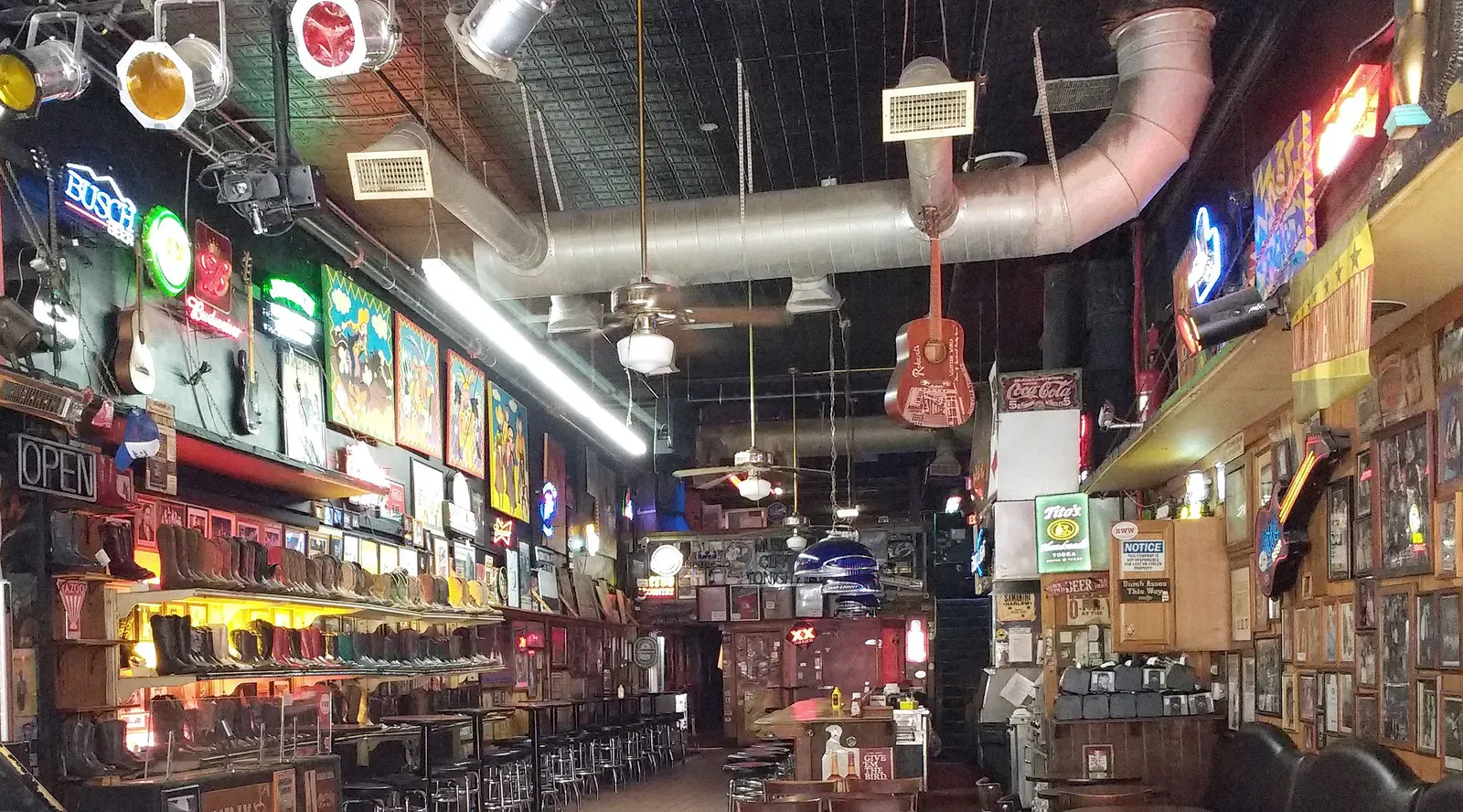
Honky-tonk is the hard core of country. Bakersfield, outlaw country, neotraditional country and truck-driving country all grew from it, and Nashville still measures its mainstream against it. The style stays active in Texas dance halls and in bars along Nashville’s Broadway.
Misconceptions
Hank Williams did not invent honky-tonk. Al Dexter recorded “Honky Tonk Blues” in 1936 and Ernest Tubb had his electric breakthrough in 1941, eight years before “Lovesick Blues”, though Williams became its tragic figure.
Honky-tonk music is not defined by piano. Honky-tonk piano is a separate bar-room piano tradition rooted in ragtime, and the country style is led by steel guitar, fiddle and electric guitar.
Not all honky-tonk is slow and sad. The Texas shuffle and the two-step are dance rhythms, and many hits are fast; the genre’s range runs from slow waltzes to quick shuffles.
Frequently asked questions
What is honky-tonk music?
Honky-tonk is a style of country music made for bars and dance halls. It uses a two-beat rhythm with backbeat, steel guitar, fiddle and lyrics about drinking, cheating and loneliness.
Who recorded the first honky-tonk song?
Ernest Tubb’s “Walking the Floor Over You”, cut in April 1941 with an electric guitar, is often called the first honky-tonk song. Al Dexter’s “Honky Tonk Blues” of 1936 was among the first country records to use the word.
What is the Texas shuffle in honky-tonk?
The Texas shuffle is a swinging 4/4 beat with a walking bass line. Ray Price popularised it with “Crazy Arms” in 1956, and other honky-tonk bands copied it.
Is honky-tonk the same as hard country?
Hard country is the modern name for stripped-down electric honky-tonk. The two terms describe the same lean, barroom style.
Sound
Sound sheet
Anatomy of a track
| # | Part | Bars |
|---|---|---|
| 1 | Intro (steel or fiddle lick) | 4 |
| 2 | Verse 1 | 16 |
| 3 | Verse 2 | 16 |
| 4 | Steel or fiddle break | 16 |
| 5 | Final verse | 16 |
| 6 | Tag ending | 4 |
Signature sounds
- Steel guitar slides and fills
- Fiddle breaks
- Two-beat or shuffle rhythm with snare backbeat
- Walking bass line in the Texas shuffle
- Plain-spoken story lyrics of drink and heartbreak
Drums and percussion
- Drum kit
Techniques
- Texas shuffle
- Steel guitar fills
- Two-beat rhythm with backbeat
- Fiddle and steel breaks
Keys and modes
Major, I-IV-V. Mostly three-chord major progressions, often in guitar-friendly keys.
Tuning
Standard guitar tuning; pedal steel usually in E9th tuning
Vocals
Nasal, plain-spoken singing with drawn-out phrasing and emotional crack; lyrics of drink, cheating and loneliness.
Scenes
Where it happened
Where and when the sound lived: one bar per city on a shared timeline.
North America
Active scenes
Peak 7, 1970-2025
Ernest Tubb cut Walking the Floor Over You here in 1941, and Billy Bob's Texas later made it a honky-tonk landmark.
Lefty Frizzell's first sessions were made at Jim Beck's studio in 1950.
The Opry, the Ernest Tubb Record Shop and Tootsie's Orchid Lounge made Broadway a honky-tonk strip.
The Louisiana Hayride gave Webb Pierce and other honky-tonk singers a regional stage.
The Broken Spoke dance hall keeps traditional Texas honky-tonk and two-step dancing alive.
California's answer to the polished Nashville sound, led by Merle Haggard.
Gilley's Nightclub opened here in 1970 and became famous for its mechanical bull and Urban Cowboy.
Venues and places
Nashville, 1943 to 1974. Home of the Grand Ole Opry from 1943 to 1974, where Ernest Tubb, Hank Williams and Webb Pierce played.
Nashville, 1947 to today. Opened on Broadway in 1947; its Midnite Jamboree radio show followed the Opry.
Nashville, 1960 to today. Tootsie Bess bought the bar in 1960; it sits behind the Ryman and became a hangout for aspiring writers.
New Braunfels, 1878 to today. A Texas dance hall opened in 1878 and still operating.
Austin, 1964 to today. James and Annetta White's traditional Texas dance hall has hosted Bob Wills, Willie Nelson and George Strait.
Pasadena, 1970 to 1989. Famous for its mechanical bull, it closed in 1989.
Fort Worth, 1981 to today. Billed as the world's largest honky-tonk.
Culture
Culture markers
- Two-step and waltz
Dance floors set the tempo: the two-beat pulse is built for couples turning round the room.
Dance - Line dancing
Spread nationwide by Urban Cowboy in 1980 and the Billy Bob's era of big Texas clubs.
Dance - Nudie suits
Rhinestone western suits worn by stars such as Webb Pierce, who also drove silver-dollar convertibles.
Fashion - Honky-tonk angel
A bar-going woman in song, and the title of Kitty Wells's 1952 answer record.
Slang - Midnite Jamboree
Late-night radio from the Ernest Tubb Record Shop after the Opry let fans and pickers mix on Saturday nights.
Ritual
Media
Key media
- 1925Grand Ole Opry
by WSM. The Nashville radio show that carried Ernest Tubb and Hank Williams to a national audience.
Radio - 1948Louisiana Hayride
by KWKH. A Shreveport radio show where Webb Pierce and other honky-tonk singers were heard across the South.
Radio - 1980Urban Cowboy
by James Bridges. Set in a Texas honky-tonk, it spread line dancing and country nightlife nationwide.
Film - 1982Honkytonk Man
by Clint Eastwood. A Depression-era story of a dying honky-tonk singer on the road to the Opry.
Film - 1987Crazy Heart
by Thomas Cobb. A novel about a fading country singer, inspired by Hank Thompson's touring life.
Book
Glossary
Terms on this page
A song about infidelity, a staple theme since Floyd Tillman's Slipping Around in 1949.
A modern name for stripped-down electric honky-tonk.
A rough bar or dance hall, and the barroom country style played there.
A woman who frequents bars; Kitty Wells's 1952 answer song gave the phrase a woman's voice.
A guitar played with a bar, source of the genre's weeping slides; the pedal version adds pitch changes.
A swinging 4/4 beat with walking bass, popularised by Ray Price from 1956 and also called the Ray Price beat.
A country partner dance built on a steady two-beat rhythm.
Country family