Cajun music
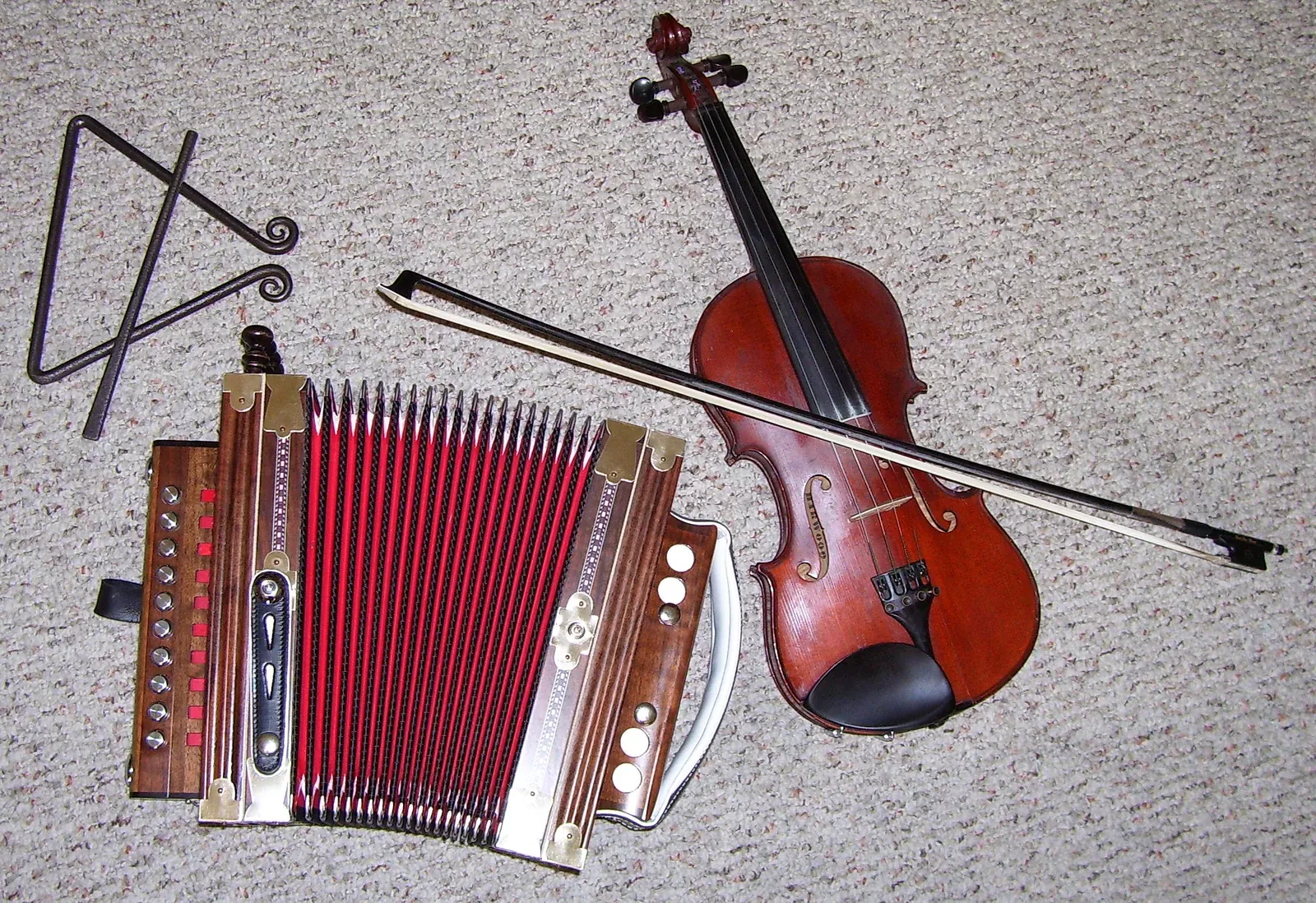
Cajun music is the French-language dance music of south Louisiana, built on the diatonic accordion, fiddle and triangle and rooted in Acadian ballads.
Acadiana, around 1764
Folk family
Born
around 1764
Acadiana
Subgenres
4
Documented branches
Links
15
Genres it drew on or shaped
Tempo
95-185 BPMLineage
Family tree
Grew out of
- Acadian music
Derived from
Influenced by
Louisiana Creole musicAfrican American folk music
Acadiana
Cajun music
Led to (4)
Timeline
Era by era
From the first sparks to today. Select a dot to read the story behind it.
- Ballads and house dances
1764 to 1927
- Early recordings and Cajun swing
1928 to 1941
- Fais do-do dancehalls
1946 to 1960
- Renaissance and contemporary Cajun
1964 to today
Eras
Moments
- 1 Ballads and house dances, 1764 to 1927
- 2 Early recordings and Cajun swing, 1928 to 1941
- 3 Fais do-do dancehalls, 1946 to 1960
- 4 Renaissance and contemporary Cajun, 1964 to today
around 1764
Ballads and house dances
Acadian exiles settled south Louisiana and kept their complaintes. Fiddles arrived by the 1780s and the diatonic accordion in the late 1800s, for the bals de maison.
- 1764Acadian exiles reach LouisianaFrench-speaking Acadians expelled from Canada settle in the bayou country and adapt their ballads to a new life.
- 1785First fiddle and clarinet players on recordThe earliest documented instruments in colonial Louisiana: a violin in 1780 and a fiddle and clarinet player in 1785.
- 1870Diatonic accordion enters Cajun musicLoud enough to carry a dance, the German-made accordion joins the fiddle at house parties.
1928
Early recordings and Cajun swing
Joe Falcon and Cleoma Breaux cut the first commercial Cajun record in 1928. In the 1930s string bands brought in Texas swing, pushing the accordion to the background.
- 1928Allons a LafayetteJoe Falcon and Cleoma Breaux record the first commercial Cajun song in New Orleans on 27 April.
- 1929Amede Ardoin records Two Step de Prairie SoileauThe Creole accordionist's first discs lay groundwork for both Cajun and zydeco repertoire.
- 1933Hackberry Ramblers formA string band from Hackberry that helps bring Texas swing and electric instruments into Cajun music.
1946
Fais do-do dancehalls
After the war the accordion returned, with steel guitar, bass and drums and electric amplification, to fill the large dance halls of Acadiana.
- 1946Fais do-do dancehalls take overBands leave the house parties for large halls, with amplification, steel guitar, bass and drums.
- 1950Lacassine Special and Calcasieu WaltzIry LeJeune records both on a disc cutter at a radio station, returning the accordion to the front.
- 1955Death of Iry LeJeuneOne of the best-selling Cajun artists of his day dies at 26, on 8 October.
- 1961Louisiana ManRusty and Doug Kershaw's song reaches the country top 10 and is covered by more than 800 artists.
1964
Renaissance and contemporary Cajun
Newport in 1964 and the creation of CODOFIL in 1968 turned local music into a revival movement. Later bands mix in rock, blues, zydeco and modern production.
- 1964Newport Folk FestivalDewey Balfa, Gladius Thibodeaux and Vinesse LeJeune play Newport to an enthusiastic national audience.
- 1968CODOFIL foundedThe Council for the Development of French in Louisiana is created to promote Cajun culture and language.
- 1974Tribute to Cajun Music festivalCODOFIL stages a three-hour festival in Lafayette, later renamed the Festival de Musique Acadienne.
- 1975BeauSoleil formedMichael Doucet founds the band that carries traditional repertoire to international stages.
- 1987Zydeco Gris-Gris opens The Big EasyThe BeauSoleil track opens the New Orleans crime film, widening the audience beyond Louisiana.
- 2012Mammoth WaltzLost Bayou Ramblers start mixing traditional instruments with cutting-edge technology, a sound called Heavy Cajun Psych.
Listening path
Start listening
A short path from an easy way in to the deep end. Thumbnails come from YouTube; the player loads only when you press play.
- 01
Amede Ardoin, 1934
Early accordion and high-voiced blues from the man credited with laying the groundwork for Cajun and Creole dance music.
- 02
Iry LeJeune, 1950
Accordion waltz from the dancehall era; listen for the high singing and triangle.
- 03
Doug Kershaw, 1961
Fiddle-led song that carried Cajun music into country and a worldwide audience.
- 04
BeauSoleil, 1986
Revival-era dance track where zydeco rhythm meets Cajun fiddle and accordion.
Facts
| Family | Folk |
| Origin | Acadiana, United States |
| Emerged | Late 18th century onwards |
| Status | Active |
| Tempo | 95 to 185 BPM |
| Meter | 2/4 and 3/4 |
| Grew out of | Acadian music |
| Subgenres | 4 |
Cajun music is a traditional genre from south Louisiana, sung mostly in Louisiana French and played by the Cajuns, descendants of French-speaking Acadians. It grew from unaccompanied ballads into dance music led by the diatonic accordion, with fiddle and a metal triangle behind it.
The core dances are the two-step and the waltz. It is usually named alongside the Creole-based zydeco, a separate genre from the same region.
Origins
Acadians expelled from Canada began settling in Louisiana in the 1760s and kept their complaintes, traditional French ballads of death, solitude and ill-fated love. These songs were sung without instruments at weddings, funerals and house gatherings. Instruments came later: the first known record of a violin dates from 1780, and a fiddle and clarinet player from 1785.
Early dance tunes mixed contra dances, reels, jigs and other folk influences from Black, white and Native American traditions. The fiddle dominated, usually in pairs, with one player on the melody and the other on the seconde, the backup part. The diatonic accordion arrived in the mid to late 1800s. Its volume made it practical for dances, and it gradually shared and then took the lead. Musicians played at bals de maison, house dance parties, and in front-porch gatherings.
Early recordings and Cajun swing, 1928-1941
Joe Falcon and Cléoma Breaux recorded “Allons à Lafayette” in New Orleans on 27 April 1928, the first commercial Cajun song. Its sales led other musicians to the studio, and many standards of the repertoire were first recorded in the 1920s and 1930s. Amédé Ardoin, a Creole accordionist known for his high voice, recorded from 1929 and is credited with laying groundwork for both Cajun and zydeco music. Fiddlers such as Dennis McGee played with him.
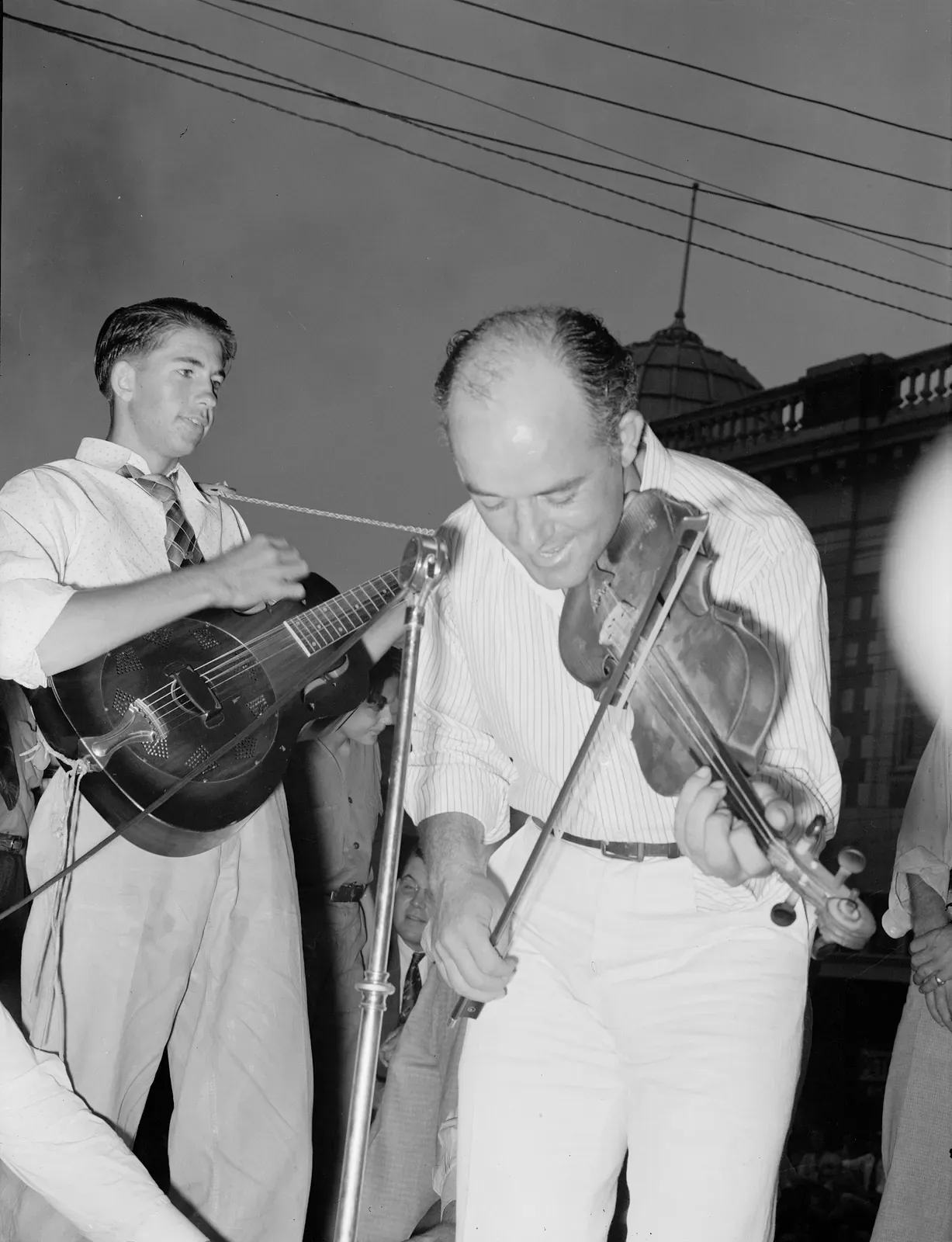
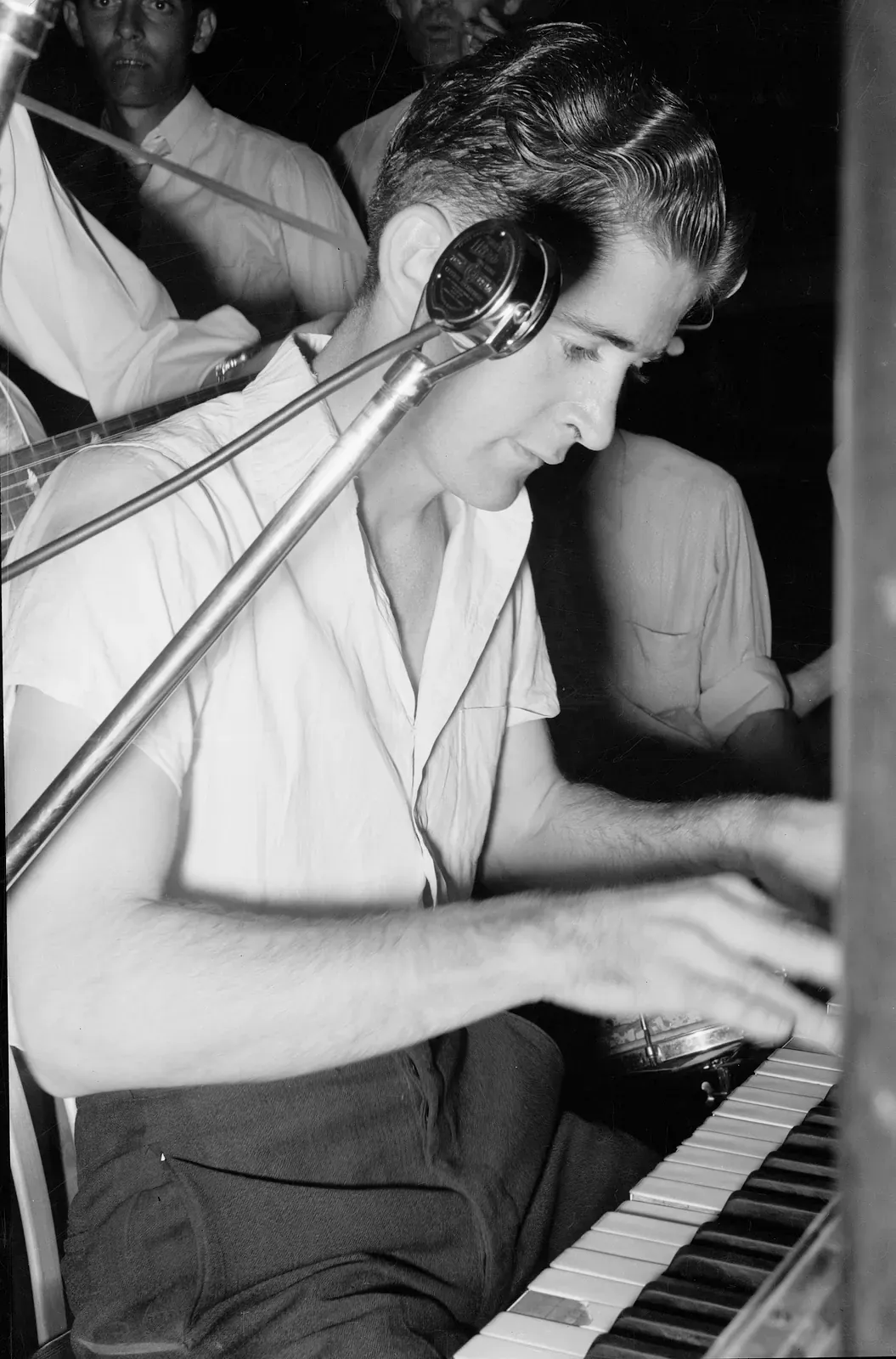
In the 1930s the accordion lost ground to string sounds from neighbouring Texas. Piano and guitars joined the fiddle in a swing beat influenced by western swing, and later steel guitar arrived from country music. Bands such as the Hackberry Ramblers, formed in 1933, and fiddler Harry Choates, whose “Jole Blon” became a regional hit, represent this Cajun swing.
Fais do-do dancehalls, 1946-1960
After the Second World War the accordion returned. Bands left house parties for large dance halls known as fais do-dos, a name that likely comes from the habit of bringing children along and putting them to sleep. Electric amplification let instruments cut through the crowd, and bass, drums and steel guitar joined the band. Fiddlers played a smoother style and alternated leads with the accordion.
Iry LeJeune was among the best-selling musicians of the time. His 1950 recordings of “Lacassine Special” and “Calcasieu Waltz” helped return the accordion to prominence, and he died in 1955 at the age of 26. Nathan Abshire, Lawrence Walker and Aldus Roger belong to the same period.
Renaissance and contemporary Cajun, 1964-present
In 1964 fiddler Dewey Balfa, Gladius Thibodeaux and Vinesse LeJeune played the Newport Folk Festival to an enthusiastic national audience, a turning point for awareness of the music. The Balfa Brothers went on to record traditional repertoire such as “Parlez-nous à boire” on albums from 1967. In 1968 Louisiana created CODOFIL, the Council for the Development of French in Louisiana, to promote Cajun culture and counter stereotypes. In 1974 it staged a Tribute to Cajun Music festival in Lafayette, later renamed the Festival de Musique Acadienne.
The revival drew on folk, blues, jazz, swamp pop and bluegrass. BeauSoleil, founded in 1975 by Michael Doucet, became its best-known band; their “Zydeco Gris-Gris” opened the 1987 film The Big Easy. Labels such as Arhoolie and Rounder documented the scene. From the 1980s contemporary Cajun absorbed rock, R&B and blues, with singers such as Wayne Toups and Steve Riley and the Mamou Playboys, while the Lost Bayou Ramblers later mixed traditional instruments with modern technology.
Characteristics
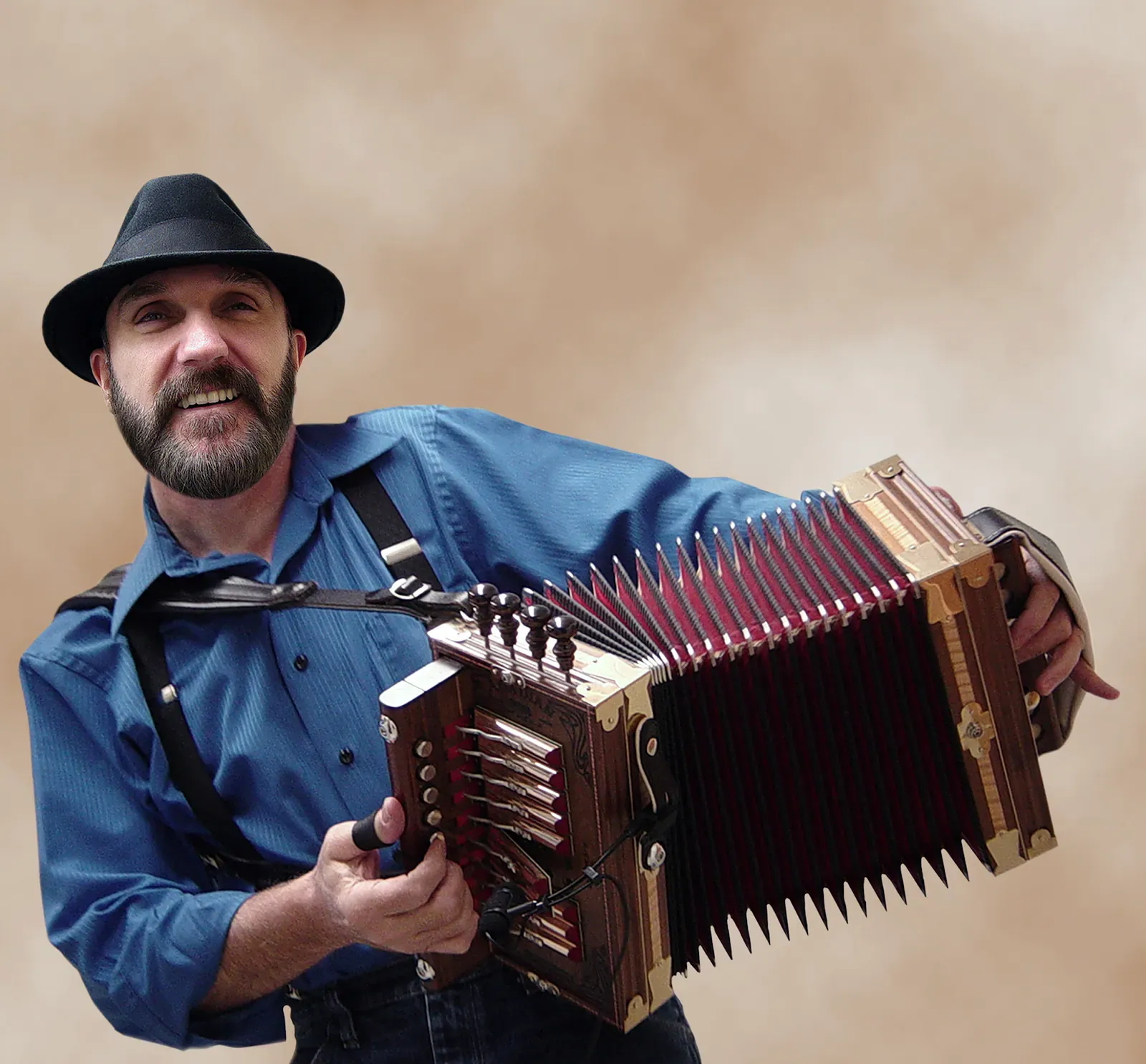
The music has a forward drive and a staccato rhythm, with the accordion at the centre doubling the vocal melody and repeating notes for energy. The harmonies are simple and the melodic range is about an octave, so the voice sits high, since the singer must match the accordion’s key. Fiddle breaks use double stops and major-scale riffs. Songs are in 2/4 for the two-step and 3/4 for the waltz, with a one-step or jig also danced.
Dancehall songs follow a common outline: the accordion states the melody, a bridge follows, then a vocal verse, then breaks from steel guitar, fiddle and accordion before the cycle repeats. Lyrics were entirely in Cajun French, and although French writing remains common, English is now used by many younger singers.
Instruments and production
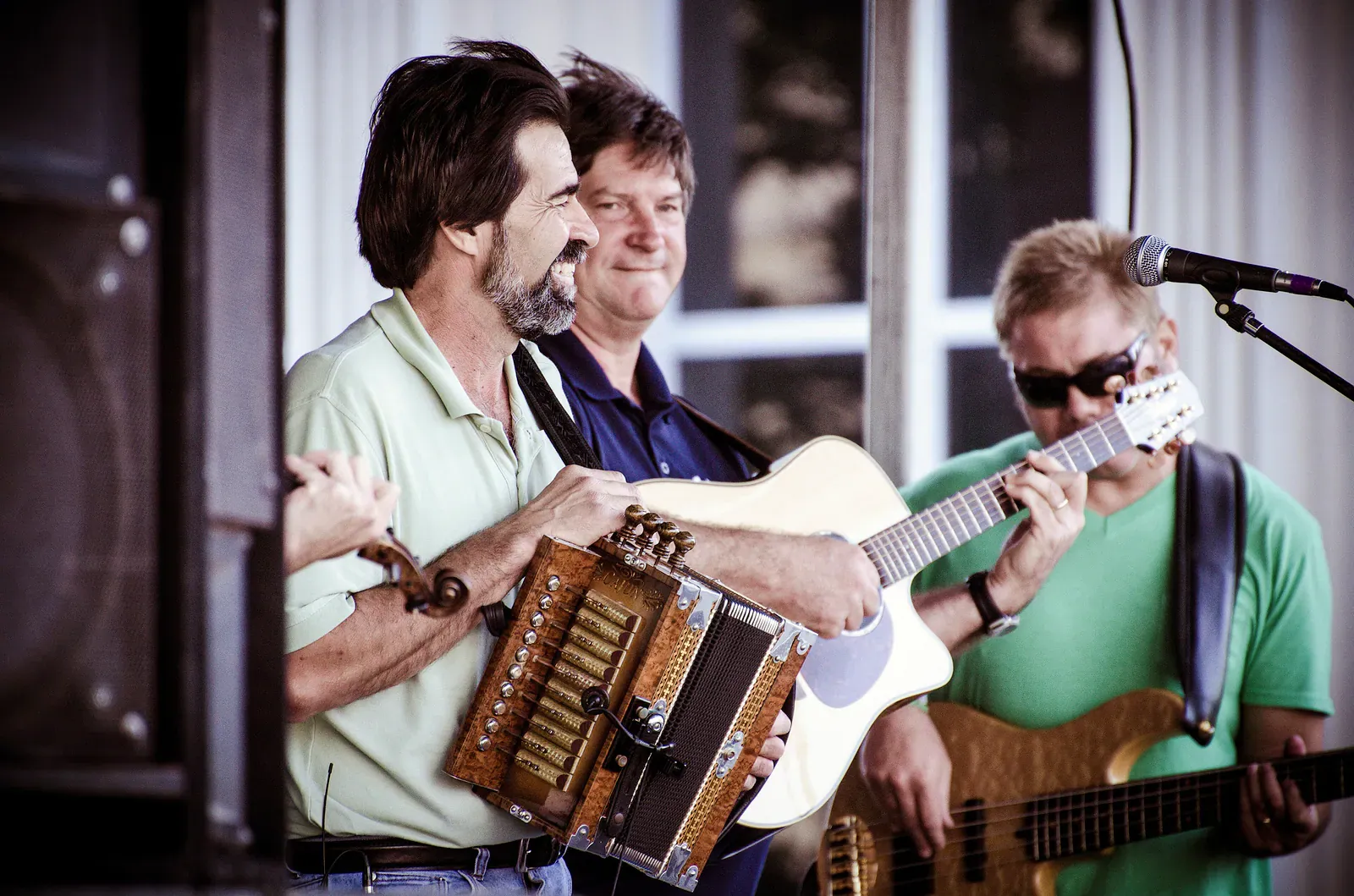
The Cajun accordion is a ten-button diatonic instrument, tuned to one key, so a C accordion plays mainly in C and a few other keys.
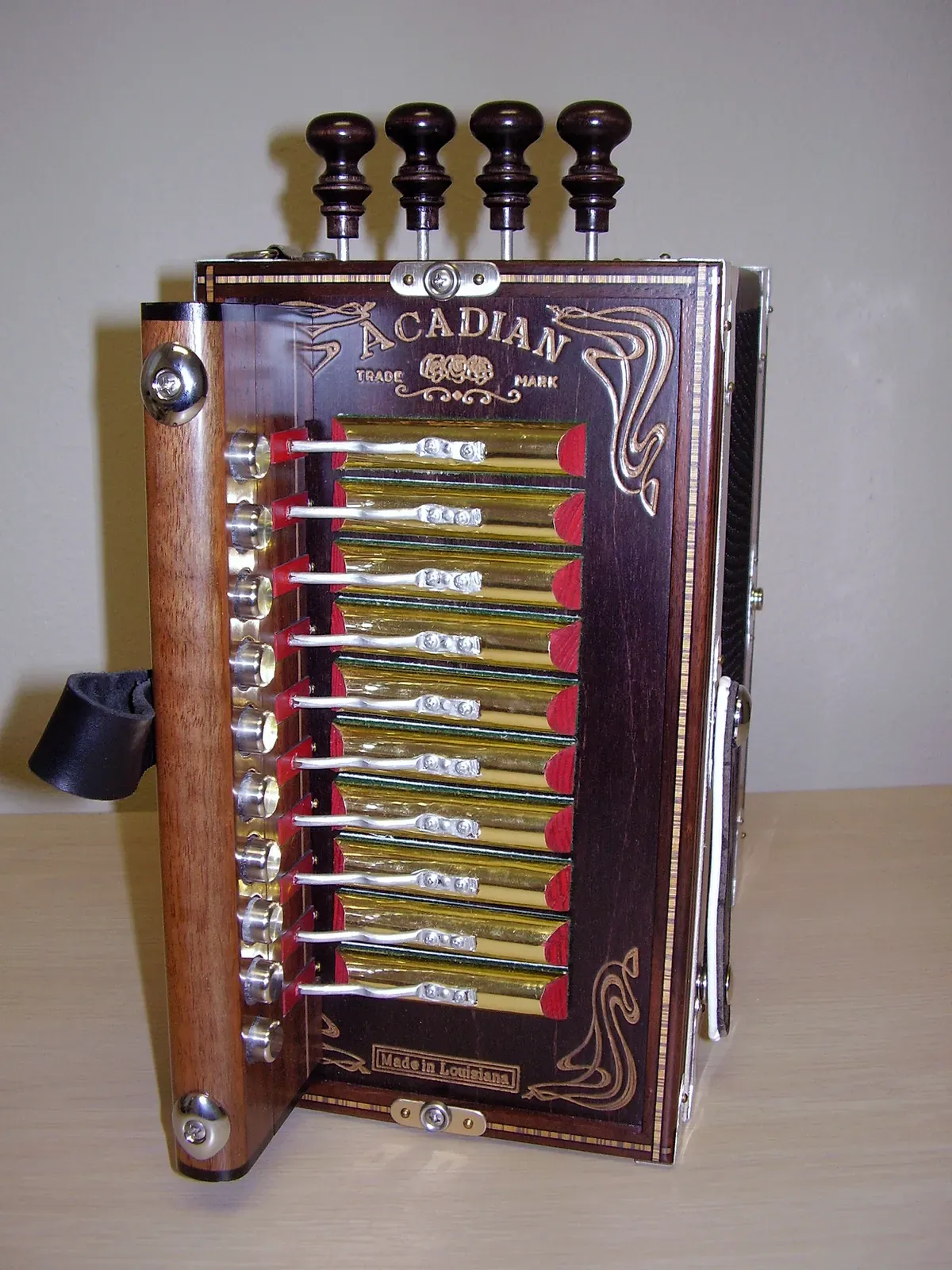
The sound sheet lists the remaining gear. Amplification, steel guitar, bass and drums define the dancehall sound, while modern groups may add electric guitars, keyboards and washboard.
Mainstream success
Cajun music stayed a regional style, but its influence reached country music and popular culture. Doug Kershaw’s “Louisiana Man”, recorded with his brother Rusty in the early 1960s, sold millions and was covered by more than 800 artists. Cajun sounds also appeared in television commercials and film soundtracks, and the 1989 documentary J’ai été au bal gathered traditional players on screen.
Notable recordings
“Allons à Lafayette” (1928) is the foundation stone: a two-step based on an older tune, it opened the way for other commercial recordings. “Les Blues de Crowley” by Amédé Ardoin shows the high voice and blues feeling that later Cajun and zydeco players inherited. “Calcasieu Waltz” captures the dancehall accordion at its most melodic. “Louisiana Man” brought a Cajun fiddler’s story to country audiences, and “Zydeco Gris-Gris” shows the revival’s mix of Cajun and zydeco rhythms.
Culture
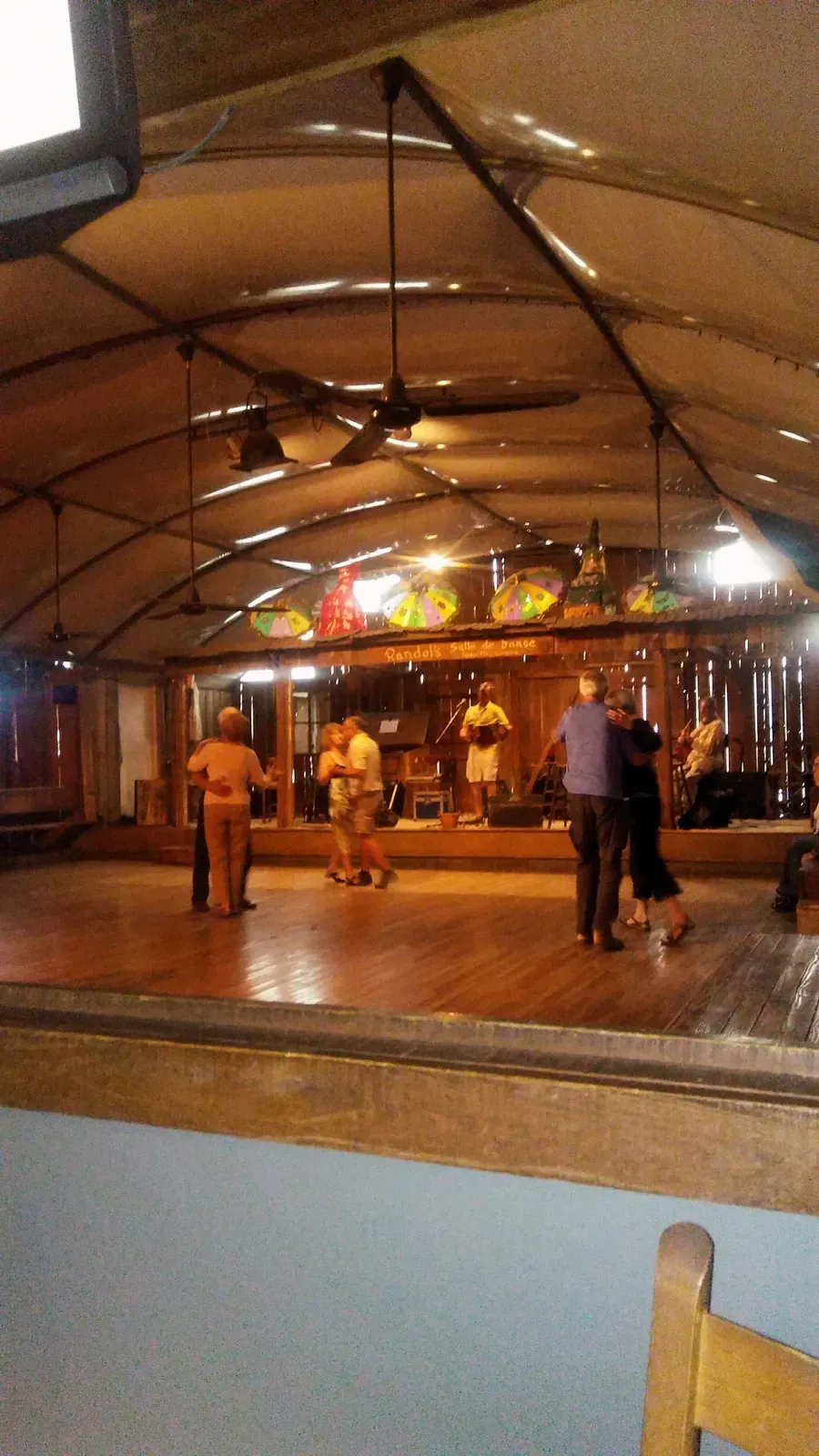
The music is bound to dance. The Cajun two-step, waltz and jig cover the whole floor, in contrast to the smaller footprint of zydeco dancing. Festivals and dance halls in Acadiana, and weddings, remain its main stages. Language is part of the identity: the revival after 1968 tied the music to the fight to keep Louisiana French alive.
Legacy
Cajun music turned a regional house-party tradition into a recognised folk genre, and it preserved Louisiana French in song. It also seeded cross-genre work, from Cajun swing and country to the psychedelic “Heavy Cajun” of the Lost Bayou Ramblers. For the wider tradition, see folk music; for neighbours in the American roots field, see honky-tonk and bluegrass.
Misconceptions
Cajun music and zydeco are often treated as one thing, but they are two genres from southwest Louisiana that share French and African origins. Zydeco comes from Creole tradition and uses a syncopated two-step, while the Cajun dancer covers the floor.
It is also not always accordion music. In the 1930s string bands pushed the accordion into the background, and only after the Second World War did it return.
Finally, it is not exclusively sung in French. French lyrics remain common, but English is used by younger singers and audiences.
Frequently asked questions
What is Cajun music?
Cajun music is the traditional French-language dance music of the Cajuns of south Louisiana, played on accordion, fiddle and triangle, with roots in Acadian ballads.
What is the difference between Cajun music and zydeco?
Cajun music comes from the Cajun community and favours waltzes and two-steps with a staccato feel. Zydeco comes from Creole tradition and uses a syncopated two-step. Both are from southwest Louisiana.
What does fais do-do mean?
It is the Cajun name for a dance party or dance hall, from French for go to sleep, as children were put to bed during dances.
Who made the first Cajun recording?
Joe Falcon and Cléoma Breaux recorded “Allons à Lafayette” for Columbia in New Orleans on 27 April 1928, the first commercial Cajun song.
What instruments are used in Cajun music?
The accordion, fiddle and triangle are the core. Dancehall and contemporary bands add guitar, steel guitar, bass and drums.
Sound
Sound sheet
Anatomy of a track
| # | Part |
|---|---|
| 1 | Accordion melody |
| 2 | Bridge |
| 3 | Vocal verse |
| 4 | Instrumental break (steel guitar, fiddle, accordion) |
| 5 | Bridge and next verse |
Signature sounds
- Accordion at the centre, doubling the vocal melody
- Fiddle double stops with a staccato, driving rhythm
- High-pitched singing in Louisiana French
- Metal triangle on top
Drums and percussion
- Triangle
- Drum kit
Techniques
- Twin fiddling
- Fiddle double stops
- Repeated accordion notes
- Singing in the upper range
Keys and modes
Major (diatonic). A C accordion plays mainly in C, with F and a bluesy D possible.
Tuning
Diatonic accordion tuned to one key, melodic range about one octave
Vocals
High-register Louisiana French singing, rooted in unaccompanied ballads; English lyrics are now common.
Scenes
Where it happened
Where and when the sound lived: one bar per city on a shared timeline.
North America
Active scenes
Peak 4, 1974-2025
Hub of Acadiana and home of the annual Cajun and Creole festival.
Prairie town of accordion makers and dancehall bands, home of Marc Savoy.
Home town of Cleoma Falcon and base of early rice-country musicians.
Prairie town where Dewey Balfa was born and the Mamou Playboys later took their name.
Venues and places
Newport, 1964 to today. Site of the Balfa, Thibodeaux and LeJeune concert that raised national awareness.
Lafayette, 1974 to today. CODOFIL's revival festival, begun as the Tribute to Cajun Music.
Culture
Culture markers
- Cajun two-step, waltz and jig
Couples cover the whole dance floor, in contrast to zydeco's smaller footprint.
Dance - Bals de maison
House dances and front-porch gatherings where the music was played.
Ritual - Fais do-do
Name of the dance party, said to come from putting children to sleep during dances.
Slang
Media
Key media
- 1987The Big Easy
Crime film opened by Zydeco Gris-Gris, with a Cajun and zydeco soundtrack.
Film - 1989J'ai ete au bal
by Les Blank and Chris Strachwitz. Documentary featuring Cajun and zydeco musicians.
Film - 1992Cajun's Greatest: The Definitive Collection
by Iry LeJeune. Collected recordings of the dancehall era's best seller.
Compilation
Glossary
Terms on this page
The French-speaking region of south Louisiana where Cajun music grew up.
House dance held in a home, the setting of Cajun music before the dance halls.
Traditional French ballad of death, solitude or ill-fated love, sung unaccompanied.
Cajun dancehall or dance party, from the French for go to sleep, as children were put to bed there.
Backup fiddle part played under the melody in the twin-fiddle tradition.
Folk family