Celtic music
Celtic music is the traditional and revival music of Ireland, Scotland, Wales, Brittany and Galicia, built on pipes, harp, fiddle and modal dance tunes.
Ireland, United Kingdom, France, Spain, Canada, 1951
Folk family
Born
1951
Ireland, United Kingdom, France, Spain, Canada
Subgenres
10
Documented branches
Links
19
Genres it drew on or shaped
Tempo
70-140 BPMLineage
Family tree
Grew out of
Ireland, United Kingdom, France, Spain, Canada
Celtic music
Led to (11)
Timeline
Era by era
From the first sparks to today. Select a dot to read the story behind it.
- Gathering the tradition
1951 to 1961
- Ensembles and harps
1962 to 1971
- The band era
1972 to 1981
- Chart crossover
1982 to 1993
- Stage and screen
1994 to 2009
- Revival and farewell
2010 to 2026
Eras
Moments
- 1 Gathering the tradition, 1951 to 1961
- 2 Ensembles and harps, 1962 to 1971
- 3 The band era, 1972 to 1981
- 4 Chart crossover, 1982 to 1993
- 5 Stage and screen, 1994 to 2009
- 6 Revival and farewell, 2010 to 2026
1951
Gathering the tradition
Irish societies and labels start to collect and record traditional music: Comhaltas and its Fleadh in 1951, Gael Linn records in 1956, Claddagh in 1959.
- 1951Comhaltas founded, first Fleadh Cheoil in MullingarThe first national Irish music festival and competition launched the same year as the society behind it.
- 1956Gael Linn starts a record labelLaunched to record sean-nós singing and traditional music.
- 1959Claddagh Records founded in DublinGarech and Ivor Browne start a label for Irish traditional music and spoken word.
- 1959Ó Riada scores the film Mise ÉireSeán Ó Riada's score for the Gael Linn film sets Irish themes for orchestra.
1962
Ensembles and harps
Ó Riada's ensemble, the first Chieftains and Stivell's Celtic harp turn village tunes into concert music, and Lorient opens a pan-Celtic festival.
- 1962The Chieftains form in DublinPaddy Moloney and fellow pipers and fiddlers start the group that will carry Irish music abroad.
- 1970Clannad formed in GweedoreA Donegal family group begins singing in Irish.
- 1971First Festival Interceltique de LorientPolig Monjarret founds a pan-Celtic festival in Brittany.
- 1971Alan Stivell: Renaissance of the Celtic HarpThe Breton harp record wins the Académie Charles Cros prize.
1972
The band era
Planxty, the Bothy Band and Clannad play trad as bands. Stivell's Olympia concert makes Celtic rock a commercial idea.
- 1972Stivell plays the Paris OlympiaThe 28 February concert, aired live on Europe 1, becomes a live album selling over a million.
- 1972Planxty formChristy Moore, Dónal Lunny, Andy Irvine and Liam O'Flynn start a band that reshapes Irish arrangements.
- 1975The Bothy Band form, Mulligan releases their debutDónal Lunny starts a band and puts out its debut on his Mulligan label.
- 1975The Chieftains feature on Barry LyndonTheir music is part of Stanley Kubrick's Oscar-winning film soundtrack.
- 1979The Chieftains play for Pope John Paul IIPhoenix Park, Dublin, with a crowd of over a million.
1982
Chart crossover
Harry's Game, Orinoco Flow and Capercaillie bring Gaelic song and Celtic atmosphere to pop charts.
- 1982Clannad: Theme from Harry's GameAn Irish-language song hits UK No. 5 and wins an Ivor Novello.
- 1988Enya: Orinoco FlowThree weeks at UK No. 1 turns Celtic new age into pop.
- 1992Capercaillie: Coisich a RùinFirst Scottish Gaelic single in the UK top 40.
1994
Stage and screen
Riverdance, Celtic Connections, Loreena McKennitt and Celtic Woman take the sound to TV, theatres and festivals.
- 1994Riverdance at EurovisionThe 30 April interval act in Dublin reaches an estimated 300 million viewers.
- 1994Celtic Connections opens in GlasgowA January winter festival begins at the Royal Concert Hall.
- 1995Riverdance becomes a full showOpens 9 February at the Point Theatre in Dublin and sells out in three days.
- 1997Loreena McKennitt: The Mummers' DanceReaches No. 18 on the US Hot 100.
- 2005Celtic Woman debut album and PBS specialAn Irish vocal show spawns a long TV and touring run.
2010
Revival and farewell
Breton and Gaelic pop revivals continue while the founding bands, Chieftains and Clannad, finish.
- 2010Nolwenn Leroy: BretonneA French No. 1 album of Breton songs, certified double diamond.
- 2021Paddy Moloney diesThe Chieftains' founder's death ends the band.
- 2023Clannad end their farewell tourThe Seattle show on 9 October closes the group's touring life.
Listening path
Anthems
The records that built the sound, grouped by the part they played. Thumbnails come from YouTube; the player loads only when you press play.
- 01
Seán Ó Riada, 1959 · Gael Linn
Ó Riada's film score gave Irish themes a grand orchestral setting and started the modern ensemble sound.
Origin - 02
Alan Stivell, 1972
Breton harp and electric band at the Olympia fused Celtic folk with rock and gave the genre its pan-Celtic image.
Origin - 03
Clannad, 1982 · #5 UK Singles, 1982
An Irish-language song reached UK No. 5 and brought Celtic sound to the pop charts.
Start hereBreakthrough - 04
Enya, 1988 · #1 UK Singles, 1988
Layered vocals and synth took Celtic atmosphere to the top of the UK chart and the world.
Start hereBreakthrough - 05
Bill Whelan, 1994
The Eurovision interval piece made Irish dance and Celtic music a mass spectacle.
Breakthrough - 06
Planxty, 1973
Planxty's song-and-pipes setting of a ballad showed Irish music could fill concert halls.
Anthem - 07
The Bothy Band, 1976 · Mulligan Records
A fast-driving trad set from Irish players who set the template for later Celtic bands.
Anthem - 08
Capercaillie, 1992
The first Scottish Gaelic single in the UK top 40, with a dance-ready beat.
Anthem - 09
The Chieftains, 1995
The Chieftains and Sting set an Irish Jacobite lament for a pop audience.
Crossover - 10
Loreena McKennitt, 1997 · #18 Billboard Hot 100, 1997 · Quinlan Road
A pan-Celtic world pop track that hit the US top 20 on a self-released label.
Start hereCrossover - 11
Celtic Woman, 2005
The Celtic Woman TV show used a ballad to build a new Celtic pop touring market.
Revival - 12
Nolwenn Leroy, 2010
A Breton sailors' song, made famous by Stivell, reached a mass French audience again.
Revival
Facts
| Family | Folk |
| Origin | Ireland, United Kingdom, France, Spain, Canada |
| Emerged | Traditional; label popularised 20th century |
| Status | Active |
| Tempo | 70 to 140 BPM |
| Meter | Varies by tune type: 4/4 reels, 6/8 jigs, 9/8 slip jigs, free-time airs |
| Subgenres | 8 |
Celtic music is the shared name for the traditional and revival music of Ireland, Scotland, Wales, Brittany and Galicia, with Cornwall, the Isle of Man and diaspora communities, built on pipes, harps, fiddles and modal dance tunes.
The label is modern while the tunes are old: the 1960s and 1970s folk revival turned regional traditions into concert and chart music. Its best-known commercial moments include Clannad’s “Theme from Harry’s Game”, which reached No. 5 in the UK in 1982.
Origins
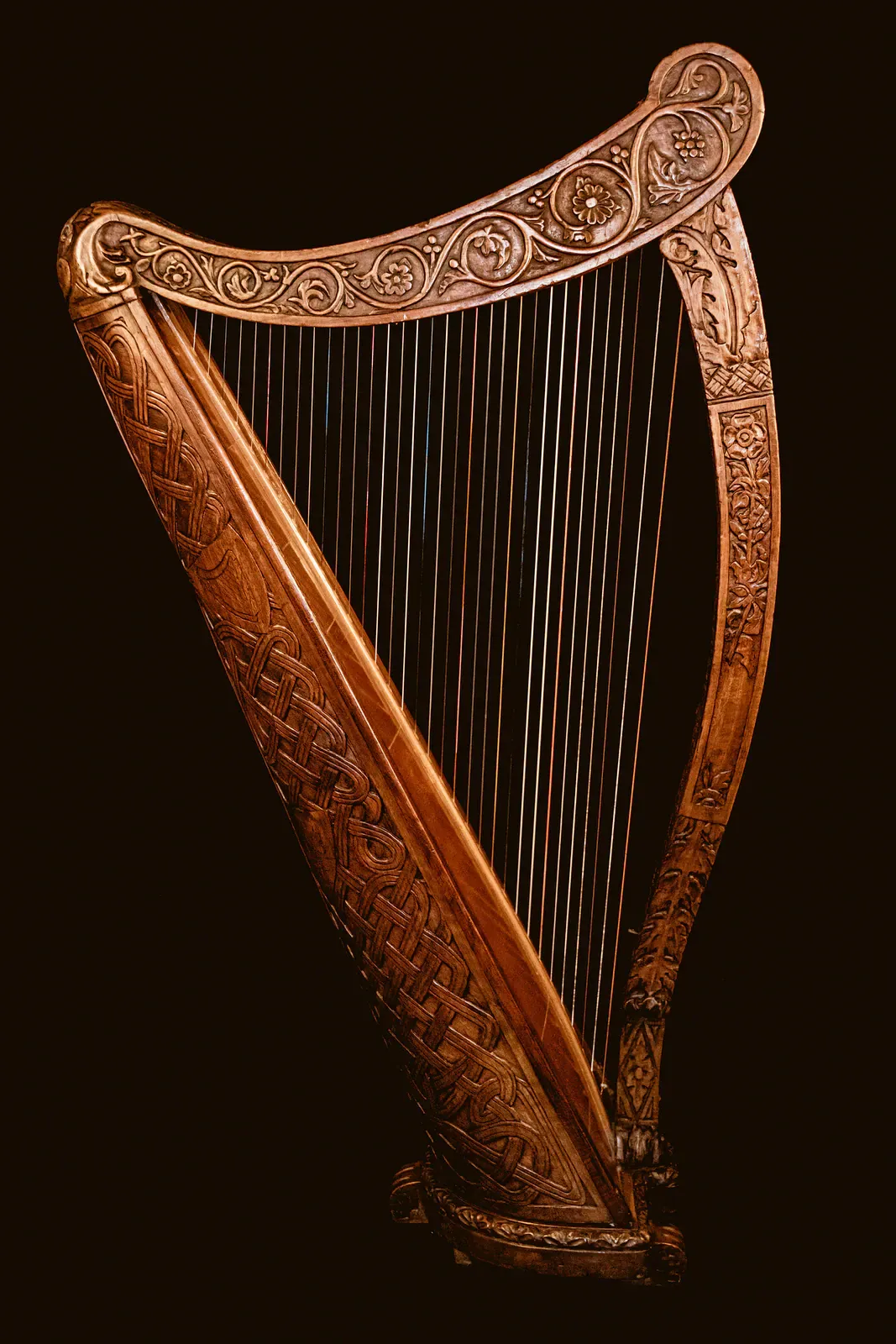
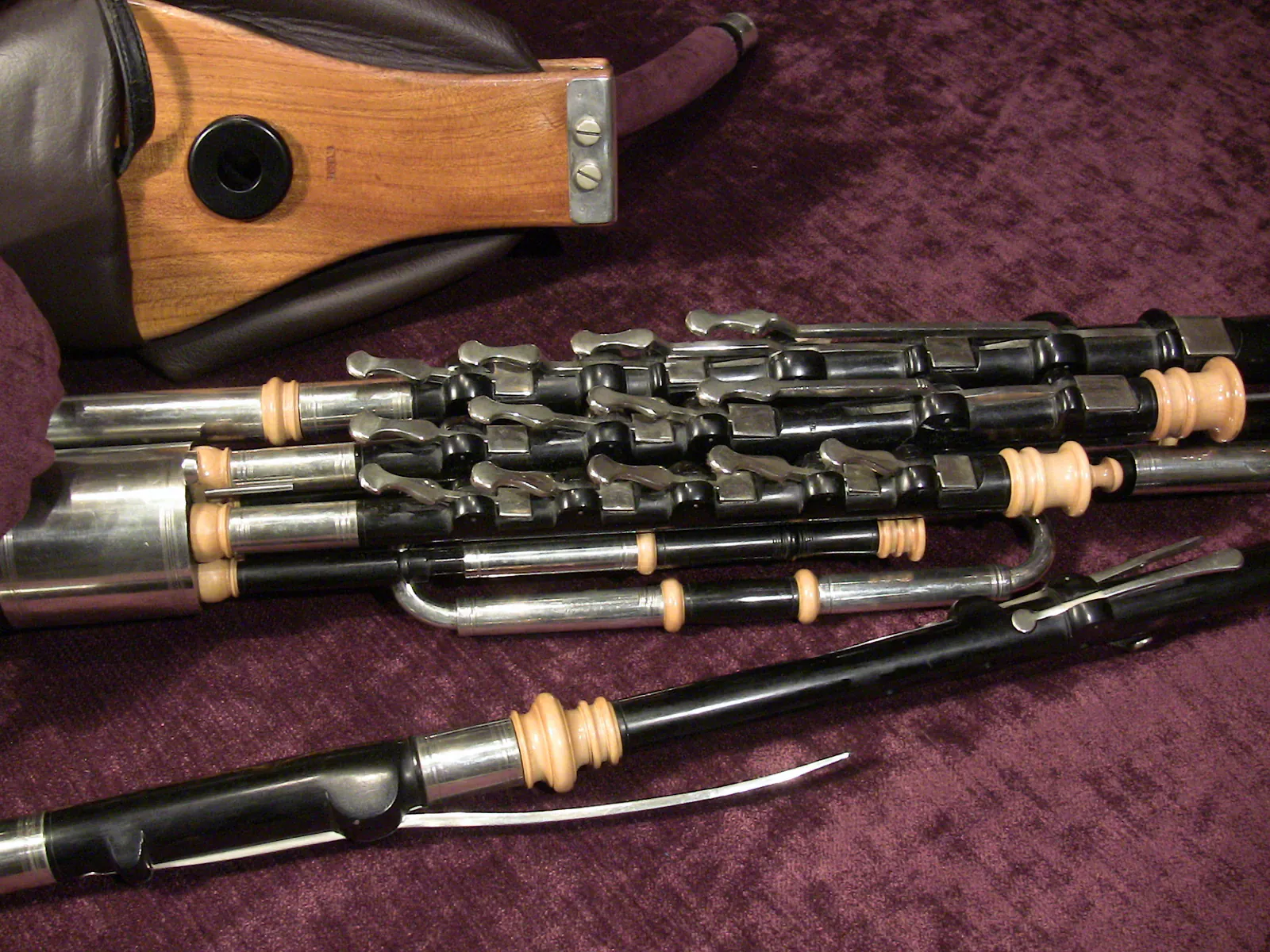
It did not start as one thing. Irish players had the fiddle, the whistle and the uilleann pipes. Scots had the Great Highland bagpipe and Gaelic song. Brittany had the bombarde and the biniou, played in pipe bands called bagadoù. Galicia had the gaita, its own bagpipe.
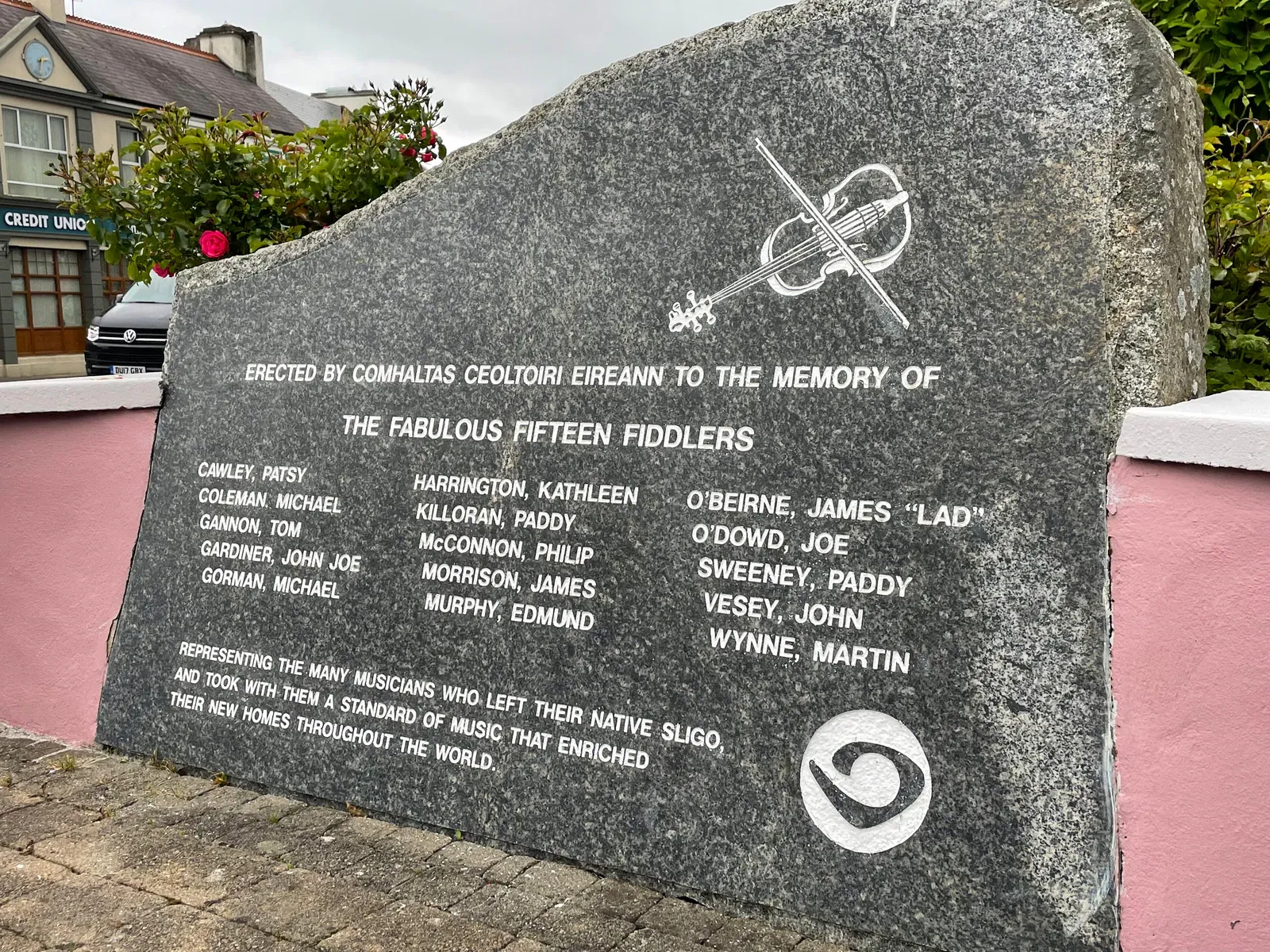
What joined them was the 1950s and 1960s habit of collecting and recording. In 1951 the society Comhaltas Ceoltóirí Éireann held its first Fleadh Cheoil, a national music competition, in Mullingar. Gael Linn started a record label in 1956 for sean-nós singing and traditional music, and Claddagh Records opened in Dublin in 1959.
Gathering the tradition, 1951 to 1961
In 1959 the composer Seán Ó Riada scored the Gael Linn film “Mise Éire”. It set Irish themes for orchestra. Ó Riada then formed Ceoltóirí Chualann, an ensemble that arranged traditional tunes for a group.
Ensembles and harps, 1962 to 1971
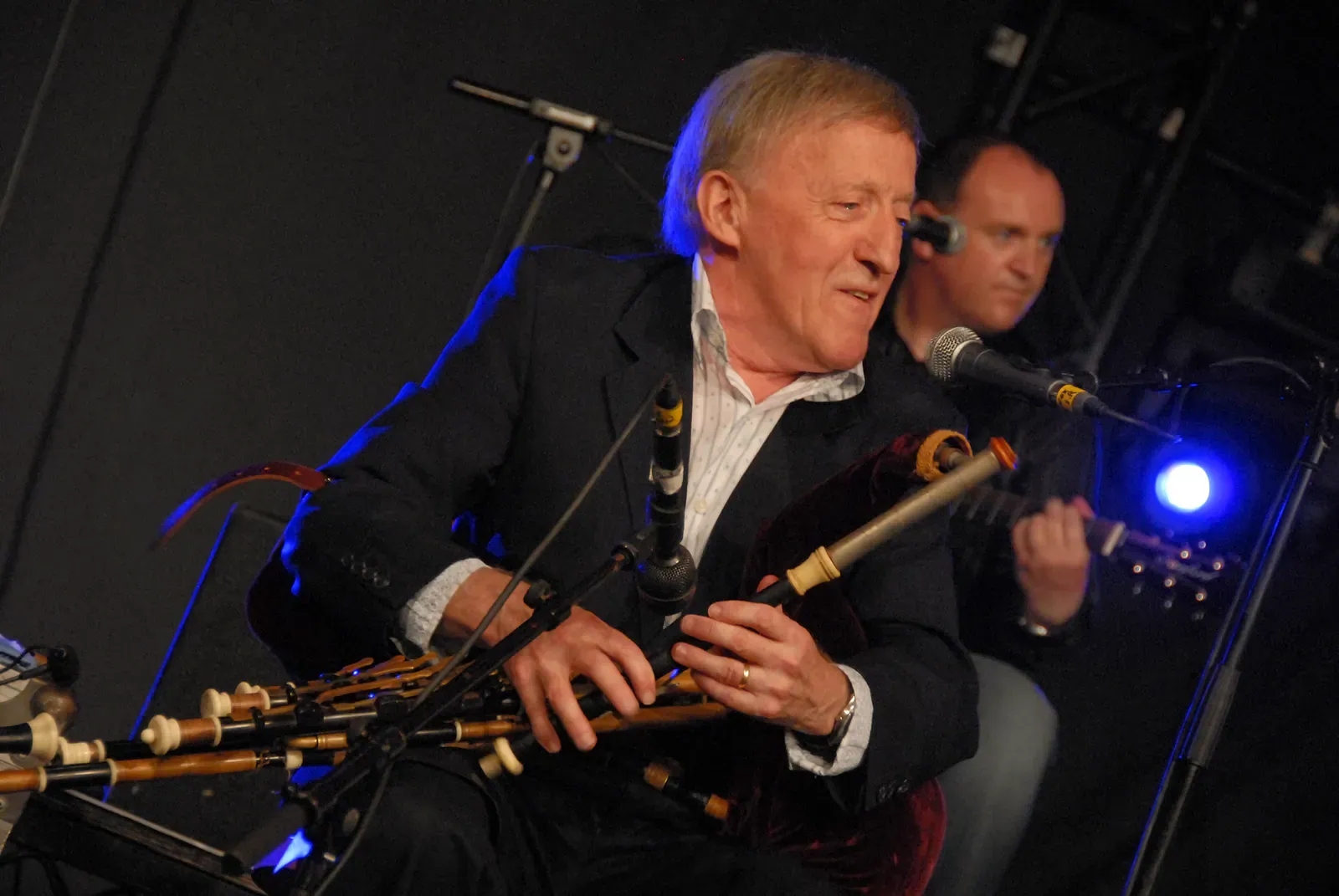
Paddy Moloney, a piper, founded the Chieftains in Dublin in 1962 with fellow pipers and fiddlers. Their first album arrived in 1964 on Claddagh. Their music appeared in Stanley Kubrick’s “Barry Lyndon” in 1975, and in 1979 they played for Pope John Paul II in Dublin’s Phoenix Park.
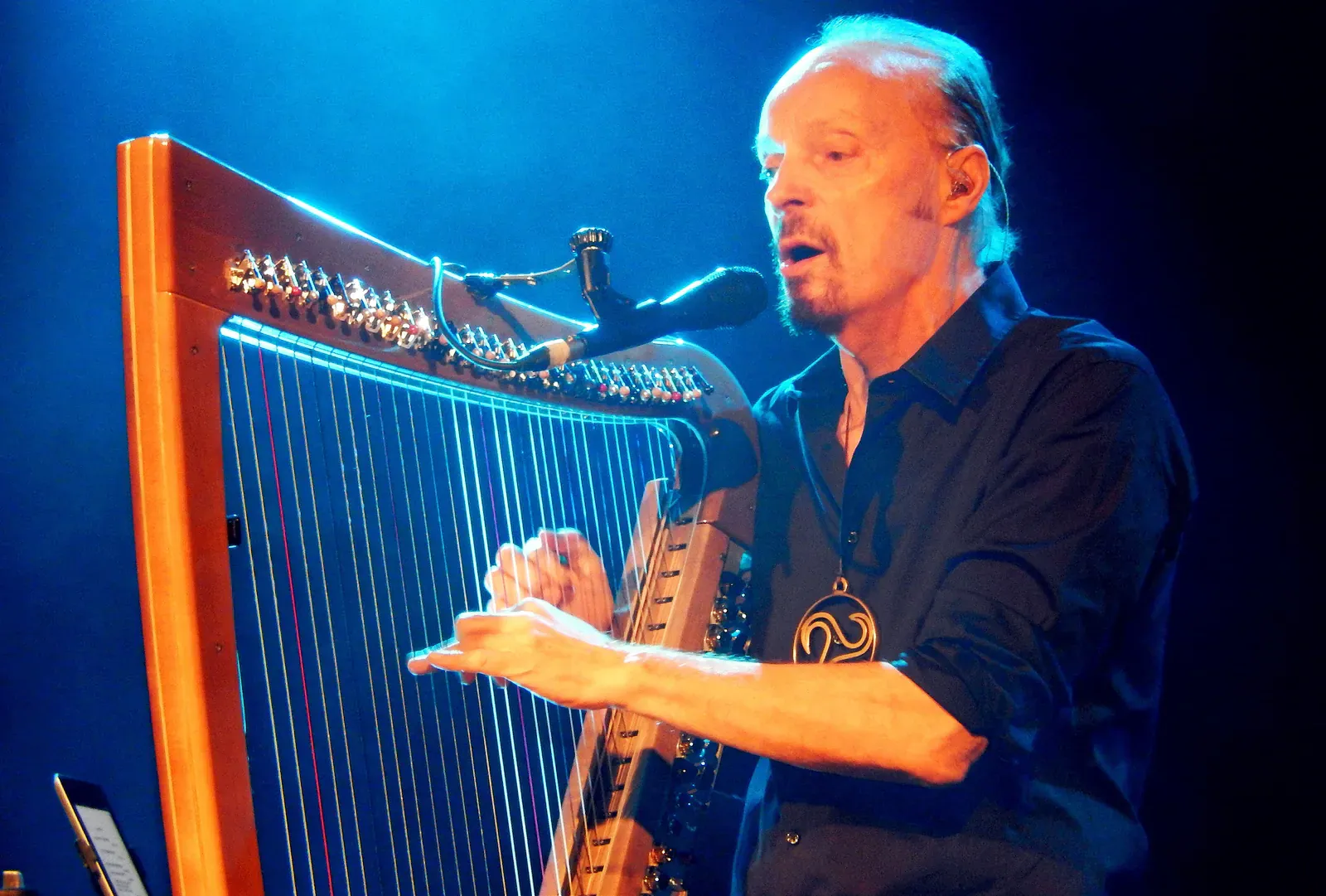
In Brittany a different move was under way. Alan Stivell rebuilt the Celtic harp as a lead instrument, and his 1971 album “Renaissance of the Celtic Harp” won the Charles Cros prize. The same year Polig Monjarret founded the Festival Interceltique de Lorient, a pan-Celtic gathering with a Grand Parade of Celtic Nations.
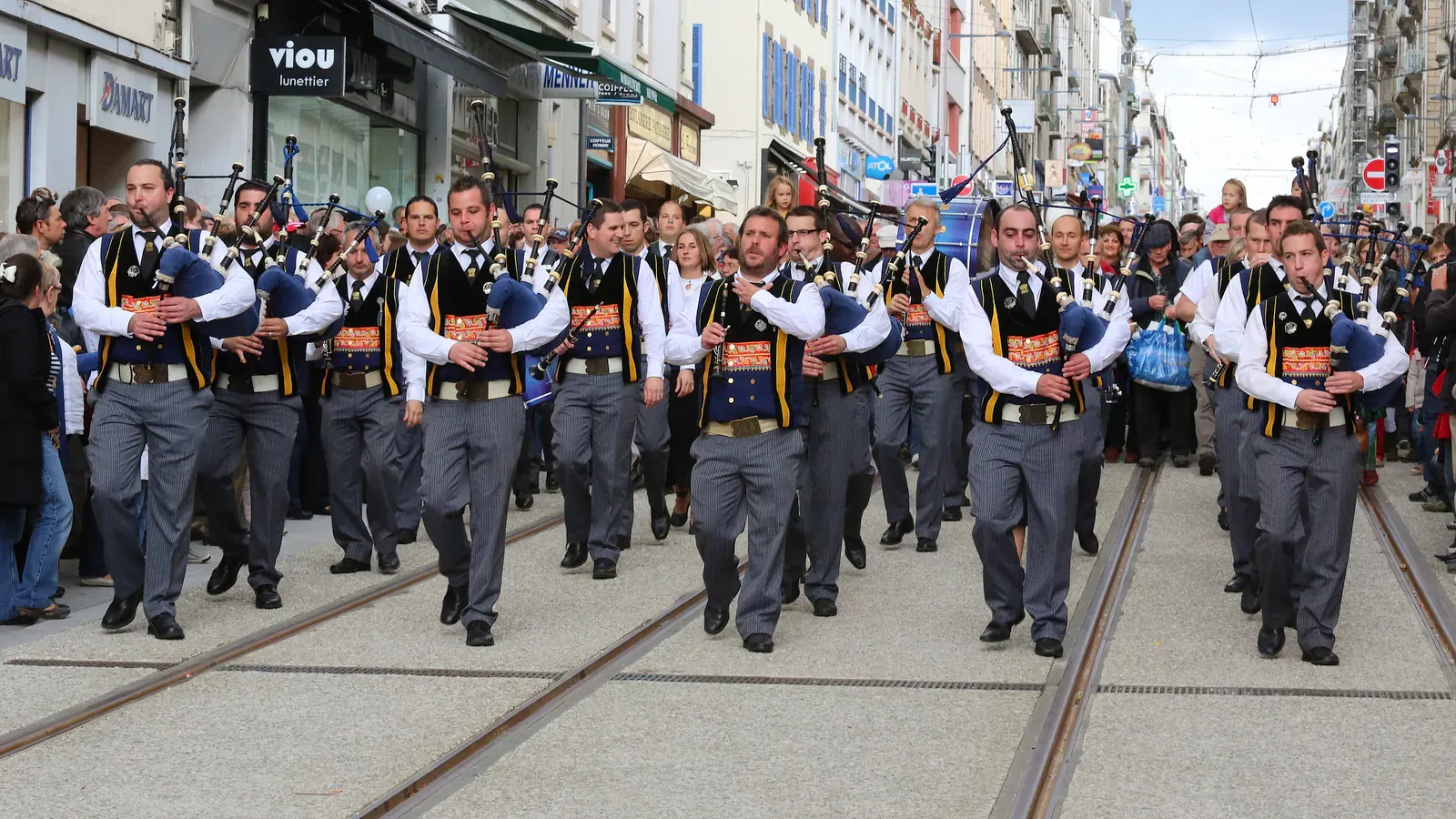
The band era, 1972 to 1981
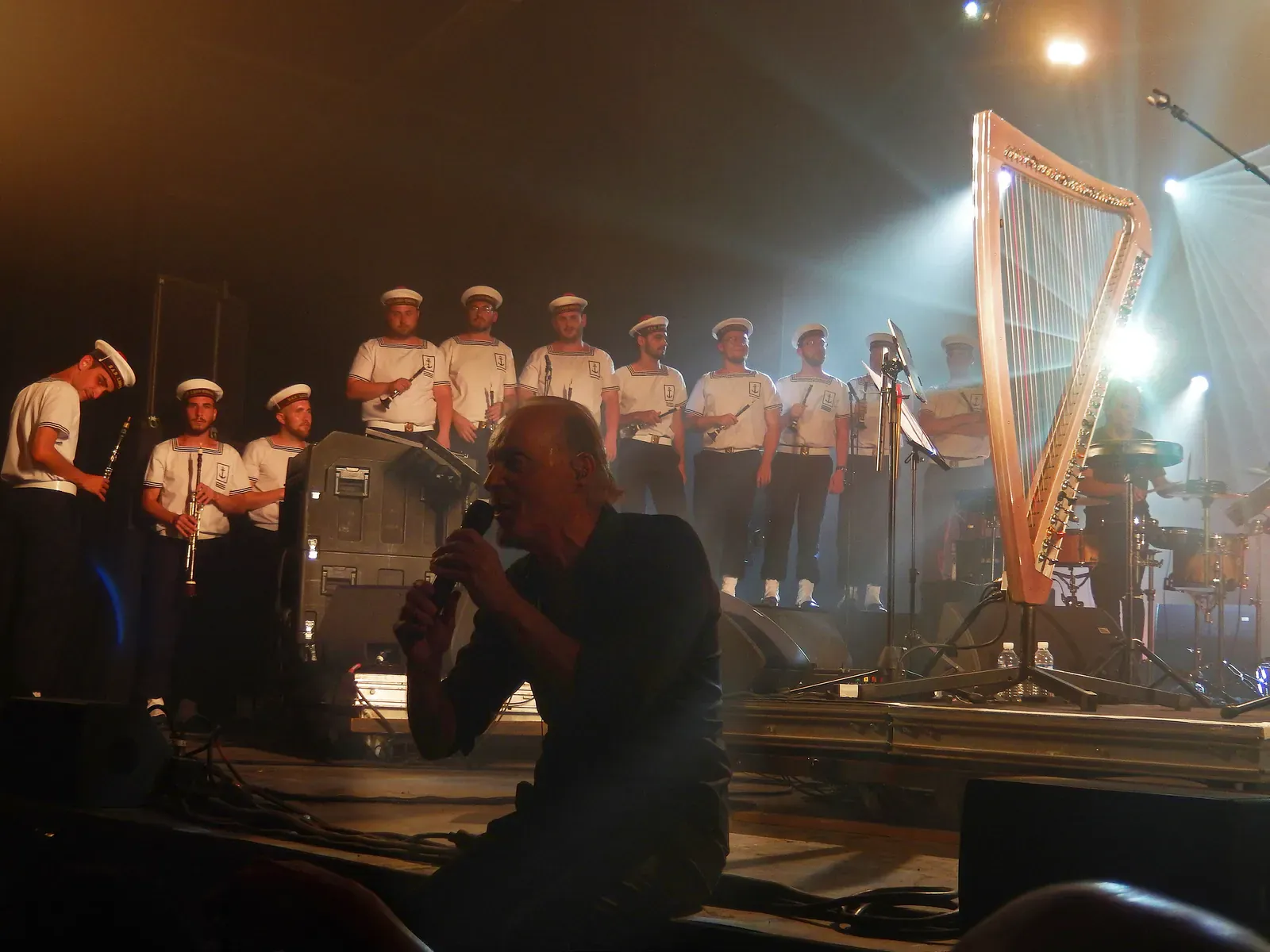
On 28 February 1972 Stivell played the Paris Olympia with an electric band, and the concert was broadcast live on radio and then released as a live album that sold more than a million copies. Celtic rock became a commercial idea overnight.
In Ireland the same move happened by other means. Planxty formed in 1972 around Christy Moore, Dónal Lunny, Andy Irvine and Liam O’Flynn, and their arrangements put the bouzouki, the uilleann pipes and songs side by side. The Bothy Band followed in 1975, fast and hard-driving, and Lunny’s Mulligan Records released their debut. Clannad had formed in Gweedore, Donegal, in 1970 as a family group singing in Irish.
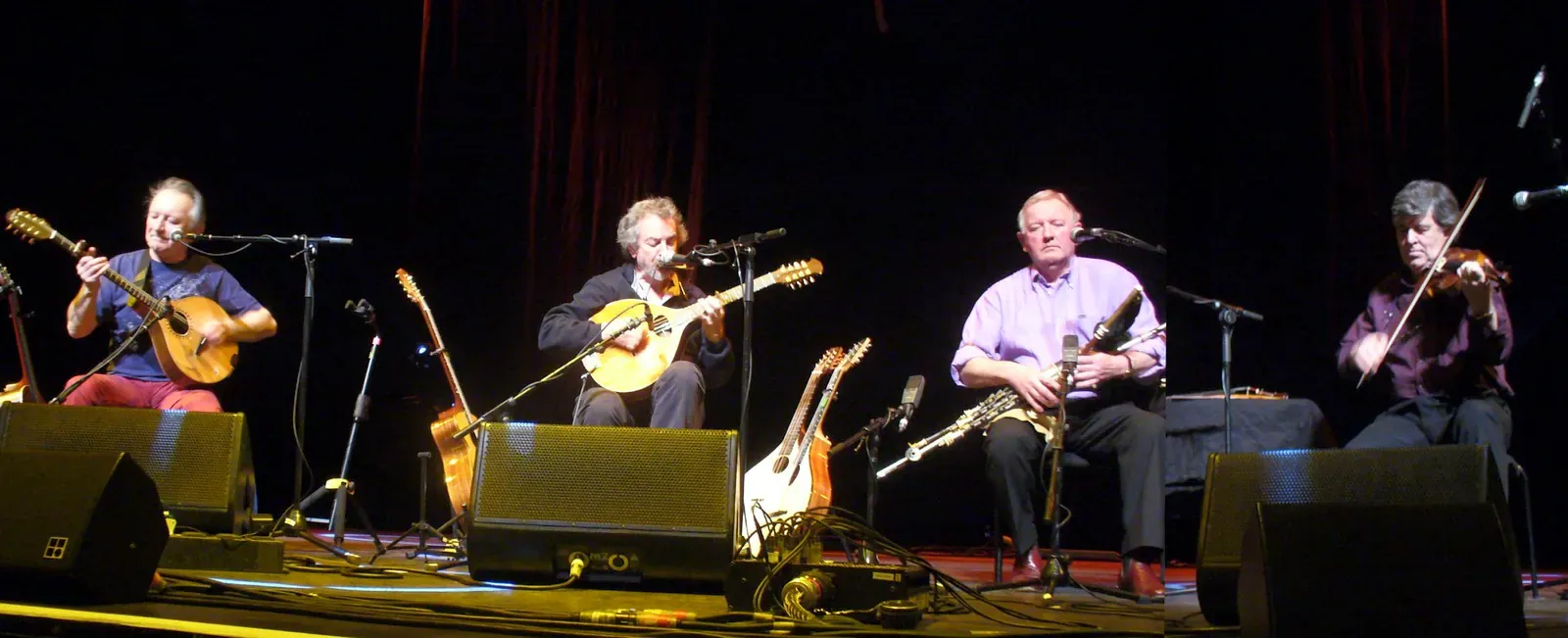
Chart crossover, 1982 to 1993
Clannad’s “Theme from Harry’s Game” hit UK No. 5 in 1982 and won an Ivor Novello award. Enya, who had left Clannad that year, went further. Her 1988 single “Orinoco Flow” spent three weeks at UK No. 1, built from layered vocals and synthesizers that sounded like Celtic atmosphere rather than a dance band.
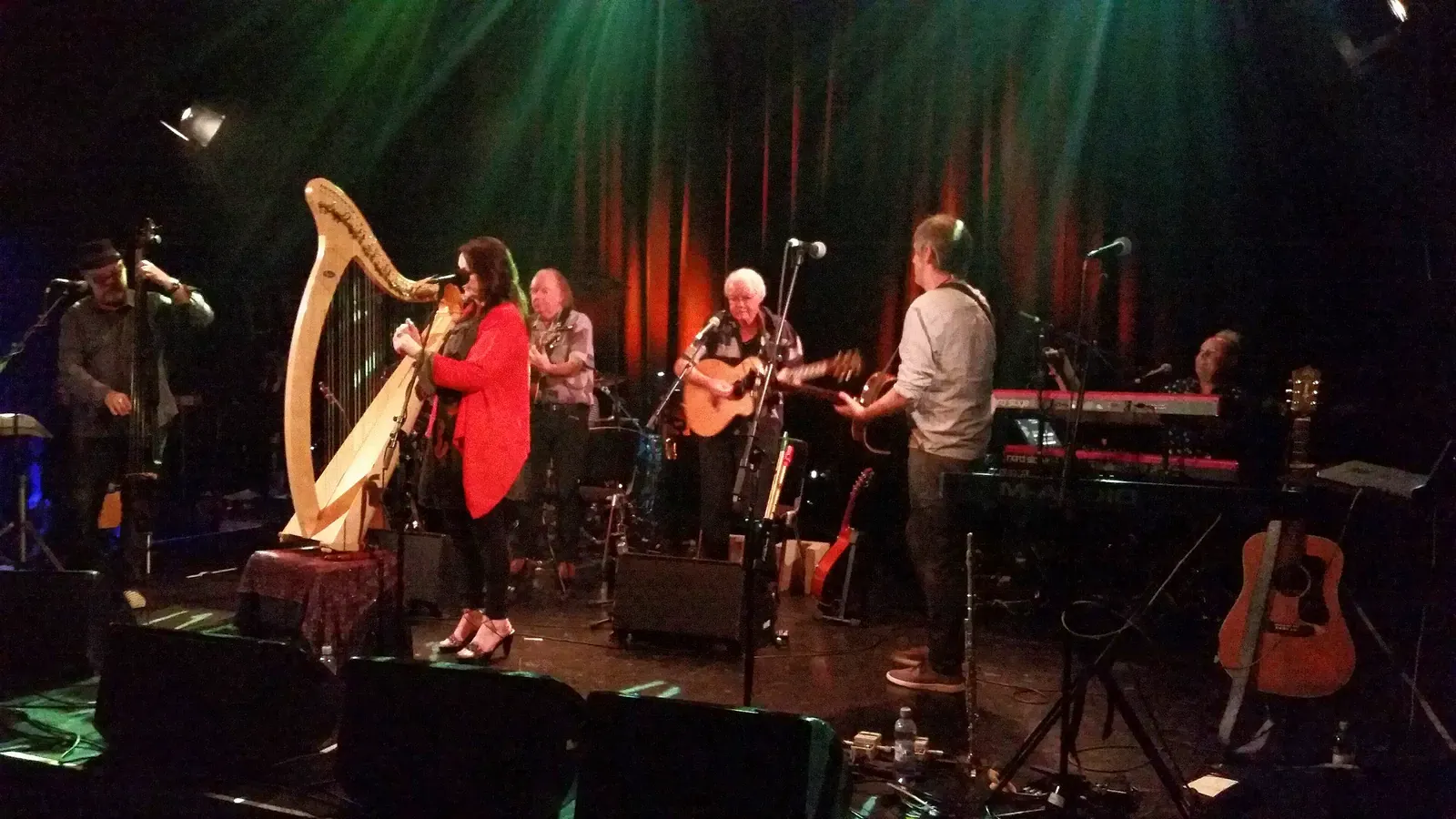
In 1992 Capercaillie’s “Coisich a Rùin” became the first Scottish Gaelic single in the UK top 40. The band had formed in Oban in 1984.
Stage and screen, 1994 to 2009
On 30 April 1994 the interval act of the Eurovision Song Contest in Dublin was a seven-minute piece called “Riverdance”. It was composed by Bill Whelan and reached an estimated 300 million viewers. The full stage show opened on 9 February 1995 at the Point Theatre in Dublin and sold out in three days. In March 1996 it played eight sold-out nights at New York’s Radio City Music Hall.
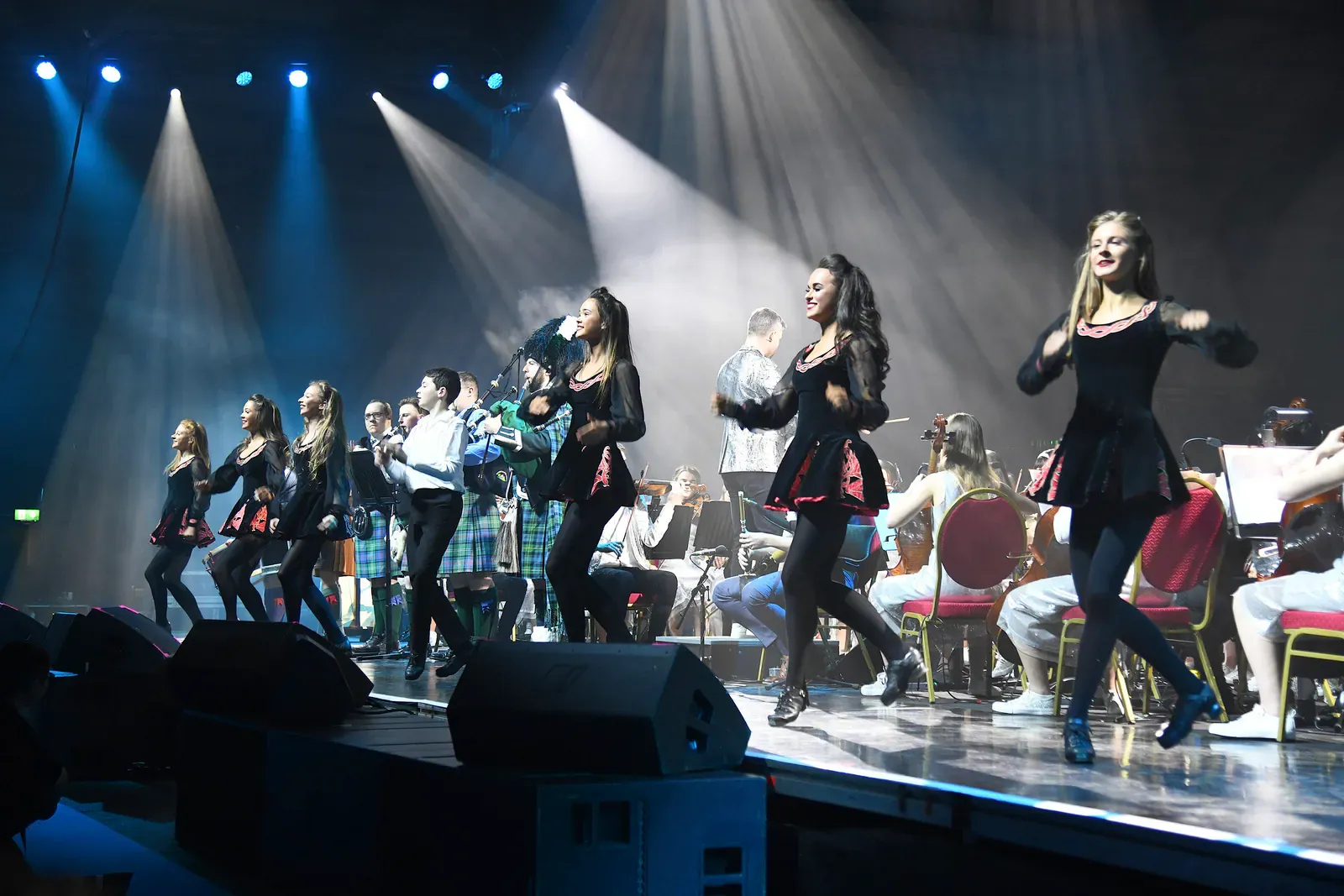
Glasgow’s Celtic Connections opened in January 1994. In 1997 the Canadian Loreena McKennitt reached No. 18 on the US Hot 100 with “The Mummers’ Dance”, released on her own label Quinlan Road. In 2005 the vocal show Celtic Woman launched a PBS television special and a long touring run.
Revival and farewell, 2010 onward
Breton song came back in 2010 when Nolwenn Leroy’s album “Bretonne” reached No. 1 in France and was certified double diamond.
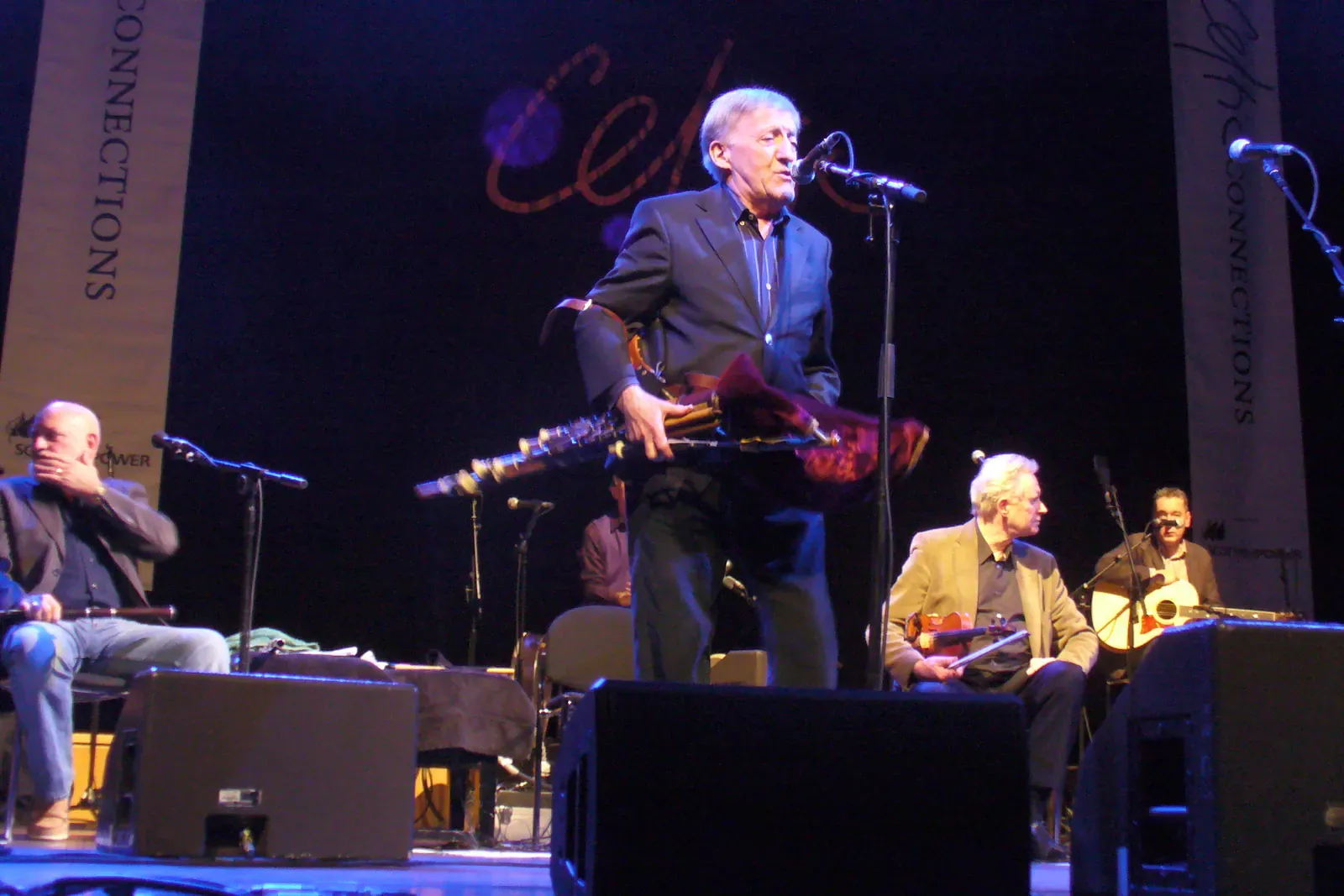
The founders have finished. Paddy Moloney died in 2021, which ended the Chieftains, and Clannad ended their farewell tour on 9 October 2023 in Seattle. Labels such as Green Linnet Records and Compass Records keep catalogues in print.
Mainstream success
Radio and live albums carried Stivell. A television drama carried Clannad. A pop single and an international broadcast carried Enya and Riverdance.
Each time the music was repackaged. Clannad’s harmonies and Enya’s layered voices removed the dance beat that defines most trad, and Riverdance replaced the pub with a theatre. Meanwhile the traditional players kept their own scene, and the sessions stayed in pubs.
Notable recordings
“Theme from Harry’s Game” was written for a Yorkshire Television drama set in Northern Ireland, and its Irish-language lyric made it a strange hit.
“Orinoco Flow” came from Enya’s studio work with producer Nicky Ryan, who built the sound from many stacked vocal takes. It spent three weeks at No. 1 in the UK in 1988.
“Riverdance” was a fast composition for a seven-minute slot. It worked because it was short, loud and visual.
Culture
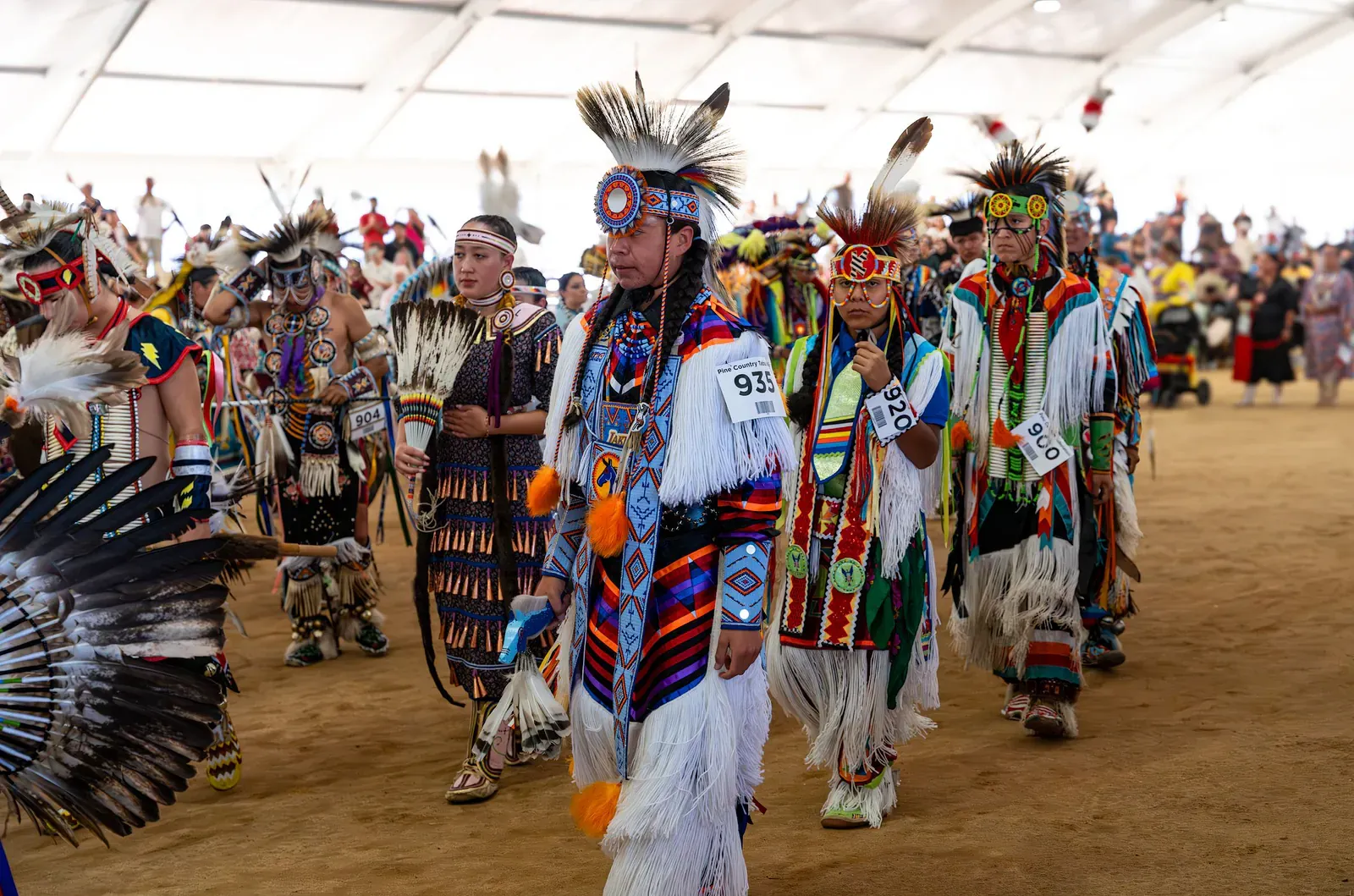
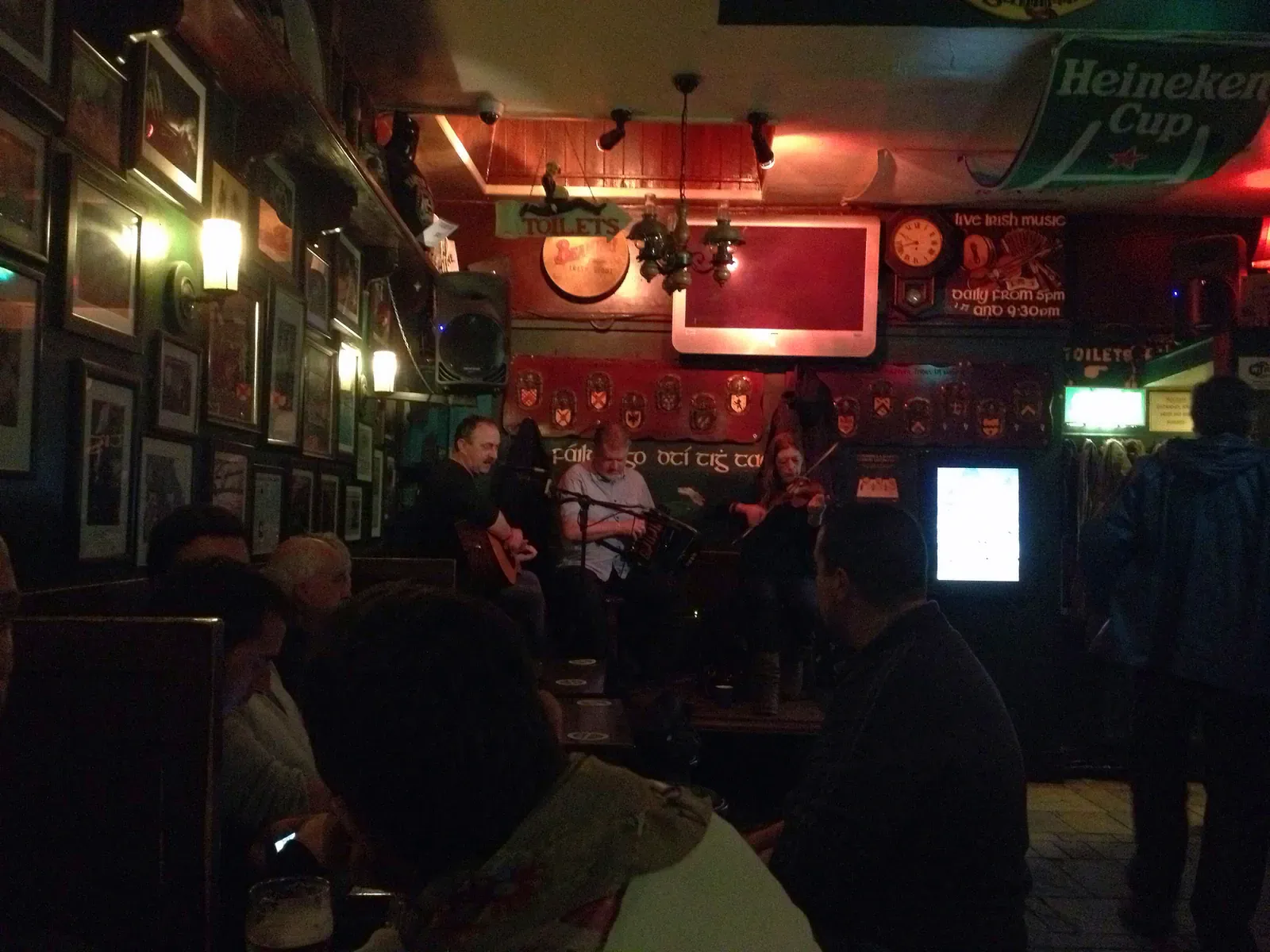
The pub session, or seisiún, is the core: one player starts a tune and the rest join in. Irish step dance became the show business image of the genre, and in Brittany the bagad championships and the Grand Parade at Lorient play a similar role.
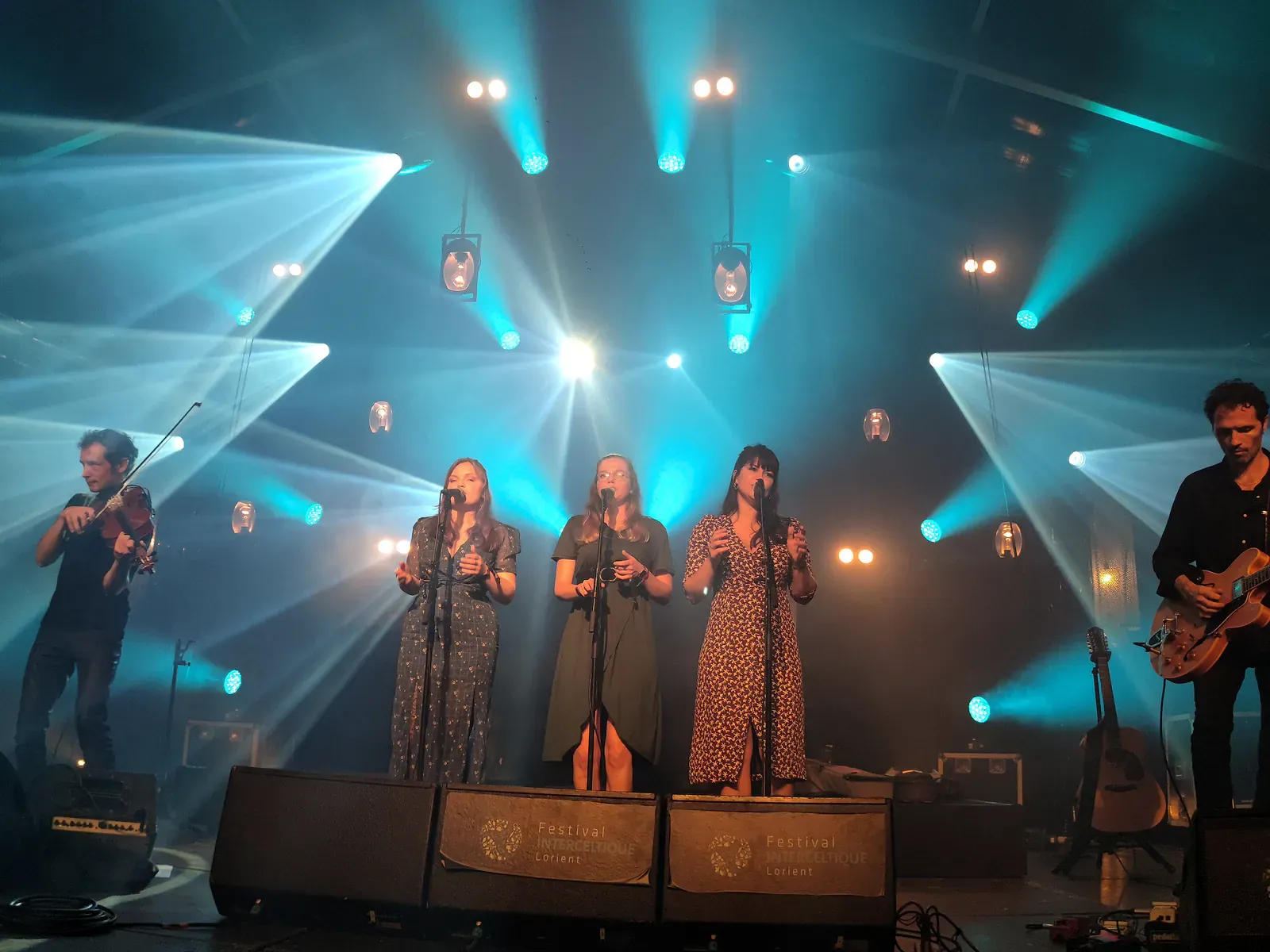
Lorient and Celtic Connections give working musicians a season. Wales kept its own channel through the Welsh-language label Sain, founded in Cardiff in 1969.
Misconceptions
A common myth is that Celtic music is ancient and unchanged. The tunes are old, but the band sound is not. The ensemble arrangements of Ó Riada, the bouzouki-and-pipes line-up of Planxty and Stivell’s electric band are all from the 1960s and 1970s.
Another myth is that bagpipes are only Scottish. Ireland has the uilleann pipes, Brittany has the biniou and bombarde, and Galicia has the gaita.
A third myth is that Riverdance invented Irish dance and music. It popularized them. The dance competitions, the Fleadh and the pub sessions existed decades earlier.
Frequently asked questions
What is Celtic music?
Celtic music is the traditional and revival music of the Celtic nations, mainly Ireland, Scotland, Wales, Brittany and Galicia. It is dance tunes, songs and pipe music played on instruments such as fiddle, harp, pipes and whistle.
What instruments are used in Celtic music?
Fiddle, uilleann pipes, Highland pipes, whistle, harp, bodhrán and bouzouki. Breton bands add the bombarde and biniou, and Galician bands use the gaita.
Which recordings define Celtic music?
The best-known are Clannad’s “Theme from Harry’s Game”, Enya’s “Orinoco Flow” and Loreena McKennitt’s “The Mummers’ Dance”. The Chieftains and Planxty represent the traditional ensemble sound.
Sound
Sound sheet
Anatomy of a track
| # | Part | Bars |
|---|---|---|
| 1 | Tune part A (8 bars, repeated) | 16 |
| 2 | Tune part B (8 bars, repeated) | 16 |
| 3 | Set change to the next tune | 8 |
Signature sounds
- Modal tunes with ornaments such as rolls and cuts
- Harp, pipes, fiddle and whistle in lead roles
- Bodhrán or bouzouki rhythm
- Gaelic, Breton or Welsh vocals
- Synth and layered vocals in the crossover strain
Drums and percussion
- Bodhrán
- Pipe band snare drum
Techniques
- Rolls
- Cuts
- Cran
- Gracenotes and doublings
- Set playing
Keys and modes
Mixolydian. Common for Highland pipe tunes and many Irish reels.
Dorian. A minor-sounding mode with a raised sixth, frequent in session tunes.
Ionian (major). Used for many jigs, hornpipes and marches.
Aeolian (natural minor). Used in slow airs and some dance tunes.
Tuning
Highland pipes play a fixed nine-note Mixolydian scale pitched near A = 470-480 Hz, above concert pitch
Vocals
Songs in Irish, Scottish Gaelic, Breton, Welsh or English, solo or in layered harmony
Scenes
Where it happened
Where and when the sound lived: one bar per city on a shared timeline.
Europe
North America
Active scenes
Peak 8, 1994-2025
Home of Gael Linn, Claddagh, Mulligan and the Chieftains.
Site of the first Fleadh Cheoil na hÉireann.
Donegal Gaeltacht home of Clannad.
Brittany's pan-Celtic festival town.
Celtic Connections winter festival each January.
Capercaillie formed here.
Base of Sain, the Welsh-language label.
Quinlan Road, McKennitt's own label.
Venues and places
Paris, 1972 to today. Stivell's 28 February 1972 concert was broadcast live and recorded.
Dublin, 1969 to today. Ó Riada's last Ceoltóirí Chualann concert was recorded here.
Lorient, 1971 to today. Founded by Polig Monjarret, with a Grand Parade of Celtic Nations.
Glasgow, 1994 to today. January festival at the Royal Concert Hall, with over 300 events.
Mullingar, 1951 to today. First held in Mullingar by Comhaltas.
Dublin, 1994 to today. Eurovision 1994 interval and the first Riverdance show in 1995.
Dublin, 2004 to today. Celtic Woman's first show was staged here in September 2004.
New York, 1996 to today. Riverdance played eight sold-out shows in March 1996.
Culture
Culture markers
- Irish step dance
Riverdance made its fast footwork a global image.
Dance - Ceilidh
Social dance nights with live traditional bands.
Dance - Pub session
Players gather around a table and swap tunes.
Ritual - Grand Parade of Celtic Nations
Lorient's parade of bagadoù and delegations from Celtic regions.
Ritual - Bagad championships
Breton pipe bands compete at Lorient.
Ritual
Media
Key media
- 1959Mise Éire
by George Morrison. Gael Linn documentary with Ó Riada's score.
Film - 1972Alan Stivell live at the Olympia
by Europe 1. Live broadcast reached an estimated seven million listeners.
Radio - 1975Barry Lyndon
by Stanley Kubrick. Soundtrack used Chieftains music alongside classical pieces.
Film - 1982Harry's Game
by Yorkshire Television. TV series whose Clannad theme became a hit.
Film - 1994Riverdance (Eurovision 1994 interval)
by RTÉ. Seven-minute interval piece that launched the stage show.
Film
Glossary
Terms on this page
Breton pipe band built from bombardes and biniou pipes with drums.
A social dance event with live traditional music.
An Irish music festival and competition, from the Irish word for feast.
A lively dance tune in 6/8 time.
A fast 4/4 dance tune common to Irish, Scottish and Cape Breton music.
Old-style, unaccompanied, ornamented Irish-language singing.
An informal Irish session where musicians play tunes together, often in a pub.
Folk family