Outlaw country
Outlaw country is a 1970s American country movement in which Willie Nelson, Waylon Jennings and others took creative control from Nashville producers.
Austin, Texas, 1972
Country family
Born
1972
Austin, Texas
Subgenres
3
Documented branches
Links
17
Genres it drew on or shaped
Tempo
80-135 BPMLineage
Family tree
Grew out of
Derived from
Derived from
Influenced by
Pushed back against
Austin, Texas, 1972
Outlaw country
Led to (5)
Timeline
Era by era
From the first sparks to today. Select a dot to read the story behind it.
- Against the Nashville sound
1955 to 1971
- The outlaw movement
1972 to 1978
- Commercial peak and fade
1979 to 1989
- Neo-outlaw revival
2010 to today
Eras
Moments
- 1 Against the Nashville sound, 1955 to 1971
- 2 The outlaw movement, 1972 to 1978
- 3 Commercial peak and fade, 1979 to 1989
- 4 Neo-outlaw revival, 2010 to today
around 1955
Against the Nashville sound
Nashville producers standardised a polished country sound while songwriters and honky-tonk veterans, from Bakersfield to Johnny Cash's prison concerts, built the rebellious habits the outlaws later claimed.
- 1968Johnny Cash plays Folsom PrisonThe live album recorded at the prison revived Cash's career and tied country to the counterculture.
- 1971Willie Nelson leaves Nashville for TexasA hit songwriter without singing success, he returned to Austin and found musicians blending folk and rock with country.
1972
The outlaw movement
Waylon Jennings and Willie Nelson won control of their recordings, Austin became a creative centre, and Wanted! The Outlaws in 1976 became the first platinum country album.
- 1972Dripping Springs ReunionA poorly promoted Texas festival that inspired Nelson's later annual Fourth of July Picnic.
- 1972Ladies Love OutlawsWaylon Jennings's album and Lee Clayton's title song are often cited as the origin of the outlaw label.
- 1973Honky Tonk HeroesJennings built an album from Billy Joe Shaver's songs, reviving honky tonk with rock energy.
- 1973Shotgun WillieNelson's critically praised Atlantic album, cited with Red Headed Stranger as the start of his outlaw stardom.
- 1973Publicist Hazel Smith uses the term outlawGlaser Sound Studios' publicist described the music of Jennings and Tompall Glaser this way.
- 1974Dave Hickey profile in Country Music magazineThe critic used outlaw for artists opposing the commercial control of the Nashville industry.
- 1975Red Headed StrangerRecorded cheaply in Garland, Texas, with sparse arrangements, it made Nelson one of country's best-known artists.
- 1976Wanted! The Outlaws goes platinumThe compilation became the first platinum country album and fixed the outlaw label in public use.
- 1978Mammas Don't Let Your Babies Grow Up to Be CowboysThe Jennings and Nelson duet reached No. 1 and won the 1979 Grammy for a country duo or group.
- 1978Don't You Think This Outlaw Bit's Done Got Out of HandJennings's song reflected on drugs and overcommercialisation as the movement faded as a fad.
1979
Commercial peak and fade
Outlaw became a marketing label, mainstream country moved to country pop, and the core artists kept hitting through the Highwaymen and the neotraditional revival.
- 1985The Highwaymen release HighwaymanCash, Jennings, Nelson and Kristofferson formed a supergroup on Columbia, and the title single reached No. 1.
around 2010
Neo-outlaw revival
A 2010s wave of unadorned, classic-leaning country records by Sturgill Simpson, Chris Stapleton, Jason Isbell and Margo Price was branded neo-outlaw, in reaction to bro-country.
- 2013Neo-outlaw revivalCritics apply the outlaw name to Sturgill Simpson, Chris Stapleton and others reacting to bro-country.
Listening path
Start listening
A short path from an easy way in to the deep end. Thumbnails come from YouTube; the player loads only when you press play.
- 01
Waylon Jennings, 1973
The title song of the album that revived honky tonk with rock energy, a Billy Joe Shaver composition.
- 02
Willie Nelson, 1975
The bare, slow cover that became Nelson's first number one and opened Red Headed Stranger.
- 03
Johnny Cash, 1955
Cash's outsider song, written in 1953 and first released in 1955, the template for outlaw attitude.
- 04
Waylon Jennings and Willie Nelson, 1978
The duet that topped the country chart and won a Grammy, the movement at its most popular.
- 05
The Highwaymen, 1985
Four outlaw leaders sing together on a No. 1 single.
Facts
| Family | Country |
| Origin | Austin, Texas, United States |
| Emerged | 1970s to early 1980s |
| Status | Active |
| Tempo | 80 to 135 BPM |
| Meter | 4/4 |
| Grew out of | Honky-tonk, Progressive country |
| Subgenres | 3 |
Outlaw country is a movement within American country music that took shape from the early 1970s, when Willie Nelson, Waylon Jennings, Johnny Cash, Kris Kristofferson and others won control over their own recordings from Nashville’s producers.
It joins a rock-influenced rhythm section to a honky-tonk core, favours songwriters’ material and plays up an outsider image. The movement peaked in the mid to late 1970s, and its name has since been applied to later waves of country that reject the Nashville mainstream.
Origins
The roots lie in blues, the honky tonk of the 1940s and 1950s, rockabilly and early rock and roll. Early outlaws drew on Bob Wills, Hank Williams, Elvis Presley and Buddy Holly. The trigger was a business fight rather than a sound: the Nashville system, built around producers such as Chet Atkins, set norms for arrangements, session players and even appearance, and the Grand Ole Opry used its influence over Music Row to decide who could perform what. Jennings compared recording there to an assembly line that turned out records like clockwork.
In the 1960s the Beatles, Bob Dylan and their peers wrote their own songs and shaped their own albums, and country began to look formulaic beside them. The Bakersfield sound offered a West Coast counterpoint, country rock was appearing in the counterculture, and southern rock from Muscle Shoals added a loose, amplified feel.
The name came gradually. Early labels included “redneck rock”, progressive country and “armadillo country”, after the animal that became an unofficial mascot. “Ladies Love Outlaws”, a Lee Clayton song that Jennings recorded as a 1972 album, is often cited as the first use. A publicist at Glaser Sound Studios applied the word to Jennings and Tompall Glaser the following year, and the critic Dave Hickey used it in a 1974 magazine profile.
Against the Nashville sound, 1955-1971
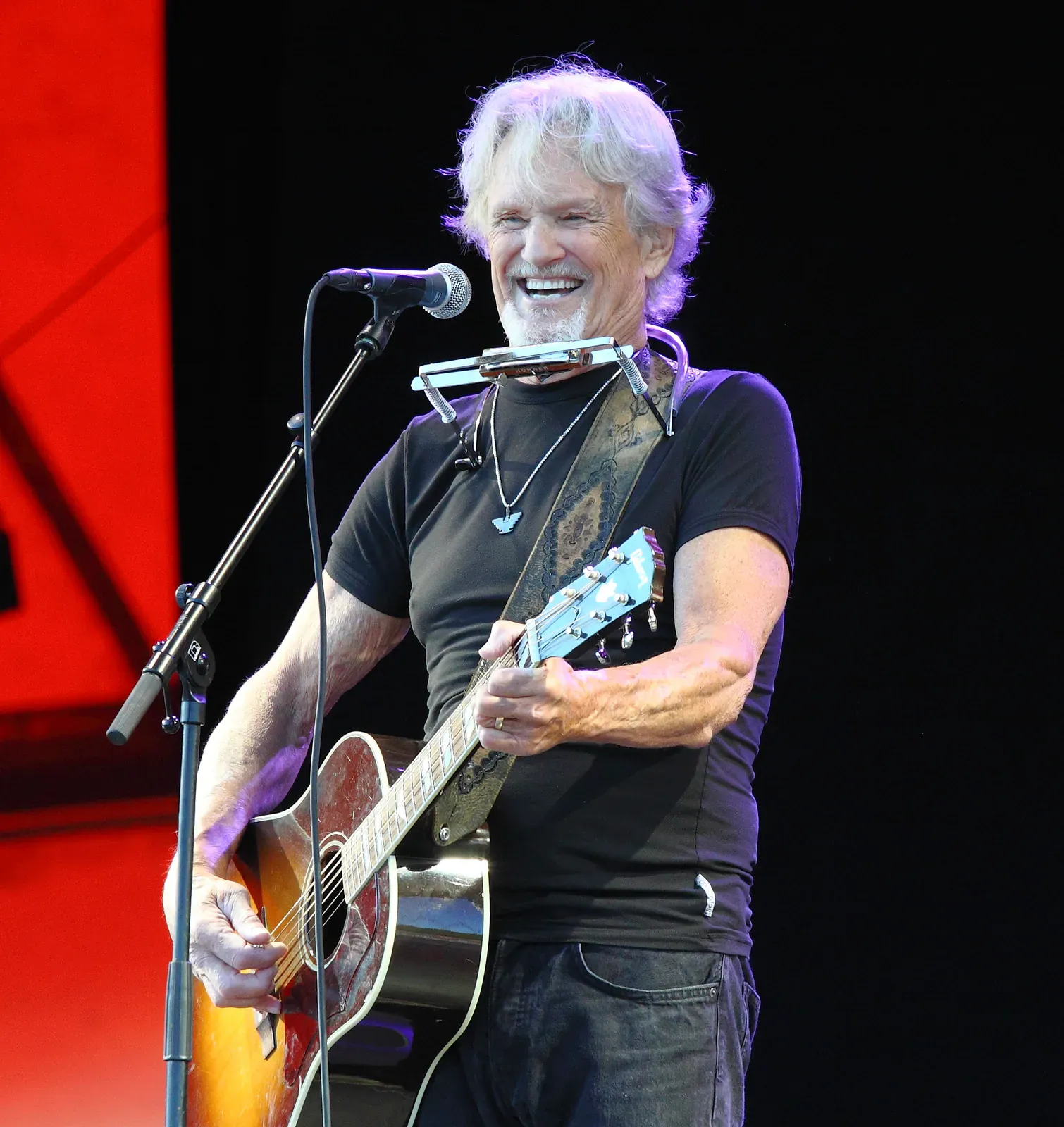
Johnny Cash set the template for the outsider pose. His 1968 prison concerts at Folsom and San Quentin revived his career and tied country to the counterculture, and from 1969 to 1971 he hosted a television show on which he mixed with folk figures, to the irritation of executives. His all-black stage clothes gave him the nickname the Man in Black and rejected the polished Nashville look.
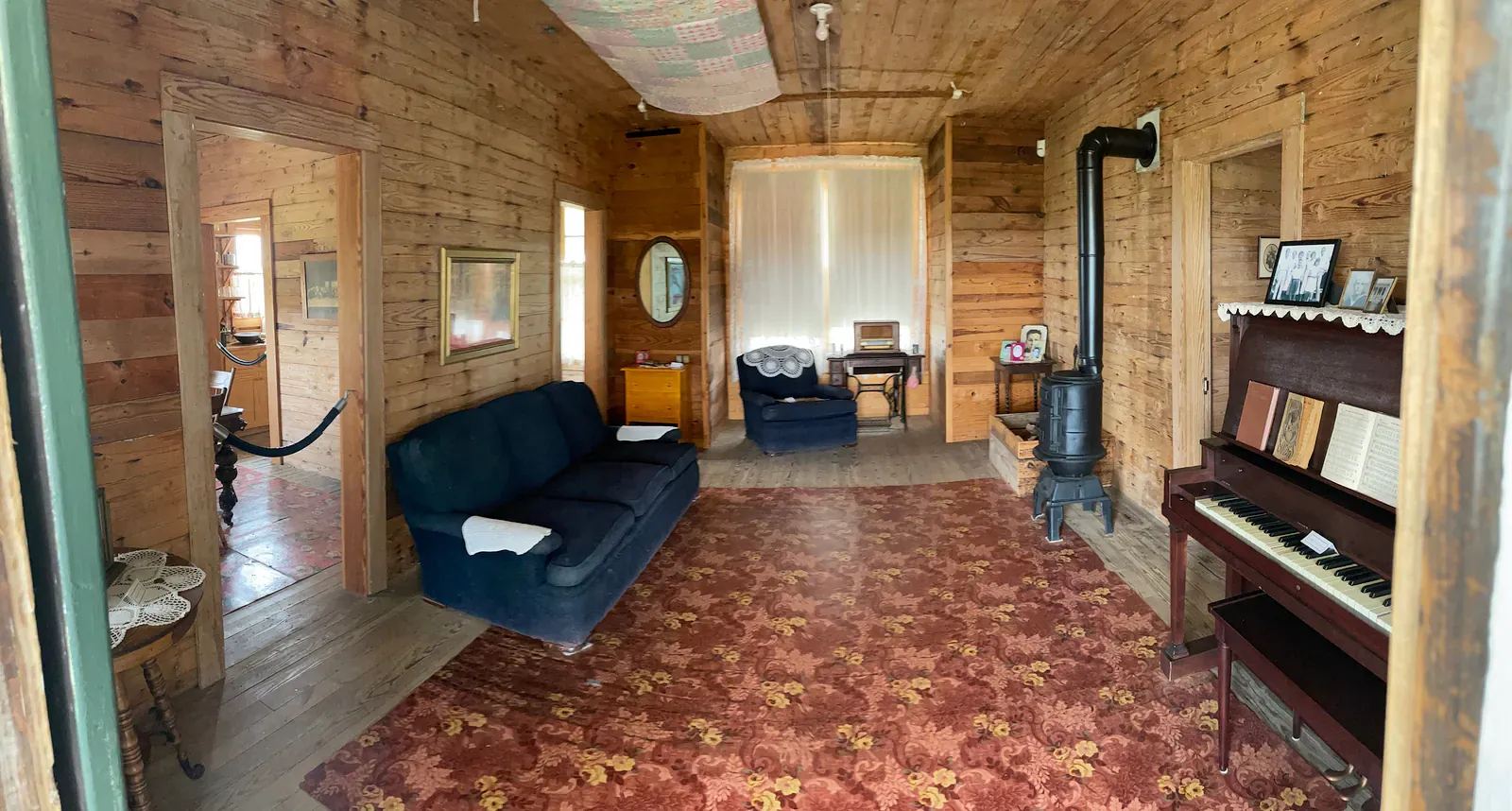
Nelson was succeeding as a writer and failing as a singer. His songs “Crazy” for Patsy Cline and “Hello Walls” for Faron Young were hits, but his own records went nowhere, and in 1971 he left Nashville for Texas. Kristofferson arrived from another direction. His songs “For the Good Times” (1968) and “Me and Bobby McGee” (1970) made him a major writer, and Cash was among his mentors.
The outlaw movement, 1972-1978
Jennings and Nelson won the right to record with the producers and studio musicians they preferred, and that decision, more than any style, made them outlaws. Austin and Lubbock became creative centres. In Austin, Nelson met musicians who had been developing a folk- and rock-flavoured country, among them Jerry Jeff Walker, Michael Martin Murphey and Billy Joe Shaver. The Flatlanders and the Lost Gonzo Band fed the scene, and Townes Van Zandt, Guy Clark and Steve Earle spread the ethos through their writing. The Armadillo World Headquarters, an Austin hall and beer garden that ran from 1970 to 1980, was a central room, and the 1972 Dripping Springs Reunion inspired Nelson’s own annual Fourth of July Picnic.
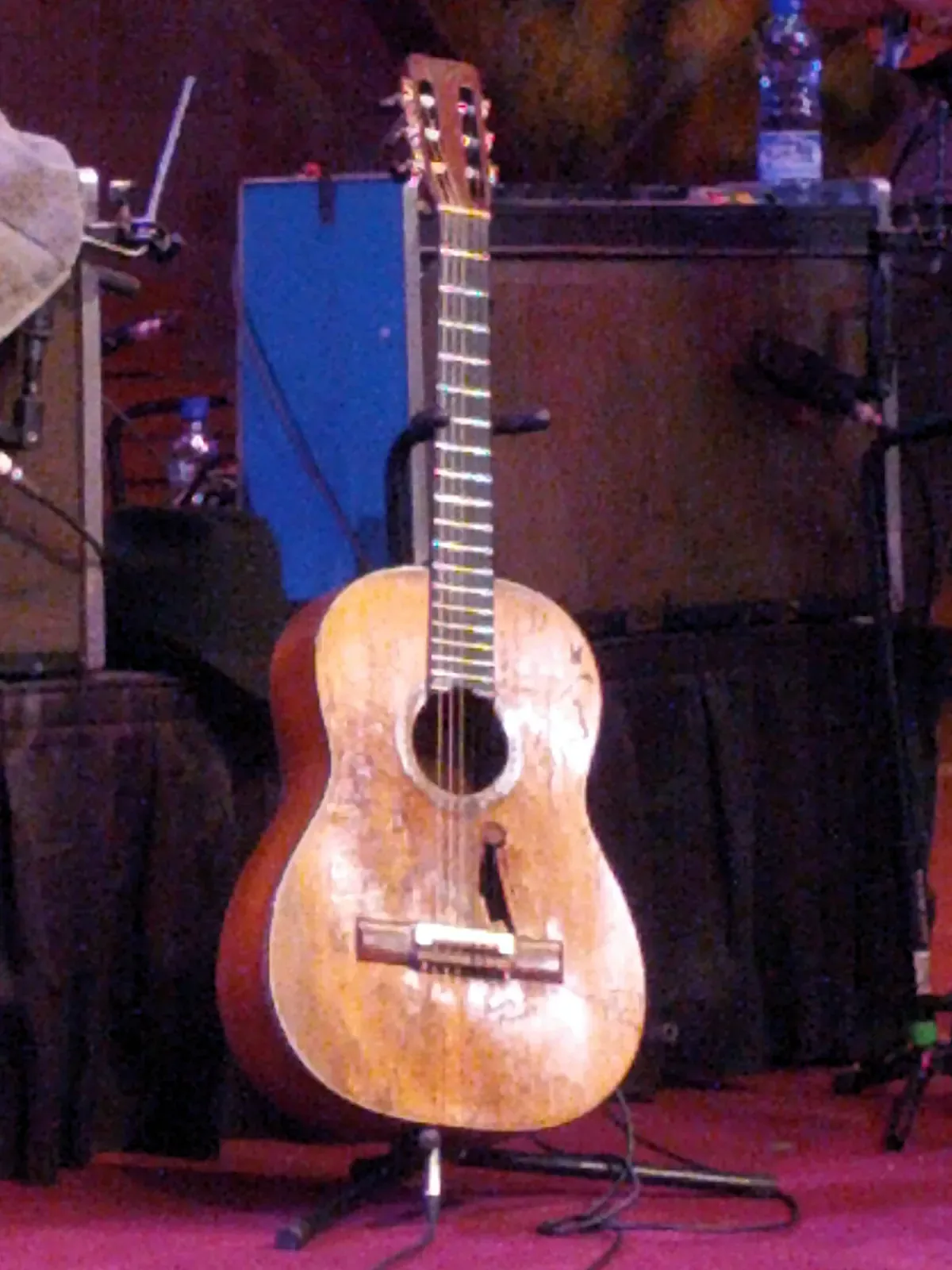
Records followed. Jennings released Lonesome, On’ry and Mean in 1973, with a title song by Steve Young, and then Honky Tonk Heroes, built from Billy Joe Shaver’s songs. Nelson’s Shotgun Willie appeared the same year. Hank Williams Jr., long overshadowed by his father, joined the circle after a 1975 mountain-climbing accident changed his look.
Commercial peak and fade, 1979-1989
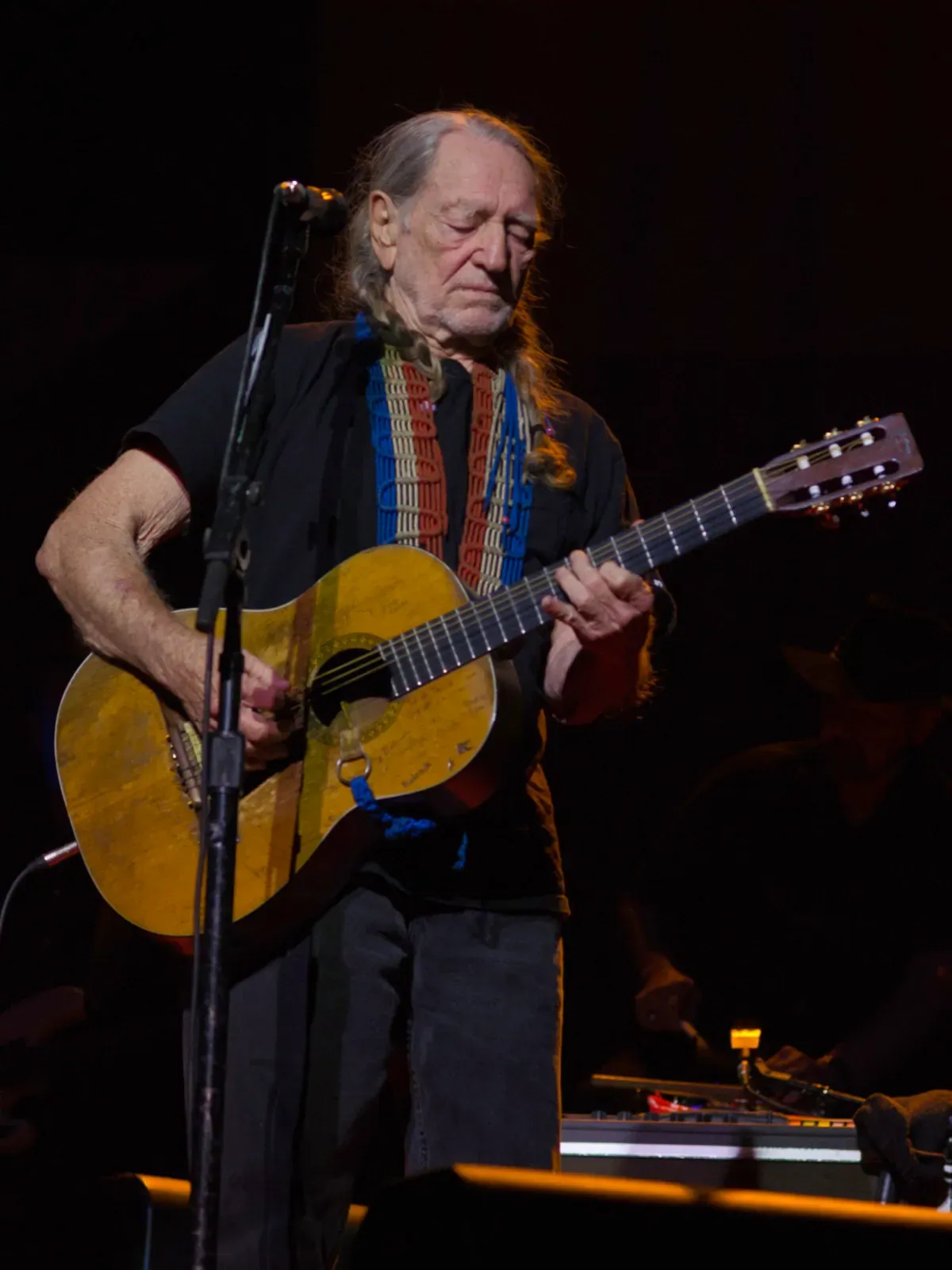
By 1978 the movement was declining as a fad. Jennings answered his own legend that year with “Don’t You Think This Outlaw Bit’s Done Got Out of Hand”, blaming drugs and overcommercialisation. Mickey Newbury, an influence on many of them, refused the label: “I quit playing cowboys when I grew up.” By 1980 country pop and crossover acts dominated the mainstream, and Williams’s “All My Rowdy Friends (Have Settled Down)” described the generation maturing.
The core artists did not disappear. Nelson kept recording hits through the 1980s, Williams had his biggest successes then, and the neotraditional revival of the mid-1980s brought back older styles. In 1985 Cash, Jennings, Nelson and Kristofferson formed the Highwaymen and released Highwayman on Columbia, and the group worked on and off until the late 1990s.
Neo-outlaw revival, 2010-present
In the 2010s critics applied the outlaw name to a new wave of unadorned country records by Sturgill Simpson, Chris Stapleton, Jason Isbell and Margo Price, often produced by Dave Cobb. The label responded to bro-country, much as the original outlaws responded to Nashville polish.
Characteristics
The music keeps a country core and drops lush orchestration. Honky-tonk songs and cowboy ballads that had fallen out of use returned, rock rhythm sections drive them, and the lyrics are first-person, often about outsiders, regret and drifting. Material from outside writers such as Shaver, Young and Kristofferson mattered as much as the stars’ own songs. Artists spoke openly about marijuana.
Instruments and production
Production was cheaper and plainer than Nashville’s norm. Jennings and Nelson added R&B and soul feeling by working with Memphis and Muscle Shoals rhythm sections, while Nelson’s Red Headed Stranger kept to guitar, piano and drums and was recorded at low cost in Garland, Texas. Guitar solos and a rock backbeat sit beside traditional country phrasing, and the tempos are mostly mid-paced and conversational. What mattered most was who chose the players.
Mainstream success
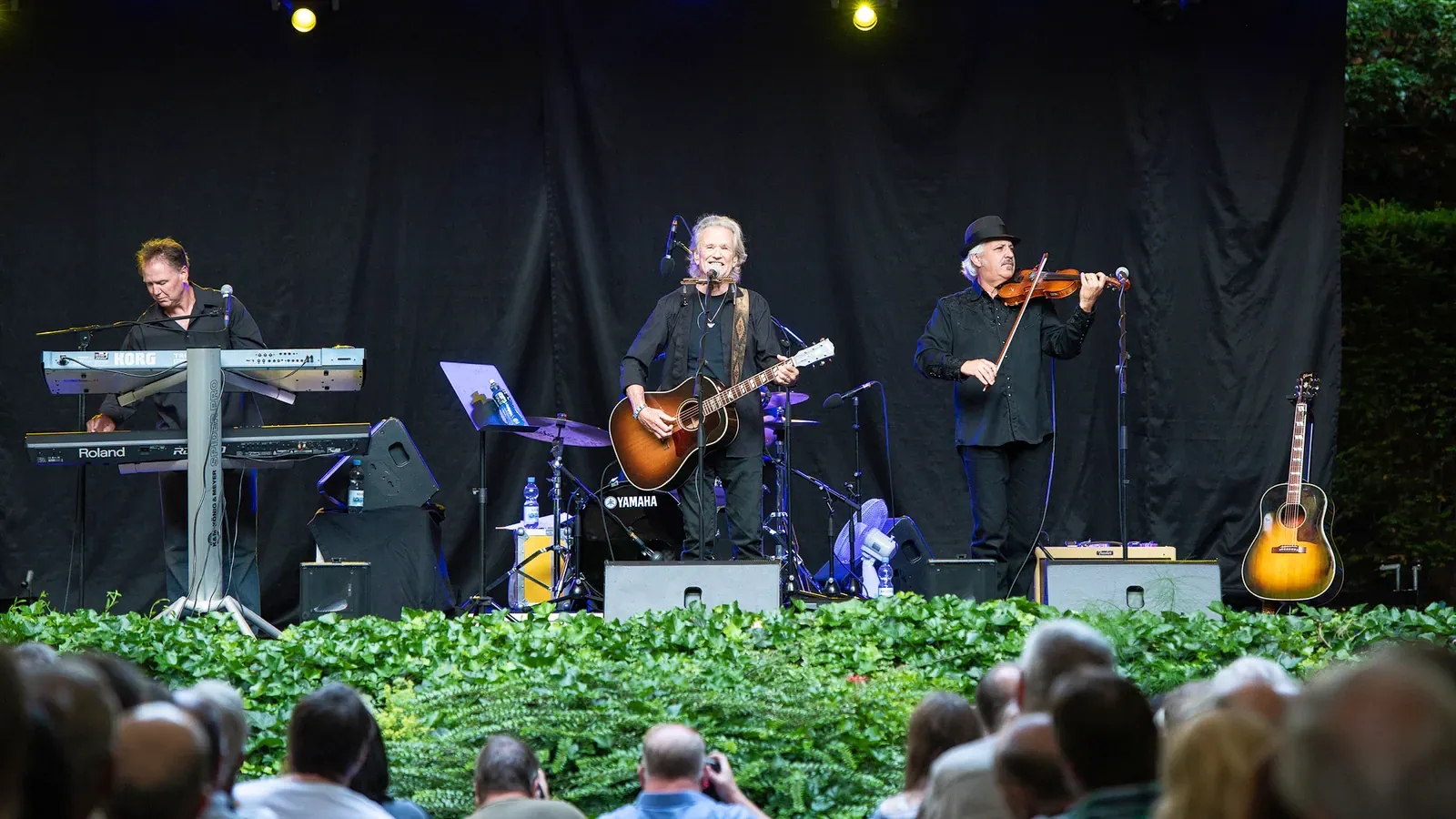
Wanted! The Outlaws, an RCA compilation of Jennings, Nelson, Jessi Colter and Tompall Glaser released in 1976, reached No. 1 on the country chart and No. 10 on the pop chart, and became the first platinum country album. Its singles “Suspicious Minds” and “Good Hearted Woman” peaked at No. 2 and No. 1 on the country chart. The 1978 duet “Mammas Don’t Let Your Babies Grow Up to Be Cowboys” topped the country chart for four weeks and won a Grammy. Red Headed Stranger, released through Columbia, went multi-platinum.
Notable recordings
Red Headed Stranger (1975) came after Nelson’s Atlantic years, when his manager negotiated a Columbia contract that gave him total creative control. The concept came from the “Tale of the Red Headed Stranger”, a song Nelson had played as a radio disc jockey in Fort Worth. The record tells of a fugitive on the run after killing his wife and her lover, in sparse arrangements with older songs such as “Blue Eyes Crying in the Rain”. Executives took the tapes for a demo, but nothing was added. The cover of “Blue Eyes Crying in the Rain” became his first number one, and the album entered the National Recording Registry in 2010.
Honky Tonk Heroes (1973) is an album of mostly Billy Joe Shaver songs that revived honky tonk with a rock edge. At Folsom Prison (1968), recorded inside the prison, gave the outlaws a reference point for direct, rough country.
Culture
The imagery mattered as much as the sound. Leather jackets and long hair replaced rhinestone suits, Cash’s black clothes became a trademark, and the armadillo stood for the Texas side. Willie Nelson’s Fourth of July Picnic grew into an annual concert, although in the late 1970s its safety problems made it hard to find venues.
Legacy
The outlaws established that a country artist could choose producers, players and songs, and the principle outlived the movement. Their circle helped shape Texas country, the Tulsa sound of J.J. Cale and Leon Russell, and later alternative country. The Highwaymen showed that a supergroup of veterans could still reach a No. 1 single in 1985.
Misconceptions
One myth holds that the outlaws were criminals or that the label described their lives. It described their business position, as artists who fought for creative freedom outside the Nashville establishment, and the word was applied by publicists and critics in the early 1970s.
Another holds that it was simply country with rock added. It also revived older material, including honky tonk and cowboy ballads.
A third holds that the 1976 compilation invented the term. Wanted! The Outlaws solidified it, but the word was in use years earlier, from Jennings’s 1972 album to the 1973 and 1974 uses by a publicist and a critic.
Frequently asked questions
What is outlaw country?
Outlaw country is a movement within American country music, from the early 1970s, in which artists such as Willie Nelson and Waylon Jennings took creative control from Nashville producers and played a rock-inflected honky tonk with outsider lyrics.
Who are the main outlaw country artists?
Willie Nelson, Waylon Jennings, Johnny Cash and Kris Kristofferson are the central names. Others include Jessi Colter, Tompall Glaser, Hank Williams Jr., David Allan Coe, Johnny Paycheck and Jerry Jeff Walker.
When did outlaw country start and end?
It began around 1972 and peaked in the mid to late 1970s. By 1978 it was declining as a fad, although its core artists kept recording and the Highwaymen formed in 1985.
What is neo-outlaw country?
Neo-outlaw country is a name for a 2010s wave of stripped-down country by artists such as Sturgill Simpson, Chris Stapleton, Jason Isbell and Margo Price, positioned against the mainstream bro-country sound.
Sound
Sound sheet
Anatomy of a track
| # | Part | Bars |
|---|---|---|
| 1 | Intro | 4 |
| 2 | Verse | 16 |
| 3 | Chorus | 8 |
| 4 | Verse and chorus repeat | 24 |
| 5 | Guitar solo or bridge | 8 |
Signature sounds
- Rock rhythm section under honky-tonk melodies
- Stripped arrangements without lush strings or choirs
- First-person lyrics about outsiders, drifters and bad decisions
- Songs by outside writers such as Billy Joe Shaver
Drums and percussion
- Drum kit
Techniques
- Rock rhythm section
- Stripped arrangements
- Artist-chosen players
Keys and modes
Major and minor keys on guitar: D, E, G, A. Canonical recordings such as Honky Tonk Heroes, Whiskey River and Blue Eyes Crying in the Rain sit in these keys.
Vocals
Plain, unpolished first-person singing about outsiders, drifting and regret.
Scenes
Where it happened
Where and when the sound lived: one bar per city on a shared timeline.
North America
Active scenes
Peak 3, 1973-2025
Where folk- and rock-influenced country grew around Nelson, Jerry Jeff Walker, Michael Martin Murphey and Billy Joe Shaver.
Music Row, whose producers' control the outlaws resisted; Glaser Sound Studios gave the rebels a base.
Hurlbut Ranch hosted the Dripping Springs Reunion, the seed of Nelson's Fourth of July Picnic.
Venues and places
Austin, 1970 to today. Influential Austin music hall and beer garden that flourished until 1980 in an old National Guard armory.
Culture
Culture markers
- Long hair and leather jackets
Outlaws swapped rhinestone-studded suits for long hair and leather.
Fashion - The Man in Black
Cash's ragged all-black outfit became his nickname and a rejection of the polished Nashville look.
Fashion - Willie Nelson's Fourth of July Picnic
An annual concert hosted by Nelson, inspired by the 1972 Dripping Springs Reunion.
Ritual
Media
Key media
- 1976Wanted! The Outlaws
by Various. RCA's compilation of Jennings, Nelson, Jessi Colter and Tompall Glaser, the first platinum country album.
Compilation - 1986Red Headed Stranger
by Willie Nelson. Nelson starred in a film based on the story of his 1975 album.
Film
Glossary
Terms on this page
Another early name, from the armadillo that became the movement's unofficial mascot.
The right to choose producers, studio musicians and material, the central outlaw demand.
The Nashville district of labels and studios whose producers set country's norms.
The polished, orchestrated production formula developed by Nashville producers such as Chet Atkins, which the outlaws opposed.
An early name for the Texas strand of the movement, alongside progressive country.
Country family