Progressive country
Progressive country is the counterculture country of the late 1960s and 1970s, centred on Austin, Texas and sold as cosmic cowboy and redneck rock.
Austin, Texas, 1968
Country family
Born
1968
Austin, Texas
Subgenres
1
Documented branches
Links
14
Genres it drew on or shaped
Tempo
85-130 BPMLineage
Family tree
Grew out of
Derived from
Influenced by
Pushed back against
Austin, Texas, 1968
Progressive country
Led to (3)
Timeline
Era by era
From the first sparks to today. Select a dot to read the story behind it.
- Cosmic American Music
1968 to 1972
- Austin, 1972-1976
1972 to 1976
- Outlaw marketing and the Armadillo's end
1976 to 1990
Eras
Moments
- 1 Cosmic American Music, 1968 to 1972
- 2 Austin, 1972-1976, 1972 to 1976
- 3 Outlaw marketing and the Armadillo's end, 1976 to 1990
1968
Cosmic American Music
Gram Parsons, the Byrds and the Flying Burrito Brothers take country to rock audiences, while Austin gets its first hippie venue for country acts.
- 1968The Byrds release Sweetheart of the RodeoFirst album widely recognized as country rock, recorded with Gram Parsons in Nashville and Los Angeles.
- 1969The Flying Burrito Brothers release The Gilded Palace of SinDebut on A&M by Gram Parsons and Chris Hillman, fusing country, gospel, soul and psychedelic rock.
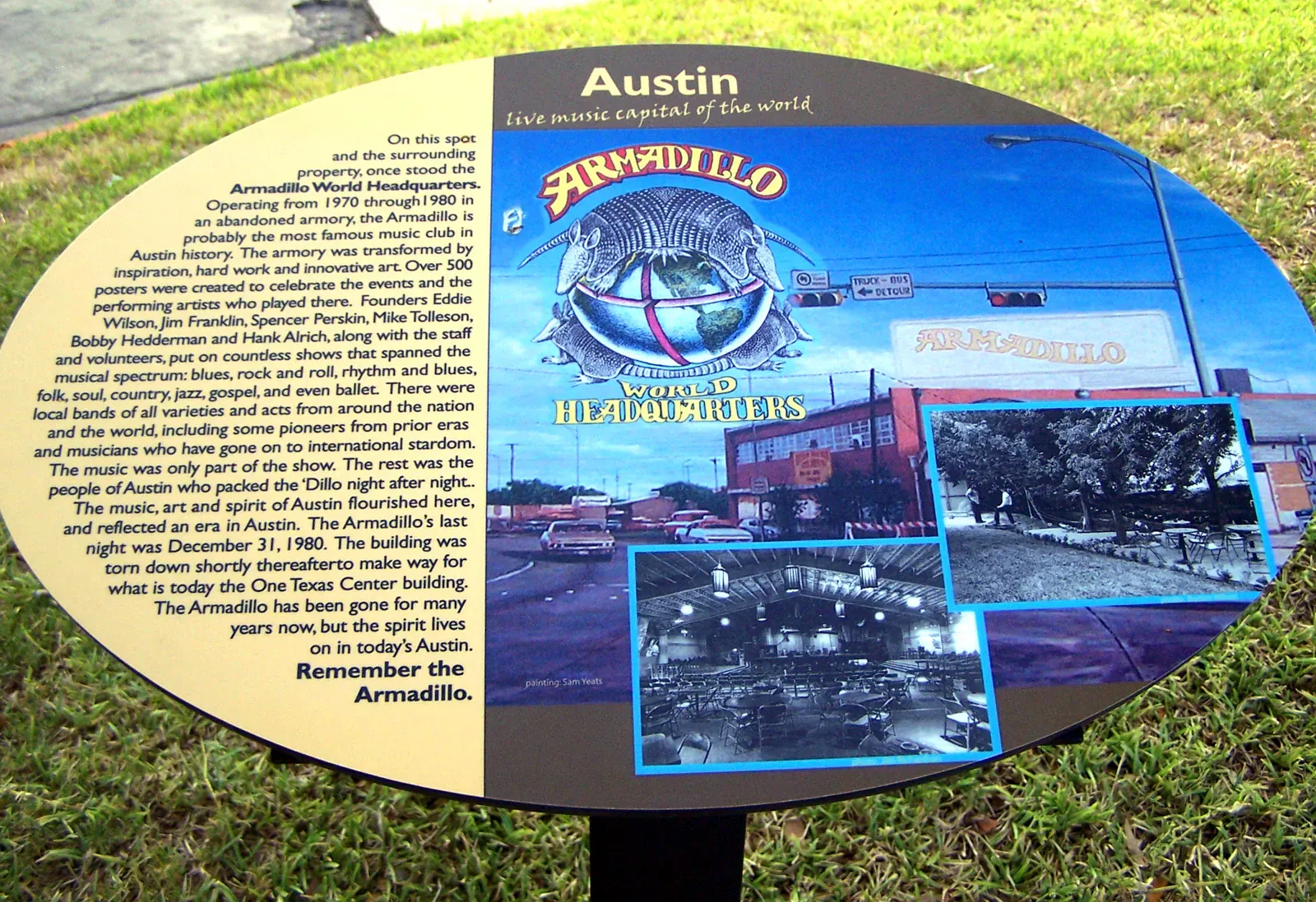
- 1970Armadillo World Headquarters opens in AustinOpened on 7 August 1970 in a disused National Guard armory; admission was cheap and the hall tolerated cannabis.
1972
Austin, 1972-1976
Willie Nelson moves to Austin, Jerry Jeff Walker records live at Luckenbach, and the Armadillo, KOKE-FM and Austin City Limits build a scene.
- 1972Dripping Springs ReunionPoorly attended festival that gave Willie Nelson the idea for his own annual picnic on the same site.
- 1973Willie Nelson releases Shotgun WillieRecorded in New York with Doug Sahm after Nelson moved to Austin; Nelson said it cleared his throat.
- 1973First Willie Nelson Fourth of July PicnicA 1973 newspaper account defined progressive country as Willie Nelson's friends.
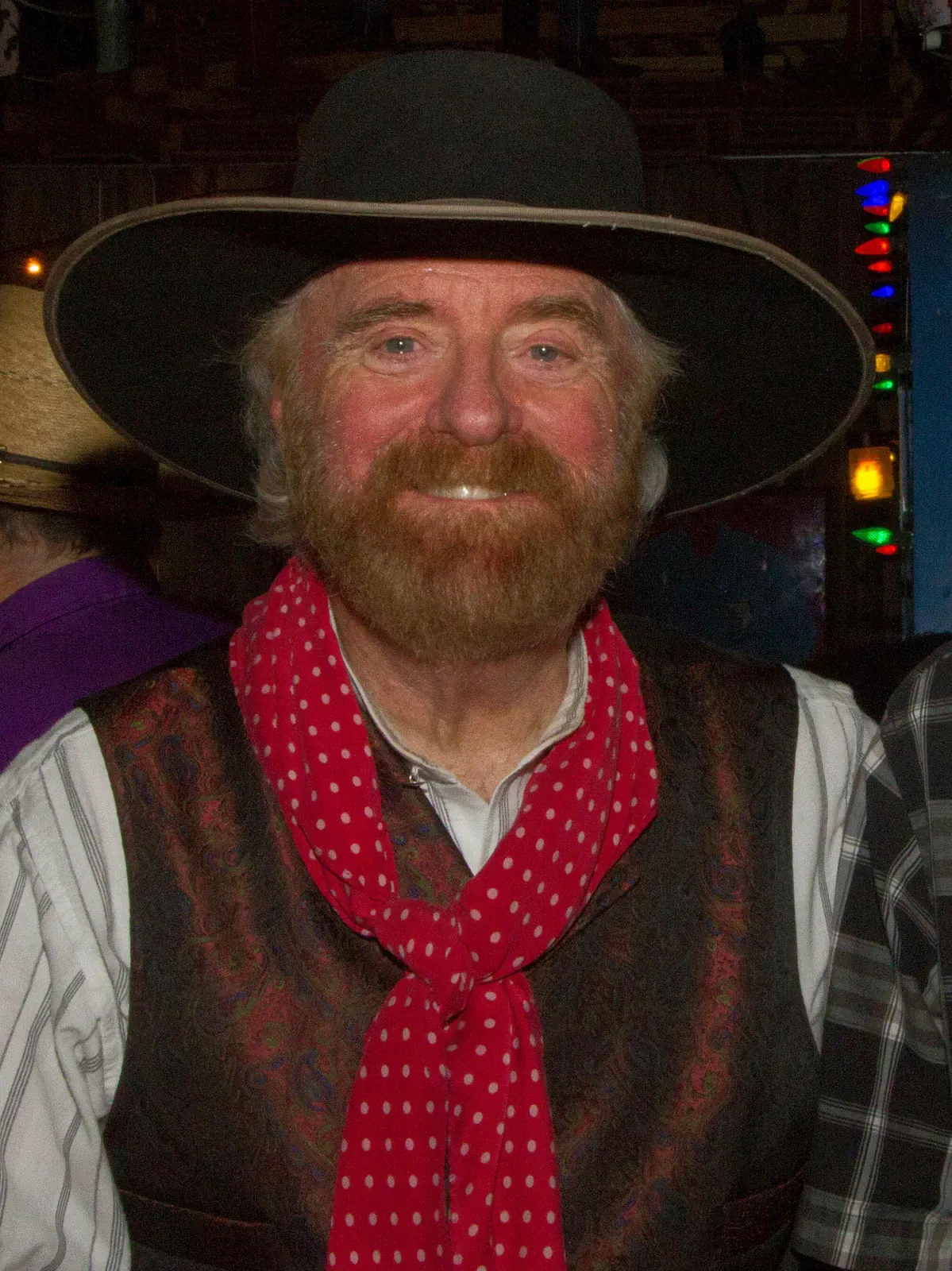
- 1973Michael Martin Murphey releases Cosmic Cowboy SouvenirIts song Cosmic Cowboy, Pt. 1 gave the movement one of its names.
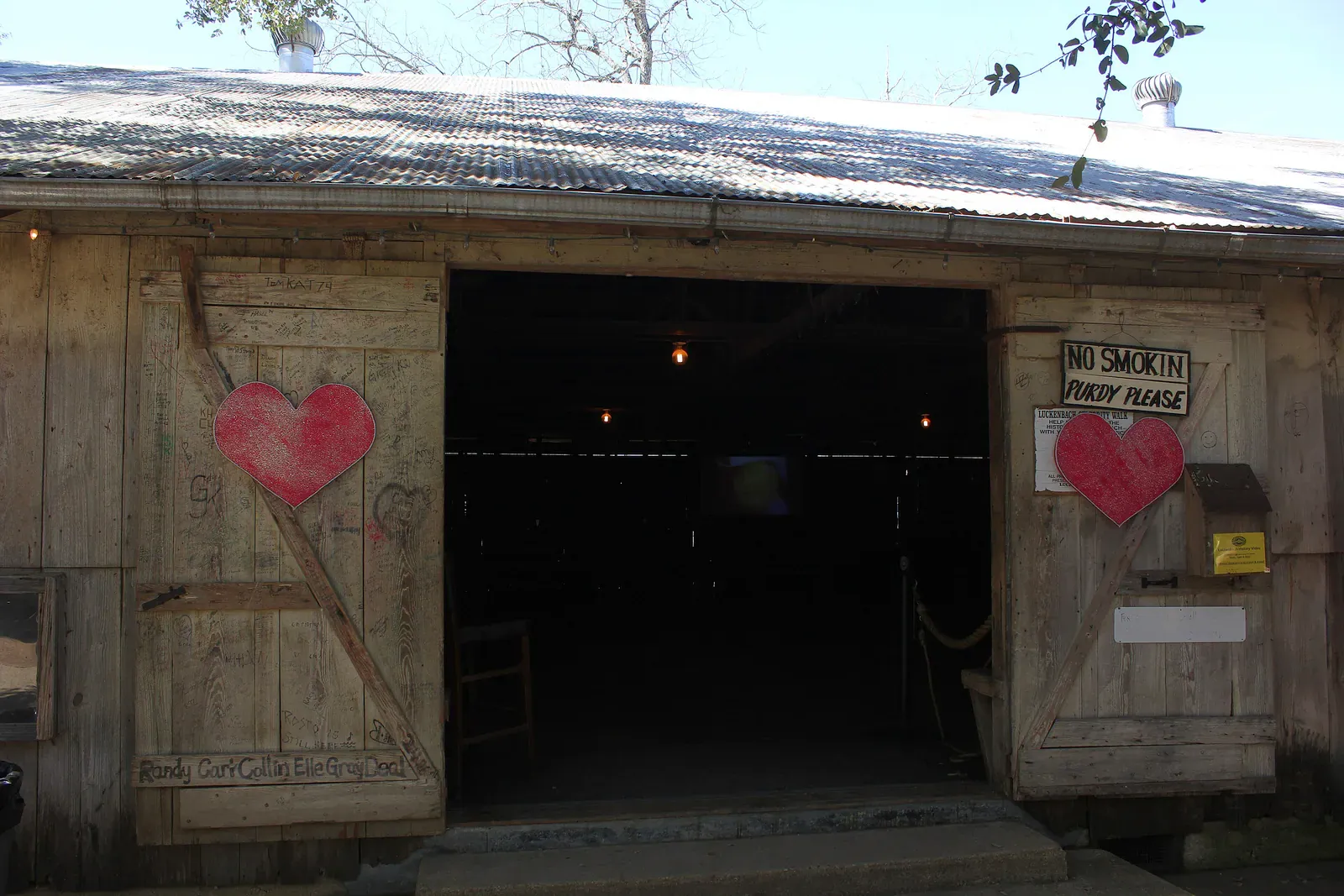
- 1973Jerry Jeff Walker records Viva TerlinguaRecorded in August at the Luckenbach Dancehall and released in November on MCA Nashville with the Lost Gonzo Band.
- 1974Austin City Limits pilot with Willie NelsonThe pilot was taped on 17 October 1974 and opened with Whiskey River.
- 1975Willie Nelson releases Red Headed StrangerSparse concept album made for Columbia with full creative control.
1976
Outlaw marketing and the Armadillo's end
The scene is sold nationally as outlaw country, the Armadillo closes in 1980, and the style evolves into alternative country.
- 1976Wanted! The Outlaws goes platinumRCA compilation of Jennings, Nelson, Jessi Colter and Tompall Glaser became the first platinum country album.
- 1980Armadillo World Headquarters closesThe hall flourished from 1970 to 1980; the armory was demolished in 1981.
Listening path
Start listening
A short path from an easy way in to the deep end. Thumbnails come from YouTube; the player loads only when you press play.
- 01
Gram Parsons, 1974
Road song from the cosmic American music of Parsons, with Emmylou Harris on harmony.
- 02
Willie Nelson, 1973
The Shotgun Willie track that has opened Nelson's concerts since about 1974.
- 03
Jerry Jeff Walker, 1973
Ray Wylie Hubbard's song as played live on Viva Terlingua, the sound of redneck rock.
- 04
Michael Martin Murphey, 1975
The 1975 single that reached No. 3 on the Hot 100.
- 05
Waylon Jennings, Willie Nelson, 1976
No. 1 country single from Wanted! The Outlaws.
Progressive country is a movement, genre and radio format of country music that formed in the late 1960s and early 1970s as a reaction against the polished, pop-oriented Nashville sound.
Its musicians drew on honky-tonk, the Bakersfield sound, folk, bluegrass, blues, gospel, rock and roll and southern rock, and its audience was the long-haired counterculture of Austin, Texas. It was sold under many names, among them cosmic cowboy music, redneck rock, gonzo country and twang core, and most often as outlaw country.
Origins
The groundwork was laid in Los Angeles and Nashville in the late 1960s. Gram Parsons joined the Byrds for Sweetheart of the Rodeo in 1968, an album recorded between Nashville and Los Angeles that was the first widely recognized country rock record. The Flying Burrito Brothers, formed by Parsons and Chris Hillman, followed in February 1969 with The Gilded Palace of Sin, which fused country with gospel, soul and psychedelic rock. Parsons called the result Cosmic American Music, a hybrid of country, rhythm and blues, soul, folk and rock.
Other influences were broader than country. Bob Dylan’s songwriting, Roger Miller’s blend of country with jazz, blues and pop, and the Bakersfield sound and classic honky-tonk all fed in. Some of its singers were also influenced by the progressive politics of the 1960s counterculture.
Its other home was Austin. In 1970 the city’s flagship rock hall, the Vulcan Gas Company, closed, and Eddie Wilson found an abandoned National Guard armory that became the Armadillo World Headquarters, opened on 7 August 1970. Admission was cheap and the hall tolerated cannabis, which brought in the hippie crowd, and the name came from the armadillo artwork of the poster artist Jim Franklin.
Austin, 1972-1976
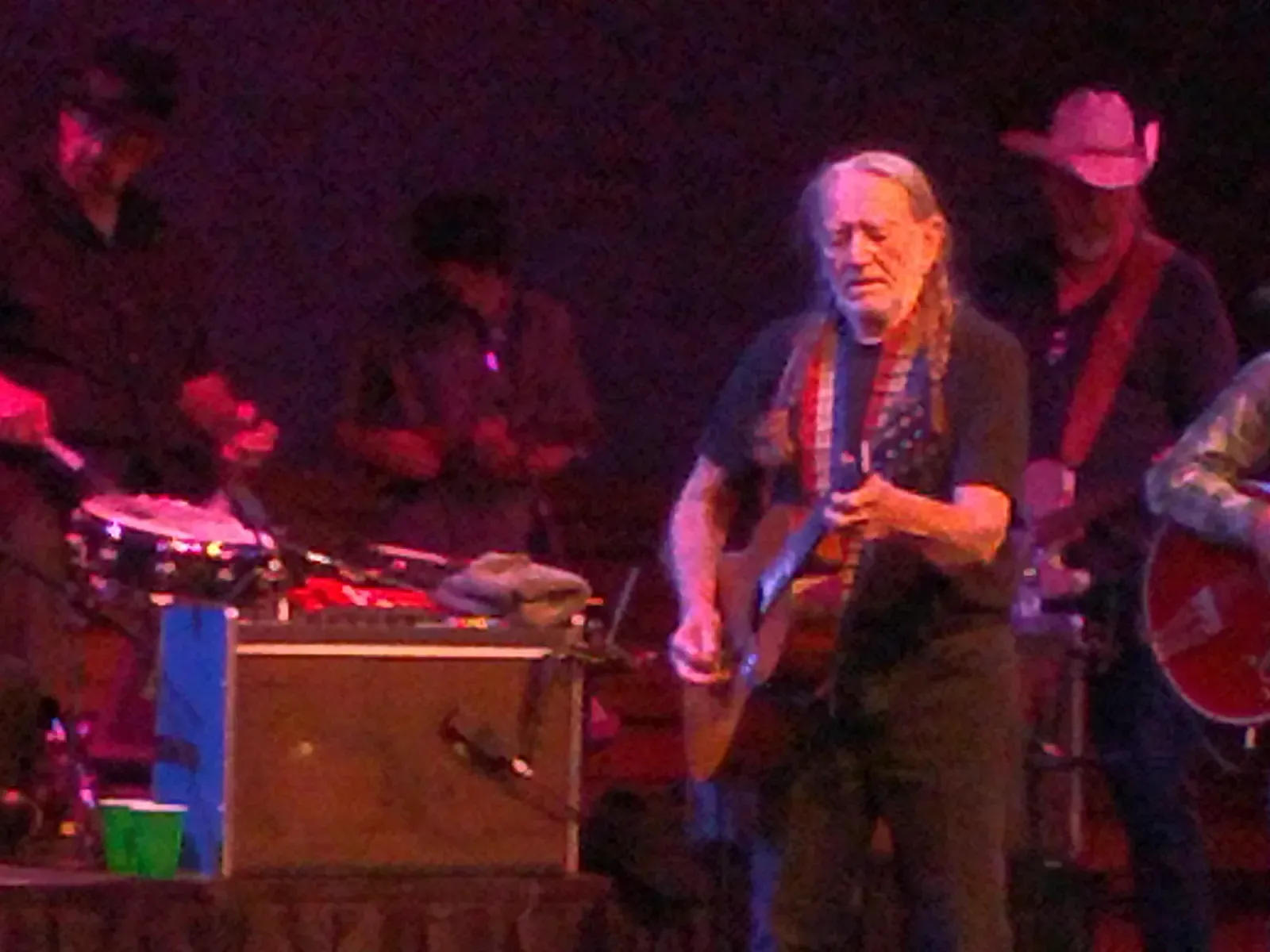
The decisive moves came in the early 1970s. Willie Nelson, who refused an early extension of his RCA contract in 1972, moved to Austin and found his style renewed by the hippie scene at the Armadillo. He took part that year in the Dripping Springs Reunion, a festival at Hurlbut Ranch that drew fewer people than expected, and then hosted his own Fourth of July Picnic on the same site. A 1973 newspaper account of the picnic redefined progressive country as Willie Nelson’s friends, naming Waylon Jennings, Charlie Rich, Kris Kristofferson, Tom T. Hall, Billy Joe Shaver, Sammi Smith and John Prine.
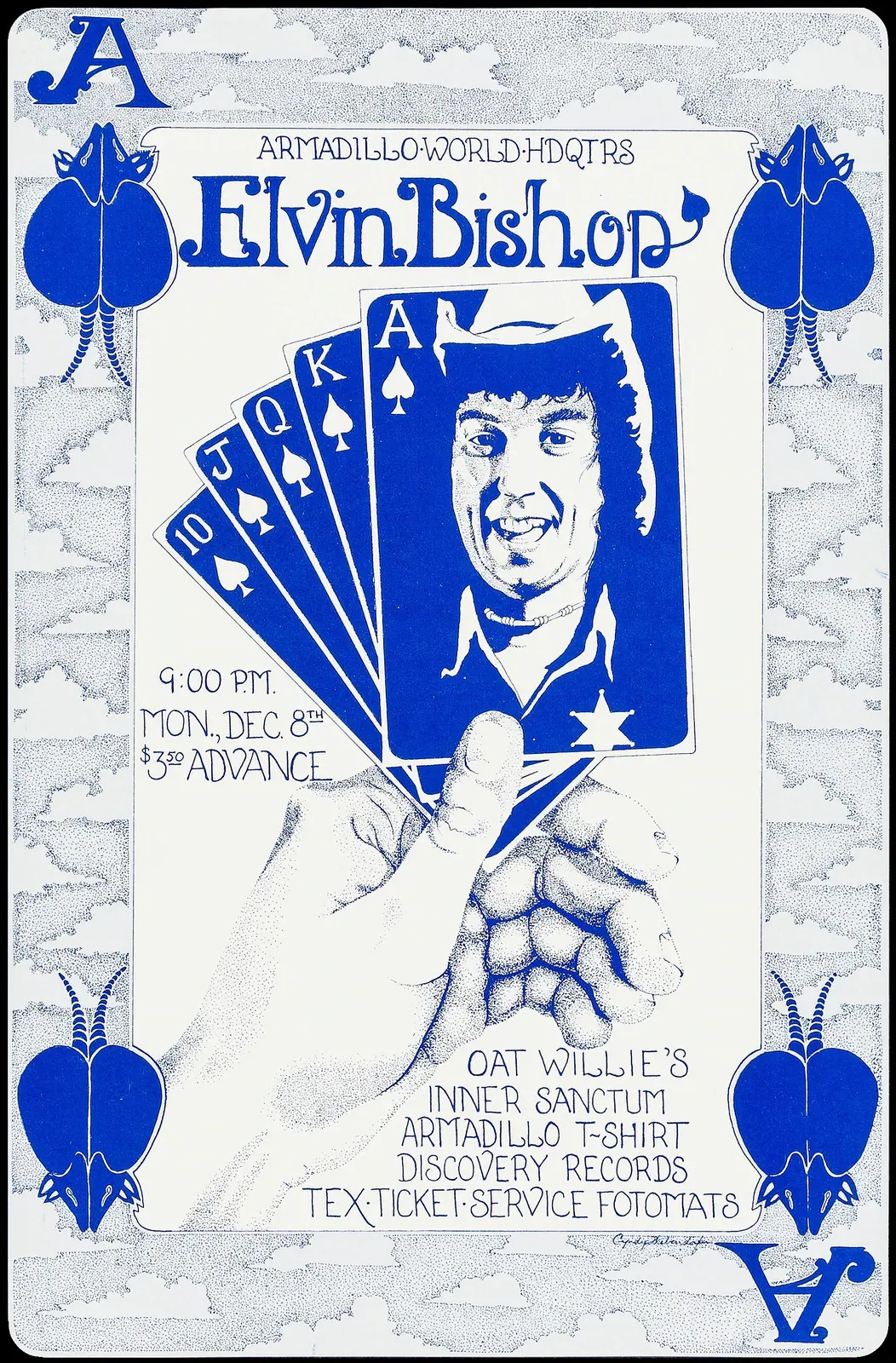
Austin radio and television spread the sound. The station KOKE-FM was a key proponent of progressive country as a radio format, and Austin City Limits, created in 1974, taped its pilot with Willie Nelson on 17 October 1974 and opened with Whiskey River. Jerry Jeff Walker was called the catalyst of the movement for Viva Terlingua, recorded in August 1973 at the Luckenbach Dancehall in Luckenbach, Texas, and released that November on MCA Nashville. Walker’s Lost Gonzo Band, with Gary P. Nunn on keyboards, combined pedal steel, fiddle, harmonica and Hammond organ with a rock rhythm section. Michael Martin Murphey’s Cosmic Cowboy Souvenir (1973) established him as a progressive country musician.
Nashville and the outlaw label, 1968-1976
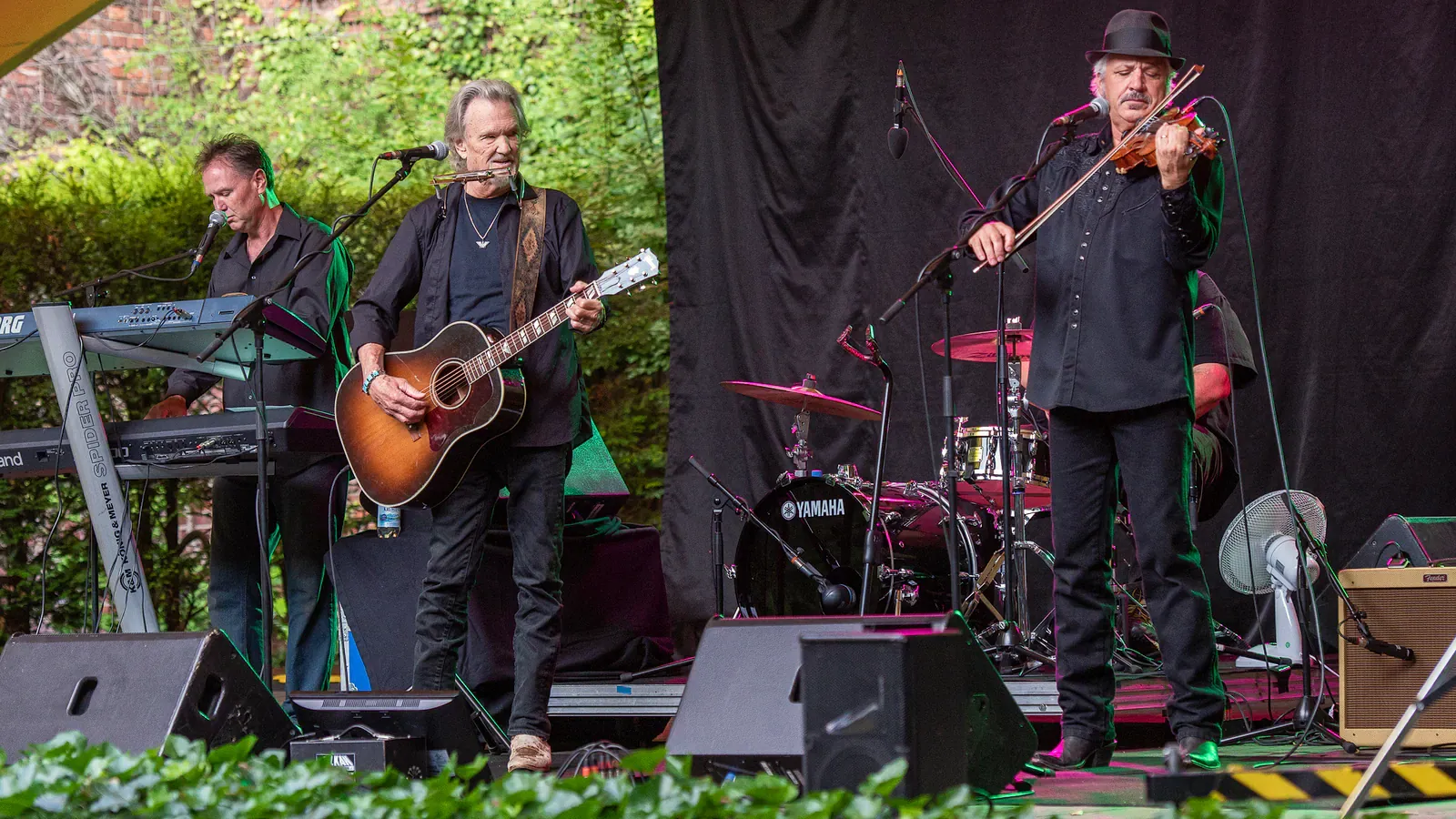
Not all of the movement was in Texas. Waylon Jennings and Tompall Glaser belonged to its Nashville wing, and Kris Kristofferson, whose songs For the Good Times (1968) and Me and Bobby McGee (1970) moved country toward a rawer, more introspective style, is counted among the key performers. Willie Nelson’s Red Headed Stranger (1975), made after he signed to Columbia with full creative control, had sparse arrangements limited largely to guitar, piano and drums, and the label first mistook it for a demo.
Marketing then folded the movement into a larger label. Wanted! The Outlaws, an RCA compilation of Jennings, Nelson, Jessi Colter and Tompall Glaser released in 1976, became the first platinum country album and reached No. 1 on the country chart, with Good Hearted Woman as a No. 1 single. After that, progressive country was increasingly called outlaw country, and some fans treat outlaw as the harder-edged variant of the same music. See the page on outlaw country for the Nashville side of that story.
Characteristics
The music keeps the structures of country, the shuffles, waltzes and twangy guitar of honky-tonk, but plays them with the looseness of a rock or folk band. Tommy Caldwell of the Marshall Tucker Band described the style as country forms and riffs with jazz improvisation built on top, and that group’s use of flute and saxophone set it apart from other southern rock bands. Walker’s gonzo country sought a laid-back country base with notes of outlaw rock, blues and traditional Mexican norteño and Tejano styles.
Western swing stays close at hand: Shotgun Willie covered two Bob Wills songs. The loose, communal feel was part of the sound, and Viva Terlingua was mostly recorded live in a dancehall without an audience.
Instruments and production
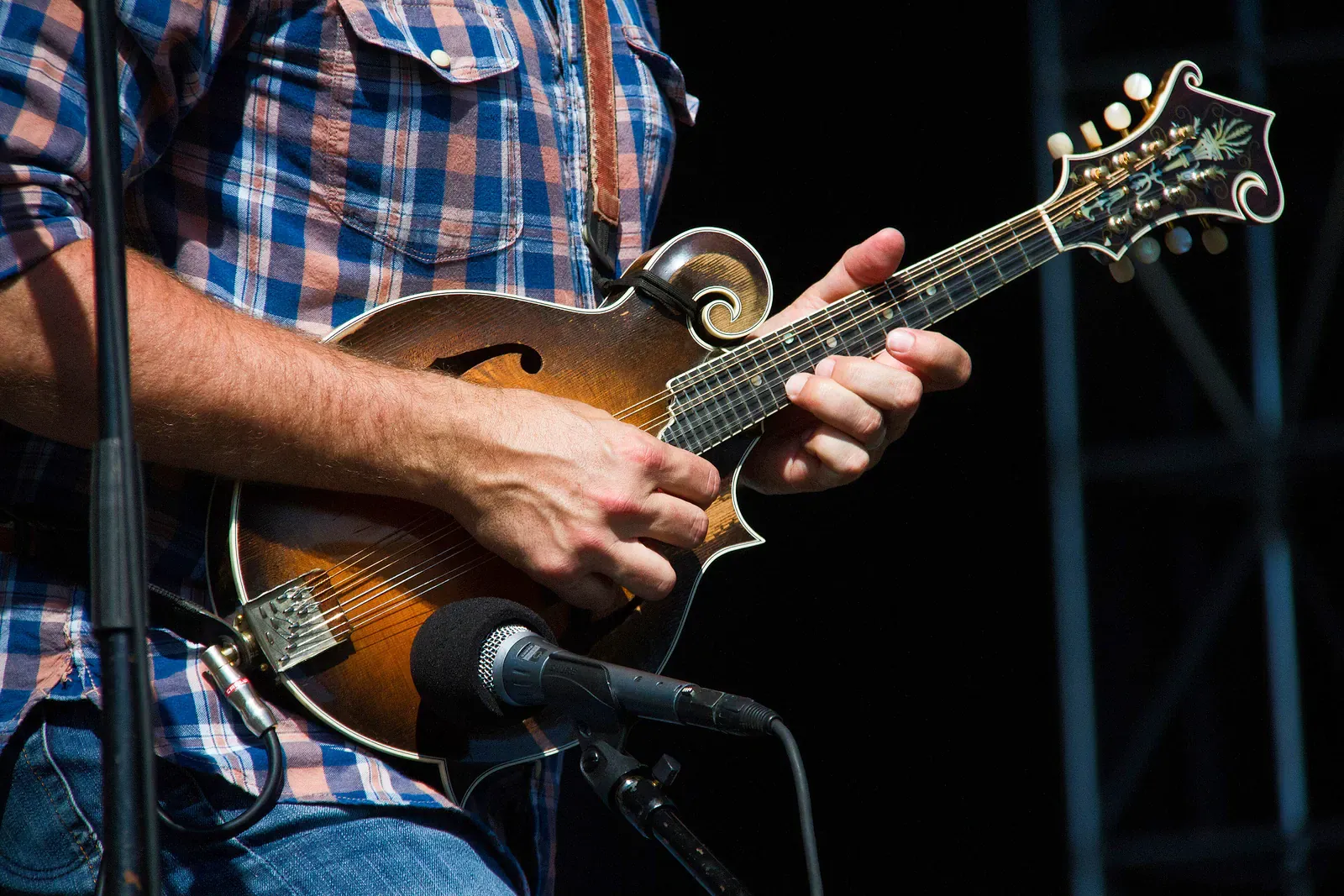
The line-up is a country band with rock rhythm. Pedal steel and fiddle carry the country colour, electric and acoustic guitars share the lead, and piano or Hammond organ fills the middle. Harmonica was played by Mickey Raphael on Viva Terlingua. Production was often sparse or live, as on Red Headed Stranger and Viva Terlingua.
Mainstream success
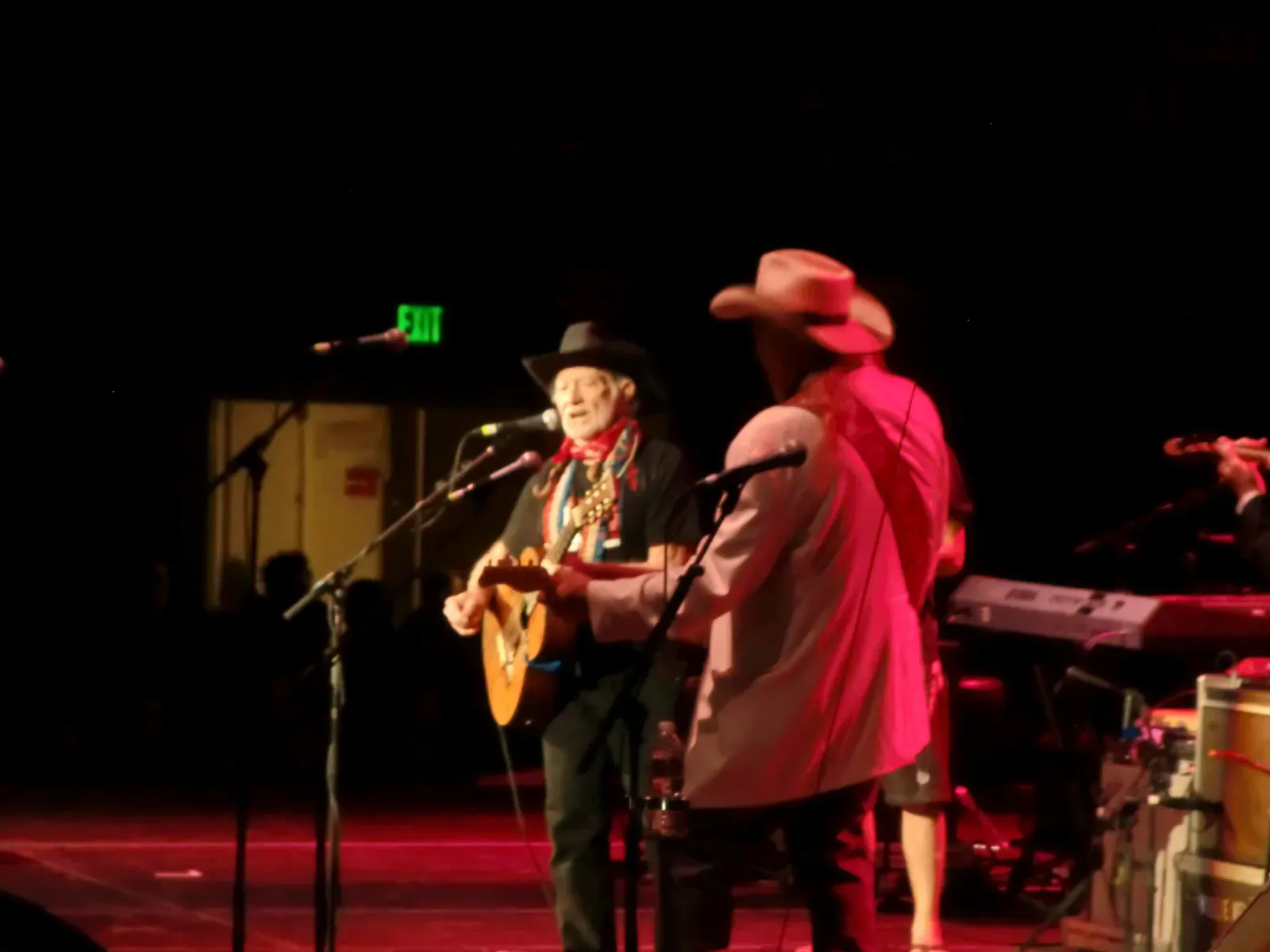
Progressive country crossed over mostly through other voices. By the mid-1970s its artists reached the mainstream as songs covered by other performers, and the term became the standard label for music that mixed country, rock, blues and gospel. Michael Martin Murphey’s Wildfire, released in February 1975, reached No. 3 on the Hot 100 in June of that year. Shotgun Willie (1973), made at the Atlantic studios in New York with Atlantic producers Arif Mardin and Jerry Wexler and with Doug Sahm’s band, marked a change of style for Nelson, who said it cleared his throat.
Notable recordings
Sweetheart of the Rodeo (1968) began as a planned history of twentieth-century American music; Parsons steered it toward pure country, and it became a seminal progressive country album. Parsons’ own Grievous Angel (1974), released after his death in September 1973, closed with Return of the Grievous Angel, a road song sung with Emmylou Harris.
Viva Terlingua is the best-known Austin document. Its cover of Ray Wylie Hubbard’s Up Against the Wall Redneck Mother gave the Texas hippie-redneck alliance a theme song, and Gary P. Nunn’s London Homesick Blues, also on the record, later served as the Austin City Limits theme from 1977 to 2004.
Culture
The movement’s emblem was the cosmic cowboy: a figure in Wranglers, Stetsons and boots who also had long hair and smoked marijuana, a coalition of hippies and rednecks that borrowed from each other’s traditions. The Armadillo, with its poster art and beer garden, was its capital, and Willie Nelson’s Fourth of July Picnic became an annual outdoor ritual.
Legacy
The Armadillo closed in 1980, and its building was demolished the following year. In the 1980s and 1990s progressive country evolved into alternative country, and the two terms were sometimes used interchangeably when alternative rock clubs began booking country acts that stood outside a mainstream that had embraced country pop. The neighbouring country rock and southern rock styles overlap with it. The parent country family covers the wider tradition.
Misconceptions
One myth holds that progressive country and outlaw country are the same thing. The terms are often conflated, and outlaw was the most common marketing name, but some fans consider outlaw a slightly harder-edged variant, and the earlier cosmic American music of Parsons and the Burritos sits outside the Nashville outlaw circle.
A second holds that the movement was a purely Texan product. Austin was its centre, but its early sound came from California country rock and its leading outlaws, Waylon Jennings and Tompall Glaser, worked in Nashville.
A third reads progressive as a link to progressive rock. The name refers to a progressive sensibility, with some singers influenced by the politics of the 1960s counterculture, and to the aim of moving country forward from the Nashville sound, not to progressive rock.
Frequently asked questions
What is progressive country?
Progressive country is a movement, genre and radio format of country music from the late 1960s and 1970s that reacted against the Nashville sound and mixed country with rock, folk, blues and gospel. It was centred on Austin, Texas.
What is the difference between progressive country and cosmic cowboy music?
Cosmic cowboy music is one of the names for progressive country, taken from a Michael Martin Murphey song. Others were redneck rock, gonzo country and twang core.
Who are the key progressive country artists?
Willie Nelson, Jerry Jeff Walker, Michael Martin Murphey, Kris Kristofferson and Gram Parsons are central figures, with Waylon Jennings, Joe Ely and Billy Joe Shaver also named.
Did progressive country become alternative country?
In the 1980s and 1990s the style evolved into alternative country, and the two names were sometimes used for the same music.
Sound
Sound sheet
Signature sounds
- Country songs played by a rock rhythm section
- Pedal steel and fiddle beside electric guitar and organ
- Western swing and honky-tonk covers
- Norteno and Tejano touches
Techniques
- Jazz improvisation over country structures
- Live dancehall recording
- Sparse studio arrangement
- Tejano and norteno borrowing
Keys and modes
G. Key reading for London Homesick Blues and Whiskey River.
E. Key reading for Up Against the Wall Redneck Mother.
D. Key reading for Waylon Jennings' Honky Tonk Heroes.
Vocals
Singer-songwriter lead voices, often with group backing vocals.
Scenes
Where it happened
Where and when the sound lived: one bar per city on a shared timeline.
North America
Active scenes
Peak 3, 1973
Home of the Armadillo, KOKE-FM and Austin City Limits.
Where Waylon Jennings and Tompall Glaser pushed against the Nashville sound.
Base of the Byrds and the Flying Burrito Brothers around Gram Parsons.
Dancehall where Viva Terlingua was recorded.
Venues and places
Austin, 1970 to 1980. Converted armory, the Austin hall to which Time compared the Fillmore.
Luckenbach, 1973 to 1973. Where Jerry Jeff Walker recorded Viva Terlingua in August 1973.
Dripping Springs, 1972 to today. Site of the Dripping Springs Reunion and the first Fourth of July Picnic.
Culture
Culture markers
- Cosmic cowboy dress
Wranglers, Stetsons and boots worn with long hair.
Fashion - Fourth of July Picnic
Willie Nelson's annual concert, begun after the 1972 Dripping Springs Reunion.
Ritual - Armadillo poster art
Jim Franklin's armadillo imagery named the Armadillo World Headquarters.
Artwork
Media
Key media
- 1976Wanted! The Outlaws
by Various. First platinum country album.
Compilation
Glossary
Terms on this page
Gram Parsons' term for a hybrid of country, rhythm and blues, soul, folk and rock.
A name for the movement taken from a Michael Martin Murphey song, and a hippie who dressed as a cowboy.
Name for the laid-back country base with rock, blues and norteno touches that Jerry Jeff Walker sought.
One of the marketing names for the movement, alongside gonzo country.
An early label for the movement used alongside cosmic country.
Country family