Alternative country
Alternative country is country made outside Nashville with punk, indie and roots-rock influences, named after Uncle Tupelo's 1990 album No Depression.
Chicago, Illinois, 1987
Country family
Born
1987
Chicago, Illinois
Subgenres
3
Documented branches
Links
25
Genres it drew on or shaped
Tempo
90-145 BPMLineage
Family tree
Grew out of
- Country rock
Derived from
Derived from
Derived from
Derived from
Influenced by
Pushed back against
Chicago, Illinois, 1987
Alternative country
Led to (3)
Timeline
Era by era
From the first sparks to today. Select a dot to read the story behind it.
- Cowpunk and heartland precursors
1981 to 1989
- Uncle Tupelo and No Depression
1990 to 1994
- Insurgent country
1994 to 2000
- Dispersal and Americana
2001 to today
Eras
Moments
- 1 Cowpunk and heartland precursors, 1981 to 1989
- 2 Uncle Tupelo and No Depression, 1990 to 1994
- 3 Insurgent country, 1994 to 2000
- 4 Dispersal and Americana, 2001 to today
1981
Cowpunk and heartland precursors
Jason and the Scorchers, the Jayhawks and Southern California cowpunk bands mixed punk energy with country songs before the label alt-country existed.
- 1981Jason and the Scorchers form in NashvilleThe cowpunk band led by Jason Ringenberg pairs punk speed with country songs in the heart of the mainstream industry.
- 1985The Jayhawks form in MinneapolisThe Twin Cities country-rock band becomes an influence on Uncle Tupelo.
- 1987Uncle Tupelo forms in BellevilleJay Farrar, Jeff Tweedy and Mike Heidorn start the band that later becomes the genre's byword.
1990
Uncle Tupelo and No Depression
Uncle Tupelo's 1990 album gave the movement its name and template. The band signed to Sire and split in 1994, producing Wilco and Son Volt.
- 1990No Depression releasedUncle Tupelo's debut appears on 21 June and is later credited as the first alt-country album.
- 1993Anodyne on SireAfter signing a seven-year deal in 1992, the band records its major-label debut live in the studio in Austin; it sells about 150,000 copies.
1994
Insurgent country
Bloodshot Records, the No Depression magazine and bands such as Whiskeytown and Old 97's built a touring, label and press circuit outside Nashville.
- 1994Bloodshot Records founded in ChicagoNan Warshaw, Rob Miller and Eric Babcock issue the compilation For a Life of Sin and coin the label's insurgent country tag.
- 1994Uncle Tupelo splitsThe band ends on 1 May after a farewell tour; Farrar forms Son Volt and the rest continue as Wilco.
- 1995Son Volt's TraceReleased 19 September on Warner Bros., it reaches number 166 on the Billboard 200 and sells about 297,000 copies by 2009.
- 1995No Depression magazine launchesGrant Alden and Peter Blackstock start the quarterly named after the Carter Family song and the Uncle Tupelo album.
- 1997Whiskeytown's Strangers AlmanacThe second album by the Raleigh band fronted by Ryan Adams is released on 29 July on Outpost and Geffen.
- 2000Ryan Adams's HeartbreakerRecorded in 14 days in Nashville, the Bloodshot debut gives the label a stable financial base.
2001
Dispersal and Americana
Many founding acts moved toward rock, while Drive-By Truckers, Jason Isbell and others carried the style into the Americana market.
- 2001Drive-By Truckers' Southern Rock OperaA self-released double album about Lynyrd Skynyrd and the South is picked up by Lost Highway in 2002.
- 2002Wilco's Yankee Hotel Foxtrot changes labelsReprise rejects the finished album and drops the band; Wilco takes the rights and sells it to Nonesuch.
- 2008No Depression ends its print runThe May-June 2008 issue, with Buddy Miller on the cover, is the last of the original magazine.
- 2021Bloodshot sold to ExcelerationThe Chicago office closes on 19 October and Exceleration Music buys the label three days later.
Listening path
Start listening
A short path from an easy way in to the deep end. Thumbnails come from YouTube; the player loads only when you press play.
- 01
Uncle Tupelo, 1990
A track from the founding album; listen for punk-weight guitars carrying a country song.
- 02
Son Volt, 1995
The best-known song of Trace; listen for the steady, twangy guitar groove.
- 03
Whiskeytown, 1997
Heartbreak song from Strangers Almanac with Alejandro Escovedo on vocals.
- 04
Ryan Adams, 2000
Stripped, acoustic Heartbreaker track in the harmonica-and-guitar singer-songwriter mode.
Facts
| Family | Country |
| Origin | Chicago, Illinois, United States |
| Emerged | Late 1980s to 1990s |
| Status | Active |
| Tempo | 90 to 145 BPM |
| Meter | 4/4 |
| Grew out of | Country rock, Outlaw country, Neotraditional country, Progressive country |
| Subgenres | 3 |
Alternative country, also called alt-country or insurgent country, is a loose category of country music made outside the Nashville mainstream, with the energy of punk and the guitars of indie and roots rock.
It formed in the United States between the late 1980s and the mid-1990s, and the term came into common use after Uncle Tupelo’s 1990 album No Depression. It belongs to the country family, but its styles range from folk and honky-tonk to something close to plain rock.
Origins
Alternative country drew on three sources: traditional country, kept alive by Woody Guthrie, Hank Williams and the Carter Family; country rock, the fusion of country with rock and roll; and punk rock, which supplied speed and a do-it-yourself attitude.
Several bands combined them before the name existed. Jason and the Scorchers formed in Nashville in 1981, the Jayhawks in Minneapolis in 1985, and the Long Ryders and X belonged to a Southern California cowpunk scene. The label itself arrived with a band from a small Illinois town.
Uncle Tupelo and No Depression, 1990-1994
Uncle Tupelo formed in 1987 in Belleville, Illinois, when Jay Farrar, Jeff Tweedy and Mike Heidorn regrouped after their earlier band lost its singer. The trio recorded No Depression in ten days in January 1990 in Boston. Its songs came from adolescence in Belleville: avoiding factory work, fearing a draft for the Persian Gulf War. Released on 21 June 1990 by Rockville Records, it is credited as the first alt-country album.
The band took hardcore speed from the Minutemen and harmony from the Carter Family and Hank Williams. Still Feel Gone followed in 1991, and in 1992 Peter Buck of R.E.M. produced March 16-20, 1992 in five days. Major labels came anyway: Sire executive Joe McEwen pursued the band, and a clause in the Rockville contract let it sign a seven-year deal with Sire. Anodyne, recorded live in Austin in 1993, sold about 150,000 copies. A strained relationship between Farrar and Tweedy ended the band on 1 May 1994. Farrar formed Son Volt and the others continued as Wilco.
Insurgent country, 1994-2000
In Chicago in 1994, Nan Warshaw, Rob Miller and Eric Babcock founded Bloodshot Records after listing on a bar napkin local acts with a thread of old country in their music. Their first release, For a Life of Sin, collected 17 songs by 16 bands, including the Bottle Rockets, Freakwater, the Handsome Family and Robbie Fulks. Its 1,000 copies sold out. The label called the style insurgent country, a name set against Nashville.
The magazine No Depression, named for the Carter Family song, the album and an online discussion group, began in September 1995. Son Volt’s Trace appeared that month on Warner Bros. and outsold Wilco’s debut A.M., released six months earlier. Whiskeytown, formed in Raleigh in 1994 around Ryan Adams and Caitlin Cary, released Strangers Almanac in 1997, and Old 97’s from Dallas joined the Bloodshot circuit. In 2000 Adams’s solo debut Heartbreaker gave the label a stable income.
Dispersal and Americana, 2001 to the present
After 2000 many founding bands drifted toward rock. Drive-By Truckers, from Athens, Georgia, released the double album Southern Rock Opera in 2001. Jason Isbell, a member from 2001 to 2007, went on to lead the 400 Unit, and Sturgill Simpson’s independent albums of 2013 and 2014 drew comparisons to outlaw country. The wider word Americana increasingly replaced alt-country in the market.
The institutions changed. No Depression ended its original print run with the May-June 2008 issue and later moved online. Bloodshot’s founders closed its office in October 2021, and Exceleration Music bought the label three days later.
Characteristics
The genre has no fixed sound. Many artists rejected the polished production of the Nashville industry for a more lo-fi sound with a punk and rock and roll edge. Lyrics may be bleak or socially aware but more heartfelt and less reliant on cliche than much commercial country. Styles run from folk and bluegrass through rockabilly and honky-tonk to music close to rock. Measured canon recordings run from about 90 to about 145 beats per minute.
Instruments and production
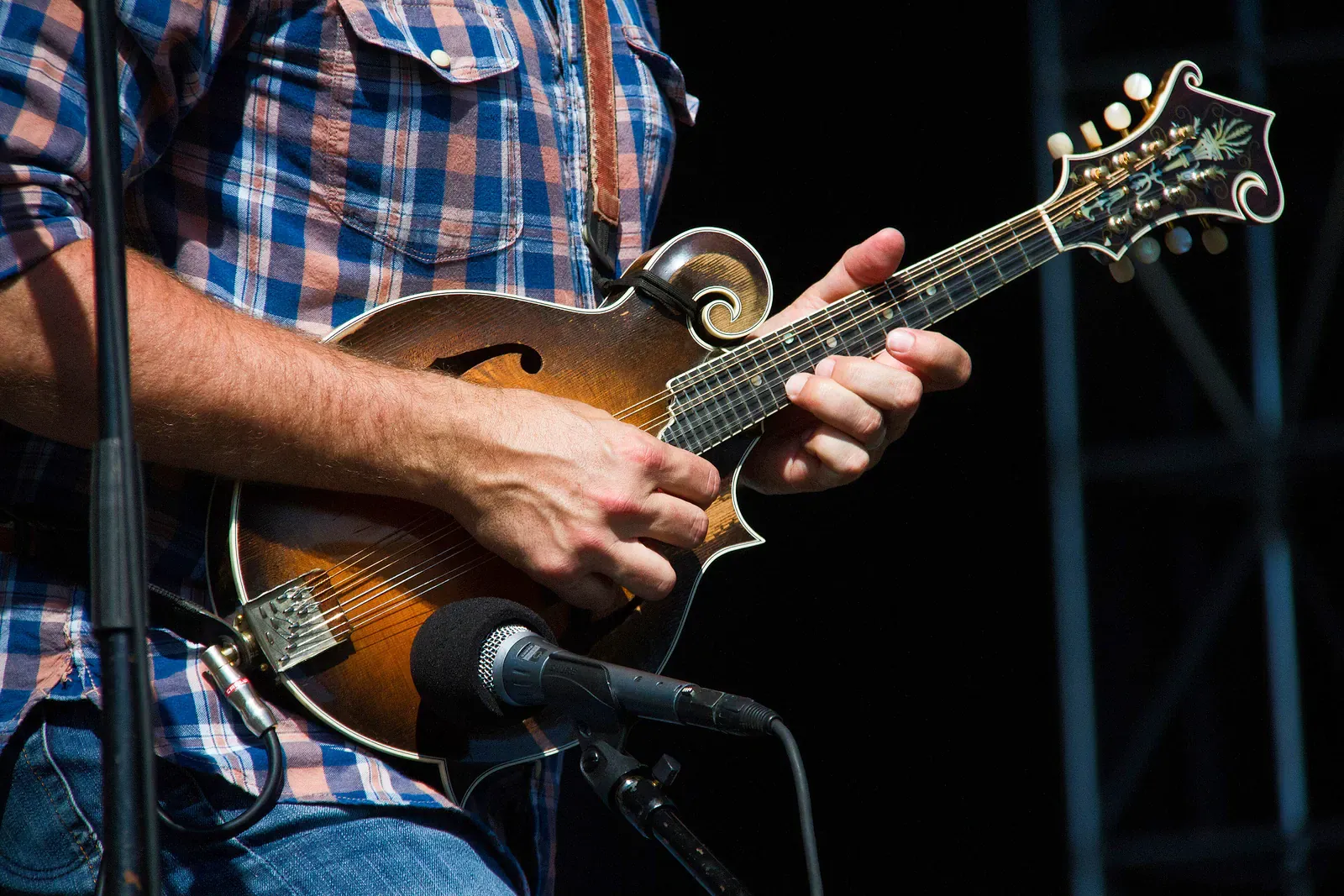
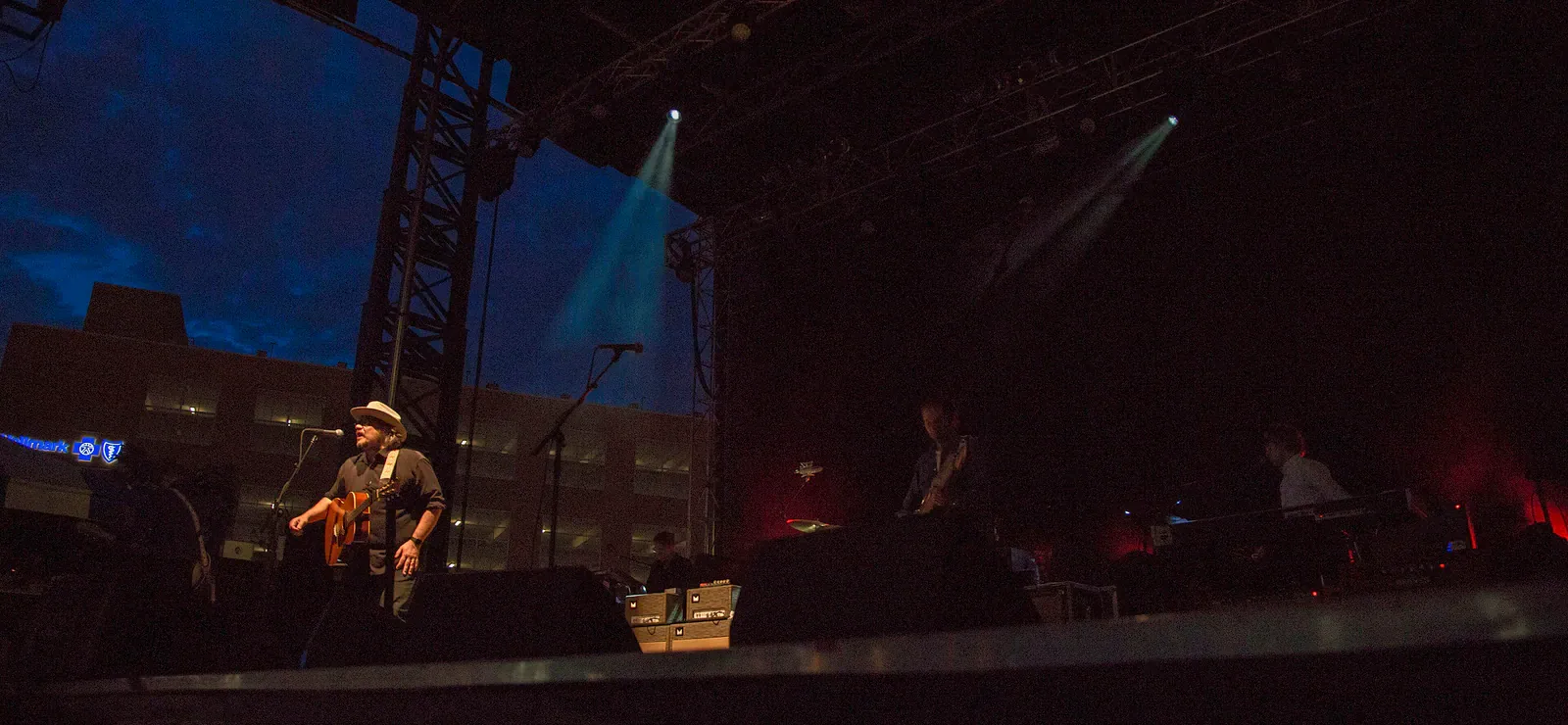
The core is the guitar band: electric guitar with punk or indie amplification, acoustic guitar, bass and drums. Country colour comes from pedal steel, mandolin, fiddle and banjo. Max Johnston’s mandolin and violin joined Uncle Tupelo, and Mike Cooley plays banjo in Drive-By Truckers. Production tended to be quick: Anodyne was cut live, Heartbreaker in 14 days in Nashville, No Depression in ten.
Mainstream success
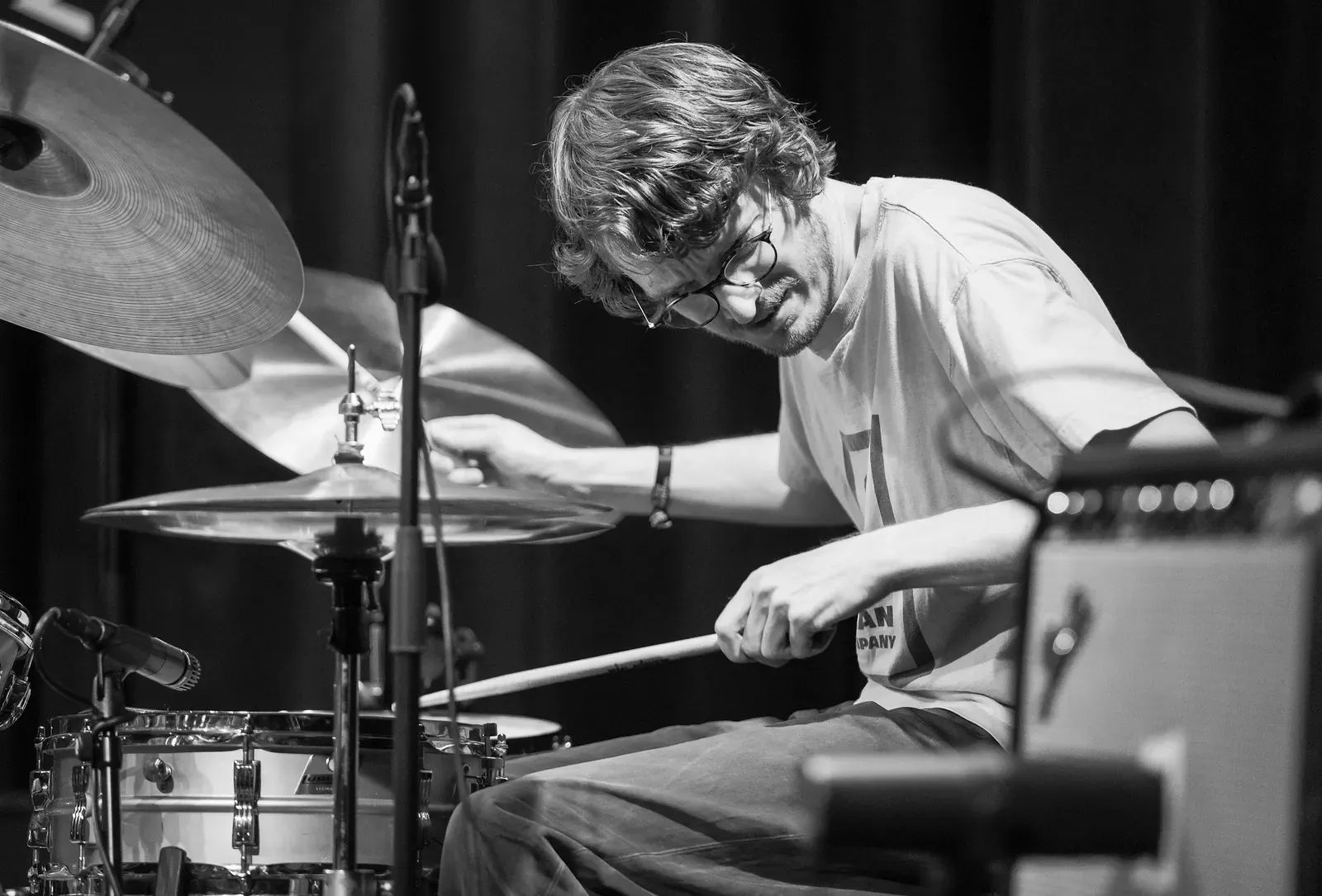
Alt-country was never a chart genre. No Depression sold about 15,000 copies in its first months. Trace reached number 166 on the Billboard 200 and number 7 on the Heatseekers chart, with about 297,000 sold in the United States by 2009. The largest sales belonged to Wilco, whose Yankee Hotel Foxtrot sold over 670,000 copies and whose A Ghost Is Born won two Grammy awards, including Best Alternative Music Album. By then the band had left alt-country for an eclectic indie rock sound. The style also helped the careers of traditionalist country acts such as Robbie Fulks and Shelby Lynne.
Notable recordings
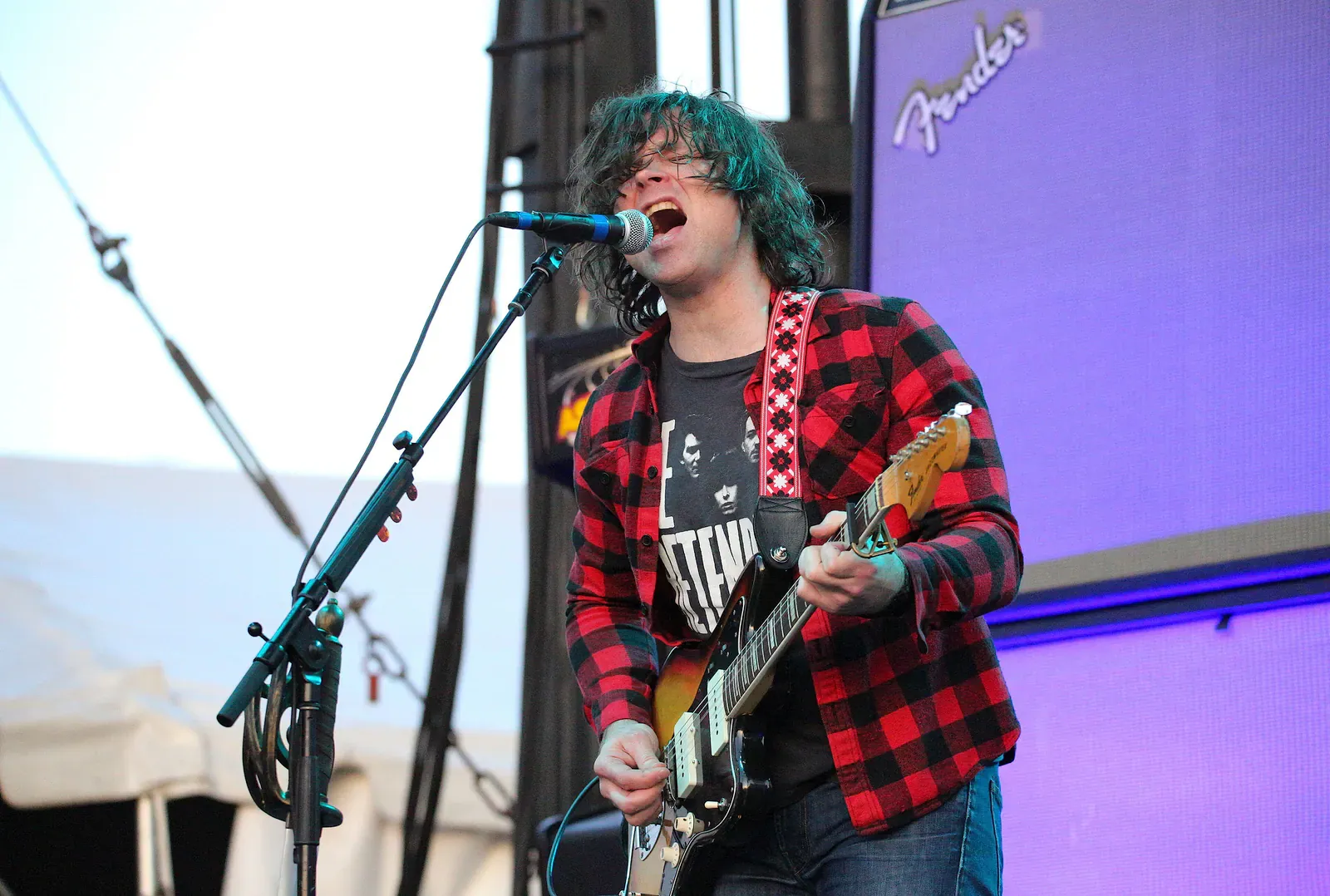
No Depression (1990) is the founding document: country songs about factory shifts and a looming war, played with distorted guitars borrowed from Dinosaur Jr. The title, taken from a Carter Family song, later named the magazine that covered the whole scene.
Yankee Hotel Foxtrot (2002) is the genre’s best-known business story. Reprise Records rejected the finished album and dismissed Wilco, but gave the band the rights as part of a buy-out. Wilco streamed the album online and sold it to Nonesuch, although both labels belong to Warner Music Group. A documentary followed the making and release.
Heartbreaker (2000) is the quietest of the three. Adams recorded it in 14 days after a break-up, and it was nominated for the 2001 Shortlist Music Prize. Its success stabilised Bloodshot, whose first release had been a compilation pressed in 1,000 copies.
Culture
The scene defined itself against Nashville. Chicago’s twang and punk community was often described as an anti-Nashville, led by projects involving Jon Langford of the Mekons. Bloodshot launched each compilation with release shows of four or five bands in several cities. The Richmond artist Wes Freed drew the cover of Southern Rock Opera. The words themselves were contested: some bands accepted insurgent country, others preferred Americana, and several disliked every label.
Legacy
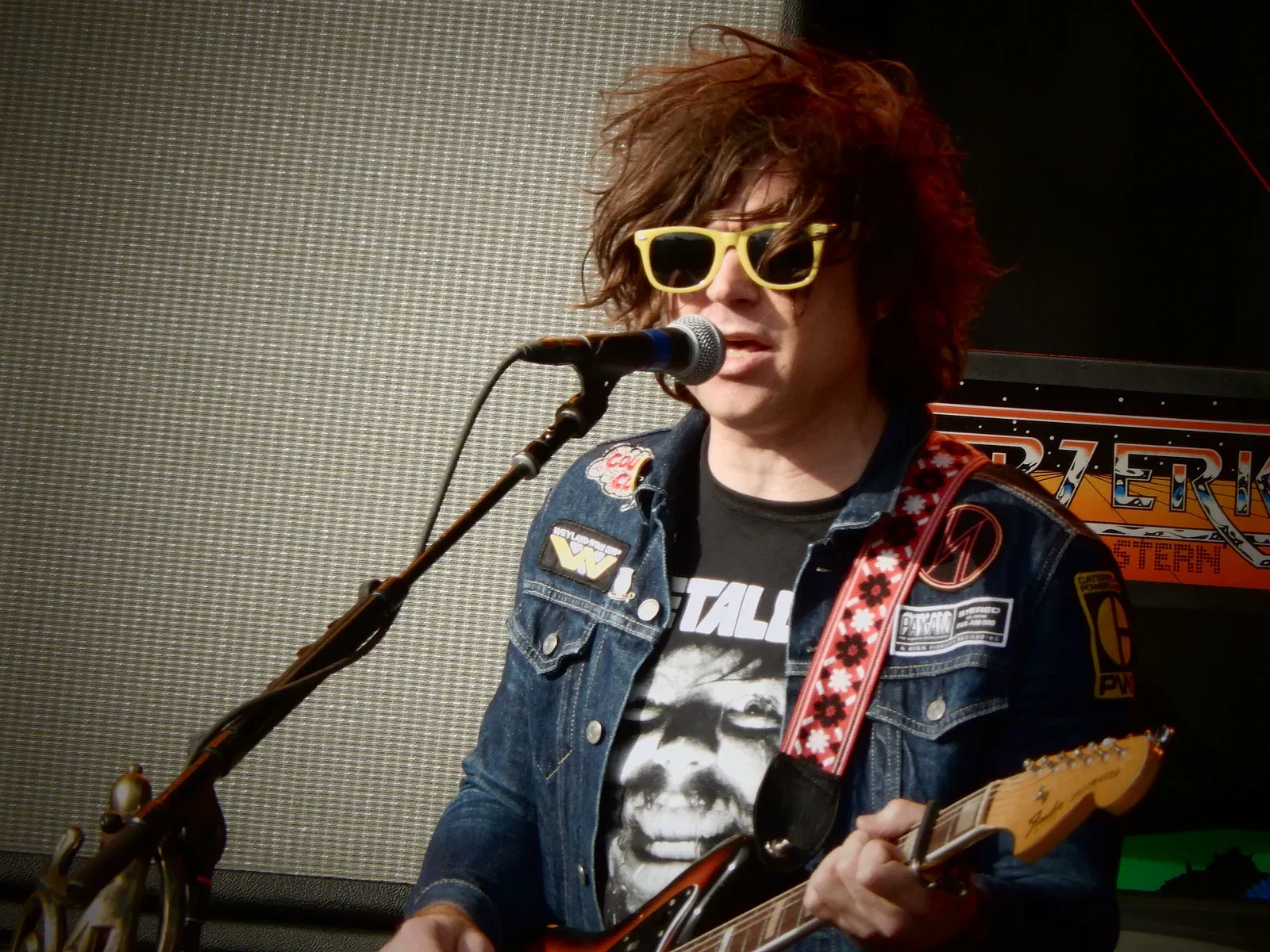
Alternative country showed that country songwriting could live outside Nashville’s industry, with its own labels, magazine and touring circuit. Its founding bands produced descendants from Wilco’s experimental rock to Son Volt’s continuing work, and its songwriters fed the Americana market that followed.
Misconceptions
One myth is that Uncle Tupelo invented the genre. Some media have credited the band as its sole creator, but Heidorn and Tweedy dispute that, and Jason and the Scorchers, the Jayhawks and the cowpunk bands mixed punk and country before 1990.
A second myth is that alt-country has one sound. Its artists share an attitude more than a style, and Farrar has said there is no difference between alt-country and other genres such as roots rock.
A third is that alt-country and Americana are identical. The labels overlap and are often used interchangeably, but Americana is the wider term, while alt-country is usually tied to the punk-influenced bands of the 1990s.
Frequently asked questions
What is alternative country?
Alternative country is country music made outside the Nashville mainstream with the attitude of punk and the guitars of indie and roots rock. The term caught on after Uncle Tupelo’s 1990 album No Depression.
Who are the main alt-country artists?
The core names are Uncle Tupelo, Wilco, Son Volt, Whiskeytown, Ryan Adams, Old 97’s, Drive-By Truckers and the Jayhawks. Later figures include Jason Isbell and Gillian Welch.
What is the difference between alt-country and country rock?
Country rock mixed country with rock and roll from the late 1960s. Alt-country draws on it but adds punk and indie influences and a stance against the commercial country industry.
Is Wilco an alt-country band?
Wilco began as one in 1994, formed from Uncle Tupelo, and its debut A.M. continued that style. Its later albums moved toward experimental indie rock.
Sound
Sound sheet
Signature sounds
- Distorted guitars over country chords
- Fiddle, mandolin or pedal steel colour
- Plainspoken working-class and heartbreak lyrics
- Raw, quickly recorded production
Techniques
- Distorted guitar on country songs
- Carter Family-style harmony
- Live-in-the-studio tracking
Keys and modes
Major keys, open chords. Measured canon recordings sit mostly in A, C, D and G.
Vocals
Plainspoken, often cracked singing of bleak, socially aware or heartfelt lyrics.
Scenes
Where it happened
Where and when the sound lived: one bar per city on a shared timeline.
North America
Active scenes
Peak 4, 1994-2025
Home of the Jayhawks and a Twin Cities circuit that Uncle Tupelo drew on.
Illinois town where Uncle Tupelo formed and set the subject of its early songs.
Base of Bloodshot Records and a punk-and-twang scene often described as anti-Nashville, and home of Wilco.
Where Whiskeytown formed around Ryan Adams.
Venues and places
Chicago, 1993 to today. Punk bar where Nan Warshaw DJed country records on Wednesdays and met Rob Miller, the future Bloodshot partners.
Culture
Culture markers
- Insurgent country
A label tag that set the music against Nashville, versus the Americana tag preferred by others.
Slang - Multi-band release shows
Bloodshot launched each compilation with four- or five-band nights in several cities.
Ritual - Online fan community
The magazine grew out of an AOL discussion group called the No Depression Folder.
Ritual - Wes Freed sleeve art
Richmond artist Wes Freed drew the cover of Drive-By Truckers' Southern Rock Opera.
Artwork
Media
Key media
- 1994For a Life of Sin: A Compilation of Insurgent Chicago Country
by Various. Bloodshot's self-funded first release, 17 songs by 16 bands, pressed in 1,000 copies and sold out.
Compilation - 1995No Depression
by Grant Alden and Peter Blackstock. The magazine that covered alt-country (whatever that is) and ran in print until 2008.
Zine - 2002I Am Trying to Break Your Heart: A Film About Wilco
by Sam Jones. Black-and-white documentary on the making and release dispute of Yankee Hotel Foxtrot.
Film
Glossary
Terms on this page
Wider roots-music label that overlaps and is often used as a substitute for alt-country.
Early 1980s blend of punk and country played by bands such as Jason and the Scorchers and the Long Ryders.
Billboard chart for new acts, where Uncle Tupelo's Anodyne and Son Volt's Trace appeared.
Bloodshot Records' name for the punk-tinged country it released from 1994.
Title of Uncle Tupelo's 1990 album and of the magazine, both from a Carter Family song, used as a byword for alt-country.
Country family