Folk rock
Folk rock joins folk-revival songwriting with rock band instruments. It began in 1964-1965 in Los Angeles, New York and London and later spread to Britain.
Los Angeles, 1964
Rock family
Born
1964
Los Angeles
Subgenres
2
Documented branches
Links
38
Genres it drew on or shaped
Tempo
70-140 BPMLineage
Family tree
Grew out of
Derived from
Los Angeles, 1964
Folk rock
Led to (14)
Timeline
Era by era
From the first sparks to today. Select a dot to read the story behind it.
- Revival and beat
1961 to 1964
- Los Angeles and Newport
1965 to 1966
- British electric folk
1967 to 1976
- Offshoots
1977 to 2006
- Harmony and banjo revival
2007 to today
Eras
Moments
- 1 Revival and beat, 1961 to 1964
- 2 Los Angeles and Newport, 1965 to 1966
- 3 British electric folk, 1967 to 1976
- 4 Offshoots, 1977 to 2006
- 5 Harmony and banjo revival, 2007 to today
1961
Revival and beat
Greenwich Village coffeehouses and the Newport festival feed a folk revival while the Beatles and the Animals show that traditional songs can be played on electric instruments.
- 1964The Animals' electric House of the Rising SunA traditional folk song in an electric arrangement reaches number 1 on the US Hot 100, one of the first proofs that the mix sells.
- 1964The Beau Brummels' Laugh, LaughA San Francisco band blends folk-style vocals with British Invasion guitars, an early folk rock hit that reaches the US top 15.
1965
Los Angeles and Newport
The Byrds top the charts with a Dylan song, Dylan plugs in, and Simon and Garfunkel, the Lovin' Spoonful and others turn folk songs into hit singles. Billboard names the style in June 1965.
- 1965The Byrds record Mr. Tambourine ManAt Columbia's Hollywood studio, session players back Roger McGuinn's electric twelve-string on a Dylan song.
- 1965Dylan's Bringing It All Back HomeHalf of the album is electric, and the first side carries a rock band behind Dylan's songs.
- 1965Billboard coins the term folk rockJournalist Eliot Tiegel uses the phrase in June 1965 to describe the Byrds' sound.
- 1965Mr. Tambourine Man reaches number 1The Byrds' single tops the US and UK charts and starts a wave of folk-flavored guitar bands.
- 1965Like a Rolling StoneDylan's six-minute electric single is released in July and reaches the US top 2, showing a long, lyric-led song can be a hit.
- 1965Dylan plugs in at NewportOn 25 July he plays three songs with a band at the Newport Folk Festival, and parts of the crowd boo.
- 1965Do You Believe in MagicThe Lovin' Spoonful's debut single, a jug-band-rooted pop song, reaches the US top 10 and sets up a run of hits.
- 1965Electric overdubs on The Sound of SilenceProducer Tom Wilson adds a rhythm section to a 1964 acoustic take; the single reaches number 1 by 1 January 1966.
- 1965Turn! Turn! Turn! tops the chartThe Byrds reach number 1 a second time, with a Pete Seeger arrangement of words from Ecclesiastes.
- 1966Eight Miles HighThe Byrds' March 1966 single pushes jangle toward raga-influenced psychedelia.
1967
British electric folk
Fairport Convention and Steeleye Span electrify traditional English ballads, Liege & Lief appears in 1969, and American acts slide toward country and the singer-songwriter album.
- 1967Fairport Convention form in LondonAshley Hutchings, Simon Nicol and Richard Thompson start a band that begins by covering American folk rock.
- 1968Sweetheart of the RodeoThe Byrds turn to country with Gram Parsons, pulling folk rock toward what is later called country rock.
- 1969Steeleye Span are foundedAshley Hutchings, who left Fairport Convention, forms a group built on traditional English songs and electric instruments.
- 1969Crosby, Stills and NashThe Atlantic debut, with Suite: Judy Blue Eyes, makes three-part harmony a defining sound of the era.
- 1969A van crash hits Fairport ConventionDrummer Martin Lamble and a friend are killed in May; Sandy Denny and Dave Swarbrick then reshape the band.
- 1969Liege & LiefFairport Convention's December album sets traditional English songs and dance tunes to electric guitars, bass and drums.
- 1973Gaudete reaches the UK top 20Steeleye Span's a cappella Latin carol, from Below the Salt, becomes an unlikely hit single.
1977
Offshoots
No single scene remains. Jangle guitars, harmonies and ballad lyrics live on in Celtic rock, alternative country and indie rock.
2007
Harmony and banjo revival
Fleet Foxes, Bon Iver and Mumford and Sons bring back close harmonies, acoustic instruments and folk songwriting to large audiences.
- 2008Fleet Foxes release their debutA Seattle band on Sub Pop brings back choral harmonies and acoustic guitars, to wide critical praise.
- 2009Mumford and Sons release Sigh No MoreThe London band's banjo-driven debut, with Little Lion Man, becomes a hit in the UK and the US.
- 2013Babel wins Album of the YearMumford and Sons' second album wins the top Grammy award in February 2013.
Listening path
Start listening
A short path from an easy way in to the deep end. Thumbnails come from YouTube; the player loads only when you press play.
- 01
The Byrds, 1965
The song that started the genre in the charts: a Dylan song, a ringing twelve-string and tight harmonies.
- 02
Bob Dylan, 1965
The electric single that took a folk songwriter to the top of the charts and divided his audience.
- 03
Fairport Convention, 1969
A signature song of British folk rock, with Sandy Denny era harmonies and a gentle electric band.
- 04
Steeleye Span, 1973
A traditional Latin carol sung a cappella that became a UK hit, showing British electric folk reaching the mainstream.
- 05
Fleet Foxes, 2008
A choral round that signalled the harmony-folk revival of the late 2000s.
Facts
| Family | Rock |
| Origin | Los Angeles, United States |
| Emerged | Early to mid 1960s |
| Status | Active |
| Tempo | 70 to 140 BPM |
| Meter | 4/4 |
| Grew out of | Beat music |
| Subgenres | 2 |
Folk rock is popular music that plays folk-revival songs and songwriting on rock instruments: electric guitar, bass and drums under plain, lyric-led vocals.
It took shape in 1964 and 1965 in the United States and Britain, and it is usually dated from the Byrds’ 1965 chart-topping version of a Bob Dylan song. Its sound rests on a jangling twelve-string guitar, close harmonies and poetic or topical lyrics.
Origins
The style grew out of two earlier movements. The first was the American folk revival, centered on the coffeehouses of Greenwich Village in New York and on the Newport Folk Festival in Rhode Island. The second was beat music, in which the Beatles and the Animals showed that traditional material could be played loud, fast and electric.
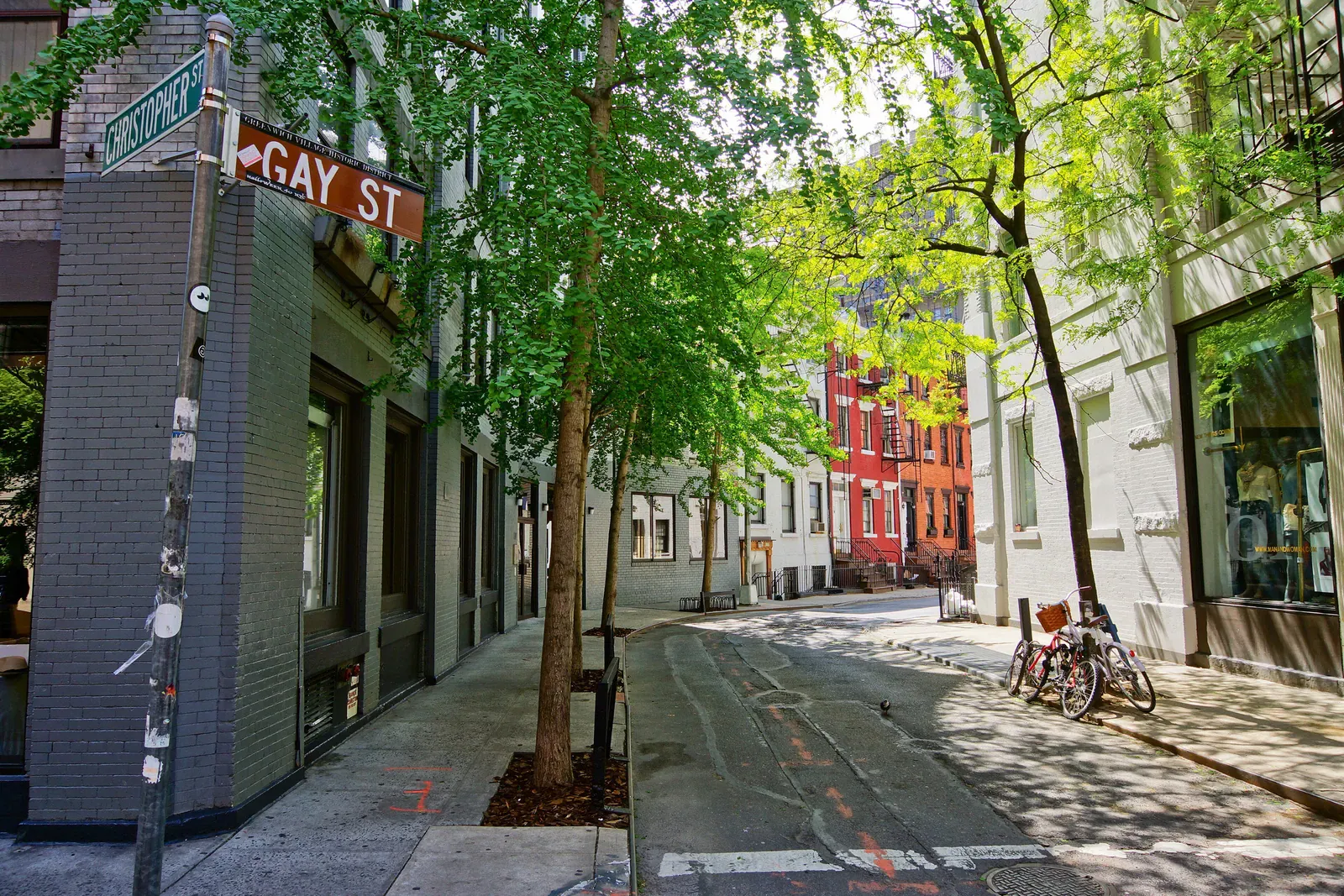
The Animals’ electric “The House of the Rising Sun”, a traditional folk song, reached number 1 on the US Hot 100 in 1964. The same year a San Francisco band, the Beau Brummels, put folk-style vocals over British Invasion guitars and reached the US top 15 with “Laugh, Laugh”. These records came before the name existed.
Revival and beat, 1961-1964
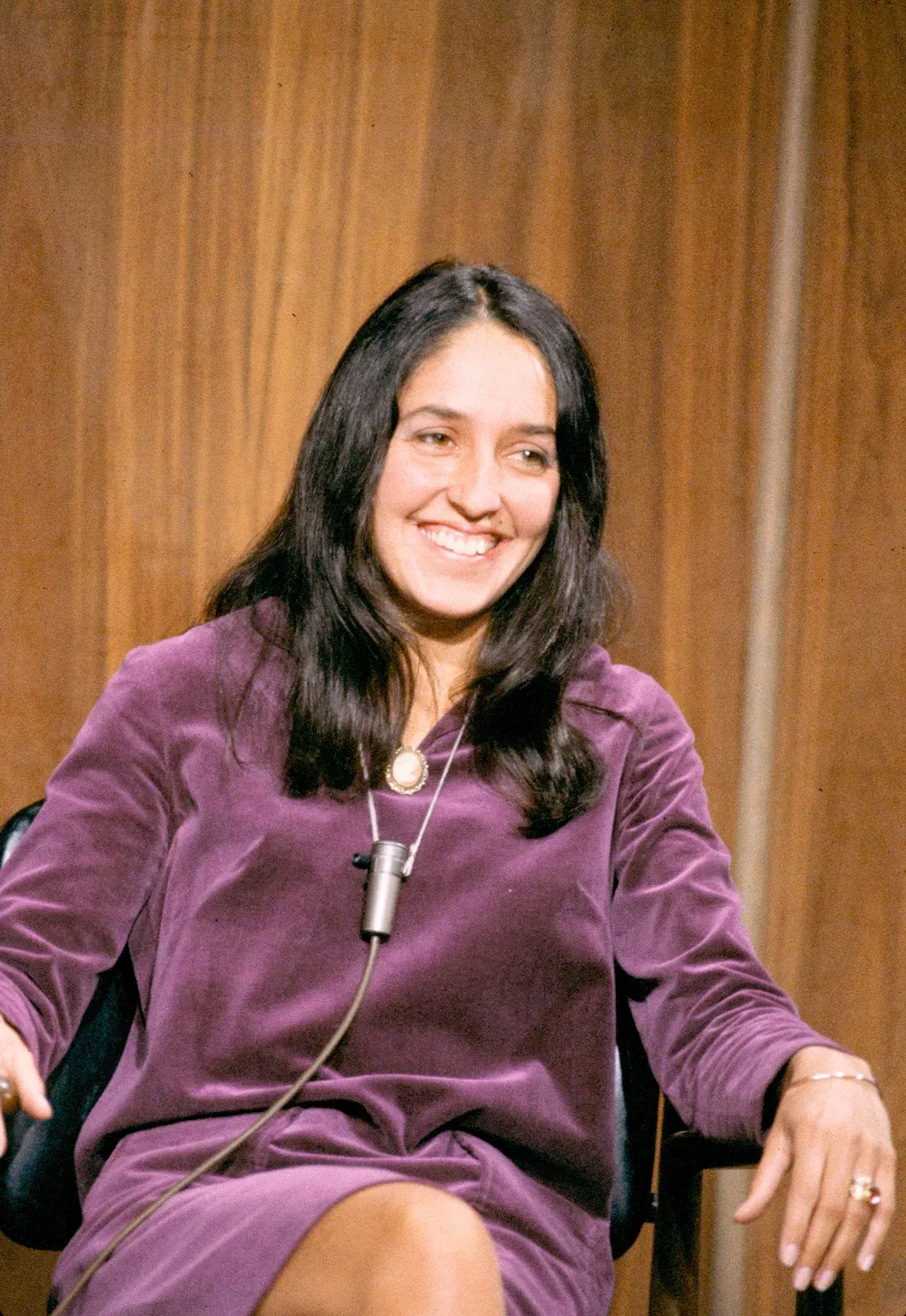
In the early 1960s the folk revival was a movement of acoustic guitars, banjos and topical or traditional songs. Singers such as Joan Baez and Pete Seeger carried protest and ballad repertoire into colleges and festivals, and Bob Dylan began playing the Village clubs in 1961.
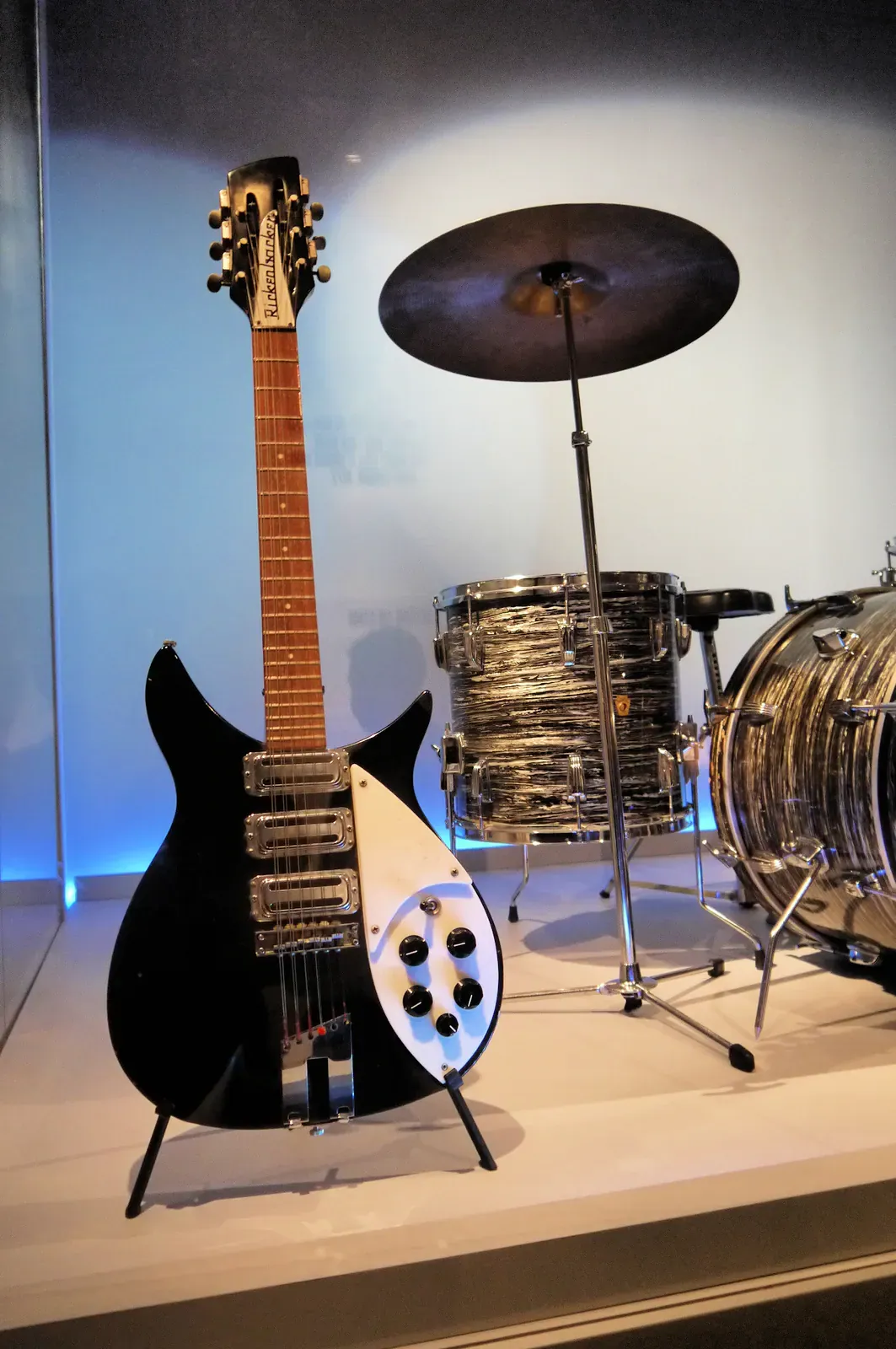
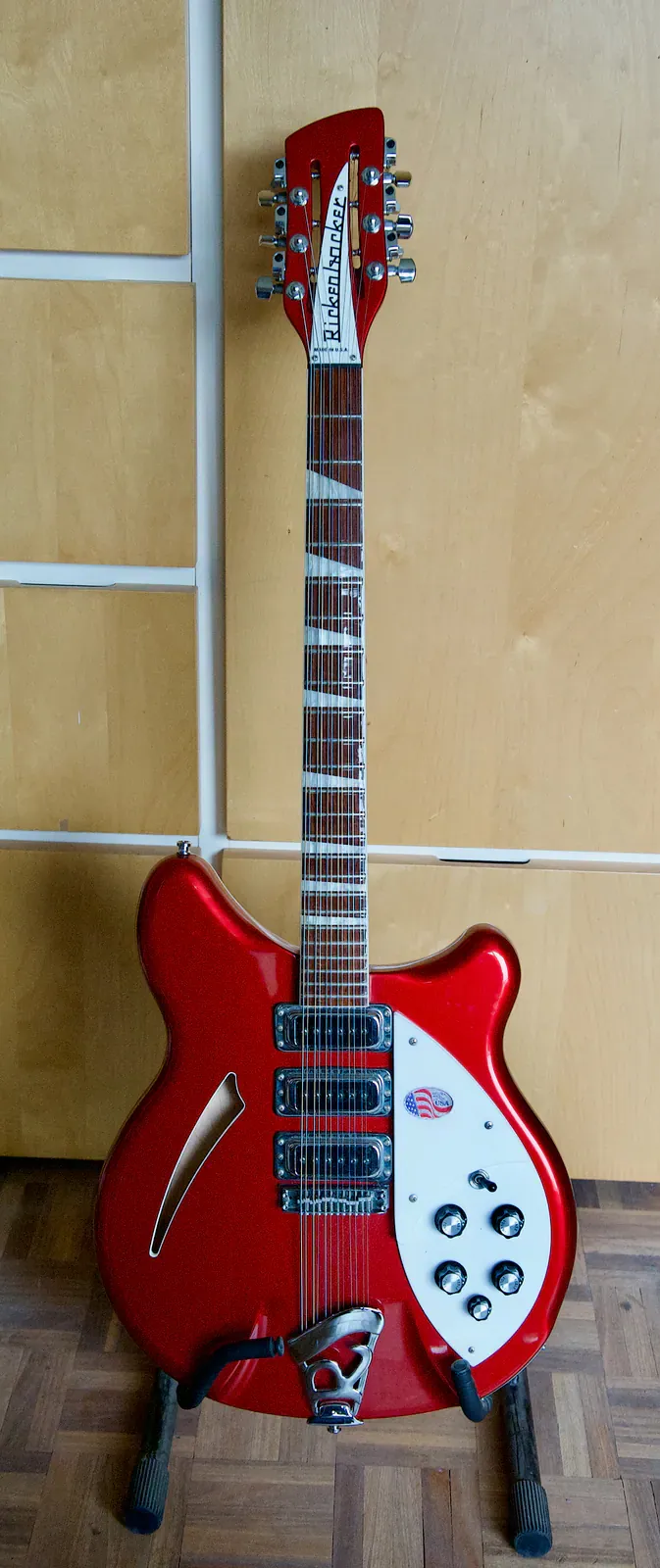
British Invasion groups changed what young players thought a folk song could sound like. A twelve-string electric guitar by Rickenbacker, popularized by George Harrison, became the sound that other bands copied.
Los Angeles and Newport, 1965-1966
The Byrds formed in Los Angeles around Roger McGuinn’s electric twelve-string. In January 1965 they recorded “Mr. Tambourine Man”, a Dylan song, at Columbia’s Hollywood studio, with session players behind McGuinn’s guitar and the group’s vocals. The single reached number 1 in the United States and Britain, and the trade press coined the phrase “folk rock” that June to describe it. Their label was Columbia Records, which also released Dylan.
Dylan’s own move to electric music ran in parallel. Half of “Bringing It All Back Home” (1965) was recorded with a band. On 25 July 1965 he played three songs with an electric band at the Newport Folk Festival, and parts of the audience booed. Days earlier, “Like a Rolling Stone”, a six-minute electric single, had been released; it reached the US top 2 and showed that a long, lyric-led song could be a hit.
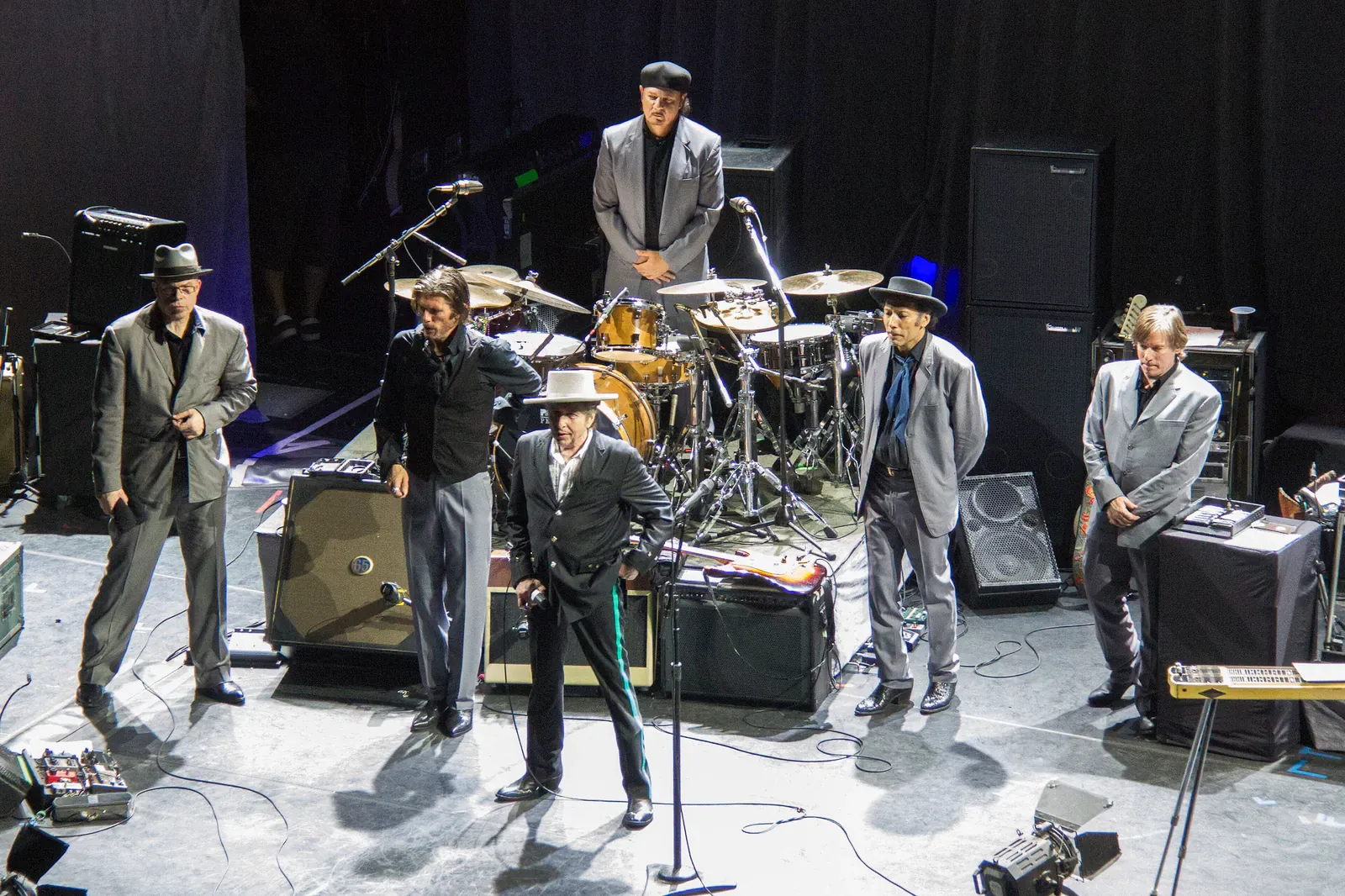
Other acts followed within months. The Lovin’ Spoonful, whose “Do You Believe in Magic” reached the US top 10, signed to Kama Sutra. Simon and Garfunkel’s acoustic “The Sound of Silence” was recorded in 1964; after producer Tom Wilson added a rhythm section in 1965, the single reached number 1 by 1 January 1966. The Byrds reached number 1 again with “Turn! Turn! Turn!”, a Pete Seeger setting of words from Ecclesiastes. By March 1966, “Eight Miles High” pushed the jangle toward raga-influenced psychedelia.
British electric folk, 1967-1976
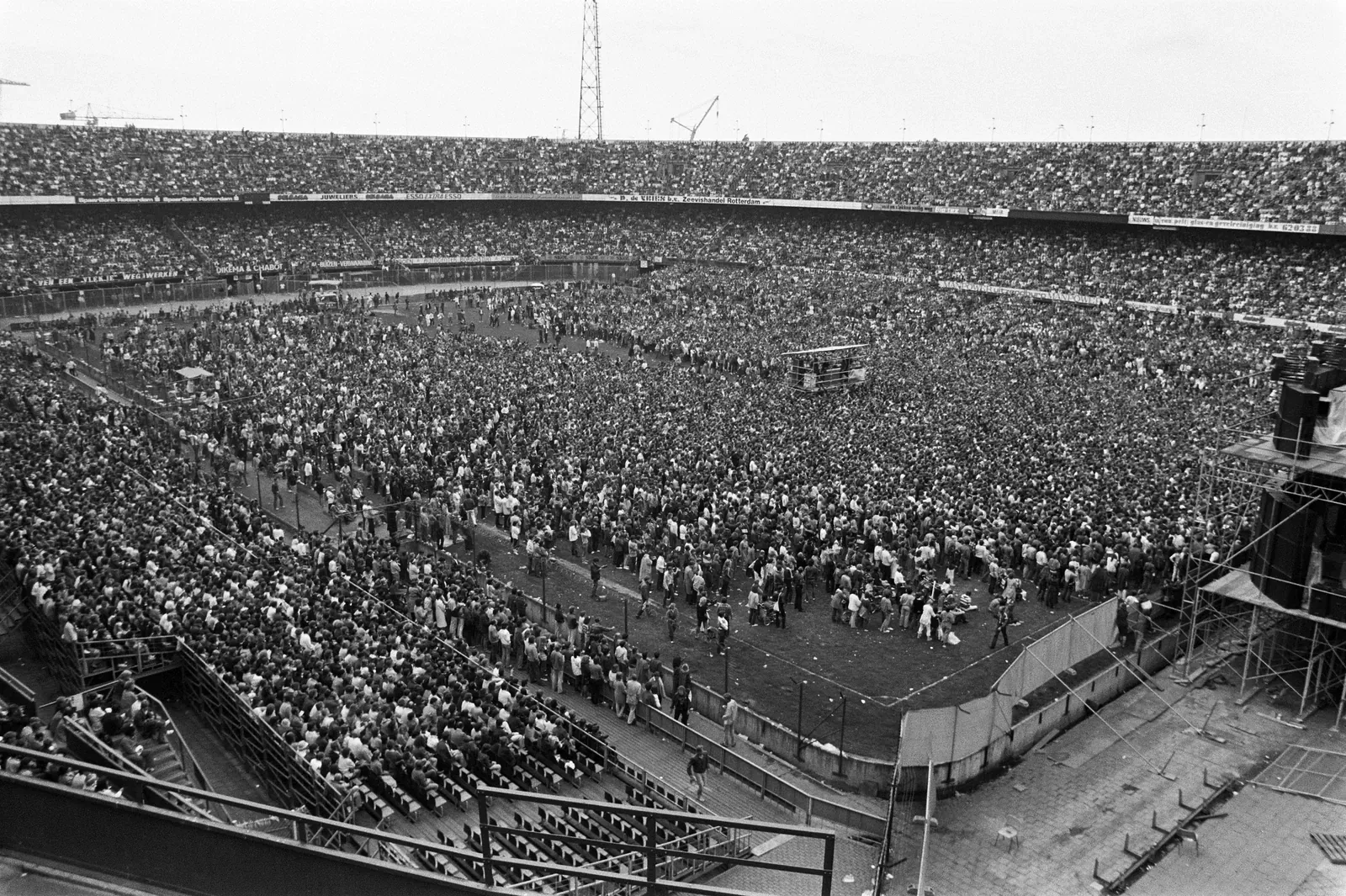
Fairport Convention formed in London in 1967 and began by covering American folk rock. After a van crash in May 1969 killed drummer Martin Lamble, Sandy Denny and Dave Swarbrick reshaped the band, and in December that year it released “Liege & Lief” on Island Records. The album set traditional English songs and dance tunes to electric guitars, bass and drums, and it is usually credited with founding British electric folk.
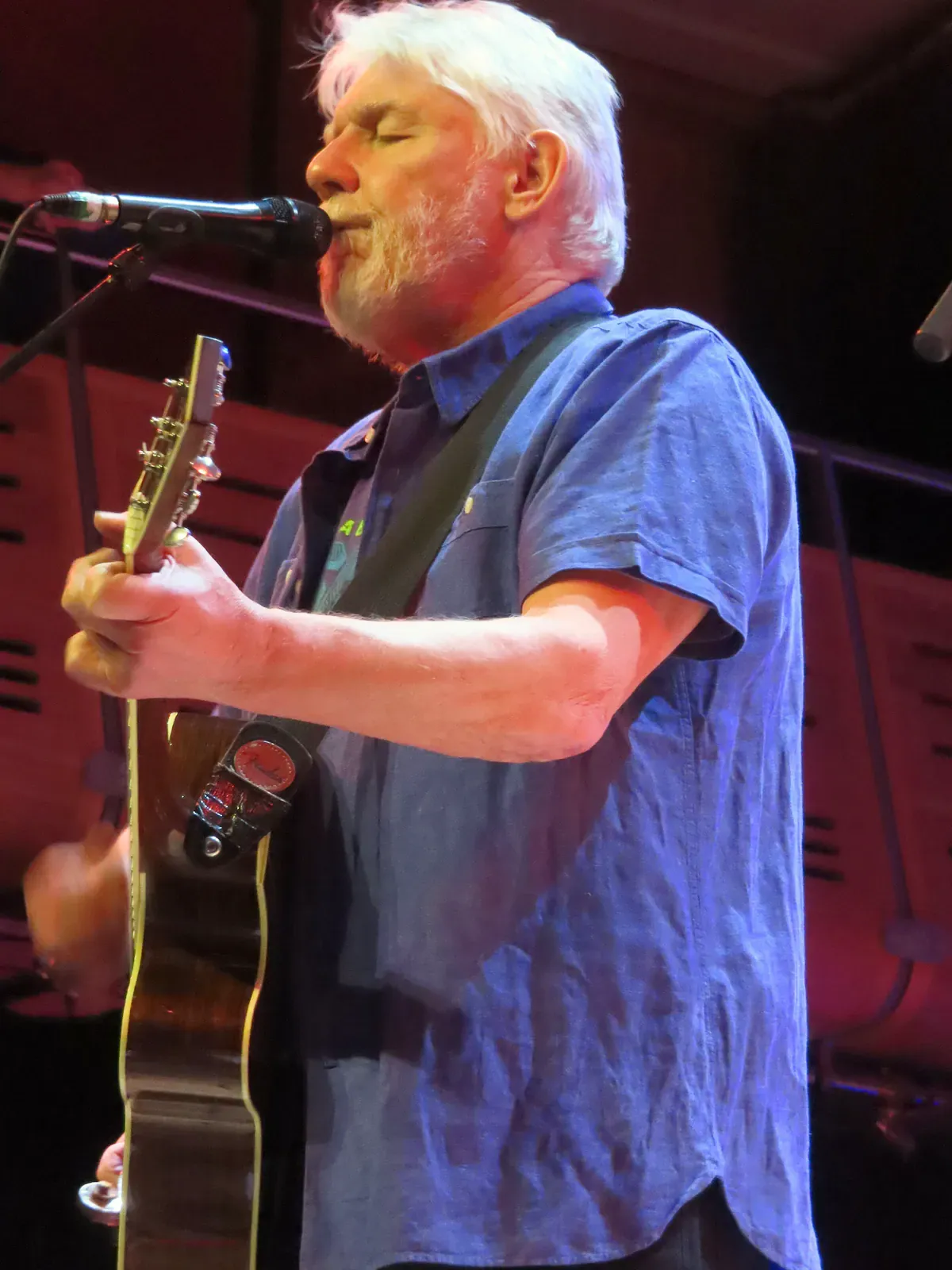
Steeleye Span were formed in 1969 by Ashley Hutchings after he left Fairport Convention, and they built a repertoire from traditional songs and carols. Their 1972 album “Below the Salt” mixed electric band arrangements with a cappella singing, and the a cappella Latin carol “Gaudete” reached the UK top 20 in 1973 on Chrysalis Records.
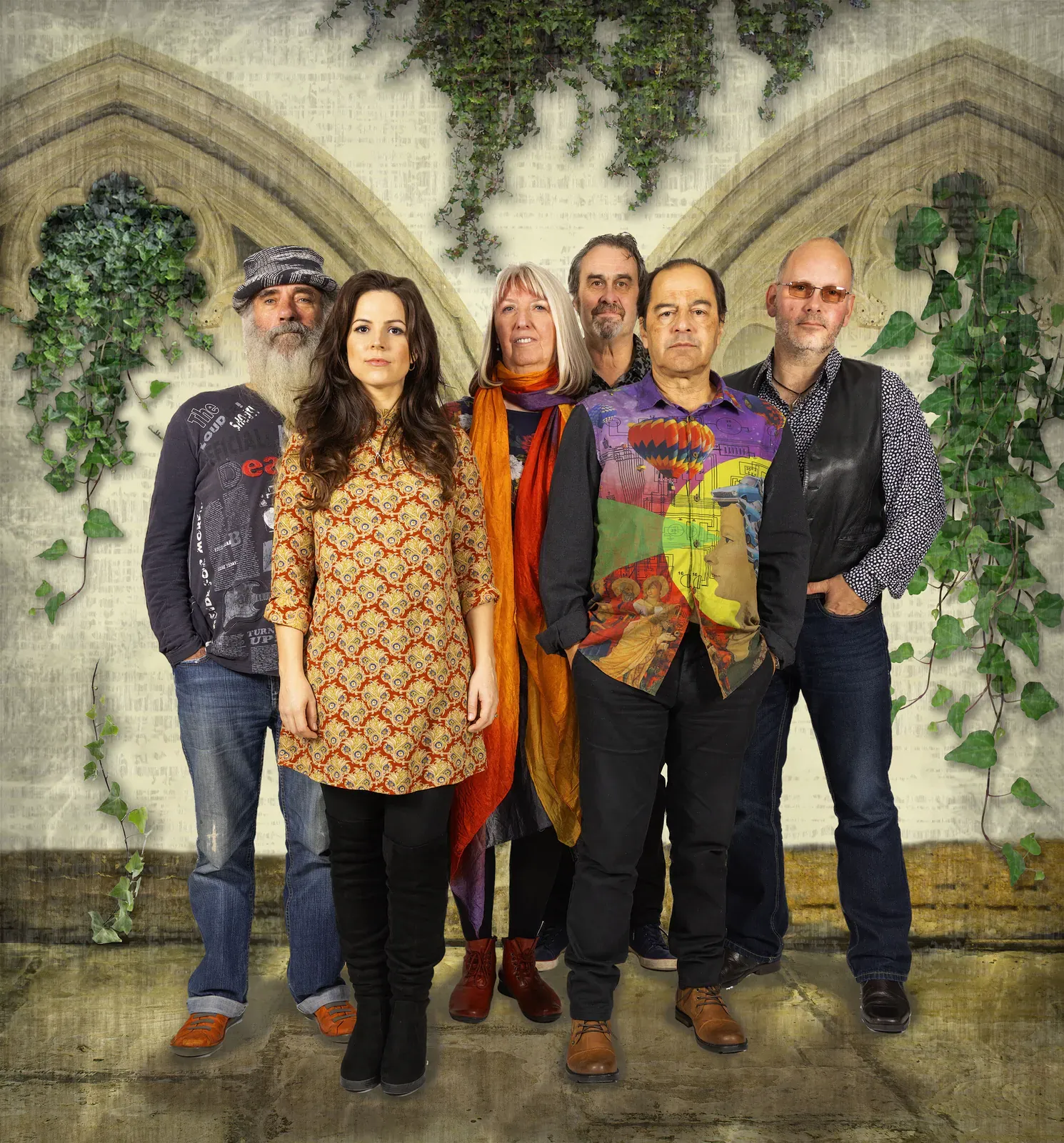
In the United States the same years pulled folk rock in other directions. The Byrds’ “Sweetheart of the Rodeo” (1968), made with Gram Parsons, steered it toward what would be called country rock, and “Crosby, Stills and Nash” (1969) made three-part harmony a defining sound of the era.
Characteristics
The defining sound is a compressed electric twelve-string playing picked chords over strummed acoustic guitars, with lead vocals that are plain and unornamented and sit above two- to four-part harmonies. Lyrics are narrative, poetic or topical. British electric folk keeps the modal tunes and dance rhythms of its source songs, and American folk rock leans on open-chord major keys, often with a capo.
Instruments and production
Production relied on studio compression to smooth and sustain the twelve-string, and on overdubbing electric rhythm sections onto acoustic masters, the method used on “The Sound of Silence”. The drum kit stayed light and sat below the voices. Dave Swarbrick’s fiddle brought English dance tunes into Fairport Convention, and Al Kooper’s Hammond organ shaped “Like a Rolling Stone”.
Notable recordings
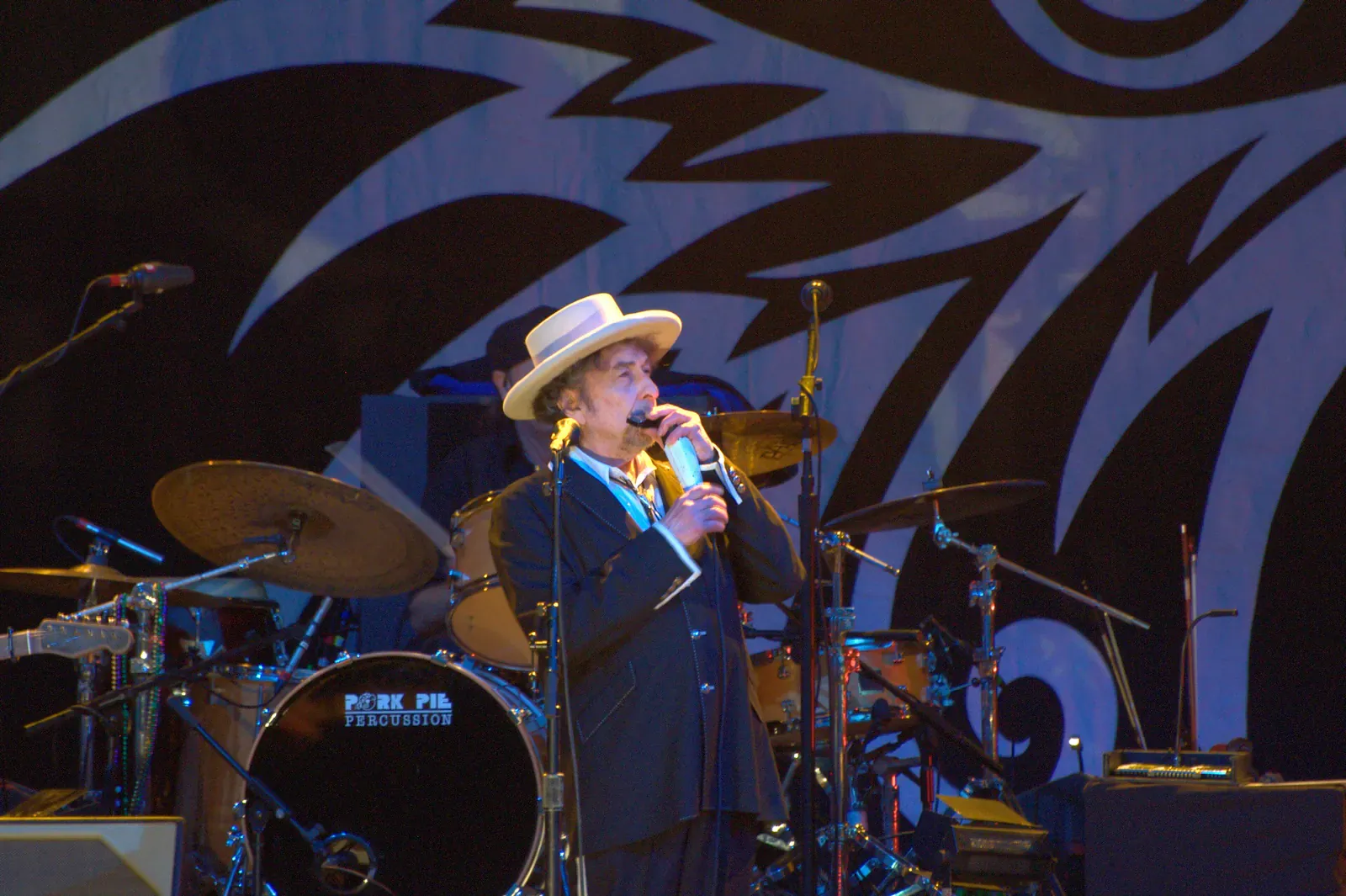
“Mr. Tambourine Man” is the single that gave the style a hit. Dylan’s song was rebuilt around McGuinn’s ringing twelve-string and the group’s tight harmonies. “Like a Rolling Stone” went the other way, at six minutes, and its success changed what a radio single could be.
“Liege & Lief” is a different kind of landmark: a record of traditional material played by a band that had begun as an American-style cover group.
Offshoots, 1977-2006
No single scene held folk rock together after the mid-1970s. Celtic rock, alternative country and indie rock all drew on its jangle guitars, harmonies and ballad lyrics.
Harmony and banjo revival, 2007 onward
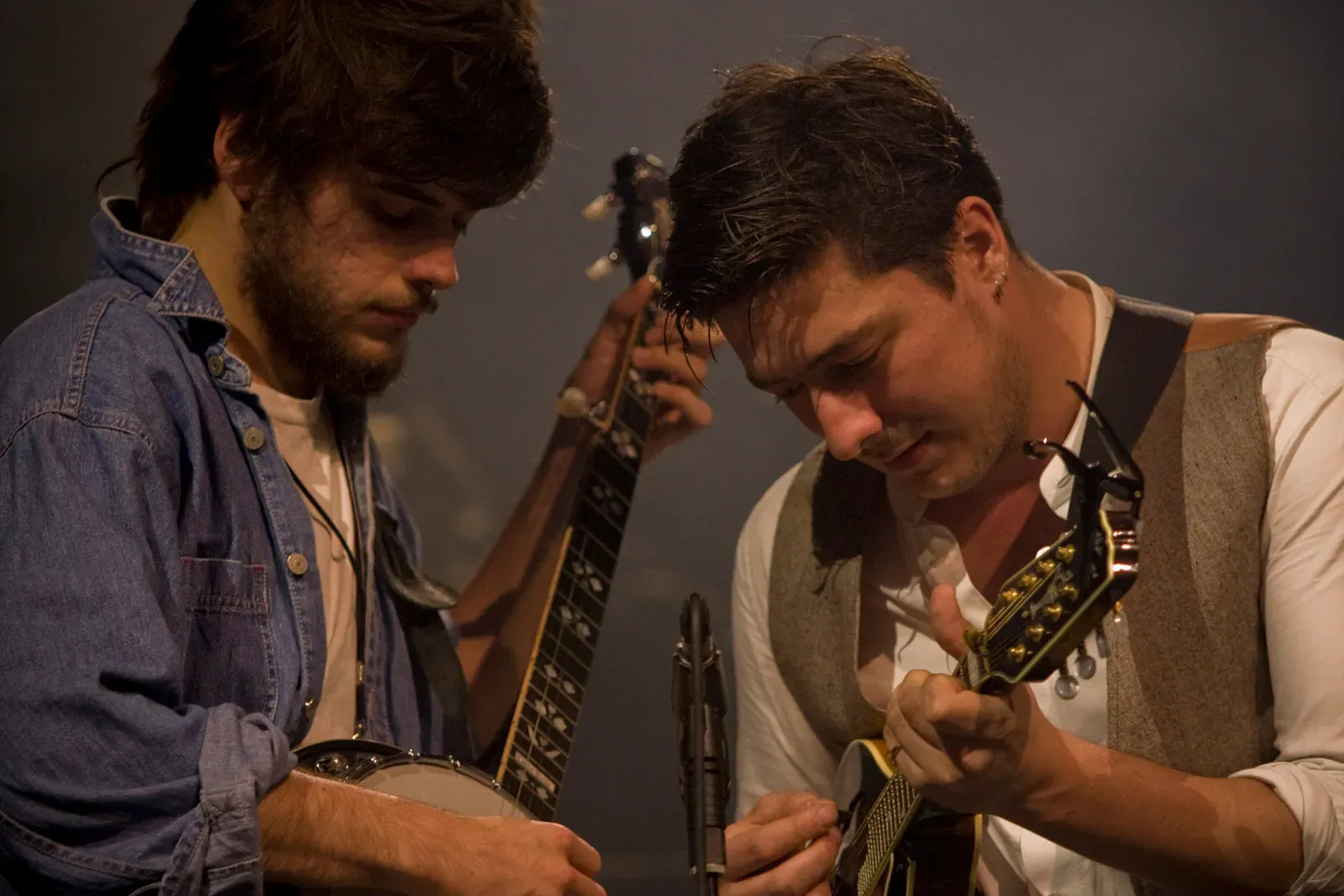
In the late 2000s a new generation brought back close harmony and acoustic instruments for large audiences. Fleet Foxes released their debut in 2008 on Sub Pop, a Seattle label, to wide critical praise. Mumford and Sons followed in 2009 with the banjo-driven “Sigh No More”, which included “Little Lion Man” and was a hit in the UK and the US; their second album, “Babel”, won the Album of the Year Grammy in February 2013.
Culture
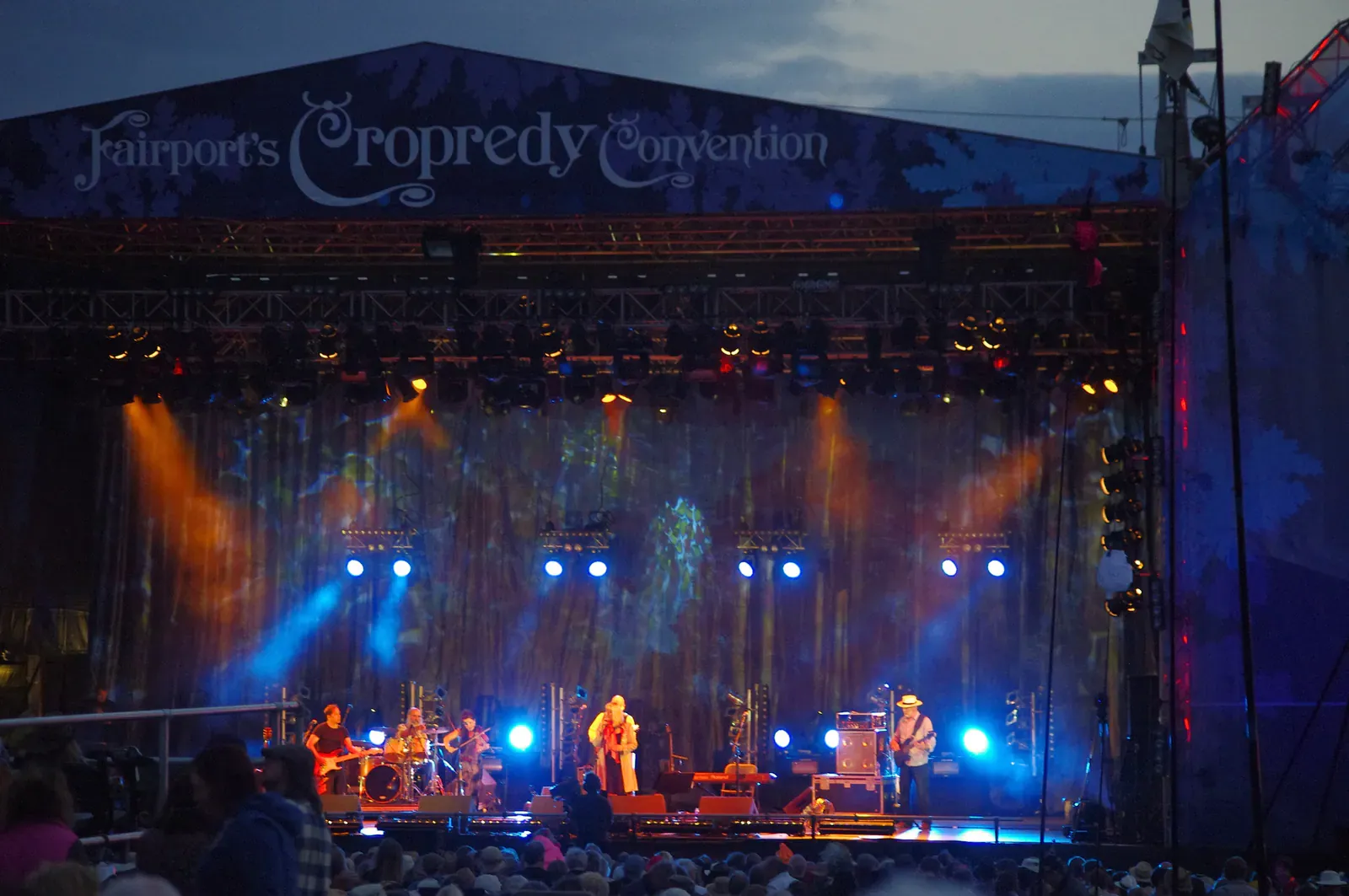
Roger McGuinn’s small rimless glasses became a signature look of the Byrds, and album sleeves such as Dylan’s “Bringing It All Back Home” and Fairport Convention’s “Unhalfbricking”, which shows Sandy Denny’s parents in front of their house, favored photographs of people and rooms over band portraits. Cropredy, in Oxfordshire, turned a band reunion into a yearly ritual for British fans.
Legacy
Folk rock set the template for the harmony band and the lyric-led single. It fed the country rock of Los Angeles, the Celtic rock and electric folk of the British Isles and, later, jangle pop and alternative country.
Misconceptions
One common belief is that the Byrds invented the form in 1965. Folk songs with electric arrangements had already reached the charts in 1964: the Animals’ “The House of the Rising Sun” topped the US Hot 100 and the Beau Brummels reached the top 15. The Byrds made the style a hit, and the trade press named it.
A second is that Dylan first played electric music at Newport. His album “Bringing It All Back Home” had already been released that year with a band on half its tracks, and “Like a Rolling Stone” came out days before the Newport set.
A third is that folk rock ended in the 1970s. The original wave scattered into other genres, but acts including Fleet Foxes and Mumford and Sons brought the harmony and acoustic sound back to large audiences from 2008 onward.
Frequently asked questions
What is folk rock?
Folk rock is a genre that plays folk songs, or songs written in folk style, with a rock band. It is marked by twelve-string guitar, close harmonies and lyric-led songwriting, and it began in the mid-1960s.
Who started folk rock?
The Byrds are usually credited with launching it with “Mr. Tambourine Man” in 1965, helped by Bob Dylan’s electric records the same year. The Animals and the Beau Brummels had earlier hits in 1964 that point the same way.
What is the difference between folk rock and electric folk?
Folk rock is the broader term and mainly describes the American style of the mid-1960s. Electric folk is the British style, begun by Fairport Convention and Steeleye Span, that plays traditional songs and tunes on electric instruments.
What is the difference between folk rock and country rock?
Folk rock draws on the folk revival’s songwriting, while country rock draws on country instruments and songs. The Byrds’ “Sweetheart of the Rodeo” in 1968 pulled one toward the other.
Sound
Sound sheet
Anatomy of a track
| # | Part | Bars |
|---|---|---|
| 1 | Intro (twelve-string or strum) | 4 |
| 2 | Verse | 16 |
| 3 | Chorus | 8 |
| 4 | Verse | 16 |
| 5 | Chorus | 8 |
| 6 | Instrumental break | 8 |
| 7 | Verse | 16 |
| 8 | Outro | 4 |
Signature sounds
- Jangling compressed twelve-string guitar
- Close vocal harmonies over a plain lead voice
- Lyric-led songs: poetic, narrative or topical
- Acoustic strumming with electric bass and drums
- Traditional ballad tunes played by an electric band (British style)
Drums and percussion
- Rock drum kit
Techniques
- Jangle arpeggios
- Close harmony singing
- Fingerpicking under a band
- Capo use
- Electric overdubbing
Keys and modes
Major, open-chord keys. Songs sit in D, G, A or C, easy on guitar, often with a capo.
Dorian and Mixolydian modes. British electric folk keeps the modal tunes of traditional ballads.
Tuning
Standard guitar tuning (EADGBE), A=440; twelve-string guitars with octave pairs
Vocals
Plain, unornamented lead voices with close two to four part harmonies; lyrics poetic, narrative or topical.
Scenes
Where it happened
Where and when the sound lived: one bar per city on a shared timeline.
North America
Europe
Active scenes
Peak 5, 1967
The Byrds, Buffalo Springfield and the Sunset Strip clubs made the city the center of the hit sound.
Greenwich Village coffeehouses nurtured Dylan, Simon and Garfunkel and the Lovin' Spoonful.
The Newport Folk Festival was the stage for the revival and the 1965 electric split.
The Beau Brummels and Jefferson Airplane carried folk harmonies into the Bay Area rock scene.
Fairport Convention, Steeleye Span and Pentangle formed in and around the capital's folk clubs.
Fleet Foxes and Sub Pop anchored the harmony-folk revival.
Venues and places
New York, 1960 to today. A Greenwich Village folk club where Dylan played early sets in 1961.
Newport, 1959 to today. Annual festival; Dylan's 1965 set with a band split its folk audience.
Los Angeles, 1965 to today. Where the Byrds cut Mr. Tambourine Man in January 1965.
Los Angeles, 1965 to today. The Sunset Strip club where the Byrds had an early residency in spring 1965.
West Hollywood, 1957 to today. A folk club where the future Byrds played before forming as a band.
San Francisco, 1965 to today. The club where Jefferson Airplane started in 1965.
Culture
Culture markers
- Granny glasses
Roger McGuinn's small rimless glasses became a signature look of the Byrds and the era.
Fashion - Bringing It All Back Home cover
Daniel Kramer's photograph of Dylan with a woman reclining behind him on a sofa filled with objects and records.
Artwork - Unhalfbricking cover
Fairport Convention's 1969 sleeve shows Sandy Denny's parents in front of their house.
Artwork - Cropredy Convention
Fairport Convention's annual August reunion festival in Oxfordshire, held since 1980.
Ritual
Media
Key media
- 1967Don't Look Back
by D. A. Pennebaker. A documentary of Dylan's 1965 British tour, filmed as he moved toward electric music.
Film - 1967Festival
by Murray Lerner. A documentary of Newport Folk Festivals from 1963 to 1966, including Dylan's 1965 electric set.
Film - 2002Turn! Turn! Turn!: The '60s Folk-Rock Revolution
by Richie Unterberger. A history of the American 1960s folk rock scene with many interviews.
Book - 2010Electric Eden
by Rob Young. A history of British folk and electric folk from the revival to the present.
Book - 2015Dylan Goes Electric!
by Elijah Wald. A study of the Newport 1965 performance and the culture around it.
Book
Glossary
Terms on this page
Vocal parts sung tightly together, typical of the Byrds and later Fleet Foxes.
The British style that plays traditional songs and tunes on electric instruments.
The postwar interest in traditional and topical song that fed into the genre.
Folk song and lyric traditions played with a rock band, named in the press in 1965.
The shift by folk performers, symbolized by Dylan in 1965, to amplified instruments.
The bright, ringing sound of a compressed electric twelve-string guitar.
A topical song about social or political issues, a staple of the revival.
Rock family