Sunshine pop
Sunshine pop is mid-1960s Californian pop of harmony vocals and lush orchestration, rooted in folk rock and easy listening and named decades later.
Los Angeles, 1965
Pop family
Born
1965
Los Angeles
Links
11
Genres it drew on or shaped
Tempo
90-160 BPMLineage
Family tree
Grew out of
Derived from
Derived from
Influenced by
Wall of SoundPsychedelic pop
Los Angeles, 1965
Sunshine pop
Led to (1)
Timeline
Era by era
From the first sparks to today. Select a dot to read the story behind it.
- California origins
1965 to 1966
- Proliferation
1967 to 1968
- Eclipse by soft rock
1969 to 1989
- Collector revival
1990 to today
Eras
Moments
- 1 California origins, 1965 to 1966
- 2 Proliferation, 1967 to 1968
- 3 Eclipse by soft rock, 1969 to 1989
- 4 Collector revival, 1990 to today
1965
California origins
The Mamas & the Papas and the Association broke through in Los Angeles while Pet Sounds and Curt Boettcher's productions set the template of harmony vocals and orchestral arrangements.
- 1965California Dreamin' releasedThe Mamas & the Papas issue the single in December 1965; it reaches number 4 in 1966.
- 1966Pet SoundsThe Beach Boys' May 1966 album becomes a foundational influence on Los Angeles producers.
- 1966Along Comes MaryThe Association's first hit appears in March, produced by Curt Boettcher.
- 1966Cherish tops the Hot 100Released in August, the single spends three weeks at number one in September.
- 1966Come to the SunshineVan Dyke Parks records it in early 1966 and releases it in September, before other sunlit-titled hits.
1967
Proliferation
Up, Up and Away, Sagittarius and the Millennium arrived while dozens of short-lived groups copied the sound; regional versions appeared in New York and Spain.
- 1967Up, Up and AwayJimmy Webb's song for the 5th Dimension appears in May and peaks at number 7.
- 1967Monterey Pop FestivalThe Association are the opening act.
- 1968Grammy sweep for Up, Up and AwayThe song wins five Grammys at the 10th ceremony, including Record of the Year and Song of the Year.
- 1968Begin and Present TenseColumbia issues the Millennium's Begin (August) and Sagittarius' Present Tense; costly productions that do not sell.
1969
Eclipse by soft rock
Heavier rock pushed most sunshine pop acts out of the charts, and the Carpenters and Fleetwood Mac later defined a new, plainer soft rock.
1990
Collector revival
Japanese collectors, Shibuya-kei bands and reissue labels reassessed the style and gave it its name.
- 1990Shibuya-kei adopts the soundIn Tokyo, Pizzicato Five and Flipper's Guitar take Roger Nichols & the Small Circle of Friends as a central influence.
- 1997The term sunshine popPeter Doggett is credited with the name in a September 1997 magazine feature.
- 2004Come to the Sunshine anthologyRhino Handmade issues 24 tracks from the Warner vaults, opening a wave of reissues.
Listening path
Start listening
A short path from an easy way in to the deep end. Thumbnails come from YouTube; the player loads only when you press play.
- 01
The Mamas & the Papas, 1965
The choral template most sunshine pop acts imitated.
- 02
The Association, 1966
Dorian-mode verses over a jazz-flavoured vocal arrangement.
- 03
The 5th Dimension, 1967
Listen for the harp, piccolo and layered group vocals.
- 04
The Free Design, 1967
Acoustic guitar, flute and close harmonies on a small budget.
- 05
The Millennium, 1968
The opening of Begin, the genre's most lavish studio album.
Facts
| Family | Pop |
| Origin | Los Angeles, United States |
| Emerged | Mid-late 1960s |
| Status | Revival |
| Tempo | 90 to 160 BPM |
| Grew out of | Easy Listening, Folk rock |
Sunshine pop, first called soft pop, is a loosely defined style of pop made largely in Los Angeles studios in the mid- to late 1960s. It rests on folk rock and easy listening and features rich harmony vocals, lush orchestration and an idyllic, optimistic surface.
The name was applied decades later by collectors and historians, since the groups themselves did not use it. It belongs to the pop family and sits close to baroque pop.
Origins
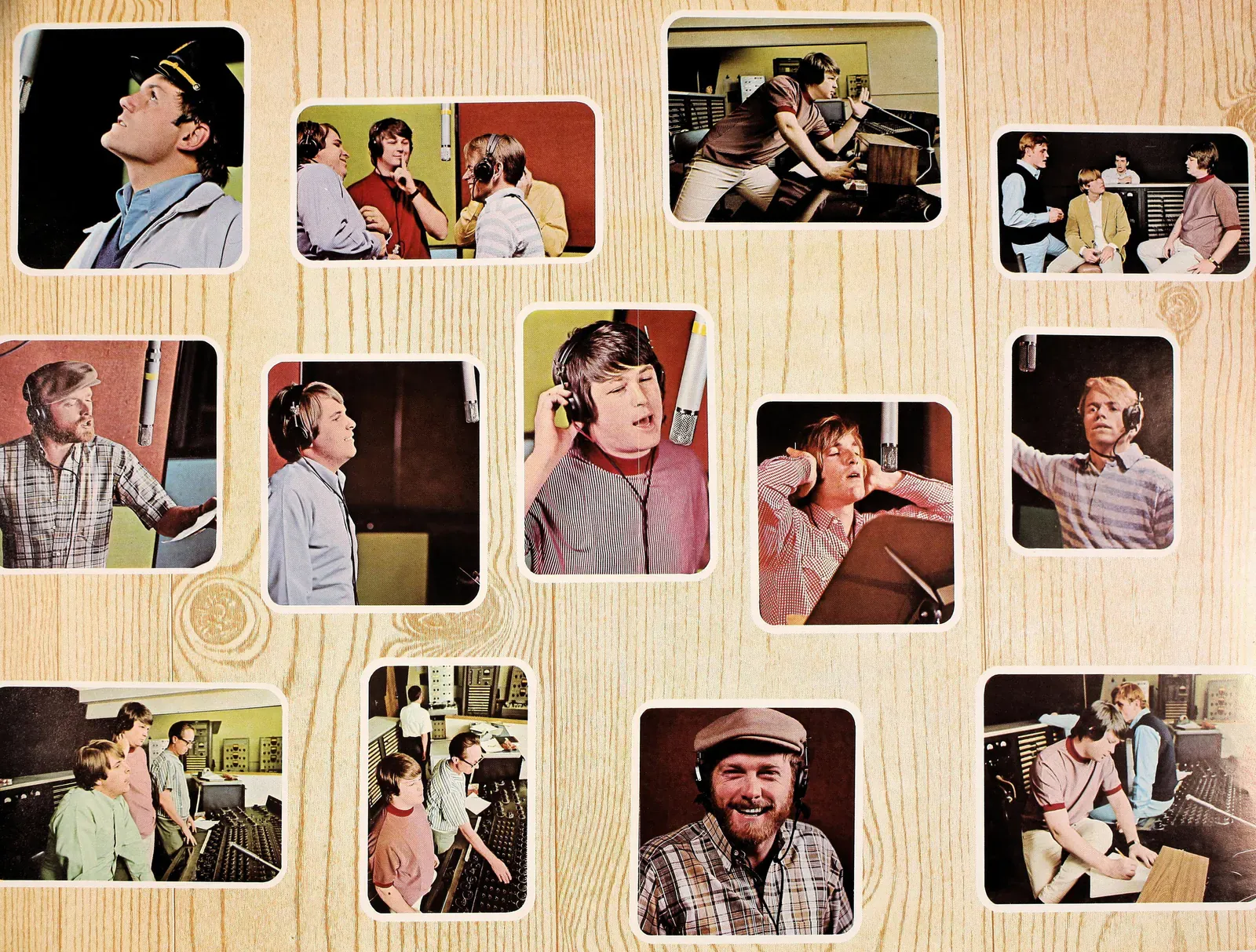
The style grew out of the West Coast studio scene of the mid-1960s, where songwriters and producers mixed folk, rock and psychedelic influences with the craft of mainstream pop. Two figures stand at the root. John Phillips of the Mamas & the Papas supplied the template of choral harmony over a folk-rock base, while Brian Wilson’s Pet Sounds, released in May 1966, showed Los Angeles producers what orchestration and studio layering could do for a pop record. The Beach Boys themselves only rarely wrote in the style, so most histories treat them as an influence rather than a member. Burt Bacharach’s arrangements are the other frequently cited source.
The label arrived late. The phrase “LA-style sunshine pop” appeared in print in 1993, and a September 1997 magazine feature by Peter Doggett is credited with fixing the name. Because the records were never marketed as a genre, its edges remain blurred, and the same acts turn up in bubblegum, folk-pop, garage rock and psychedelia collections.
California, 1965-1966
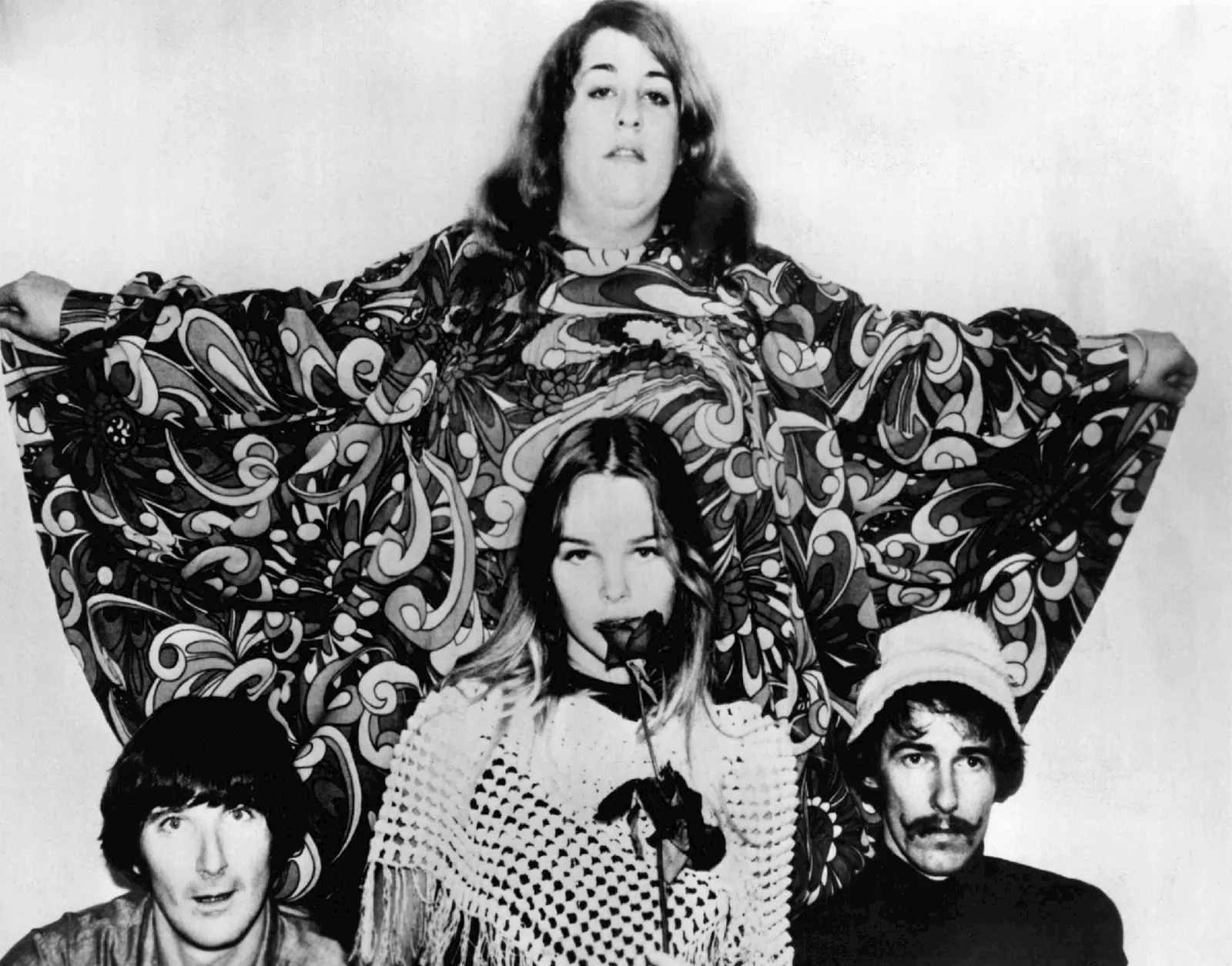
The Mamas & the Papas formed in New York and released “California Dreamin’” in December 1965. In 1966 the group had three transatlantic hits: “California Dreamin’” (number 4), “Monday, Monday” (number 1) and “I Saw Her Again” (number 5). Their debut album, If You Can Believe Your Eyes and Ears, was produced by Lou Adler and reached number one on the Billboard 200.
At the same time Curt Boettcher, a folk musician from Minnesota who had moved to Los Angeles, was producing the Association. Their “Along Comes Mary” appeared in March 1966, and “Cherish” in August went to number one on the Hot 100 for three weeks that September. The two singles blended jazz vocal arrangements, folk-rock and pop, and they made the Association a staple of AM radio at a time when FM rock was growing heavier. Van Dyke Parks recorded “Come to the Sunshine” in early 1966 and released it in September, ahead of the wave of sunlit song titles that followed.
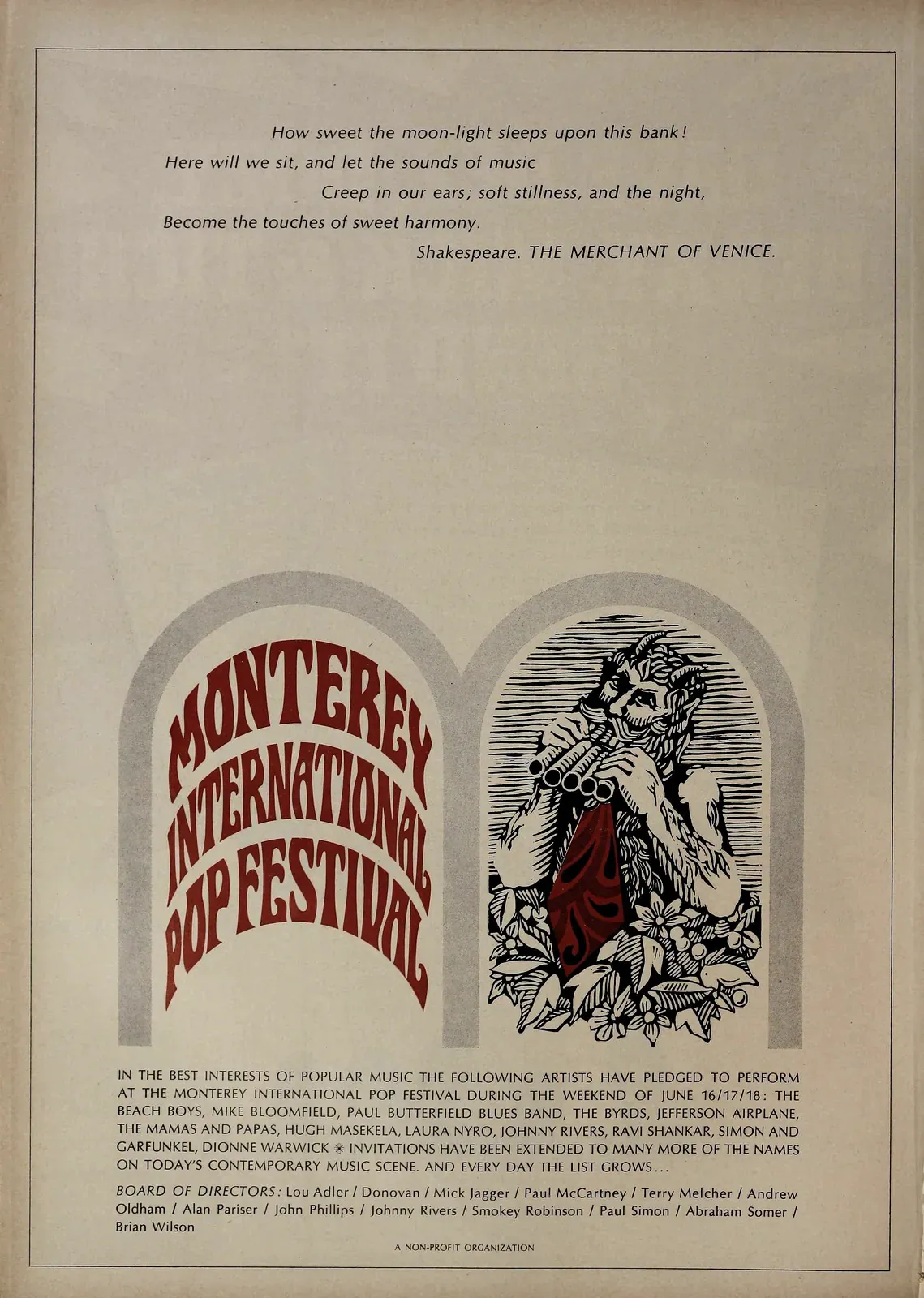
Proliferation, 1967-1968
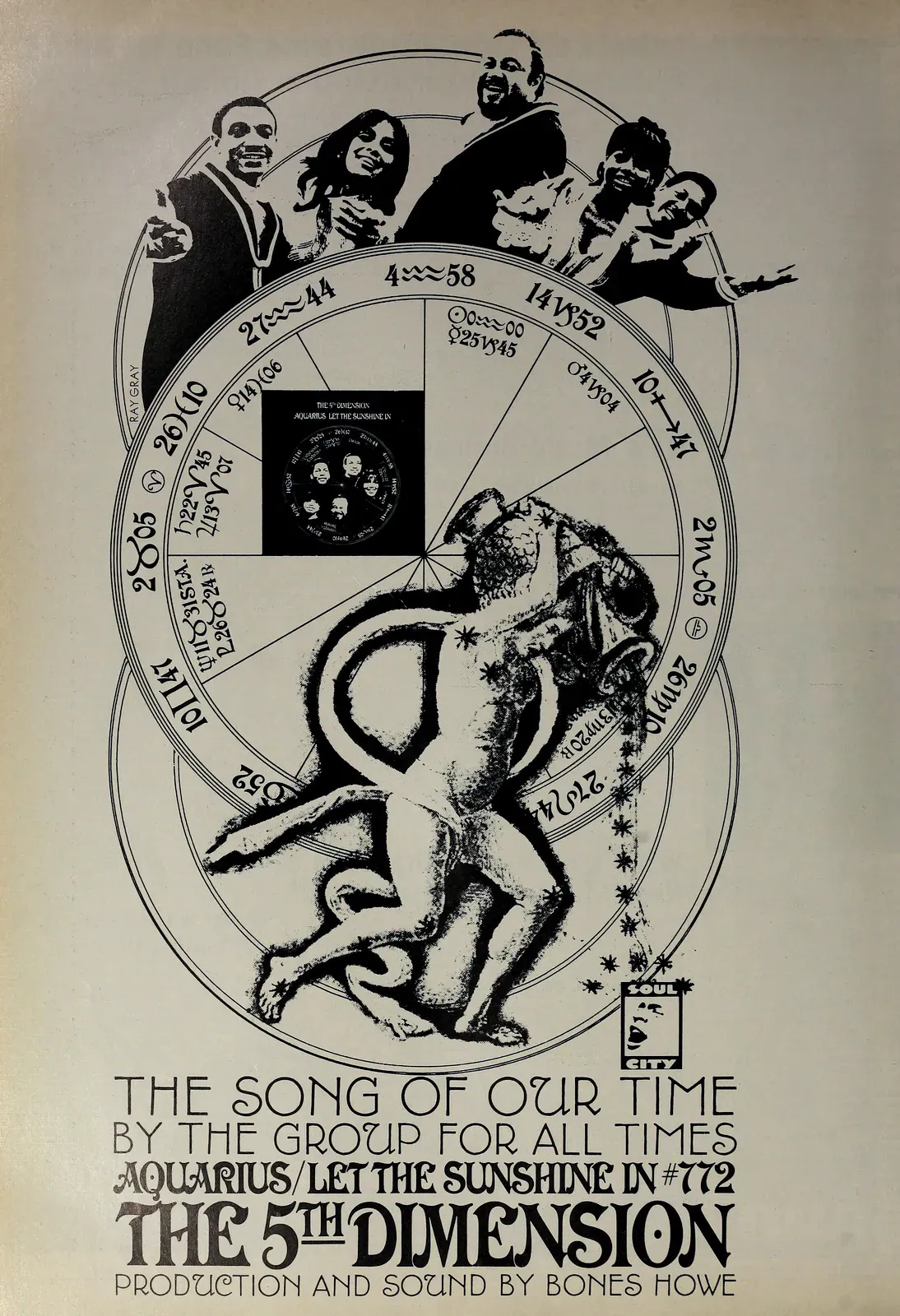
After the 1966 breakthroughs, many new groups appeared, including the Cyrkle, Harpers Bizarre, Spanky & Our Gang and the 5th Dimension. Most were sound-alikes of the Mamas & the Papas or the 5th Dimension and did not last. The 5th Dimension were the main exception: their 1967 single “Up, Up and Away,” written by Jimmy Webb, reached number 7 and won five Grammys at the 1968 ceremony, including Record of the Year and Song of the Year.
Boettcher moved to Columbia Records with the producer Gary Usher and worked on two studio projects. Sagittarius, Usher’s group, reached the lower part of the Hot 100 in 1967 with “My World Fell Down,” which had Glen Campbell, Bruce Johnston and Terry Melcher sharing lead vocals. Boettcher’s own group, the Millennium, recorded Begin between March and August 1968. It was the second album made on sixteen-track equipment and the most expensive studio album recorded by that date, yet it did not chart in the United States or Britain.
The sound spread beyond California. The Free Design, a family group from Delevan, New York, worked on smaller means, and in Spain acts such as Pic-Nic, Granada Los Ángeles and Los Iberos had success in 1968. The Turtles even recorded a 1967 Pepsi jingle in the manner.
Soft rock and decline, 1969-1989
In 1968 many musicians shifted toward heavier, longer rock pieces. Costly productions such as the Millennium’s Begin and Sagittarius’s Present Tense, both issued by Columbia in 1968, failed commercially and reduced the standing of Boettcher and Usher.
Soft rock continued in the 1970s, led by the Carpenters, whose hits were written by Bacharach, Paul Williams and Leon Russell. Fleetwood Mac’s 1977 album Rumours then established a plainer form of soft rock that dropped the wordless vocal harmonies of the 1960s. The earlier acts mostly faded, though their records later became prized by collectors.
Collector revival, 1990-present
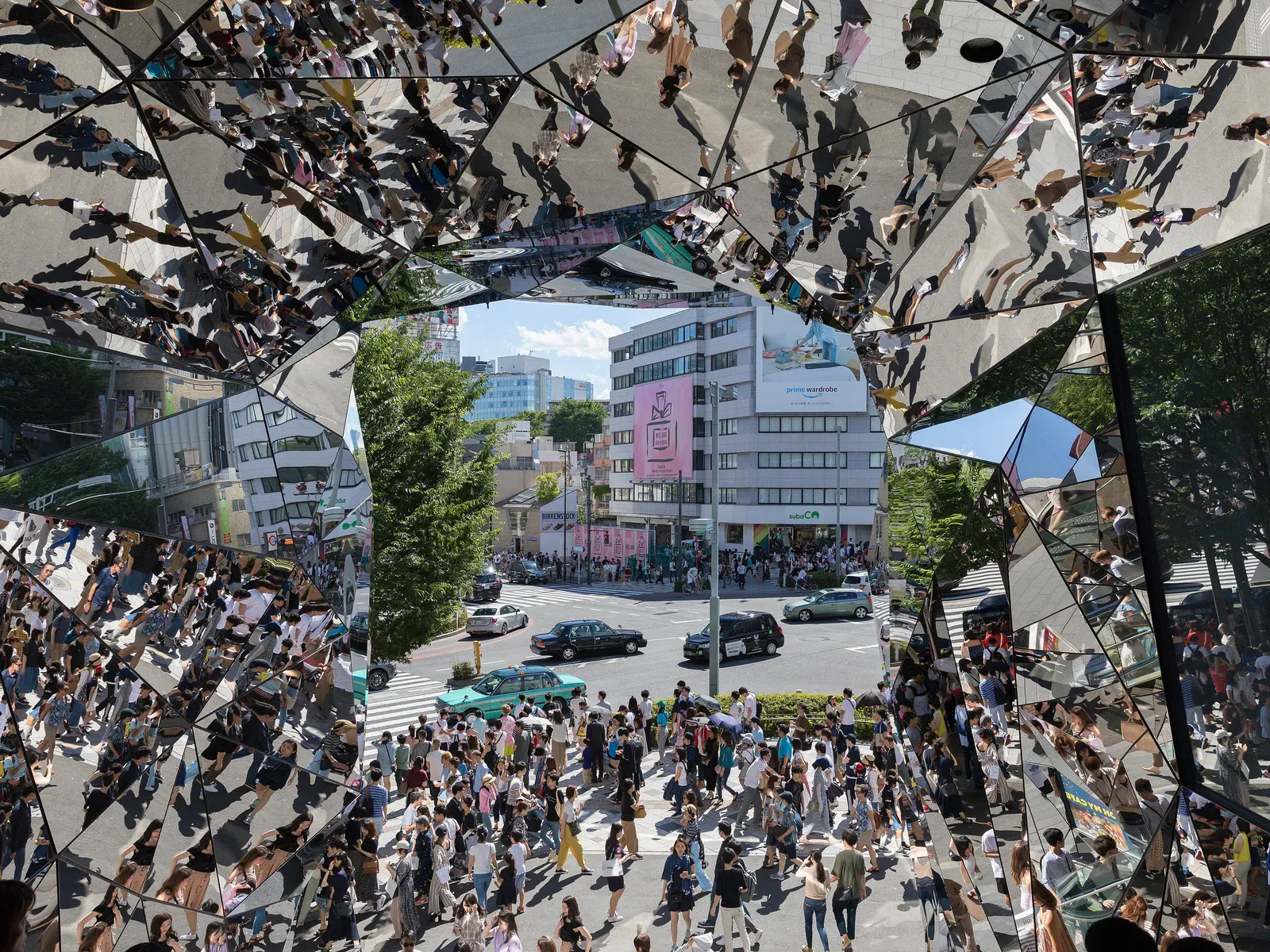
Collecting began in Japan in the early 1990s. In Tokyo, Shibuya-kei bands such as Pizzicato Five and Flipper’s Guitar took the group Roger Nichols & the Small Circle of Friends as a central influence, joining the upbeat 1960s manner to contemporary electronics. Saint Etienne, the High Llamas and the Wondermints drew on it too.
Reissue labels including Collector’s Choice and Sundazed returned obscure recordings to print. Rhino Handmade released the 24-track anthology Come to the Sunshine: Soft Pop Nuggets from the WEA Vaults in 2004, and further series followed in the United States, Britain, Japan and Germany by 2008.
Characteristics
The defining traits are multi-part harmony vocals, lush orchestration, studio-centred production and idyllic lyrics. The words often pair sunlit images with a subtle awareness of social change and a hint of melancholy, and they generally avoid overt drug references even when psychedelia colours the arrangement. One critic’s definition calls it folk-rock-influenced pop, not folk-influenced rock, often in an easy-listening mould. Tempo sits in a moderate range; the sampled recordings fall between roughly 90 and 160 beats per minute.
Group names often referred to fruits, colours or cosmic ideas.
Instruments and production
Sessions relied on the Los Angeles studio musicians later called the Wrecking Crew. The basic track of “Up, Up and Away” was laid down on 22 February 1967 by Hal Blaine on drums, Larry Knechtel on keyboards, Gayle Levant on harp, Joe Osborn on bass, Johnny Rivers and Tommy Tedesco on guitar and Webb on piano, with Bud Shank’s piccolo and Tony Terran’s trumpet prominent in the arrangement. “Kites Are Fun” used acoustic guitar, bass guitar, tambourine, soft drums and flute.
Multitrack recording made the blends possible, and the Millennium’s use of sixteen tracks was an early example. Keys were mostly major: “Kites Are Fun” moves between E and A major, while “Along Comes Mary” is composed in the Dorian mode.
Mainstream success
Success was concentrated in 1966 and 1967. The Mamas & the Papas and the Association had number-one singles, the 5th Dimension won the major Grammy categories, and a small number of other acts reached the top 40, such as the Sunshine Company with “Back on the Street Again” in 1967. Most groups made no more than one or two singles.
Notable recordings
“California Dreamin’” is the clearest model of choral pop with a folk base. “Cherish” is the pure case of the Boettcher-produced soft pop sound, and “Up, Up and Away” is often called a canonical example, with hot-air balloons as its theme and a Grammy sweep behind it. “Kites Are Fun” by the Free Design was the group’s only charting song, reaching number 114 on the Bubbling Under Hot 100 and number 33 on the adult contemporary chart. “Begin” is the studio extravagance, long afterwards called a lost classic.
Legacy
Sunshine pop was a central influence on Shibuya-kei, and groups such as Belle and Sebastian, Stereolab and Cornelius have been named as admirers of the Free Design. Reissues have given records that 1960s critics ignored a new audience.
Misconceptions
It is often assumed that the Beach Boys were a sunshine pop band. Their records, especially Pet Sounds, influenced it heavily, but their own output mostly diverged from its core traits. Another belief treats it as bubblegum; bubblegum leans on repetitive structures and simple themes, while the stronger sunshine pop records show more emotional range. A third myth holds that the acts called themselves sunshine pop; the name was coined retrospectively, around the 1990s.
Frequently asked questions
What is sunshine pop?
Sunshine pop is a style of Californian pop from the mid- to late 1960s, marked by harmony vocals, lush orchestration and optimistic lyrics, rooted in folk rock and easy listening. It was first called soft pop.
Which bands are sunshine pop?
The Association, the Mamas & the Papas, the 5th Dimension, the Free Design, the Millennium and Sagittarius are the names most often cited. Harpers Bizarre, Spanky & Our Gang and the Yellow Balloon are also associated with it.
When did sunshine pop start?
It began in 1965 and 1966 with the Mamas & the Papas’ first hits and the Association’s records produced by Curt Boettcher. Most of its commercial peak fell in 1967.
Is sunshine pop the same as soft rock?
They overlap. Sunshine pop was originally filed under soft rock and soft pop, and it is treated as an early variant of soft rock, but the later soft rock of the Carpenters and Fleetwood Mac dropped much of its wordless harmony and orchestral decoration.
Why was sunshine pop revived?
Collectors in Japan, Shibuya-kei bands and reissue labels reassessed the records from the early 1990s onward, and the 2004 anthology Come to the Sunshine brought them to a wider audience.
Sound
Sound sheet
Signature sounds
- Multi-part harmony vocals
- Lush orchestral arrangements
- Idyllic lyrics with melancholic undertones
Drums and percussion
- Drum kit
Techniques
- Multi-part harmony arrangement
- Orchestral overdubs
- Multitrack studio production
Keys and modes
Major keys. Kites Are Fun moves between E and A major.
Dorian mode. Along Comes Mary is composed in it.
Vocals
Rich group harmonies in an optimistic, sung-sweet style.
Scenes
Where it happened
Where and when the sound lived: one bar per city on a shared timeline.
North America
Asia
Active scenes
Peak 2, 1967-2025
Home of the session players, producers and groups behind the style.
The Free Design, a family vocal group, made sunshine pop on smaller means in New York state.
Collectors and Shibuya-kei bands revived the sound in the early 1990s.
Venues and places
Monterey, 1967 to today. The Association opened the 1967 festival.
Culture
Culture markers
- Fruit, colour and cosmic group names
Acts often took names referring to fruits, colours or cosmic ideas.
Slang
Media
Key media
- 1993Fuzz, Acid and Flowers
by Vernon Joynson. Early printed use of the phrase LA-style sunshine pop.
Book - 2004Come to the Sunshine: Soft Pop Nuggets from the WEA Vaults
by Various. Rhino Handmade anthology of 24 tracks from the Warner library.
Compilation
Glossary
Terms on this page
The Los Angeles studio style formulated by Brian Wilson and Terry Melcher that sunshine pop reworked.
Tokyo movement of the early 1990s that reused the upbeat sound of 1960s Californian pop.
The original label for the style, which was also first called soft rock.
A group imitating the Mamas & the Papas or the 5th Dimension, as most sunshine pop acts did.
The Los Angeles session players, such as Hal Blaine, who backed many 1960s pop records.
Pop family