Psychedelic pop
Psychedelic pop joins melodic, tightly structured pop songs to the studio effects of psychedelia, emerging in 1966-67 and returning in later revivals.
United States, United Kingdom, 1966
Pop family
Born
1966
United States, United Kingdom
Links
13
Genres it drew on or shaped
Tempo
95-145 BPMLineage
Family tree
Grew out of
Derived from
United States, United Kingdom, 1966
Psychedelic pop
Led to (1)
Timeline
Era by era
From the first sparks to today. Select a dot to read the story behind it.
- Pop goes into the studio
1966 to 1968
- Late hits and retreat
1969 to 1972
- Neo-psychedelic revivals
1979 to today
Eras
Moments
- 1 Pop goes into the studio, 1966 to 1968
- 2 Late hits and retreat, 1969 to 1972
- 3 Neo-psychedelic revivals, 1979 to today
1966
Pop goes into the studio
After Pet Sounds and Revolver in 1966, chart acts used tape effects, fuzz guitar and Indian instruments inside tight melodic songs, from Good Vibrations to Strawberry Fields Forever.
- 1966Pet SoundsBrian Wilson's Capitol album, released on 16 May, widely credited with pushing mainstream pop acts toward psychedelic production.
- 1966RevolverReleased 5 August, it used automatic double tracking, varispeed and reversed tapes, and is seen as the start of the Beatles' psychedelic period.
- 1966Good Vibrations singleReleased 10 October after sessions at four Hollywood studios from February to September, it topped charts in the US and UK.
- 1967Strawberry Fields Forever / Penny LaneThe double A-side of 13 February used reversed tapes, Mellotron and a swarmandal, and reached number 2 in the UK and number 8 in the US.
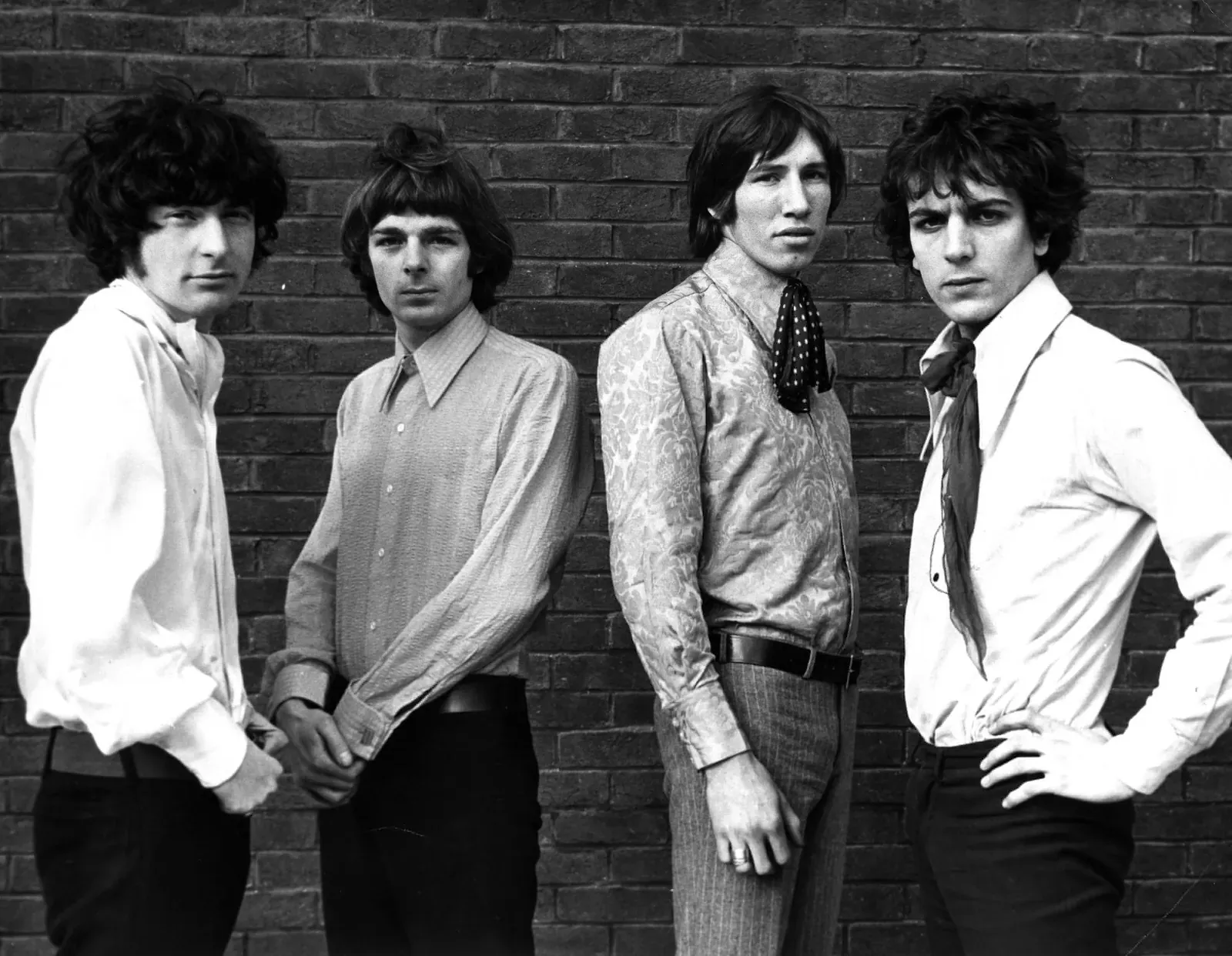
- 1967Arnold Layne and See Emily PlaySyd Barrett's two Pink Floyd singles helped set the pattern for pop-psychedelia in Britain.
- 1967Sgt. Pepper's Lonely Hearts Club BandReleased 26 May, it advanced the producer's role, psychedelic imagery and record sleeve design in popular music.
- 1967The Piper at the Gates of DawnPink Floyd's debut, recorded at Abbey Road with reverb, echo and automatic double tracking, mixed Barrett's short pop songs with long improvisation.
- 1967ButterflyThe Hollies' album of 1 November, written entirely by Nash, Clarke and Hicks, was the band's pop-oriented take on psychedelia.
- 1968Odessey and OracleThe Zombies, dropped by Decca, paid for the sessions themselves; the album came out on 19 April in the UK to indifference.
1969
Late hits and retreat
Psychedelic folk and rock retreated into roots rock, progressive rock and heavy rock, while psychedelic touches lingered in pop into the early 1970s, as with the late hit Time of the Season.
- 1969Time of the Season becomes a US hitReleased in the US on Date Records at Al Kooper's urging, the third single from Odessey and Oracle became a hit after the band had dissolved.
around 1979
Neo-psychedelic revivals
Neo-psychedelia grew from British post-punk in the late 1970s; Prince and Lenny Kravitz dabbled, and from the 2000s MGMT, Animal Collective and Tame Impala brought the sound back to wide audiences.
- 1979Neo-psychedelia emergesA psychedelic revival grows out of British post-punk in the late 1970s, later feeding dream pop and shoegaze.
- 2007Oracular SpectacularMGMT's debut, produced by Dave Fridmann and promoted by Time to Pretend, Electric Feel and Kids, was released on 2 October.
- 2009Merriweather Post PavilionAnimal Collective's album, released 6 January on Domino, used samplers, synthesizers and heavy reverb and influenced the following decade.
- 2012LonerismTame Impala's second album, written and produced by Kevin Parker, was nominated for a Grammy for Best Alternative Music Album.
Listening path
Start listening
A short path from an easy way in to the deep end. Thumbnails come from YouTube; the player loads only when you press play.
- 01
The Beach Boys, 1966
The modular pocket symphony; listen for the cello in the refrain and the Electro-Theremin lead.
- 02
The Beatles, 1967
Reversed instruments, Mellotron flute and swarmandal behind a pop song.
- 03
Pink Floyd, 1967
Syd Barrett's British pop-psychedelia single.
- 04
The Zombies, 1968
The late US hit from Odessey and Oracle, a success after the band had dissolved.
- 05
Tame Impala, 2015
The revival sound: studio-built, synthesizer-led psychedelic pop.
Facts
| Family | Pop |
| Origin | United States, United Kingdom |
| Emerged | Mid-late 1960s |
| Status | Active |
| Tempo | 95 to 145 BPM |
| Meter | 4/4 |
| Grew out of | Psychedelic rock |
Psychedelic pop, also called acid pop, is a style of pop that pairs the sounds of psychedelia with melodic songs built on tight structures. It developed in the mid-to-late 1960s in the United States and Britain and lasted into the early 1970s.
Fuzz guitars, tape manipulation, backwards recording, sitars and Beach Boys-style harmonies are its marks. Later neo-psychedelic acts have revived it several times.
Origins
The style grew out of the studio. In 1966 Brian Wilson of the Beach Boys released Pet Sounds on Capitol, an album that blended pop, jazz, exotica, classical and avant-garde elements with layered vocal harmonies and found sounds. One music journalist credits it with sparking a psychedelic pop revolution: psychedelic rock already existed among garage bands, but Pet Sounds pushed mainstream pop acts toward the culture.
The Beatles answered the same year. Revolver, issued on 5 August 1966, was their most overt use of studio technology so far, with automatic double tracking, varispeed, reversed tapes and instruments outside the band’s live set-up. Commentators treat it as the start of the group’s psychedelic period, and its Tomorrow Never Knows rests on a heavy Indian drone. The band did not plan to play the material live, so the studio itself became the performance space.
Pop as a form stayed intact. Verse and chorus survived, along with short running times and singable tunes, and the strangeness sat in the arrangement. That separates the style from underground psychedelic rock, where long improvisation was common.
1966 to 1968: pop in the studio
Good Vibrations, released as a single on 10 October 1966, set the standard. Wilson built it from dozens of fragments recorded with the Beach Boys and more than 30 session musicians across four Hollywood studios between February and September 1966. More than 90 hours of tape were used, which made it the costliest and longest-to-record pop single of its day. The track shifts texture and mood abruptly, uses a juddering cello rhythm in the refrain and an Electro-Theremin, and was promoted as a pocket symphony. It topped charts in the United States and Britain, and it is credited with advancing the studio’s role as an instrument. Wilson later pursued the unfinished album Smile, and despite his objections the single instead appeared on the 1967 release Smiley Smile.
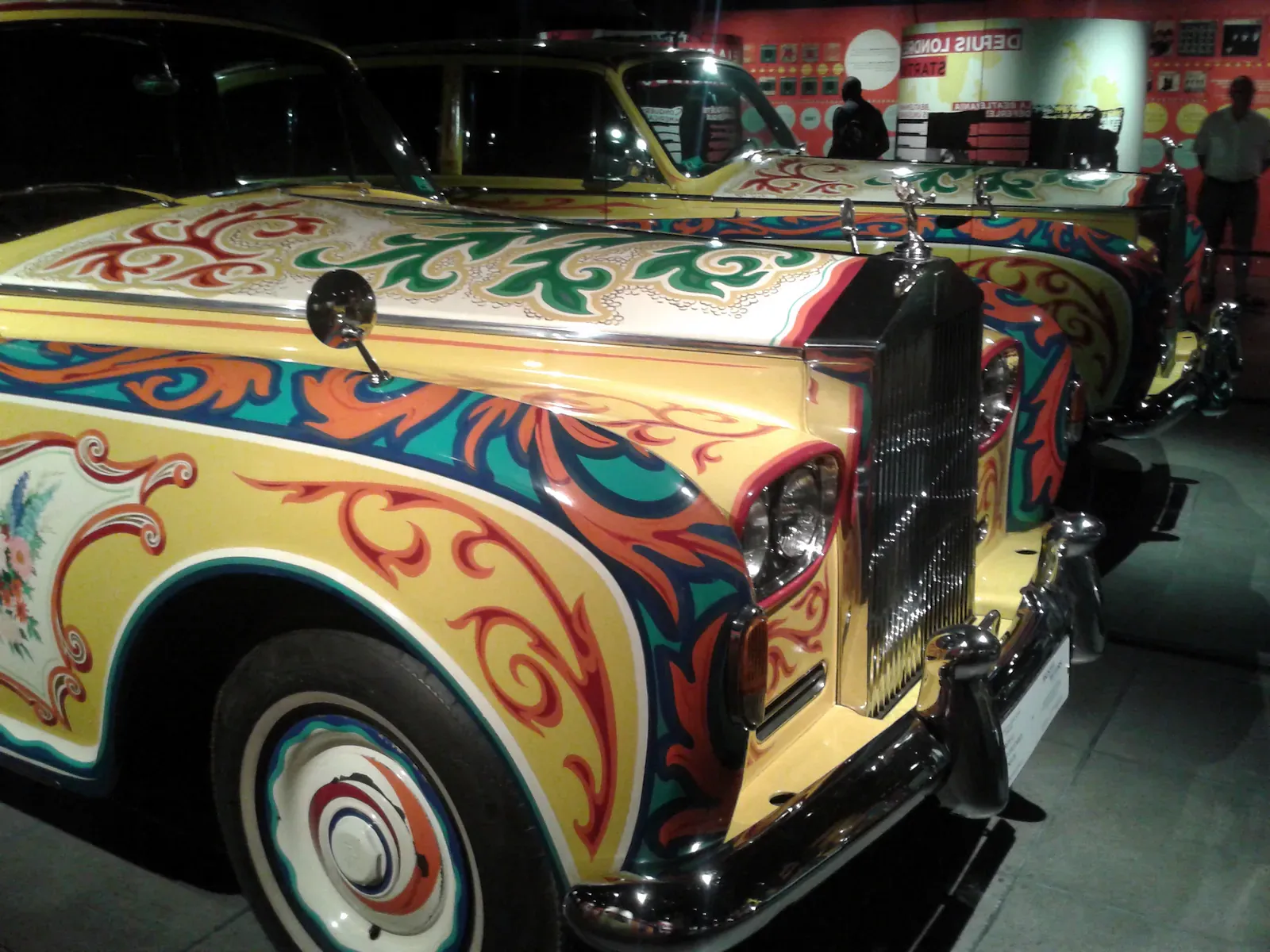
Britain followed quickly. On 13 February 1967 the Beatles issued Strawberry Fields Forever and Penny Lane as a double A-side on Parlophone. John Lennon wrote the first from childhood memories of a Salvation Army children’s home in Liverpool. The band spent 45 hours in the studio over five weeks and joined two versions that differed in tempo, mood and key. The result carries reverse-recorded instrumentation, Mellotron flute sounds, an Indian swarmandal and a cello and brass arrangement by George Martin. The single peaked at number 2 in Britain and number 8 in the United States, and its promotional film is recognised as an early music video. Sgt. Pepper’s Lonely Hearts Club Band followed on 26 May 1967 and extended the role of the producer and the record sleeve.
Other British acts worked in the same space. Pink Floyd’s Arnold Layne and See Emily Play, written by Syd Barrett in 1967, helped set the pattern for pop-psychedelia in Britain, and the debut The Piper at the Gates of Dawn used reverb, echo and automatic double tracking at Abbey Road. The Hollies reached full psychedelia with Butterfly, released on 1 November 1967 and written entirely by Graham Nash, Allan Clarke and Tony Hicks.
1969 to 1972: late hits and retreat
By the end of the 1960s psychedelic folk and rock were in retreat. Surviving acts turned to roots rock, traditional or pastoral folk, the wider experiments of progressive rock or heavy riff-based rock. Psychedelic touches lasted a little longer in pop, into the early 1970s.
The best-known late success belongs to the Zombies. Odessey and Oracle was recorded between June and August 1967 at EMI and Olympic studios in London after Decca had dropped the band, and the group paid for the sessions itself. After signing with CBS the album came out in Britain on 19 April 1968 to critical and commercial indifference, and the band quietly dissolved. Time of the Season, a third single, became a surprise hit in the United States in early 1969 after Al Kooper, then a CBS staff producer, recommended its release on Date Records. The album gradually found a cult following and was ranked 80th on Rolling Stone’s list of the greatest albums of all time in 2003.
Characteristics
The genre label covers records that sit between two neighbours: not very “freaky” and not very “bubblegum” either. Effects from straight psychedelia were applied to concise pop songs, and the odd, occasionally awkward blends can be more interesting than average psychedelia, as on the Neon Philharmonic’s 1969 album The Moth Confesses. Related styles include baroque pop, which shares the orchestral touch of Pet Sounds and Odessey and Oracle, and bubblegum, the more commercial pole against which psychedelic pop is measured.
Instruments and production
The sound depends on recording technique more than on any single instrument. Fuzz guitar supplied distorted leads, while sitar and swarmandal brought Indian strings into British and American pop. Tape keyboards such as the Mellotron on Strawberry Fields Forever, and the Electro-Theremin on Good Vibrations, gave arrangements electronic or unreal timbres. Orchestral cello and brass arrangements coexisted with the tape tricks.
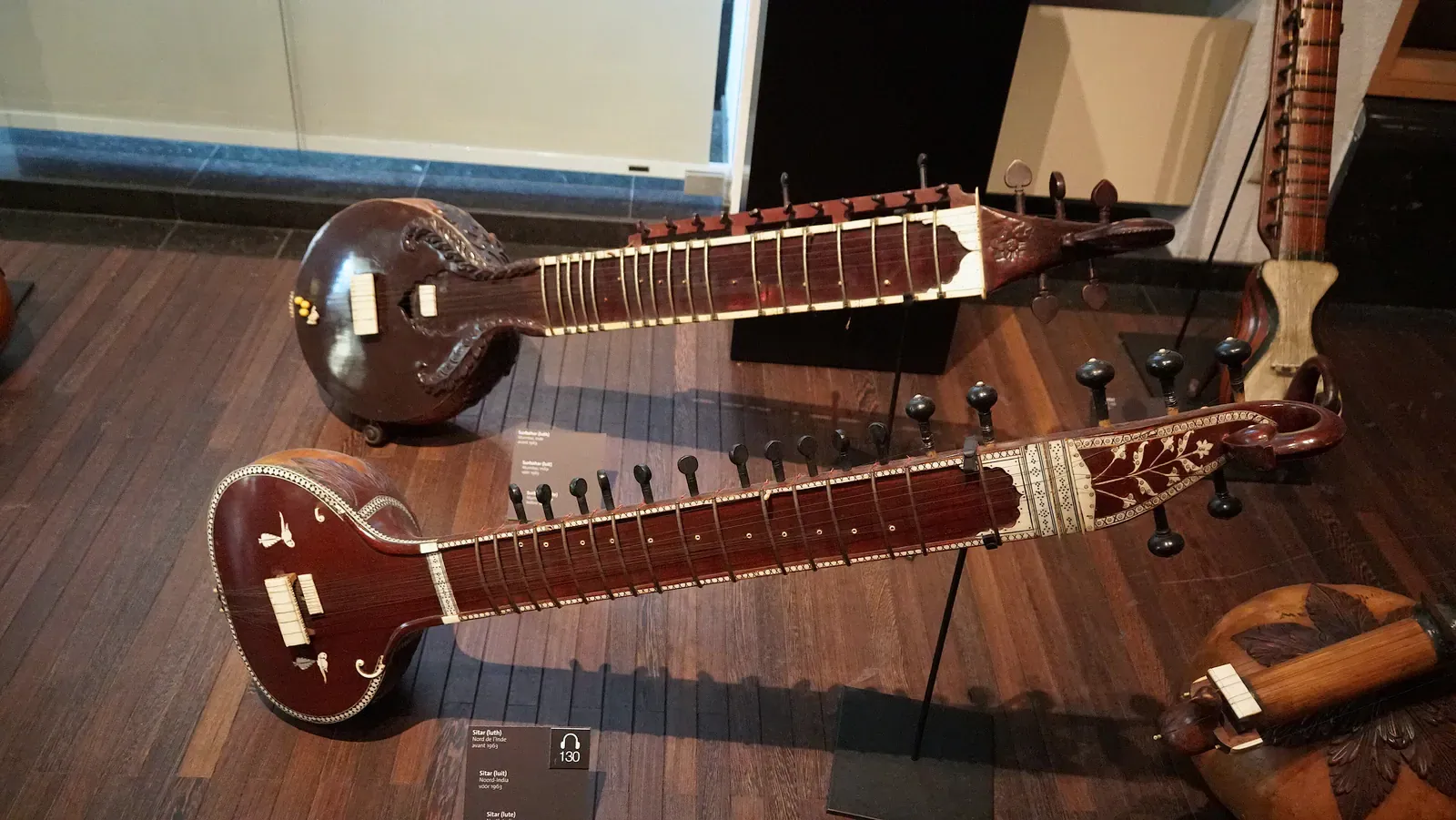
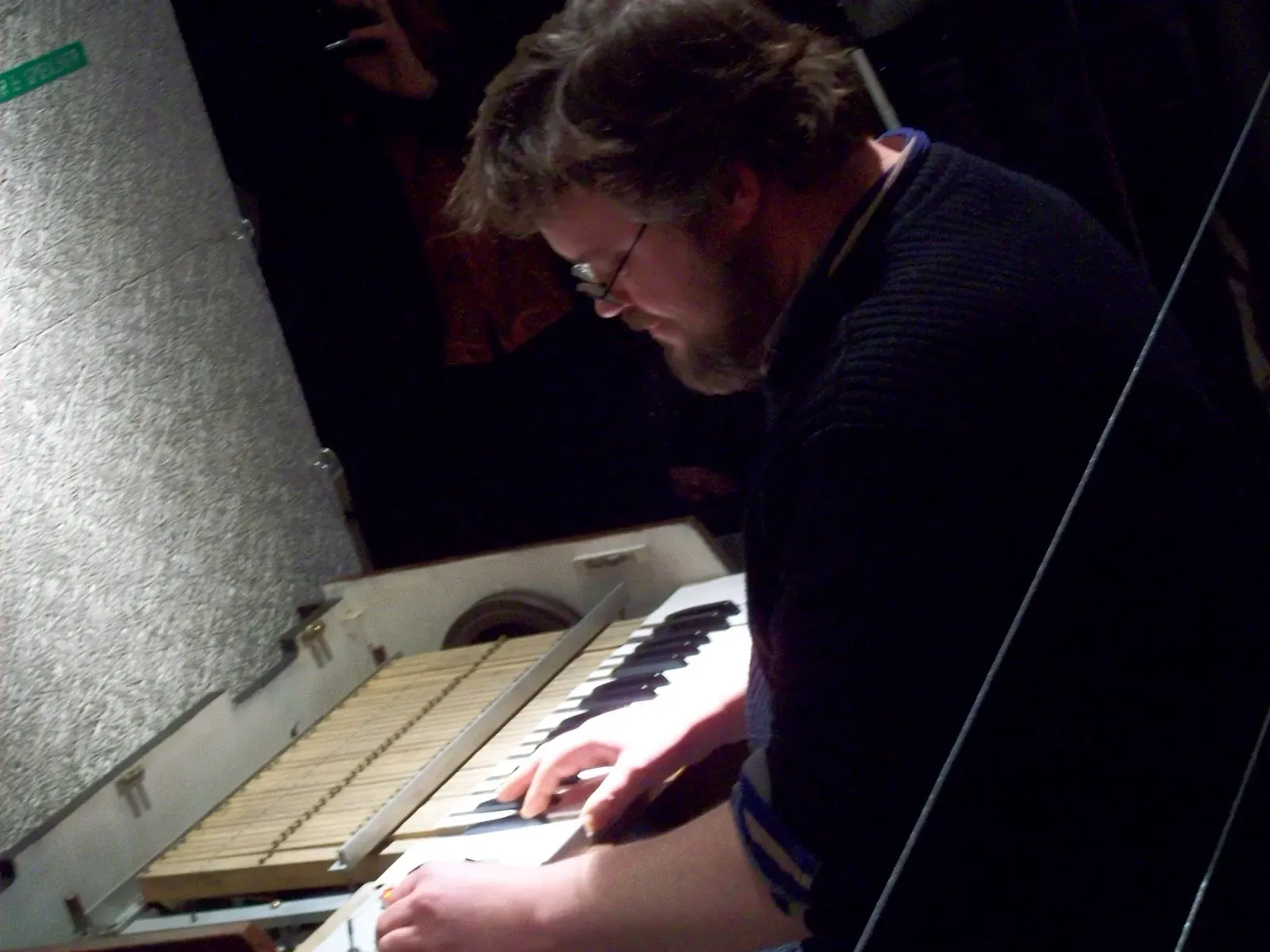
Tape provided the rest. Reversed tapes appear on Revolver and Strawberry Fields Forever, automatic double tracking thickened voices and guitars on Revolver and The Piper at the Gates of Dawn, and Wilson’s modular method cut Good Vibrations from many short takes. Close, layered harmony in the Beach Boys manner was the vocal model.
Revivals
Neo-psychedelia emerged in the late 1970s from British post-punk and drew on 1960s production and songwriting. Some mainstream acts dabbled in the psychedelic pop mode, notably Prince in the mid-1980s and Lenny Kravitz in the 1990s, but the style has mostly belonged to alternative and indie bands. A British wave of alternative rock in the 1980s spawned dream pop and shoegaze.
MGMT’s debut Oracular Spectacular, produced by Dave Fridmann, appeared on 2 October 2007 with Time to Pretend, Electric Feel and Kids as singles. Animal Collective released Merriweather Post Pavilion on 6 January 2009 on Domino, built largely without guitars on samplers, synthesizers and prominent reverb, and its sound exerted a wide influence on music of the following decade.
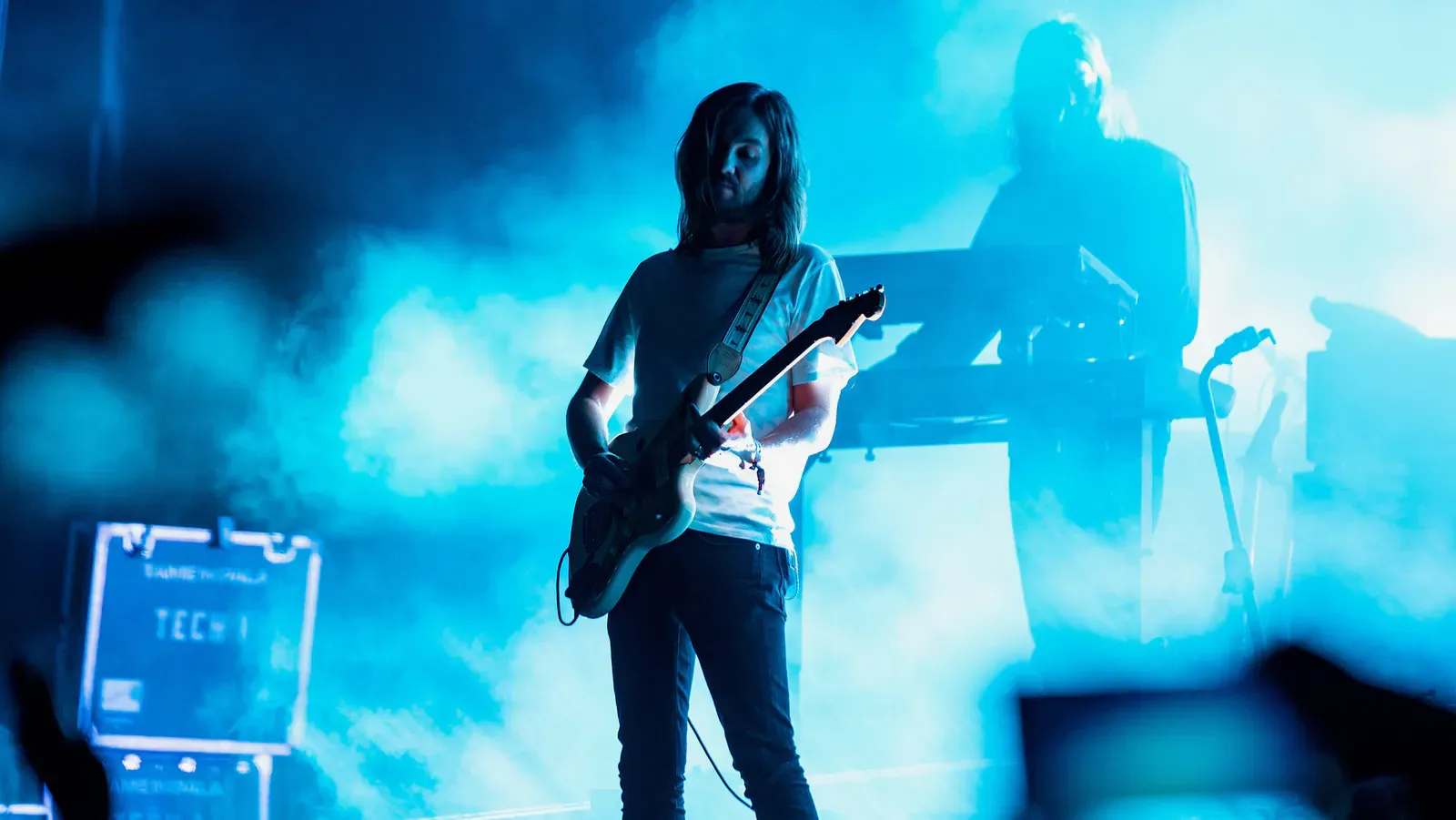
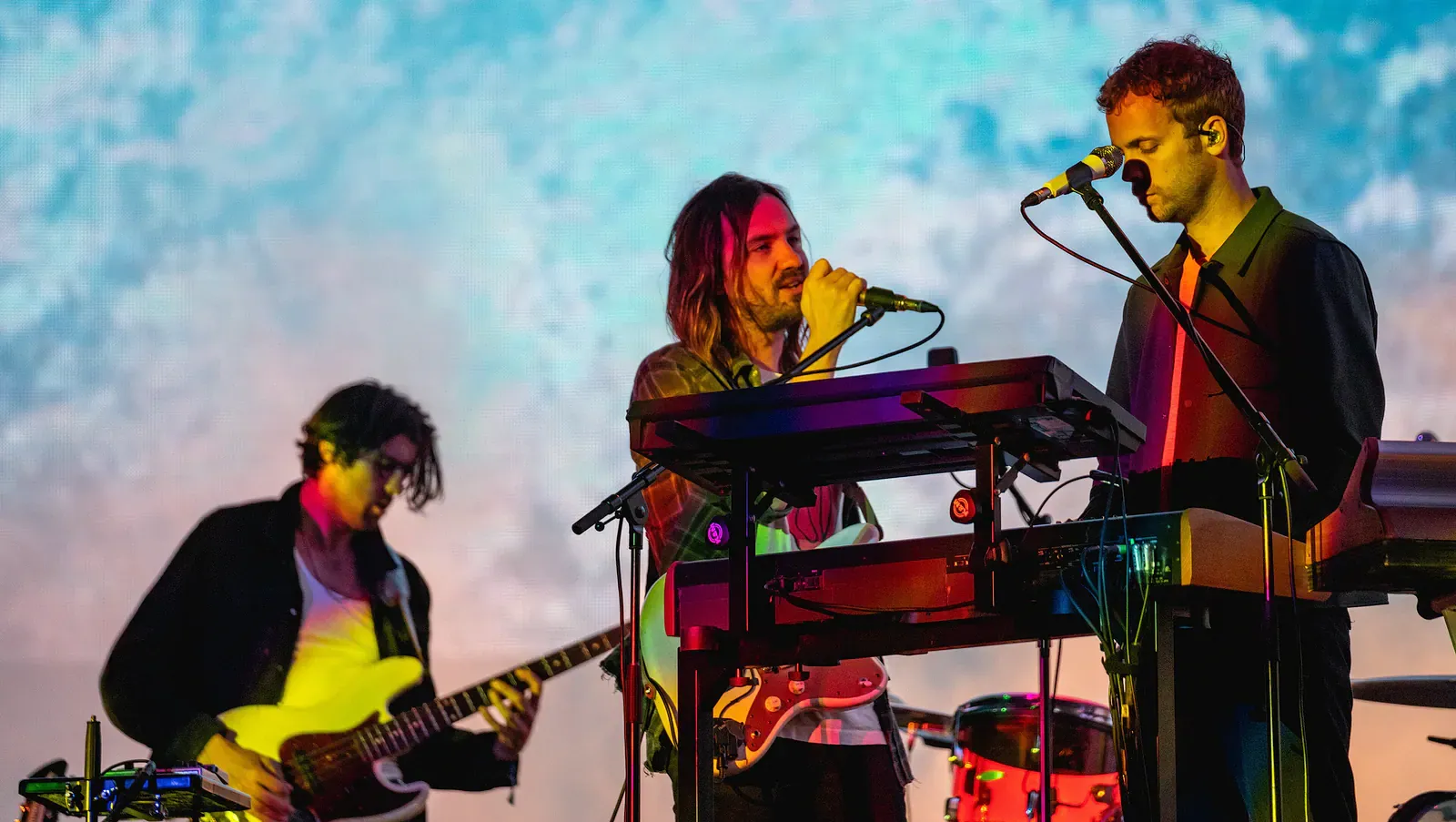
Tame Impala, the project of Perth musician Kevin Parker, began in 2007. After the debut Innerspeaker in 2010, the second album Lonerism in 2012 was nominated for a Grammy for Best Alternative Music Album.
Legacy
Good Vibrations is credited with raising the standing of popular music as an art form, and Sgt. Pepper was associated with fashion, mysticism and a sense of optimism in youth culture. The pairing of unusual sound and a melodic song runs through the revivals, from the neo-psychedelic wave of the late 1970s to the indie acts of the 2000s.
Misconceptions
The genre is not simply psychedelic rock with a softer image. Its songs are short and tightly structured, which sets them apart from the long improvised pieces of the underground, and the genre’s identity lies in that pairing.
It was not confined to the studio. Many records were built there, but some organic exceptions had a bright, melodic psychedelia.
Odessey and Oracle was not a hit on release. It met critical and commercial indifference in 1968, the band dissolved, and the album gained its reputation gradually, after Time of the Season reached the United States charts in 1969.
Frequently asked questions
What is psychedelic pop?
Psychedelic pop is pop music with the effects of psychedelia: fuzz guitar, tape manipulation, backwards recording, sitar and rich harmony, wedded to tightly structured melodic songs. It arose in the mid-to-late 1960s.
Which records started psychedelic pop?
Pet Sounds and Revolver in 1966 and the single Good Vibrations that October are the usual starting points. Strawberry Fields Forever and Penny Lane followed in February 1967 and are described as a prototype for the style.
What is the difference between psychedelic pop and psychedelic rock?
Psychedelic pop keeps the compact song form and melodic focus of pop. Psychedelic rock, which grew among garage bands, is the wider style that psychedelic pop derives from.
Which modern bands play psychedelic pop?
Tame Impala, MGMT and Animal Collective are the best-known acts of the revival that began in the 2000s, all drawing on the neo-psychedelic tradition.
Sound
Sound sheet
Signature sounds
- Fuzz guitar
- Tape manipulation and backwards recording
- Sitar and other exotic timbres
- Beach Boys-style close harmony
- Melodic songs with tight structures
Techniques
- Reversed tape
- Modular recording
- Automatic double tracking
- Heavy reverb
Vocals
Layered close harmonies in the Beach Boys manner, often over a lead melody.
Scenes
Where it happened
Where and when the sound lived: one bar per city on a shared timeline.
Europe
North America
Oceania
Active scenes
Peak 4, 2007-2025
EMI's Abbey Road and the UFO Club scene produced the Beatles, Pink Floyd and the Hollies' psychedelic pop.
Hollywood studios where Brian Wilson assembled Good Vibrations from modular fragments.
Kevin Parker conceived Tame Impala here in 2007.
Home area of Animal Collective, formed in 1999.
Culture
Culture markers
- Good vibes
A niche slang term that entered mainstream use after Good Vibrations.
Slang - Psychedelic sleeve design
Sgt. Pepper advanced the role of the record sleeve in popular music.
Artwork - Flower power
The counterculture imagery the Beach Boys' lyrics were linked with.
Ritual
Glossary
Terms on this page
Alternative name for psychedelic pop.
Tape process that copies a voice or instrument with a slight delay, thickening the sound.
Playing tape in reverse to create swirling, inverted sounds.
Genre that draws on 1960s psychedelic production and songwriting, from the late 1970s onward.
Promotional label for Good Vibrations, a short single built from contrasting sections.
Pop family