Bubblegum pop
Bubblegum pop is sweet, sing-along pop sold to children and young teenagers, built in New York studios from 1967 and led by Sugar, Sugar in 1969.
United States, 1967
Pop family
Born
1967
United States
Subgenres
1
Documented branches
Links
22
Genres it drew on or shaped
Tempo
105-135 BPMLineage
Family tree
Grew out of
Derived from
Derived from
Influenced by
United States, 1967
Bubblegum pop
Timeline
Era by era
From the first sparks to today. Select a dot to read the story behind it.
- Novelty hits and garage pop
1965 to 1967
- New York song factories
1967 to 1969
- Cartoon bands and sitcom families
1969 to 1972
- Influence and afterlife
1973 to today
Eras
Moments
- 1 Novelty hits and garage pop, 1965 to 1967
- 2 New York song factories, 1967 to 1969
- 3 Cartoon bands and sitcom families, 1969 to 1972
- 4 Influence and afterlife, 1973 to today
1965
Novelty hits and garage pop
Cute novelty singles, garage rock and the Brill Building craft supplied the ingredients, from Herman's Hermits to the Lemon Pipers, before anyone sold them as a category.
- 1966The Monkees reach televisionThe TV band shows pop could be packaged for young viewers; the dispute with its manager later pushes Don Kirshner towards a cartoon group.
1967
New York song factories
Super K Productions and Buddah Records turned out singles by studio-built acts such as the Ohio Express and the 1910 Fruitgum Company, and the name bubblegum stuck.
- 1967Little Bit O' Soul by the Music ExplosionA Super K production that reaches No. 2 on the Hot 100 in July 1967 and sells a million, establishing Kasenetz and Katz.
- 1967Buddah Records founded in New YorkArt Kass starts the label out of Kama Sutra and puts Neil Bogart in charge of day-to-day operations.
- 1967Beg, Borrow and Steal credited to Ohio ExpressA 1966 recording by the Rare Breed is remixed and reissued on Cameo-Parkway in August as the Ohio Express, a name Super K controls.
- 1967The Cowsills' The Rain, the Park & Other ThingsThe family group from Newport signs to MGM and reaches No. 2 on the Hot 100 with a gold single.
- 1968Green Tambourine tops the Hot 100The Lemon Pipers' Buddah single reaches No. 1 in February and is credited as the first bubblegum chart-topper.
- 1968Simon Says by the 1910 Fruitgum CompanyEntering the Hot 100 in January, the game-rhyme single peaks at No. 4 in the US and No. 2 in the UK.
- 1968Kasenetz and Katz coin the word bubblegumThey describe their records as like bubblegum music; Neil Bogart takes the phrase and markets it hard.
- 1968Yummy Yummy Yummy by Ohio ExpressA studio record with Joey Levine on lead vocals reaches No. 4 in the US in June and No. 5 in the UK.
- 1968The Banana Splits premiere on NBCHanna-Barbera's costumed bubblegum rock group hosts a Saturday-morning show from 7 September 1968.
- 1968Cameo-Parkway shut downThe Philadelphia label closes and Bogart takes his promotion team to Buddah.
1969
Cartoon bands and sitcom families
The Archies took Sugar, Sugar to the top of the 1969 charts, cartoon rock followed on Saturday mornings, and the Partridge Family carried the style onto prime-time television.
- 1969Dizzy by Tommy RoeBacked by Los Angeles session players, the song spends four weeks at No. 1 in March and reaches No. 1 in the UK in June.
- 1969Sugar, Sugar by the ArchiesFour weeks at No. 1 on the Hot 100 from September, eight weeks in the UK, and the top single of the year in both countries.
- 1969Sugar, Sugar goes to the MoonAstronaut Alan Bean takes it on a cassette for Apollo 12, and the crew bounces weightlessly to the beat.
- 1970The Partridge Family's I Think I Love YouIssued on Bell Records a month before the sitcom premiered, it tops the Hot 100 for three weeks and is named best-selling single of 1970.
- 1972Bubblegum fades from the chartsChanging trends in the industry end the run; Buddah moves into gospel, folk-country and R&B.
around 1973
Influence and afterlife
The chart run ended in the early 1970s, but the short songs and hooks fed punk rock, new wave and melodic metal, and the label keeps returning as a pejorative and a style.
Listening path
Start listening
A short path from an easy way in to the deep end. Thumbnails come from YouTube; the player loads only when you press play.
- 01
The Archies, 1969
The best-selling bubblegum single, a cartoon band singing a chorus built to be shouted along.
- 02
Tommy James & The Shondells, 1967
The garage-pop hit whose leader later said he unknowingly started the style.
- 03
1910 Fruitgum Company, 1967
A children's game turned into a pop single, the sound that made Buddah a bubblegum label.
- 04
Ohio Express, 1968
A studio-made hit with a riff the Beatles borrowed; listen for the simple chord riff and chant chorus.
- 05
Tommy Roe, 1969
A late-period hit with a stream of key changes, played by session musicians.
Facts
| Family | Pop |
| Origin | United States |
| Emerged | Late 1960s; peak 1968-1972 |
| Status | Revival |
| Tempo | 105 to 135 BPM |
| Meter | 4/4 |
| Grew out of | Brill Building, Garage rock |
| Subgenres | 1 |
Bubblegum pop is catchy, upbeat pop written and marketed for children and young teenagers, and the name also covers a specific American style of the late 1960s that grew out of garage rock, novelty songs and the Brill Building sound. Its classic years run from 1967 to 1972.
The records were singles with sing-along choruses and childlike themes, often made by studio musicians and released under a band name chosen by a producer.
Origins
No single record started bubblegum, and the ingredients were already in the charts. Cute novelty hits, from Herman’s Hermits to the Royal Guardsmen, had shown that a silly song could sell, and novelty songs, garage rock and the craft of Brill Building songwriters all fed the sound. The Lemon Pipers’ “Green Tambourine” and Tommy James and the Shondells’ “I Think We’re Alone Now” belong to this stretch, and James later said he had unknowingly invented the style in 1967.

Rock was meanwhile turning towards older listeners with darker lyrics and heavier rhythms, which left a younger audience that bought inexpensive singles.
New York song factories, 1967-1969
The business model arrived with two producers, Jerry Kasenetz and Jeffry Katz, who ran Super K Productions. Their first big success was “Little Bit O’ Soul” by the Music Explosion, which reached No. 2 on the Hot 100 in July 1967 and sold a million copies. That year Neil Bogart, who had run a regional office at Cameo-Parkway, joined the new Buddah Records and brought Super K with him. Cameo-Parkway had reissued “Beg, Borrow and Steal” in August 1967 under the name Ohio Express, a name Super K controlled, and the label itself was shut down soon after.
The word bubblegum came out of a conversation about the audience. Kasenetz and Katz described their target as teenagers and young kids who chewed bubblegum, and joked that the records were like bubblegum music. Bogart seized on the phrase and promoted it hard.
Buddah released the key records. “Green Tambourine” gave the label its first number one in February 1968, written by Paul Leka and Shelley Pinz after the Lemon Pipers’ own single had failed. The 1910 Fruitgum Company, a New Jersey group that began as Jeckell and the Hydes, reached No. 4 in the United States and No. 2 in the United Kingdom with “Simon Says”, whose title came from a children’s game. “1, 2, 3, Red Light” and “Indian Giver” both reached No. 5. “Yummy Yummy Yummy” by Ohio Express reached No. 4 in June 1968, sung by Joey Levine over a studio track.
Many of these acts were brands more than bands. Ohio Express recordings featured studio musicians in New York while a separate group from Mansfield, Ohio, previously called Sir Timothy and the Royals, toured under the name and appeared on the sleeves.
Cartoon bands and sitcom families, 1969-1972
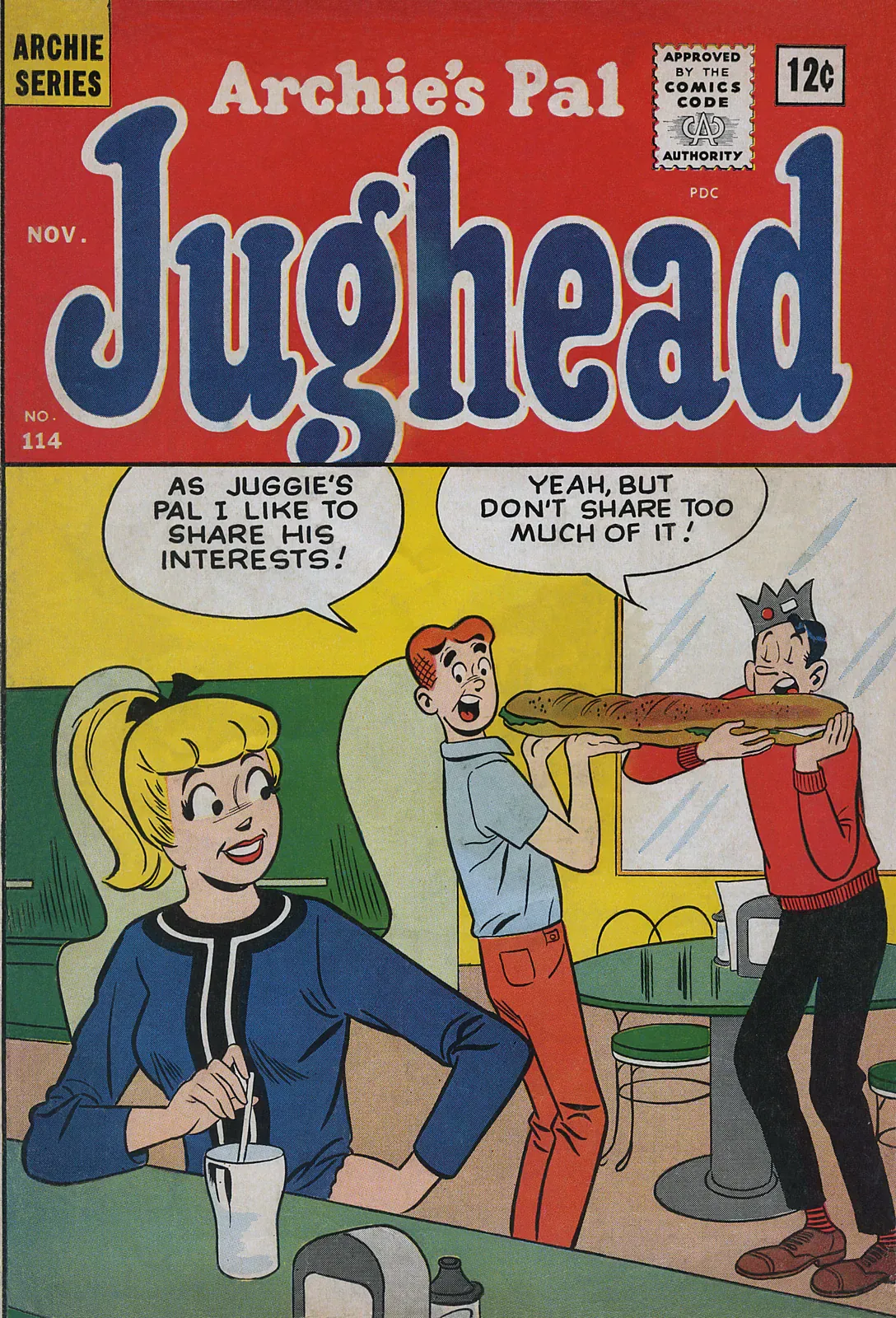
Don Kirshner took the logic one step further. After a dispute with the real musicians of the Monkees, he wanted an act he could fully control, and he commissioned a band from the Archie comics, whose members could be replaced without anyone noticing. The Archies’ recordings were made by session singers, chiefly Ron Dante, with Toni Wine on duet and backing parts. Their single “Sugar, Sugar”, written by Jeff Barry and Andy Kim, was released in May 1969 and reissued in July, then topped the Hot 100 for four weeks from September and the UK chart for eight. It was the best-selling single of 1969 in both countries and the only time a fictional band has held the Billboard year-end top spot.
Its success started a short-lived wave of cartoon rock on Saturday-morning television, though few of those songs reached the charts. The Banana Splits, a costumed rock group, had begun on NBC in September 1968. Tommy Roe’s “Dizzy”, recorded with Los Angeles session players, reached number one for four weeks in March 1969, and the Cowsills, a real family group from Newport, had already taken “The Rain, the Park & Other Things” to No. 2 in 1967.
The last major act of the era was fictional too. The Partridge Family, a sitcom that premiered in September 1970 and was loosely based on the Cowsills, produced “I Think I Love You” on Bell Records, with David Cassidy singing over the Wrecking Crew. It topped the Hot 100 for three weeks and was named the best-selling single of 1970. After that, changing trends in the industry ended the run, and Buddah turned to gospel, folk-country and R&B.
Characteristics
Writers on the genre describe the style as sweet, sunny and upbeat, with simple chord progressions and a sing-along chorus repeated until it sticks. Lyrics lean on children’s games, sweets and uncomplicated romance, sometimes with a layer of double entendre under a contrived innocence. Most acts were one-hit wonders; the Cowsills, the Partridge Family and Tommy Roe are the usual exceptions.
What counts is disputed. The word has been used for the classic years, for disposable pop in general, for pop made for preteens, and for assembly-line pop sung by faceless singers; teen pop, boy bands and the Monkees have all been argued into and out of the category.
Instruments and production
The sound was a standard pop-rock lineup polished in the studio. Guitars, bass and drums carry the beat, with piano or organ and sometimes strings on top, as on “Dizzy”. The 1910 Fruitgum Company’s records featured a Hammond organ, and a tambourine gave “Green Tambourine” its title. Studio drummer Hal Blaine played on both “Dizzy” and “I Think I Love You”.

Overdubbing did the rest. On “Sugar, Sugar” a few singers layered lead and backing parts so that they sounded like a full band, and Ron Dante had two songs in the Top Ten in October 1969, “Sugar, Sugar” and the Cuff Links’ “Tracy”, although neither label credited him.
Notable recordings
“Sugar, Sugar” was first released on Kirshner’s Calendar label, and promoters played it for radio staff without naming the group; a San Francisco programmer was told to treat it as a mystery group. Astronaut Alan Bean took it on a cassette on Apollo 12, and the crew bounced weightlessly to the beat. The Beatles borrowed the introduction of “Yummy Yummy Yummy” for “Back in the U.S.S.R.”, and the Cars later borrowed its guitar chords for “Just What I Needed”. “Dizzy” is built on eleven key changes.

Culture
Bubblegum was a children’s and young teenagers’ market first, and its stars were often costumed or drawn. The Archies and the Banana Splits gave pop a fictional face that producers could control and replace, and the Partridge Family bus, a 1957 Chevrolet painted in Mondrian-inspired patterns, became the show’s emblem. The label later became an insult for any pop thought disposable or contrived.
Legacy
Chart presence faded in the early 1970s, but the form kept turning up. Its simple structures, upbeat tempos and hooks were carried into punk rock, and the Ramones took on cartoon personas and covered the bubblegum standards “Little Bit O’ Soul” and “Indian Giver”. New wave and melodic metal drew on it too. Industry commentators also credit it with laying the groundwork for boy bands such as Take That and New Kids on the Block. The 1990s Eurodance offshoot called bubblegum dance belongs to the electronic family instead. Power pop shares its hook-first approach. The genre sits within the wider pop family.
Misconceptions
One myth holds that bubblegum was always made by faceless studio acts. Many records were, but the Cowsills were a real family group who sang their own hits, and Tommy Roe was a singer-songwriter with hits from 1962. A second holds that the Archies were a band: they were fictional characters, voiced on record by Ron Dante and Toni Wine. A third assumes the group on the sleeve played on the record. The best-known Ohio Express songs were made by New York session musicians with Joey Levine singing, while a different Ohio group toured under the name.
Frequently asked questions
What is bubblegum pop?
Bubblegum pop is upbeat, catchy pop marketed to children and young teenagers, with sing-along choruses and simple, playful lyrics. In the narrow sense it names the American style of 1967 to 1972, produced by studio teams.
Who coined the term bubblegum music?
Producers Jerry Kasenetz and Jeffry Katz claimed the word, describing their audience as kids who chewed bubblegum. Buddah Records executive Neil Bogart promoted it widely.
What is the best-selling bubblegum song?
“Sugar, Sugar” by the Archies, written by Jeff Barry and Andy Kim and released in 1969. It reached number one in the United States and the United Kingdom and was the top single of the year in both.
Were the Monkees bubblegum?
Opinion is divided. Commentators have argued both for and against including them, depending on how much weight they give to the contrived, producer-led nature of the genre.
Sound
Sound sheet
Signature sounds
- Sing-along chorus repeated until it sticks
- Lyrics from children's games, sweets and simple romance
- Studio players behind a brand-name group
- Short single of about two and a half minutes
Drums and percussion
- Drum kit
Techniques
- Layered studio vocals
- Key changes
- Game-rhyme lyrics
- Session-player production
Keys and modes
Major keys. Bright major keys, such as D major in Sugar, Sugar.
Vocals
Bright, unison-style lead vocals from studio singers such as Ron Dante and Joey Levine, with childlike themes and the occasional double entendre.
Scenes
Where it happened
Where and when the sound lived: one bar per city on a shared timeline.
North America
Active scenes
Peak 3, 1969
Home to Super K Productions, Buddah Records and the Brill Building writers who supplied the songs.
Session players known as the Wrecking Crew recorded Dizzy and the Partridge Family singles here.
The Ohio band Sir Timothy and the Royals was renamed Ohio Express to tour behind records it did not make.
Culture
Culture markers
- Bubblegum
Coined by Kasenetz and Katz for their young audience, spread by Neil Bogart, and later a pejorative.
Slang - Cartoon and costumed bands
The Archies and the Banana Splits gave pop a fictional face that the producers could control and replace.
Artwork - The Partridge Family bus
A 1957 Chevrolet bus painted in Mondrian-inspired patterns became the show's emblem.
Artwork
Media
Key media
- 1968The Kasenetz-Katz Singing Orchestral Circus
by Kasenetz-Katz. A live album gathering Super K acts alongside fictitious groups invented by the producers.
Compilation - 1969KYA 1260 San Francisco
by KYA. A top station where programmers were told Sugar, Sugar came from a mystery group.
Radio - 2001Bubblegum Music Is the Naked Truth
by Kim Cooper and David Smay. The book-length study that defines the genre's five uses of the word and its assembly-line model.
Book
Glossary
Terms on this page
Pop marketed to children and young teenagers, also used as a pejorative for disposable, contrived pop.
Pop-rock songs by animated fictional bands in the style of the Archies, heard on Saturday-morning cartoons.
A group assembled by an outside producer, with songs written by others and a brand name rather than fixed members.
An artist whose commercial life rests on 45 rpm singles rather than albums, typical of bubblegum.
The production firm of Jerry Kasenetz and Jeffry Katz, behind the Ohio Express and the 1910 Fruitgum Company.
Los Angeles session musicians who played on many pop hits, including Dizzy and the Partridge Family records.
Pop family