J-pop
J-pop is the Japanese-language pop mainstream, named by the Tokyo station J-WAVE in 1988 and built on rock, pop and dance idioms.
Tokyo, 1988
Pop family

Born
1988
Tokyo
Subgenres
4
Documented branches
Links
22
Genres it drew on or shaped
Tempo
80-160 BPMLineage
Family tree
Timeline
Era by era
From the first sparks to today. Select a dot to read the story behind it.
- Wasei pops, group sounds and new music
1958 to 1978
- Technopop, city pop and idols
1979 to 1987
- The J-pop name and the million-seller boom
1988 to 1997
- Peak sales, then the download shift
1998 to 2008
- Idol wars, Vocaloid and global streaming
2009 to today
Eras
Moments
- 1 Wasei pops, group sounds and new music, 1958 to 1978
- 2 Technopop, city pop and idols, 1979 to 1987
- 3 The J-pop name and the million-seller boom, 1988 to 1997
- 4 Peak sales, then the download shift, 1998 to 2008
- 5 Idol wars, Vocaloid and global streaming, 2009 to today
1958
Wasei pops, group sounds and new music
Japan-made covers, electric guitar booms and Beatles-inspired group sounds give way to folk and singer-songwriter new music. Happy End prove rock can be sung in Japanese.
- 1958The first Nichigeki Western CarnivalRockabilly-era cover singers draw about 45,000 people in a week; Kyu Sakamoto debuts on the same stage.
- 1963Kyu Sakamoto reaches number one in the US"Ue wo Muite Arukou", released as "Sukiyaki", is the first Japanese-language song to top the US chart.
- 1966The Beatles play the Nippon BudokanTheir concerts inspire the group sounds boom and Japanese-language rock debates.
- 1971Happy End release Kazemachi RomanThe album, with "Kaze wo Atsumete", is a landmark for rock sung in Japanese.
- 1973Yosui Inoue's Koori no Sekai tops the Oricon chartA new music landmark that spends 13 straight weeks at number one.
- 1978Yellow Magic Orchestra release their debut albumSynthesizer-led technopop on Alfa Records opens the way for electronic pop in Japan.
1979
Technopop, city pop and idols
Yellow Magic Orchestra and Southern All Stars bridge new music and pop, city pop polishes the sound, and idols like Seiko Matsuda dominate the charts.
- 1979Southern All Stars release Itoshi no EllieA ballad that turns a comic band into a serious pop act and a pillar of the sound.
- 1980YMO hold the top two Oricon album spotsSolid State Survivor and X-Multiplies share the top places for seven weeks.
- 1984Mariya Takeuchi releases VarietyThe album holds "Plastic Love", later the best-known city pop song.
1988
The J-pop name and the million-seller boom
J-WAVE brands the sound in 1988, tie-in singles pass two million copies, and Tetsuya Komuro dominates the mid-1990s with dance pop.
- 1988J-WAVE starts broadcasting and coins "J-pop"The Tokyo FM station brands Western-style Japanese pop for a new audience.
- 1988Avex is foundedThe label later builds the Komuro dance-pop wave and Ayumi Hamasaki.
- 1989Princess Princess score the year's top single"Diamonds" is the first of five straight Oricon number ones for the band.
- 1989Hibari Misora diesHer death and the end of shows like The Best Ten close the kayokyoku era.
- 1991Chage and Aska's Say Yes spends 13 weeks at number oneIt sells over 2.8 million copies, a drama tie-in and wedding standard.
- 1992Dreams Come True's The Swinging Star passes three millionThe first album in Japan to sell that many copies.
- 1994Mr. Children release Innocent WorldThe single and the album Atomic Heart (3.43 million) start the Mis-chil phenomenon.
- 1996Tetsuya Komuro takes all top five Oricon placesAs writer and producer he sets a world record in April 1996.
- 1997Namie Amuro releases Can You Celebrate?About 2.29 million copies, the biggest single by a female soloist in J-pop history.
1998
Peak sales, then the download shift
Physical sales peak in 1998 and Hikaru Utada and Ayumi Hamasaki lead; ringtone and phone downloads then reshape the market.
- 1998Japanese physical music sales peakThe market reaches about 607 billion yen before a long decline.
- 1999Hikaru Utada releases First LoveThe best-selling Japanese album ever on the Oricon chart.
- 2002Phone ringtone downloads (chaku-uta) launchMobile carrier au opens a download market that makes hits out of phone clips.
- 2007Hatsune Miku is releasedThe voicebank starts a producer scene that moves into major-label pop.
- 2008Perfume score the first technopop number one"Love the World" tops the Oricon singles chart.
2009
Idol wars, Vocaloid and global streaming
Idol groups, anime tie-ins and Vocaloid producers define the 2010s; by the 2020s Yoasobi and others chart worldwide.
- 2018Kenshi Yonezu releases LemonA drama theme that sells over 3 million digital copies in Japan.
- 2018Plastic Love goes viral onlineYouTube recommendations spark a worldwide city pop revival.
- 2019Yoasobi release Yoru ni KakeruA song born from a short-story site becomes the duo's breakout.
- 2023Yoasobi's Idol tops the Billboard Global Excl. US chartThe first Japanese song to reach number one on it.
Listening path
Anthems
The records that built the sound, grouped by the part they played. Thumbnails come from YouTube; the player loads only when you press play.
- 01
Happy End, 1971
Showed that rock could be sung in Japanese, a root of the genre.
Origin - 02
Southern All Stars, 1979 · Victor Entertainment
A ballad that fixed the Japanese-language band-pop template.
Origin - 03
Chage and Aska, 1991 · Pony Canyon
The two-million-seller that showed what a TV drama tie-in could do.
Breakthrough - 04
Mr. Children, 1994 · Toy's Factory
The single that began the Mr. Children boom of the mid-1990s.
Breakthrough - 05
Hikaru Utada, 1998 · Toshiba EMI
R&B-flavoured debut that opened the way to the best-selling album in Japan.
Start hereBreakthrough - 06
Yellow Magic Orchestra, 1979 · Alfa Records
Synth-pop that defined Japanese technopop.
Anthem - 07
Princess Princess, 1989 · Sony Music Entertainment (Japan)
The top single of 1989 and the girl-band rock hit of the late 1980s.
Anthem - 08
Ayumi Hamasaki, 1999 · Avex
Avex dance pop that made Hamasaki a generation's voice.
Anthem - 09
Southern All Stars, 2000 · Victor Entertainment
A ballad that gave the veterans a number one and a huge seller.
Anthem - 10
B'z, 2001
Stadium rock-pop chant by the best-selling act in Japan.
Anthem - 11
Mariya Takeuchi, 1984
City pop that, decades later, found a worldwide audience online.
Start hereCrossover - 12
Yoasobi, 2019 · Sony Music Entertainment (Japan)
A story-song born online that opened the global streaming era for the genre.
Crossover - 13
Kenshi Yonezu, 2018 · Sony Music Entertainment (Japan)
A streaming-era hit with more than 3 million digital copies in Japan.
Start hereRevival
J-pop is the mainstream pop music of Japan: songs built on Western rock, pop and dance idioms, sung mostly in Japanese with English-flavoured phrasing and sold through idol, band and solo acts alike. The name was coined in 1988 by the Tokyo FM station J-WAVE.
It dominated Japanese charts, karaoke boxes and TV dramas from the late 1980s and reaches listeners worldwide through streaming.
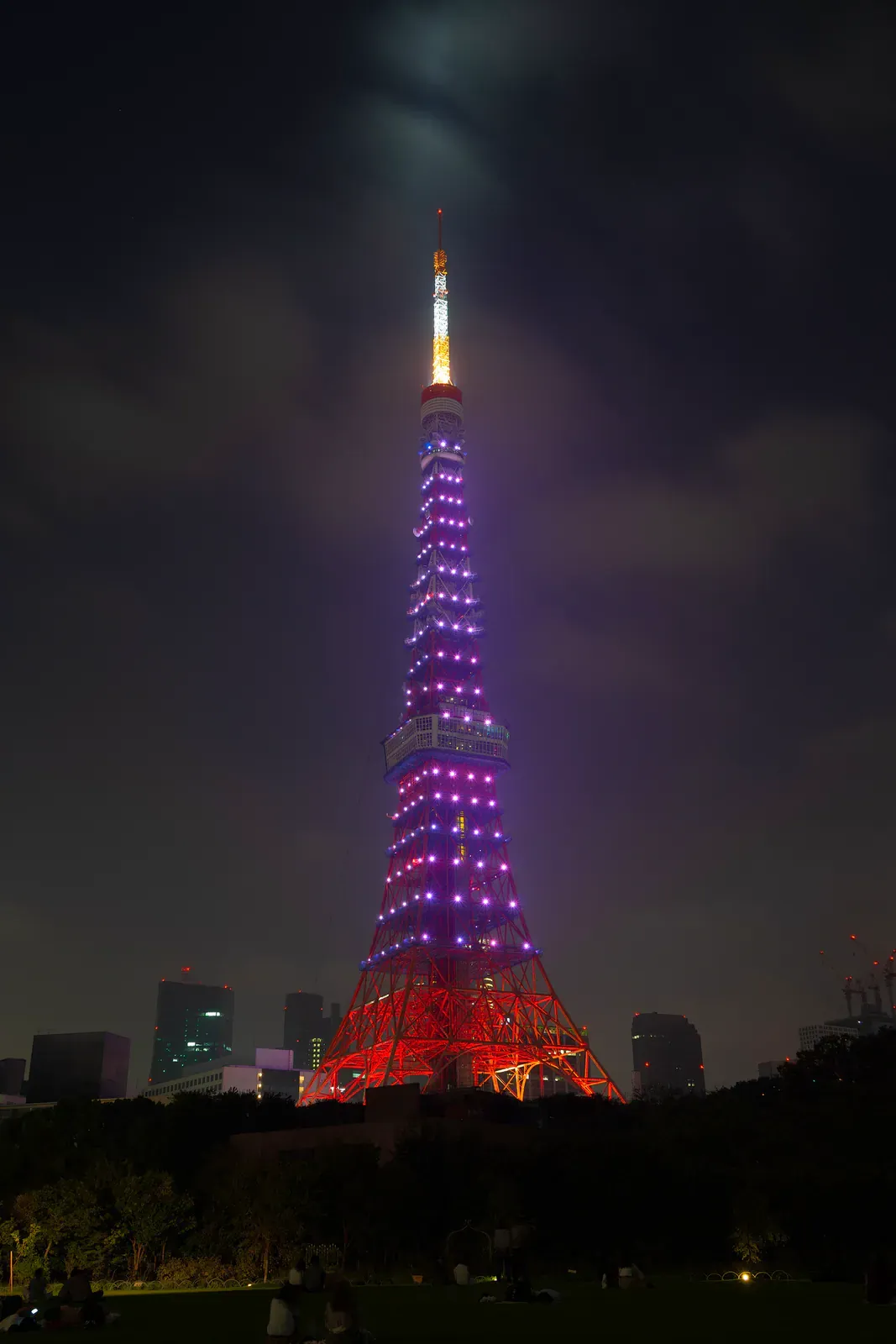
Origins
It started before it had a name. In 1958 the first Nichigeki Western Carnival in Tokyo drew about 45,000 people in a week to hear Japanese singers cover rockabilly, and Kyu Sakamoto debuted on the same stage. In 1963 his “Ue wo Muite Arukou”, released abroad as “Sukiyaki”, became the first Japanese-language song to top the US chart, years before anyone said J-pop.
The musical root came in 1971, when Happy End released the album Kazemachi Roman with “Kaze wo Atsumete”. It showed that rock could be sung in Japanese. The second root came in 1979 with “Itoshi no Ellie” by Southern All Stars on Victor Entertainment. The ballad turned a comic band into a serious pop act and fixed the template for Japanese-language band pop.
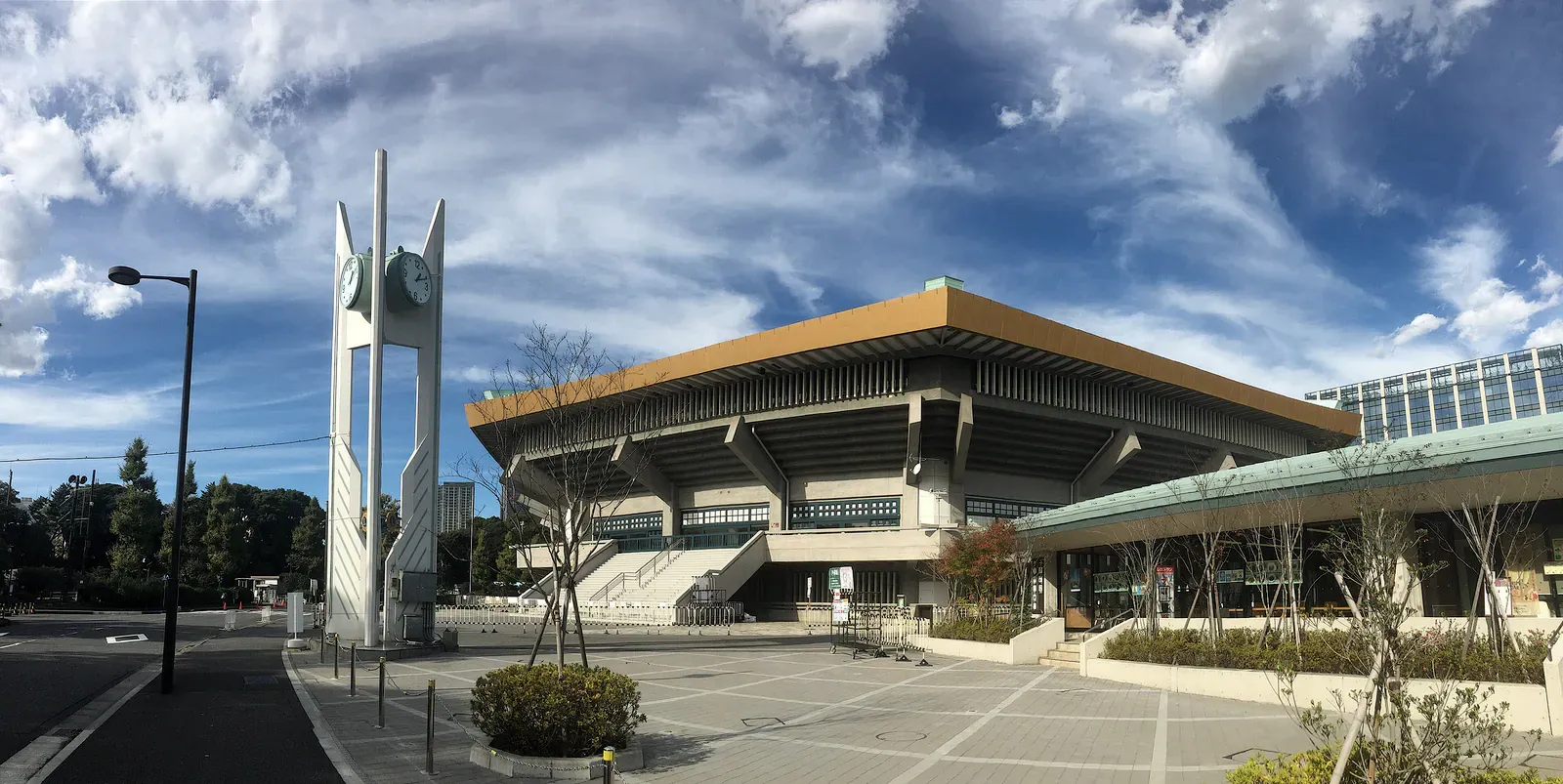
Wasei pops, group sounds and new music, 1958-1978
Japan-made covers of Western hits, electric guitar bands and Beatles-inspired group sounds filled the 1960s. After the Beatles played the Nippon Budokan in 1966, the group sounds boom and the argument over Japanese-language rock both grew louder.
By the 1970s the mood turned inward. New music, the glossary term for singer-songwriter pop about personal themes, took over. Yosui Inoue’s Koori no Sekai topped the Oricon chart in 1973 and spent 13 straight weeks at number one. The mainstream term for all of this was kayokyoku, which J-pop would later replace. J-pop’s own family tree sits in the pop family, and kayokyoku is covered in the East Asian family.
Technopop, city pop and idols, 1979-1987
Yellow Magic Orchestra released their debut album in 1978 on Alfa Records, and by 1980 they held the top two Oricon album spots for seven weeks with Solid State Survivor and X-Multiplies. “Rydeen” (1979) defined Japanese technopop with synthesizers and drum machines, tools that would shape J-pop for decades.
At the same time city pop polished the sound: urban, jazz and AOR-flavoured pop with strings and brass. Mariya Takeuchi’s album Variety (1984) holds “Plastic Love”, later the best-known city pop song. Idols such as Seiko Matsuda ruled the charts, and Shibuya, home of cafes, clubs and the taste-makers of the day, became the district where Southern All Stars had formed.

The J-pop name and the million-seller boom, 1988-1997
In 1988 J-WAVE started broadcasting in Tokyo and branded Western-style Japanese pop for a new, younger audience. The same year Avex was founded, the label that would later build Komuro’s dance-pop wave and Ayumi Hamasaki’s career. In 1989 Princess Princess scored the year’s top single with “Diamonds”, the first of five straight Oricon number ones for the band, and the death of Hibari Misora plus the end of shows like The Best Ten closed the kayokyoku era.
The 1990s were about tie-ins. A single paired with a TV drama, anime or advert became the main route to a hit. “Say Yes” by Chage and Aska, from the 1991 drama 101st Proposal, spent 13 weeks at number one and sold over 2.8 million copies. In 1992 Dreams Come True’s The Swinging Star became the first album in Japan to pass three million. In 1994 Mr. Children released “Innocent World” and the album Atomic Heart, which sold 3.43 million copies.
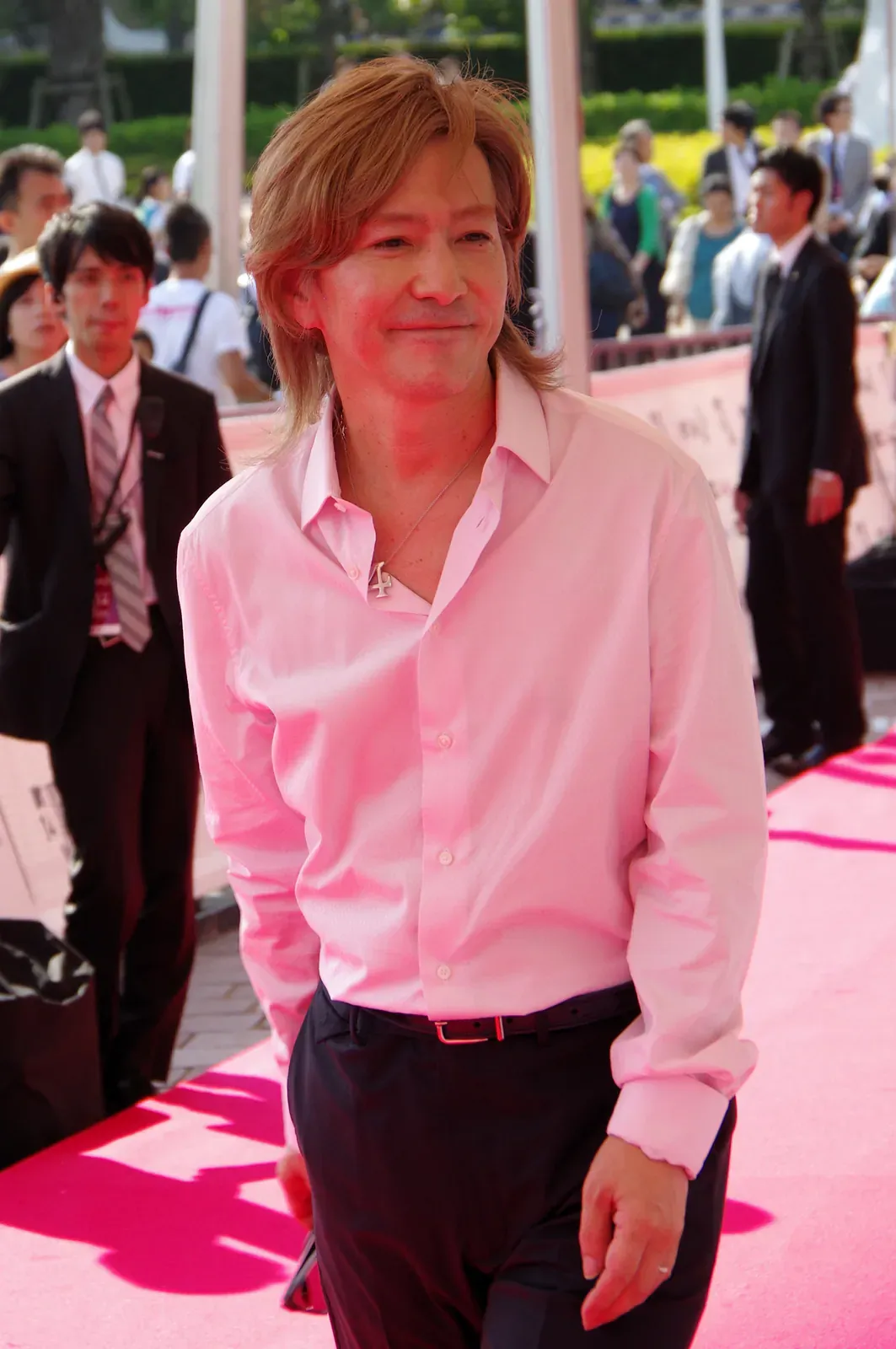
Komuro was the face of the decade. Through Avex he built a dance-pop sound on drum machines and a Roppongi disco called Velfarre, and his group Globe sold 4.13 million copies of its 1996 album, a record at the time. In 1997 Namie Amuro’s “Can You Celebrate?” reached about 2.29 million copies, the biggest single by a female soloist in J-pop history. A Eurobeat-driven strand of the same years is defined in the electronic family as J-Euro.
Peak sales and the download shift, 1998-2008
Japanese physical music sales peaked in 1998 at about 607 billion yen, then began a long decline. The best-known acts of that moment were Hikaru Utada and Ayumi Hamasaki. Utada’s R&B-flavoured debut “Automatic” came out in 1998 on Toshiba EMI, and her album First Love in 1999 became the best-selling album in Japanese chart history. Hamasaki’s “Boys & Girls” (1999) on Avex made her a voice of a generation. B’z, the best-selling act in Japan, put out “Ultra Soul” in 2001, a stadium chant, and Southern All Stars returned with the ballad “Tsunami” in 2000.
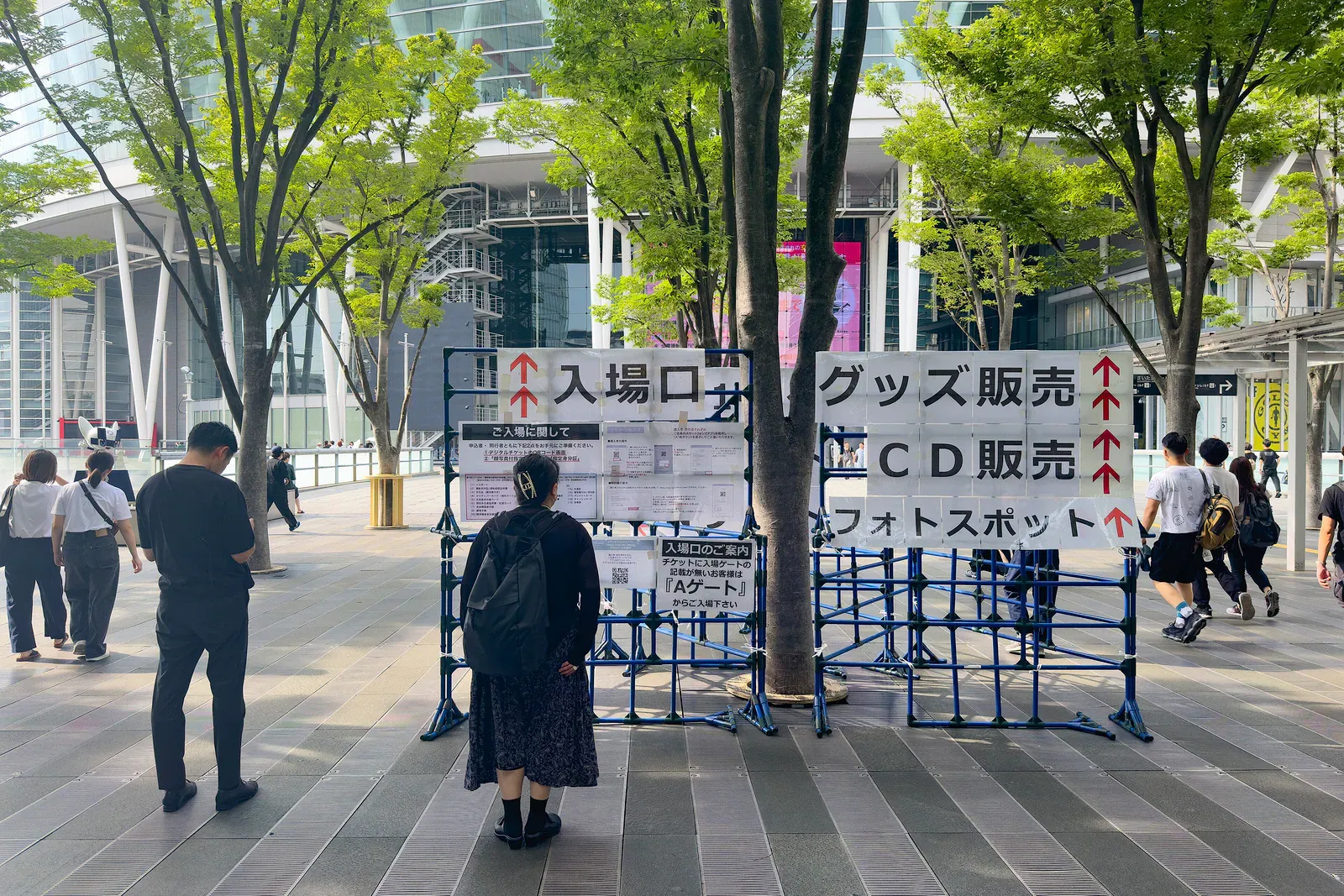
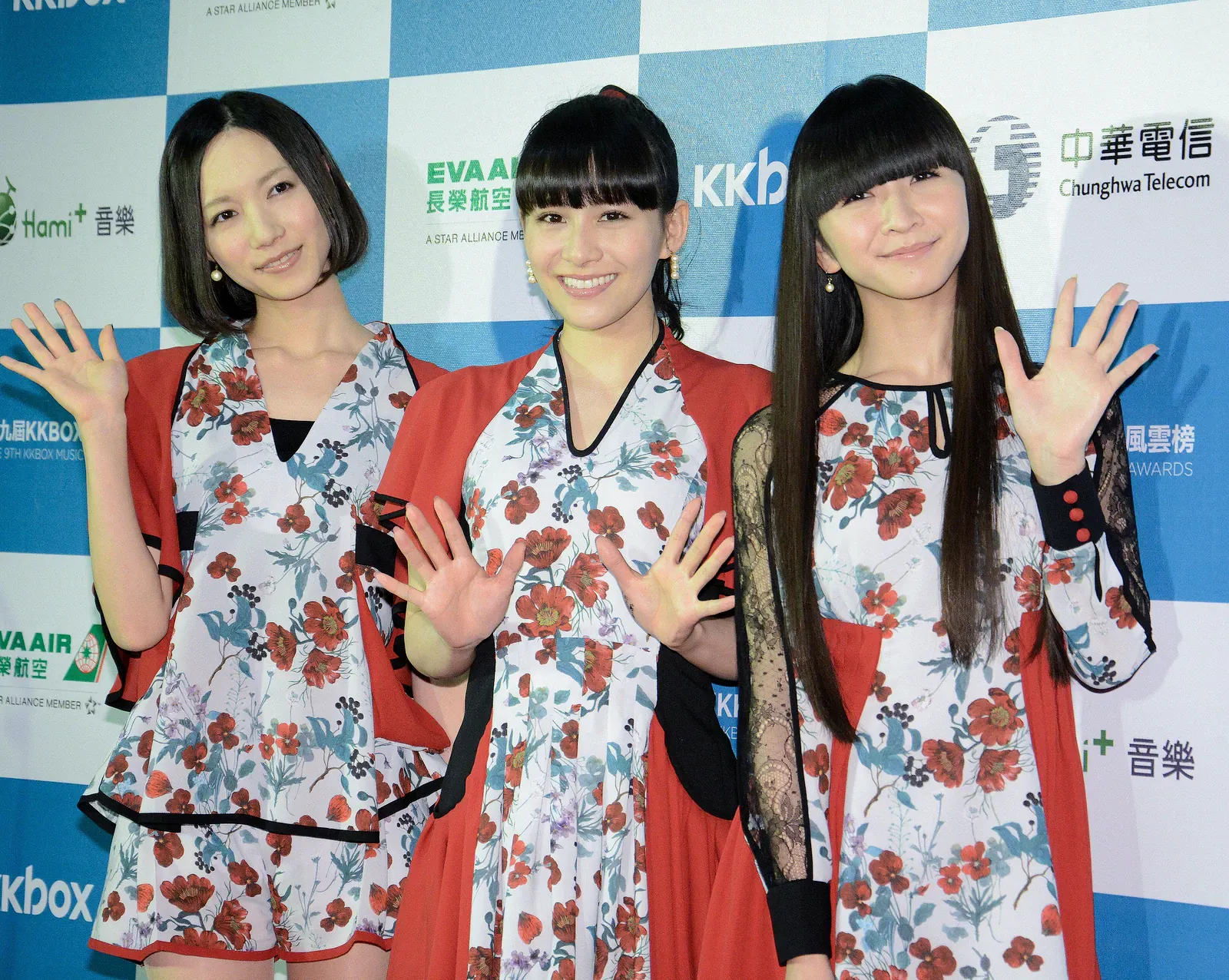
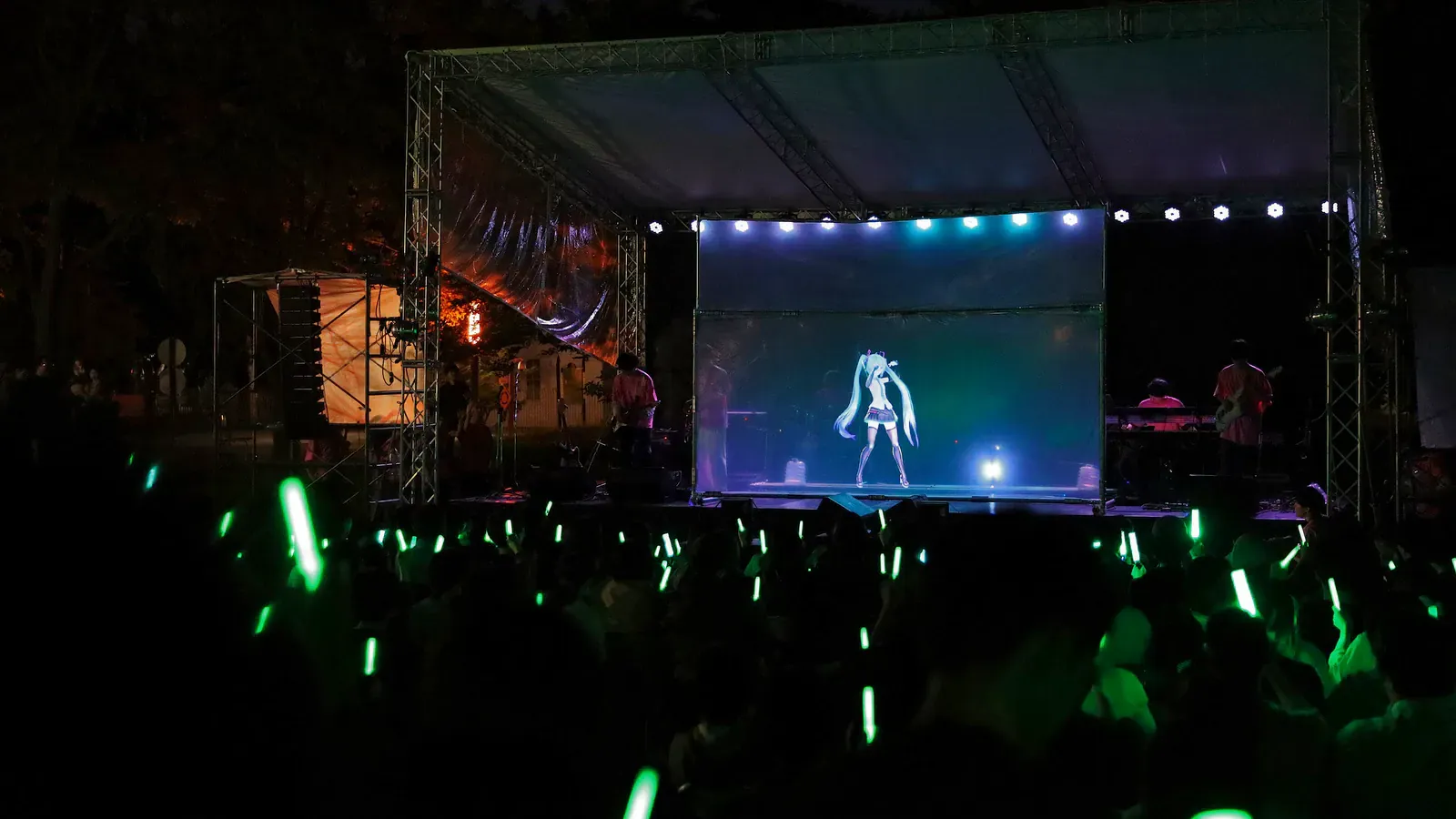
Technology reshaped the market next. In 2002 mobile carrier au launched chaku-uta, phone ringtone downloads, which turned short clips into hits and later led to full-track sales. In 2003 SMAP’s “Sekai ni Hitotsu Dake no Hana” passed 2.5 million copies and became a karaoke and school-song standard. In 2007 the voicebank Hatsune Miku appeared, and in 2008 Perfume’s “Love the World” became the first technopop number one on the Oricon singles chart, with their album Game the first technopop number-one album in 25 years.
Idol groups, Vocaloid and streaming, 2009 to now
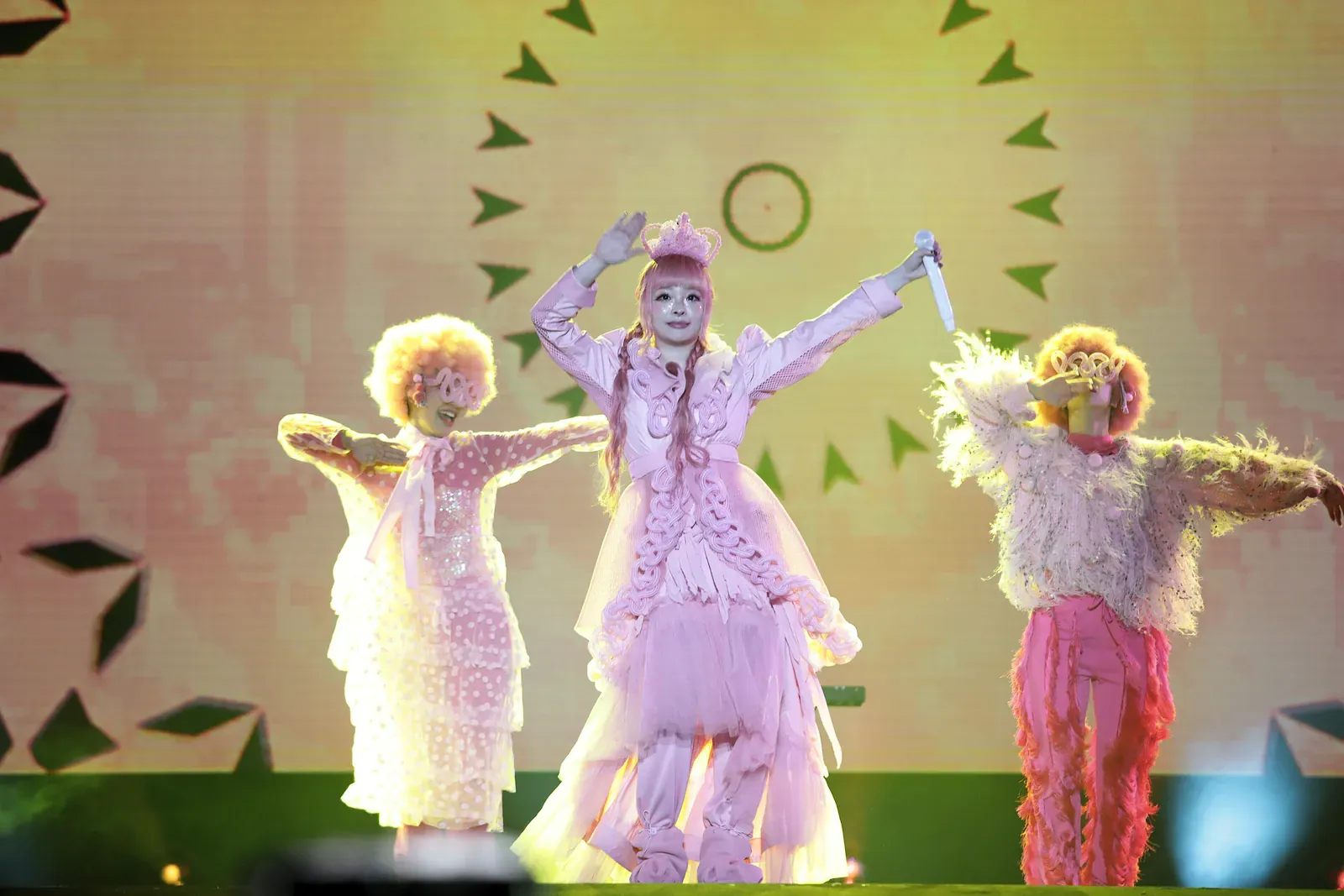
The 2010s belonged to idol groups, anime tie-ins and Vocaloid producers. Software voices let bedroom producers write hits without singers, and the scene moved into major-label pop. Harajuku, the fashion district behind kawaii pop acts such as Kyary Pamyu Pamyu, supplied the look.


Then streaming changed the reach. In 2018 Kenshi Yonezu’s “Lemon”, a drama theme on Sony Music Japan, sold over 3 million digital copies in Japan. The same year Plastic Love went viral through video recommendations and set off a worldwide city pop revival. In 2019 Yoasobi released “Yoru ni Kakeru”, a song born from a short-story site, and in 2023 their “Idol” became the first Japanese song to top the Billboard Global Excl. US chart.

Characteristics
A typical song follows a predictable structure: an intro, two verses, a pre-chorus, a hook chorus called sabi, a bridge, and a late key change into the final chorus, usually between 80 and 160 BPM in 4/4. Chord progressions are dense, lyrics mix Japanese with English phrasing, and the hook is sized for a drama, anime or advert tie-in.
Instruments and production
Synthesizers and drum machines define the technopop line, from Yellow Magic Orchestra to Perfume, whose vocals are heavily processed. The Yamaha DX7 appears on 1980s Japanese pop records such as Tetsuya Komuro’s TM Network. Electric guitar carries band pop, acoustic piano anchors the ballads, and Vocaloid voicebanks let producers write songs without a singer.
Mainstream success
It never had to cross over at home, because the mainstream was already the point. The tie-in system placed a hook in every drama, anime and advert.
J-pop defined itself against enka, the older sentimental style. Abroad the route was different: after Sukiyaki in 1963, streaming platforms in the 2010s turned tracks like “Plastic Love” and “Yoru ni Kakeru” into worldwide hits.
Notable recordings
“Say Yes” (1991). Chage and Aska’s single was written for the Fuji TV drama 101st Proposal and stayed at number one for 13 weeks on Pony Canyon. It showed what a drama tie-in could do and became a wedding standard.
“Plastic Love” (1984). Mariya Takeuchi’s city pop track appeared on the 1984 album Variety. Around 2018, video recommendations pushed it to a worldwide audience and started a global city pop revival.

“Yoru ni Kakeru” (2019). Yoasobi’s breakout started from a short story posted on a story site, which the duo turned into a song. It opened the global streaming era for the genre.

Culture
Karaoke boxes make hits a group habit. Kohaku Uta Gassen, the year-end TV contest, confirms who counts. At idol shows, fans follow scripted calls and glow-stick routines, and anime openings launch many pop acts.
Misconceptions
Myth: J-pop and idol pop are the same thing. Idols are one strand. Bands such as Mr. Children and B’z, solo stars such as Hikaru Utada and technopop acts such as Perfume sit in the same genre.
Myth: “Sukiyaki” was a J-pop hit. Kyu Sakamoto topped the US chart in 1963, 25 years before J-WAVE coined the word. It belongs to the earlier kayokyoku world.
Myth: J-pop does not travel. “Idol” by Yoasobi topped the Billboard Global Excl. US chart in 2023, the first Japanese song to do so.
Frequently asked questions
What does J-pop mean?
J-pop means Japanese pop. The Tokyo FM station J-WAVE coined the name in 1988 to brand Western-style Japanese pop, and it replaced kayokyoku as the usual word for mainstream pop in Japan.
What are the best-known J-pop songs?
Common starting points are “Itoshi no Ellie” (1979), “Plastic Love” (1984), “Say Yes” (1991), “Innocent World” (1994), “Automatic” (1998), “Lemon” (2018) and “Yoru ni Kakeru” (2019).
Who are the biggest J-pop artists?
By sales and influence, Hikaru Utada, Mr. Children, Southern All Stars, B’z, Ayumi Hamasaki, Namie Amuro, SMAP, Yoasobi and Kenshi Yonezu stand out, with Mariya Takeuchi tied to the city pop revival.
What is the difference between J-pop and city pop?
City pop is a late-1970s and 1980s style of urban, jazz and AOR-flavoured pop that influenced J-pop. J-pop is the wider mainstream, which also covers idols, bands, tie-in ballads and Vocaloid-era songs.
Is J-pop the same as anime music?
No. Anime songs are a related route to the charts, because many pop acts launch from anime openings, but J-pop also covers drama themes, band rock, idol songs and solo records.
Sound
Sound sheet
Anatomy of a track
| # | Part | Bars |
|---|---|---|
| 1 | Intro | 4 |
| 2 | Verse A | 8 |
| 3 | Verse B (pre-chorus) | 8 |
| 4 | Chorus (sabi) | 8 |
| 5 | Verse A | 8 |
| 6 | Chorus | 8 |
| 7 | Bridge or solo | 8 |
| 8 | Key-change final chorus | 16 |
Signature sounds
- Dense chord progressions with a lift chorus
- English-tinged phrasing
- Late key change into the last chorus
- Hook sized for a TV or ad tie-in
Synths and software
- Yamaha DX7
- Vocaloid
Techniques
- Royal road progression
- Late key change
- A-melo, B-melo, sabi form
- Vocoder and Auto-Tune vocals
Keys and modes
Major keys. The royal road progression IV-V-iii-vi is built on a major key, as in G major with C, D, B minor and E minor chords.
Vocals
Mostly Japanese lyrics with English phrases, sung by idols, band vocalists, solo singers or synthesized voices.
Scenes
Where it happened
Where and when the sound lived: one bar per city on a shared timeline.
Asia
Active scenes
Peak 4, 2011-2025
Home of the major labels, TV networks and radio stations that make the sound.
Cafes, clubs and J-WAVE-era taste-making; Southern All Stars formed here.
Fashion district behind kawaii pop acts such as Kyary Pamyu Pamyu.
Second major market for TV, live houses and idol groups.
Venues and places
Tokyo, 1966 to today. The Beatles played here in 1966 and it remains the arena pop acts count their shows by.
Tokyo, 1958 to today. Site of the Western Carnival rockabilly festivals.
Tokyo, 1988 to today. The FM station that gave the music its name.
Tokyo, 1990 to today. Roppongi disco tied to Tetsuya Komuro.
Culture
Culture markers
- Karaoke boxes
Group singing makes hit songs a social habit.
Ritual - Kohaku Uta Gassen
The year-end TV song contest that confirms who counts as mainstream.
Ritual - Idol fan calls
Scripted audience shouts and glow-stick routines at idol shows.
Dance - Anime tie-in openings
Anime themes launch many pop acts.
Artwork
Media
Key media
- 1988J-WAVE
by J-WAVE. The station that popularised the name J-pop.
Radio - 1991101st Proposal
by Fuji TV. The drama behind Say Yes.
Film - 1998B'z The Best "Pleasure"
by B'z. A best-of that sold over five million copies.
Compilation
Glossary
Terms on this page
Urban, jazz and AOR-flavoured pop of the late 1970s and 1980s.
A pop performer groomed and marketed through TV and fan events.
The pre-1990 mainstream pop term that J-pop replaced.
1970s singer-songwriter pop that focused on personal themes.
Japan's long-running sales chart.
A single paired with a TV drama, anime or advert, often the main route to a hit.
Pop family