East Asian music
East Asian music spans Japanese gagaku and Peking opera, enka, Cantopop and K-pop, shaped by courts, record labels and fan cultures.
140 genres
Since around 600
Genres
140
In this family
Branches
36
Main subgenres
Since
around 600
China, Japan, South Korea, Taiwan
Timeline
Era by era
From the first sparks to today. Select a dot to read the story behind it.
- Court, ritual and stage
600 to 1900
- Gramophone and treaty ports
1900 to 1945
- Postwar stars and enka
1946 to 1969
- Regional pop systems
1970 to 1989
- Idols, J-pop and Hallyu
1990 to 2009
- Streaming and global fandom
2010 to 2026
Eras
Moments
- 1 Court, ritual and stage, 600 to 1900
- 2 Gramophone and treaty ports, 1900 to 1945
- 3 Postwar stars and enka, 1946 to 1969
- 4 Regional pop systems, 1970 to 1989
- 5 Idols, J-pop and Hallyu, 1990 to 2009
- 6 Streaming and global fandom, 2010 to 2026
around 600
Court, ritual and stage
Gagaku, Peking and other regional operas, biwa, shamisen and gugak grow around courts, temples and theatres, with Chinese and Korean music crossing into Japan early on.
- 600Court music from China and Korea reaches JapanImported ensembles are the base of what becomes gagaku, formalised in the Heian court by about the 10th century.
- 1790Anhui troupes come to BeijingThe Four Great Anhui Troupes arrive for the Qianlong Emperor's 80th birthday, the usual starting point of Peking opera.
around 1900
Gramophone and treaty ports
Record companies and radio reach Shanghai, Tokyo and Seoul; shidaiqu, ryukoka and early trot mix local song with jazz and Western harmony.
- 1910Nipponophone is founded in JapanThe company later becomes Nippon Columbia and brings the record industry to Japan.
- 1926Yun Sim-deok records Sa-ui ChanmiOften cited as the first Korean pop record; it helps start the trot era.
- 1927Li Jinhui and the first shidaiqu in ShanghaiDrizzle and Bright Moon Song and Dance Troupe fuse jazz and Chinese folk song.
1946
Postwar stars and enka
Japan's kayokyoku and enka stars lead the region; Sukiyaki reaches the US charts in 1963 while Hong Kong shidaiqu and Korean trot find mass audiences.
- 1949Hibari Misora makes her recording debut at 12The child star becomes the face of Nippon Columbia and later of enka.
- 1961Kyu Sakamoto releases Ue o Muite ArukouReleased in Japan in October 1961 on Toshiba-EMI.
- 1963Sukiyaki reaches number one in the United StatesThe first US number one by an Asian artist, and still the only Japanese-language song to top the Hot 100.
1970
Regional pop systems
Cantopop, Taiwanese campus folk, city pop, techno-pop and Korean rock build national industries, and Teresa Teng carries Mandarin song across borders.
- 1974Sam Hui releases Games Gamblers PlayHis first Cantonese album, a landmark that helped popularise Cantopop.
- 1974Teresa Teng breaks through in Japan with AirportHer July 1974 single made her a star in Japan as well as Taiwan.
- 1975Taiwan's campus folk movement beginsStudents and young songwriters turn to Mandarin songs of their own, apart from translations of Western hits.
- 1976Cho Yong-pil releases Come Back to Busan PortHis breakthrough hit made him a national star in South Korea.
- 1977Sayuri Ishikawa releases Tsugaru Kaikyo FuyugeshikiA defining enka hit of the late 1970s.
- 1977Teresa Teng makes The Moon Represents My Heart famousHer version of the song spreads across the Chinese-speaking world.
- 1978Yellow Magic Orchestra form and release their debutHosono, Takahashi and Sakamoto launch Japanese electronic pop on Alfa.
- 1982Anita Mui wins the New Talent Singing AwardsThe Hong Kong contest launches the career of the future "Queen of Cantopop".
- 1984Mariya Takeuchi releases Variety with Plastic LoveThe album song later became the symbol of the city pop revival.
- 1985Anita Mui releases Bad GirlHer image shift and best-selling album make Capital Artists a Cantopop leader.
- 1989Hibari Misora dies after her last recordingKawa no Nagare no Yo ni, her final recording, becomes one of Japan's best-loved songs.
1990
Idols, J-pop and Hallyu
J-pop sells in record numbers, Seo Taiji and Boys and SM launch modern K-pop, and Mandopop turns to Jay Chou.
- 1992Seo Taiji and Boys debut with Nan ArayoThe April 1992 TV debut brings rap and dance into Korean pop.
- 1996SM Entertainment debuts H.O.T.The first big idol group of the Korean trainee system.
- 1999Hikaru Utada releases First LoveThe debut album sells over seven million copies in Japan on Toshiba-EMI.
- 2000Jay Chou releases his debut album JayThe start of a Mandopop style that blends R&B, rap and Chinese folk colours.
2010
Streaming and global fandom
Gangnam Style, BTS and Blackpink make K-pop global, city pop revives online, and The Hu brings Mongolian instruments to rock audiences.
- 2012PSY releases Gangnam StyleIt becomes the first YouTube video to pass one billion views.
- 2013BTS debut with No More DreamThe group on Big Hit Entertainment, later part of HYBE, starts the run to global fame.
- 2017Plastic Love resurfaces on YouTubeAn uploaded copy spreads through recommendations and brings new listeners to city pop.
- 2018The Hu release Yuve Yuve Yu and Wolf TotemThe Mongolian band's videos go viral and lead to a Billboard hard-rock sales chart number one in 2019.
- 2020BTS reach number one on the Hot 100 with DynamiteThe group's first US number one, sung in English.
Facts
| Genres in the family | 140 |
| Main branches | 36 |
| Emerged | Ancient |
| Tempo | 40 to 140 BPM |
East Asian music is the family of sounds from China, Japan, Korea, Mongolia, Hong Kong and Taiwan, running from court orchestras and opera stages to some of the most heavily marketed pop in the world.
It began with ritual and theatre music more than a thousand years ago, was reshaped by the gramophone after 1900, and became a global export through K-pop in the 2010s.
Origins: court, ritual and stage, to 1900
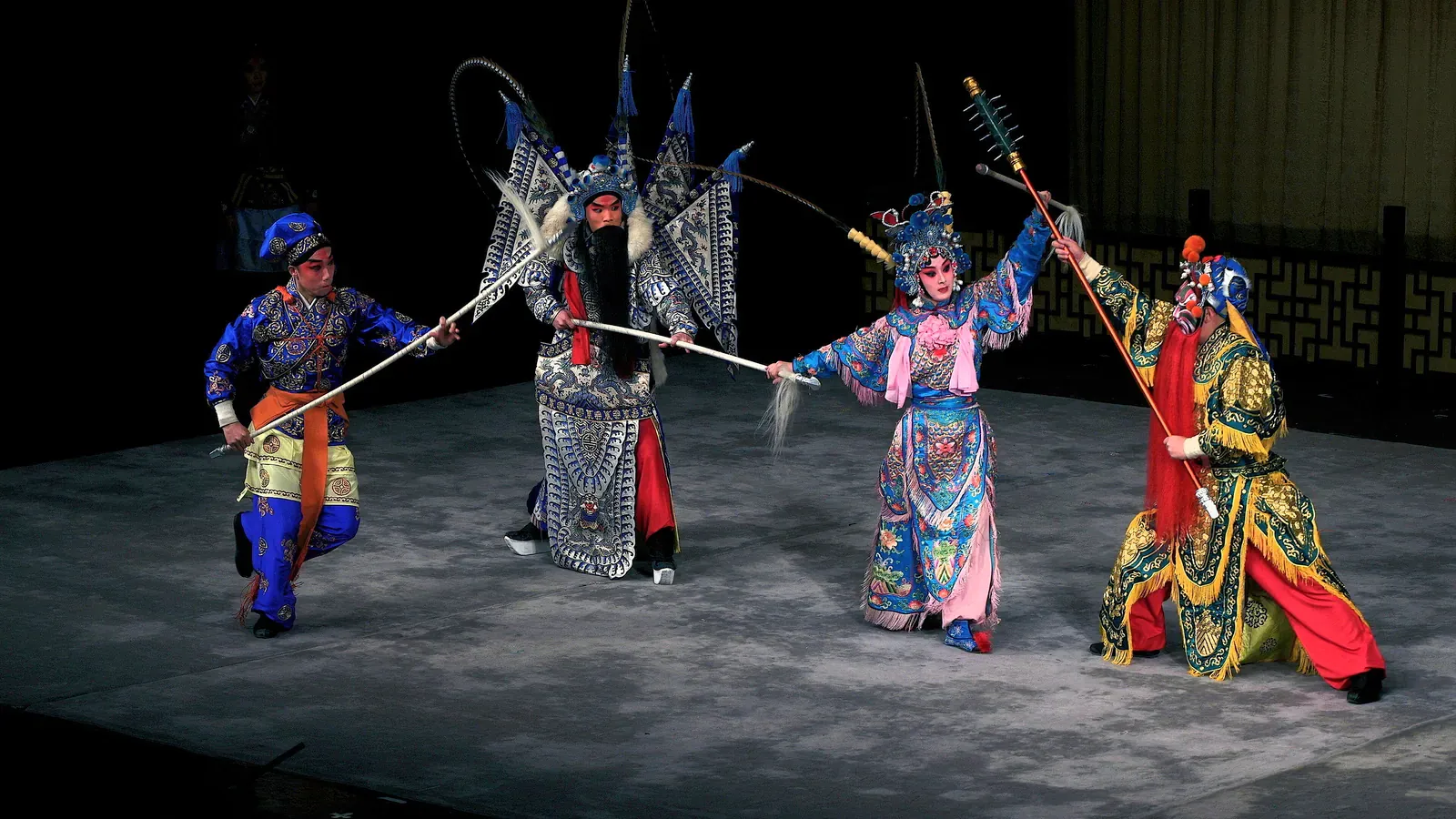
The oldest layer is ritual and court music. Ensembles imported from China and Korea reached Japan around the year 600 and, by about the 10th century, were formalised at the Heian court as gagaku. In China the key date for theatre is 1790, when the Four Great Anhui Troupes came to Beijing for the Qianlong Emperor’s 80th birthday, the usual starting point of Peking opera. Regional operas, storytelling with lutes and temple music grew around it.
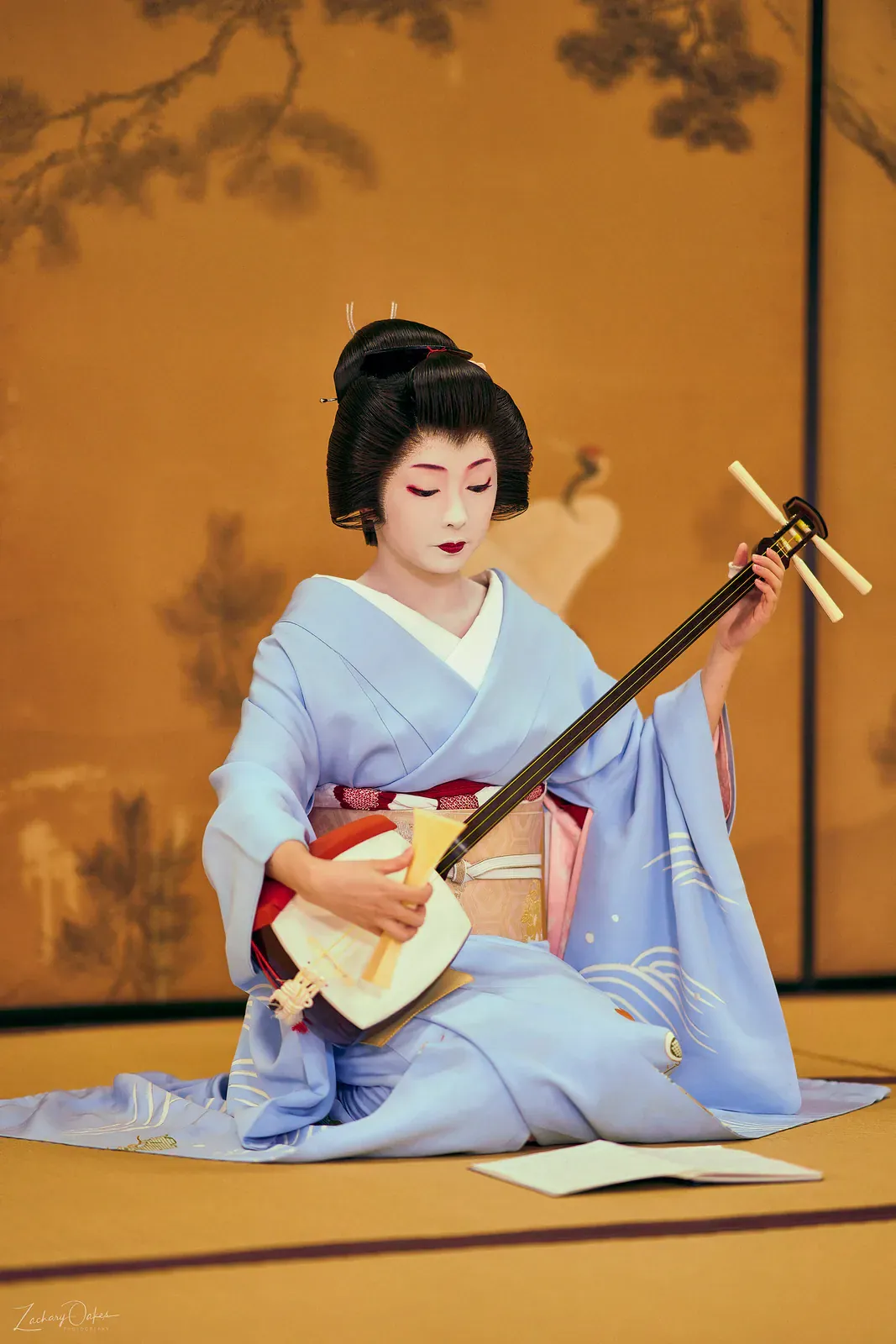
Instruments tell the story better than dates. The shamisen, a three-string lute, descends from the Chinese sanxian and reached Japan through Okinawa in the 16th century. Kabuki and puppet theatre made it a stage instrument, and different neck widths still suit different genres.
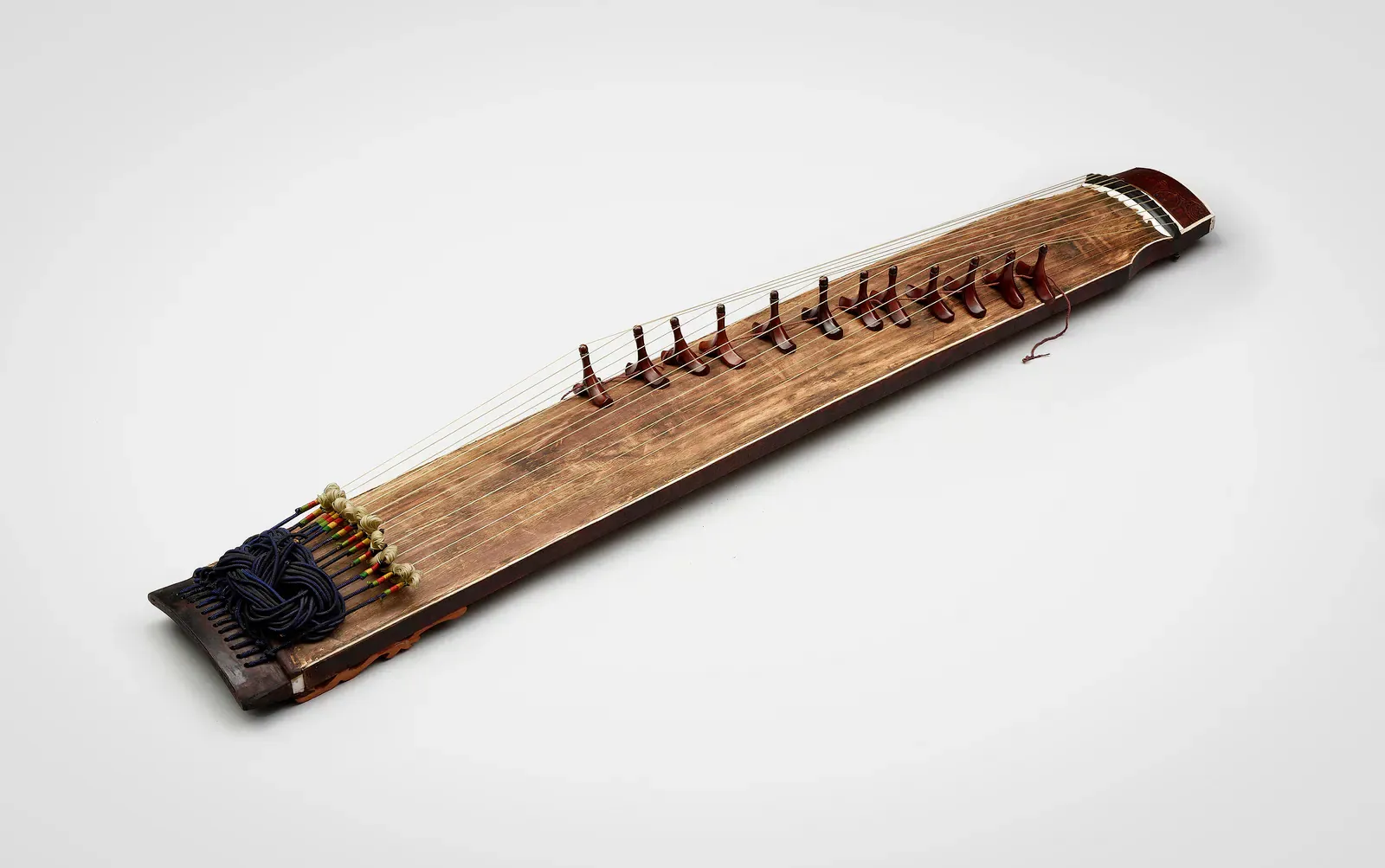
Korea’s zither, the gayageum, is traditionally tied to the Gaya kingdom and the 6th century. Its twelve silk strings sit on movable bridges, so the player bends pitch by pressing behind them.
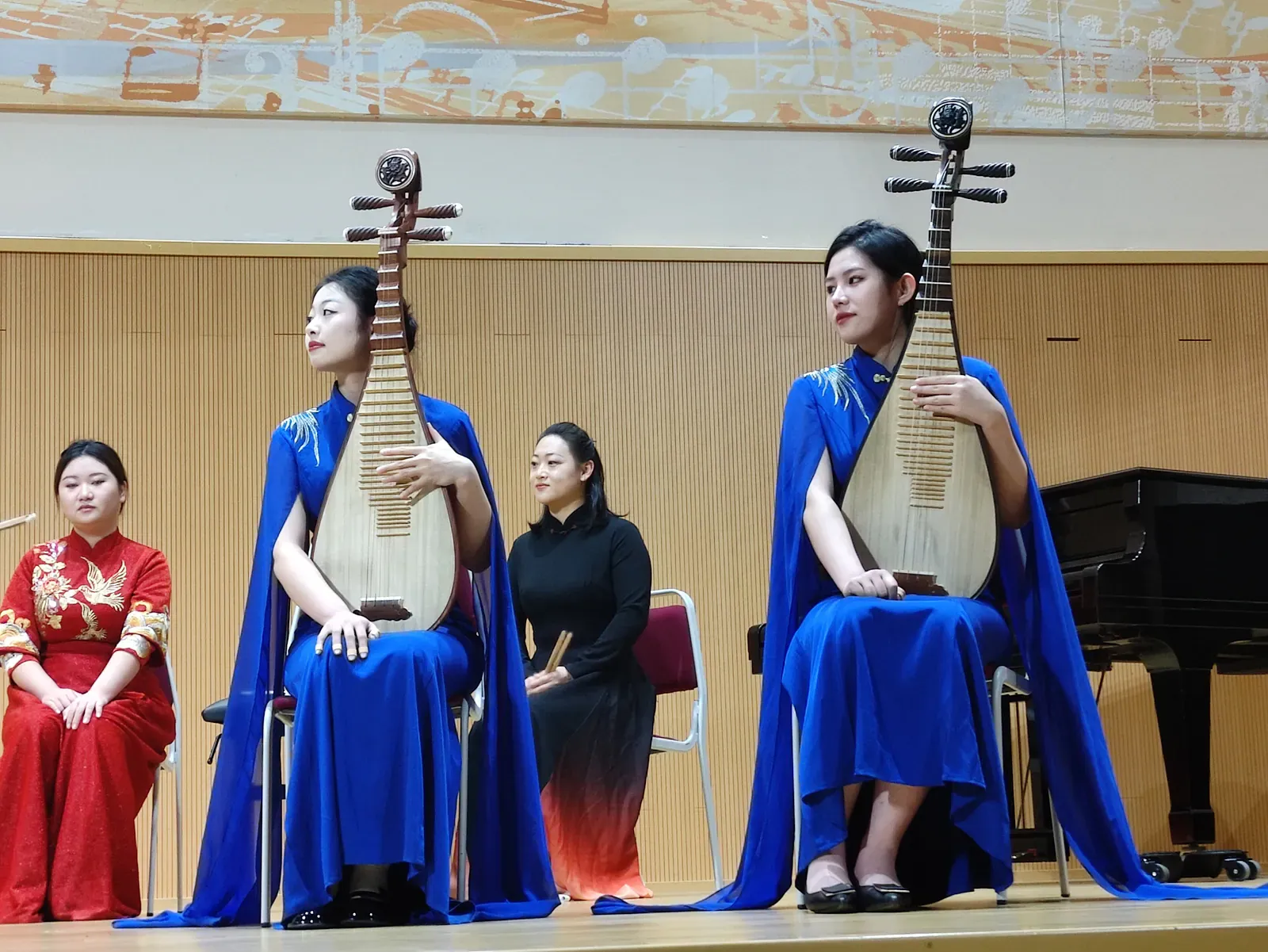
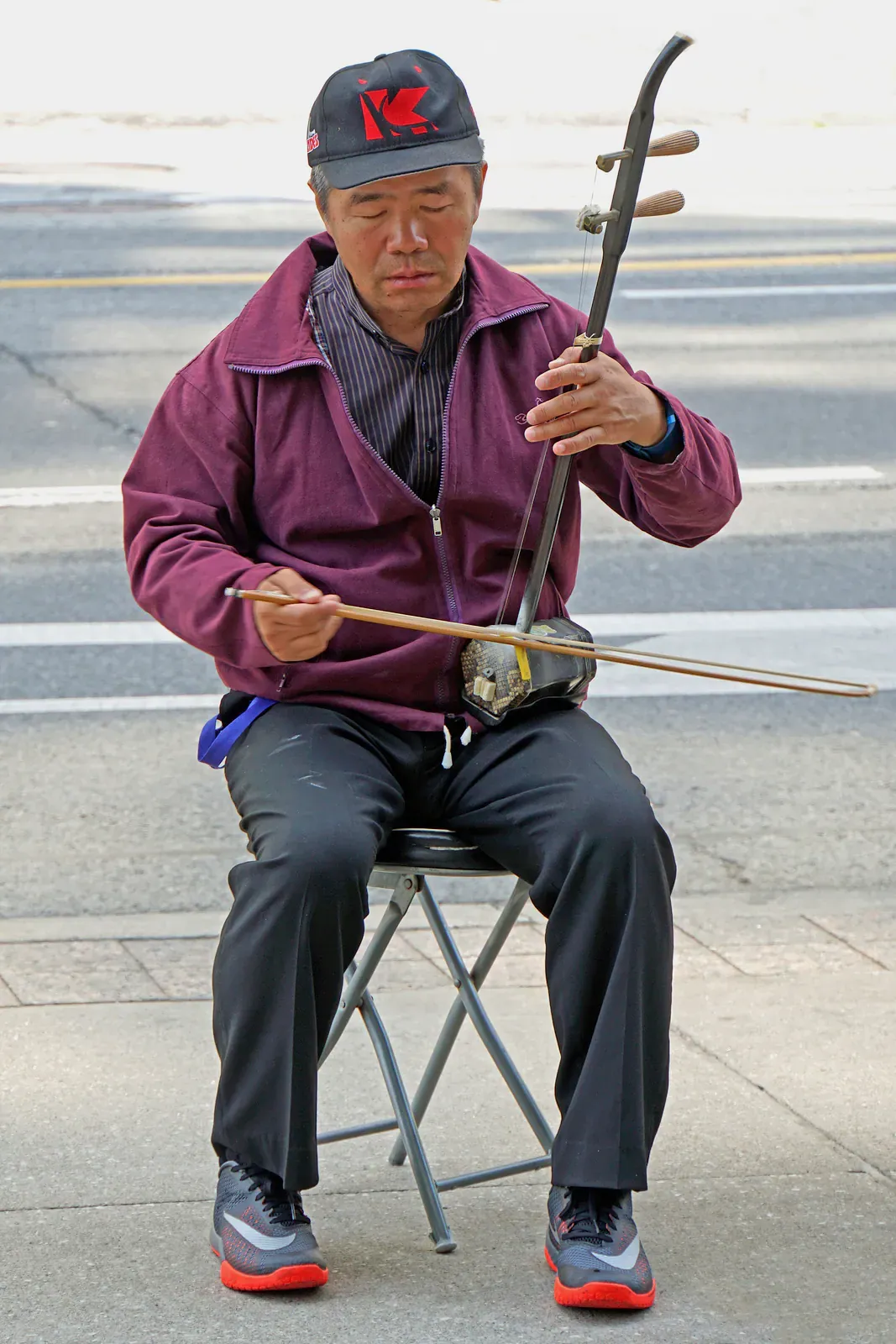
China gave the region two instruments that still define the sound of films and festivals. The pipa is a pear-shaped lute held upright, plucked in fast tremolo, and the erhu is a two-string fiddle with a snakeskin-covered body, played with a bow that passes between the strings.
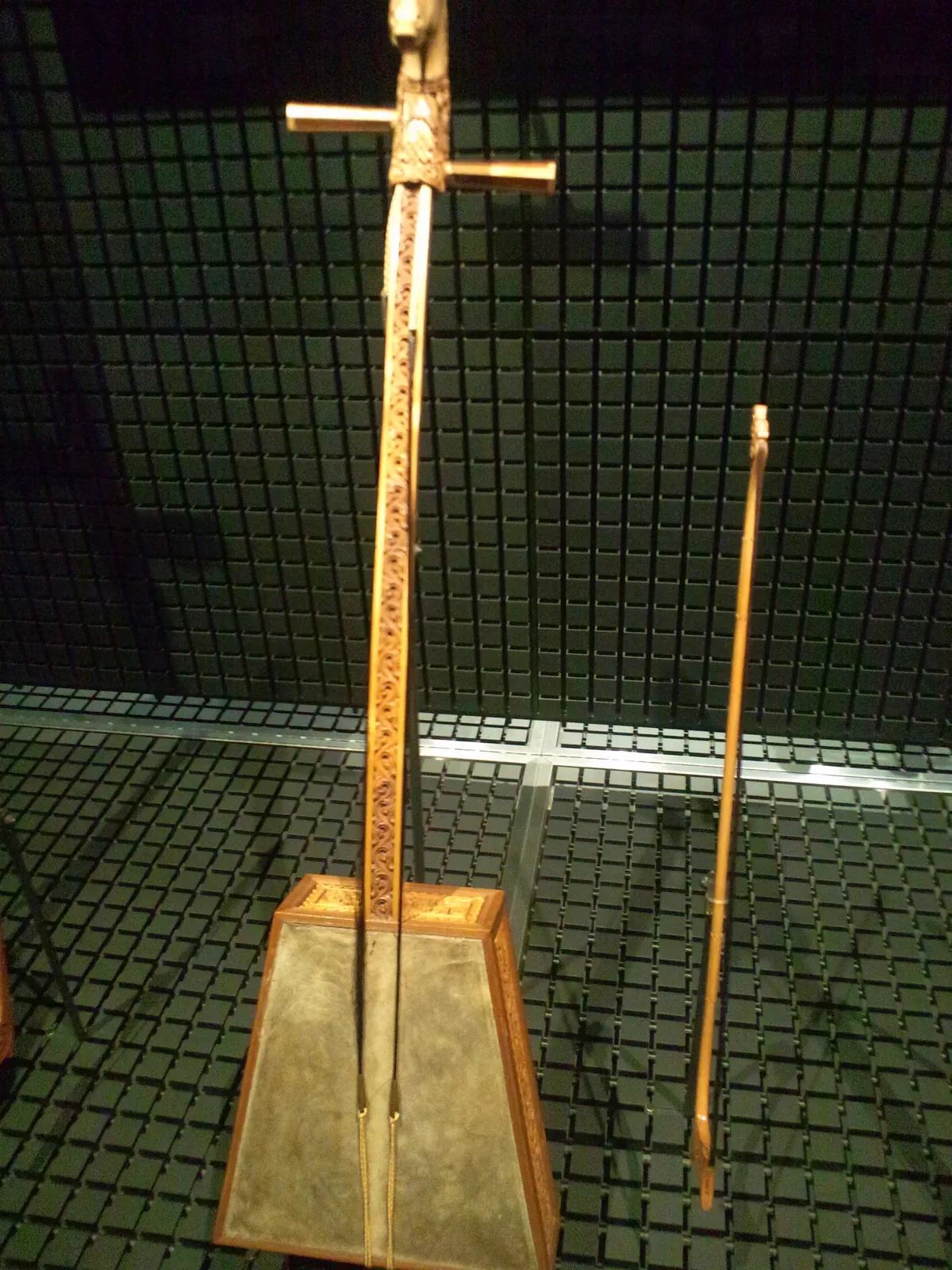
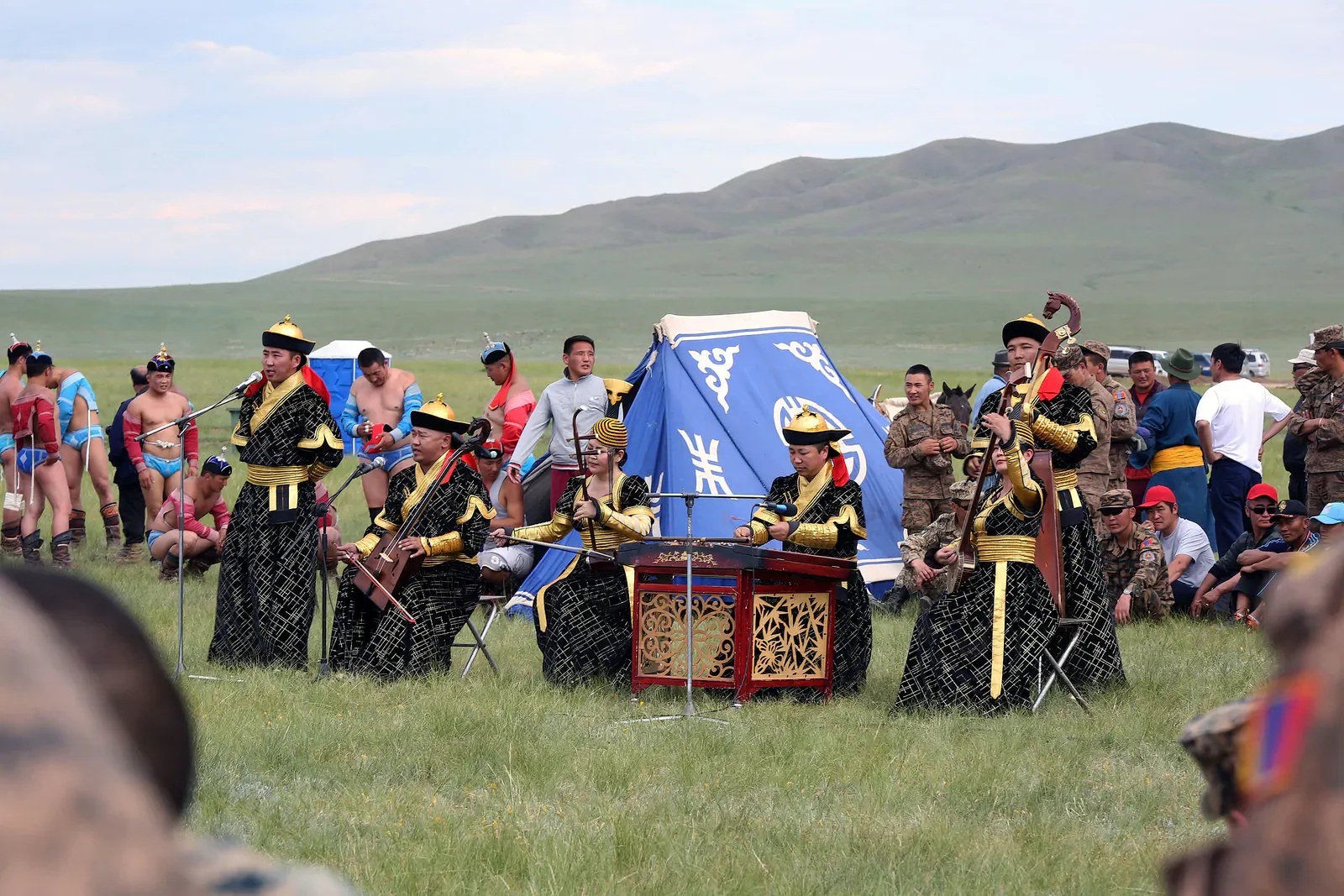
Mongolia belongs in this story too. The morin khuur, a two-string fiddle with a carved horse-head scroll, is the national instrument. UNESCO named its traditional music a Masterpiece of the Oral and Intangible Heritage of Humanity in 2003 and listed it as intangible heritage in 2008.
Gramophone and treaty ports, 1900-1945
Records changed who made music. Nipponophone, the company that became Nippon Columbia, was founded in Japan in 1910. In 1926 Yun Sim-deok recorded Sa-ui Chanmi, often cited as the first Korean pop record, which helped start the trot era. In Shanghai in 1927, Li Jinhui’s troupe created the first shidaiqu by fusing jazz with Chinese folk song, and the port city became the centre of Mandarin popular music.
What these early records share is borrowing. Western harmony, jazz bands and dance-hall rhythms met local scales and lyrics, and each country invented a local form out of the mixture: shidaiqu in Shanghai, ryukoka in Japan, trot in Korea. They set the template that later pop systems would follow, with a local song sung over imported dance music.
Postwar stars and enka, 1946-1969
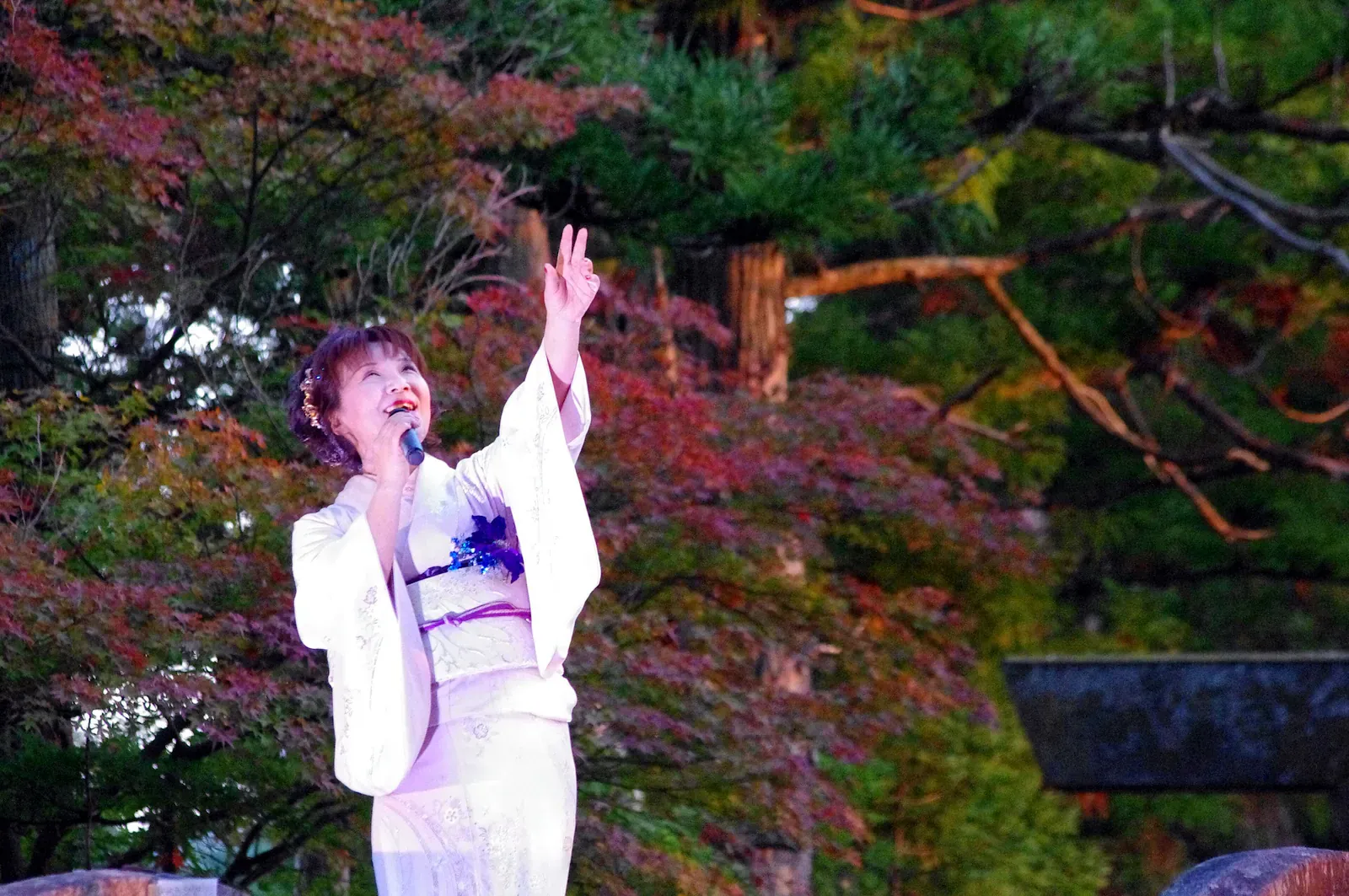
After the war, Japan’s recording industry rebuilt faster than its neighbours. Hibari Misora made her recording debut in 1949, aged twelve, for Nippon Columbia and became a national star. In 1961 Kyu Sakamoto released Ue o Muite Arukou, and as Sukiyaki it reached number one in the United States in 1963, the first US number one by an Asian artist. Toshiba EMI issued it in Japan. Enka, a style of slow ballads about loss, travel and homeland, took shape in this period and found its voice in singers like Misora.
Regional pop systems, 1970-1989
By the 1970s every major market had its own star system. In Hong Kong, Sam Hui’s Games Gamblers Play (1974) is a landmark of Cantopop, pop sung in Cantonese. Teresa Teng broke through in Japan with Airport in 1974 and made The Moon Represents My Heart famous in 1977, carrying Mandarin ballads across borders. In Taiwan, campus folk began around 1975 as students started writing Mandarin songs of their own. In Korea, Cho Yong-pil’s Come Back to Busan Port (1976) made him a national star.
Japan’s electronic experiments belong here as well. Yellow Magic Orchestra released their debut in 1978 on Alfa Records, which launched Japanese electronic pop, and Mariya Takeuchi’s Variety (1984) with Plastic Love was a hit for the style now called city pop. Technology mattered: karaoke appeared in 1971, the Sony Walkman followed in 1979 and the Roland TR-808 drum machine in 1980, and each reshaped how people sang, listened and programmed.

In Hong Kong the story ran through television and labels. Capital Artists gained ground after the TVB New Talent Singing Awards began in 1982, a contest that guaranteed winners a recording contract. Anita Mui, who won that year, released Bad Girl in 1985, a record that rebuilt her image and made her the “Queen of Cantopop”.

Idols, J-pop and Hallyu, 1990-2009
The 1990s were the age of the idol and the multi-million seller. In Japan, Avex pushed dance pop with trf, and Ayumi Hamasaki became its star later in the decade. Victor Entertainment kept SMAP on top of the charts for years, and Hikaru Utada’s First Love (1999) came out on Toshiba EMI as one of the biggest-selling albums in Japanese chart history.
In Korea, the turn came in April 1992 when Seo Taiji and Boys debuted on television with Nan Arayo, bringing rap and dance into pop. In 1996 SM Entertainment debuted H.O.T., the first big idol group of the Korean trainee system, in which teenagers spent years learning singing, dance and languages before debut. YG Entertainment in 1996 and JYP Entertainment in 1997 added their own rival schools. Hallyu, the Korean wave, took the system across Asia. Jay Chou’s debut album Jay in 2000 started a Mandopop style that mixed R&B, rap and Chinese folk colours.

Streaming and global fandom, 2010-2026
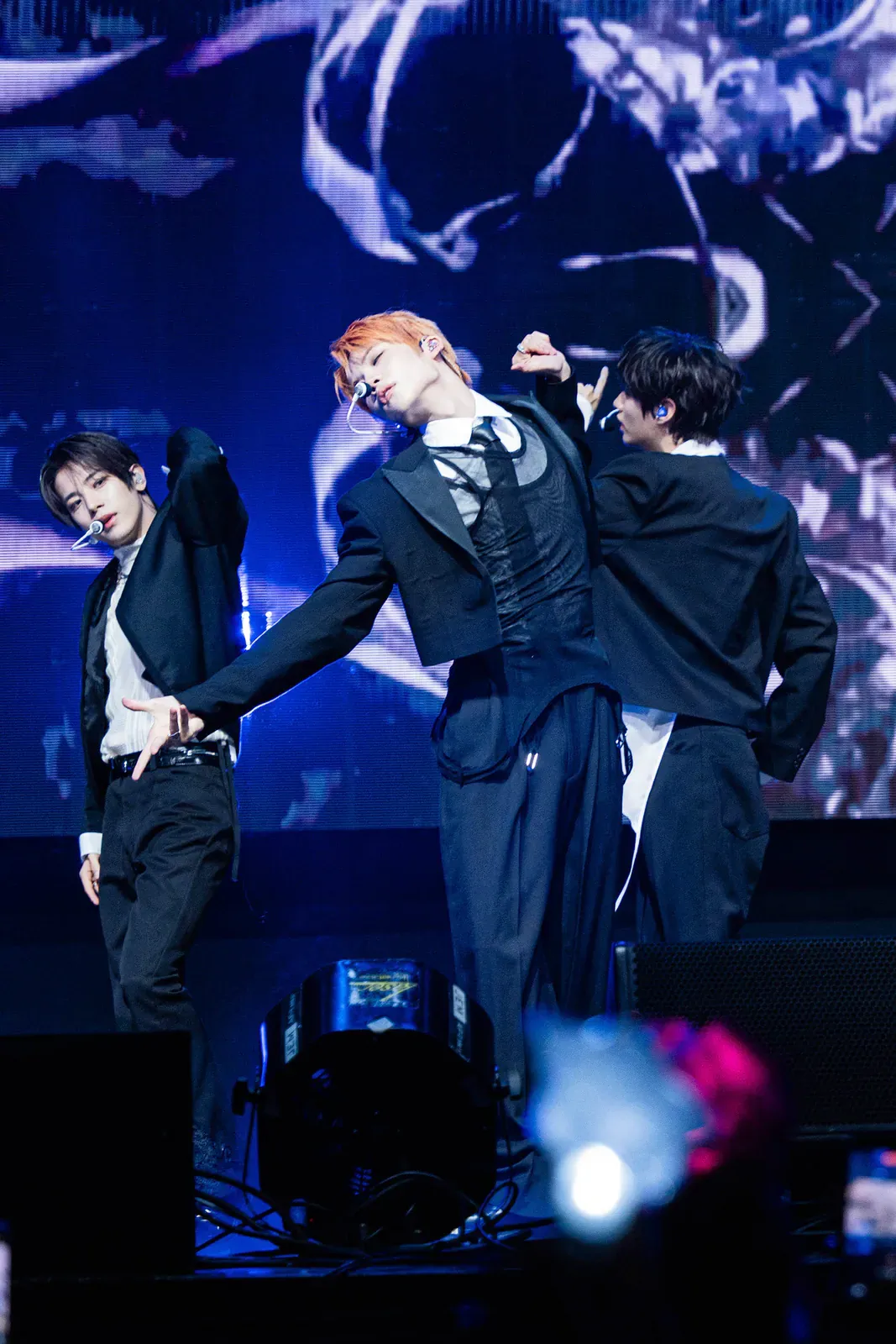
YouTube turned the model into a world business. PSY’s Gangnam Style (2012), released by YG, became the first video to pass one billion views. BTS debuted with No More Dream in 2013 on the label that became HYBE, and in 2020 reached number one on the Hot 100 with the English-language Dynamite. BTS’s Arirang, released on 20 March 2026, debuted at number one on the Billboard 200, press reports say.

The wave carried older sounds with it. Plastic Love resurfaced on YouTube around 2017 and brought new listeners to city pop. The Hu, a Mongolian band formed in Ulaanbaatar in 2016, released Yuve Yuve Yu and Wolf Totem in 2018 and reached number one on a Billboard hard-rock sales chart in 2019, blending the morin khuur and throat singing with heavy rock.
For a comparison with a neighbouring region, see the central Asian family, and for how pop forms elsewhere, the pop family.
Culture
Two economies run side by side. Traditional forms depend on schools, family lineages, temples and state or festival funding, so a shamisen or gayageum teacher passes on a repertoire through years of lessons. Pop depends on labels, television and, now, platforms. Karaoke made ordinary people into performers: enka and Cantopop were written for rooms where customers sing.
Control matters too. Several large Korean companies have been through ownership fights and scandals, which shows how much of the business rests on a few firms. Hong Kong and Taiwan pop developed in markets with different rules from mainland China, which is why Cantopop and Mandopop sound different. Fan culture sets the finish: light sticks, fan clubs and platforms now organise the audience as much as the radio once did.
Misconceptions
Myth 1: all of it is K-pop. K-pop is one part of a much older set of traditions. Japan’s recording industry started in 1910 with Nipponophone, and Japanese stars such as Hibari Misora and Kyu Sakamoto were national and international names decades before Korean idols.
Myth 2: traditional instruments are museum pieces. The Hu, who use the morin khuur and throat singing in a rock band, and tsugaru-jamisen players who mix shamisen with jazz and rock show that these instruments are still evolving.
Myth 3: K-pop was invented from nothing in the 2010s. SM debuted H.O.T. in 1996, and Seo Taiji and Boys brought rap and dance to Korean television in 1992. Gangnam Style and BTS came after decades of groundwork.
Frequently asked questions
What is East Asian music?
East Asian music covers the traditional and popular music of China, Japan, Korea, Mongolia, Hong Kong and Taiwan. It includes court music such as gagaku, opera, enka, Cantopop, Mandopop, J-pop and K-pop.
What is the difference between J-pop, K-pop and Cantopop?
J-pop is Japanese pop and K-pop is Korean pop, usually built on idol groups trained by agencies. Cantopop is pop sung in Cantonese, centred on Hong Kong. Each grew from different labels, languages and markets.
What are the main traditional East Asian instruments?
The best known are the Japanese shamisen and koto, the Chinese erhu, pipa and guzheng, the Korean gayageum and the Mongolian morin khuur. Most are plucked or bowed string instruments.
When did K-pop start?
K-pop’s modern form began in the 1990s. Seo Taiji and Boys debuted in 1992 and SM Entertainment launched H.O.T. in 1996, the first big idol group built on a trainee system.
Subgenres
Genres in the family
36 main branches. Names with their own page are links.
- Ainu music
2 branches
- Beiguan
- Biwa music
4 branches
- Campus folk song
12 branches
11 branches
33 branches
- Gagaku
3 branches
- Hakka bayin
- Hakka hill song
- Hōgaku
710
6 branches
- Kabuki music
2 branches
1 branch
- Korean revolutionary opera
3 branches
12 branches
- Ningyo joruri
2 branches
- Noh music
1 branch
4 branches
- Pingtan
2 branches
- Quyi
- Red song
- Rokyoku
- Ryukoka
- Shakuhachi honkyoku
- Sokyoku
4 branches
- Taoist ritual music
2 branches
- Yanyue
- Yayue
Sound
What it sounds like
Tempo
- Overall40-140
- Gagaku40-100
- Pansori40-90
- Trot90-130
- Enka80-125
- Min'yo95-125
- Taiko95-140
- Chinese opera70-135
Drums and percussion
- Kakko
- Taiko
Techniques
- Jo-ha-kyu
- Ma
- Kobushi
- Jangdan cycles
- Xipi and erhuang
- Aitake
Keys and modes
Gong, shang, jue, zhi, yu modes. Five Chinese pentatonic modes without semitones, each starting on a different degree of one five-note scale.
Ryo and ritsu. The two gagaku scale families, ryo major-leaning and ritsu close to Dorian.
Yonanuki pentatonic. Anhemitonic five-note scale of enka melodies, with a minor-leaning colour.
Anhemitonic pentatonic minor. Common in early Korean trot, shared with Korean folk song.
Tuning
Pentatonic and modal systems tuned by ear and instrument, not 12-TET; shamisen tunings honchoshi, niagari and sansagari
Vocals
Opera and enka vocals rely on ornamented, held lines; trot and pop use clear lead vocals
Instruments
- Shamisen
Three-string lute behind kabuki, nagauta and enka vocals.
- Koto
Japanese long zither used in gagaku, sokyoku and modern fusion.
- Guzheng
Chinese plucked zither at the centre of the Chinese orchestra and solo repertoire.
- Gayageum
Korean twelve-string zither that leads gugak and fusion gugak.
- Erhu
Two-string Chinese fiddle that carries opera and folk melody.
- Morin khuur
Mongolian horsehead fiddle, the voice of the steppe and of bands like The Hu.
- Shakuhachi
End-blown bamboo flute of Japanese Zen honkyoku and modern fusion.
- Janggu
Hourglass drum that keeps time in Korean folk and court music.
Technology that shaped it
- 1910Gramophone records
Nipponophone starts the record business in Japan; shellac discs spread local songs.
- 1971Karaoke
Daisuke Inoue's 1971 machine in Japan makes amateur singing a pillar of pop and enka.
- 1979Sony Walkman
The portable cassette player makes personal listening a mass habit.
- 1980Roland TR-808
The drum machine shapes Japanese electronic pop; YMO were among the first to use it.
- 2005YouTube
Video streaming carries K-pop and a revived city pop worldwide.
Essential records
- 1961Ue o Muite Arukou (Sukiyaki)
Kyu Sakamoto. The only Japanese-language single to top the US Hot 100.
- 1976Come Back to Busan Port
Cho Yong-pil. The hit that made Cho a mainstream star in South Korea.
- 1977The Moon Represents My Heart
Teresa Teng. The Mandarin ballad that crossed borders in the Chinese-speaking world.
- 1977Tsugaru Kaikyo Fuyugeshiki
Sayuri Ishikawa. A model of enka: winter, longing and a voice built on kobushi.
- 1978Yellow Magic Orchestra
Yellow Magic Orchestra. Debut album of Japanese synth-pop with arcade game sounds and disco.
- 1984Variety
Mariya Takeuchi. The album that holds Plastic Love, the city pop revival touchstone.
- 1985Bad Girl
Anita Mui. The image-changing Cantopop album that sold over 400,000 copies.
- 1989Kawa no Nagare no Yo ni
Hibari Misora. Her last recording, a national farewell song.
- 1999First Love
Hikaru Utada. A debut album that sold over seven million copies in Japan.
- 2000Jay
Jay Chou. The debut that set off the Mandopop style known as Chinese wind.
- 2012Gangnam Style
PSY. The first YouTube video to reach one billion views.
- 2020Dynamite
BTS. BTS's first number one on the US Hot 100, sung in English.
Scenes
Where it happened
Where and when the sound lived: one bar per city on a shared timeline.
Asia
Active scenes
Peak 6, 2016-2025
The Heian court fixed gagaku and its dance form bugaku.
Home of Peking opera since the Anhui troupes arrived in 1790.
Birthplace of shidaiqu, the jazz-folk pop of the 1920s to the 1940s.
The centre of Japan's record industry, from enka and kayokyoku to city pop and J-pop.
Took in shidaiqu and then built Cantopop from the 1970s.
Campus folk, Rock Records and Mandopop were built here.
From trot recordings to Seo Taiji and the K-pop agencies.
The Hu formed here and carried morin khuur rock abroad.
Glossary
Terms on this page
Cantonese-language pop of Hong Kong that took shape in the 1970s.
Smooth, urban Japanese pop of the late 1970s and 1980s, revived online in the 2010s.
Sentimental Japanese ballads sung with a vibrato technique called kobushi.
Japan's imperial court music, built from Chinese and Korean imports and set by the Heian era.
The Korean Wave, the global spread of Korean pop music, TV and film.
Japan's mainstream popular song of the mid-20th century, a bridge between enka and J-pop.
Mongolian throat singing, in which one singer produces two pitches at once.
Shanghai pop of the 1920s to 1940s, a mix of jazz and Chinese folk melody.
Korean popular style with roots in the colonial period and a steady two-beat rhythm.
Families