Kayokyoku
Kayokyoku is Japanese Showa-era popular song, grown from ryukoka in the 1920s and carried by mood kayo, Sukiyaki and idol pop into J-pop.
Japan, around 1927
East Asian family
Born
around 1927
Japan
Subgenres
1
Documented branches
Links
17
Genres it drew on or shaped
Tempo
80-165 BPMLineage
Family tree
Grew out of
- Ryukoka
Derived from
Japan
Kayokyoku
Led to (7)
Timeline
Era by era
From the first sparks to today. Select a dot to read the story behind it.
- Radio and ryukoka roots
1927 to 1945
- Postwar stars and mood kayo
1946 to 1960
- Sukiyaki and youth pop
1961 to 1969
- Idol kayo and television
1970 to 1989
- J-pop and the Showa revival
1990 to today
Eras
Moments
- 1 Radio and ryukoka roots, 1927 to 1945
- 2 Postwar stars and mood kayo, 1946 to 1960
- 3 Sukiyaki and youth pop, 1961 to 1969
- 4 Idol kayo and television, 1970 to 1989
- 5 J-pop and the Showa revival, 1990 to today
around 1927
Radio and ryukoka roots
NHK radio adopted the word kayokyoku as another name for ryukoka around 1927. Record labels, microphone crooning and Western-influenced songs such as Wakare no Blues built the first mass pop repertoire.
- 1927NHK adopts the term kayokyokuNHK radio begins using kayokyoku, once a word for Western art song, as another name for ryukoka around this year.
- 1937Wakare no Blues becomes a hitNoriko Awaya's recording of Ryoichi Hattori's jazz-inflected song earns her the title Queen of Blues.
1946
Postwar stars and mood kayo
Boogie-woogie hits, the child star Hibari Misora, the first Kohaku broadcast and Frank Nagai's jazz-tinged mood kayo made the genre the soundtrack of postwar recovery.
- 1947Shizuko Kasagi's Tokyo Boogie-WoogieHattori's boogie-woogie number becomes a postwar hit and a template for upbeat Japanese pop.
- 1949Hibari Misora debuts with Kappa Boogie-WoogieThe 12-year-old, first known as an impersonator of Kasagi, begins a career that spans four decades.
- 1951First Kohaku Uta GassenThe red-and-white New Year song contest starts as a radio show on 3 January and becomes the genre's yearly showcase.
- 1957Frank Nagai's Yurakucho de AimashoTadashi Yoshida's baritone ballad launches mood kayo, with jazz and Latin colour in a nightclub setting.
- 1958Nichigeki Western Carnival opensRock and roll shows in Tokyo give future stars such as Kyu Sakamoto and Mickey Curtis their start.
- 1959Japan Record Awards foundedThe annual awards of the Japan Composer's Association begin and later air on TBS at year end.
1961
Sukiyaki and youth pop
Kyu Sakamoto's Ue o Muite Arukou topped the Billboard Hot 100 in 1963, while Group Sounds bands and seishun kayo singers gave the genre a younger, Western-leaning edge.
- 1961Kyu Sakamoto releases Ue o Muite ArukouRokusuke Ei's lyrics and Hachidai Nakamura's melody make it the top-selling Japanese song of the year.
- 1963Sukiyaki tops the Billboard Hot 100Renamed Sukiyaki abroad, the song reaches number one in June 1963 and goes on to sell over 13 million copies.
- 1965Hibari Misora's Yawara wins the Record AwardComposed by Masao Koga, the song takes the Japan Record Awards grand prix as Group Sounds begins to change youth taste.
1970
Idol kayo and television
Karaoke spread, Pink Lady, Momoe Yamaguchi, Seiko Matsuda and Akina Nakamori dominated weekly chart shows, and Hibari Misora's death in 1989 closed the Showa era of the genre.
- 1971Daisuke Inoue places the first 8 Juke machinesThe coin-operated sing-along box starts in Kobe snack bars and leads to the karaoke boom of the mid-1970s.
- 1976Pink Lady debut with Pepper KeibuThe duo's first single, with lyrics by Yu Aku, starts a run of dance-led idol hits.
- 1978TBS starts The Best TenThe live Thursday chart show, running to 1989, becomes the main television outlet for kayokyoku singers.
- 1978Momoe Yamaguchi's Playback Part 2Her 22nd single, released in May by CBS Sony, is one of the best known idol kayo songs.
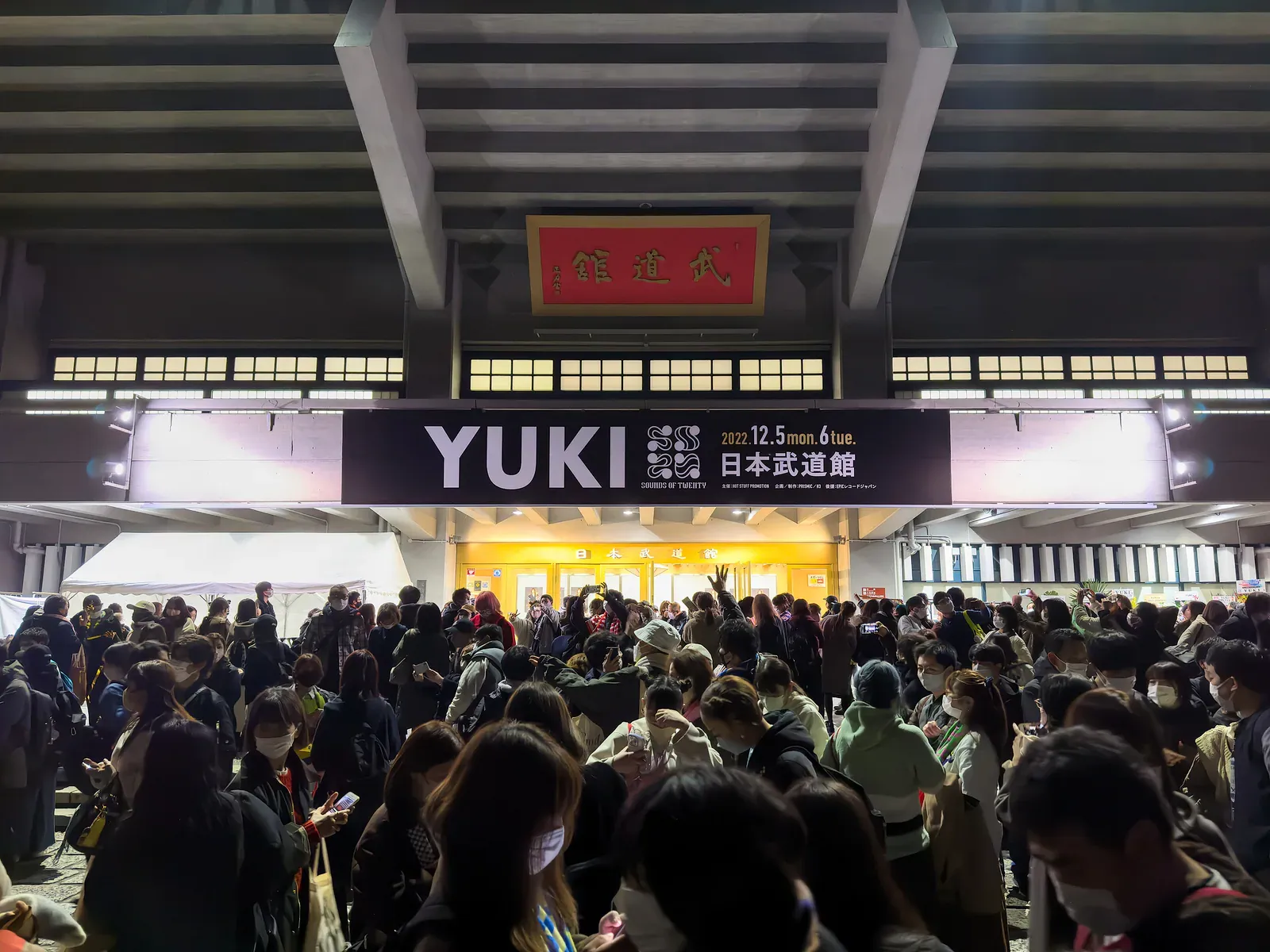
- 1980Momoe Yamaguchi's farewell at BudokanShe gives her farewell concert at the Nippon Budokan on 5 October and retires ten days later to marry.
- 1980Seiko Matsuda debutsHer run of hits through the 1980s makes her one of the defining idols of the decade.
- 1982Akina Nakamori's Shojo AThe second single, released in July after her debut Slow Motion, sets her rebellious image.
- 1989Hibari Misora diesHer death in 1989, months after Kawa no Nagare no You ni, marks the end of the Showa era of the genre, and many singers are then called enka artists.
1990
J-pop and the Showa revival
J-pop absorbed the mainstream and the word kayokyoku shrank to a retro label, until a Showa kayo boom around 2020 sent new listeners back to the records and TV archives.
- 2020Showa kayo boomThe Best Ten returns in reruns on TBS Channel 2, helped by a Showa kayo boom among younger viewers.
Listening path
Start listening
A short path from an easy way in to the deep end. Thumbnails come from YouTube; the player loads only when you press play.
- 01
Frank Nagai, 1961
A smooth baritone ballad in the mood kayo style, the easiest way into the nightclub side of the genre.
- 02
Kyu Sakamoto, 1961
The original Japanese version of Sukiyaki; listen for the whistled hook and the quiet sadness under a brisk beat.
- 03
Seiko Matsuda, 1982
A defining idol kayo single: bright vocal, polished studio arrangement, soft melody.
- 04
Akina Nakamori, 1982
The sharper side of 1980s idol pop, with a defiant vocal and a dramatic arrangement.
- 05
Hibari Misora, 1989
A slow farewell ballad that closes the Showa era; hear the broad legato phrasing.
Facts
| Family | East Asian |
| Origin | Japan |
| Emerged | 1920s |
| Status | Historical |
| Tempo | 80 to 165 BPM |
| Grew out of | Ryukoka |
| Subgenres | 1 |
Kayokyoku (literally “pop tune”) is the mainstream Japanese popular song of the Showa era, a blend of Western and Japanese scales that took shape from ryukoka in the late 1920s and became the base of modern J-pop.
Its melodies are simple and sentimental, its lyrics are about everyday feelings, and its singers use plain Japanese pronunciation. In the narrow sense the word excludes both enka and J-pop, although the borders have always been loose. The genre belongs to the wider East Asian family.
Origins
The word first meant something else: in Japan, kayokyoku originally referred to Western classical art song, or lied. NHK radio began using it around 1927 as another name for ryukoka, the commercial popular song of record labels and the new microphone, and the usage settled in the second half of the 1930s. Ryukoka itself had roots in min’yo folk tunes. Shinpei Nakayama’s early songs set Japanese pentatonic melodies in Western notation, but the scale, a minor pentatonic without the fourth and seventh degrees, was hard to harmonize in equal temperament, so arrangers kept mixing in Western chords.
The first stars were trained in the concert hall. Ichiro Fujiyama, a Tokyo Music School student, recorded Masao Koga’s “Sake wa Namida ka Tameiki ka” in 1931 and sang it close to the microphone in a deep, low voice, which made a new intimate style. Noriko Awaya’s “Wakare no Blues” (1937), composed by the jazz writer Ryoichi Hattori, earned her the title of Queen of Blues. War then took over radio: NHK’s Kokumin Kayo program, launched in 1936 to compete with ryukoka, turned to war songs by mid-1937, and many songs from the period were later forgotten because of their painful associations.
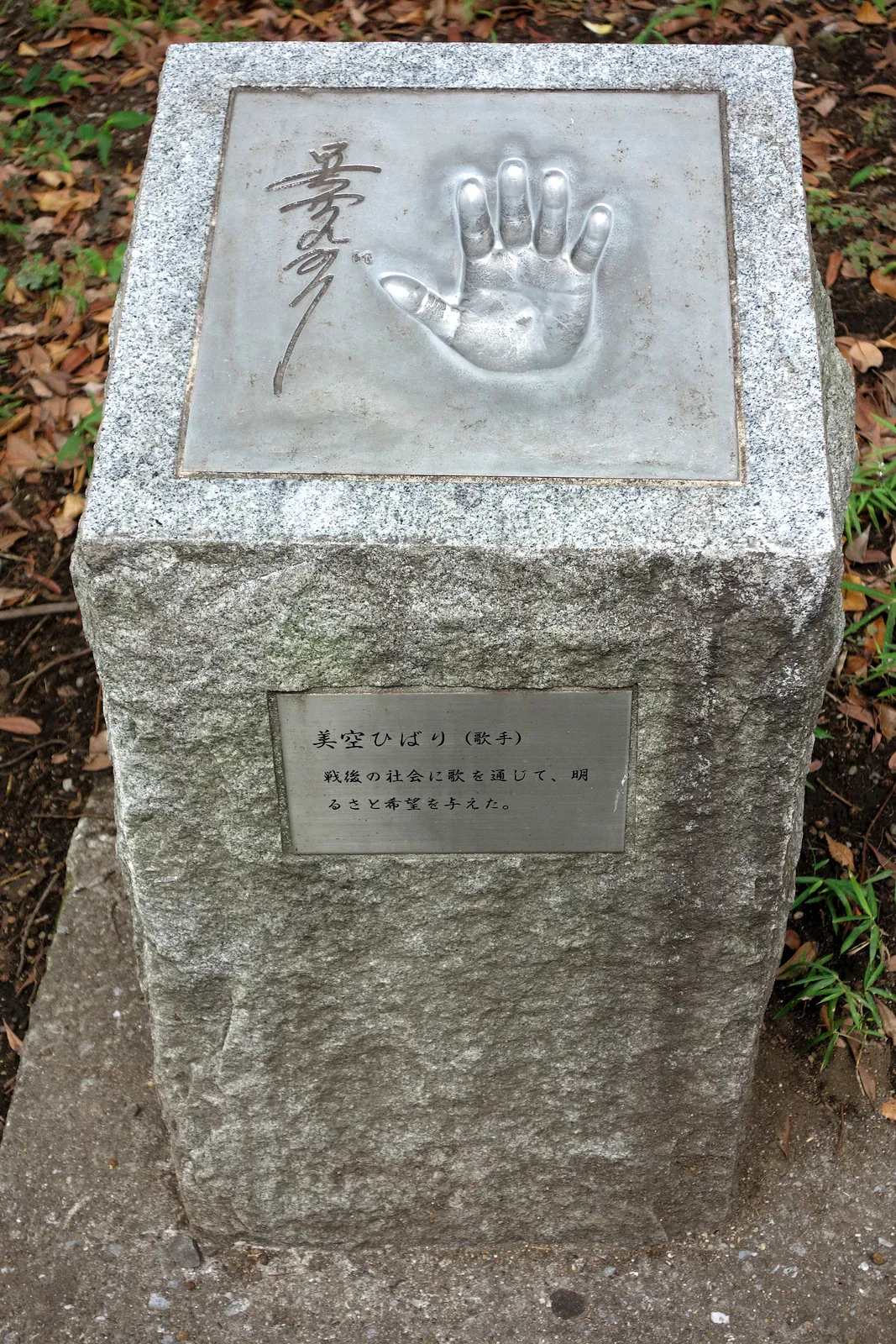
Postwar stars and mood kayo, 1946-1960
After 1945 popular song revived quickly. Hattori’s “Tokyo Boogie-Woogie,” sung by Shizuko Kasagi in 1947, brought American rhythm into Japanese pop, and a girl of twelve who imitated Kasagi on stage, Hibari Misora, made her recording debut in 1949 with “Kappa Boogie-Woogie.” The first Kohaku Uta Gassen aired on radio in 1951 and gave the year’s biggest singers a national stage.
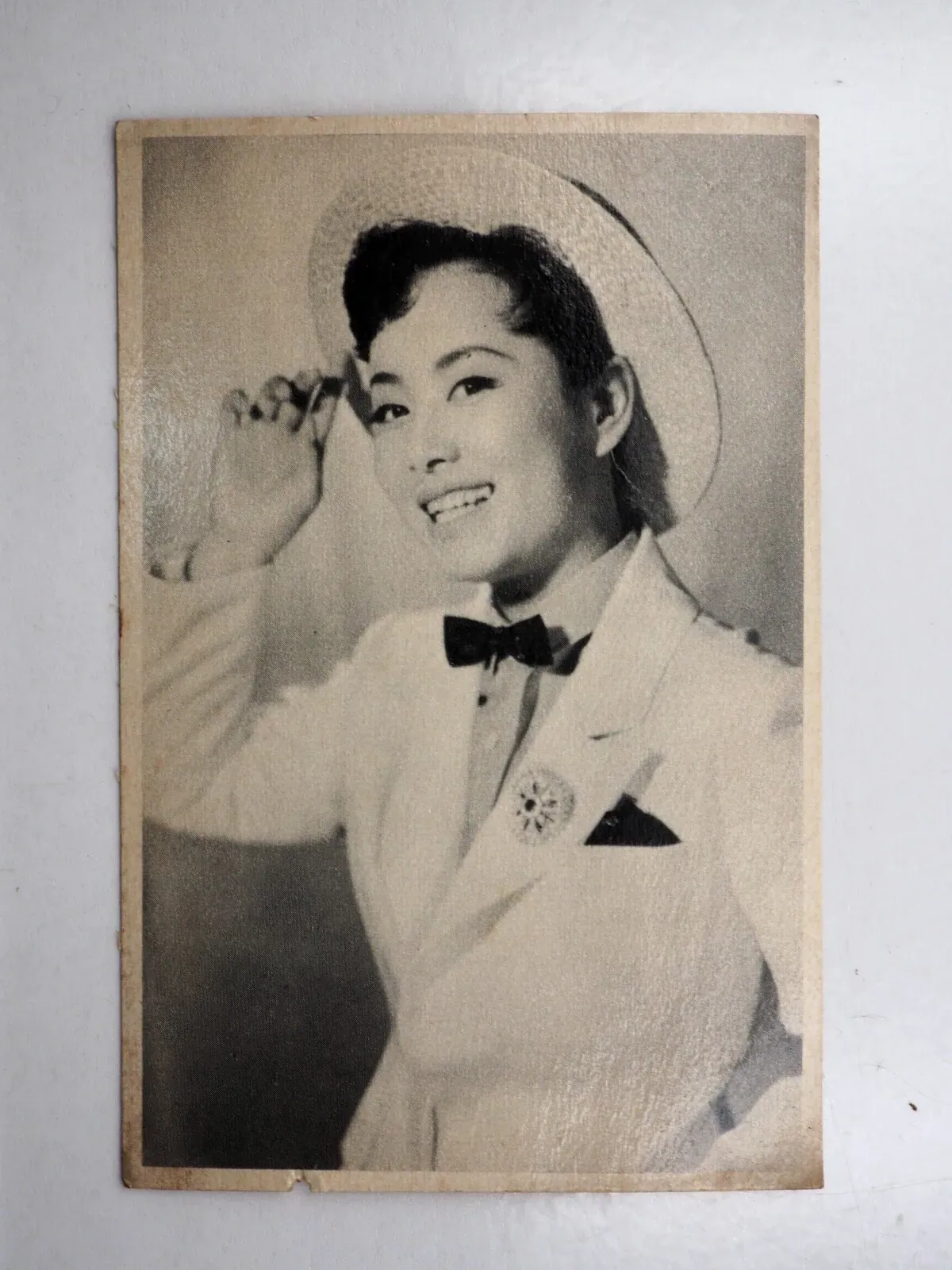
Historians of the genre often say ryukoka was the pop of the 1940s and kayokyoku the pop of the second half of the 1950s. Composers split into schools: Tadashi Yoshida’s mood kayo, Toru Funamura and Minoru Endo’s enka, and the jazz of Hachidai Nakamura and Hiroshi Miyagawa. Mood kayo took the jazz and Latin sound heard in nightclubs and combined it with a smooth baritone, strings and muted horns. Frank Nagai’s “Yurakucho de Aimasho” (1957), written by Yoshida, made the style a national taste, and his title song for the film “Nishi Ginza Eki Mae” (1958) kept it in cinemas. Musicians who had fled Shanghai after 1949 and American soldiers stationed in Japan helped bring jazz and other new styles into the genre, and many singers and groups learned their trade at US bases.
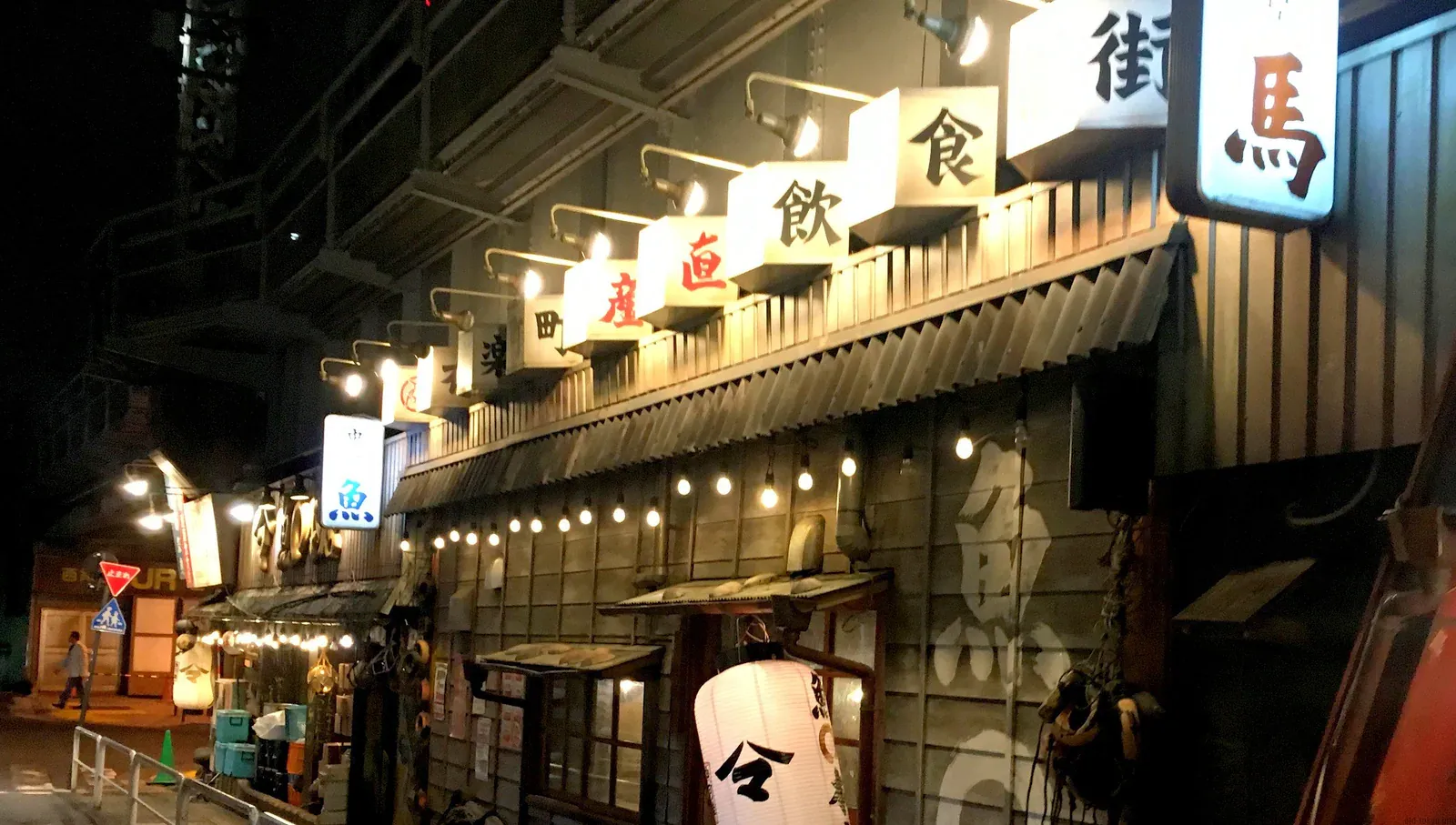
The late 1950s brought rock and roll. The Nichigeki Western Carnival opened in 1958, and young singers such as Kyu Sakamoto and Mickey Curtis performed there. The Japan Record Awards, founded in 1959, soon became the year-end verdict on the industry.
Sukiyaki and youth pop, 1961-1969
Sakamoto, the Peanuts and Mieko Hirota began by covering American songs before singing material written for them. In 1961 Sakamoto released “Ue o Muite Arukou,” with lyrics by Rokusuke Ei and music by Hachidai Nakamura. Ei wrote the words while walking home from the 1960 protests against the US-Japan security treaty, but kept them generic, so that they could refer to any lost love. It was the top song of the year in Japan.
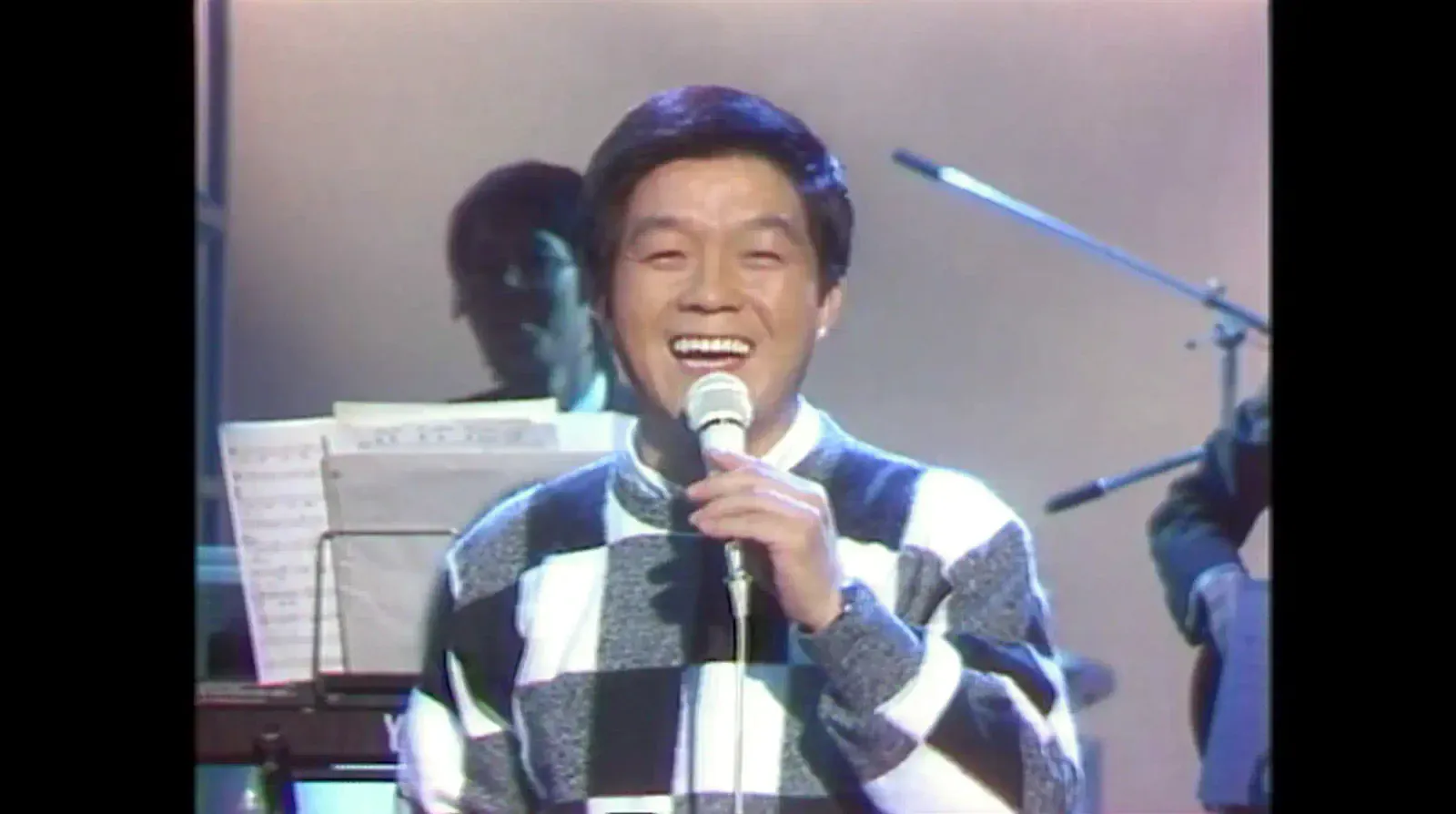
Abroad the song was renamed “Sukiyaki” and reached number one on the Billboard Hot 100 in June 1963, the first top-of-the-chart song in a non-European language and the only Asian act at number one until BTS in 2020. It has sold more than 13 million copies. The follow-up, “China Nights,” peaked at number 58, and no Japanese act reached the American chart again for sixteen years, until Pink Lady’s “Kiss in the Dark” in 1979.
At home the sound turned younger. Kazuo Funaki’s “Koko San Nen Sei” (1963) led what was called seishun kayo, youth kayo. Masao Koga’s “Yawara” won Hibari Misora the Japan Record Awards grand prix in 1965. Group Sounds bands such as the Blue Comets, whose “Blue Chateau” won the grand prix in 1967, pushed songs toward rock.
Idol kayo and television, 1970-1989
In the 1970s the genre became a television business. Hiromi Go, Hideki Saijo and Goro Noguchi were called the New Gosanke, and Momoe Yamaguchi, Junko Sakurada and Masako Mori the Flower Junior High Trio. The lyricist Yu Aku wrote Finger 5’s “Kojin Jugyo” (1973) and Pink Lady’s debut “Pepper Keibu” (1976). Karaoke grew alongside them: Daisuke Inoue began leasing coin-operated 8 Juke machines to Kobe bars in 1971, and by the mid-1970s the boom made simple, memorable kayokyoku songs the standard sing-along repertoire.
The live chart show The Best Ten, on TBS from 1978 to 1989, reached an audience share of 41.9 percent and set the weekly rhythm of the industry. Yamaguchi’s “Playback Part 2” (1978) is one of its best remembered songs. She retired at the height of her fame with a farewell concert at the Nippon Budokan on 5 October 1980.
The 1980s belonged to Seiko Matsuda, Yukiko Okada and Akina Nakamori, and to the Johnny’s soloist Masahiko Kondo, whose “Orokamono” took the 1987 grand prix. Onyanko Club sat on the border between kayokyoku and J-pop.
After 1989
When Hibari Misora died in 1989, the word kayokyoku mostly faded. Many of its older singers were reclassified as enka artists even though their sound had not changed, while Shinichi Mori and Kiyoshi Maekawa insisted that they were kayokyoku singers, not enka. Performers who followed Hikaru Genji and Dreams Come True were called J-pop, though some argue that J-pop is a subgenre of kayokyoku. A Showa kayo boom around 2020, with The Best Ten rerun on TBS Channel 2, sent younger listeners back to the era, and the singer Junko Akimoto, popular in 2008, has been called a modern example of the style. City pop, which grew up from the mid-1970s, was influenced by it.
Characteristics
Melody comes first: tunes are easy to follow and to sing, and the words speak to ordinary listeners’ feelings that social appearances keep hidden. Unlike J-pop singers, kayokyoku singers avoid English-styled pronunciation, with exceptions such as Yamaguchi’s “Rock ‘n’ Roll Widow.” Unlike enka, the style does not rely on displays of effort or kobushi ornament. Singers present themselves as cute and approachable, and production companies set much of their appearance and conduct.
Instruments and production
Early kayokyoku used a studio orchestra and a microphone, and mood kayo added strings, muted horns and Latin or Hawaiian touches. Composers with jazz training, such as Nakamura, wrote at the piano; electric guitar entered through rock and roll and Group Sounds. Karaoke tapes later simplified keys and added reverb so that amateurs sounded better.
Notable recordings
“Kawa no Nagare no You ni,” released in January 1989, was Misora’s last single and is often voted among the best Japanese songs of all time. “Akai Sweet Pea” (Seiko Matsuda, 1982) shows the polished idol sound at its peak.
Culture
The year-end calendar of Japanese pop was built on kayokyoku: the Japan Record Awards, and the Kohaku Uta Gassen, where red and white teams compete and costumes, hair and lighting matter as much as the singing. Karaoke gave the repertoire a second life; a 1982 NHK survey found that around 80 percent of men over thirty sang kayokyoku this way. The industry also had a hard side.
Legacy
Kayokyoku supplied the song structures, the television circuit and the idol system that J-pop inherited. Its composers are still covered: Hattori’s tribute album debuted at number ten on the Oricon weekly chart in 2007.
Misconceptions
Kayokyoku is not enka. Enka grew out of the same ryukoka root but depends on kobushi ornament and emotional display, which kayokyoku avoids. The confusion comes from the late 1980s, when veterans were relabelled as enka singers.
“Sukiyaki” has nothing to do with food. It is the title used abroad for “Ue o Muite Arukou,” a song about a man looking up as he walks so that his tears will not fall.
Kayokyoku is not only idol pop. Idol kayo was one era of the genre, after mood kayo, rock and roll covers and youth kayo had already filled the charts for two decades.
Frequently asked questions
What does kayokyoku mean?
Kayokyoku means “pop tune” in Japanese. It names the mainstream popular song of the Showa era, sung in plain Japanese over a blend of Western and Japanese scales.
What is mood kayo?
Mood kayo is a nightclub-flavoured style of kayokyoku from the late 1950s and 1960s, with jazz and Latin touches, strings and a smooth baritone, led by Frank Nagai.
How is kayokyoku different from J-pop?
Kayokyoku is the older, Showa-era song style with Japanese-language delivery and a television-based star system. J-pop, which uses more English-styled phrasing, grew out of it from the late 1980s.
Who are the most important kayokyoku singers?
Hibari Misora, Kyu Sakamoto, Frank Nagai, Momoe Yamaguchi, Seiko Matsuda and Akina Nakamori are among the best known, along with the duo Pink Lady.
Sound
Sound sheet
Signature sounds
- Singable melody built for karaoke
- Blend of Western and Japanese scales
- Studio orchestra with strings and horns
- Plain Japanese pronunciation, no English-styled delivery
Techniques
- Legato crooning on microphone
- Jazz and Latin arrangement
- Simple sing-along melody
- Covers turned originals
Keys and modes
Minor pentatonic without fourth and seventh. A scale from folk-based songs such as Sendo Kouta, hard to harmonize in equal temperament.
Western major and minor. Blended with Japanese scales, so the style varies widely.
Vocals
Plain, clear Japanese pronunciation in a smooth baritone or bright idol voice, sentimental rather than showy.
Scenes
Where it happened
Where and when the sound lived: one bar per city on a shared timeline.
Asia
Active scenes
Peak 2, 1971-2025
Seat of NHK, record labels, Ginza clubs and the television studios where nearly all kayokyoku careers were made.
Sannomiya bars where Daisuke Inoue's 8 Juke machines began the karaoke habit that kept kayokyoku alive.
Venues and places
Tokyo, 1964 to today. Arena built for the 1964 Olympic judo events, where Momoe Yamaguchi gave her farewell concert in 1980.
Culture
Culture markers
- Kohaku Uta Gassen
Annual red-versus-white team contest where costumes, hair and staging matter as much as the song.
Ritual - Karaoke singing
A 1982 NHK survey found about 80% of men over thirty sang kayokyoku at karaoke.
Ritual - Approachable idol image
Singers appear cute and ordinary, with appearance and conduct set largely by production companies.
Fashion
Media
Key media
- 1936Kokumin Kayo
by NHK. NHK radio program launched to compete with commercial ryukoka, soon turned to war songs.
Radio - 1951Kohaku Uta Gassen
by NHK. New Year's song contest where an invitation marks a singer's rank.
Radio - 1958Nishi Ginza Eki Mae
by Various. Film that carried Frank Nagai's title song and the mood kayo sound.
Film
Glossary
Terms on this page
Japanese beat bands of the late 1960s, such as the Blue Comets, who pushed kayokyoku toward rock.
Literally pop tune: Japanese popular song of the Showa era, narrowly excluding enka and J-pop.
Ornamental vocal turn typical of enka and absent from the legato style of archetypal ryukoka.
Nightclub-style kayokyoku with jazz and Latin touches and a smooth baritone, led by Frank Nagai.
Popular song: the commercial Japanese pop of the late 1920s to early 1960s that kayokyoku grew out of.
Youth kayo of the early 1960s, such as Kazuo Funaki's Koko San Nen Sei.
East Asian family