Min'yo
Min'yo is Japanese folk song: regional work songs, lullabies, festival and Bon dance songs, from Esashi Oiwake and Tanko Bushi to modern fusion bands.
Japan, around 1603
East Asian family
Born
around 1603
Japan
Subgenres
3
Documented branches
Links
10
Genres it drew on or shaped
Tempo
90-135 BPMLineage
Family tree
Timeline
Era by era
From the first sparks to today. Select a dot to read the story behind it.
- Village songs and Edo accompaniment
1603 to 1920
- Festivals, broadcasts and records
1921 to 1953
- Stage min'yo and enka
1954 to 2009
- Revival and global fusion
2010 to today
Eras
Moments
- 1 Village songs and Edo accompaniment, 1603 to 1920
- 2 Festivals, broadcasts and records, 1921 to 1953
- 3 Stage min'yo and enka, 1954 to 2009
- 4 Revival and global fusion, 2010 to today
around 1603
Village songs and Edo accompaniment
Work, festival and Bon songs were sung unaccompanied, or with shamisen, shakuhachi and shinobue added in the Edo period. Many spread between regions along trade routes.
- 901First recorded use of the word min'yoThe compound is first recorded in Japan in 901, though it saw almost no use until 1890, when it was modelled on the German Volkslied.
1921
Festivals, broadcasts and records
Sado Okesa won national fame in 1921, Tanko Bushi was pressed on a Victor 78 in 1932, and in 1944 Machida Kasho began the thirteen-volume Nihon min'yo taikan.
- 1921Sado Okesa goes nationalA broadcast of the All Japan Folk Song Festival made the Sado Island song known across the country.
- 1932Tanko Bushi on recordSuzuki Masao and Kikumaru record the coal-mining song for Victor as a 78 rpm, later the standard Bon dance version.
- 1944Machida Kasho starts Nihon min'yo taikanHis thirteen-volume survey of Japanese folk songs, completed in 1989, long stood as the fullest study of the genre.
1954
Stage min'yo and enka
Singers such as Michiya Mihashi carried min'yo into enka, contests such as the Esashi Oiwake competition fixed single approved versions, and a national survey recorded over 50,000 songs.
- 1954Michiya Mihashi debuts on recordThe singer, who began in min'yo contests in Hokkaido, records Sake no Nigasayo and becomes one of the leading enka singers.
- 1955Onna Sendo Uta becomes a hitMihashi's folk-flavoured ballad is his first big seller.
- 1959Tsugaru shamisen at the Nihon TheaterShirakawa Gunpachiro performs with Mihashi in Tokyo, exposing the Tsugaru shamisen style to a mass audience.
- 1963Esashi Oiwake national contest beginsThe annual contest in Esashi, Hokkaido, fixes one accepted version of the song, with over 400 entrants today.
- 1983Mihashi passes 100 million recordsHe is reported as the first Japanese singer to sell one hundred million records.
- 1988Takio no Soran BushiTakio Ito issues a faster, modernised Soran Bushi that a school later turns into a competition dance.
- 1993Nanchu Soran wins the Prime Minister's prizeThe Wakkanai school dance built on Ito's song takes the Grand Prix at the Folk Song and Dance Awards and spreads through school curricula.
- 1994Survey passes 50,000 recordingsThe Emergency Folk Song Survey, funded by prefectures and the state, has recorded more than 50,000 songs and variants.
2010
Revival and global fusion
Tokyo bands began arranging folk songs with cumbia, afrobeat and boogaloo. Minyo Crusaders formed in 2011 and later toured Europe and North America.
- 2011Minyo Crusaders form in FussaKatsumi Tanaka and Freddie Tsukamoto start arranging min'yo with Caribbean, Latin and African rhythms.
- 2017Echoes of JapanMinyo Crusaders release their first album through P-Vine, later reissued on Mais Um Discos.
Listening path
Start listening
A short path from an easy way in to the deep end. Thumbnails come from YouTube; the player loads only when you press play.
- 01
Minyo Crusaders, 2017
A Wakayama fishing-port song rebuilt as cumbia, the clearest example of the new fusion scene.
- 02
Minyo Crusaders, 2017
A Yamagata ondo with its swung Bon dance pulse recast as a beguine.
- 03
Minyo Crusaders, 2017
A slow Akita song arranged with Ethiopian jazz colours, among the slowest tracks on the album.
Facts
| Family | East Asian |
| Origin | Japan |
| Status | Active |
| Tempo | 90 to 135 BPM |
| Meter | Swung 2/2 (ondo); free rhythm in oiwake |
| Subgenres | 3 |
Min’yo (民謡) is the traditional folk song of Japan: regional songs sung by farmers, fishermen, miners and villagers at work, at festivals and at the Obon dances for the dead.
Each area keeps its own tunes, and the repertoire is usually sorted into five groups: work songs, lullabies, religious songs, songs for weddings, funerals and festivals, and children’s songs. It belongs to the East Asian family of traditions and is the root of several later styles, among them enka and the solo shamisen style Tsugaru-jamisen.
Origins and the word
The compound min’yo, from min (people) and yo (song), appears in Japan as early as 901, but it was almost never used before 1890. It then took hold as a translation of the German Volkslied after the Meiji Restoration brought Western music into the country, and it replaced the older term riyo, “songs of the local people”, before the Second World War. Singers themselves simply said uta, song, or used terms such as inaka bushi, “country tune”. Ainu songs of Hokkaido are usually left out, and Okinawan folk music, with its own scales, language and verse forms, is treated separately.
Villages and the Edo period
Most work songs began unaccompanied, sung by one voice or by a group in heterophony, each singer shaping the shared tune slightly differently. During the Edo period shamisen, shakuhachi and shinobue accompaniment was added to many of them, and drums joined when the songs served dances or ritual. Some of these accompaniments became independent solo music, notably Tsugaru-jamisen.
Songs also travelled. Esashi Oiwake began as a horseman’s song from Oiwake village in Nagano and spread across the country during the Edo period. In the fishing town of Esashi in Hokkaido its melody was altered and expanded with opening and closing sections, and its words turned to the sea and the herring. Sado Okesa has a similar path: the okesa style is said to come from Amakusa in Kumamoto, and sailors on the Japan Sea route brought it to Sado Island, where it became a favourite of the workers in the Aikawa gold mines.
Broadcast, records and collecting, 1921-1953
Sado Okesa became nationally famous in 1921 after a broadcast of the All Japan Folk Song Festival. In 1932 Suzuki Masao and Kikumaru recorded the coal-mining song Tanko Bushi for Victor as a 78 rpm disc. Machida Kasho started his thirteen-volume Nihon min’yo taikan in 1944 and kept editing it until 1989, and for years it was the most complete study of the genre.
Stage min’yo and enka, 1954-2009
Recordings and contests changed how the songs were sung. Professional singers took local tunes and made them highly virtuosic, so that min’yo became in effect a form of art music, taught by licensed teachers in guild-like iemoto systems that grant students certificates and professional names.
Competitions fixed versions. At the national Esashi Oiwake contest, held since 1963 and now drawing over 400 singers, local leaders influenced by Western classical music had asked singers to agree on one version, with the notation taught by teachers pointing at the score. Hundreds of other contests exist, often for a single song.
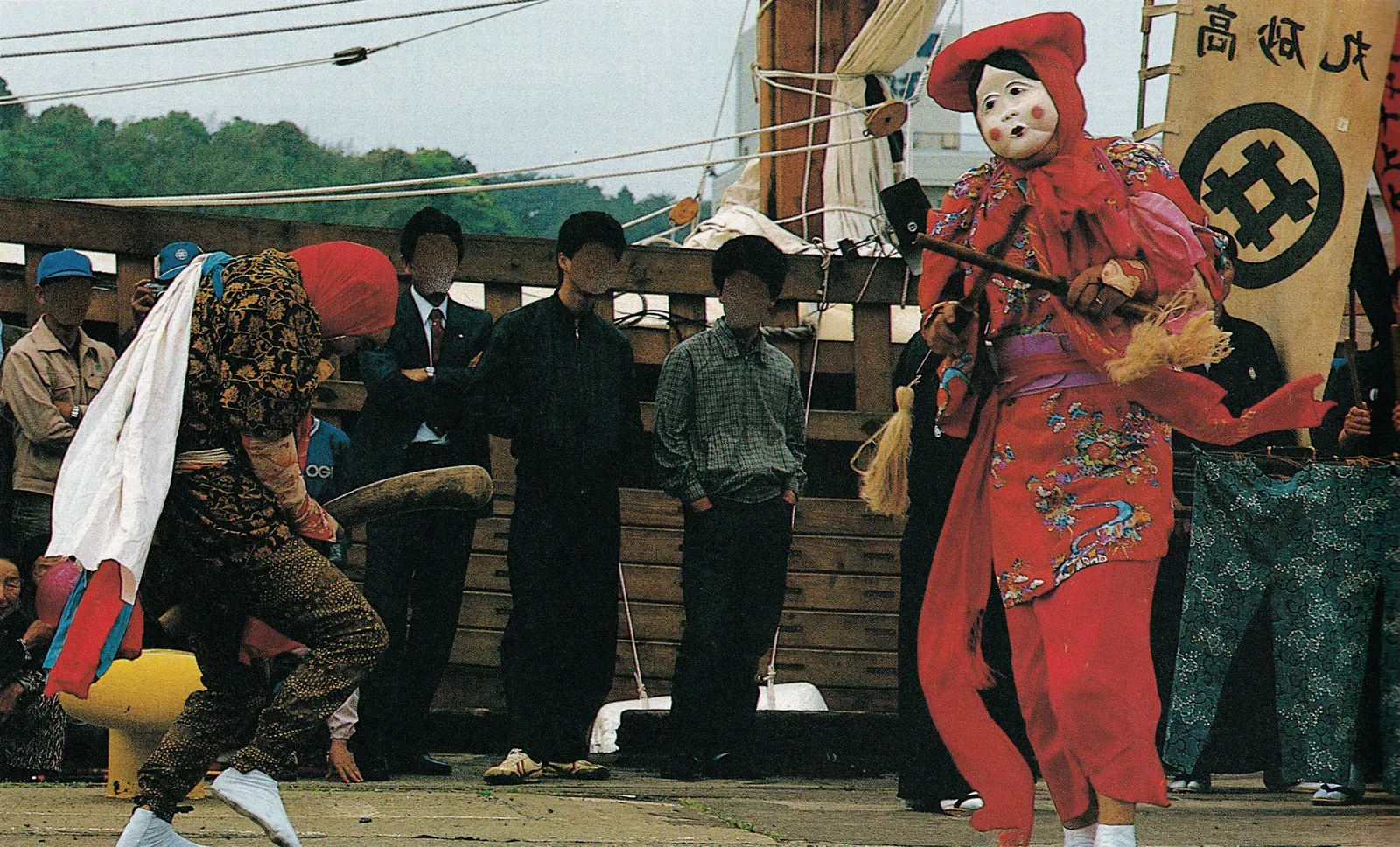
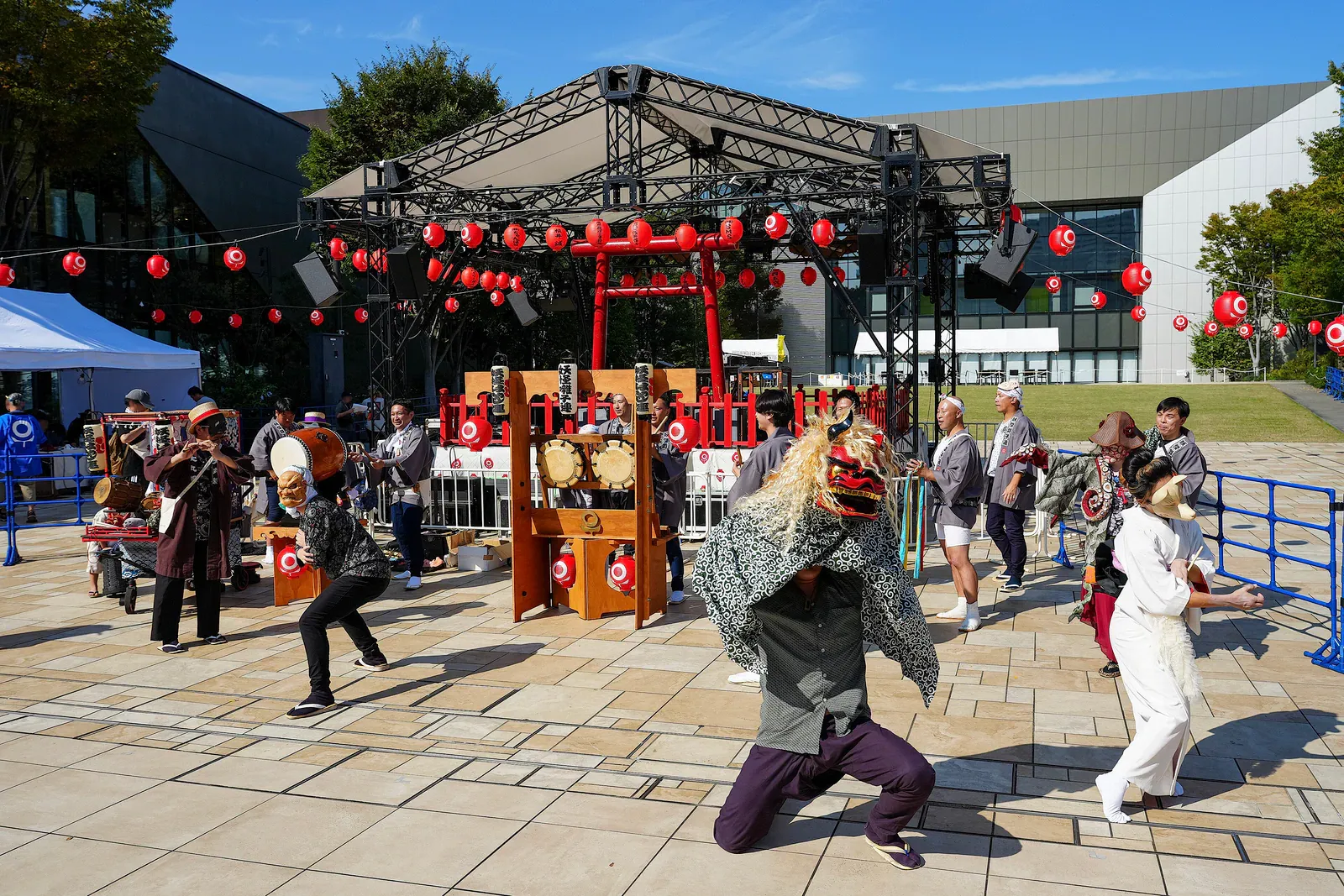
Against this stage tradition, hundreds of preservation societies, the hozonkai, keep one local song in a form close to how it was sung at work, sometimes with the original movements of the labour acted out.
Min’yo also fed popular song. Michiya Mihashi, born in Kamiiso, Hokkaido, began as a min’yo singer and won a contest at the age of eleven. He made his record debut in 1954 with Sake no Nigasayo, scored a hit with Onna Sendo Uta in 1955, and became one of the leading enka singers, recording about 2,500 songs. In 1959 the Tsugaru shamisen player Shirakawa Gunpachiro performed with him at the Nihon Theater in Tokyo, a concert that exposed the style to a mass audience. By 1983 Mihashi was reported as the first Japanese singer to sell one hundred million records.
Characteristics
Min’yo names usually end in a term that describes the song. A bushi is a song with a distinctive melody, prefixed by a trade, a place or a person, as in Kushimoto Bushi. An ondo has a swung two-beat rhythm and is the typical form heard at Obon dances, as in Tokyo Ondo or Mamurogawa Ondo. Bon uta are songs for Obon, and komori uta are lullabies, such as Itsuki no Komoriuta. The labels do not always match the music: Tanko Bushi has a swung ondo rhythm despite its name, while the ondo-named Goshu Ondo is not swung.
Many songs carry extra stress on certain syllables and pitched shouts called kakegoe, often placed inside choruses. Mainland songs use calls such as a yoisho or a sore, and Okinawan songs use “ha iya sasa”. Not every song has a fixed beat: Esashi Oiwake is sung in free rhythm, following the singer, rather than a mechanical meter.
Instruments and production
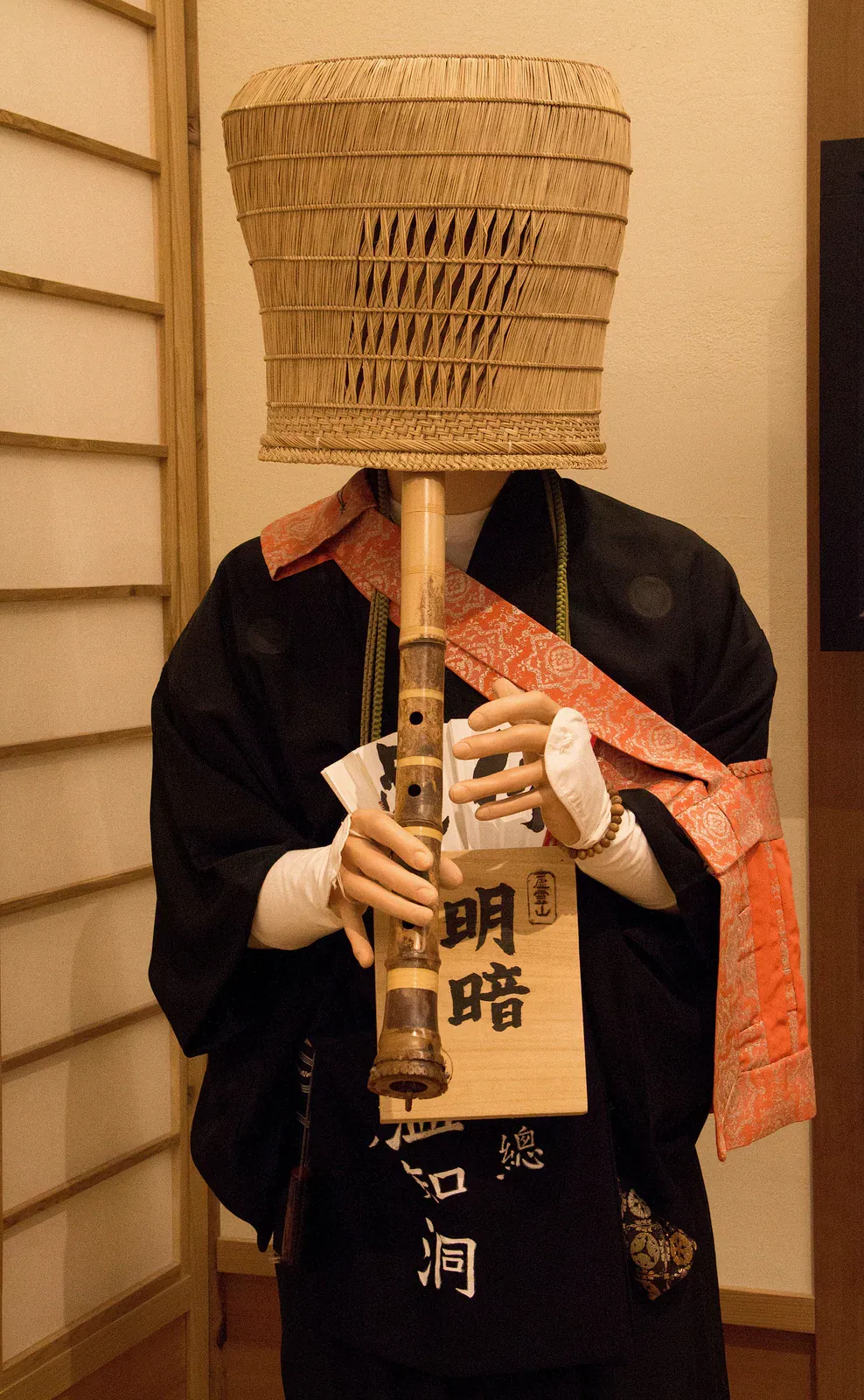
Traditional accompaniment is the shamisen, a three-stringed lute, with the shakuhachi and shinobue flutes, taiko drums, the kane bell, the tsuzumi hand drum and sometimes the thirteen-stringed koto. Modern recordings also use electric guitar and synthesizers, especially when enka singers cover traditional songs. The scale most often heard in folk song is the pentatonic yo scale, a bright set of five notes, as opposed to the darker in scale.
Notable recordings
The 1932 Tanko Bushi on Victor, sung in turns by Suzuki Masao and Kikumaru, is the standard Bon dance version. A 1963 rerecording with the Victor Orchestra was issued on 45 rpm. The song is about the old Miike mine in Omuta, Kyushu, and its dance mimes shovelling coal and hauling bags.
Takio Ito’s Takio no Soran Bushi of 1988 modernised an old Hokkaido fishermen’s chant with a faster rhythm and new words. In 1991 the Wakkanai Minami Junior High School turned it into the group dance Nanchu Soran, with choreography by the butoh dancer Jusho Kasuga. It won an honorable mention at the national folk song and dance convention in 1992 and the Prime Minister’s Grand Prix in 1993, and is now taught in schools across Japan.
Revival and fusion, 2010 onward
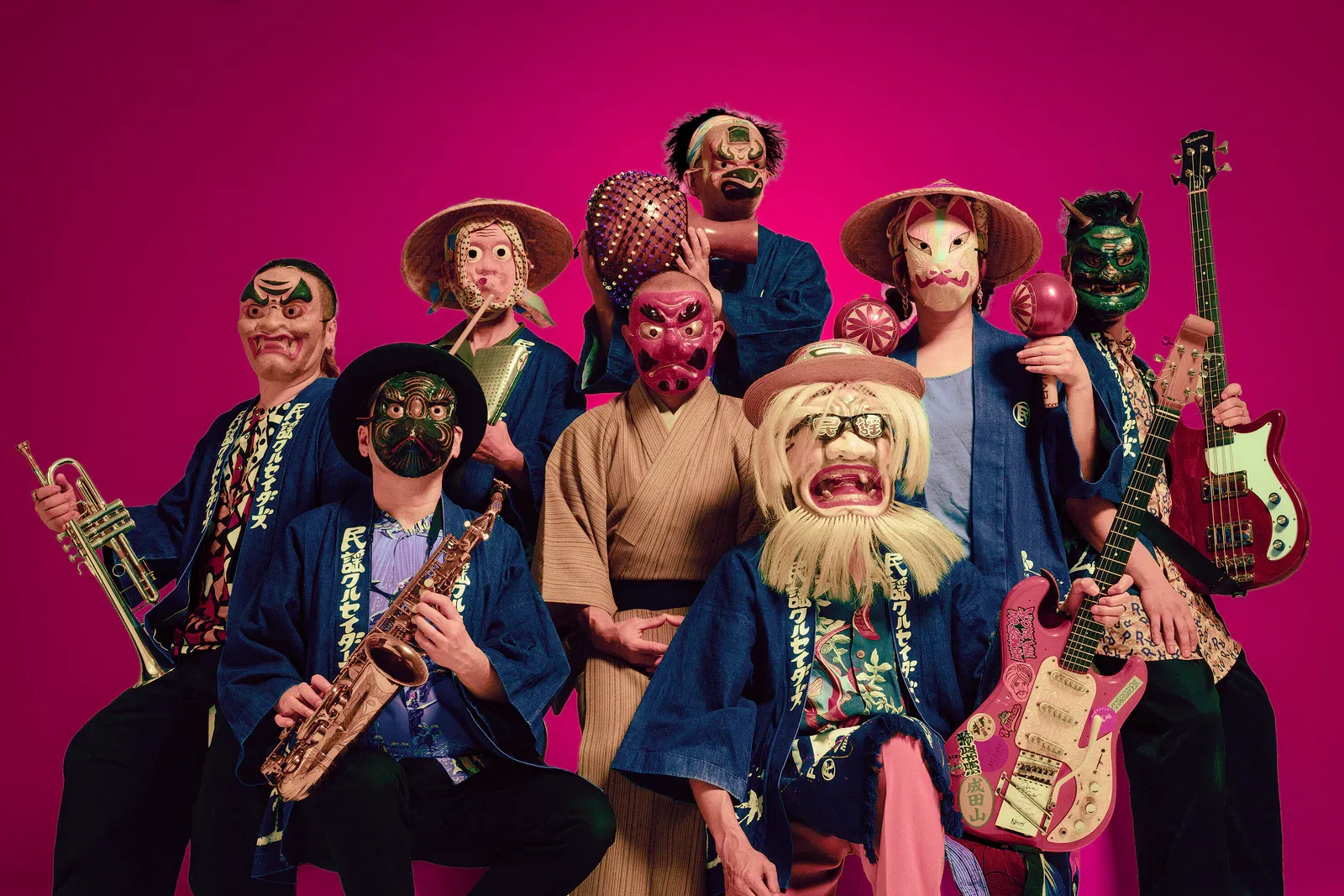
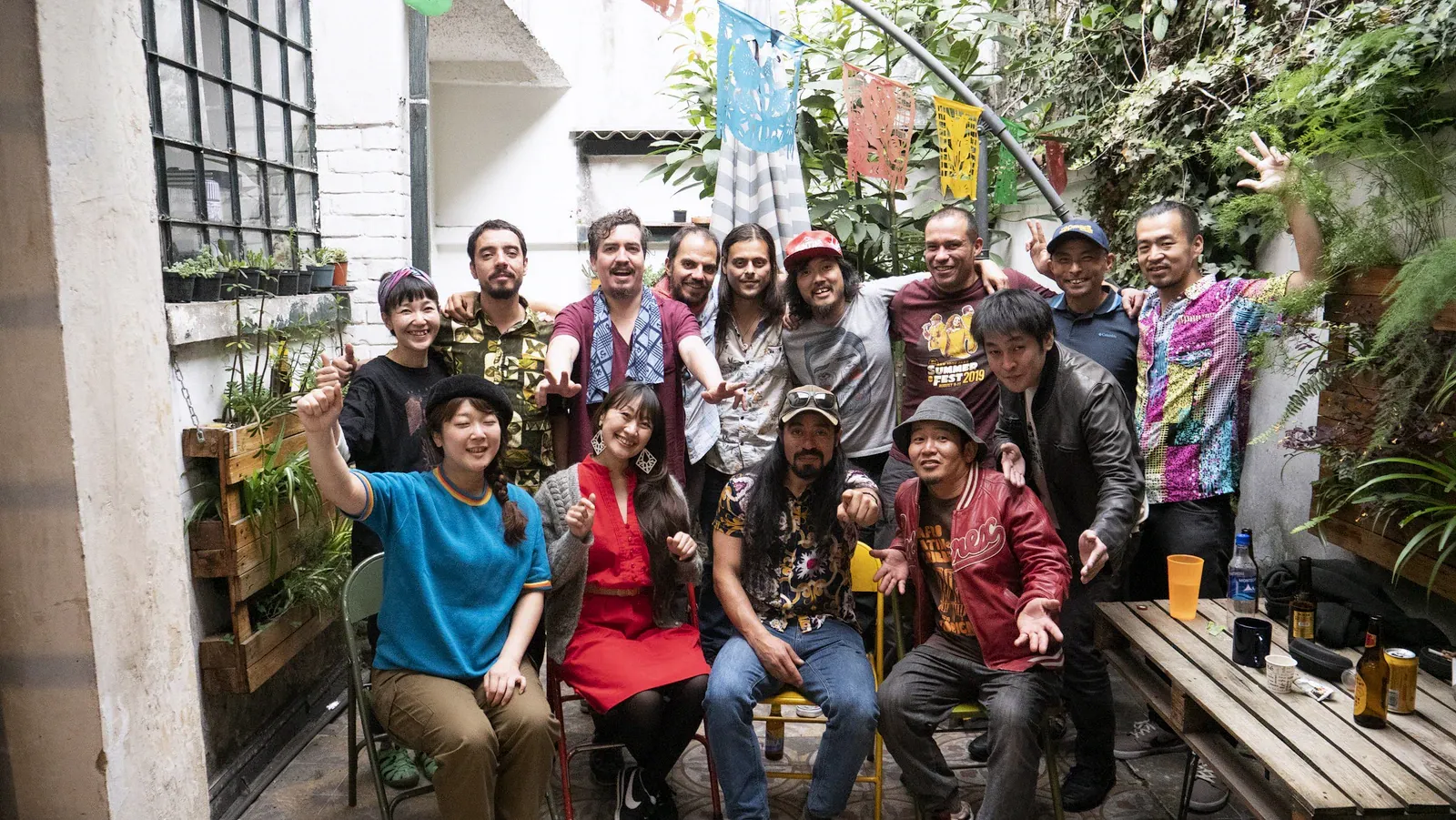
In the 2010s a Tokyo-area scene began to rearrange min’yo with international rhythms. Minyo Crusaders formed in 2011 around Katsumi Tanaka and Freddie Tsukamoto in Fussa, West Tokyo, with the aim of reviving min’yo as music for ordinary people and returning to its working-class roots. Their first album, Echoes of Japan, came out in 2017 on P-Vine and was later reissued on Mais Um Discos. It recasts Kushimoto Bushi as cumbia, Mamurogawa Ondo as a beguine and Akita Nikata Bushi in an Ethiopian groove. The band has since released the Minyo Cumbiero EP with Frente Cumbiero and a live album recorded at the Le Guess Who? festival.
Culture
Min’yo is tied to the calendar. Obon, a festival that has been celebrated for more than 500 years, includes community dancing to the local tune, and new music written for the dances keeps the ondo rhythm. Even enka hits such as Kiyoshi Hikawa’s Zundoko-bushi and, occasionally, foreign pop songs appear at Bon dances today.
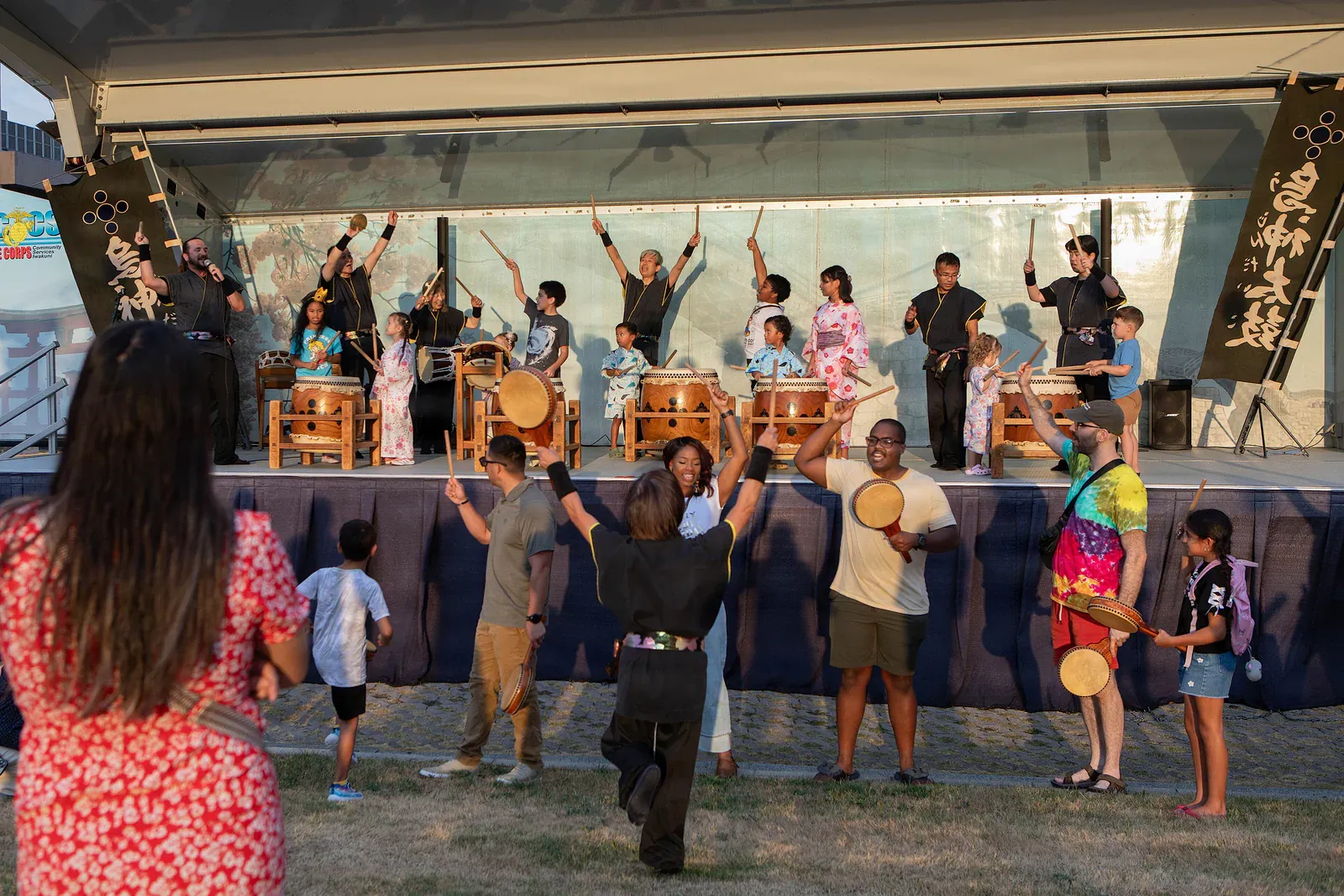
For many listeners, min’yo evokes nostalgia for a real or imagined home town, summed up in the saying that folk song is the heart’s home town, min’yo wa kokoro no furusato.
Legacy
Between the 1970s and 1994 a national Emergency Folk Song Survey funded by prefectural and national governments recorded more than 50,000 songs and variants. Enka and many other popular genres are rooted in min’yo, and the fusion bands of the 2010s have brought it to festival audiences abroad. Korea’s folk tradition, minsogak, includes its own minyo songs.
Misconceptions
Min’yo is not the same thing as Japanese folk music in the Western sense. What Japan calls fōku songu, from the English words folk song, means recently composed guitar songs in the style of Bob Dylan or Peter, Paul and Mary, popular since the 1960s, and the two scenes have little contact.
Min’yo is also not an unchanged ancient tradition. The word itself is a calque coined in the Meiji era, stage singers made the melodies far more elaborate than village versions, and in Esashi local leaders urged singers to settle on a single version.
Finally, “bushi” in a title does not mean a particular rhythm. Tanko Bushi has a swung ondo pulse, while Goshu Ondo, despite its name, is not swung.
Frequently asked questions
What is min’yo?
Min’yo is Japanese traditional folk song, grouped into work songs, lullabies, religious songs, festival songs and children’s songs, with distinct tunes in each region.
What instruments are used in min’yo?
Shamisen, shakuhachi, shinobue flute, taiko drums, kane bells, tsuzumi and sometimes koto. Okinawan folk song uses the sanshin instead, and modern groups add guitars, brass and synthesizers.
What is the difference between min’yo and enka?
Min’yo is the regional folk-song tradition, while enka is a popular genre built partly on it. Singers such as Michiya Mihashi moved from min’yo contests into enka.
What is Soran Bushi?
Soran Bushi is one of the best-known min’yo, a fishermen’s song said to come from Hokkaido. Its shouts of “Dokkoisho” and “Soran” once encouraged the workers, and a modern version became a school dance.
Sound
Sound sheet
Anatomy of a track
| # | Part |
|---|---|
| 1 | Opening song (mae-uta) |
| 2 | Main song (hon-uta) |
| 3 | Closing song (ato-uta) |
Signature sounds
- Pitched kakegoe shouts inside the chorus
- Swung ondo pulse for dancing
- Shamisen, shakuhachi or shinobue accompaniment
- Unaccompanied group singing in work songs
Drums and percussion
- Taiko
- Tsuzumi
Techniques
- Kakegoe
- Heterophonic group singing
- Swung ondo rhythm
- Free-rhythm solo singing
- Virtuosic stage ornamentation
Keys and modes
Yo scale. Bright pentatonic with steps of two, three, two, two and three semitones, used in folk songs.
In scale. Darker pentatonic contrasted with yo in traditional Japanese music.
Vocals
Solo or group, unaccompanied or with shamisen and flutes, with shouted calls in the chorus.
Scenes
Where it happened
Where and when the sound lived: one bar per city on a shared timeline.
Asia
Active scenes
Peak 3, 2011-2025
Sado Okesa, sung by miners and sailors, became a national favourite and Bon dance song.
Home of Esashi Oiwake and its annual national singing contest.
The West Tokyo town where Minyo Crusaders began playing folk songs with Latin and African rhythms.
Culture
Culture markers
- Bon odori
Community dances at Obon accompanied by the local tune, usually an ondo.
Dance - Preservation societies
Hundreds of hozonkai keep a single local song close to its traditional form.
Ritual - Singing contests
Hundreds of national and local contests exist, often for a single song such as Esashi Oiwake.
Ritual - Nanchu Soran
A school dance of waves and net hauling, taught in schools across Japan.
Dance
Media
Key media
- 1944Nihon min'yo taikan
by Machida Kasho. Thirteen volumes of Japanese folk songs, edited from 1944 to 1989.
Book
Glossary
Terms on this page
A song for Obon, the lantern festival of the dead.
A song with a distinctive melody, usually prefixed by a trade, place or personal name, as in Kushimoto Bushi.
A preservation society that keeps one local song close to its traditional form.
A guild-like teaching system that grants licences and professional names to min'yo students.
A pitched shout of encouragement worked into a chorus, such as a yoisho or a sore.
A lullaby.
A folk song with a swung two-beat rhythm, typical of Bon dance music.
East Asian family