Enka
Enka is a Japanese sentimental ballad genre of the postwar decades, built on pentatonic melodies, kobushi ornaments and themes of love, loss and endurance.
Japan, 1868
East Asian family
Born
1868
Japan
Links
6
Genres it drew on or shaped
Tempo
75-90 BPMLineage
Family tree
Timeline
Era by era
From the first sparks to today. Select a dot to read the story behind it.
- Soshi enka and violin enka
1868 to 1926
- Record companies and ryukoka
1927 to 1945
- Postwar founders
1949 to 1959
- Commercial peak
1960 to 1979
- Decline and hybridity
1980 to today
Eras
Moments
- 1 Soshi enka and violin enka, 1868 to 1926
- 2 Record companies and ryukoka, 1927 to 1945
- 3 Postwar founders, 1949 to 1959
- 4 Commercial peak, 1960 to 1979
- 5 Decline and hybridity, 1980 to today
1868
Soshi enka and violin enka
Street singers called enka-shi sold political songs of the Freedom and People's Rights Movement in the Meiji period, then added the violin in the Taisho period.
around 1927
Record companies and ryukoka
From the late 1920s record companies issued ryukoka in place of street songs, and enka-shi turned to guitar as nagashi. Composer Masao Koga shaped the melodic style.
1949
Postwar founders
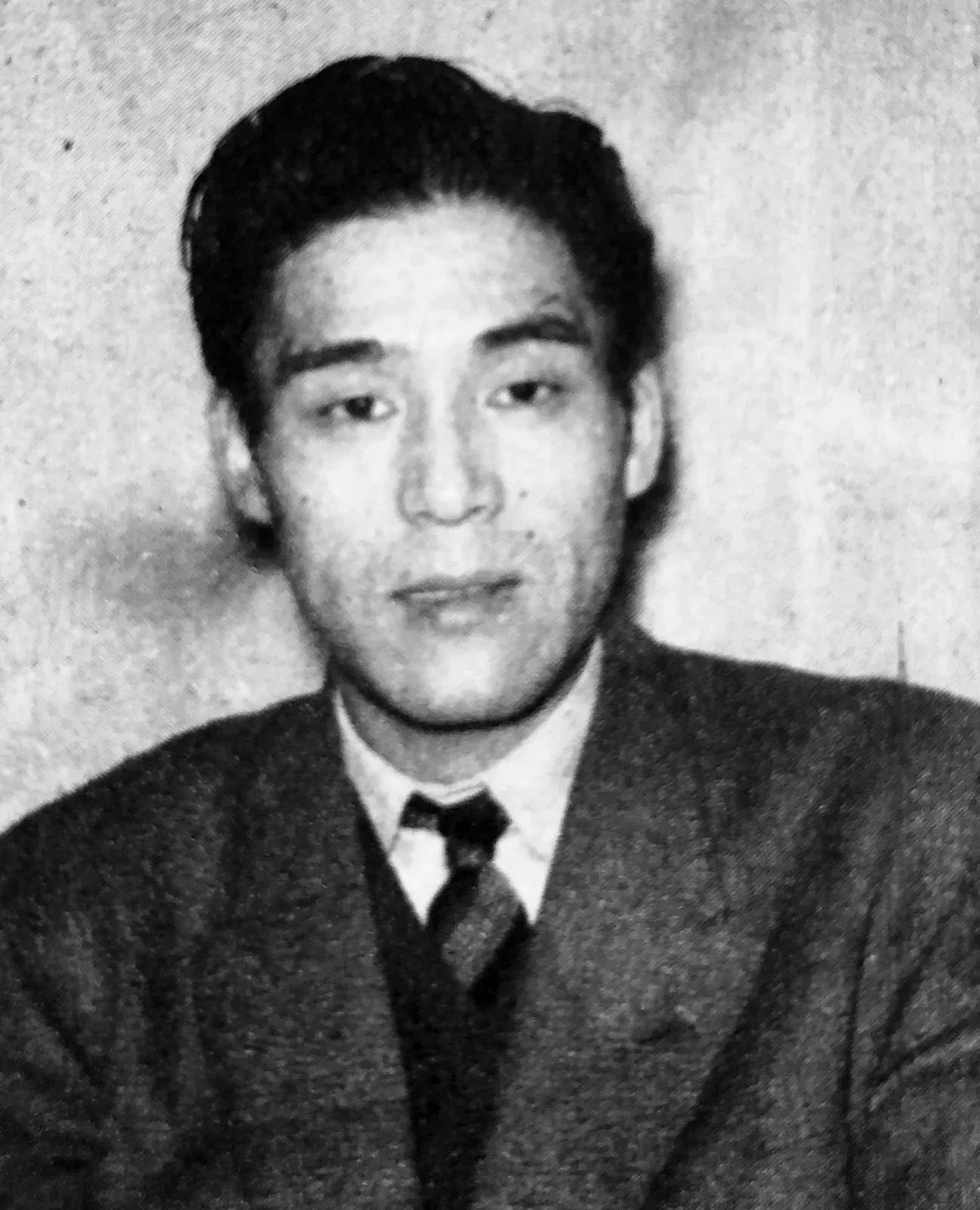
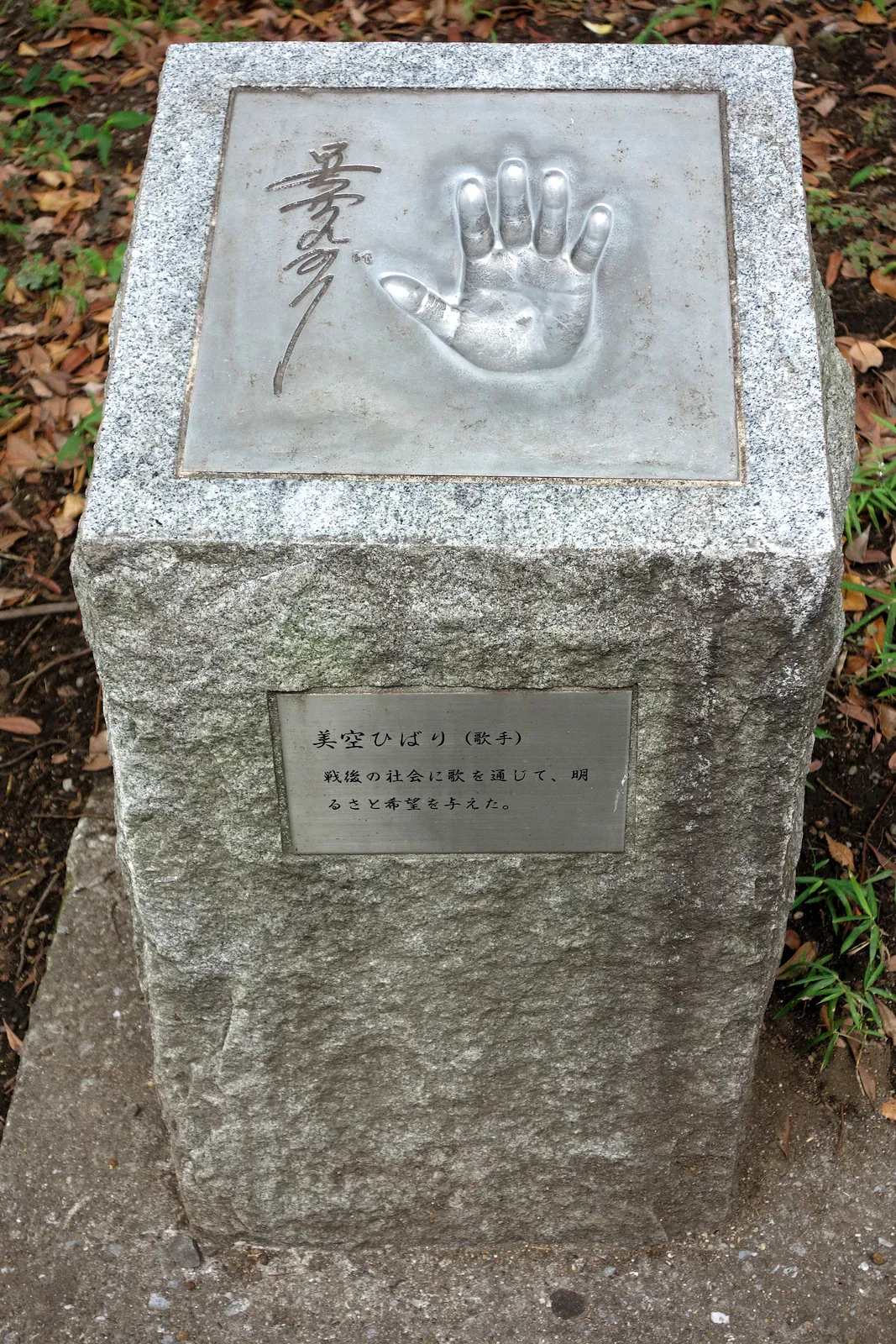
Hibari Misora debuted on Nippon Columbia in 1949. Hachiro Kasuga and Michiya Mihashi on King Records and Hideo Murata and Haruo Minami, former rokyoku singers, set the template.
- 1949Hibari Misora debutsThe 12-year-old releases Kappa Boogie-woogie on Nippon Columbia and later becomes the Queen of Enka.
- 1954Otomi-sanHachiro Kasuga's kabuki-styled song becomes a national hit and takes him to the Kohaku Uta Gassen.
- 1955Wakare no Ippon-sugiKasuga's tango-tinged ballad is later regarded as a true enka song, and he is called the first enka singer.
1960
Commercial peak
Million-selling singles by Murata, Misora, Shinichi Mori and Keiko Fuji, and Onna no Michi at 3.25 million copies in 1972, made enka a mass genre and revived the word itself.
- 1961Hideo Murata's Osho sells a millionA deliberately pure Japanese style answers the rockabilly boom.
- 1965Yawara wins the grand prixMisora's Yawara, composed by Masao Koga, takes the Japan Record Award grand prix.
- 1969Keiko Fuji debuts with Shinjuku no OnnaHer dark ballads revive the term enka, unused in the postwar years.
- 1970Twenty weeks at number oneFuji's debut album tops the Oricon chart for 20 consecutive weeks, a record that still stands.
- 1972Onna no MichiShiro Miya and Pinkara Trio hold number one for 16 weeks and sell over 3.25 million copies.
1980
Decline and hybridity
Sales fell as J-pop grew after Misora's death in 1989. Kiyoshi Hikawa's 2000 debut, Kanjani Eight's rap-enka single in 2004 and rock-tinged songs by Fuyumi Sakamoto brought younger listeners back.
- 1983Mihashi passes 100 million recordsMichiya Mihashi becomes the first Japanese artist to reach that total.
- 1986Idol enka reaches number oneSanae Jonouchi of Onyanko Club tops the Oricon weekly chart with the enka single Ajisai Bashi.
- 1989Hibari Misora diesHer last single Kawa no Nagare no Yo ni becomes her best-known song, and enka loses its central figure.
- 2000Kiyoshi Hikawa debutsHakone Hachiri no Hanjiro is a smash hit and makes him the Prince of Enka.
- 2004Naniwa Iroha Bushi hits number oneKanjani Eight's enka single with rap, based on Kawachi ondo, is the first enka number one in 17 years.
Listening path
Start listening
A short path from an easy way in to the deep end. Thumbnails come from YouTube; the player loads only when you press play.
- 01
Hachiro Kasuga, 1955
The song later regarded as the first true enka: a tango rhythm under a rural farewell.
- 02
Hibari Misora, 1989
Her last single: slow strings, a plain melody and unforced kobushi.
- 03
Kiyoshi Hikawa, 2000
The debut that brought enka back to a younger audience.
Facts
| Family | East Asian |
| Origin | Japan |
| Emerged | Postwar, crystallized by 1960s |
| Status | Active |
| Tempo | 75 to 90 BPM |
| Grew out of | Kayokyoku |
Enka is a Japanese genre of sentimental ballads that took its modern form in the years after the Second World War and settled by the 1960s.
It sets lyrics of love, loss, loneliness and perseverance to pentatonic melodies, sung with a highly ornamented voice that often leans on kobushi, a flexing of pitch within one note. Often called the musical soul of Japan, it grew out of the older kayokyoku popular song and borrowed from big-band jazz, Hawaiian music, country and rhythm and blues. It belongs to the wider East Asian family.
Origins
The word enka is older than the genre it now names. In the Meiji period (1868-1912) activists of the Freedom and People’s Rights Movement set political texts to music and sold them on the street, a way around curbs on public speeches. The name is read as a contraction of “enzetsu no uta”, speech song. These songs are called soshi enka to tell them apart from the modern style, and the street singers who sold them were enka-shi. A second theory reads the word as “enjiru uta”, a song that is performed.
In the Taisho period (1912-26) the street singers added the violin, and the style became known as violin enka. By the late 1920s record companies were issuing ryukoka, a prewar popular song, in place of the street singers, who turned to the guitar and wandered bars as nagashi. Composer Masao Koga, who wrote about 5,000 songs before his death in 1978, is regarded as central to the sound that followed, although postwar singers sang differently from the kobushi he had notated.
Postwar founders, 1949-1959
Modern enka took shape through the record labels of Tokyo. Hibari Misora released her debut single, a boogie-woogie number, on Nippon Columbia in 1949 at the age of twelve, and drifted toward enka as she outgrew the child-star image. At King Records, Hachiro Kasuga won the company’s first talent contest in 1948 and had a national hit in 1954 with the kabuki-flavoured “Otomi-san”, which took him to the NHK Kohaku Uta Gassen.
Kasuga was still unsatisfied and recorded “Wakare no Ippon-sugi” in 1955, a rural farewell song whose rhythm owes something to tango. It is now regarded as a true enka song, and Kasuga is often called the first enka singer. Michiya Mihashi, a former min’yo singer and tsugaru-jamisen player, debuted in 1954 and had a hit with “Onna Sendo Uta” the next year. Hideo Murata and Haruo Minami came from the older storytelling form rokyoku, and Minami was unusual in singing in a kimono.
The commercial peak, 1960-1979
The 1960s brought both a rockabilly craze and a reply to it. Hideo Murata’s “Osho”, written in a deliberately pure Japanese style, sold a million in 1961. Misora’s “Yawara”, composed by Koga, won the grand prix of the Japan Record Awards in 1965. Mina Aoe’s “Kokotsu no Blues” in 1966 pioneered enka blues, and Shinichi Mori’s “Minatomachi Blues” topped the Oricon singles chart for five weeks in 1969 and passed a million copies.
The same year Keiko Fuji debuted at 18 with “Shinjuku no Onna”. Her dark, resigned ballads revived the word enka itself, which had fallen out of use after the war. Her 1970 debut album held the top of the Oricon album chart for 20 consecutive weeks, a record that still stands. In 1972 Shiro Miya and Pinkara Trio’s “Onna no Michi” spent 16 weeks at number one and sold more than 3.25 million copies, the best-selling enka single since the Oricon charts began.
Characteristics
Most enka rests on a minor yonanuki scale, a minor scale without its fourth and seventh degrees that descends from an older Japanese scale. The pentatonic melodies have some resemblance to the blues. The harmony underneath is Western, which is why the genre sits between worlds: Japanese in melody and ornament, European and American in chords and orchestration.
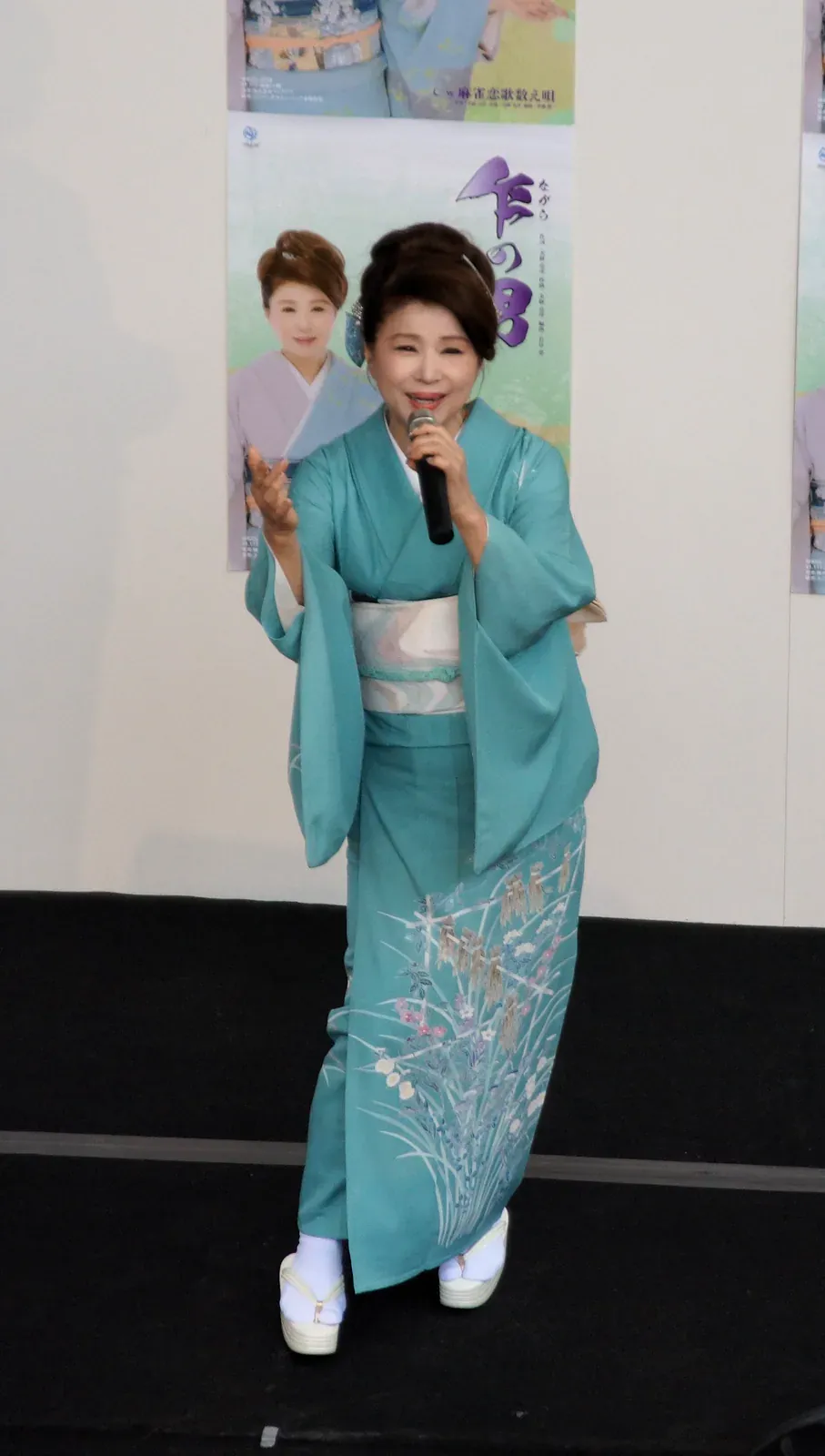
The voice carries the song. Kobushi, the irregular wavering of pitch inside a single scale degree, differs from vibrato, which oscillates in a regular cycle. It sits inside a broader use of melisma, singing one syllable across several notes. Lyrics return to love and loss, loneliness, enduring hardship and, in some songs, death. Enka is formally a branch of kayokyoku, though it is regarded as more emotional and expressive and no clear consensus separates the two. Singers, mostly women, perform in kimono or evening dress, and men wear formal or traditional dress.
Instruments and production
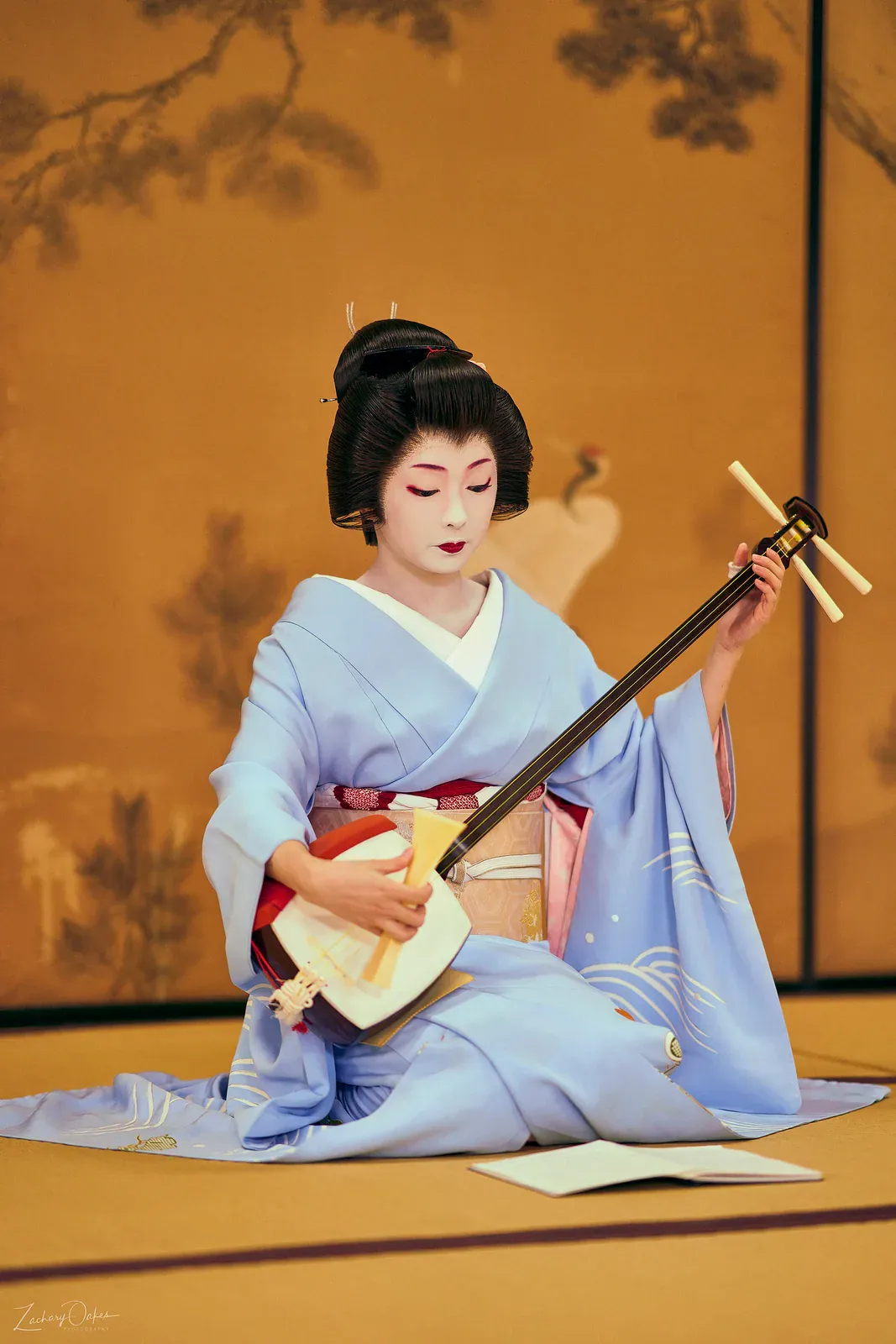
Arrangements pair traditional and imported instruments. The shamisen and shakuhachi supply Japanese colour, while electric lead guitar with plenty of distortion, synthesizers and string sections fill out the sound. The violin gave violin enka its name in the Taisho period. Traditional touches hang on a Western harmonic frame.
Decline and revival, 1980 to the present
Michiya Mihashi’s sales passed 100 million records in 1983, the first such total in Japan, and in 1986 the idol Sanae Jonouchi of Onyanko Club reached number one with the enka single “Ajisai Bashi”. Yet as Western-style J-pop grew, traditional themes appealed less to younger Japanese and enka sales declined. Hibari Misora died in 1989, the year of her last single “Kawa no Nagare no Yo ni”. Hachiro Kasuga followed in 1991. Enka lived on through television programmes and in restaurants, drinking places, karaoke bars and cafes.
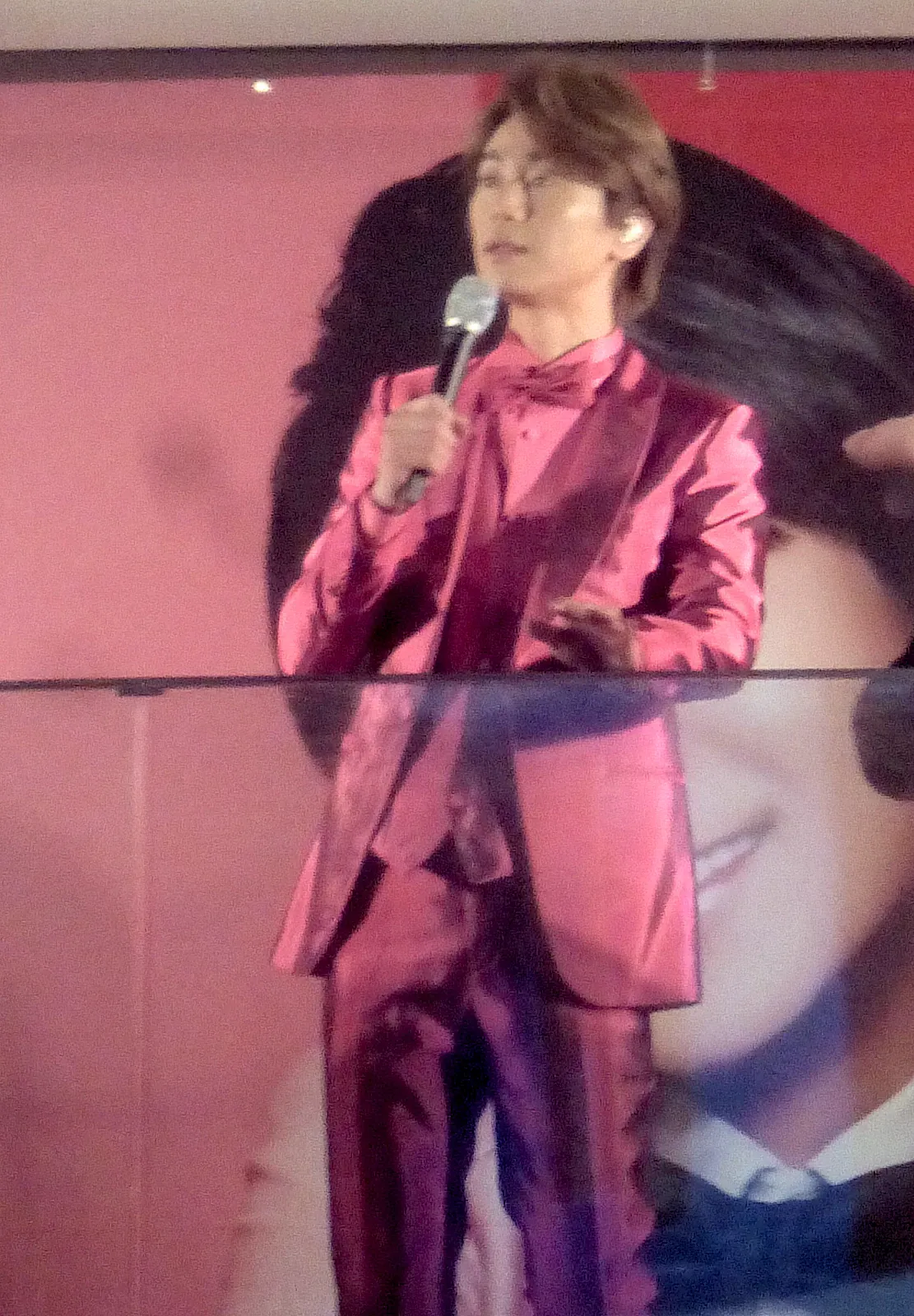
The turn of the century brought a younger audience. Kiyoshi Hikawa debuted on Nippon Columbia in 2000 with “Hakone Hachiri no Hanjiro”, a smash hit that made him the Prince of Enka, and he reached number one on the Oricon chart in 2005. In 2004 the idol group Kanjani Eight issued “Naniwa Iroha Bushi”, based on the Kawachi ondo folk dance and featuring rap, which was the first enka single to reach number one in 17 years. Veterans also set marks: Junko Akimoto became the oldest solo singer to top the Oricon chart at 61, and Saburo Kitajima reached the top ten in his seventies. Fuyumi Sakamoto’s 2009 single “Asia no Kaizoku” put rock into enka.
Notable recordings
“Wakare no Ippon-sugi” (1955) was written by Toru Funamura, who sensed that tango rhythm sat close to enka’s local colour. Lyricist Kimio Takano died the next year at 26. Mihashi, Murata, Keiko Fuji, Misora and Saburo Kitajima all later covered it.
“Kawa no Nagare no Yo ni” (1989), with lyrics by Yasushi Akimoto, was Misora’s final single, and it has outlived the era it closed. “Hakone Hachiri no Hanjiro” (2000), Hikawa’s debut, shows the old form working with a new singer.
Culture
Enka suggests an idealised, romanticised Japan, and its presentation matches: kimono, formal dress. The NHK Kohaku Uta Gassen, the New Year’s Eve song contest, has featured enka singers since Kasuga’s appearance in 1954. In bars and snacks, karaoke kept the songs in circulation through the lean years.
Legacy
Enka has had a strong influence on music in Taiwan, once a Japanese colony, and Korean trot and Vietnam’s nhac vang are both listed as influenced by it. In China the form was prohibited during the Cultural Revolution as hedonistic. Non-Japanese singers have also taken it up, among them Sarbjit Singh Chadha of India, whose 1975 enka album sold 150,000 copies in Japan. J-rock also counts it among its influences.
Misconceptions
Enka is not an ancient folk tradition. The modern form was shaped by postwar singers, its harmony is Western, and its main scale is a modification of an older Japanese one. Traditional touches such as the shamisen are decoration on a popular song.
The word does not have a single history either. The political enka of the Meiji period was a different thing from the postwar ballad, and the term itself fell out of use in the postwar years until Keiko Fuji brought it back. Some singers have said the label is a convenience of record companies. Harumi Miyako, usually considered an enka singer, remarked that there was no such term when she debuted.
Nor is enka always dark. Keiko Fuji’s songs were the dark kind, but Yoshimi Tendo, passed over while they were popular, built a career on bright enka and first appeared on the Kohaku Uta Gassen in 1993.
Frequently asked questions
What is enka music?
Enka is a Japanese ballad genre of the postwar decades that sets themes of love, loss and endurance to pentatonic melodies and an ornamented, emotional vocal style, often with kimono-clad singers.
Who is the Queen of Enka?
Hibari Misora (1937-1989), also called the Queen of Showa. Her “Yawara” won the 1965 Japan Record Awards grand prix, and her last single “Kawa no Nagare no Yo ni” was released in 1989.
What does kobushi mean in enka?
Kobushi is the ornament in which the pitch of a voice fluctuates irregularly within one scale degree. It differs from vibrato, which oscillates in a regular cycle.
Who was the first enka singer?
Hachiro Kasuga is often called the first enka singer. His 1955 recording “Wakare no Ippon-sugi” was later regarded as a true enka song.
Sound
Sound sheet
Signature sounds
- Kobushi melisma
- Minor pentatonic yonanuki melody
- Themes of love, loss and hardship
- Kimono or formal stage dress
Techniques
- Kobushi
- Melisma
- Pentatonic melody
Keys and modes
Minor yonanuki scale. Minor scale without fourth and seventh degrees, built on Western harmony.
Vocals
Highly expressive, ornamented solo voice, with kobushi and heavy emotion.
Scenes
Where it happened
Where and when the sound lived: one bar per city on a shared timeline.
Asia
Active scenes
Peak 2, 2004-2025
Home of the major record companies and of the NHK Kohaku Uta Gassen, where enka singers have appeared since the 1950s.
Kanjani Eight's rap-enka single Naniwa Iroha Bushi began as a Kansai-only release.
Culture
Culture markers
- Kimono on stage
Singers, mostly women, perform in kimono or evening dress; male singers wear formal or traditional dress.
Fashion - Kohaku Uta Gassen
NHK's New Year's Eve song contest, where enka stars appear every year.
Ritual - Karaoke bars
In bars, restaurants and cafes enka stayed alive through the sales decline.
Ritual
Glossary
Terms on this page
A street singer of the Meiji and Taisho periods who sold songbooks.
The melisma in which pitch wavers irregularly within one scale degree, the signature enka vocal ornament.
A guitar-playing wandering singer who performs requests in bars.
Prewar popular songs from record companies, which enka vocalism broke from.
Political songs of the Meiji period that bypassed curbs on speeches.
A scale without the fourth and seventh degrees; enka mostly uses the minor form.
East Asian family