Shidaiqu
Shidaiqu is Shanghai's Mandarin popular song of the 1920s to 1940s, fusing Chinese folk melody with jazz and film music, led by Zhou Xuan and Yao Lee.
Shanghai, 1920
East Asian family
Born
1920
Shanghai
Links
8
Genres it drew on or shaped
Tempo
65-110 BPMLineage
Family tree
Grew out of
Influenced by
Shanghai
Shidaiqu
Led to (3)
Timeline
Era by era
From the first sparks to today. Select a dot to read the story behind it.
- Li Jinhui and the Bright Moon troupe
1920 to 1930
- Film songs and the Seven Great Singing Stars
1931 to 1949
- Hong Kong years
1950 to 1969
- Revival and reinvention
1980 to today
Eras
Moments
- 1 Li Jinhui and the Bright Moon troupe, 1920 to 1930
- 2 Film songs and the Seven Great Singing Stars, 1931 to 1949
- 3 Hong Kong years, 1950 to 1969
- 4 Revival and reinvention, 1980 to today
1920
Li Jinhui and the Bright Moon troupe
Li Jinhui's song and dance troupes put folk-style tunes, girl singers and jazz-band instrumentation on stage and on records, a mix later labelled shidaiqu.
- 1920Bright Moon Song and Dance Troupe foundedLi Jinhui organizes the troupe under a banner of music for the common people.
- 1927Li Jinhui's DrizzleA pentatonic folk-style tune with jazz-band instrumentation, sung by his daughter Li Minghui, shows the early fusion.
1931
Film songs and the Seven Great Singing Stars
Film studios and gramophone companies in Shanghai made singers such as Zhou Xuan, Yao Lee and Bai Guang famous, and the dance halls filled with live bands.
- 1931Li's troupe merges with Lianhua Film CompanyLi begins writing for films such as Romance at the Dancehall, an early musical talkie.
- 1932Zhou Xuan joins the Bright Moon troupeAt 12 she wins a Shanghai singing contest and earns the nickname Golden Voice.
- 1937Street Angel makes Zhou Xuan a starThe film carries two theme songs, The Wandering Songstress and Four Seasons Song.
- 1937Yao Lee signs with PatheAged 16 she joins the label that would release her through the 1940s and after her move to Hong Kong.
- 1937Japanese occupation of Shanghai beginsIt lasts to 1945, while the foreign concessions keep a relatively stable city for the nightlife trade.
- 1940Yao Lee records Rose, Rose, I Love YouChen Gexin's song is recorded at Pathe in December and later reaches the West in English.
- 1949Communist victory ends the Shanghai eraMany singers and producers move to Hong Kong, and the new authorities denounce the songs as yellow music.
1950
Hong Kong years
After the 1952 ban on nightclubs and pop production in China, the tradition moved to Hong Kong and peaked from the 1950s to the late 1960s before Mandopop and Cantopop replaced it.
- 1952Nightclubs and pop production bannedThe Party closes nightclubs and bans pop music production; western-style instruments are sought out and destroyed.
- 1957Death of Zhou XuanThe Golden Voice dies aged 37 after years of illness.
- 1978Teresa Teng covers The Evening PrimroseHer version of Li Xianglan's song helps carry shidaiqu back to mainland listeners in the 1980s.
around 1980
Revival and reinvention
Mainland interest returned in the 1980s with covers such as Teresa Teng's, and later producers, films and compilations recast the songs for new audiences.
- 2006Shanghai Restoration Project debutsThe New York duo remixes 1930s and 1940s Shanghai hits as electronic music.
- 2018Life Is a Performance in Crazy Rich AsiansYao Lee's 1959 recording scores the film's grandmother scene and reaches a new audience.
Listening path
Start listening
A short path from an easy way in to the deep end. Thumbnails come from YouTube; the player loads only when you press play.
- 01
Zhou Xuan, 1937
Street Angel theme that made Zhou Xuan a star: a pentatonic tune with light, high singing.
- 02
Yao Lee, 1940
The song that crossed over to the West, with the dance-band swing of the early 1940s.
Facts
| Family | East Asian |
| Origin | Shanghai, China |
| Emerged | 1920s-1940s |
| Status | Historical |
| Tempo | 65 to 110 BPM |
Shidaiqu, literally “songs of the era”, is the Mandarin popular song of Shanghai from the 1920s to the late 1940s. It joins Chinese folk melody to American jazz and Hollywood film music, usually in the voice of a female singer backed by a dance band.
The songs lived in cinemas, gramophone shops and dance halls, and after 1949 the tradition moved to Hong Kong. It is regarded as the prototype of Mandopop within the wider East Asian family.
Origins
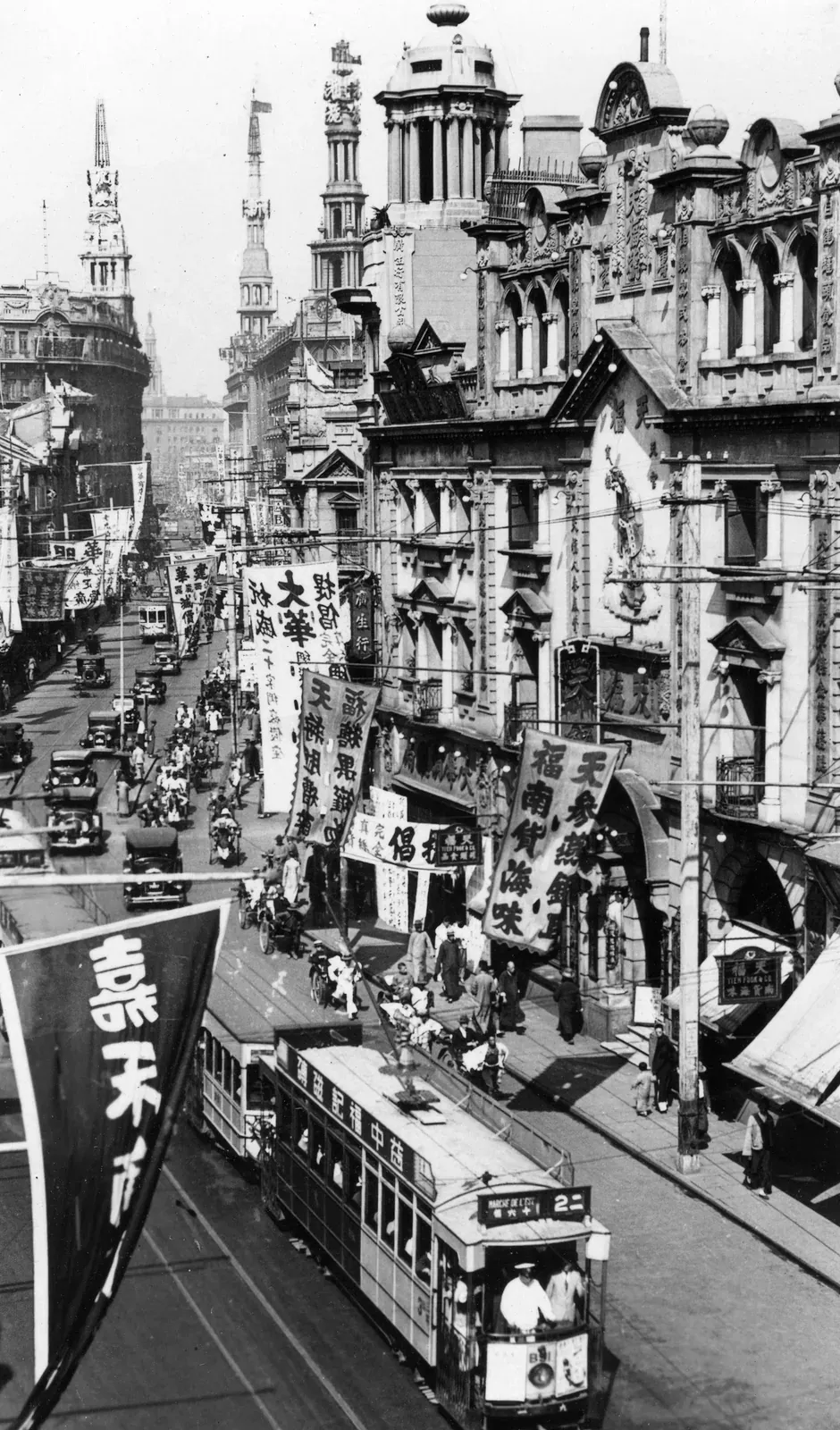
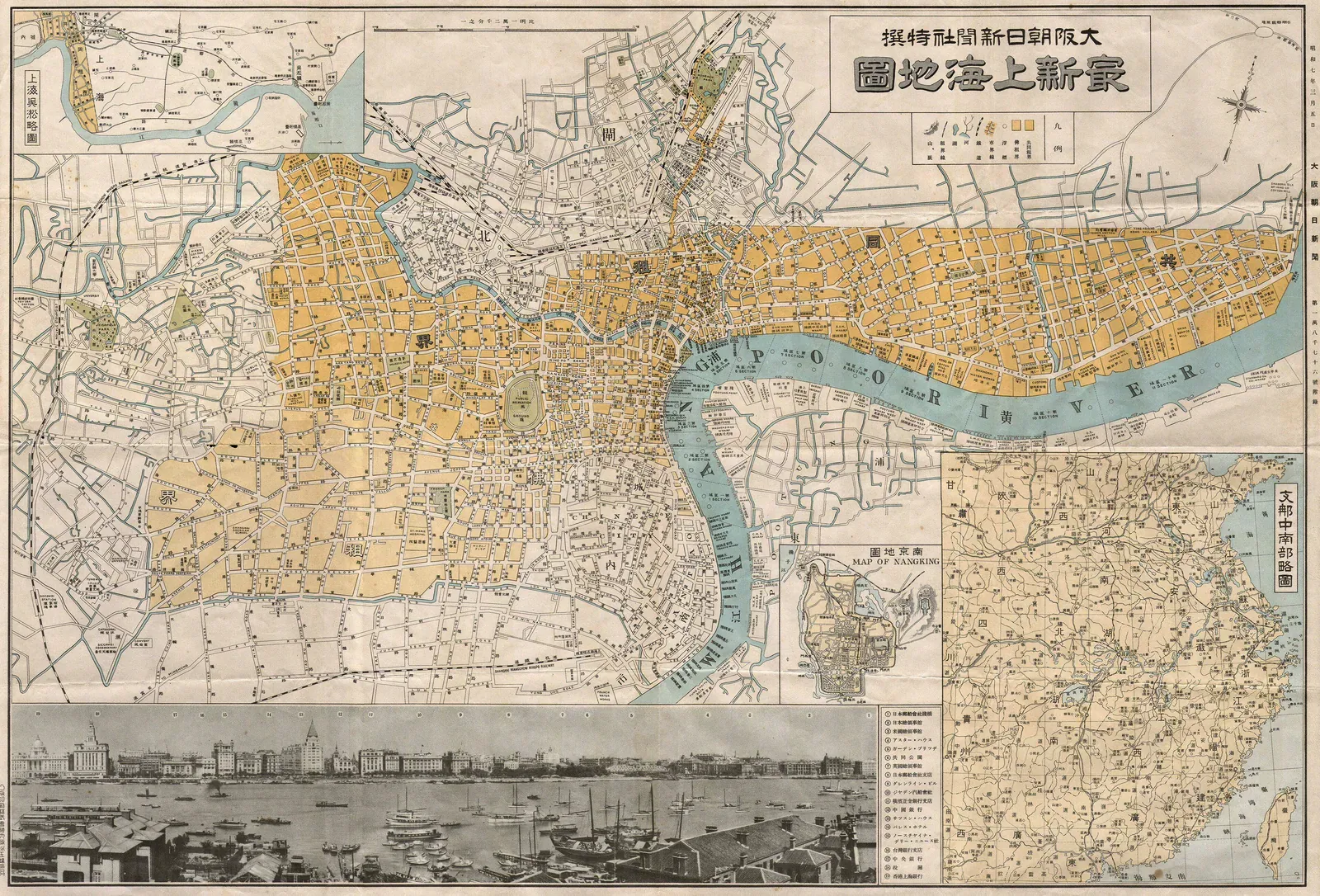
The style grew out of Shanghai under the International Settlement, where trade brought Western music and film into the city. In the 1920s the intellectual elite of Shanghai and Beijing embraced the imports, and the first jazz clubs, at first dance halls for the Western elite, taught local musicians the idiom. Folk song supplied the tunes and jazz supplied the band.
The person most credited with joining the two is Li Jinhui. Born in Xiangtan, Hunan, he was drawn to Hunanese flower-drum opera and to folk song at a time when his Peking University colleagues preferred European Romantic music or kunqu opera. In 1920 he organized the Bright Moon Song and Dance Troupe, announcing a “music for the common people”. He also edited the children’s magazine Little Friend, whose songs were stripped to a simple melody and fused Chinese instrumentation with guitars, violins and pianos.
Li Jinhui and the song and dance troupes
From 1923 Li broke a taboo by hiring young girls to sing and dance in his school musicals, and he let his daughter Li Minghui perform. She grew into a singer, actress and child film star, and was harshly criticized for appearing in public. His troupes, a Chinese Dance School and a Chinese Song and Dance Troupe in 1927, toured widely and trained the performers who shaped the next decade.
Around 1927 he composed “Drizzle”, which Li Minghui sang. The tune follows a traditional pentatonic folk melody, but the arrangement resembles that of an American jazz orchestra, which is the shidaiqu formula in miniature. In 1931 his troupe merged with the Lianhua Film Company, and he began writing for films such as Romance at the Dancehall, an early musical talkie. The American jazz musician Buck Clayton worked with him for two years and influenced his scores. As radio spread, so did the music and the criticism of it: one reviewer in 1934 called Li vulgar and depraved yet as popular as ever.
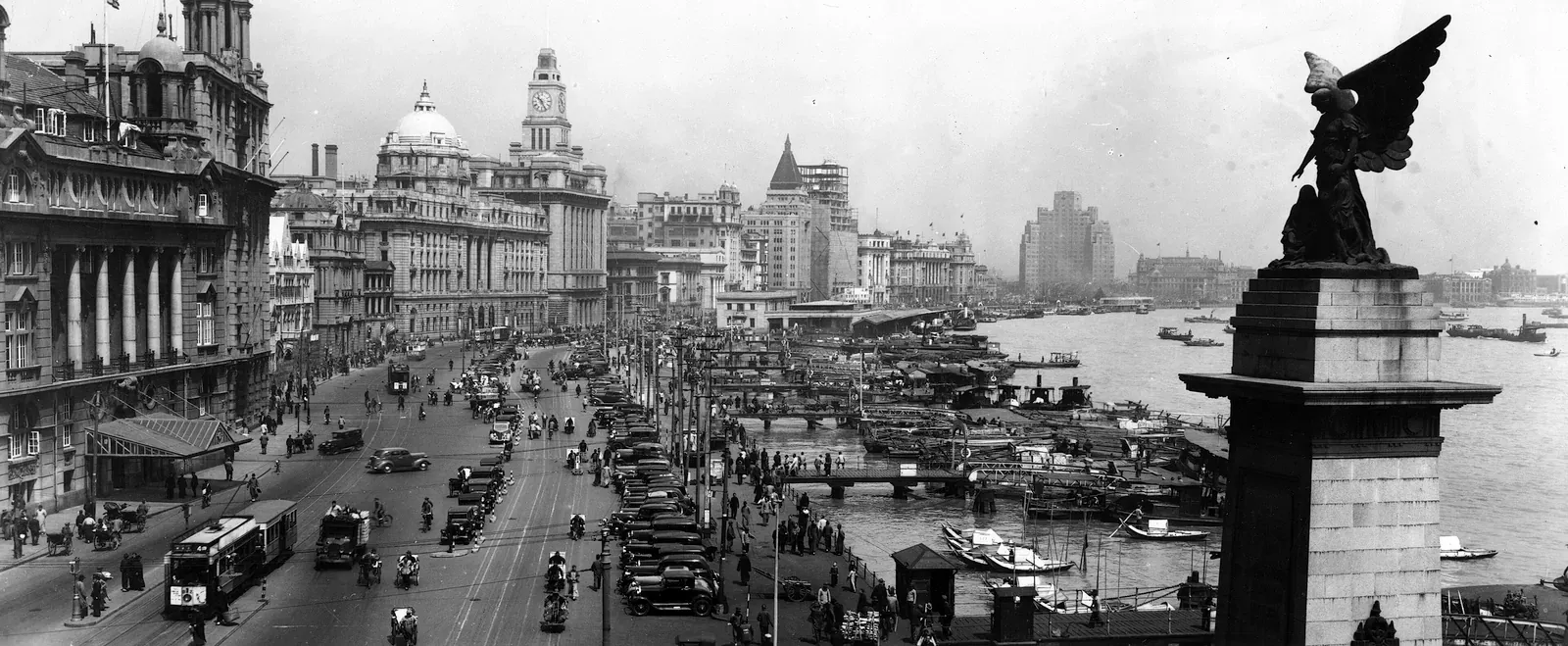
Shanghai, 1930s and 1940s
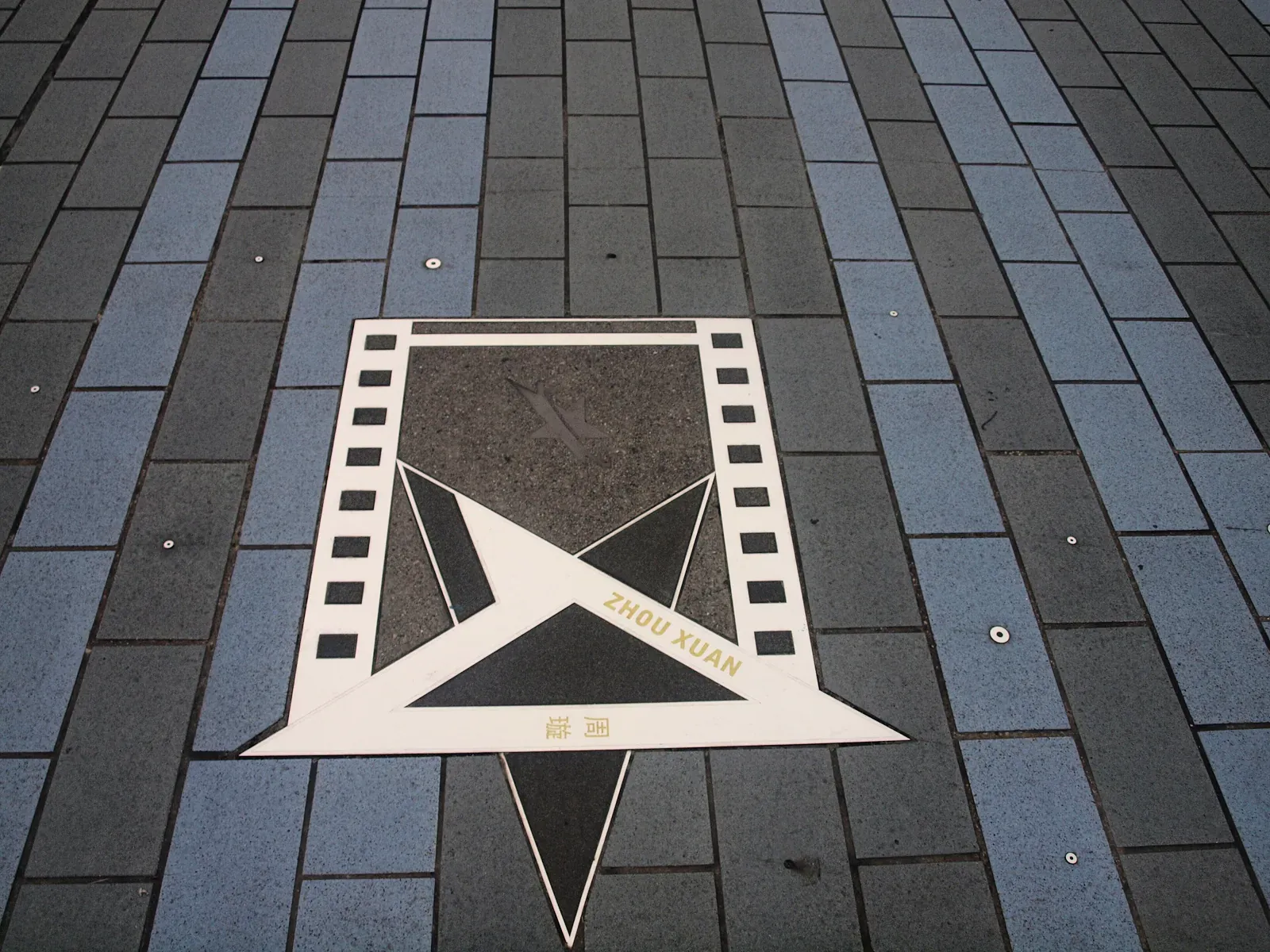
Singers trained in Li’s troupes became the first stars. Zhou Xuan joined the Bright Moon troupe in 1932, and at 12 won a singing contest that earned her the nickname Golden Voice for her effortless high-pitched melodies. Film made her famous: in 1937 director Yuan Muzhi cast her as a singing girl in Street Angel, whose two theme songs, “The Wandering Songstress” and “Four Seasons Song”, remain among the best-loved Chinese popular songs. He Luting composed the first on the basis of an older Suzhou ballad.
Shanghai was occupied by Japan from 1937 to 1945, yet the foreign concessions kept the city prosperous and rather stable, and nightlife flourished. Some songs referred to events of the war, while the euphemistic presentation of love, familiar from older Chinese novels, remained a constant. Dance halls such as the Paramount became meeting points for businessmen from the West and China, and both American and Chinese jazz players filled them.
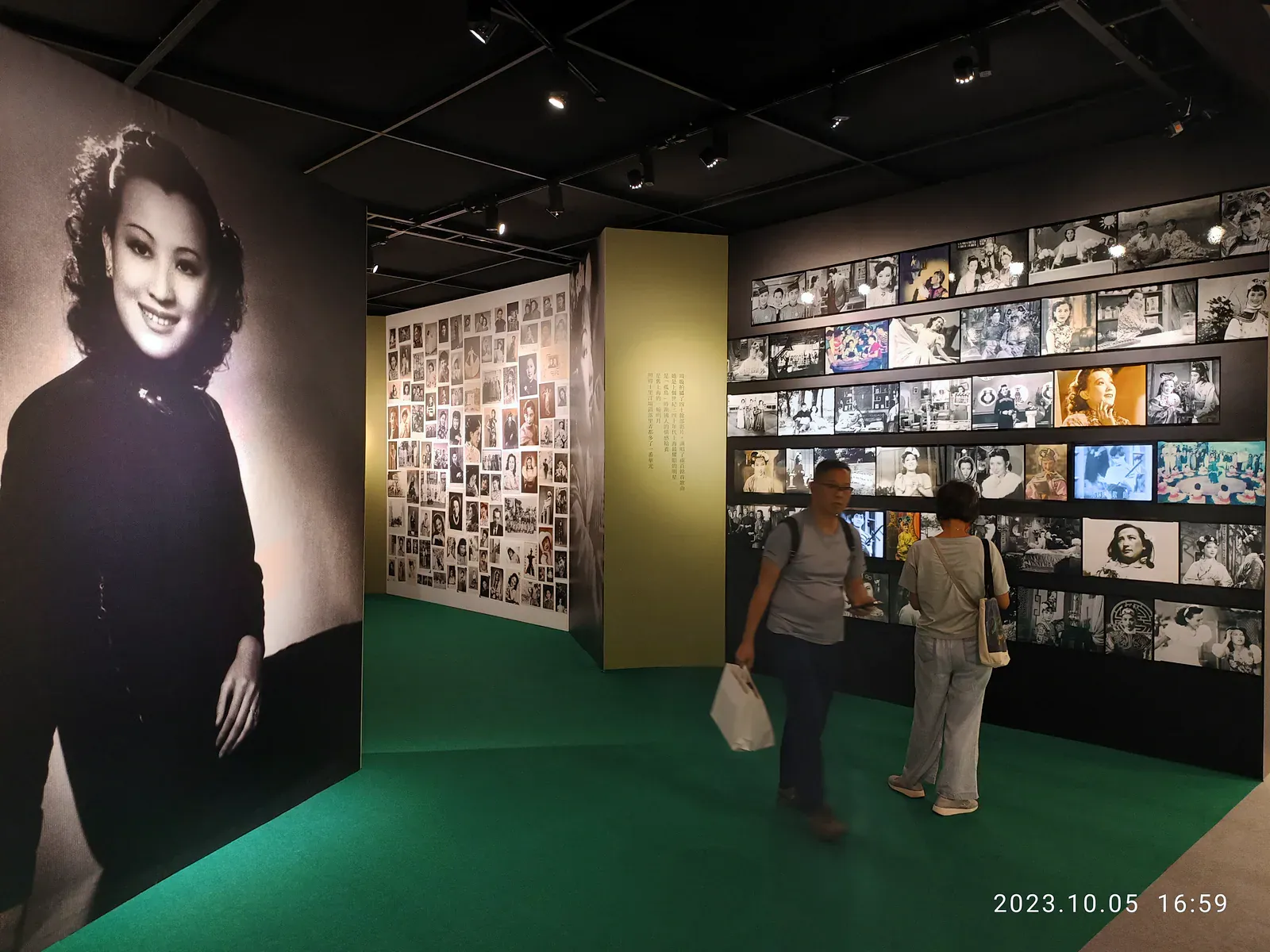
The seven women known as the Seven Great Singing Stars dominated the business: Zhou Xuan, Gong Qiuxia, Yao Lee and Bai Hong from the 1930s, then Bai Guang, Li Xianglan and Wu Yingyin in the 1940s. Many acted in films, and their music played a large part in the growth of Chinese cinema.
Characteristics
The sound is a fusion. Melodies are often pentatonic and folk-like, while the instrumentation follows jazz bands, with castanets and maracas adding Latin-style percussion. Many songs were sung in a high, soft, childlike manner, the style associated with Zhou Xuan and her younger admirer Yao Lee, though Bai Guang’s deeper voice made her known as the Queen of the Low Voice. The tempo of the recordings is moderate, roughly between 65 and 110 beats per minute.
Instruments and production
Early arrangements paired Chinese instruments with piano, violin and guitar, and by the 1940s dance bands provided the sound. Recordings were made for gramophone companies, among them Pathe in Shanghai, whose catalogue carried Yao Lee from 1937. Radio and film carried the songs far beyond the dance halls.
Mainstream success
Zhou Xuan became the most famous and marketable singer of the gramophone era, singing songs from her own movies. Yao Lee, known as the Silver Voice, recorded more than 400 records, and her 1940 “Rose, Rose, I Love You”, composed by Chen Gexin, reached the West: Frankie Laine recorded an English-language version in 1951, which had little in common with the Mandarin words, and her own record was released in the United States and Britain under the name Miss Hue Lee. Yao Lee’s brother Yao Min was arguably the best-known songwriter of the shidaiqu era.
Notable recordings
“Rose, Rose, I Love You” was recorded in Shanghai in December 1940 and went on to circulate under titles such as “Shanghai Rose”. “The Wandering Songstress” held a lingering fame in China comparable to that of “As Time Goes By” in the United States. Bai Guang’s hits included “Autumn Evening”, “Without You” and “Revisiting Old Dreams”.
Culture and politics
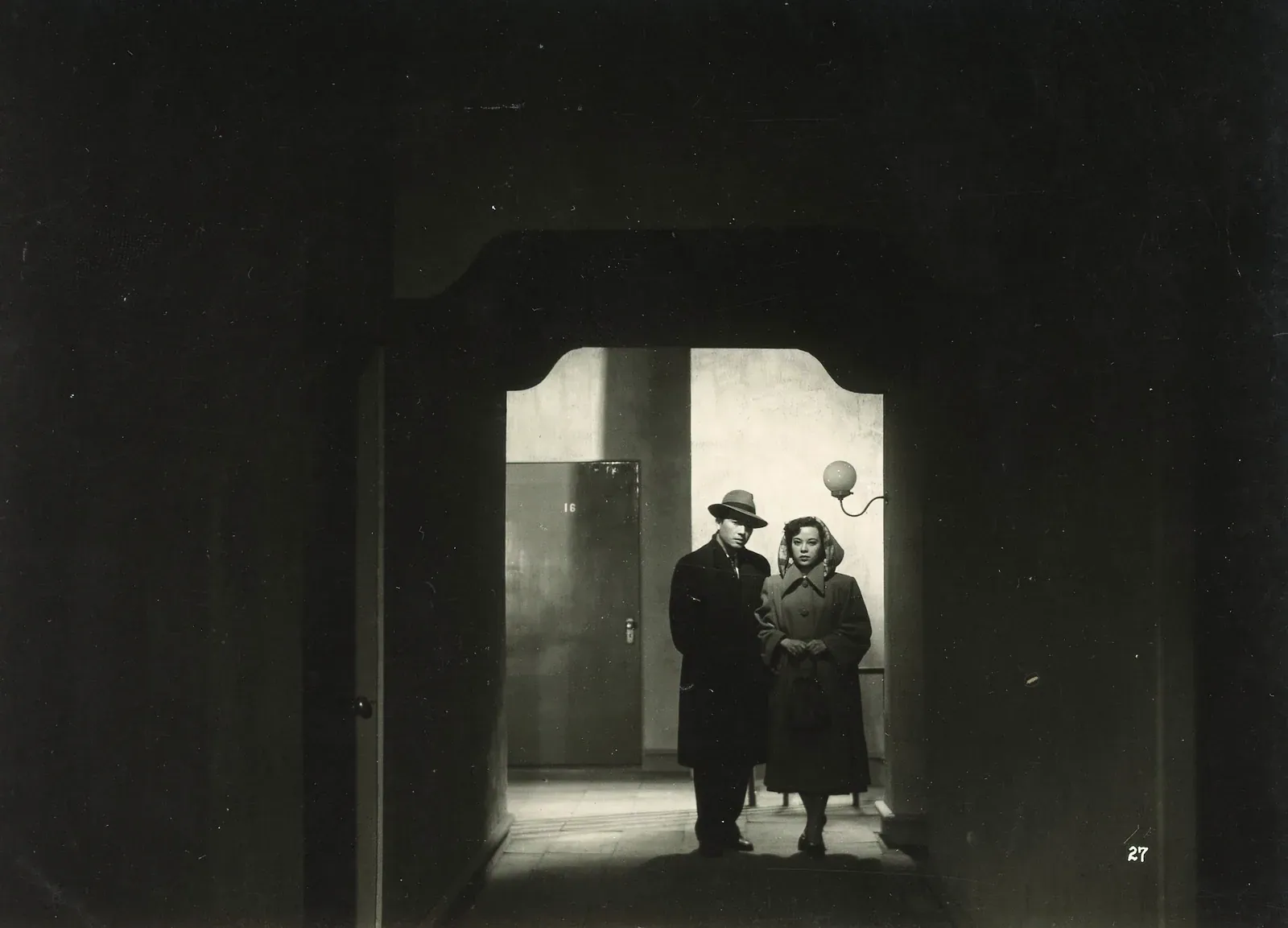
Film and song were one business. Li Xianglan, born in China to Japanese parents, came to prominence during the occupation under a Chinese name, her Japanese origin hidden at the time. Bai Guang and she were recruited in 1940 to a trio that performed a Japanese-language propaganda song.
Critics, and eventually the state, called the genre “yellow music”, pornographic and commercial. After the Communist victory of 1949 many singers and producers left for Hong Kong. In 1952 nightclubs and pop music production were banned, and western-style instruments were sought out and destroyed. Chinese jazz musicians were not rehabilitated until decades later, and Li Jinhui himself died in 1967 during the Cultural Revolution, a victim of political persecution.
Hong Kong and decline
The tradition continued in Hong Kong, where it reached its height from the 1950s to the late 1960s. Yao Lee fled there in 1950 and kept recording for Pathe, then part of EMI, becoming a playback singer for film actresses from 1955, and later general manager and producer at EMI Music Hong Kong. In the late 1960s Taiwanese Mandarin pop and then Cantopop replaced the style. Zhou Xuan died in 1957, Yoshiko retired from entertainment in 1958 and Bai Guang stopped recording in 1959.
Legacy
Shanghai opened up again in the 1980s and interest in the once-forbidden music peaked. Surviving musicians were invited to play in hotel lobbies, and pop singers covered the old songs, as Teresa Teng did in 1978 with Li Xianglan’s “The Evening Primrose”. Later admirers include the guitarist Gary Lucas, the DJ Ian Widgery with his Shanghai Lounge Divas project, and the New York duo Shanghai Restoration Project, formed in the 2000s, which remakes 1930s and 1940s hits as electronic music. Wong Kar-wai used the songs in his film In the Mood for Love, and Yao Lee’s “Life Is a Performance” of 1959 appears in Crazy Rich Asians.
Misconceptions
Shidaiqu is not simply Chinese jazz. The tunes are folk-like and pentatonic, and the jazz belongs to the arrangement, so the genre is best called a fusion. Nor was it mere nightclub music: many of its best-known songs were written for films and sold on records. The term itself is believed to have come from Hong Kong, as a label for the Shanghai music of the early to mid twentieth century, rather than from the singers of the time.
Frequently asked questions
What does shidaiqu mean?
Shidaiqu means “songs of the era” in Mandarin. In Cantonese and Amoy Hokkien it has parallel names, and the term is believed to have started in Hong Kong.
Who were the main shidaiqu singers?
The Seven Great Singing Stars: Zhou Xuan, Gong Qiuxia, Yao Lee, Bai Hong, Bai Guang, Li Xianglan and Wu Yingyin. Zhou Xuan is the most famous.
Why was shidaiqu banned?
The Communist authorities called it “yellow music”, pornographic and commercial, and in 1952 banned nightclubs and pop music production.
How is shidaiqu related to Mandopop?
It is considered a prototype of Mandopop and later Cantopop, which replaced it in Hong Kong and Taiwan during the late 1960s.
Sound
Sound sheet
Signature sounds
- Pentatonic folk-style melody over jazz-band instrumentation
- Castanets and maracas as percussion colour
- High, light female voice
- Mandarin love lyrics that use euphemism
Techniques
- Folk tune with jazz-band arrangement
- High light vocal delivery
- Low-register singing
- Latin percussion colour
Keys and modes
Pentatonic folk melody. Tunes follow traditional pentatonic folk melody, as in Drizzle, over jazz-band harmony.
Vocals
Solo female voice, high and light, with Mandarin love lyrics.
Scenes
Where it happened
Where and when the sound lived: one bar per city on a shared timeline.
Asia
Active scenes
Peak 2, 1920-1952
Home of the film studios, gramophone companies and dance halls that produced and sold the songs.
Where Li Jinhui worked on folk song and language teaching before founding his troupe.
Refuge for Shanghai singers and producers, and the centre of the tradition into the late 1960s.
Culture
Culture markers
- Yellow music
Critics, then the state, called the songs pornographic and commercial.
Slang - Golden Voice and Silver Voice
Nicknames of Zhou Xuan and Yao Lee that paired the two stars.
Slang - Dance hall nights
The first Shanghai jazz clubs began as dance halls for the Western elite and later drew Chinese audiences.
Dance
Media
Key media
- 1937Street Angel
by Yuan Muzhi. Film that carried The Wandering Songstress and Four Seasons Song and made Zhou Xuan a star.
Film - 2000In the Mood for Love
by Wong Kar-wai. Film that reuses shidaiqu songs on its soundtrack.
Film - 2007Remixed and Restored Vol. 1
by Shanghai Restoration Project. Remixes of classic 1930s Shanghai hits, released with China Record Corporation.
Compilation - 2014The Classics
by Shanghai Restoration Project. 1930s and 1940s Shanghai jazz standards remade in an electronic format with vocalist Zhang Le.
Compilation
Glossary
Terms on this page
Nickname of Zhou Xuan, whose high light delivery set the style.
Zhou Xuan, Gong Qiuxia, Yao Lee, Bai Hong, Bai Guang, Li Xianglan and Wu Yingyin.
Literally songs of the era, the name for Shanghai's jazz-influenced Mandarin popular songs.
Nickname of Yao Lee, alluding to Zhou Xuan.
Label used by critics and later the state for the songs, calling them pornographic and commercial.
East Asian family