Europop
Europop is continental European pop with polished production, simple melodies and repeated choruses, shaped from the late 1960s and led by ABBA.
Sweden, Germany, Italy, Netherlands, 1967
Pop family
Born
1967
Sweden, Germany, Italy, Netherlands
Subgenres
1
Documented branches
Links
30
Genres it drew on or shaped
Tempo
95-150 BPMLineage
Family tree
Timeline
Era by era
From the first sparks to today. Select a dot to read the story behind it.
- Continental pop
1956 to 1973
- ABBA and Eurodisco
1974 to 1985
- Crossover to the United States
1986 to 1996
- Dance-leaning Europop
1997 to today
Eras
Moments
- 1 Continental pop, 1956 to 1973
- 2 ABBA and Eurodisco, 1974 to 1985
- 3 Crossover to the United States, 1986 to 1996
- 4 Dance-leaning Europop, 1997 to today
1956
Continental pop
National song contests and schlager-era hit factories across Sweden, Germany, Italy and the Netherlands built a pop sound aimed at several language markets at once.
- 1956First Eurovision Song ContestA shared televised song contest between European broadcasters creates a pan-European pop stage.
- 1967Europop takes shapePolished, catchy continental pop aimed at several national markets consolidates from the mid to late 1960s.
1974
ABBA and Eurodisco
A Eurovision win launched ABBA worldwide, while German and Italian producers mixed disco rhythms with simple, singable choruses.
- 1974ABBA win Eurovision with WaterlooThe win in Brighton opens the British and wider international market to the group.
- 1976ABBA release Dancing QueenA piano-led disco single that becomes the group's signature recording.
- 1984Modern Talking release You're My Heart, You're My SoulA German duo single built on falsetto vocals and a synthesizer hook, a continental chart staple.
1986
Crossover to the United States
Roxette and Ace of Base took Swedish pop to the top of the American charts, and Modern Talking and Army of Lovers filled continental ones.
- 1986Roxette formed in HalmstadMarie Fredriksson and Per Gessle start the duo that later reaches number one in the United States.
- 1989Roxette's The Look reaches number one in the United StatesThe first of four American number ones for the duo.
- 1992Cheiron founded in StockholmDenniz Pop and Tom Talomaa start the production company behind much late 1990s pop.
- 1992Ace of Base release Happy NationThe debut album that, reissued as The Sign, spreads Gothenburg pop worldwide.
- 1994The Sign is the best-selling album of the year in the United StatesAce of Base's album outsells every other American release of 1994.
1997
Dance-leaning Europop
Aqua and Vengaboys put brightly coloured, rap-flavoured pop on global charts, and Stockholm songwriters shaped the sound of teen pop.
- 1997Aqua release Barbie GirlA novelty hit that becomes one of the best-known pop singles of the decade.
- 1998Britney Spears releases ...Baby One More TimeA Cheiron production that carries Stockholm pop craft into American teen pop.
- 2021ABBA release VoyageA new studio album arrives almost forty years after the group's last one.
Listening path
Start listening
A short path from an easy way in to the deep end. Thumbnails come from YouTube; the player loads only when you press play.
- 01
ABBA, 1974
The Eurovision win that started the international career of classic Europop.
- 02
ABBA, 1976
Listen for the stacked vocals over the rising piano figure.
- 03
Roxette, 1988
The crossover single that put Swedish pop-rock at number one in the United States.
- 04
Ace of Base, 1992
A sparse, reggae-tinged groove that carried the group onto American radio.
- 05
Aqua, 1997
The sung-and-rapped novelty hit that closed the century's Europop run.
Facts
| Family | Pop |
| Origin | Sweden, Germany, Italy, Netherlands |
| Emerged | Mid-late 1960s |
| Status | Active |
| Tempo | 95 to 150 BPM |
| Meter | 4/4 |
| Subgenres | 1 |
Europop, also written Euro-pop, is a style of continental European pop music marked by polished production, simple and highly catchy melodies, repetitive choruses and light lyrical themes.
It consolidated in the mid to late 1960s, topped charts through the 1980s and 1990s, and is led in popular memory by the Swedish group ABBA. It belongs to the wider pop family and sits beside Eurodance, disco and Nordic pop.
Origins
The style grew from the schlager tradition of German-language popular song and from the national song contests of the 1950s and 1960s. The first Eurovision Song Contest, held in 1956, gave broadcasters in different countries a shared stage and a reason to write songs that could travel across language borders. Producers in Sweden, Germany, Italy and the Netherlands began shaping records for several markets at once, with clean arrangements, short hooks and lyrics easy to sing as a second language.
Continental pop, 1956-1973
Before the style had a settled name, its ingredients were already in place: a verse and chorus built around one memorable phrase, bright major-key harmony, and vocals that worked in a mixed-gender group or duo. Acts aimed at the home market first and export second, and most of this early output stayed in continental Europe. The British and American charts were still dominated by their own pop and rock.
ABBA and Eurodisco, 1974-1985
The turning point came in 1974, when ABBA won the Eurovision Song Contest for Sweden in Brighton with “Waterloo”. The group, formed in Stockholm in 1972 by Agnetha Fältskog, Björn Ulvaeus, Benny Andersson and Anni-Frid Lyngstad, went on to score twenty top 10 singles and nine chart-topping albums in the United Kingdom. “Dancing Queen”, released in 1976, became the signature recording of the classic sound, built on stacked vocals and a rising piano figure.
Disco shaped the same period. German and Italian producers added four-on-the-floor rhythms and synthesizers to continental pop, which produced the Eurodisco that neighbours Europop. Modern Talking’s “You’re My Heart, You’re My Soul” (1984) carried that approach into the mid-1980s with falsetto vocals over a synthesizer hook.
Crossover, 1986-1996
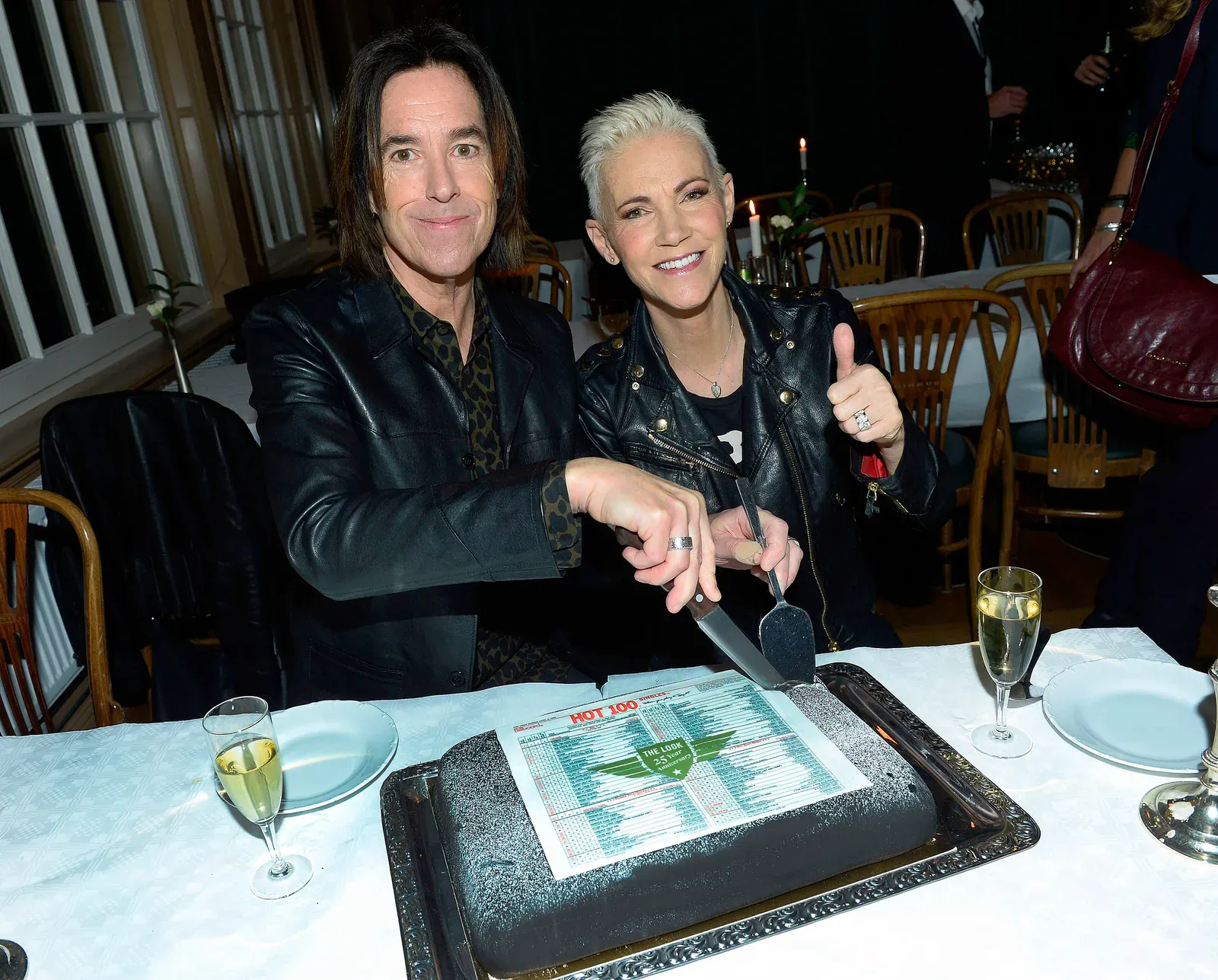
Europop reached North American listeners in volume in the late 1980s and early 1990s. Roxette formed in Halmstad in 1986 around Marie Fredriksson and Per Gessle, and “The Look” reached number one on the Billboard Hot 100 in 1989, the first of four American number ones. Ace of Base, formed in Gothenburg in 1990 by the siblings Jonas, Linn and Jenny Berggren with Ulf Ekberg, followed with “All That She Wants” and the album Happy Nation in 1992. Reissued as The Sign, the album was certified nine-times platinum in the United States and was the best-selling album of 1994 there.
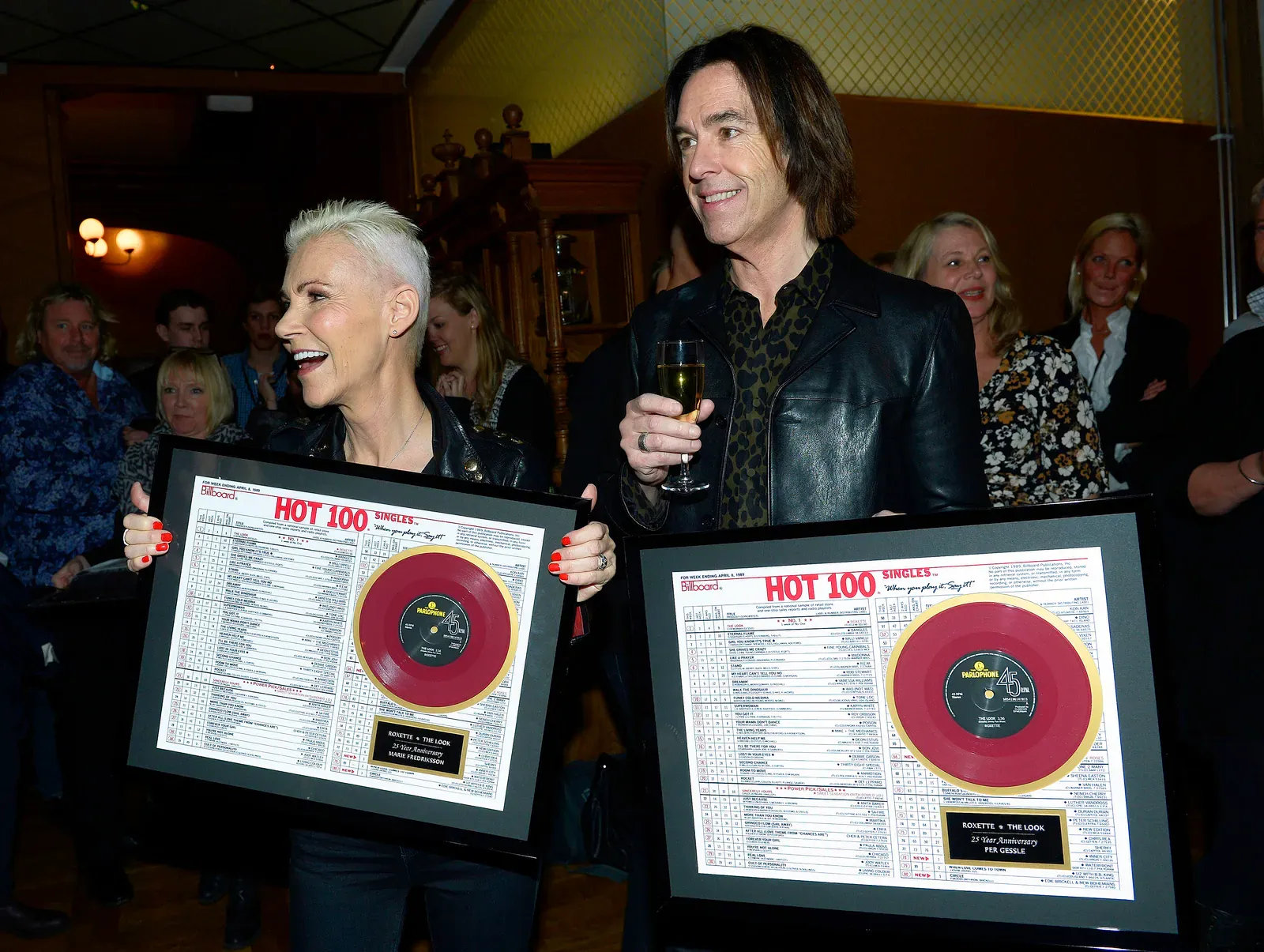
Other acts worked the same market. Army of Lovers’ “Crucified” (1991), filmed in an old Swedish castle, reached number one in Belgium and the top 10 in several other European countries.
Characteristics
The structure is plain by design: a short intro, a verse, a chorus that repeats the title or one phrase, a bridge or breakdown, and a final chorus that is often lifted by a key change. Tempos sit between a mid-tempo 95 beats per minute and a driving 150, in 4/4 time. Melodies stay in a narrow range so that listeners from many countries can sing them, and lyrics favour romance, dancing and nostalgia over social comment. Vocals are usually harmonised and often shared between a woman and a man.

Instruments and production
Classic recordings combine piano, electric guitar and bass with early synthesizers. By the mid-1980s drum machines and sequencers took over the rhythm section, helped by MIDI, introduced in 1983, which let studios link keyboards and sequencers. Stockholm became a production centre: Cheiron, founded in 1992 by Denniz Pop and Tom Talomaa, refined a hook-first method that carried into the American teen pop of Britney Spears’s “…Baby One More Time” (1998). Compilations of hits, such as ABBA Gold in 1992, then kept the older catalogue in circulation. The ABBA catalogue lists Polydor Records among its labels.
Mainstream success
Europop topped charts throughout the 1980s and 1990s. In the 1990s, acts such as the Spice Girls, Aqua, Steps, Right Said Fred, Backstreet Boys and DJ BoBo drew on its formula. Aqua’s “Barbie Girl” (1997), a Danish single that alternates a sung chorus with a rapped verse, became one of the best-known pop singles of the decade, and its official video later passed one billion views online. The Italian dance group Eiffel 65 was highly active in the genre in the late 1990s, and in the 2000s Alcazar of Sweden and Cascada of Germany were among its most popular representatives.
Notable recordings
“Waterloo” is the founding statement: a contest entry that carried a Swedish group into the British market. “Dancing Queen” refined the formula into a recording that is still played worldwide. “The Look” fused a guitar riff with a dance beat and reached the top of the Hot 100, while “All That She Wants” offered a sparse, reggae-tinged groove that opened American radio to Ace of Base. “Barbie Girl” closed the century’s run with a novelty hook that travelled far outside the genre’s home markets.
Culture
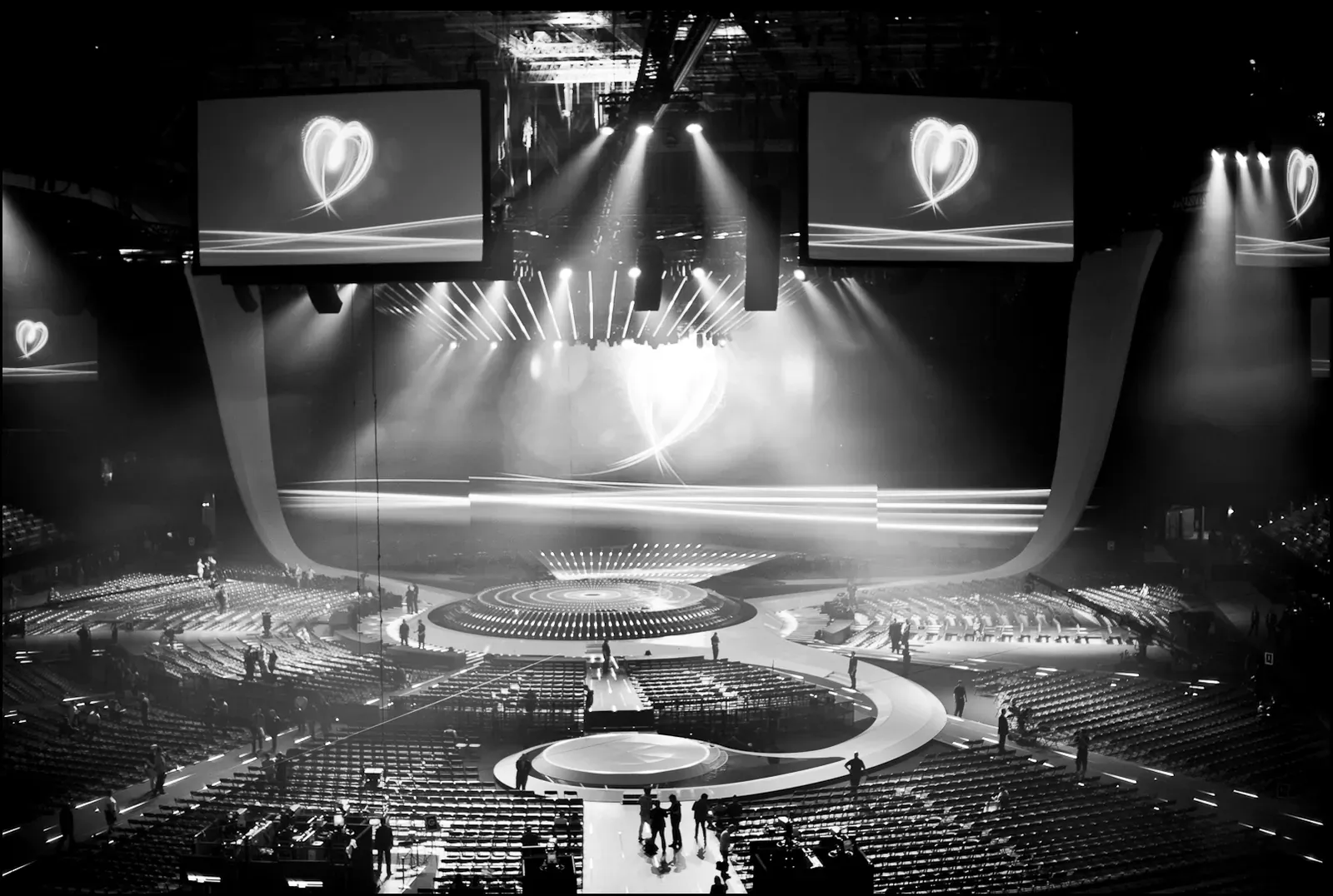
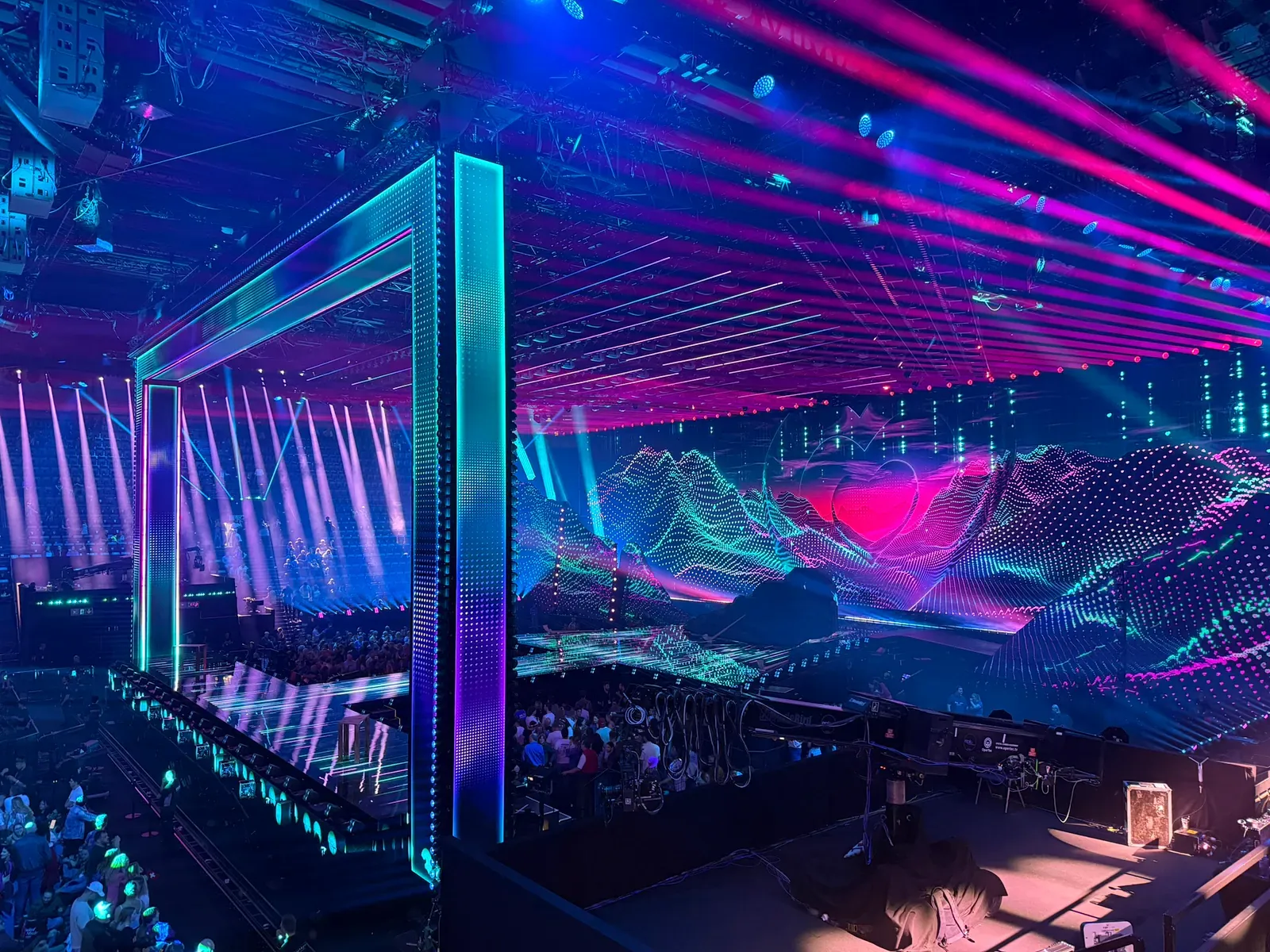
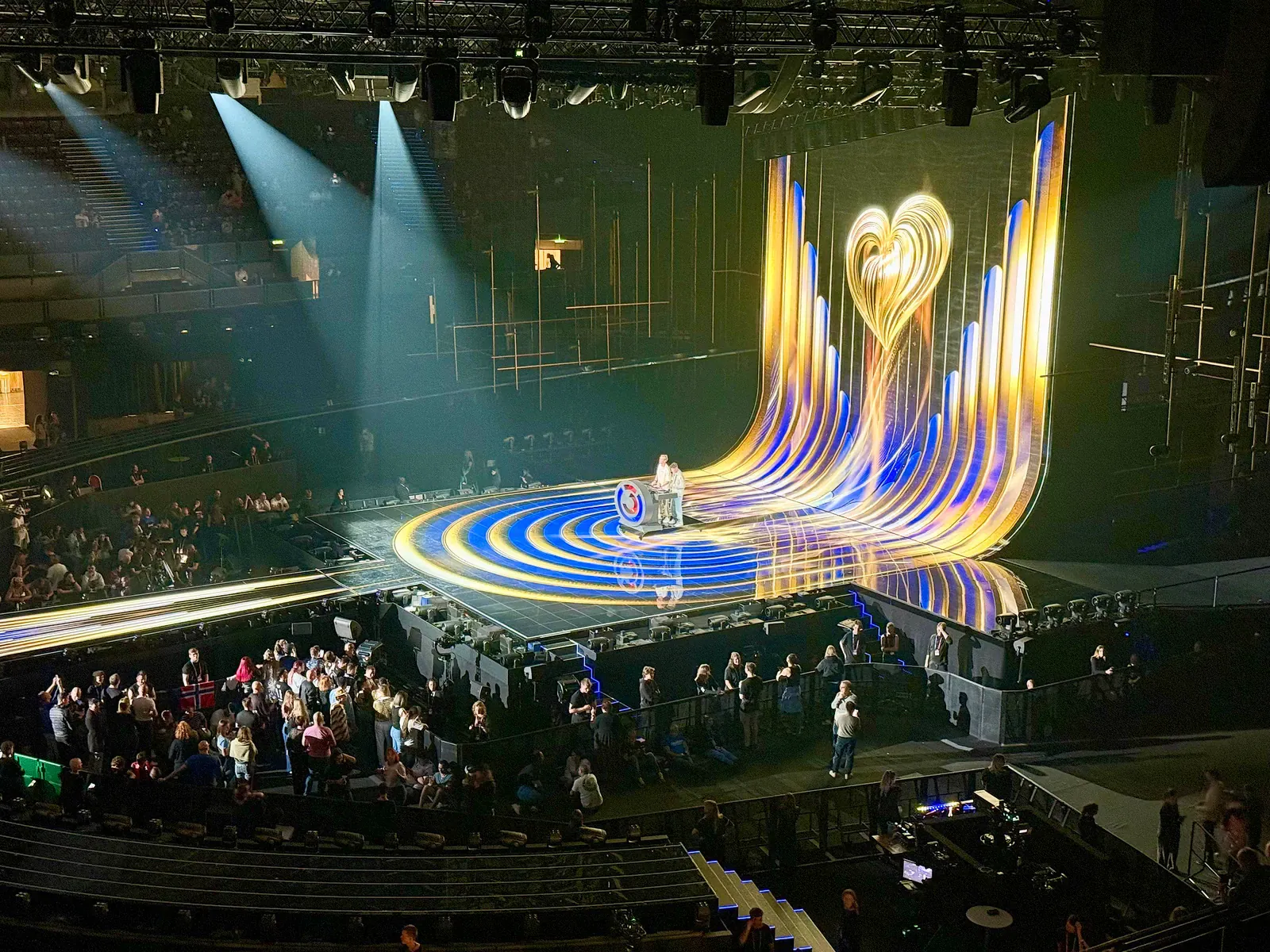
The contest itself is a ritual: families and friends in many countries watch it together each year, and the stage design, costumes and glossy videos form part of the genre’s image. Matching bright outfits and carefully lit promotional videos were as much a part of the style as the songs. Musical theatre extended the audience, notably the film Mamma Mia! (2008), built on ABBA songs.
Legacy
Europop’s formula of hook-first writing, harmonised vocals and a lifted final chorus fed dance-pop and the global teen pop of the late 1990s, and Stockholm remains a centre of pop songwriting. ABBA’s return with the studio album Voyage in 2021, almost forty years after their last, showed how durable the classic sound is. Its smaller national offshoots include Austropop, the Austrian pop sung in dialect.
Misconceptions
Europop is not the same thing as Eurodance. Eurodance is a late 1980s electronic dance style built on rap, techno and Eurodisco, while Europop is a broader pop style that includes guitar-led records such as Roxette’s. The style is not Swedish alone: Modern Talking came from Germany, Aqua from Denmark, Vengaboys from the Netherlands and Eiffel 65 from Italy. Nor did Eurovision invent it: the contest began in 1956 and the style consolidated a decade later, and many Europop acts, including Roxette and Ace of Base, never won it.
Frequently asked questions
What is Europop?
Europop is a style of continental European pop with polished production, simple catchy melodies, repetitive choruses and light lyrical themes, aimed at audiences in several countries.
Who are the main Europop artists?
ABBA is widely regarded as the leading representative of the classic sound. Roxette and Ace of Base led it in the United States in the late 1980s and early 1990s, and Aqua and Vengaboys carried it into the late 1990s.
How fast is Europop?
Most Europop sits between about 95 and 150 beats per minute in 4/4 time, from the mid-tempo grooves of Roxette to the faster pace of “Waterloo”.
Is Europop the same as Eurodance?
No. Eurodance is an electronic dance genre, while Europop is a pop style that can also be built on piano, guitar and live drums.
Sound
Sound sheet
Anatomy of a track
| # | Part | Bars |
|---|---|---|
| 1 | Intro | 4 |
| 2 | Verse | 16 |
| 3 | Chorus | 8 |
| 4 | Bridge or breakdown | 8 |
| 5 | Final chorus | 16 |
Signature sounds
- Singalong chorus built on the song title
- Stacked, harmonised vocals
- Synth or piano hook doubled with the melody
- Sung verse against a rapped or spoken part
Techniques
- Stacked harmony vocals
- Title-hook repetition
- Key change before the last chorus
- Sung and rapped contrast
Keys and modes
Major. Choruses most often sit in major keys, as in Dancing Queen and Barbie Girl.
Tuning
12-TET, A=440
Vocals
Mixed-gender duos and groups, mostly in English, with simple lyrics and harmonised backing.
Scenes
Where it happened
Where and when the sound lived: one bar per city on a shared timeline.
Europe
Active scenes
Peak 5, 1997-2025
Home of ABBA's studio work and later of Cheiron and the songwriters around it.
Where Ace of Base formed.
The town where Roxette formed.
Base of the Danish group Aqua.
Base of the Dutch group Vengaboys.
Venues and places
Brighton, 1974 to today. Host of the 1974 Eurovision Song Contest won by ABBA's Waterloo.
Stockholm, 1992 to today. Stockholm studio where much late 1990s pop was produced.
Culture
Culture markers
- Eurovision viewing parties
The annual contest is a shared televised event watched across Europe, a showcase for the genre.
Ritual - Bright stage costumes
Matching, colourful outfits and glossy video styling are part of the genre's image.
Fashion
Media
Key media
- 1992ABBA Gold
by ABBA. The hits collection that renewed interest in the group's catalogue.
Compilation - 2008Mamma Mia!
by Phyllida Lloyd. A musical film built on ABBA songs that brought them to a new generation.
Film
Glossary
Terms on this page
Disco as produced in continental Europe, a close neighbour of early Europop.
The annual contest between broadcasters of European countries, a showcase for pop songs.
A short melodic phrase repeated so it sticks in the ear.
A shift of the song to a higher key, often before the last chorus, to lift energy.
German-language popular song tradition that fed continental pop.
Pop family