Eurodance
Eurodance is continental European dance-pop at 120 to 145 BPM, built on rapped verses and sung choruses, that filled European charts from about 1990 to 1995.
Frankfurt, 1989
Electronic family
Born
1989
Frankfurt
Subgenres
3
Documented branches
Links
28
Genres it drew on or shaped
Tempo
120-145 BPMLineage
Family tree
Timeline
Era by era
From the first sparks to today. Select a dot to read the story behind it.
- Hip house, new beat and the first hits
1987 to 1991
- The golden era
1992 to 1995
- Pop Eurodance and decline
1996 to 2001
- Reunions and nostalgia
2002 to today
Eras
Moments
- 1 Hip house, new beat and the first hits, 1987 to 1991
- 2 The golden era, 1992 to 1995
- 3 Pop Eurodance and decline, 1996 to 2001
- 4 Reunions and nostalgia, 2002 to today
1987
Hip house, new beat and the first hits
Italian, Belgian and German studios turn hip house and new beat into Euro hits; Technotronic, Snap! and 2 Unlimited arrive by 1991.
- 1987Media Records founded in BresciaGianfranco Bortolotti starts the label and its network of fast, in-house studios.
- 1988Logic Records starts in OffenbachMunzing, Anzilotti and Martinsohn found the label that will release Snap!.
- 1988Omen opens in FrankfurtMunzing, Sven Vath and Martinsohn open the club that feeds the city's dance scene.
- 1989First Love Parade in BerlinWestbam and Dr. Motte start the techno parade that becomes a symbol of peace and understanding.
- 1989Snap! formed in FrankfurtMunzing and Anzilotti begin recording under aliases.
- 1989Ride on Time tops UK 1989Black Box's Italian house hit shows the commercial potential of continental dance.
- 1989Technotronic releases Pump Up the JamThe Belgian hip house single reaches number two in the UK and US.
- 1990Snap! release The PowerThe single tops the UK chart and reaches number two in the US.
- 1990Dr. Alban breaks through with Hello AfrikaDenniz Pop produces the first big SweMix record in Stockholm.
- 19912 Unlimited release Get Ready for ThisWritten in about two hours and recorded in a small Amsterdam studio, it becomes a stadium staple.
1992
The golden era
Rhythm Is a Dancer sets off a wave of rap-and-sung-chorus acts; Eurodance fills European charts and reaches the US top ten.
- 1992Rhythm Is a Dancer reaches number one in 11 countriesSnap!'s second hit wins the 1992 Echo Award for best-selling single.
- 1992Dr. Alban's It's My Life tops six chartsIt stops at UK number two.
- 1993Haddaway's What Is Love tops 13 chartsThe debut single becomes Haddaway's signature.
- 1993Culture Beat release Mr. VainThe single reaches number one in at least 19 countries.
- 1993Cappella break the UK with U Got 2 Let the MusicAn Italian record charts in the UK before Italy.
- 1993Corona release The Rhythm of the NightNumber one in Italy for eight weeks, number two in the UK.
- 1993Culture Beat founder Torsten Fenslau diesHe dies in a car accident on 6 November at age 29.
- 1994Another Night becomes a US hitAfter Canadian success, Arista takes Real McCoy to number three in the US.
- 1995La Bouche release Be My LoverThe single reaches number six on the US Hot 100.
- 1995DMA Dance compilation series beginsInterhit's series (1995 to 1997) helps define the genre for North American listeners.
1996
Pop Eurodance and decline
Vengaboys and Aqua take a lighter sound to the top while house and trance overtake the genre.
- 1997Mattel sues over Barbie GirlMattel sues MCA Records in September; a 2002 appeals ruling calls the song protected parody.
- 1999Vengaboys reach UK number oneBoom, Boom, Boom, Boom!! tops the UK chart in June.
2002
Reunions and nostalgia
Acts reform for 1990s revival tours; a 2023 parody and a film sample revive interest.
- 20122 Unlimited formally reformSlijngaard and Doth reunite, after a 2009 return, and relaunch the act.
- 2023Planet of the Bass parody and Barbie WorldA parody and a Barbie film sample revive interest in 1990s Eurodance.
Listening path
Anthems
The records that built the sound, grouped by the part they played. Thumbnails come from YouTube; the player loads only when you press play.
- 01
Technotronic, 1989 · #2 US Billboard Hot 100, 1990
Belgian hip house and new beat track whose rapped verses and sung hook became the blueprint, and the first Eurodance hit in the US.
Origin - 02
Snap!, 1990 · Logic Records
Frankfurt hip house track with a rapped verse and a sung hook that fixed the male rap, female voice split.
Origin - 03
2 Unlimited, 1991 · Byte Records
Rave-edged Benelux hit built from a chanted rap and a pounding riff that took the sound to arenas and stadiums.
Start hereBreakthrough - 04
Snap!, 1992 · #1 UK Singles, 1992 · Logic Records
Minor-key dance record that went to number one in 11 countries and set off a wave of European dance acts.
Start hereBreakthrough - 05
Dr. Alban, 1992 · SweMix Records
Swedish-made Euro hit with a chanted hook that topped charts in six European countries.
Anthem - 06
2 Unlimited, 1993 · Byte Records
The fastest of the big hits, a rave-inflected shout-along that defined the golden-era sound.
Anthem - 07
Haddaway, 1993 · #2 UK Singles, 1993 · Coconut Records
Cologne-area production with a minor-key synth hook that went number one in 13 countries and later became a pop-culture meme.
Start hereAnthem - 08
Culture Beat, 1993 · #1 UK Singles, 1993
Frankfurt production with a keyboard hook, a sung lead and a rapped bridge that topped charts in at least 19 countries.
Anthem - 09
Corona, 1993
Italian production with a sung chorus and a bright synth riff that went to number two in the UK.
Anthem - 10
Cappella, 1993 · Media Records
Brescia studio production that sampled a 1984 synth-pop hit and charted in the UK before Italy.
Anthem - 11
Vengaboys, 1998 · #1 UK Singles, 1999
Late-1990s party record built on an ABBA interpolation that reached UK number one in 1999.
Anthem - 12
Real McCoy, 1993 · #3 US Billboard Hot 100, 1994
Berlin hit that found its biggest audience in North America in 1994, reaching number three on the US Hot 100.
Crossover - 13
La Bouche, 1995 · #6 US Billboard Hot 100, 1996
Frank Farian production that went top ten in the US, among the few Eurodance records to do so.
Crossover - 14
Aqua, 1997 · #1 UK Singles, 1997
Danish-Norwegian novelty-pop single, UK number one and US top ten, that drew a Mattel lawsuit.
Crossover
Facts
| Family | Electronic |
| Origin | Frankfurt, Germany |
| Emerged | Late 1980s |
| Status | Revival |
| Tempo | 120 to 145 BPM |
| Meter | 4/4 |
| Grew out of | Euro disco, Hi-NRG |
| Subgenres | 3 |
Eurodance is commercial dance music made in continental Europe, mainly in Germany, Belgium, the Netherlands, Italy and Sweden, from the late 1980s.
It pairs a four-on-the-floor beat at roughly 120 to 145 BPM with a repeated synthesizer hook, a rapped verse and a sung chorus, and it dominated European singles charts in the first half of the 1990s. It grew out of Euro disco, Hi-NRG, hip house and new beat, and it sits in the electronic music family beside house and techno.
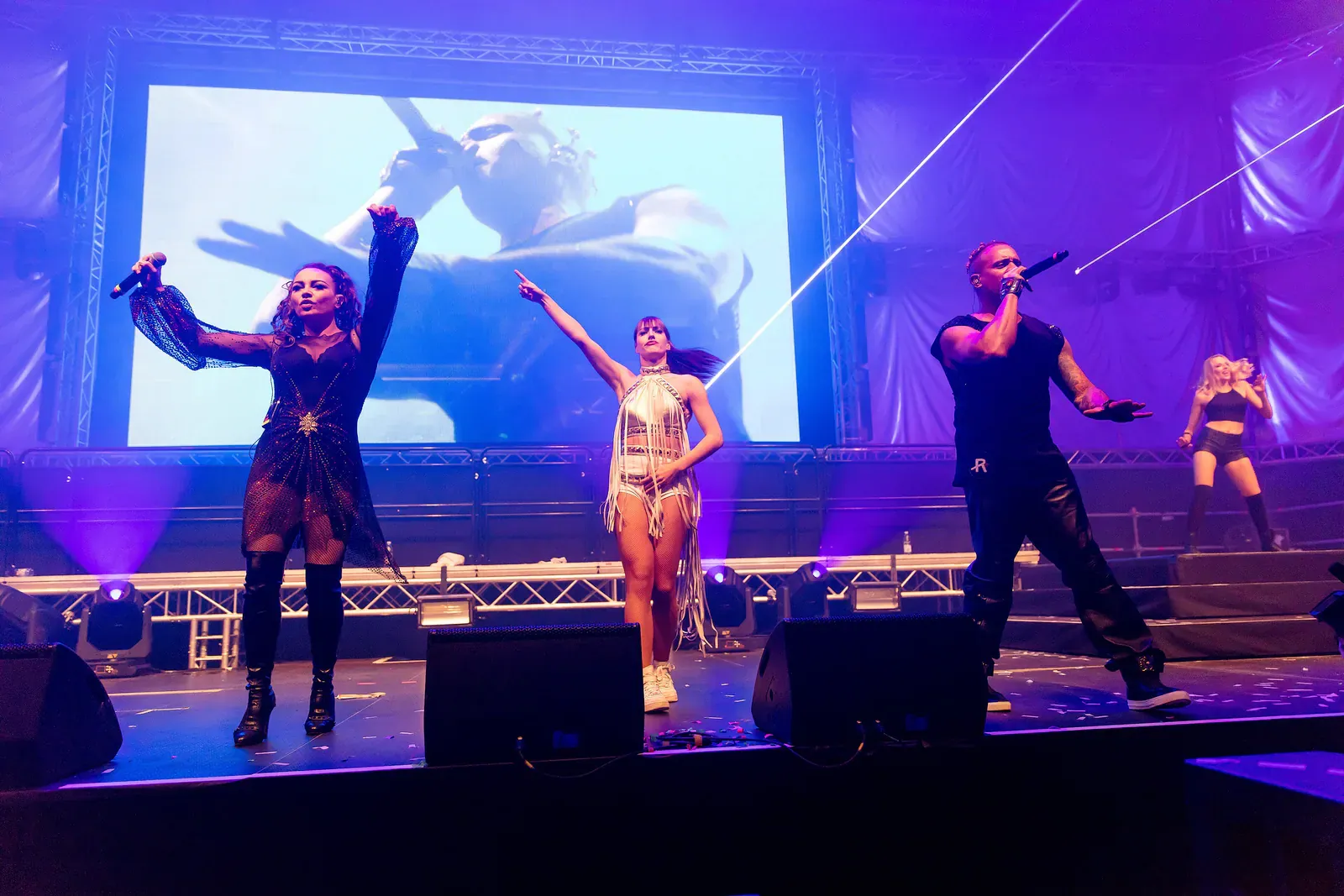
Origins
The genre was assembled from parts that already existed. Italo and Euro disco supplied melodic synth lines and a taste for singles over albums. Hi-NRG supplied speed. Hip house (rapping over a house beat) and Belgian new beat supplied the vocal format and a darker pulse. Producers in several countries combined them at about the same time, which is why the genre has no single birthplace: Frankfurt, Brescia, Aalst, Antwerp and Stockholm all contributed.
Two records from 1989 and 1990 fixed the template. Technotronic’s “Pump Up the Jam”, made partly in Jo Bogaert’s home studio in Aalst, put rapped verses and a sung hook over a hip house and new beat groove and became a hit in the United States as well as Europe. Snap!, a Frankfurt production project of Michael Munzing and Luca Anzilotti, followed with “The Power” in 1990 on Logic Records, the label the same two producers had co-founded. Its split between a rapped verse and a sung hook became the default arrangement.
The same period set up the infrastructure. Media Records opened in Brescia in 1987 around a network of small studios that could finish a track in hours. Logic, based in Offenbach beside Frankfurt, started in the late 1980s, and the Frankfurt club Omen opened the same year. The Love Parade held its first edition in Berlin in 1989.
Hip house, new beat and the first hits, 1987-1991
The first phase belonged to producers rather than performers. A producer would write the track and the rap, hire a female singer for the chorus, and put the result out under a group name. Dr. Alban, a Nigerian-born dentist based in Stockholm, broke through in 1990 with “Hello Afrika”, produced by Denniz Pop for SweMix Records. In 1991 “Get Ready for This” by 2 Unlimited arrived from Byte Records in Antwerp. It was written in about two hours and recorded in a small Amsterdam studio, and its chanted rap and pounding riff made it a staple of sports arenas, a role it kept for decades.
The golden era, 1992-1995
“Rhythm Is a Dancer”, Snap!’s second major single in 1992, set off the main wave. A minor-key record with a sung hook and a rap bridge, it reached the top of charts across Europe and persuaded labels that the format could be repeated. Dr. Alban’s “It’s My Life” followed within months, and by 1993 the market was crowded: Haddaway’s “What Is Love” from Cologne, Culture Beat’s “Mr. Vain” from Frankfurt, Corona’s “The Rhythm of the Night” from Italy, and Cappella’s “U Got 2 Let the Music” from Brescia, which charted in the United Kingdom before Italy. 2 Unlimited’s “No Limit” became the fastest and most shouted of the era’s hits.
This was also the period of crossover. Real McCoy’s “Another Night”, from Berlin, found its largest audience in North America in 1994, and La Bouche’s “Be My Lover” reached the US top ten in 1996. A German compilation series, Bravo Hits, began in 1992, and the DMA Dance series introduced the genre to American listeners from 1995. Records sold mainly as singles and maxi-singles, with long club mixes beside the radio edit.
Characteristics
The structure is simple and repeated across hundreds of records: an intro with the beat and the synth hook, a rapped verse, a sung build, the chorus, a breakdown carried by a piano or organ line, and a final chorus. Bass lines are syncopated and the hook is usually in a minor key, which gives even the cheerful records a slightly melancholy edge. The vocal split, a female voice for the melody and a male voice for the rhythm, is the most recognisable trait.
Instruments and production
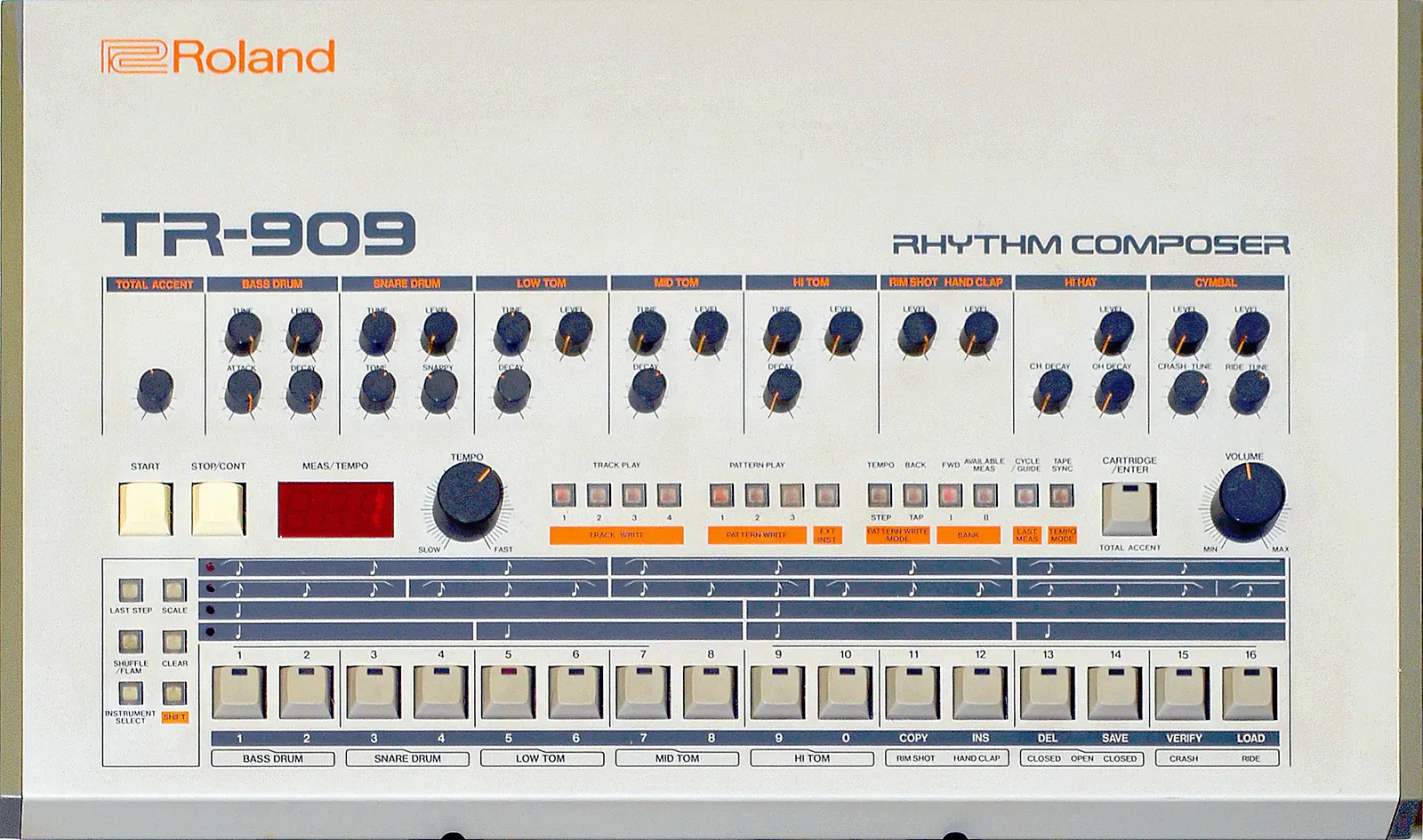
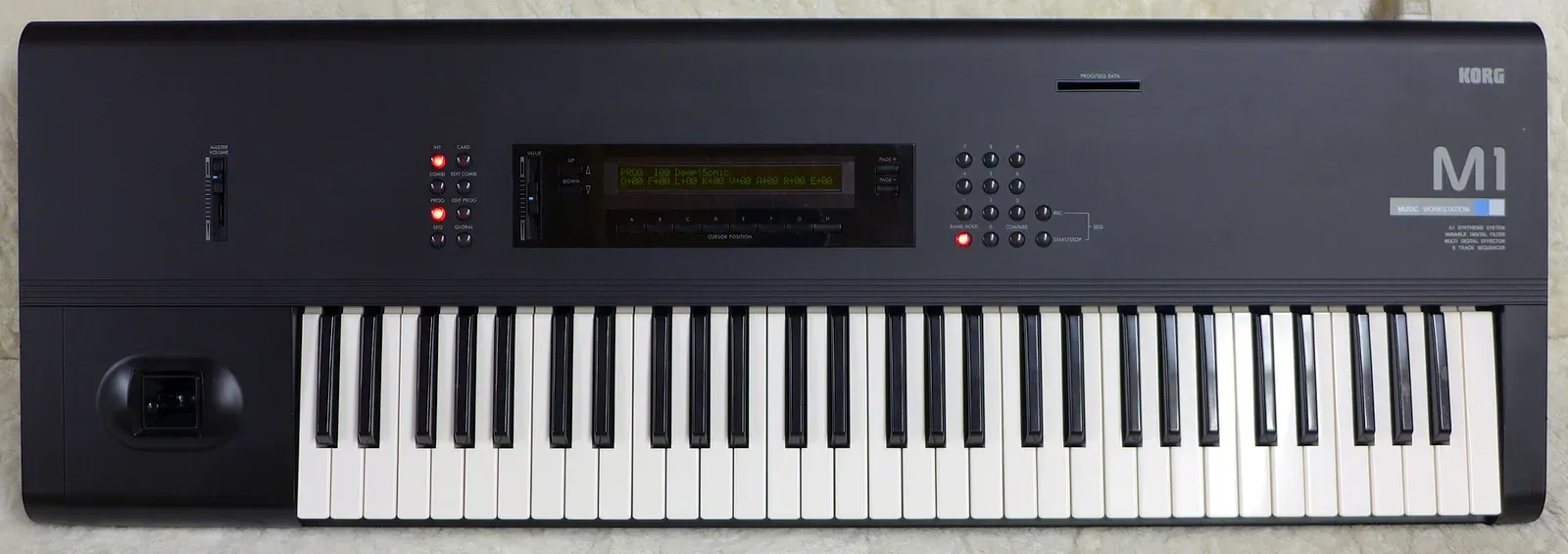
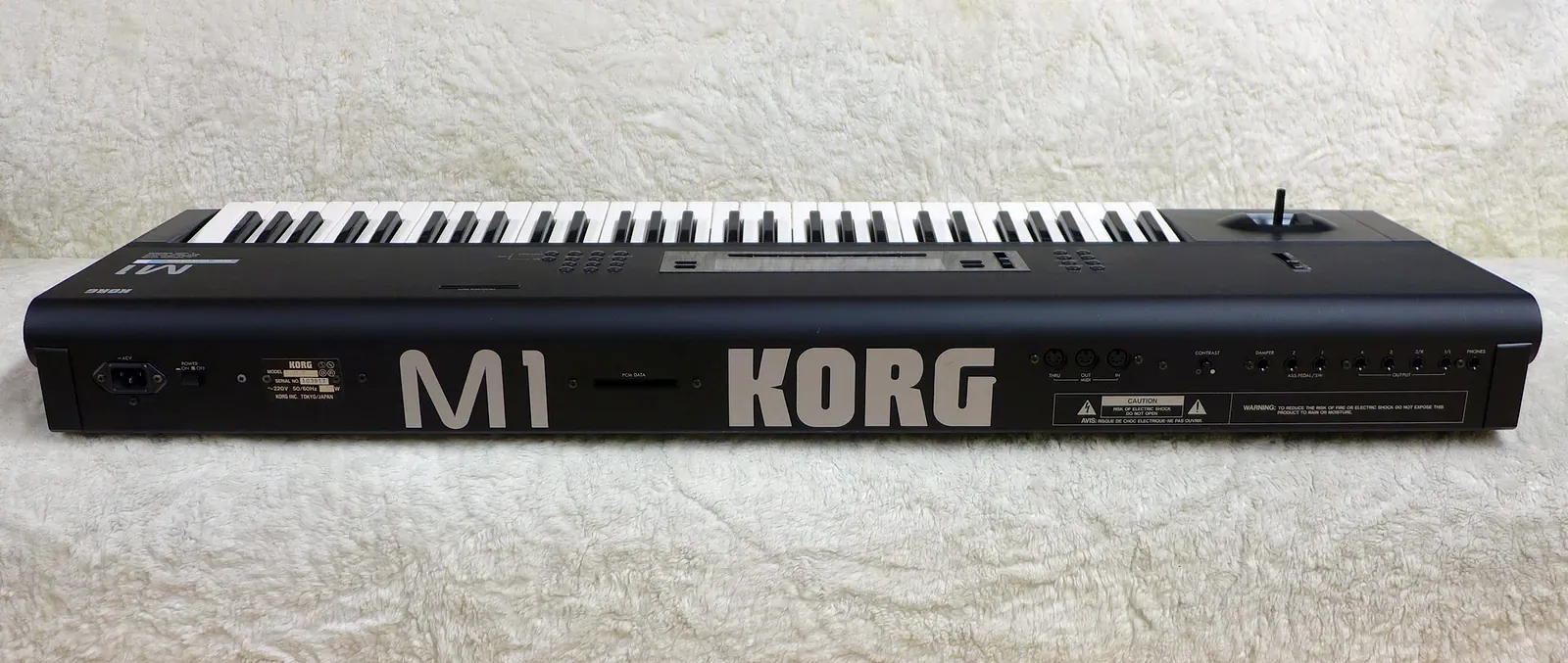
Production was built on a small set of affordable machines. Workstation synthesizers such as the Korg M1 provided stock pianos, organs and bass sounds, and the Roland Alpha Juno added analogue-style bass and pad lines. Samplers, above all the Akai S1000 of 1988, made it routine to chop a vocal phrase or a drum hit and loop it. Drum sounds were commonly sampled from classic Roland machines.
Mainstream success
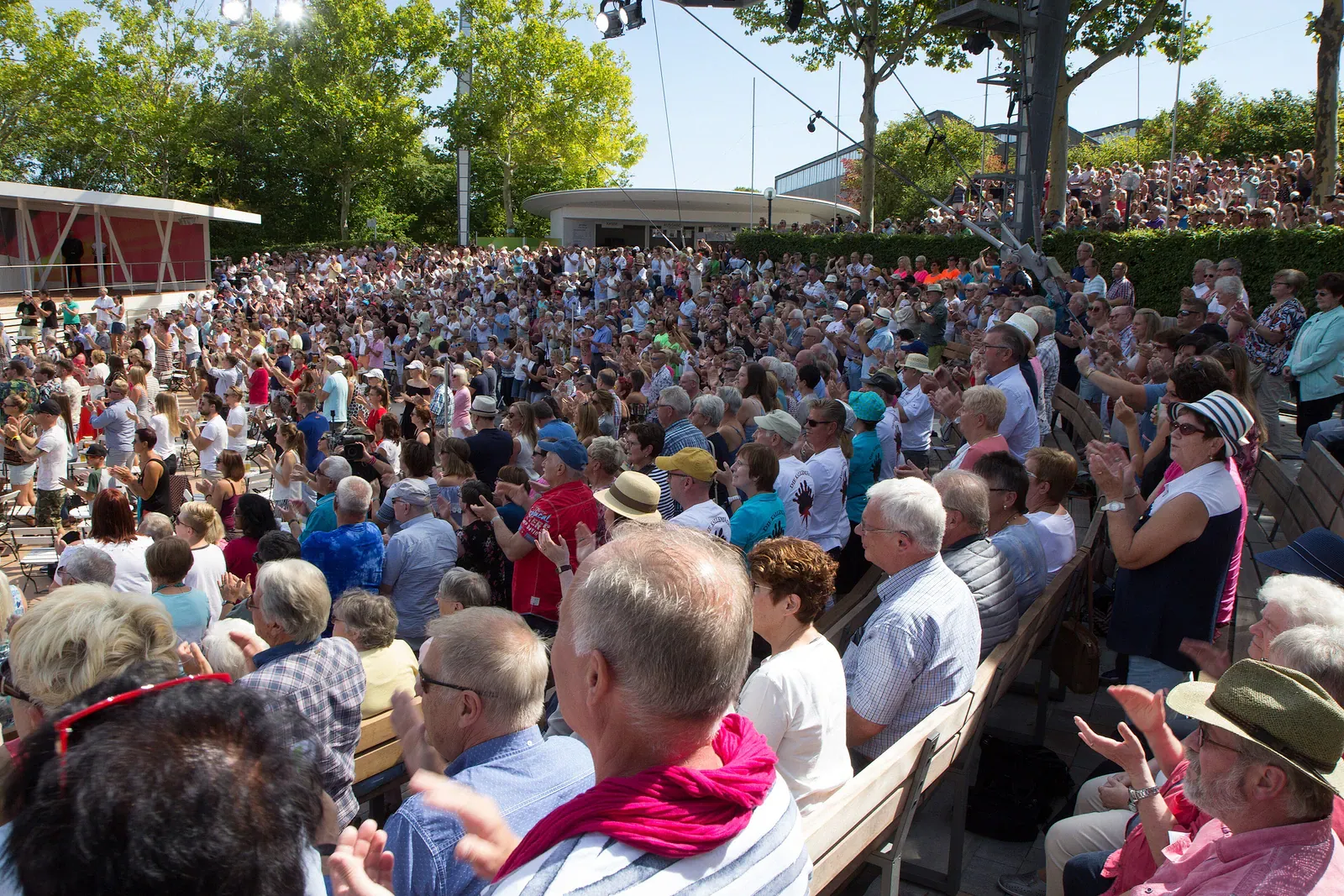
Eurodance was a chart genre before it was a scene. Its singles reached number one in many European countries, the United Kingdom included, and a handful crossed into the American top ten. Television, compilations and sports playlists carried it to its widest audience. After about 1995 the main wave slowed as house and trance took over the clubs and the market turned to a lighter pop version of the sound.
Notable recordings
“Rhythm Is a Dancer” shows the formula at its most efficient. It is a minor-key record in which a rap bridge sets up a sung hook. “What Is Love” shows how a record can outlive its moment: built on a short synth hook, it returned decades later through the 1998 comedy A Night at the Roxbury, whose head-bobbing routine became a lasting piece of pop culture. “Get Ready for This” shows the other lasting route, through sport. Its chant was written for the dance floor, and stadium crowds adopted it.
Pop Eurodance and decline, 1996-2001
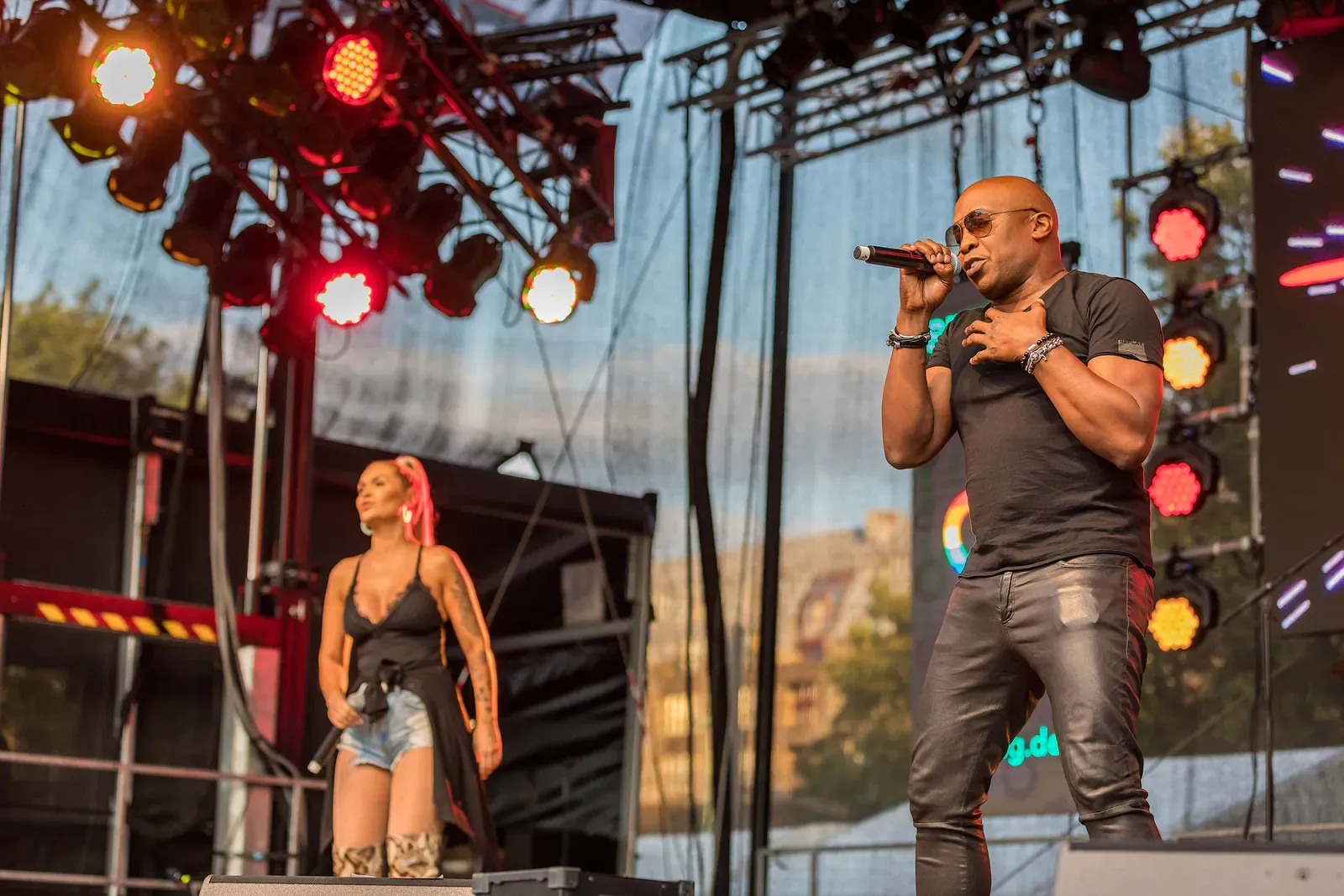
The later years belonged to a brighter style. Vengaboys, a Rotterdam party act created by the producers Danski and Delmundo, took the sound into the late 1990s, and “Boom, Boom, Boom, Boom!!” reached number one in the United Kingdom in 1999 after drawing on an ABBA melody. Aqua’s “Barbie Girl” of 1997 went further into novelty pop and prompted a lawsuit from Mattel the same year; a 2002 appeals ruling called the song protected parody. House and trance now set the tempo in clubs, and the genre’s identity thinned out.
Culture
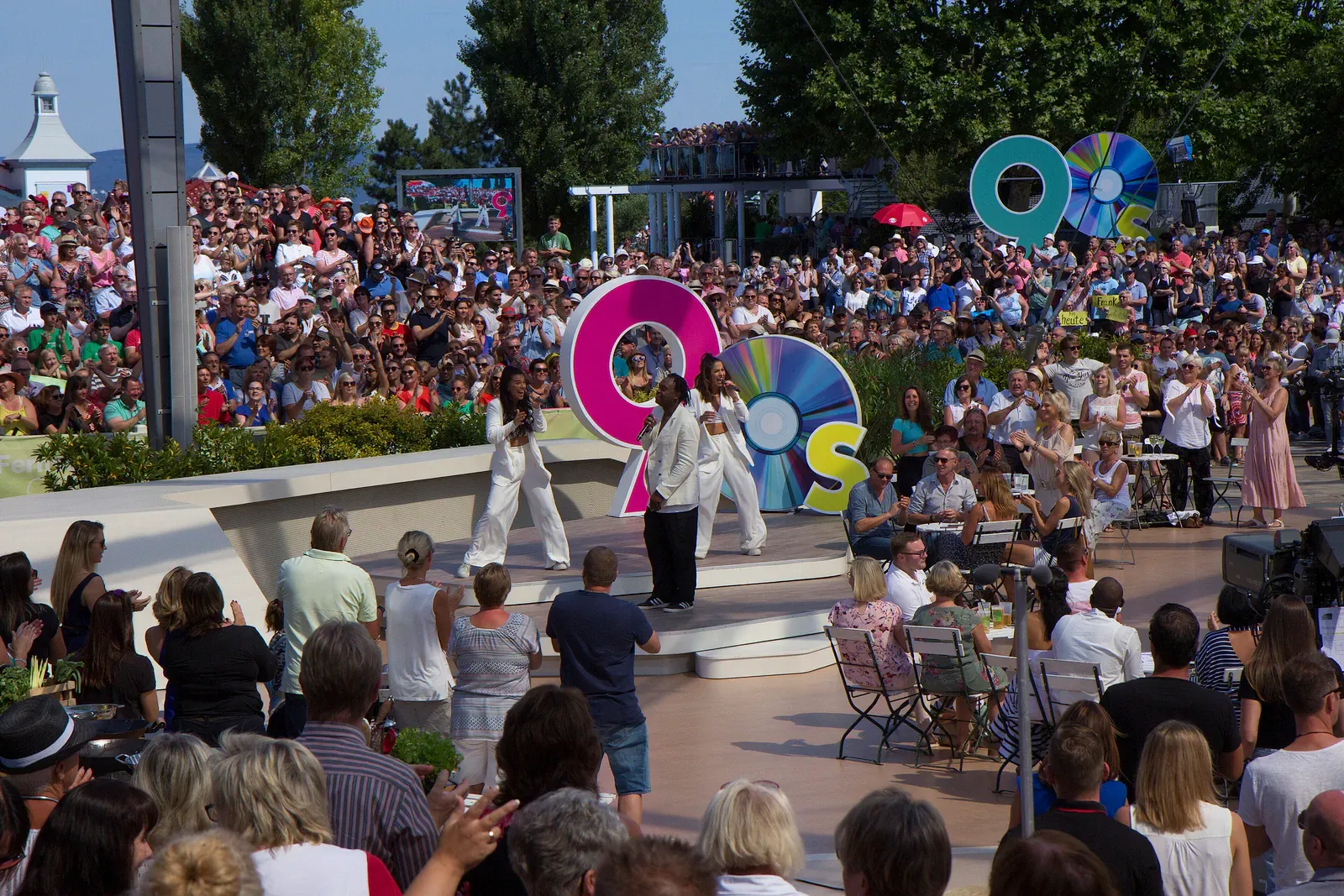
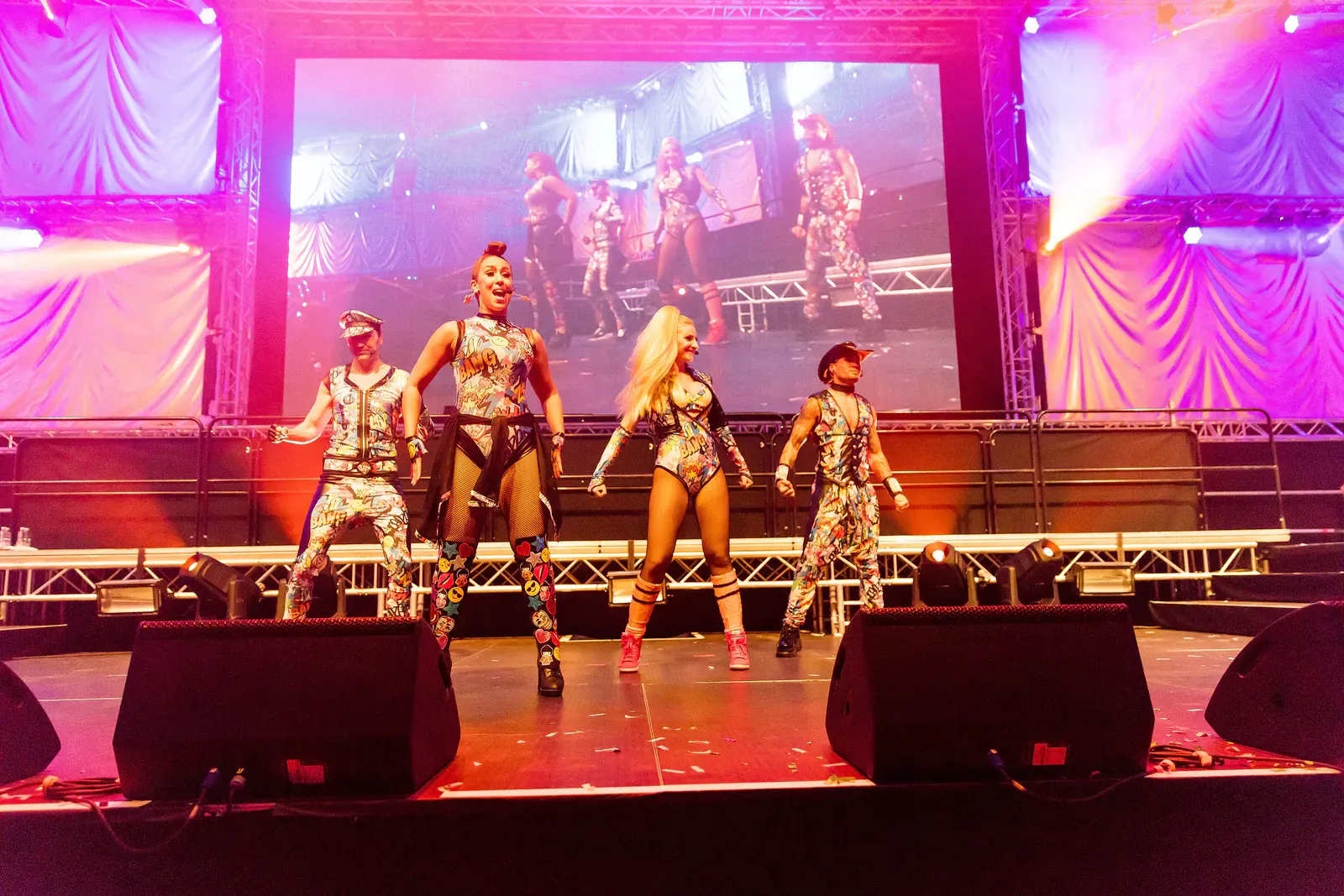
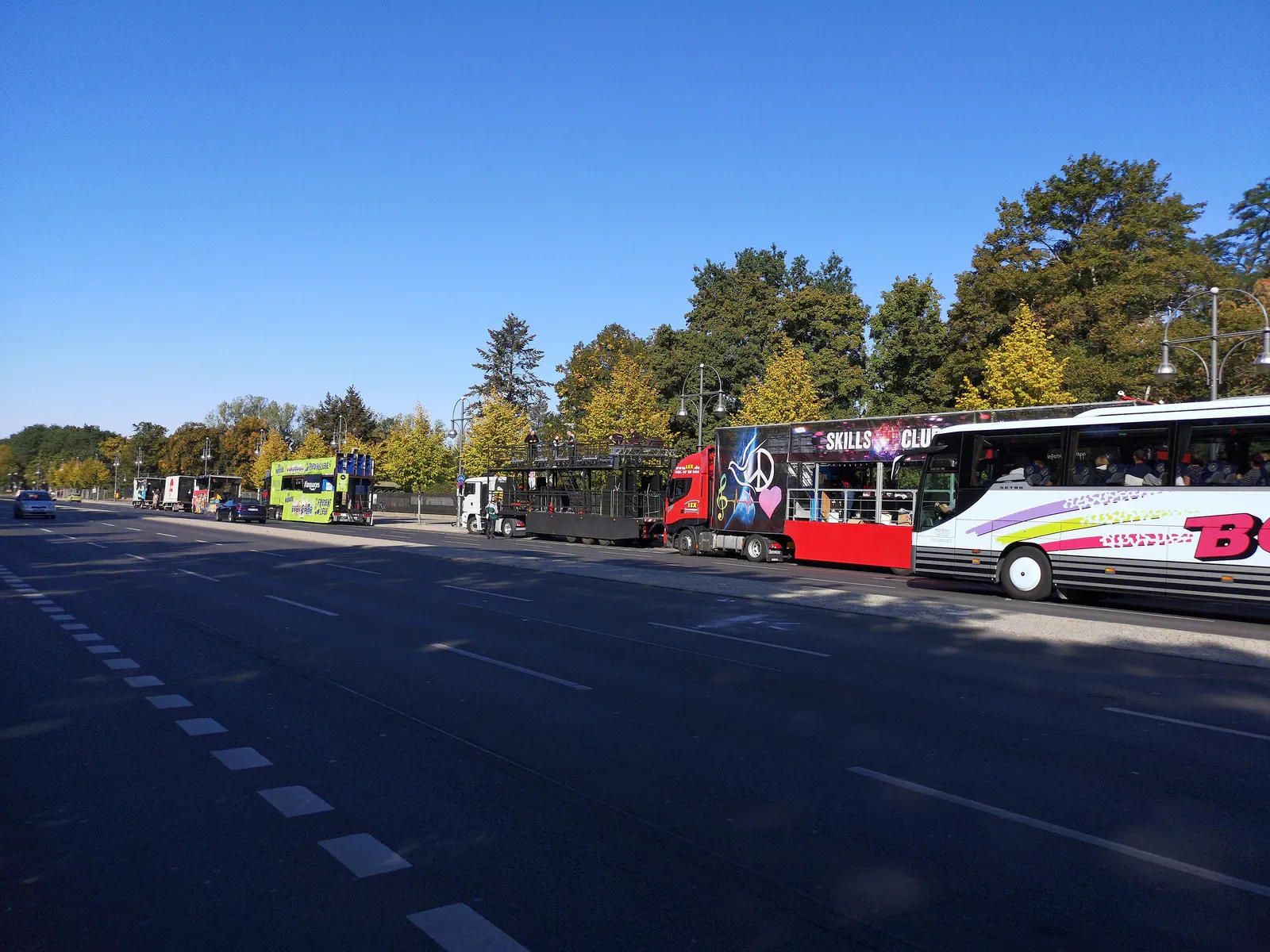
Eurodance had less of a club scene than a media one. Its homes were radio, music television, school discos and holiday resorts. Frankfurt clubs such as Dorian Gray and Omen fed the producers, and the Love Parade gave techno and its neighbours a public face in Berlin. Image was handled separately from sound: producers often cast a visible performer for videos while another person sang, and Technotronic and Corona both put models in front of the camera.
Legacy
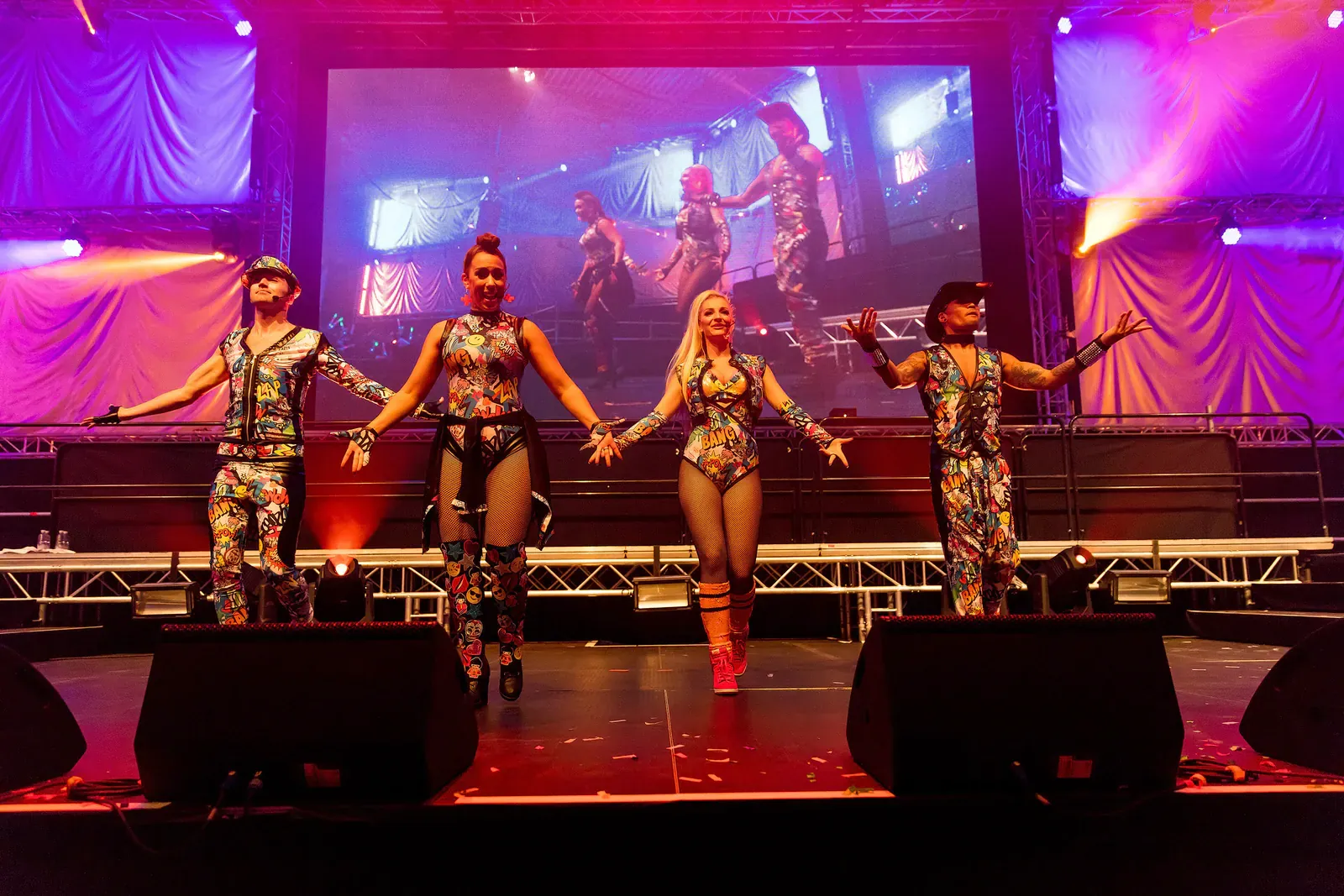
The genre never fully ended. 2 Unlimited, Vengaboys and others toured nostalgia circuits from the early 2000s, and 2 Unlimited formally reformed in 2012. A 2023 parody called “Planet of the Bass” and a sample in a Barbie film renewed interest in the period. Its commercial successor, hands up, took the format into the 2000s, and the rap-and-chorus split lives on in much pop and dance writing.
Misconceptions
One myth holds that Eurodance was a German product. Germany was a major centre, with Frankfurt and Cologne, but the genre’s first hits came from Belgium, its fastest records from Antwerp, its studio-line method from Brescia and its lighter pop from Stockholm and Rotterdam. A second holds that every voice on a record belonged to the performer in the video. Using fronts was a common practice, so the face and the voice were frequently different people. A third holds that Aqua’s label lost the Barbie Girl case. Mattel sued in 1997, and the 2002 appeals ruling found the song to be protected parody.
Frequently asked questions
What is Eurodance?
Eurodance is dance-pop made in continental Europe from the late 1980s, built on a four-on-the-floor beat, a catchy synth hook, a rapped verse and a sung chorus. It was most popular on European charts between about 1990 and 1995.
What are some examples of Eurodance songs?
“Rhythm Is a Dancer”, “What Is Love”, “Get Ready for This”, “No Limit”, “Mr. Vain”, “The Rhythm of the Night” and “It’s My Life” are the standard examples from the early 1990s. “Boom, Boom, Boom, Boom!!” and “Barbie Girl” represent the lighter late 1990s style.
How fast is Eurodance?
Most Eurodance records run between about 120 and 145 BPM. The faster rave-influenced records such as “No Limit” sit near the top of the range, and the slower, pop-leaning ones near the bottom.
What is the difference between Eurodance and house music?
House is club music made for DJs, usually with long, loop-based tracks. Eurodance borrows the four-on-the-floor beat but arranges it as a song with a rapped verse, a sung chorus and a hook, and it was sold mainly as singles for radio and television.
Sound
Sound sheet
Anatomy of a track
| # | Part |
|---|---|
| 1 | Intro with beat and synth hook |
| 2 | Rapped verse |
| 3 | Sung build |
| 4 | Sung chorus hook |
| 5 | Breakdown with piano or organ melody |
| 6 | Final chorus repeats |
Signature sounds
- Female sung chorus
- Male rapped verse
- Piano or organ synth hook
- Four-on-the-floor kick
- Syncopated bass line
- Minor-key hook
Drums and percussion
- Akai S1000
- Roland TR-909
Synths and software
- Korg M1
- Roland Alpha Juno
Techniques
- Rap and sung split
- Repeated synth hook
- Hired or replaced vocalists
- Extended maxi mixes
Keys and modes
Minor keys. Hits such as What Is Love (G minor), Mr. Vain (A minor) and The Rhythm of the Night (F minor) use minor-key hooks.
Major keys. Pop-leaning late acts such as Vengaboys use major keys like F sharp major.
Tuning
12-TET, A=440
Vocals
Sung female chorus with a rapped male verse, often with a hired or uncredited voice.
Scenes
Where it happened
Where and when the sound lived: one bar per city on a shared timeline.
Europe
Active scenes
Peak 6, 1990-1995
Logic Records, Snap!, Culture Beat and clubs such as Dorian Gray and Omen.
Media Records and its network of studios, home of Cappella.
Byte Records and the 2 Unlimited hits.
Jo Bogaert's home studio for Technotronic.
Haddaway and Coconut Records' productions in nearby Hennef.
SweMix, Denniz Pop and Dr. Alban.
Love Parade and Real McCoy.
Vengaboys and their producers.
Venues and places
Frankfurt, 1978 to today. Airport club where Culture Beat founder Torsten Fenslau and Sven Vath played.
Frankfurt, 1988 to today. City-centre club opened by Michael Munzing, Sven Vath and Matthias Martinsohn.
Berlin, 1989 to today. Parade founded by Westbam and Dr. Motte that symbolised the rave movement.
Brescia, 1987 to today. Network of small in-house studios turning out tracks in hours or days.
Culture
Culture markers
- Love Parade
Annual Berlin street parade of DJs on trucks, started in 1989.
Ritual - Roxbury head-bob
SNL sketch characters bob their heads in unison to What Is Love.
Dance - Stadium playlists
Get Ready for This became one of the most played songs at sporting events.
Ritual - Model fronts on covers
Technotronic and Corona used models in videos and on covers while others sang.
Artwork
Media
Key media
- 1992Bravo Hits
by Various. German compilation series, first edition 1992, packed with Eurodance hits.
Compilation - 1995DMA Dance
by Various. Interhit series (1995 to 1997) that helped define the genre in North America.
Compilation - 1998A Night at the Roxbury
by Various. Film built on an SNL sketch that made What Is Love an enduring pop-culture track.
Film
Glossary
Terms on this page
Another name for the genre, tied to its Hi-NRG roots.
Kick drum on every beat with a snare or clap on the second and fourth.
A performer who appears in videos and on stage while another person sang the studio vocal.
Rap over a house beat, an ancestor of Eurodance.
Single with several extended mixes, the main format for dance releases.
Act built around a producer team, with vocalists hired or replaced as needed.
Electronic family