Hypnagogic pop
Hypnagogic pop is lo-fi, psychedelic pop from 2000s America that reworks half-remembered 1980s media through degraded home recording; named in 2009.
United States, 2006
Pop family
Born
2006
United States
Links
14
Genres it drew on or shaped
Tempo
80-125 BPMLineage
Family tree
Grew out of
- Lo-fi
Derived from
Derived from
Influenced by
United States, 2006
Hypnagogic pop
Timeline
Era by era
From the first sparks to today. Select a dot to read the story behind it.
- Post-noise home recording
2004 to 2008
- Naming and blog circulation
2009 to 2010
- Peak and backlash
2011 to 2011
- Afterlife in other genres
2012 to today
Eras
Moments
- 1 Post-noise home recording, 2004 to 2008
- 2 Naming and blog circulation, 2009 to 2010
- 3 Peak and backlash, 2011 to 2011
- 4 Afterlife in other genres, 2012 to today
around 2004
Post-noise home recording
California and New York lo-fi artists issue CD-Rs and cassettes of psychedelic, noise-edged pop, among them Ariel Pink and the Skaters.
- 1982Nick Nicely, Hilly Fields (1892)A DIY single that later writers cite as a precursor, with its haphazard take on 1960s psychedelic pop.
- 2004Olde English Spelling Bee foundedTodd Ledford starts the New York label that would become the imprint most tied to the style.
- 2005The Skaters flood the underground with CD-RsJames Ferraro and Spencer Clark release dozens of CD-Rs and cassettes of psychedelic drone in the mid-2000s.
2009
Naming and blog circulation
The Wire coins the term in 2009 and blogs spread the music. Altered Zones launches and Before Today reaches a wider audience.
- 2009Matrix Metals, Flamingo BreezeSam Mehran's synth-loop album, later seen as an early signpost to vaporwave.
- 2009David Keenan names the genre in The WireHis August 2009 essay Childhood's End in issue 306 coins the term and draws hate mail from readers.
- 2010Ariel Pink's Haunted Graffiti, Before TodayThe 4AD album carries Pink's home-recorded sound to wide critical attention, led by Round and Round.
- 2010Chuck Person's Eccojams Vol. 1Daniel Lopatin gathers looped, slowed samples first posted to YouTube under the name sunsetcorp.
- 2010Pitchfork launches Altered ZonesFrom July 2010 the site aggregates a collective of blogs covering the lo-fi and hypnagogic scene.
- 2010Backlash at South by SouthwestA New York Times review of the 2010 festival showcase calls the bands a hedged, hipster imitation of pop.
2011
Peak and backlash
Replica, Far Side Virtual and John Maus's breakthrough album appear while the tag draws hostility, Altered Zones shuts and Olde English Spelling Bee goes defunct.
- 2011James Ferraro, Far Side VirtualA glossy turn to Muzak and early-computer sounds on Hippos in Tanks; it ends the lo-fi era for some critics.
- 2011John Maus, We Must Become the Pitiless Censors of OurselvesThe June 2011 album, including Believer, brings Maus's baritone synth pop to a larger audience.
- 2011Oneohtrix Point Never, ReplicaReleased 8 November 2011, a sample-based album built from 1980s and 1990s television advertising.
- 2011Altered Zones closes and Olde English Spelling Bee endsThe blog and the label most linked to the style both stop in 2011, weeks after Far Side Virtual.
- 2011Vaporwave name appearsAn October 2011 blog post on Girlhood's Surfs Pure Hearts supplies the word for the next, more online style.
2012
Afterlife in other genres
The retro lo-fi approach feeds bedroom pop and vaporwave, and its main artists keep working under other labels.
Listening path
Start listening
A short path from an easy way in to the deep end. Thumbnails come from YouTube; the player loads only when you press play.
- 01
Ariel Pink's Haunted Graffiti, 2010
The song that carried Pink's home-recorded sound to a wide audience; listen for the soft-rock chords smeared by hazy production.
- 02
John Maus, 2011
Daydream synths and echoed vocals in a short, clear pop song from the Maus breakthrough album.
- 03
Oneohtrix Point Never, 2011
The title track of Lopatin's sample-based work on 1980s and 1990s advertising audio.
- 04
Ariel Pink, 2017
A later, cleaner Pink single that shows the 1980s synth-pop influence in focus.
Facts
| Family | Pop |
| Origin | United States |
| Emerged | 2000s; named 2009 |
| Status | Active |
| Tempo | 80 to 125 BPM |
| Grew out of | Lo-fi, Psychedelic pop |
Hypnagogic pop, often shortened to h-pop, is a loosely defined style of pop and psychedelic music that emerged in the United States in the 2000s.
Home-recording artists from the lo-fi and post-noise scene reworked half-remembered 1980s and early-1990s media, such as new wave, synth-pop, soundtracks and video game music, through deliberately degraded recording. The name came from a 2009 magazine essay, and it belongs to the pop family as a microgenre.
Origins
The word hypnagogic describes the state between waking and sleeping. In August 2009 the critic David Keenan used it in issue 306 of The Wire, in an article titled Childhood’s End, to label a trend among lo-fi and post-noise musicians. The idea came from a remark by James Ferraro that the sounds of the 1980s had seeped into the unconscious of musicians who were toddlers falling asleep while their parents played music in another room. Keenan summed the music up as pop refracted through the memory of a memory.
The label arrived after the music. Ariel Pink had been releasing self-produced albums since the mid-2000s, and writers placed him and the noise duo the Skaters, made up of Ferraro and Spencer Clark, among the godparents of the style. Earlier lo-fi artists such as R. Stevie Moore and Gary Wilson were named as precedents, and so was Nick Nicely’s 1982 single Hilly Fields (1892), whose haphazard do-it-yourself approach to 1960s psychedelic pop anticipated the later sound. Critics disagreed about where it began: one tied it to Southern California, another saw several simultaneous scenes, and a third called it less a movement than a coincidence.
Post-noise home recording, 2004-2008
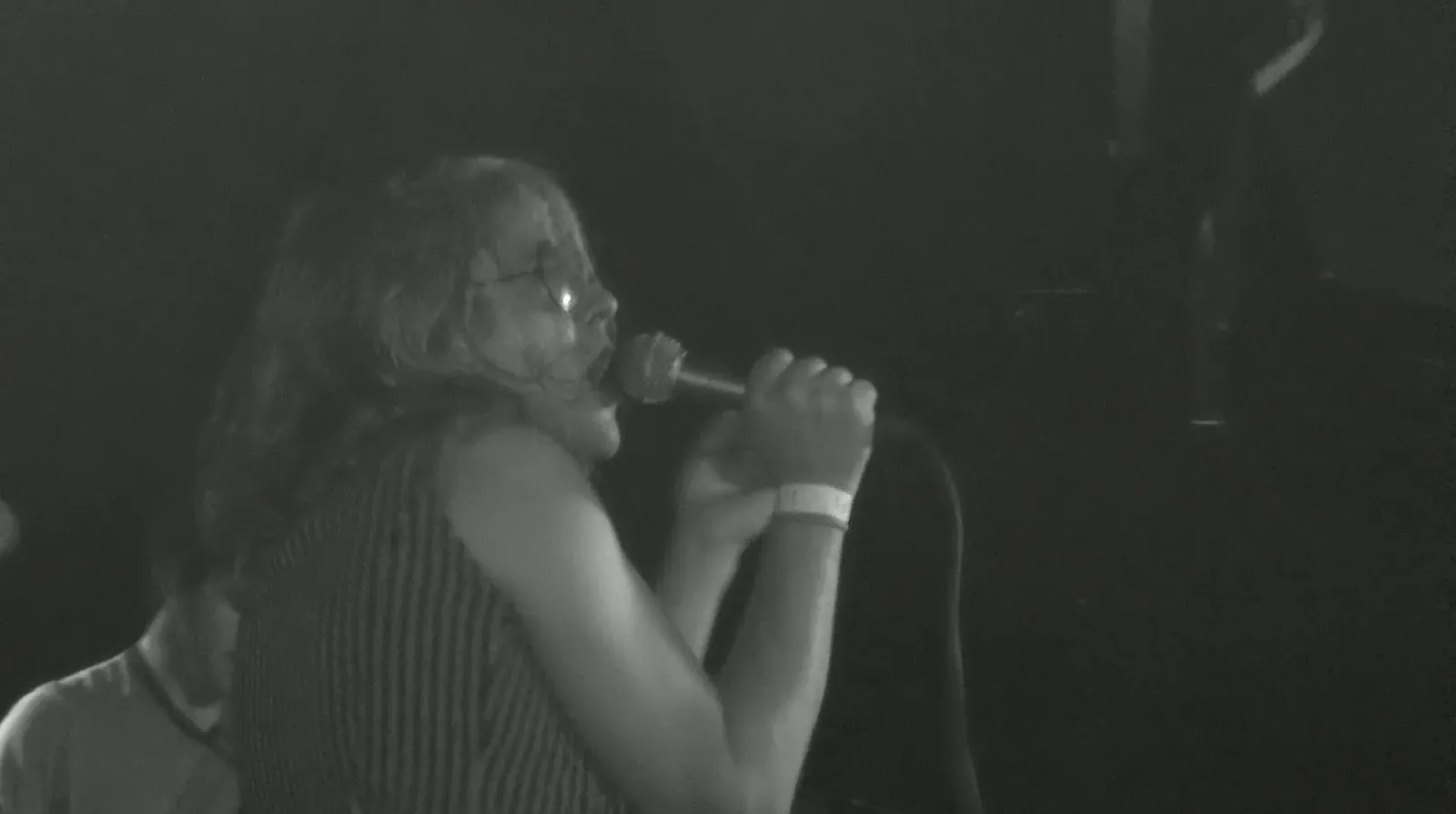
In the mid-2000s a wave of retro-inspired home recorders took over parts of the underground. The Skaters issued dozens of CD-Rs and cassettes of psychedelic drone before Ferraro and Clark began solo work. Ariel Pink’s records prompted the writers Simon Reynolds and Mark Fisher to discuss hauntology. Hypnagogic pop was later called an American cousin of the British hauntological scene.
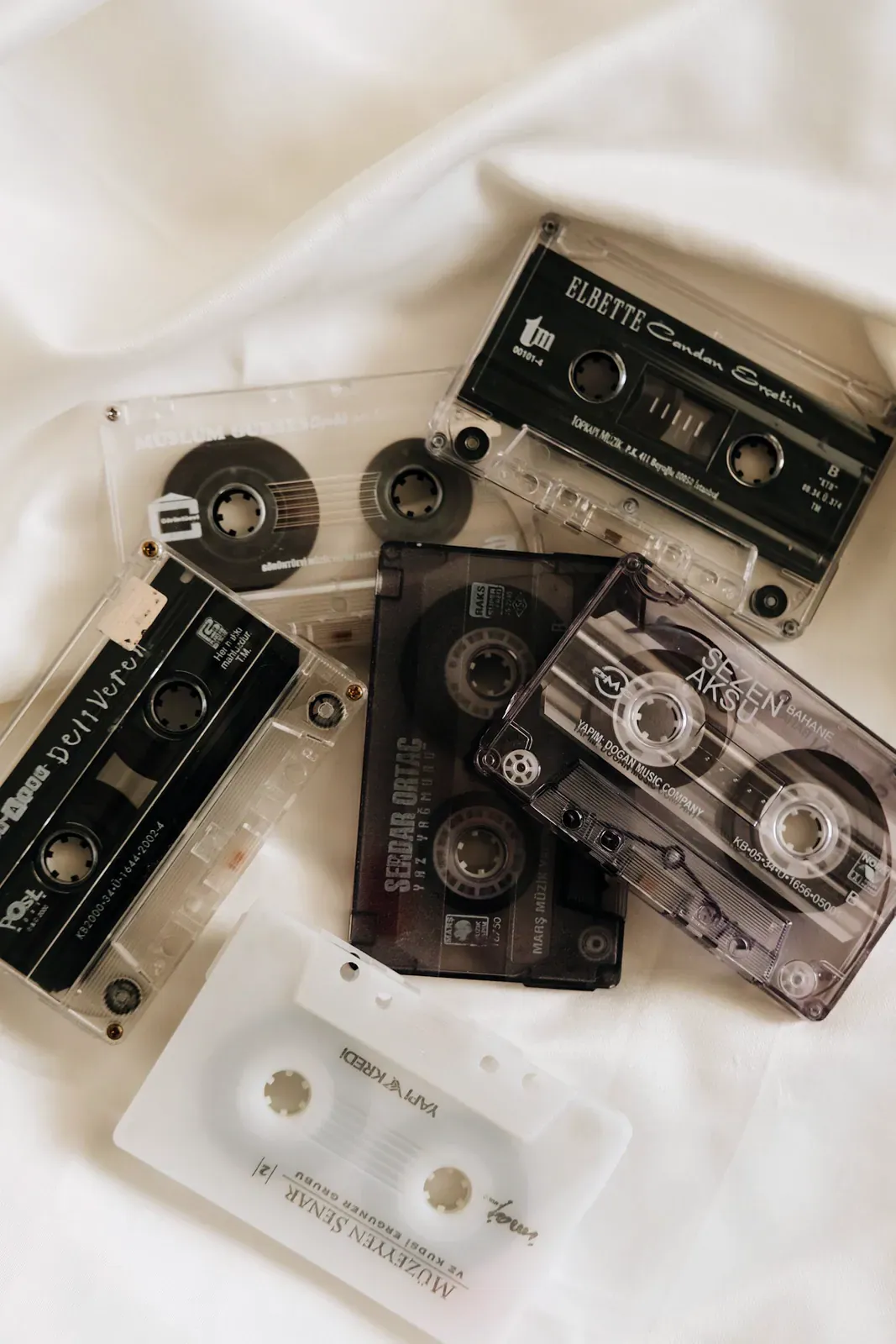
The distribution was part of the sound. Records came as limited cassettes, CD-Rs and small vinyl runs before blogs and YouTube carried them further. In New York, Todd Ledford founded the label Olde English Spelling Bee in 2004, and it later became the imprint most linked with the style. John Maus, an early collaborator of Pink, was described as being as much a progenitor as Pink, though Pink took the headlines.
Naming and blog circulation, 2009-2010
Keenan’s essay named Ariel Pink, Daniel Lopatin (Oneohtrix Point Never), the Skaters, Gary War, Zola Jesus, Ducktails, Emeralds and others. The essay drew a slew of hate mail, and some readers called it the worst genre created by a journalist.
By 2010 the tag, along with chillwave and glo-fi, was being applied to albums by Pink and Neon Indian in outlets such as Pitchfork and The Wire. Pink’s Before Today, released on 4AD, brought him wide critical attention. In July 2010 Pitchfork launched Altered Zones, a site that collected writing from the blogs covering the movement. In 2009 Mehran’s Matrix Metals album Flamingo Breeze, built on synthesizer loops, and in 2010 Lopatin’s Eccojams, assembled from slowed loops he had first posted to YouTube, already pointed toward a more internet-bound successor.
Peak and backlash, 2011
The year 2011 was both the high point and the break. John Maus released We Must Become the Pitiless Censors of Ourselves in June. Ferraro’s Far Side Virtual, a sleek set of Muzak-like electronics on Hippos in Tanks, arrived in October, and Oneohtrix Point Never’s Replica followed in November on Mexican Summer. Altered Zones closed within weeks of Far Side Virtual, and Olde English Spelling Bee went defunct the same year.
Criticism had been building. Keenan grew disenchanted with artists who streamlined their sound, saying that h-pop had migrated from a process meant to free desire from marketing formulas into an easy route to mainstream acceptance. He came to treat chillwave as a pejorative. Neon Indian and Toro y Moi rejected the tag, and newspaper critics called the style pretentious and noncommittal. A review of the 2010 South by Southwest showcase described the bands as a hedged, hipster imitation of the pop they were not brash enough to make.
Afterlife in other genres, 2012-present
The retro lo-fi approach did not stay in one scene. It fed bedroom pop, and its experimental side was amplified by vaporwave, the internet-centred style whose name is traced to an October 2011 blog post about Girlhood’s hypnagogic album Surfs Pure Hearts. Pink said in 2012 that such evocations had become so ingrained in modern music that people take them for granted.
Characteristics
The music draws on 1980s radio rock, new wave, MTV one-hit wonders, new age, Hollywood soundtracks, lounge and easy listening, corporate muzak, video game music and synth-pop, reaching from the 1970s to the early 1990s. It does not recreate those sources faithfully. Because it works from memory, it distorts them, which one pair of authors called revisionist nostalgia.
Tracks tend to be long and saturated with echo, delay, smothered guitars and amputated synths. Cassettes, VHS and CD-R discs, along with the early internet, supplied the visual language. One critic argued that no single sound defines the style; the artists share methods and a cultural memory, with debts to noise, drone, repetition and improvisation.
Instruments and production
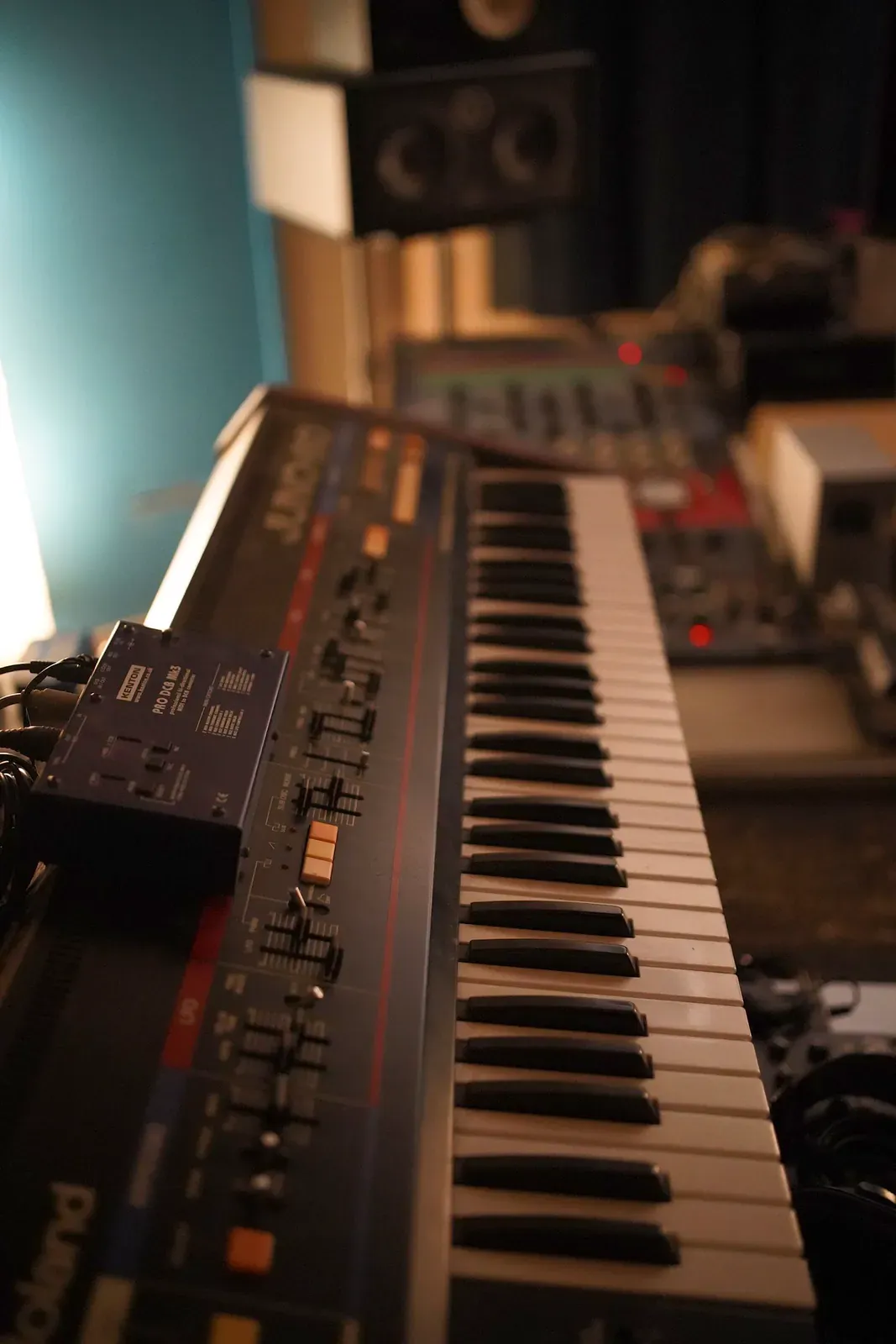
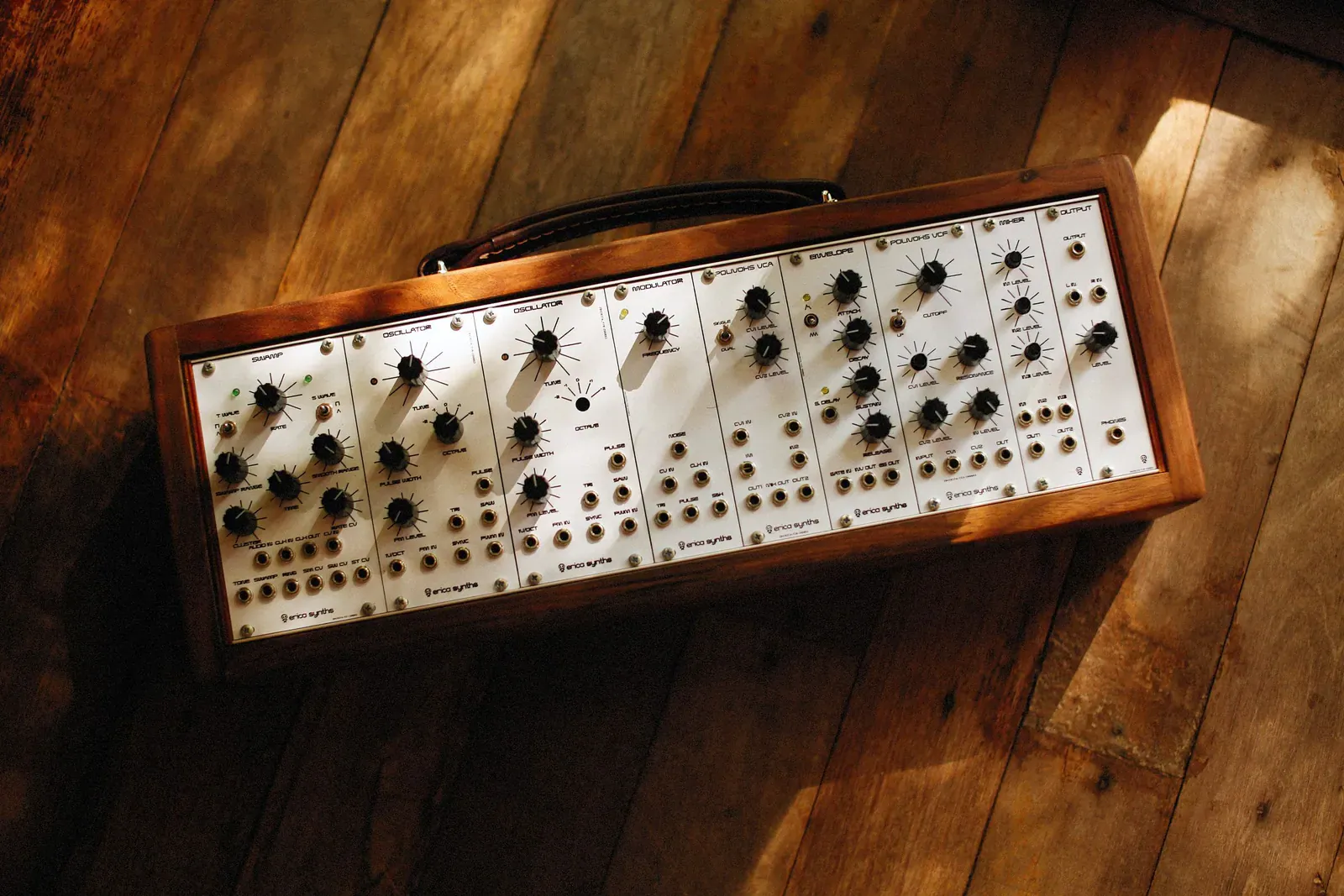
Production depends on outdated analog tools: cassette recorders, analog synthesizers, delay and echo, and a tolerance for tape hiss. Lopatin built Replica from samples of 1980s and 1990s television advertising, and it was his first work recorded in a studio, with co-production from Joel Ford and Al Carlson. Ferraro made Far Side Virtual in GarageBand, a sign of how quickly the style moved from tape to the laptop.
Notable recordings
Round and Round, a double A-side single in April 2010 and the fifth track of Before Today, is among the style’s most celebrated songs, ranked first on one major publication’s list of the best tracks of 2010. Its video was directed by Wayne Coyne of the Flaming Lips. Believer, the closing track of Maus’s 2011 album, came with a video by Jennifer Juniper Stratford made with rare vintage video equipment. Replica, released on 8 November 2011 through Mexican Summer and Software, is a sample-built collage, and Far Side Virtual, which appeared on 25 October 2011, treats phones, malls and corporate mood music as its subject.
Culture
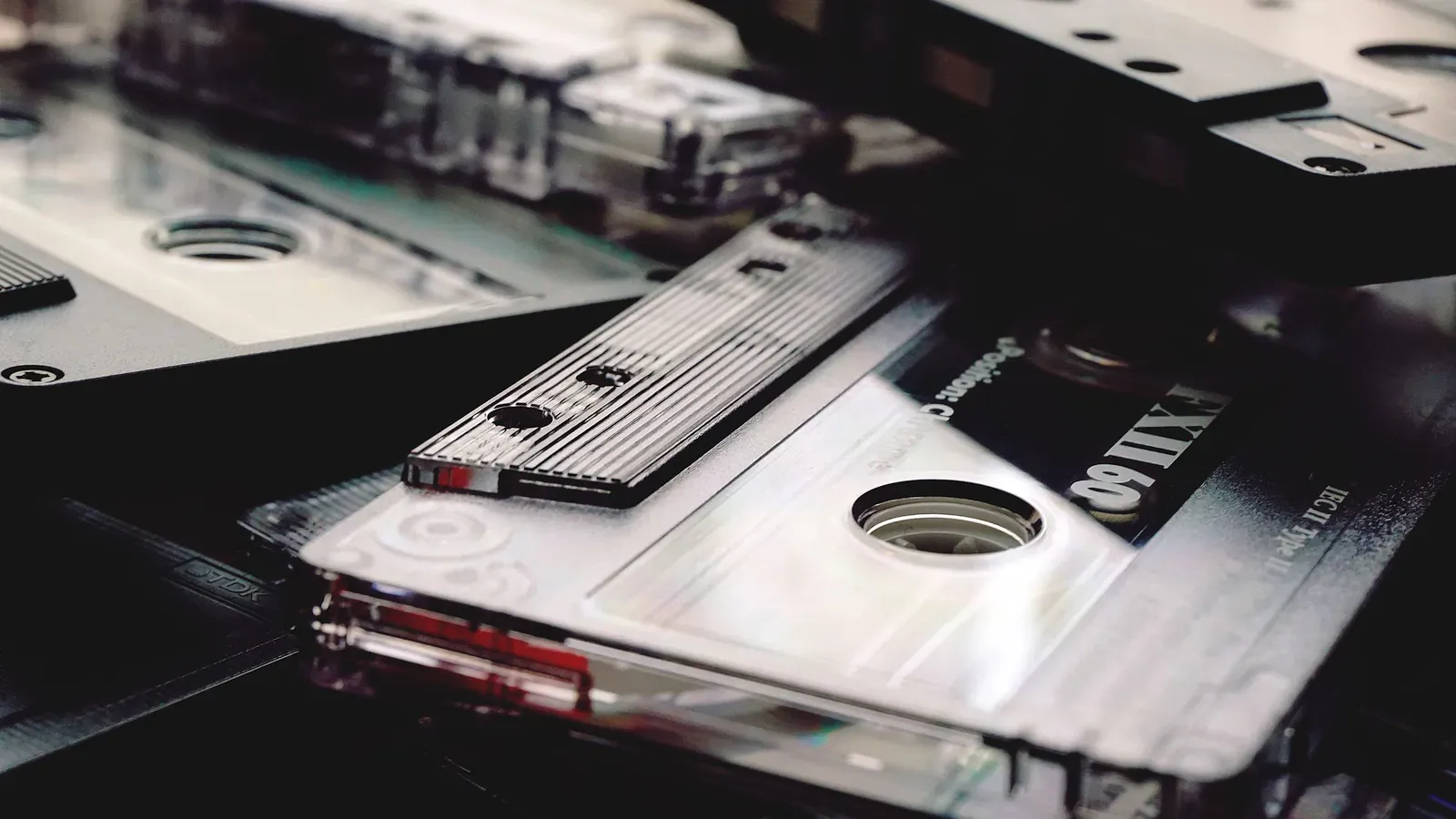
Hypnagogic pop had a visual world of cassette sleeves, VHS grain and early-internet imagery, circulated mostly through blogs, forums and small labels rather than radio. The competing tags, glo-fi, chillwave and h-pop, became part of the culture and its running argument. In early 2011 Keenan noted that the audience had broadened from a noise crowd to the fringes of indie and dance culture.
Legacy
The style’s imagined sonic past spread into 2010s youth culture, where an affinity for the retro became a hallmark. It influenced the rise of bedroom pop and passed its methods to vaporwave, with which it is sometimes confused. A critic writing in 2011 predicted that Pink, Maus, Ferraro, Clark and Moore would be remembered for making the vocabulary of pop and the preoccupations of the avant-garde seem less incompatible than the previous century had implied.
Misconceptions
Hypnagogic pop is not the same thing as chillwave. The two terms were used interchangeably in 2010, but chillwave, coined a month before Keenan’s essay, has a more commercial sound with an emphasis on cheesy hooks and reverb, while h-pop leans on longer, more experimental tracks.
It is also not simple 1980s revivalism. Revivalists try to reproduce the originals, whereas hypnagogic artists rewrite collective memory to be faithful to an idea of the original rather than the original itself.
Nor was it a coordinated movement. Several of the artists tagged with it rejected the label or denied that a unified style existed, and some critics held that it began as a coincidence of scenes rather than a plan.
Frequently asked questions
What is hypnagogic pop?
Hypnagogic pop is a lo-fi, psychedelic style of pop from 2000s America that recasts 1980s and early-1990s media through degraded analog recording. It is named for the dreamlike state between waking and sleeping.
Who coined hypnagogic pop?
The critic David Keenan coined the term in The Wire in August 2009, inspired by a comment from James Ferraro about 1980s sounds seeping into the minds of toddlers.
What is the difference between hypnagogic pop and vaporwave?
Both treat discarded commercial music as raw material and often slow it down. Vaporwave usually avoids long tracks and lo-fi production and leans on the early 1990s, while hypnagogic pop looks to the 1970s and 1980s.
Who are the main hypnagogic pop artists?
The most cited are Ariel Pink, James Ferraro, Oneohtrix Point Never and John Maus, with the Skaters, Gary War and Ducktails in Keenan’s first list.
Sound
Sound sheet
Signature sounds
- Echo and delay saturation over amputated synths
- Tape hiss and other lo-fi recording artifacts
- 1980s signifiers: new wave, soundtrack and video game tones
- Cassette and CD-R releases
Techniques
- Deliberate analog degradation
- Echo and delay saturation
- Looped sampling of media audio
- Slowed, pitch-lowered material
Keys and modes
Conventional pop harmony. Songs borrow the chord language of 1980s pop and soundtracks, smeared by echo and degraded recording.
Vocals
Echoed, reverb-washed vocals sit inside the haze; John Maus sings in a deep baritone.
Scenes
Where it happened
Where and when the sound lived: one bar per city on a shared timeline.
North America
Active scenes
Peak 2, 2004-2025
Southern California is often named as the style's home: Ariel Pink, the Skaters and the Hippos in Tanks label worked here.
Home of Olde English Spelling Bee, and of Brooklyn labels such as Mexican Summer that carried the music further.
Culture
Culture markers
- Cassette, VHS and CD-R packaging
Outmoded media and early Internet imagery formed the visual world of the releases.
Artwork - Glo-fi, chillwave and h-pop
Competing tags, some of which artists such as Neon Indian and Toro y Moi rejected.
Slang
Media
Key media
- 2009The Wire issue 306, Childhood's End
by David Keenan. The essay that named the genre.
Zine - 2010Altered Zones
by Pitchfork. Blog aggregator that covered the scene until it closed in 2011.
Zine
Glossary
Terms on this page
A tag used almost interchangeably with the genre name around 2010, close to chillwave.
Short form of hypnagogic pop, used by writers and artists.
A concept from critics Simon Reynolds and Mark Fisher, called the British counterpart of hypnagogic pop.
The state between waking and sleeping, borrowed by Keenan for music that seems to be half-remembered from childhood.
Music assembled from pieces of existing recordings, the method behind Eccojams and Replica.
The lo-fi experimental scene that many hypnagogic artists came from.
Pop family