Chillwave
Chillwave is a late-2000s American microgenre of hazy, reverb-soaked synth pop built on slowed samples, named satirically in 2009 and tied to 1980s nostalgia.
United States, 2009
Electronic family
Born
2009
United States
Links
17
Genres it drew on or shaped
Tempo
85-125 BPMLineage
Family tree
Grew out of
Derived from
Influenced by
United States, 2009
Chillwave
Led to (1)
Timeline
Era by era
From the first sparks to today. Select a dot to read the story behind it.
- Hypnagogic roots
2007 to 2009
- The summer of chillwave
2009 to 2010
- Peak and backlash
2010 to 2012
- Afterlife and offshoots
2012 to 2019
Eras
Moments
- 1 Hypnagogic roots, 2007 to 2009
- 2 The summer of chillwave, 2009 to 2010
- 3 Peak and backlash, 2010 to 2012
- 4 Afterlife and offshoots, 2012 to 2019
around 2007
Hypnagogic roots
Panda Bear's Person Pitch (2007), Ariel Pink's home recordings and the lo-fi pop of the late 2000s set up a taste for faded, reverb-soaked nostalgia that bedroom producers pick up.
- 2007Panda Bear releases Person PitchIts layers of sampled loops and reverb are widely cited as a launch point for the style.
- 2008Mexican Summer starts in BrooklynIt begins as a subscription series and becomes the first home of Washed Out's records in 2009.
2009
The summer of chillwave
Washed Out, Neon Indian, Toro y Moi and Memory Tapes spread through music blogs. A joke post on Hipster Runoff in July 2009 names the sound before most of its makers have an album out.
- 2009Washed Out's Feel It All Around appears onlineA sample-based bedroom track built on a 1983 Gary Low record, later seen as the template of the genre.
- 2009Hipster Runoff coins the term chillwaveThe pseudonymous blogger Carles posts it in July as a satire of microgenre names.
- 2009The Wire names hypnagogic popDavid Keenan's August essay Childhood's End groups lo-fi acts such as Ariel Pink under a parallel label.
- 2009Memory Tapes releases Seek MagicDayve Hawk's debut album, led by the single Bicycle, appears in August.
- 2009Toro y Moi issues BlessaThe October single on Carpark Records precedes the debut album.
- 2009Neon Indian's Psychic ChasmsAlan Palomo records the debut album alone, with samples from Todd Rundgren records.
2010
Peak and backlash
Sub Pop signs Washed Out, Portlandia adopts Feel It All Around as its theme and the term turns into an insult. The core artists distance themselves from it and move to other styles.
- 2010Toro y Moi's Causers of ThisChaz Bundick's debut album arrives on Carpark Records in January.
- 2010Mind Ctrl: Psychic Chasms PossessedA remix edition of Neon Indian's album includes reworks by Toro y Moi, Yacht and Twin Shadow.
- 2011Portlandia premieres with Feel It All Around as its themeThe IFC series debuts on 21 January and runs until 2018, taking the song to a wide audience.
- 2011Washed Out's Within and Without on Sub PopThe debut album, co-produced by Ben H. Allen, appears on 6 July.
- 2011Tycho's Dive on Ghostly InternationalA downtempo album with live band parts that sits on the ambient edge of the scene.
- 2011Neon Indian's Era ExtrañaThe darker second album on Mom + Pop, released on 7 September, moves away from the sample collage.
- 2011Vaporwave starts as a chillwave offshootMacintosh Plus's Floral Shoppe in December is the album most often named as its first complete example.
around 2012
Afterlife and offshoots
Chillwave fades as a label but feeds vaporwave, synthwave and later bedroom pop, while its founding acts keep releasing records far from the original template.
- 2013Toro y Moi turns to dance and R&BAnything in Return moves Bundick away from the original chillwave sound.
- 2013Washed Out's ParacosmThe second Sub Pop album, released on 13 August, drops the sampled loops for live-sounding arrangements.
Listening path
Anthems
The records that built the sound, grouped by the part they played. Thumbnails come from YouTube; the player loads only when you press play.
- 01
Washed Out, 2009
A sample-based bedroom track that became the definitive early chillwave song and later the Portlandia theme.
Start hereOrigin - 02
Neon Indian, 2009
A sunny, sample-built Psychic Chasms track that defined the summer-nostalgia side of the sound.
Origin - 03
Washed Out, 2011 · Sub Pop
The opening track of Within and Without, which brought Washed Out to a larger indie audience on Sub Pop.
Breakthrough - 04
Washed Out, 2011 · Sub Pop
A single from Within and Without with a slower, fuller sound that took chillwave to a mainstream indie audience.
Start hereBreakthrough - 05
Memory Tapes, 2009
The lead single of Seek Magic, a danceable, wistful track that critics counted among the best of the year.
Anthem - 06
Toro y Moi, 2009 · Carpark Records
A hazy, New Jack-tinged single that introduced Toro y Moi and brought R&B grooves into the scene.
Start hereAnthem - 07
Neon Indian, 2009
A bright, synth-led single from Psychic Chasms with a video that gave the sound a visual identity.
Anthem - 08
Toro y Moi, 2010 · Carpark Records
A Causers of This track that shows the scene's mid-tempo funk side.
Anthem - 09
Toro y Moi, 2010 · Carpark Records
A short sample-driven track from Causers of This that fans of the scene still cite.
Anthem - 10
Tycho, 2011 · Ghostly International
A track from Dive that carried the genre's haze into ambient and downtempo listening.
Crossover
Facts
| Family | Electronic |
| Origin | United States |
| Emerged | 2009 to 2010 |
| Status | Historical |
| Tempo | 85 to 125 BPM |
| Meter | 4/4 |
| Grew out of | Hypnagogic pop |
Chillwave is a microgenre of electronic pop that appeared in the United States in 2009 and 2010. It combines slowed, looped samples, detuned synthesizer pads, soft programmed beats and heavily reverbed vocals, and it leans on nostalgia for 1980s pop and childhood summers.
The name began as a joke on a music blog and stayed in use for a loose group of home producers, and the style faded as a label by about 2012. It belongs to the electronic music family.
Origins
The sound grew out of lo-fi home recording in the late 2000s. Panda Bear’s 2007 album Person Pitch, built from layered sampled loops and washes of reverb, is widely cited as a launch point. Ariel Pink’s long run of home-recorded cassettes and the pop collage of acts grouped under hypnagogic pop supplied the other half: music that sounds like a half-remembered memory of radio pop.
What separated chillwave from those precedents was the toolset and the audience. Laptops with a digital audio workstation replaced four-track recorders, and music blogs replaced radio and the weekly press as the route to listeners. A producer could finish a track in a bedroom and have it passed around the internet within days.
Hypnagogic roots, 2007-2009
Before the name existed, a handful of unconnected musicians were making similar records. Ernest Greene, working as Washed Out, built Feel It All Around from a slowed sample of a 1983 record by Gary Low and sang over it in a washed, distant voice. Alan Palomo, who started Neon Indian while studying in the Texas college town of Denton, recorded the songs of Psychic Chasms alone, drawing on samples from Todd Rundgren records. Chaz Bundick, recording as Toro y Moi in Columbia, South Carolina, leaned further toward hip-hop beats and funk.
In Brooklyn, Mexican Summer began in 2008 as a subscription record series and became the first label home of Washed Out in 2009. Memory Tapes, the project of Dayve Hawk, released Seek Magic the same summer, led by the single Bicycle.
The summer of chillwave, 2009-2010
In July 2009 the pseudonymous blogger Carles of Hipster Runoff posted the word chillwave as a satire of the constant invention of microgenre names, along with joke alternatives such as Chill Bro Core. The satire stuck because it described something real. Washed Out, Neon Indian and Toro y Moi were already circulating on blogs, and the year became known as the summer of chillwave, with beach imagery and faded colour on cover after cover. Critics also used glo-fi, a blend of glow and lo-fi, for the same scene.
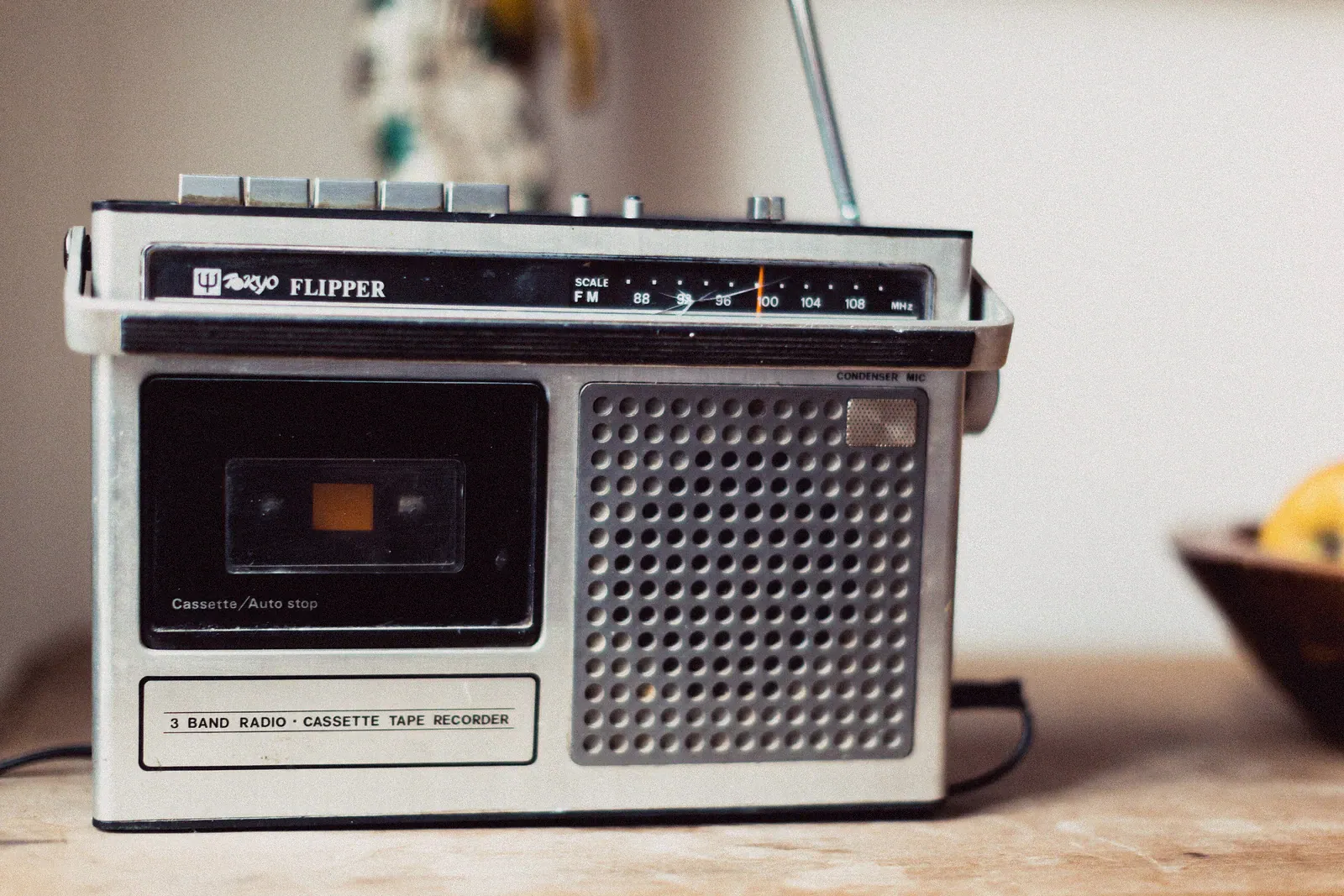
Releases followed quickly. Toro y Moi’s single Blessa appeared in October 2009 on Carpark Records, and the debut album Causers of This arrived in January 2010. Mind Ctrl, a 2010 remix edition of Neon Indian’s Psychic Chasms, included reworks by Toro y Moi, Yacht and Twin Shadow and showed how closely the acts were linked. Wild Nothing’s Gemini and Small Black’s New Chain, the latter released on Jagjaguwar, were filed under the same heading, although Small Black rejected it.
Peak and backlash, 2010-2012
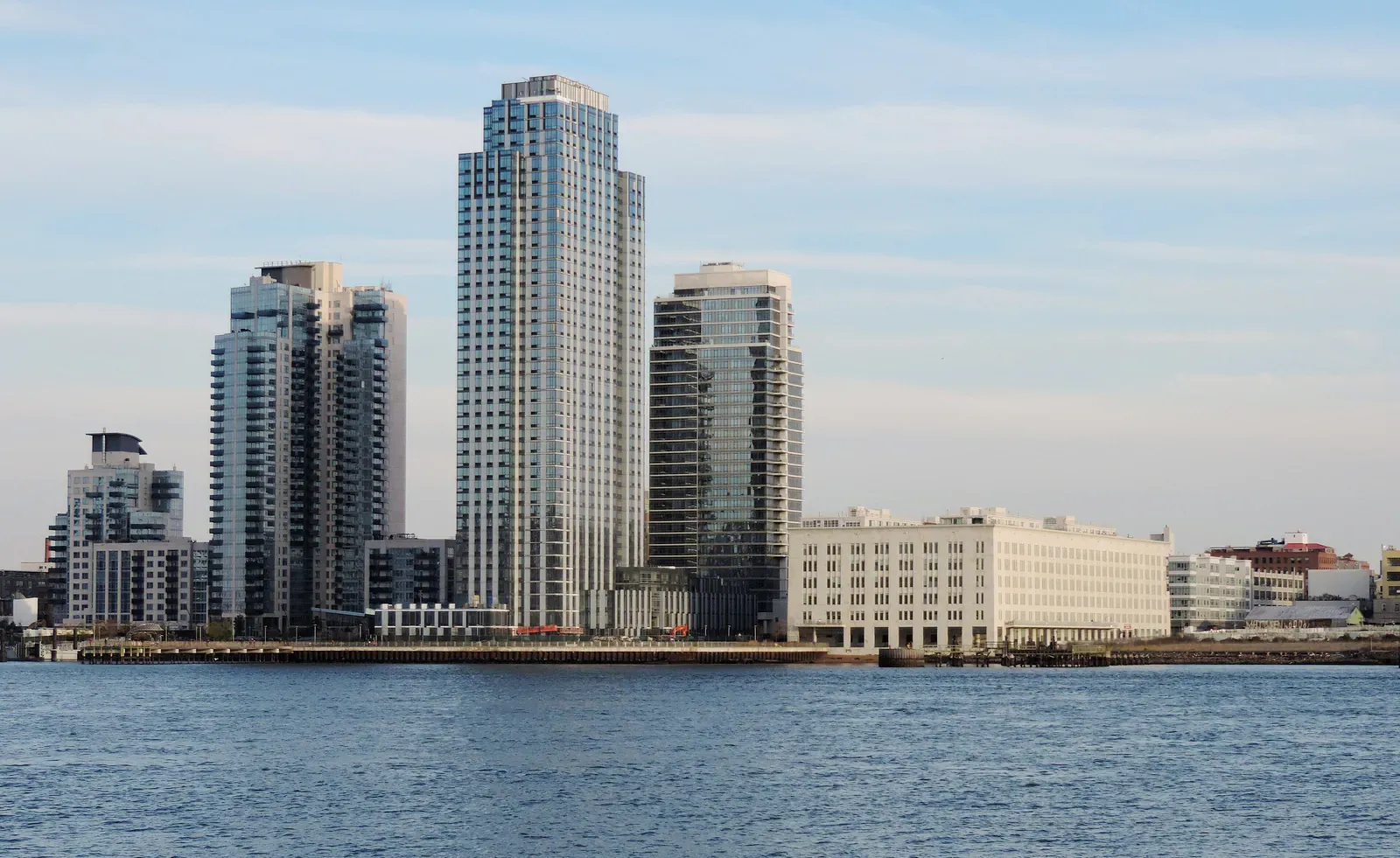
The scene’s centre of gravity was Brooklyn. The Williamsburg waterfront and venues such as Glasslands Gallery, which booked Toro y Moi, Twin Shadow and Chairlift in these years, gave blog buzz a physical stage.
Recognition moved from blogs to a wider indie audience in 2011. Portlandia premiered on 21 January with Feel It All Around as its theme and ran until 2018, carrying the song to viewers who had never read a music blog. Washed Out released Within and Without on Sub Pop on 6 July, co-produced by Ben H. Allen, with Eyes Be Closed and Amor Fati as its best-known tracks. Neon Indian’s Era Extraña, released on Mom + Pop on 7 September, was darker and fuller and moved away from the sample collage. Tycho’s Dive and Com Truise’s Galactic Melt, both on Ghostly International, stretched the sound toward ambient downtempo and slow-motion synth funk.
The term meanwhile turned into an insult. The artists rarely embraced it, and by 2012 the central figures were moving elsewhere.
Afterlife and offshoots, 2012-2019
Toro y Moi’s 2013 album Anything in Return moved Bundick toward dance music and R&B, and Washed Out’s Paracosm, released on 13 August 2013, replaced sampled loops with live-sounding arrangements. The original template was no longer the main direction of any founding act.
Its aesthetic did not vanish. In December 2011 Macintosh Plus’s Floral Shoppe, the album most often named as the first complete example of vaporwave, took chillwave’s slowed, nostalgic sampling in a more abstract and ironic direction. Com Truise’s records link the sound to synthwave, and the bedroom pop of the later 2010s inherited its habit of home production and soft, reverbed vocals.
Characteristics
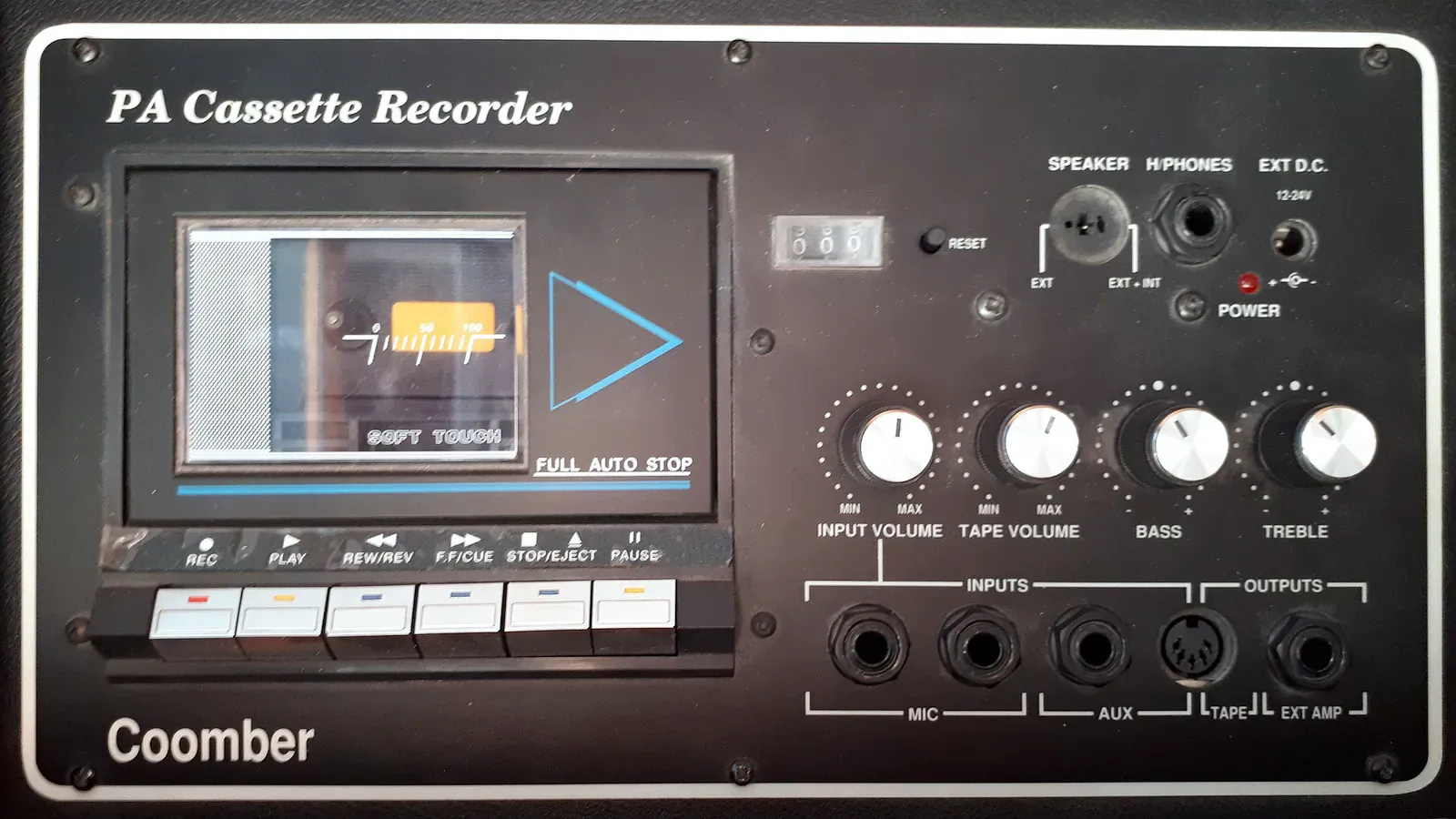
The defining trait is texture rather than structure. Vocals sit low in the mix under long reverb tails, synthesizer pads are detuned and layered, and drums are soft and loosely quantized at a relaxed mid tempo. Samples from 1980s pop and soft rock are slowed and looped into hooks, and tape-style saturation adds hiss and wobble. A typical track runs from a filtered intro through a vocal verse over a loop, a short repeated hook and a synth-layer break, then dissolves in a fade.
Instruments and production
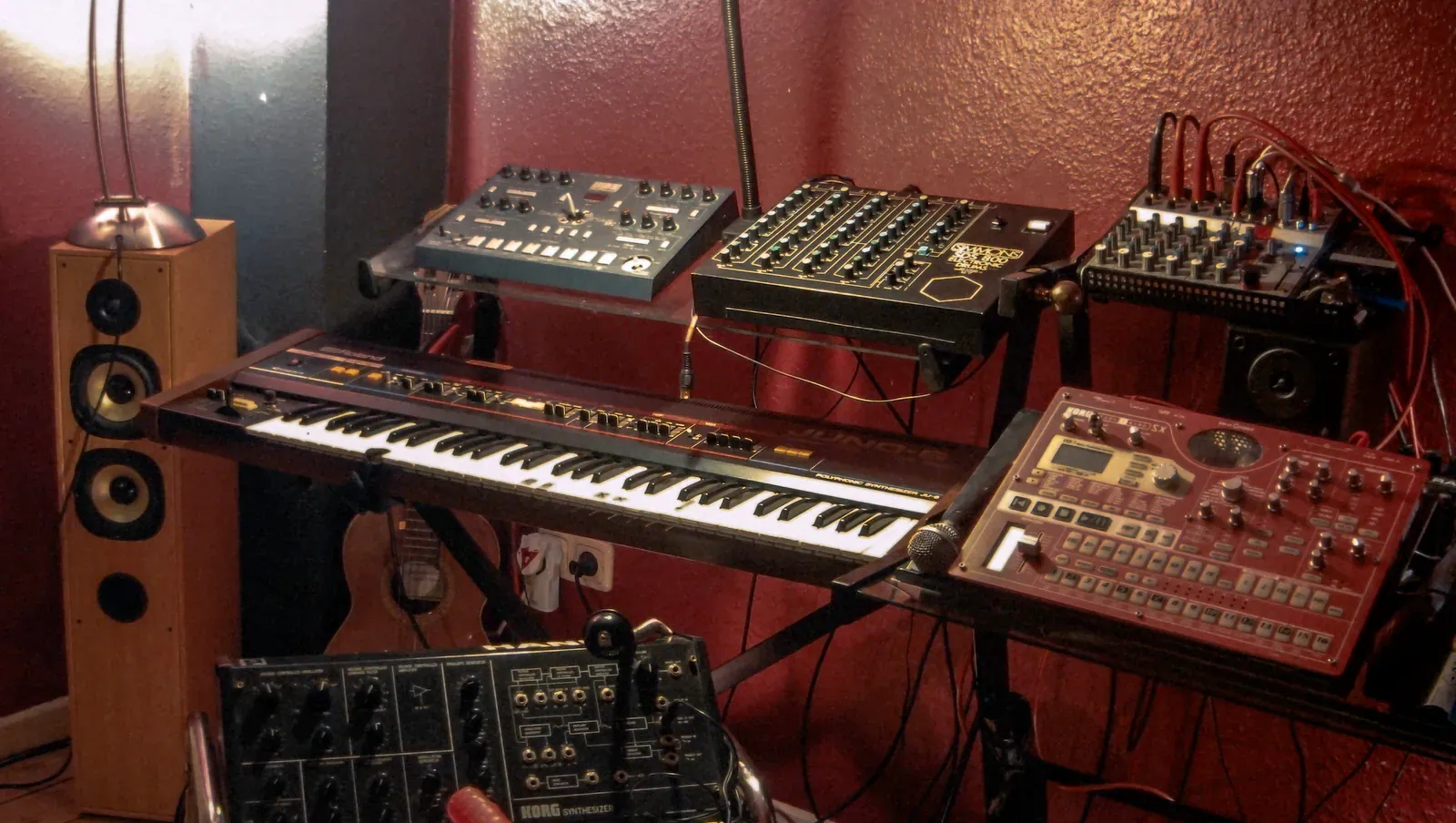
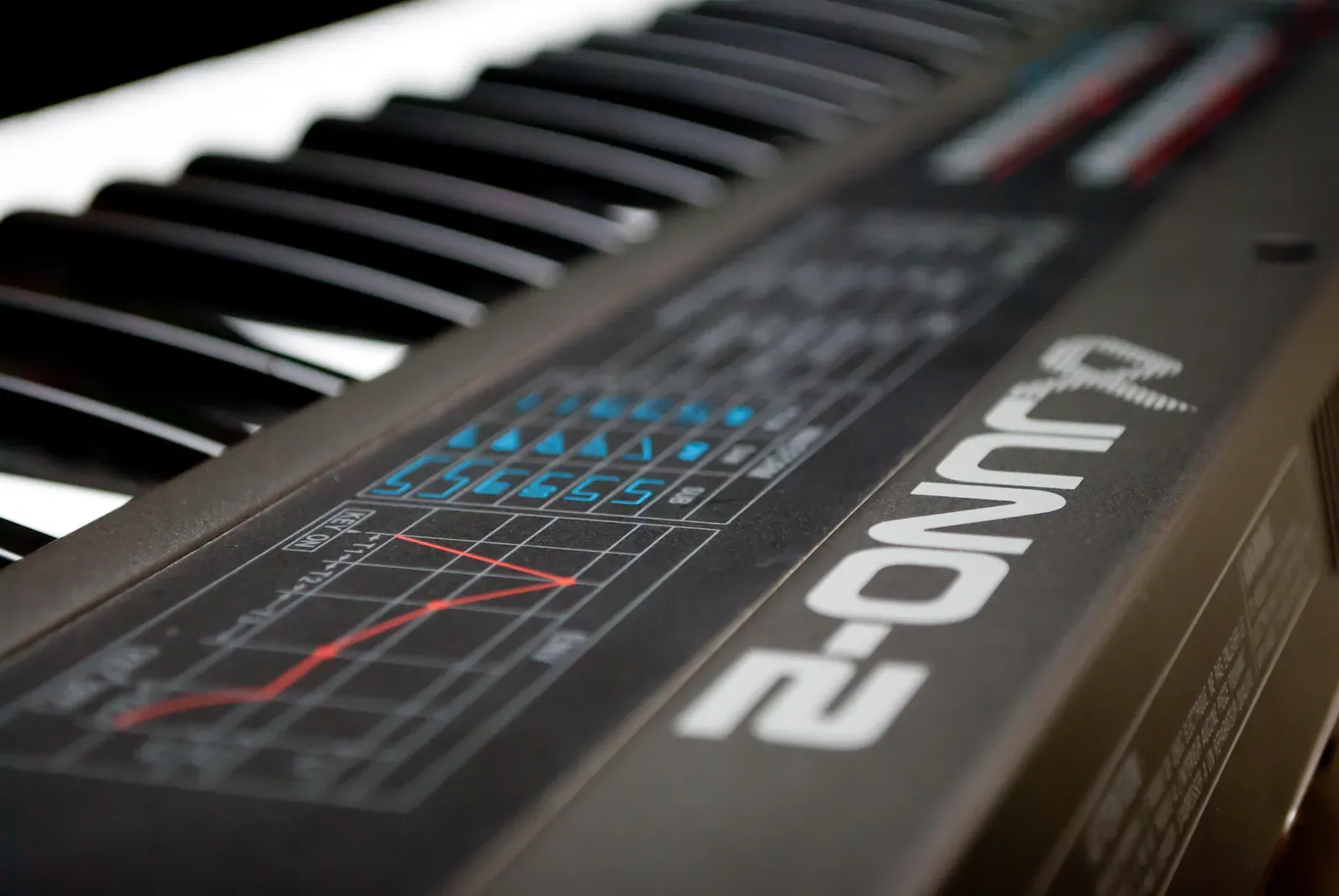
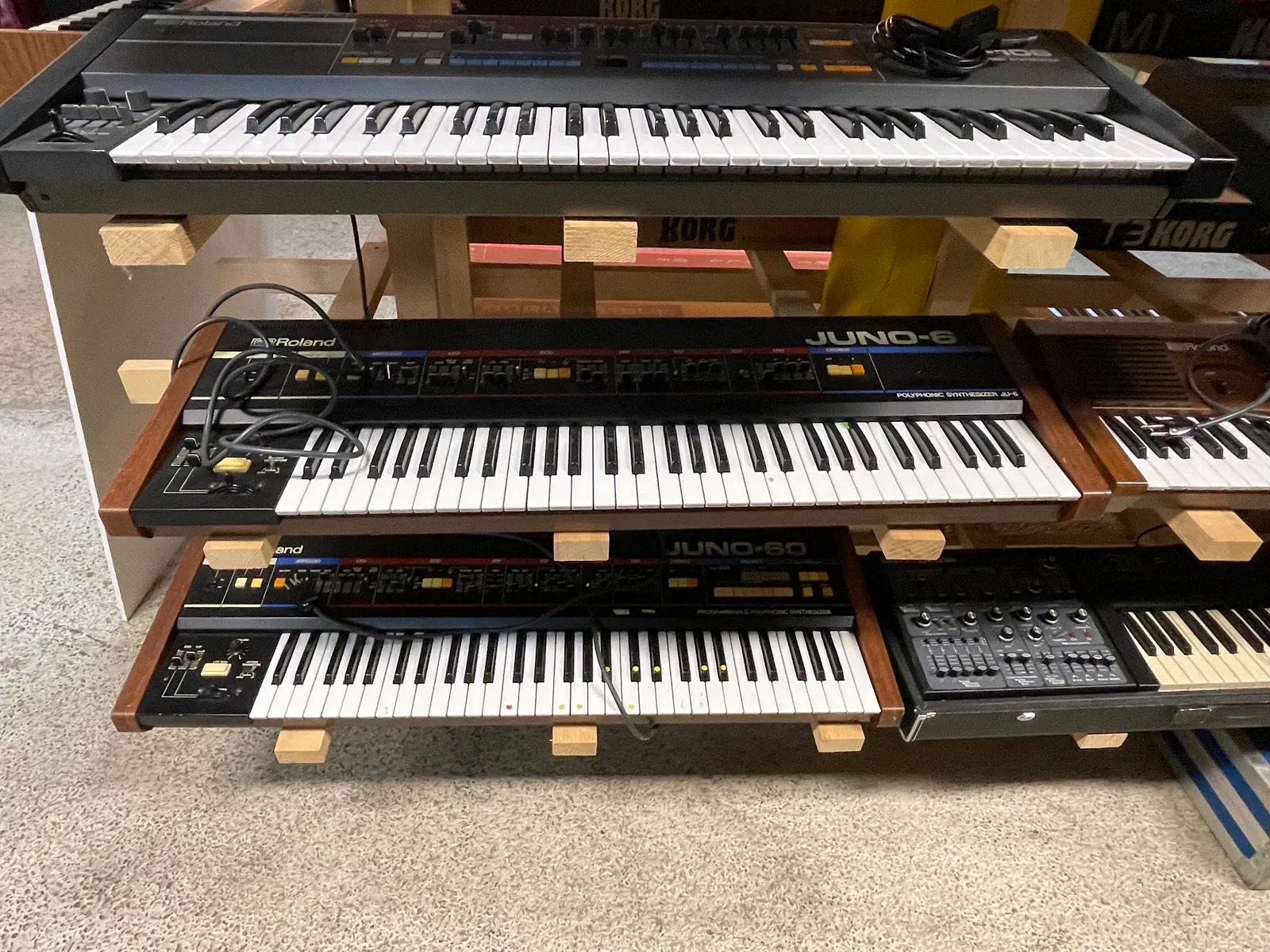
Production was home-based and inexpensive. Com Truise worked in Ableton Live and Reason, and a polysynth in the style of the 1980s Roland Juno range supplied pads and leads, either as hardware or as software. A sampler or DAW chopped old records into loops, a drum machine or programmed kit provided the beat, and reverb and delay units washed everything toward the same haze.
Mainstream success
Chillwave reached a wide audience through a few specific routes: the Portlandia theme, the Sub Pop release of Within and Without in 2011, and the Within and Without cover photograph, which later appeared in Cosmopolitan in May 2011, a use Greene criticized. The crossover was modest in chart terms and large in cultural terms, because the style supplied a recognizable sound for advertising, television and indie playlists for years afterward.
Notable recordings
Feel It All Around is the genre’s best-known song, a sample-based track that became its template and then a television theme. Deadbeat Summer and Polish Girl, from Neon Indian’s Psychic Chasms, show the sunnier, collage-driven side, the second with a video that gave the sound a visual identity. Blessa and Still Sound, by Toro y Moi, bring in New Jack and funk rhythms that widened the style beyond synth pop.
Culture
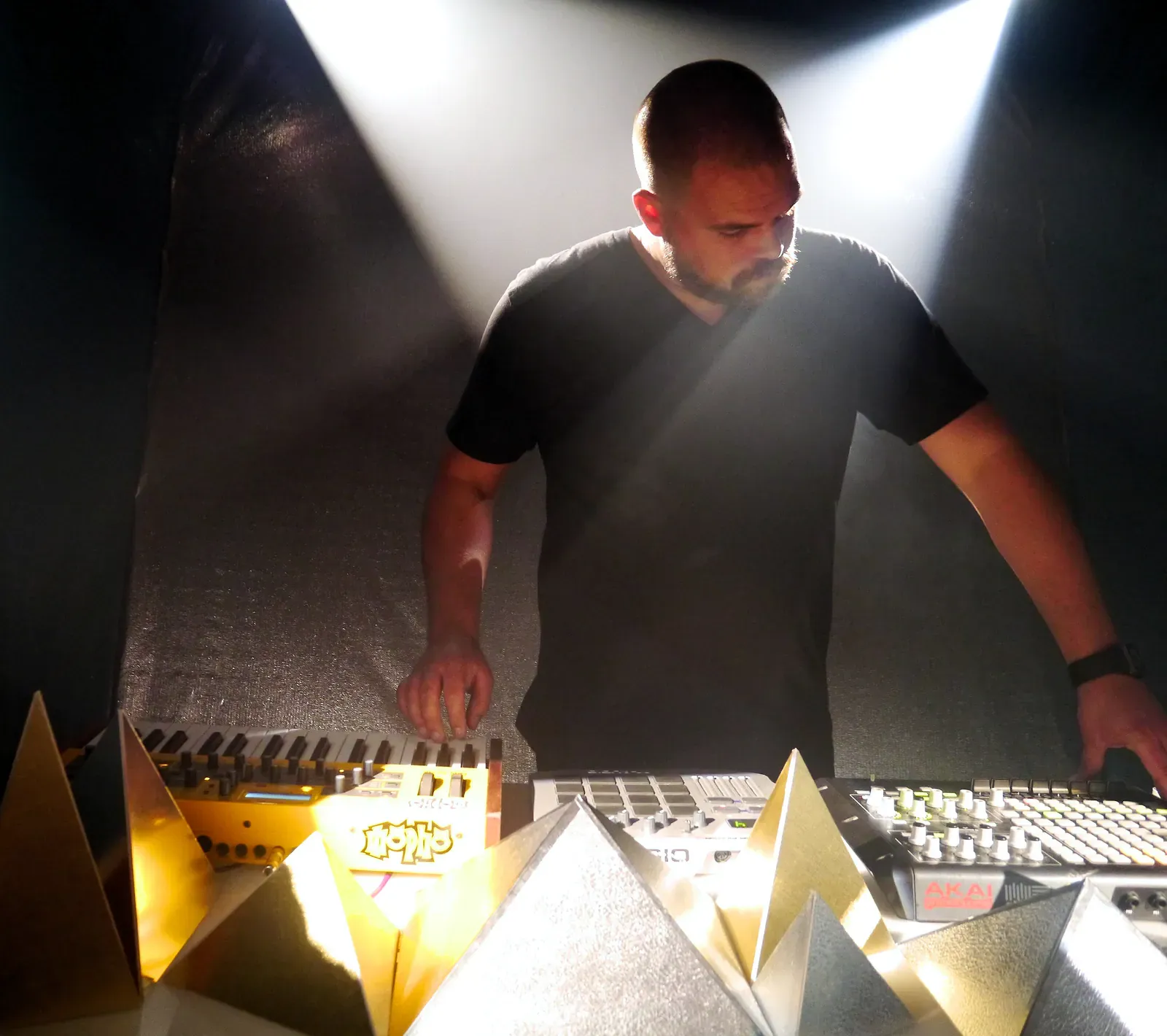
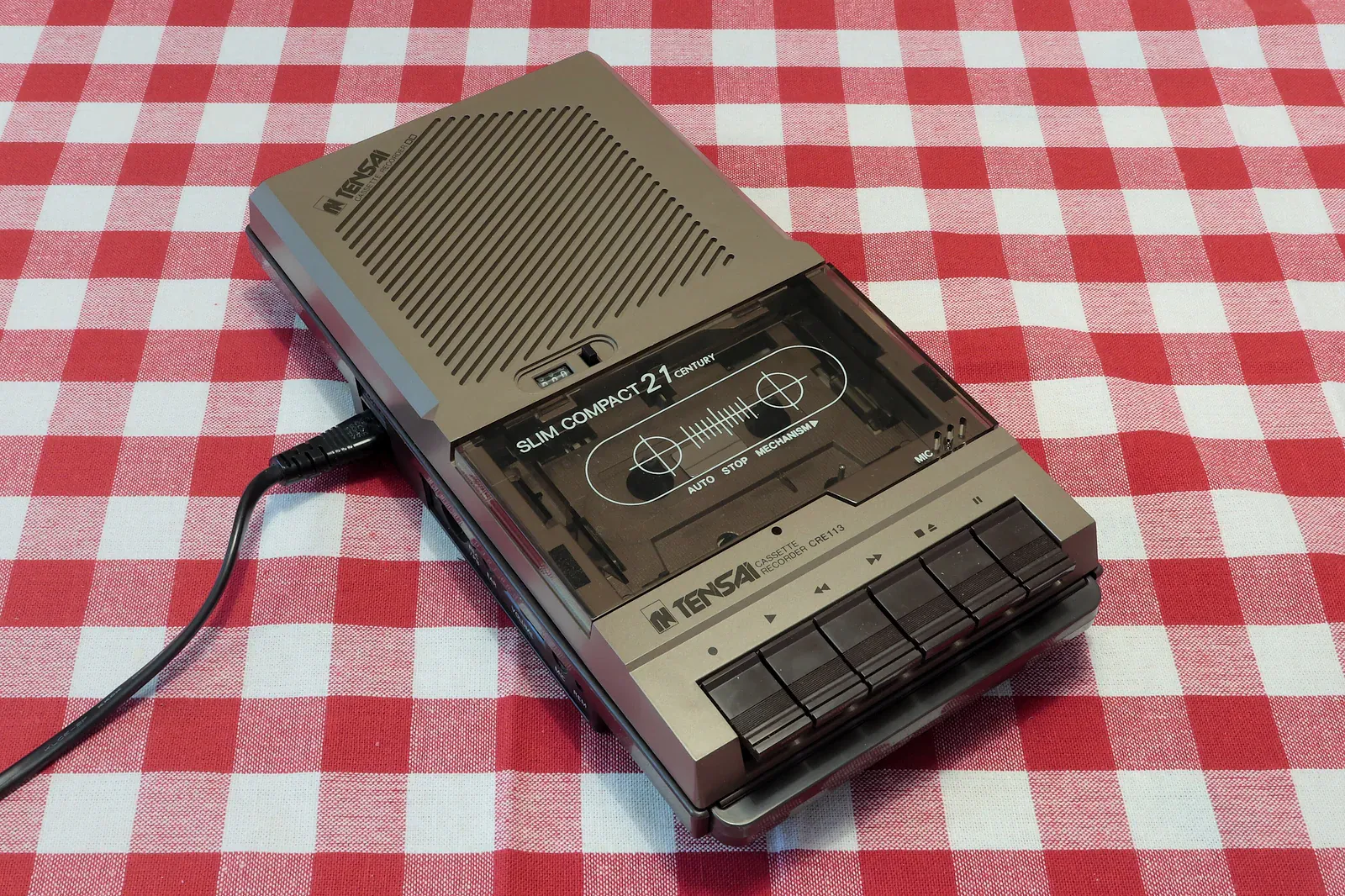
Chillwave had no club or dance culture of its own. Its culture was visual and online: sun-faded beach imagery, nostalgic artwork and a vocabulary of joke genre names that spread through blogs. Free samplers from labels, remix editions and live sessions on radio stations such as KEXP served as the scene’s economy. Because most of its makers worked alone, touring bands came later, built around laptops, pad controllers and a small live group.
Legacy
Chillwave’s most direct inheritors are vaporwave and synthwave, and its habit of releasing home-made, nostalgia-soaked tracks through blogs and later streaming playlists shaped bedroom pop. Its core artists continued as working musicians in other styles.
Misconceptions
Chillwave is often described as a coordinated movement. It was not. The name began as a satirical blog post in 2009, the early artists worked in different cities, and several of them rejected the label, so it was applied from outside to records that already existed.
It is also sometimes treated as identical to hypnagogic pop. The two names appeared in the same year for overlapping music, but hypnagogic pop was a separate label for lo-fi pop with older roots, such as Ariel Pink’s recordings, while chillwave centred on danceable, sample-based synth pop made on computers.
A third mistake is to call chillwave the same thing as vaporwave. Vaporwave started in 2011 as an offshoot, using slowed smooth jazz, lounge and advertising audio as a deliberate collage, whereas chillwave stayed tied to songs, hooks and vocals.
Frequently asked questions
What is chillwave music?
Chillwave is a late-2000s style of electronic pop with slowed samples, reverb-heavy synths, relaxed beats and soft, distant vocals. It is associated with nostalgia for 1980s pop and summer.
Who started chillwave?
No single artist started it. Washed Out, Neon Indian and Toro y Moi are the three acts most often named as the founders, all active from 2008 and 2009.
Why is it called chillwave?
A blogger coined it in July 2009 as a joke about the endless naming of new microgenres. The name outlasted the joke and became the standard term for the scene.
Is chillwave still active?
Chillwave is generally treated as a historical genre that peaked between 2009 and 2012. Its main artists still release music, mostly in other styles, and its sound lives on in vaporwave, synthwave and bedroom pop.
Sound
Sound sheet
Anatomy of a track
| # | Part |
|---|---|
| 1 | Intro (filtered loop or synth pad) |
| 2 | Verse (soft, reverbed vocal over a sampled loop) |
| 3 | Hook (repeated melodic phrase) |
| 4 | Instrumental break (synth layers) |
| 5 | Outro (fade or loop dissolve) |
Signature sounds
- Heavily reverbed, low-in-the-mix vocals
- Looped samples from 1980s pop or soft rock
- Warm detuned synth pads
- Cassette-style hiss and saturation
- Soft mid-tempo programmed beat
Synths and software
- Ableton Live
- Reason
Techniques
- Reverb-soaked vocals
- Sample slowing and looping
- Tape and cassette saturation
- Detuned synth layering
- Light, loose beats
Keys and modes
Minor keys. Several canonical tracks sit in minor keys such as F minor, G minor and A minor.
Vocals
Soft, breathy and heavily reverbed, usually buried in the mix.
Scenes
Where it happened
Where and when the sound lived: one bar per city on a shared timeline.
North America
Active scenes
Peak 6, 2009
Where blogs, Mexican Summer and Williamsburg venues such as Glasslands gave the sound its main stage.
Washed Out's Ernest Greene was born in this Georgia town.
Chaz Bundick recorded his first Toro y Moi records here.
Alan Palomo started Neon Indian while studying in this Texas college town.
Home of Lefse Records, which released Neon Indian's debut.
Jack Tatum began Wild Nothing in this Virginia college town.
Greene lives here, and Paracosm was recorded at Maze Studios.
Venues and places
Brooklyn, 2006 to 2015. A Williamsburg gallery and venue that booked Toro y Moi, Twin Shadow and Chairlift in the peak years.
Seattle, 1972 to today. The station filmed live sessions with Washed Out, Toro y Moi and Neon Indian.
Culture
Culture markers
- Glo-fi
An alternative scene name used by critics for the same lo-fi, glowing synth pop.
Slang - Chill Bro Core
One of the joke names in the original Hipster Runoff post, before chillwave stuck.
Slang - Summer of chillwave
A name for 2009, when blogs flooded with beach-themed releases.
Slang - Beach and summer imagery
Escapist, sun-faded visuals matched the music's nostalgia for childhood summers.
Artwork - Within and Without cover
A Martien Mulder photograph that later appeared in Cosmopolitan in May 2011, which Greene criticized.
Artwork
Media
Key media
- 2009Young American: A Lefse Records Compilation
by Various. A free sampler from Lefse Records that included Neon Indian before the debut album appeared.
Compilation - 2009Hipster Runoff
by Carles. The satirical blog whose July 2009 post gave the genre its name.
Zine - 2009Childhood's End (The Wire, issue 306)
by David Keenan. The essay that coined hypnagogic pop, the parallel label for the same scene.
Zine - 2010Mind Ctrl: Psychic Chasms Possessed
by Neon Indian. A remix edition with Toro y Moi, Yacht and Twin Shadow that showed the scene's links.
Compilation - 2011Portlandia
by IFC. A sketch comedy series whose opening theme was Washed Out's Feel It All Around.
Film
Glossary
Terms on this page
Music recorded at home with a laptop and basic gear, typical of the first chillwave records.
A late-2000s name for faded, reverb-heavy synth pop with mellow vocals, first used satirically in 2009.
An alternative name for the same scene, a mix of glow and lo-fi.
A parallel label from The Wire for lo-fi pop that sounds like a half-remembered memory.
Production with audible hiss, distortion or limited bandwidth, kept on purpose.
An effect that adds the sound of a room or hall, used heavily on chillwave vocals.
A short piece of an existing recording reused as a loop or melody, as in Feel It All Around.
Electronic family