Vaporwave
Vaporwave is an internet-born electronic microgenre that slows and loops 1980s and 1990s smooth jazz, lounge and pop into nostalgic collage.
United States, Canada, 2010
Electronic family
Born
2010
United States, Canada
Subgenres
18
Documented branches
Links
26
Genres it drew on or shaped
Tempo
80-115 BPMLineage
Family tree
Grew out of
Derived from
Derived from
Influenced by
United States, Canada, 2010
Vaporwave
Led to (18)
Timeline
Era by era
From the first sparks to today. Select a dot to read the story behind it.
- Eccojams and first plazas
2009 to 2011
- Floral Shoppe and the blueprint
2011 to 2013
- Subgenres and Dream Catalogue
2013 to 2016
- Memes, politics and live shows
2016 to 2019
- Long tail
2020 to 2026
Eras
Moments
- 1 Eccojams and first plazas, 2009 to 2011
- 2 Floral Shoppe and the blueprint, 2011 to 2013
- 3 Subgenres and Dream Catalogue, 2013 to 2016
- 4 Memes, politics and live shows, 2016 to 2019
- 5 Long tail, 2020 to 2026
2009
Eccojams and first plazas
Daniel Lopatin posts slowed, looped pop as eccojams and James Ferraro and Ramona Langley release early sample collages. The word vaporwave appears at the end of 2011.
- 2009Lopatin starts the sunsetcorp channelDaniel Lopatin posts looped, slowed 1980s and 1990s pop clips as eccojams, made in GoldWave.
- 2010Chuck Person's Eccojams Vol. 1A 100-copy cassette from The Curatorial Club on August 8 collects chopped, echoing pop loops.
2011
Floral Shoppe and the blueprint
Macintosh Plus's Floral Shoppe, Internet Club and Blank Banshee fix the sound while Last.fm, Reddit, 4chan and Turntable.fm carry it. Critics declare the genre dead within a year.
- 2011New Dreams Ltd. by Laserdisc VisionsRamona Langley's July album on Beer on the Rug is an early sample collage of corporate pop and muzak.
- 2011James Ferraro's Far Side VirtualA concept album about virtual life, with ringtone and stock-sound textures, appears on Hippos in Tanks on October 25.
- 2011The word vaporwave appearsA blog review of Girlhood's Surf's Pure Hearts uses the term in October; Robin Burnett is credited with coining it.
- 2011Macintosh Plus's Floral ShoppeReleased December 9 on Beer on the Rug, it becomes the genre's blueprint album.
- 2011Turntable.fm rooms gather the first sceneEarly producers such as Internet Club and Luxury Elite meet and trade tracks in Turntable.fm rooms.
- 2012Internet Club's Redefining the WorkplaceA concept album of glossy corporate muzak that turns ominous as it is chopped and warped.
- 2012Blank Banshee 0The free Bandcamp release of September 1 adds trap beats and gives the style called vaportrap.
- 2012Floral Shoppe reviewed at 4/10 and the genre is called deadAnthony Fantano's 4/10 video review helps make the album the genre's representative work, and critics soon pronounce vaporwave over.
- 2012Adam Harper's Dummy essayA July article ties vaporwave to accelerationist ideas about consumer capitalism.
2013
Subgenres and Dream Catalogue
Future funk, late night lo-fi, mallsoft, slushwave and hardvapour split off, while 2814 and death's dynamic shroud.wmv make original, cinematic records on Dream Catalogue.
- 2013Late Night DelightLuxury Elite and Saint Pepsi's split album and its Mac Tonight cover shape late night lo-fi.
- 2013Future funk takes shapeMacross 82-99's Neo Tokyo and Sailorwave and Saint Pepsi are cited as the origin of future funk.
- 201324-hour YouTube radio streamsContinuous vaporwave streams on YouTube become a main way to hear the genre.
- 2013Yung Lean's Ginseng Strip 2002 goes viralThe Swedish rapper's video carries vaporwave imagery into cloud rap.
- 2014Dream Catalogue beginsDavid Russo's label becomes a main home for dreampunk, slushwave and later vaporwave records.
- 2014Saint Pepsi signs to CarparkRyan DeRobertis joins the indie label in June; his single Fiona Coyne follows on August 12, and he takes the name Skylar Spence in 2015.
- 20152814's Birth of a New DayThe January 21 album of original ambient music on Dream Catalogue is called a Bandcamp chart staple.
- 2015I'll Try Living Like Thisdeath's dynamic shroud.wmv's May 15 album takes number 15 in Fact's best of 2015.
2016
Memes, politics and live shows
Fashwave pulls the aesthetic toward the far right, writers revisit the genre and George Clanton's 100% ElectroniCON in 2019 stages the first vaporwave festival.
- 2016Fashwave and the alt-rightIn August Daily Stormer founder Andrew Anglin promotes synthwave to the alt-right and the term fashwave spreads.
- 2016Eccojams Vol. 1 remasteredLopatin issues an official digital remaster in November, six years after the cassette.
- 2018George Clanton's SlideThe August 17 album on 100% Electronica brings vaporwave closer to indie pop.
- 2019100% ElectroniCONClanton and his wife Neggy Gemmy stage the first vaporwave festival in New York in September.
2020
Long tail
Bandcamp sales continue, barber beats appears in the early 2020s and Floral Shoppe still ranks among the top experimental sellers on the site.
- 2021Dream Catalogue announces closureThe London label announces its closure, carries on as a reboot for a while and goes inactive, keeping its Bandcamp page and store online.
Listening path
Anthems
The records that built the sound, grouped by the part they played. Thumbnails come from YouTube; the player loads only when you press play.
- 01
Chuck Person, 2009
Eccojam posted on Lopatin's own sunsetcorp channel that shows the looped, slowed pop method before the genre had a name.
Origin - 02
James Ferraro, 2011 · Hippos in Tanks
Opening track of Far Side Virtual, a synthetic take on corporate and virtual-world sound that fed the first scene.
Origin - 03
Macintosh Plus, 2011 · Beer on the Rug
A slowed Diana Ross loop that became the genre's template and its best-known track.
Start hereBreakthrough - 04
Blank Banshee, 2012 · Hologram Bay
Trap-leaning track from Blank Banshee 0 that went viral again in 2016 and on TikTok in 2020.
Start hereAnthem - 05
Luxury Elite, 2015 · Crash Symbols
Funk-leaning opener of World Class that sums up late night lo-fi's love of 1980s America.
Anthem - 06
2814, 2015 · Dream Catalogue
Title piece of an original, cinematic album that showed vaporwave without samples.
Anthem - 07
death's dynamic shroud.wmv, 2015 · Dream Catalogue
Track from I'll Try Living Like This, the album that made the trio a major act.
Anthem - 08
Yung Lean, 2013
Swedish rap video with a vaporwave look that went viral and fed cloud rap.
Crossover - 09
Saint Pepsi, 2014 · Carpark Records
Disco-funk single, later credited to Skylar Spence, that carried the scene's sampling into indie pop.
Start hereCrossover - 10
George Clanton, 2018 · 100% Electronica
Title track of the album that moved vaporwave toward song-based indie pop.
Revival
Facts
| Family | Electronic |
| Origin | United States, Canada |
| Emerged | Early 2010s |
| Status | Active |
| Tempo | 80 to 115 BPM |
| Meter | 4/4 |
| Grew out of | Chillwave, Hypnagogic pop |
| Subgenres | 18 |
Vaporwave is an internet-born microgenre of electronic music that slows, loops and processes 1980s and 1990s smooth jazz, lounge, R&B and corporate muzak into nostalgic, ironic collage.
It took shape in the early 2010s among producers in the United States and Canada and spread through blogs, forums and streaming sites rather than clubs.
Origins
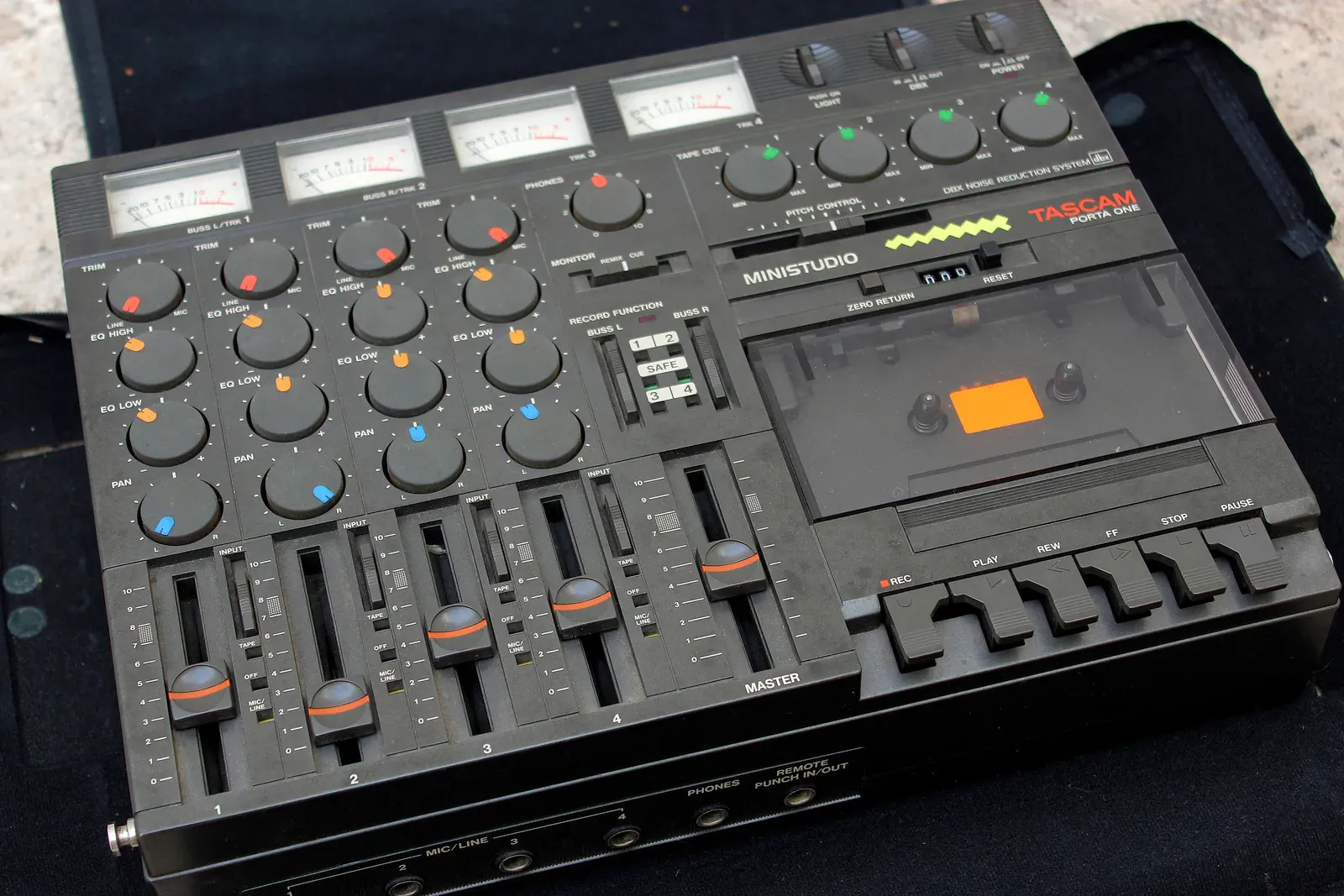
The method came before the name. From 2009 Daniel Lopatin, working from Brooklyn as Chuck Person, posted looped and slowed fragments of 1980s and 1990s pop as eccojams, made in the audio editor GoldWave and named after the Sega game Ecco the Dolphin. On 8 August 2010 he put out Eccojams Vol. 1 as a cassette of 100 copies, which later became the template for the genre.
Other early work pointed the same way. Ramona Langley’s New Dreams Ltd., released as Laserdisc Visions in July 2011, was a sample collage of corporate pop and muzak, and James Ferraro’s Far Side Virtual, a concept album about virtual life built from ringtone and stock-sound textures, appeared in October 2011. The word vaporwave first turned up that October in a blog review, and Robin Burnett is credited with coining it.
Floral Shoppe and the blueprint, 2011-2013
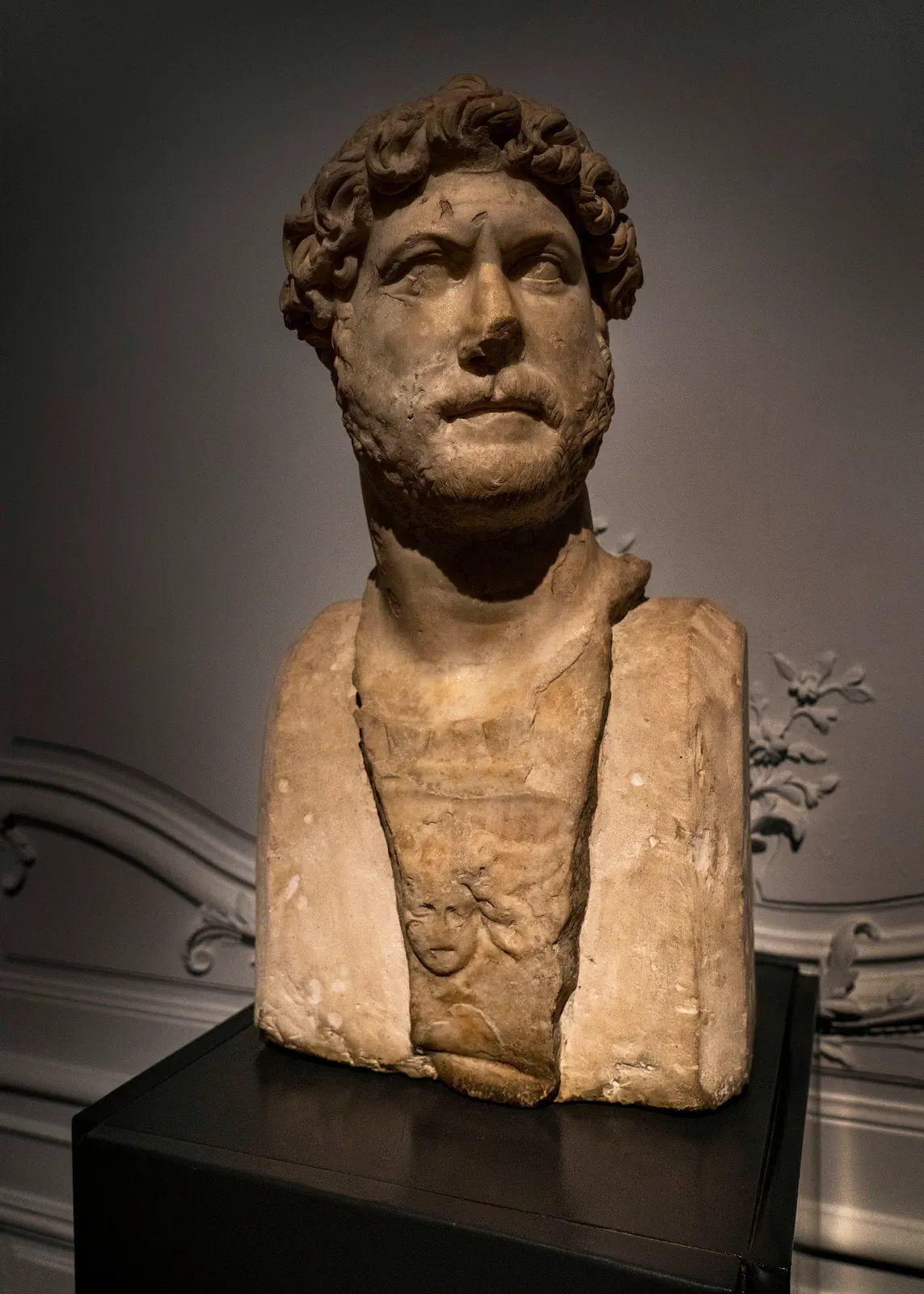
Langley, recording as Macintosh Plus in Portland, released Floral Shoppe on 9 December 2011. Its opening track, “Lisa Frank 420 / Modern Computing”, is a slowed Diana Ross loop and became the genre’s best-known piece. The cover, with a Helios bust on a pink tile grid, fixed the visual language too.
The first scene gathered online. Producers such as Internet Club and Luxury Elite traded tracks in Turntable.fm rooms, and Bandcamp, where many releases were free or priced by the buyer, became the main store. Internet Club’s Redefining the Workplace (2012) bent smooth corporate muzak into something ominous. Blank Banshee 0, a free release of September 2012, added trap beats and gave the style called vaportrap. Commentary arrived quickly: critics declared the genre dead within a year of Floral Shoppe, while a July 2012 essay read it as a critique of consumer capitalism.
Subgenres and Dream Catalogue, 2013-2016
Late 2013 and 2014 brought fragmentation. Luxury Elite and Saint Pepsi’s Late Night Delight shaped late night lo-fi, Macross 82-99 in Mexico City and Saint Pepsi were cited as the origin of future funk, and 24-hour YouTube radio streams became a main way to hear the music. Mallsoft, slushwave, barber beats and hardvapour followed, the last a speedcore-tinged style that appeared in late 2015.
Dream Catalogue, run by David Russo and based in London, began in 2014 and became a home for dreampunk, slushwave and later vaporwave records. Its artists moved away from sampling. 2814’s Birth of a New Day (January 2015) is original, cinematic ambient music, and death’s dynamic shroud.wmv released I’ll Try Living Like This in May 2015 and was ranked 15th in a magazine’s best albums of 2015.
Memes, politics and live shows, 2016-2019
In 2016 the aesthetic was pulled in another direction. Fashwave, a far-right appropriation that appeared in 2015, spread after the Daily Stormer’s founder promoted synthwave to the alt-right in August. Lopatin issued an official digital remaster of Eccojams Vol. 1 that November. George Clanton’s Slide, released in August 2018 on his label 100% Electronica, moved vaporwave towards indie pop songwriting, and in September 2019 Clanton and his wife Neggy Gemmy staged the first vaporwave festival, 100% ElectroniCON, in New York.
Long tail, 2020 to now
Dream Catalogue announced its closure for 2021, carried on as a reboot for a while and has been inactive since, though its Bandcamp page and store stay online. Releases continue and Floral Shoppe still ranks among the best-selling experimental albums on the site. The 2020s added barber beats, which builds steady loops from slowed smooth jazz, lounge and R&B.
Characteristics
The core move is to take a short phrase from a 1980s or 1990s record, slow it by roughly 20 to 40 percent, lower its pitch and repeat it until it stops being a hook and becomes a mood. Tempos sit between about 80 and 115 BPM in 4/4, much of the music is washed in reverb and chorus, and the loop is often allowed to drift out of sync with a second layer. Titles are typically in Japanese or in spaced-out fullwidth text.
The sound is bound to its sources: smooth jazz, lounge, muzak and R&B, the music of lobbies, elevators and shops. It also borrows the slowing and cutting of the Houston style chopped and screwed and extends the older practice of plunderphonics, music assembled from existing recordings.
Instruments and production
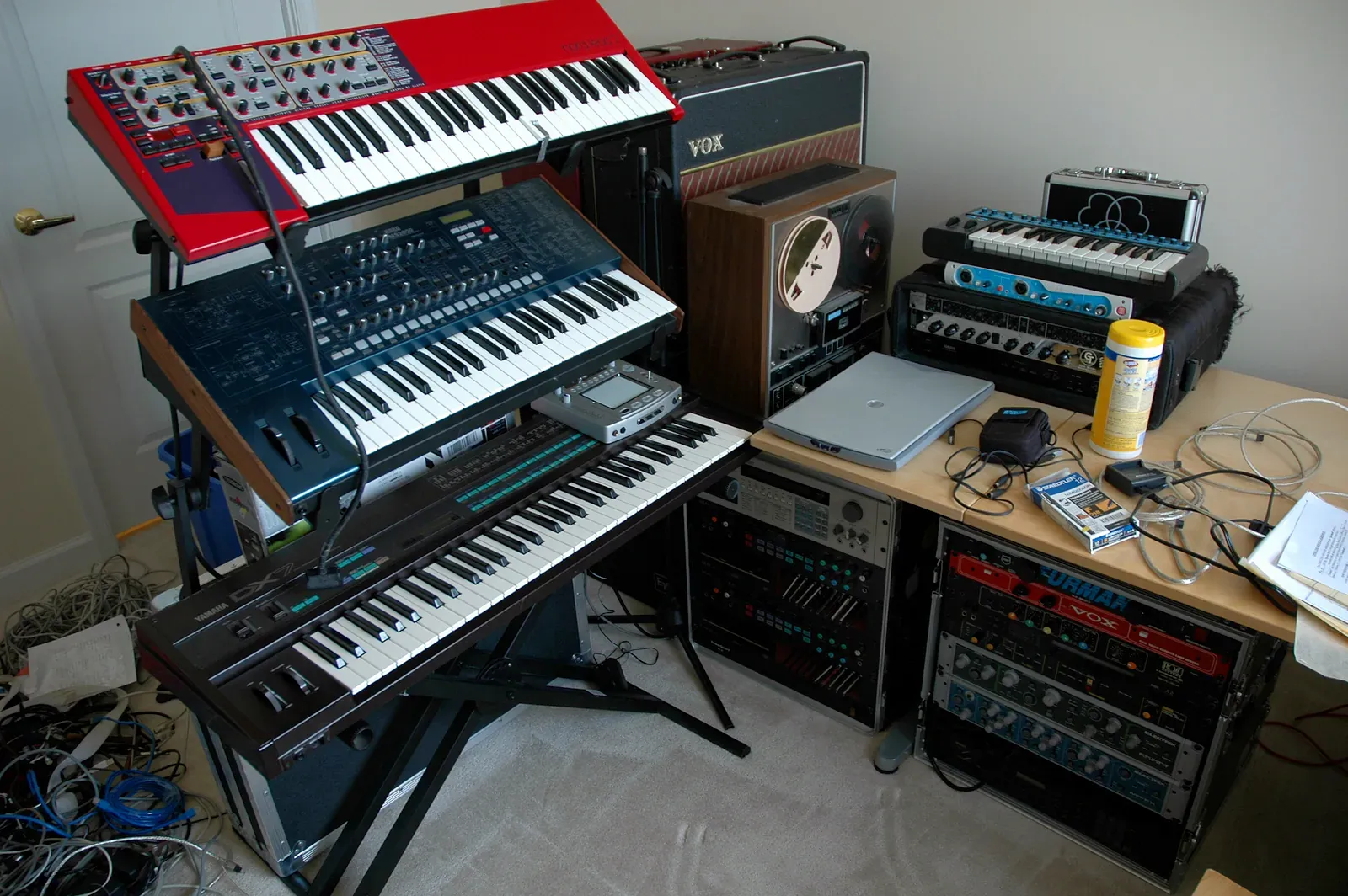
Most producers work in a digital audio workstation such as FL Studio or Ableton Live. The raw material is a sampled record, so the instruments heard are those of the source: Yamaha DX7 pads and bells, electric pianos, saxophones and drum machines of the period. Tape and bitcrush effects degrade the result toward a worn cassette, and reverb gives the feeling of empty architectural space.
Mainstream success
Vaporwave never became a chart genre, but it travelled. The Swedish rapper Yung Lean’s video “Ginseng Strip 2002” went viral in 2013 and carried its imagery into cloud rap. Saint Pepsi signed to the indie label Carpark in 2014, and his disco-funk single “Fiona Coyne”, later credited to Skylar Spence, carried the scene’s sampling into indie pop. Blank Banshee’s “Teen Pregnancy” went viral again in 2016 and on TikTok in 2020.
Notable recordings
“Lisa Frank 420 / Modern Computing” is the best-known track, and Floral Shoppe a long-running Bandcamp bestseller. Far Side Virtual, the Wire’s album of the year, shows the same ideas arriving from the art-music side. Birth of a New Day showed that the genre could work without samples.
Culture
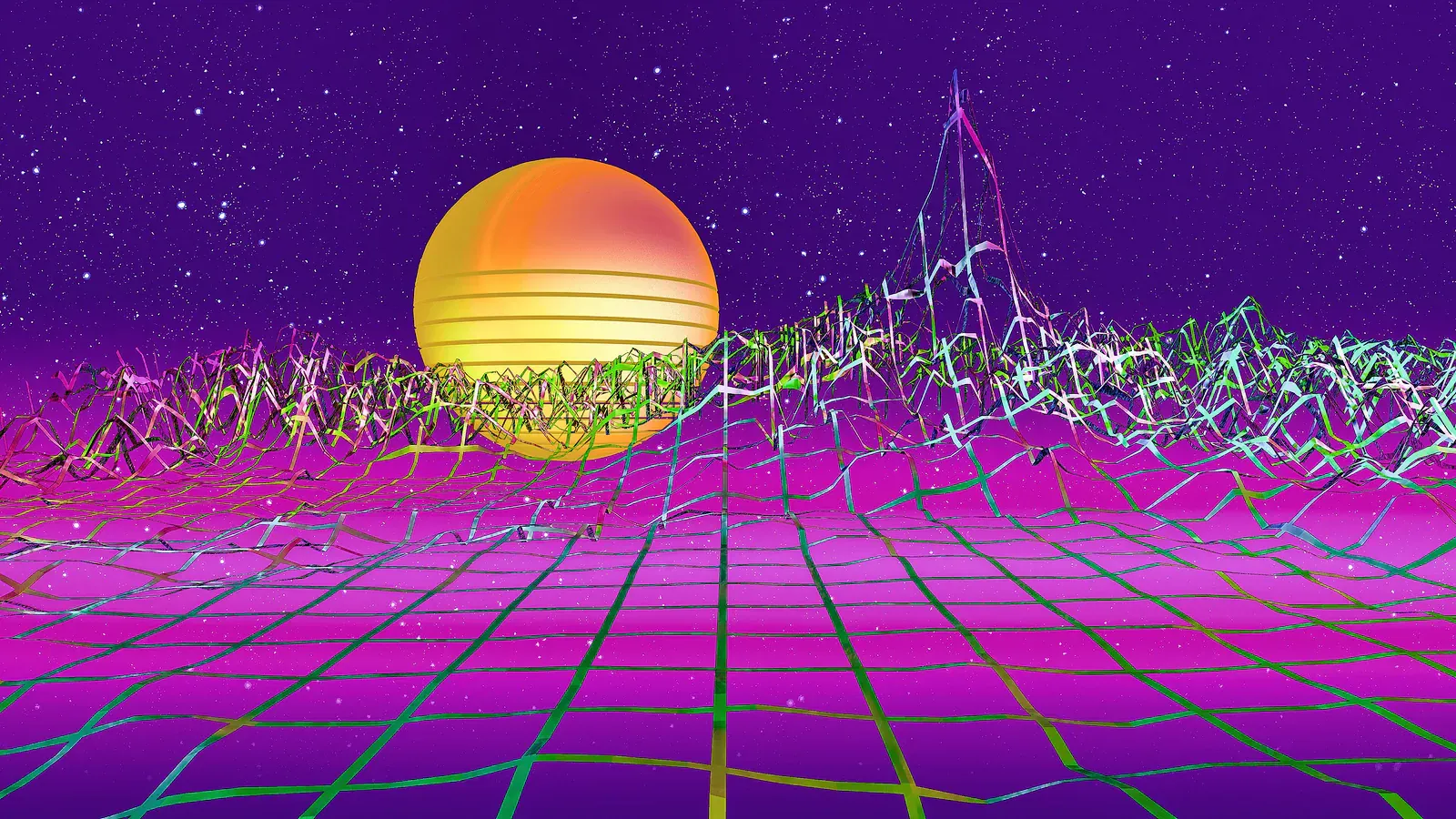
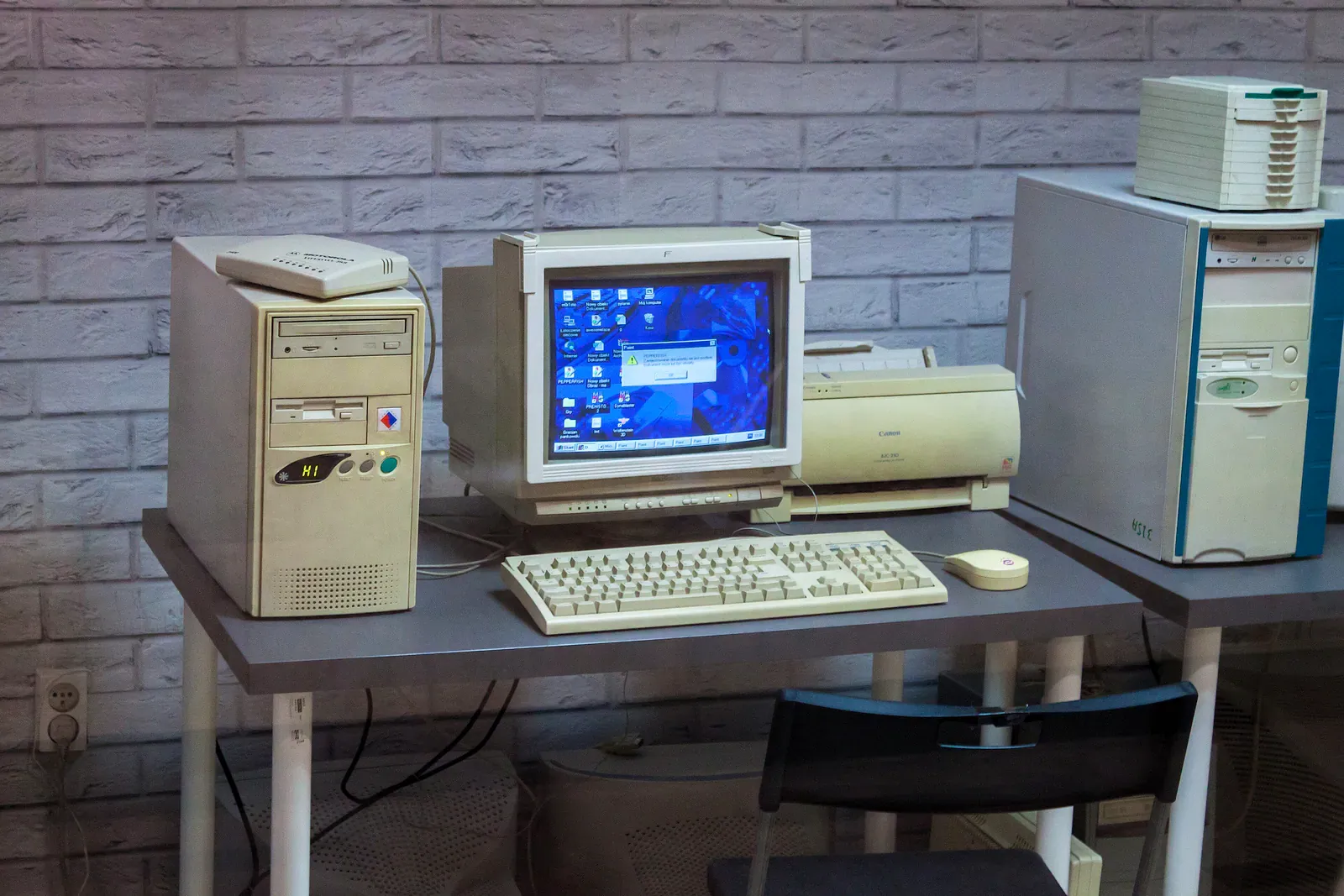
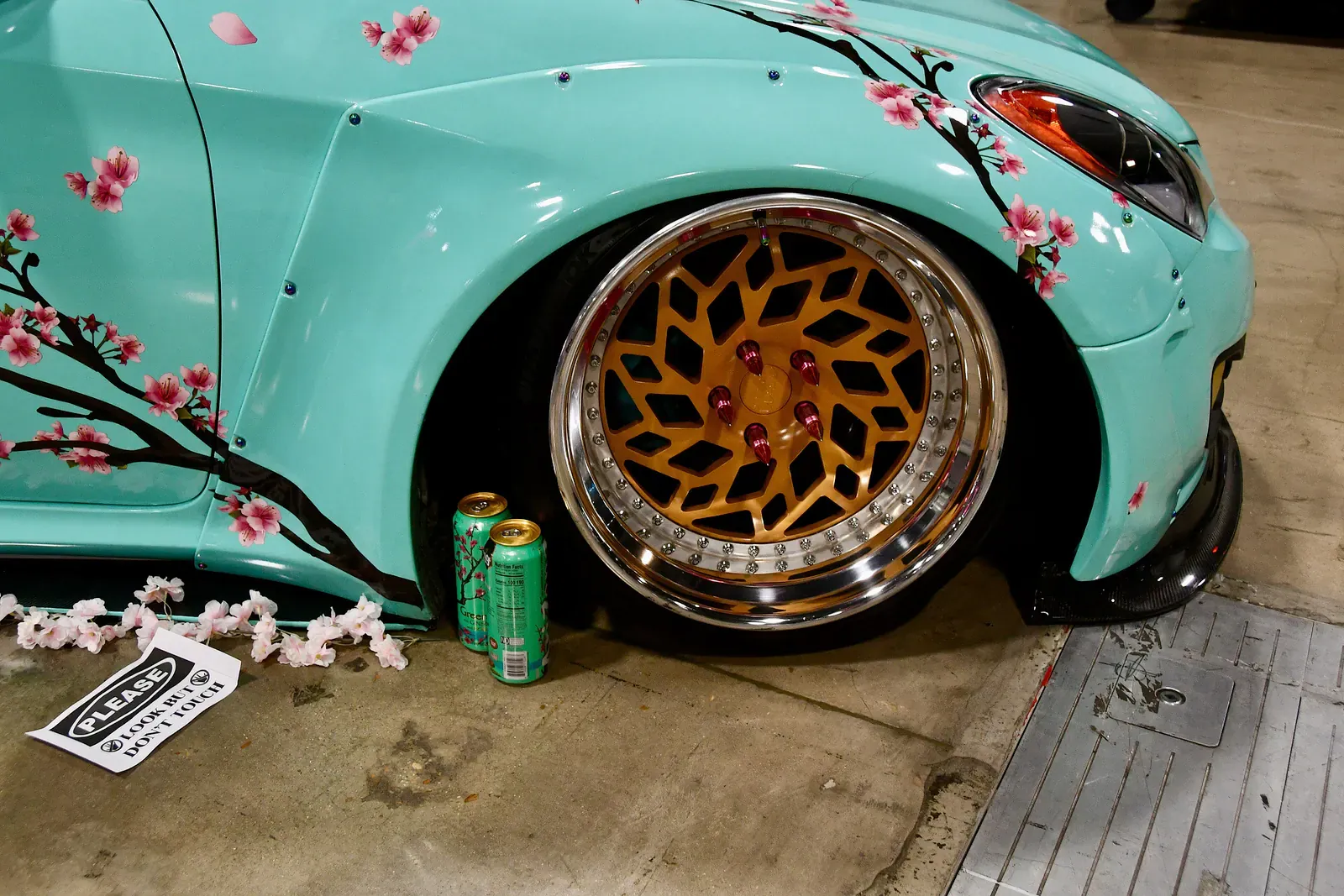
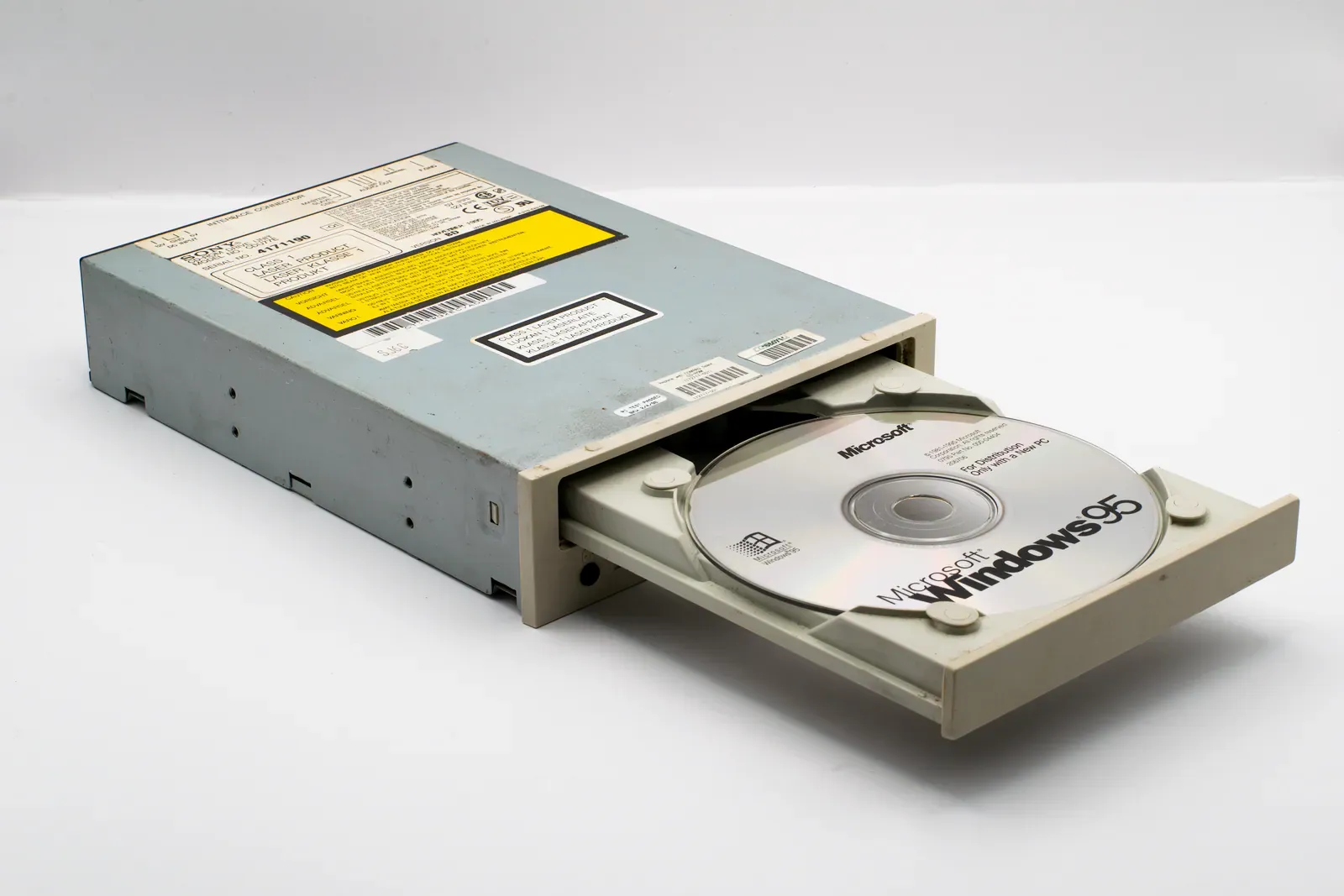
The imagery is as defined as the sound. Greco-Roman busts on pink grids, Web 1.0 interfaces, glitch art, 3D renders and stills from 1980s and 1990s anime such as Urusei Yatsura, Macross and Sailor Moon recur on covers. Sportswear brands, frowny faces and Arizona iced tea appear as accessories, and fullwidth text became a meme.
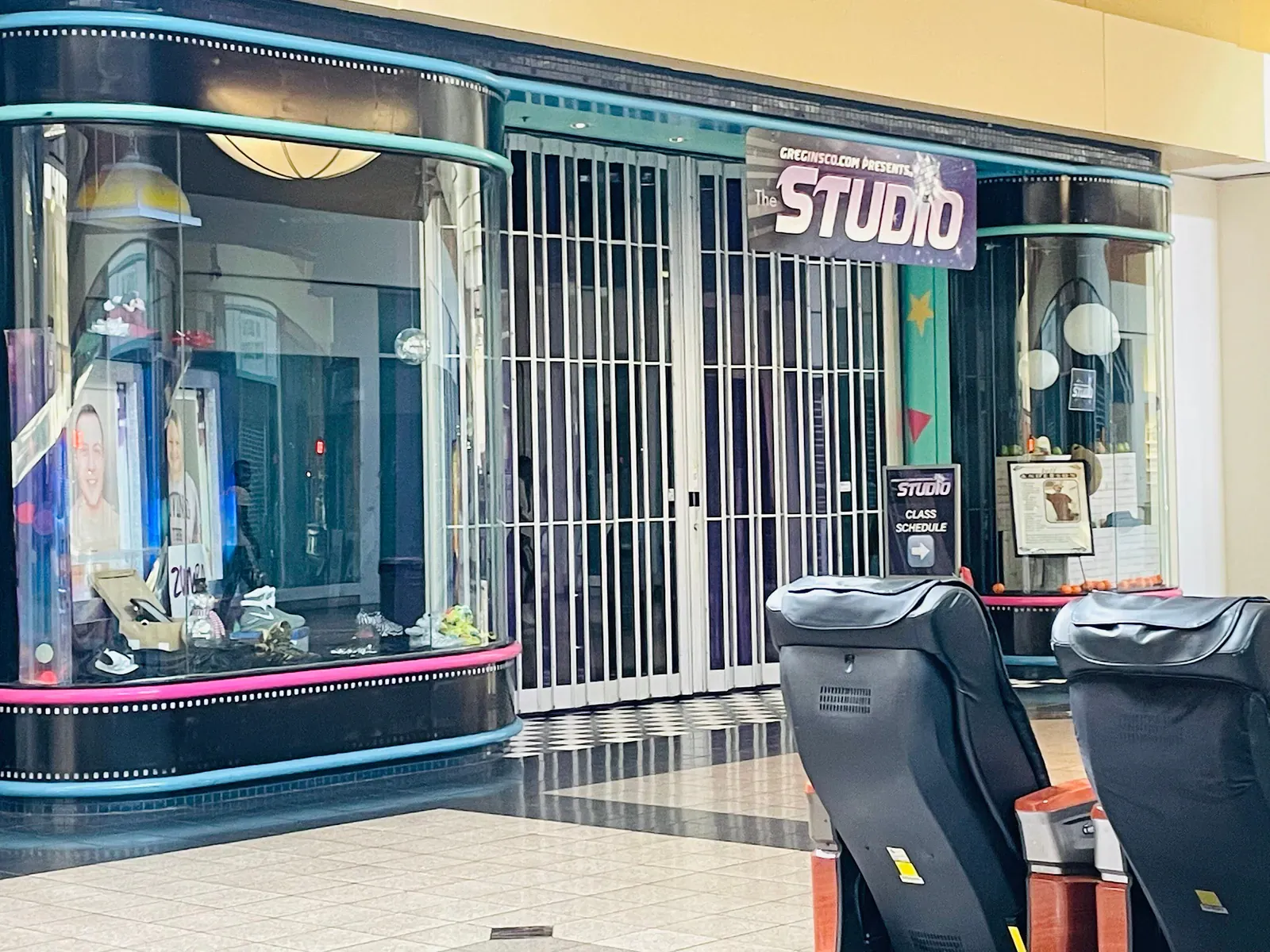
The economics were small. Many releases were free, a cassette run could be 100 copies, and the audience met in forums, image boards, Reddit and Turntable.fm rather than in venues, until 100% ElectroniCON in 2019.
Legacy
Vaporwave seeded a family of offshoots, from future funk to dreampunk and slushwave, and its slowed, reverb-heavy treatment of old records was picked up well beyond the scene. It also gave a vocabulary for talking about nostalgia, consumer culture and the internet, discussed in a 2016 book that reads the genre as music of non-times and non-places. Its relatives include lounge music, the muzak tradition it samples, and hauntology.
Misconceptions
Vaporwave is often described as slowed-down songs, but the slowing is only one tool. Chopping, looping, effects and layering matter as much, and artists such as 2814 make original music with no sample at all.
It is also often called dead. Critics said so within a year of Floral Shoppe, yet Bandcamp sales continued, labels such as Dream Catalogue ran for years and a festival followed in 2019.
A third error links vaporwave to the far right. Fashwave appeared in 2015 as a separate appropriation of the look, and the main scene did not form around it.
Frequently asked questions
What is vaporwave?
Vaporwave is an electronic microgenre from the early 2010s that slows, loops and processes 1980s and 1990s smooth jazz, lounge, R&B and corporate muzak. It is paired with consumer-culture and retro-computer imagery.
Who invented vaporwave?
No single person did. Daniel Lopatin’s eccojams as Chuck Person set out the technique, Macintosh Plus’s Floral Shoppe fixed the sound in 2011, and a blog review from that year gave the genre its name.
What BPM is vaporwave?
Most tracks run from about 80 to 115 BPM in 4/4, usually because the source samples are slowed by 20 to 40 percent.
What is the difference between vaporwave and future funk?
Future funk is an upbeat offshoot that samples Japanese city pop over disco loops in the style of French house, while vaporwave stays slow and washed out.
Sound
Sound sheet
Anatomy of a track
| # | Part |
|---|---|
| 1 | Sample loop enters, slowed and pitched down |
| 2 | Loop repeats under heavy reverb and echo |
| 3 | Second sample or synth layer joins |
| 4 | Fade out or hard cut |
Signature sounds
- Slowed, pitched-down samples of 1980s and 1990s pop, smooth jazz or muzak
- Heavy reverb and chorus
- Looped phrase that drifts out of sync
- Japanese and fullwidth-text titles
- Consumer-culture and retro-computer artwork
Synths and software
- Yamaha DX7
- FL Studio
- Ableton Live
Techniques
- Slowing samples
- Pitching down
- Chopping and looping
- Heavy reverb and chorus
Tuning
12-TET; samples are slowed and pitched down, so source keys drift from the original
Vocals
Sampled voices from the source records, such as Diana Ross, slowed to drawls rather than newly recorded.
Scenes
Where it happened
Where and when the sound lived: one bar per city on a shared timeline.
North America
Latin America
Europe
Active scenes
Peak 7, 2014-2015
Ramona Langley produced Floral Shoppe at PrismCorp Studios here.
Lopatin worked from Brooklyn and Clanton's 100% Electronica and its 2019 festival are based here.
Hippos in Tanks released Far Side Virtual before the label closed in 2015.
Blank Banshee moved here in 2012 and runs Hologram Bay.
Macross 82-99 helped start future funk from here.
Yung Lean and the Sad Boys carried vaporwave imagery into cloud rap.
Dream Catalogue operated from London.
Venues and places
Portland, 2011 to today. Home studio where Floral Shoppe was produced.
New York, 2019 to today. First vaporwave festival, held in September 2019 with Saint Pepsi, Vaperror, Nmesh and Clanton.
Culture
Culture markers
- Helios bust and pink tile
Greco-Roman statues on pink grids, as on the Floral Shoppe cover.
Artwork - Web 1.0 and retro-computer graphics
1990s operating system windows, glitch art and 3D renders mark the look.
Artwork - 1980s and 1990s anime stills
Urusei Yatsura, Macross and Sailor Moon imagery recurs on covers.
Artwork - Fullwidth text
Titles such as AESTHETICS spaced out in fullwidth Unicode became a meme.
Slang - Sportswear and iced tea
Frowny faces, sportswear brands, Japanese text and Arizona iced tea show up as accessories.
Fashion
Media
Key media
- 2012Vaporwave and the Pop-Art of the Virtual Plaza
by Adam Harper. Dummy essay that framed the genre as a critique of consumer capitalism.
Zine - 201324-hour YouTube vaporwave radio streams
by Various. Always-on streams that became a main way to find the music.
Radio - 2016Babbling Corpse: Vaporwave and the Commodification of Ghosts
by Grafton Tanner. Book that reads the genre as music of non-times and non-places.
Book
Glossary
Terms on this page
Slowing and cutting a record, borrowed from Houston's DJ Screw.
A short sample looped and slowed with delay or echo, the technique Lopatin named after the Ecco the Dolphin game.
Upbeat offshoot that samples Japanese city pop over French house style disco loops.
Darker, faster offshoot from late 2015 influenced by speedcore and gabber.
Lo-fi, relaxed style led by Luxury Elite that imitates old late night television.
Subgenre that stresses lounge and shopping mall ambience, such as Cat System Corp's work.
Music assembled from existing recordings, an older practice that vaporwave extends.
Ambient branch with heavy reverb and blurred, drifting samples.
Electronic family