Smooth jazz
Smooth jazz is melody-first instrumental jazz built on R&B, funk and pop grooves, born from 1970s fusion and sold as a US radio format in the 1980s and 1990s.
United States, 1971
Jazz family

Born
1971
United States
Subgenres
3
Documented branches
Links
16
Genres it drew on or shaped
Tempo
80-120 BPMLineage
Family tree
Grew out of
Derived from
- Jazz-funk
Derived from
Influenced by
Rhythm and bluesQuiet storm
United States, 1971
Smooth jazz
Led to (3)
Timeline
Era by era
From the first sparks to today. Select a dot to read the story behind it.
- Crossover hits
1970 to 1979
- Instrumental pop and R&B
1980 to 1986
- The radio format
1987 to 1999
- Format decline
2000 to today
Eras
Moments
- 1 Crossover hits, 1970 to 1979
- 2 Instrumental pop and R&B, 1980 to 1986
- 3 The radio format, 1987 to 1999
- 4 Format decline, 2000 to today
around 1970
Crossover hits
Fusion-era players record melodic, groove-based instrumentals that reach pop and R&B charts: Nautilus, Mister Magic, Breezin' and Feels So Good.
- 1974Bob James records NautilusThe track on his album One is named among the early smooth jazz songs.
- 1975Grover Washington Jr.: Mister MagicThe album topped the soul and jazz album charts and reached number 10 on the pop chart.
- 1976George Benson: Breezin'His Warner Bros. debut reached number 1 on the pop, jazz and R&B album charts and went triple platinum.
- 1978Chuck Mangione: Feels So GoodThe flugelhorn instrumental reached number 4 on the Billboard Hot 100 and was nominated for Record of the Year.
1980
Instrumental pop and R&B
Saxophone and guitar leads move closer to pop and soul, from Winelight to Kenny G's first Arista albums and Sade's Diamond Life.
- 1981Just the Two of UsGrover Washington Jr. with Bill Withers on vocals reached number 2 on the Hot 100 on Elektra.
- 1984Sade's Smooth OperatorReleased in the UK in August 1984; it became the band's first US top 10 entry in 1985, peaking at number 5.
- 1986Kenny G: Duotones and SongbirdDuotones sold five million copies in the US; Songbird reached number 4 on the Hot 100.
1987
The radio format
The Wave launches in Los Angeles, stations across the US copy the new adult contemporary format, and Breathless becomes a Diamond-certified bestseller.
- 1987The Wave launches in Los AngelesKTWV began the new adult contemporary format on 14 February 1987; stations in other US cities copied it that year.
- 1988The name smooth jazz appearsThe term came out of radio marketing in the late 1980s and replaced the mid-1970s label smooth radio.
- 1992Kenny G: BreathlessReleased on Arista in November; 12 million US shipments make it the best-selling instrumental album in history.
- 1999What a Wonderful World overdubKenny G's overdub onto Louis Armstrong's recording drew sharp criticism from jazz writers and musicians.
2000
Format decline
Commercial stations drop the format after the mid-2000s change in audience measurement; most airplay now sits on non-commercial stations.
- 2009Stations drop the formatOutlets in New York, Washington and Boston, among others, had switched away from smooth jazz.
Listening path
Start listening
A short path from an easy way in to the deep end. Thumbnails come from YouTube; the player loads only when you press play.
- 01
Grover Washington Jr., 1975
The saxophone groove record that topped the soul and jazz charts.
- 02
George Benson, 1976
The guitar standard from the album that topped three Billboard charts.
- 03
Sade, 1984
The vocal side of the sound: restrained, jazz-tinged pop that reached the US top 5.
- 04
David Sanborn, 1987
Lead track of A Change of Heart, alto saxophone over a programmed groove.
- 05
Kenny G, 1986
The soprano saxophone ballad that reached number 4 on the Hot 100.
Facts
| Family | Jazz |
| Origin | United States |
| Emerged | Early 1970s; peak 1980s-1990s |
| Status | Active |
| Tempo | 80 to 120 BPM |
| Meter | 4/4 |
| Grew out of | Jazz fusion, Jazz-funk |
| Subgenres | 3 |
Smooth jazz is a commercially oriented style of jazz that borrows from R&B, funk and pop. A saxophone or guitar plays a melody over programmed rhythms, pads and samples at an unhurried tempo, and the tune matters more than the solo.
It grew out of jazz fusion in the early 1970s in the United States, became a hit radio format in the 1980s and 1990s, and lost most of its commercial airplay after 2000.
Origins
Fusion was a movement of the early 1970s in which some jazz musicians merged instrumental virtuosity and improvisation with a modern, electronic sensibility. Smooth jazz came out of it by dropping the risk. It kept the electric instruments and the groove, and it left out most of the improvisation, putting melodic form in its place. Much of the early music was a mix of jazz with easy-listening pop and lightweight R&B.
The saxophone became the instrument most associated with the style, inspired by players such as Grover Washington Jr., Ronnie Laws, Wayne Shorter and Nathan Davis. Beside it stood a gentle, legato electric guitar in the line of Wes Montgomery and Grant Green. Fusion groups such as Weather Report, Spyro Gyra, Hiroshima and Bob James’ Fourplay were vital to the development of the genre.
The name came later than the music. In the mid-1970s the sound was known in the United States as smooth radio, and only in the 1980s did the term smooth jazz appear. It was born directly out of radio marketing, coined in an industry focus group in the late 1980s, and it stuck.
Crossover hits, 1970s
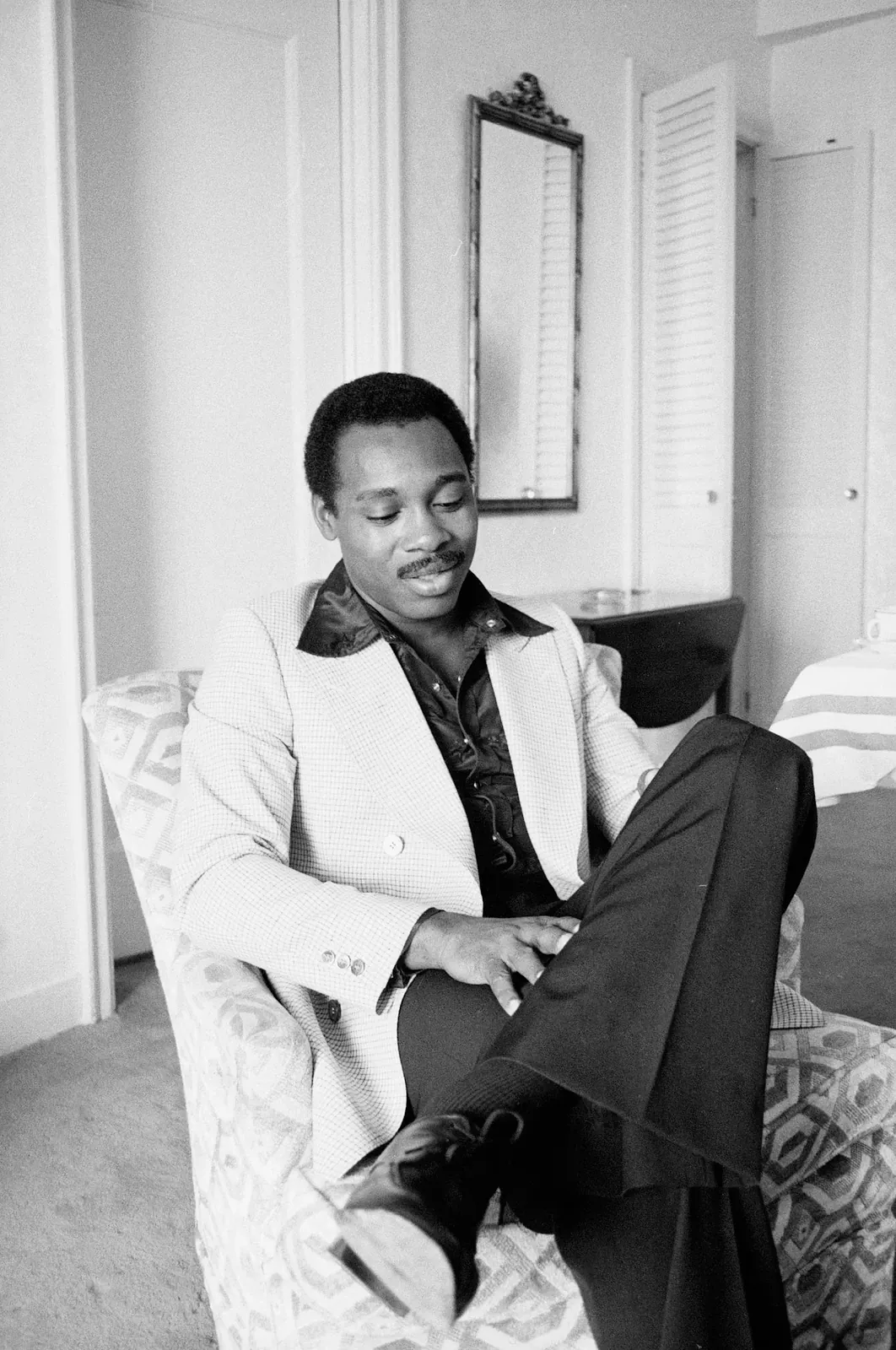
Bob James recorded “Nautilus” on his 1974 album One. In 1975 Grover Washington Jr. released “Mister Magic”, and the album of that name topped the soul and jazz album charts and reached number 10 on the pop chart.
The breakthrough year was 1976. Guitarist George Benson made his Warner Bros. debut with Breezin’, which went to number 1 on the pop, jazz and R&B album charts and was certified triple platinum. Its title track became a fusion standard, and the vocal single “This Masquerade” was a top ten pop and R&B hit. Chuck Mangione’s flugelhorn instrumental “Feels So Good” followed, reaching number 4 on the Billboard Hot 100 in the summer of 1978. Spyro Gyra’s “Morning Dance” appeared in 1979.
Instrumental pop and R&B, 1980s
In 1980 Grover Washington Jr. recorded Winelight for Elektra. Its single “Just the Two of Us”, written by Bill Withers, William Salter and Ralph MacDonald and sung by Withers, peaked at number 2 on the Hot 100 in May 1981. A saxophone record had become a pop hit, and the same pairing of an instrumental lead with a soulful singer returned across the decade.
Kenny G signed with Arista in 1982 after the label’s president, Clive Davis, heard his version of ABBA’s “Dancing Queen”. His first albums reached the jazz chart, and G Force (1983) and Gravity (1985) both passed a million copies in the United States. His fourth album, Duotones, appeared in September 1986 and sold five million copies in the US. Its instrumental “Songbird” reached number 4 on the Hot 100.
Vocal acts took part as well. Sade’s “Smooth Operator”, released in the UK in August 1984 from Diamond Life, reached number 5 on the US Hot 100 in 1985 and topped the adult contemporary chart. The overlap with adult contemporary and rhythm and blues is wide, and it explains why the style fitted radio so easily.

The radio format, 1987-1999
On 14 February 1987, at noon, the Los Angeles station KTWV flipped to a format first called new adult contemporary, as 94.7 The Wave. Its first song was Sting’s “If You Love Somebody Set Them Free”, followed by “Maputo” by Bob James and David Sanborn. For its first 19 months it had no live announcers, only taped vignettes.
The model spread within the year. Stations in San Francisco, Chicago, Seattle, San Diego, Dallas, Washington and New York adopted the format, and a syndicated version of The Wave went to other markets. A new program director dropped the vignettes and hired live hosts, who started on 19 September 1988.
By the early 1990s such stations had shed most of their new age and jazz fusion elements. What remained was a simpler blend of contemporary jazz, soft R&B vocals and soft adult contemporary crossover hits, and that mix came to define the smooth jazz label. A second national expansion followed in the mid-1990s.

Characteristics
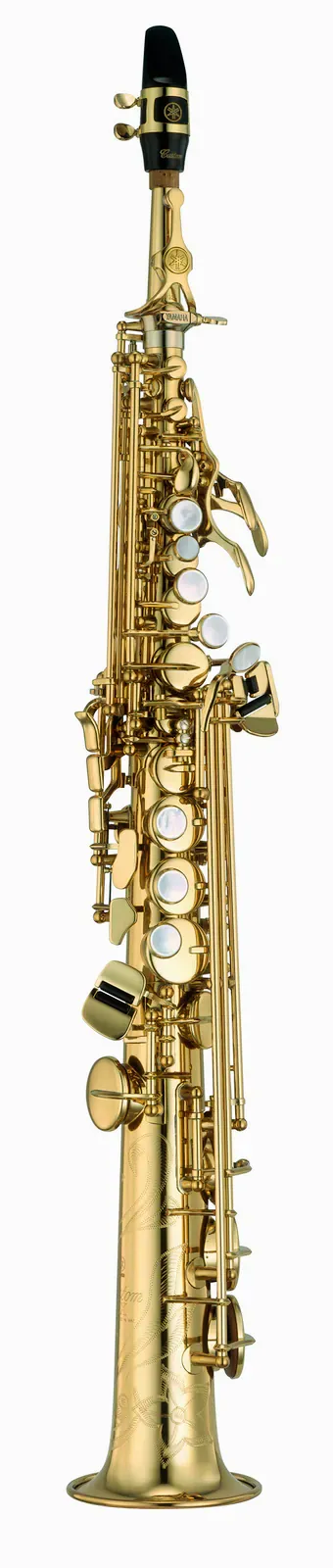
A typical track is downtempo. The most widely played recordings sit around 90 to 105 beats per minute, and a lead instrument carries the melody over a backdrop of programmed rhythm, pads and samples. Players aim to be recognizable within a few measures. Saxophone, especially soprano and tenor, is the most popular lead, and guitar comes second.
Groups include Fourplay, Pieces of a Dream, Acoustic Alchemy and the Rippingtons; Dave Koz, Bob James and bassist Nathan East are known for collaborating across the roster. Guitarists range from George Benson and Earl Klugh to Peter White and Norman Brown.

Mainstream success
Smooth jazz sold in volume. Breezin’ went triple platinum, Duotones sold five million copies in the US, and Breathless, released by Arista on 17 November 1992, reached number 2 on the Billboard 200 and number 1 on the Contemporary Jazz Albums chart. It was certified Diamond with 12 million US shipments, the best-selling instrumental album in history. Its track “Forever in Love” won the Grammy for Best Instrumental Composition and reached number 18 on the Hot 100.
Kenny G’s total is more than 75 million records worldwide, the most for any non-vocal musician. His song “Going Home” from the live album of 1989 became extremely popular in China, where it is widely used in public places. Warner Bros., Arista and Elektra carried most of the genre’s best-known records.
Notable recordings
“Breezin’” is a guitar piece written by Bobby Womack and recorded by Benson in 1976; it launched the most commercially successful period of his career. “Chicago Song”, written by Marcus Miller, led David Sanborn’s 1987 album A Change of Heart. “Songbird” was inspired by Kenny G’s move from Seattle to Los Angeles and marked the start of his biggest period.
Reception and criticism
Backlash arrived with the sales. Critics called the sound bland, and Breathless in 1992 became the target of much of it. Pat Metheny said Kenny G had a simplistic musical vocabulary and that his sales did not match his talent. In 1999 G overdubbed his saxophone onto Louis Armstrong’s “What a Wonderful World”, and the result drew harsh reviews. Pianist Fred Hersch said he was “not a jazz musician”. Saxophonist Branford Marsalis defended him, noting that his audience would not otherwise be at a jazz concert or club. A 2021 HBO documentary, Listening to Kenny G, took up the argument.
Decline and afterlife
Popularity declined from the early 2000s. Tightly formatted playlists and blanding presentation hurt the format, and the adoption of a new audience measurement system in the mid-2000s hastened its end. By 2009 stations in New York, Washington and Boston, among others, had switched away from smooth jazz. Most radio play now happens on non-commercial stations, and KTWV itself airs a rhythmic adult contemporary format. Kenny G kept recording through the 2000s, 2010s and 2020s.

Legacy
Smooth jazz fixed a template that outlived the radio format: a recognizable lead voice and a polished groove. It also set the terms of a lasting debate about whether commercial success and jazz can coexist.
Misconceptions
One common belief is that Kenny G invented smooth jazz. The style predates him. Grover Washington Jr., George Benson and Bob James had hit records before his first album in 1982, and the name itself came from radio programmers.
A second holds that radio invented the music. Radio gave it a name and a platform, but it grew from fusion and R&B.
A third says the genre vanished. Commercial airplay shrank after 2000, but the music is still played on non-commercial stations, and Kenny G still performs worldwide.
Frequently asked questions
What is smooth jazz?
Smooth jazz is a commercially oriented style of jazz influenced by R&B, funk and pop. A saxophone or guitar plays a recognizable melody over programmed rhythms, pads and samples.
How fast is smooth jazz?
Smooth jazz is downtempo. The most widely played tracks fall between 90 and 105 beats per minute.
Who are the best-known smooth jazz artists?
Kenny G, Grover Washington Jr., George Benson, David Sanborn and Sade are among the names most tied to the genre, together with groups such as Fourplay, Spyro Gyra and the Rippingtons.
Why did smooth jazz radio decline?
Commercial stations dropped the format from the early 2000s, and by 2009 outlets in several large US cities had switched.
Sound
Sound sheet
Signature sounds
- Lead saxophone or guitar playing a melody recognizable within a few measures
- Programmed rhythms under pads and samples
- Melodic form over improvisational risk-taking
Techniques
- Melody-first lead
- Programmed groove with pads
- Restrained improvisation
- Legato guitar lead
Keys and modes
Flat keys. Keys such as A-flat suit the saxophone and recur on measured tracks.
Vocals
Mostly instrumental; vocal tracks lean on soft R&B and pop singers such as Sade, Anita Baker and Al Jarreau.
Scenes
Where it happened
Where and when the sound lived: one bar per city on a shared timeline.
Europe
North America
Active scenes
Peak 2, 1987-2025
KTWV 94.7 The Wave started the new adult contemporary format here, the model for the smooth jazz radio network.
Home of Sade, whose Diamond Life brought a quiet, soulful jazz-pop sound to the charts.
Media
Key media
- 198794.7 The Wave (KTWV)
by Los Angeles. Pioneered the smooth jazz radio format; its first songs were Sting's If You Love Somebody Set Them Free, then Bob James and David Sanborn's Maputo.
Radio - 2021Listening to Kenny G
by Penny Lane. HBO documentary on the best-selling saxophonist and the critics' view of him.
Film
Glossary
Terms on this page
Commercially oriented jazz aimed at pop, R&B and easy-listening audiences.
Slow tempo, in smooth jazz mostly 90 to 105 beats per minute.
Early-1970s movement that merged jazz virtuosity and improvisation with electric, modern sounds.
Radio format launched in 1987 that played instrumental jazz, fusion and soft pop; it later settled into the smooth jazz label.
Mid-1970s US name for the sound, before the term smooth jazz was coined in the 1980s.
Jazz family