Neotraditional country
Neotraditional country is a 1980s country style that revived fiddle, pedal steel and honky-tonk forms, led by George Strait, Randy Travis and Dwight Yoakam.
Southeastern United States, 1979
Country family
Born
1979
Southeastern United States
Subgenres
1
Documented branches
Links
17
Genres it drew on or shaped
Tempo
90-150 BPMLineage
Family tree
Grew out of
- Western swing
Derived from
- Bakersfield sound
Derived from
Influenced by
Pushed back against
Urban cowboy
Southeastern United States, 1979
Neotraditional country
Led to (4)
Timeline
Era by era
From the first sparks to today. Select a dot to read the story behind it.
- Reaction to urban cowboy
1980 to 1985
- The 1986 breakthrough
1986 to 1990
- Stadium country and survival
1991 to today
Eras
Moments
- 1 Reaction to urban cowboy, 1980 to 1985
- 2 The 1986 breakthrough, 1986 to 1990
- 3 Stadium country and survival, 1991 to today
1980
Reaction to urban cowboy
After the 1980 film Urban Cowboy and a wave of pop crossovers, George Strait, Ricky Skaggs and John Anderson returned to fiddle, steel guitar and honky-tonk and western swing song forms.
- 1980Urban Cowboy opensThe film, set in the Gilley's honky-tonk in Pasadena, Texas, fuels the pop-leaning country boom the movement later reacts against.
- 1981Strait CountryGeorge Strait debuts with an album of honky-tonk, western swing and Bakersfield-style country.
- 1981Ricky Skaggs on country radioSkaggs brings a bluegrass-trained band to country radio with Crying My Heart Out Over You, from Waitin' for the Sun to Shine.
- 1982Amarillo by MorningStrait's ballad appears on Strait from the Heart and is issued as a single in January 1983.
- 1982John Anderson's Swingin'Anderson's Wild & Blue album carries the single that becomes his signature song.
1986
The 1986 breakthrough
Randy Travis and Dwight Yoakam released their debut albums in 1986, and Clint Black, Ricky Van Shelton, Patty Loveless and Keith Whitley followed onto the charts.
- 1986Storms of LifeRandy Travis releases his debut album, a landmark of the neotraditional turn.
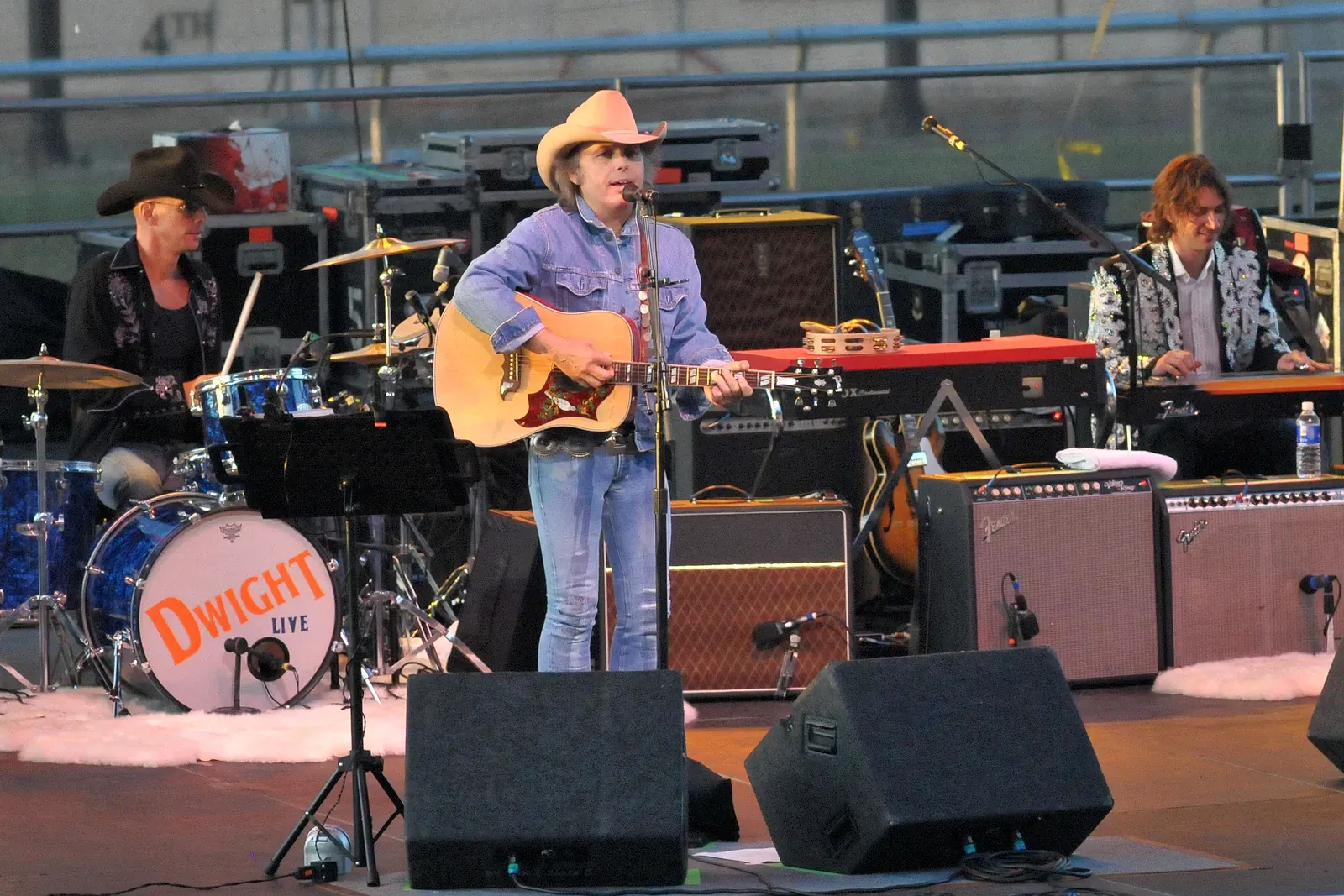
- 1986Guitars, Cadillacs, Etc., Etc.Dwight Yoakam's debut album revives honky-tonk and the Bakersfield sound.
- 1987Forever and Ever, AmenThe title track of Travis's Always & Forever album becomes one of his best-known recordings.
- 1987Don't Close Your EyesKeith Whitley's single, released in 1987, is the countrypolitan-leaning ballad that made his name.
- 1989Keith Whitley diesThe singer dies at 34, officially of an alcohol overdose, a diagnosis since disputed.
1991
Stadium country and survival
Around 1991 arena-minded acts led by Garth Brooks overtook the movement, yet Strait, Travis and Alan Jackson kept a traditional sound on the charts.
- 1991Stadium country overtakes the movementBillboard changes its country chart in 1991 and arena-minded acts led by Garth Brooks dominate the decade.
- 1991Don't Rock the JukeboxAlan Jackson's title track, recorded for the album of the same name, keeps traditional country on the radio.
- 2000Murder on Music RowStrait and Jackson record a song accusing the Nashville establishment of killing tradition.
- 2016Kicked Outta CountryStrait's song and Jackson's Where Have You Gone again protest the marginalisation of traditional country.
Listening path
Start listening
A short path from an easy way in to the deep end. Thumbnails come from YouTube; the player loads only when you press play.
- 01
Ricky Skaggs, 1981
Bluegrass-trained picking on radio country, an early sign of the return to roots.
- 02
George Strait, 1982
A ballad from the early Strait albums that set the template; listen for fiddle and steel under a plain vocal.
- 03
Dwight Yoakam, 1986
The 1986 debut single that revived honky-tonk drive and Bakersfield twang.
- 04
Randy Travis, 1987
A mainstream breakthrough: a slow, clean baritone ballad on a traditional arrangement.
- 05
Alan Jackson, 1991
A defence of the jukebox classics as the movement met the stadium era.
Facts
| Family | Country |
| Origin | Southeastern United States, United States |
| Emerged | Late 1970s to 1980s |
| Status | Active |
| Tempo | 90 to 150 BPM |
| Meter | 4/4 |
| Grew out of | Western swing, Bakersfield sound |
| Subgenres | 1 |
Neotraditional country, also called new traditionalist or hard country, is a style of country music that took shape in the United States in the early 1980s.
It brought back the fiddle and pedal steel guitar, the two-beat rhythms of honky-tonk and western swing, and a plain, clear vocal delivery, as a reaction to the pop-leaning country of the late 1970s and the urban cowboy fad. It reached the mainstream in the mid-1980s and held it into the early 1990s.
Origins
The movement answered a specific moment. The 1980 film Urban Cowboy, set in a honky-tonk in Pasadena, Texas, turned country and western dress and nightlife into a national fashion, and mainstream country filled with pop-oriented singers and former pop acts switching genres to revive their careers. Country sales then fell to levels not seen since the disco years. The outlaw movement of the 1970s, an earlier back-to-roots reaction, had faded by then, and the traditional style was in part a retrenchment toward the listeners who had stayed loyal to the genre.
Neotraditional artists looked back to Ernest Tubb, Hank Williams, Kitty Wells and George Jones, and to the western swing of Bob Wills and the Bakersfield records of Buck Owens and Merle Haggard. Related ground is covered on the honky-tonk page and in the country family overview.
The reaction, 1980-1985
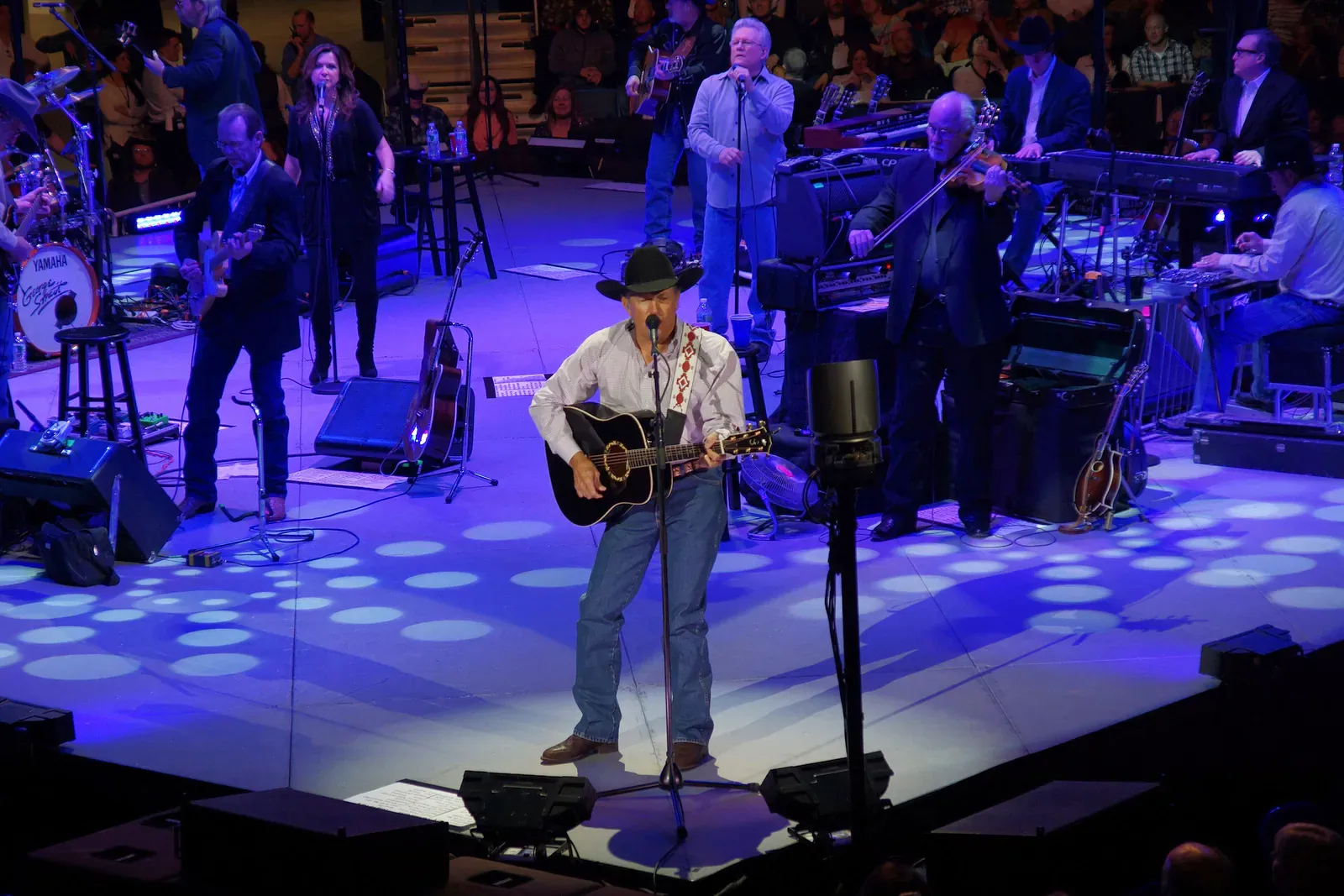
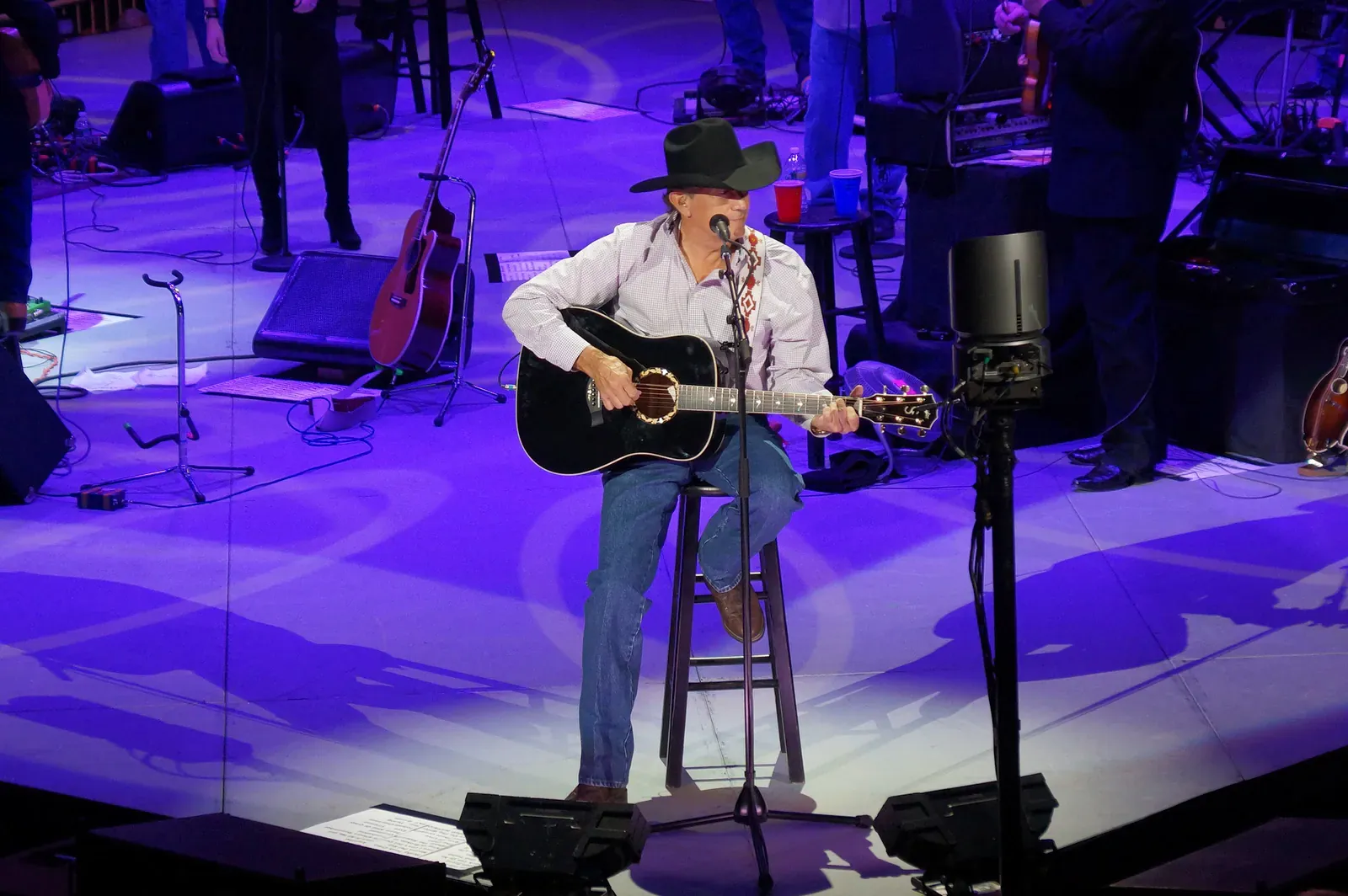
George Strait made his debut in 1981 with the album Strait Country on MCA Nashville. It was built on honky-tonk, western swing and the Bakersfield sound, with a few melodic ballads added, and it is the record most often credited with starting the movement. Strait’s Amarillo by Morning, from the 1982 album Strait from the Heart and released as a single in January 1983, became one of his best-known songs.
Ricky Skaggs, a picking prodigy who took his inspiration from Bill Monroe and Ralph Stanley, brought a bluegrass strain to country radio. His single Crying My Heart Out Over You appeared in 1981. John Anderson recorded Swingin’ on the 1982 album Wild & Blue, and Emmylou Harris and Gail Davies cut songs by Ray Price, Webb Pierce and the Louvin Brothers around the same time. Skaggs’s friend and former bandmate Keith Whitley took the style toward countrypolitan ballads, and his single Don’t Close Your Eyes came out in 1987.
The 1986 breakthrough, 1986-1990
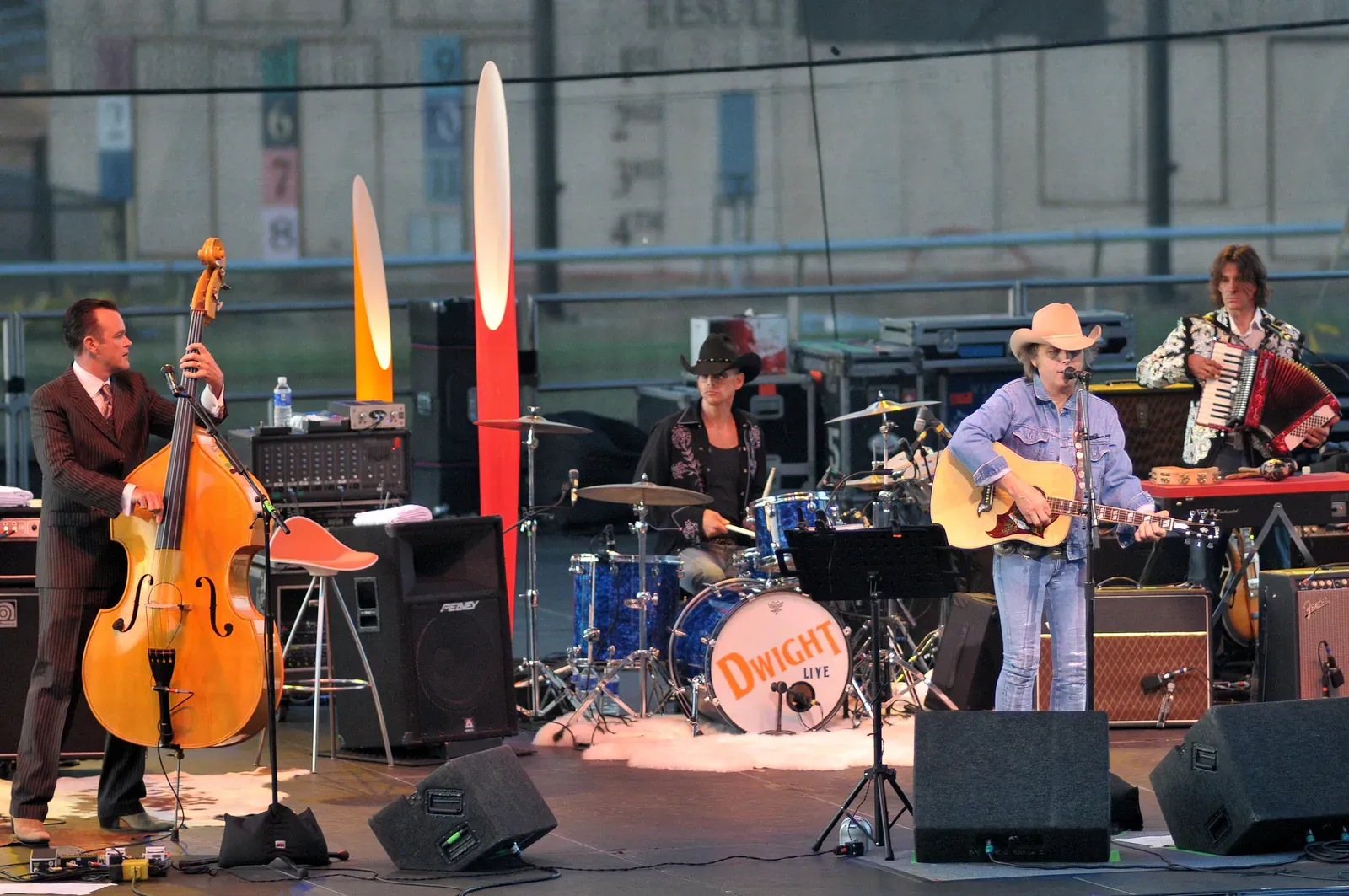
The year 1986 is the usual marker of the change. Randy Travis released Storms of Life, and Dwight Yoakam released Guitars, Cadillacs, Etc., Etc., both critically praised debut albums. Travis, on Warner Bros. in Nashville, worked with vintage stylings, classic covers and a carefully shaped baritone, and his 1987 album Always & Forever carried Forever and Ever, Amen. Yoakam, on Reprise, leaned on honky-tonk and the Bakersfield sound and released Honky Tonk Man as a single the same year.
Holly Dunn, Clint Black, Ricky Van Shelton, Lyle Lovett and Highway 101 followed, along with Patty Loveless and The Judds, and the neotraditionalists dominated the country charts through the late 1980s. Several older stars, among them Merle Haggard, Conway Twitty, George Jones and Don Williams, scored some of their last top-ten hits during this boom. Keith Whitley died in 1989, aged 34, of what was officially an alcohol overdose, a finding that has since been disputed, and his sound remained influential.
Stadium country and survival, 1991-present
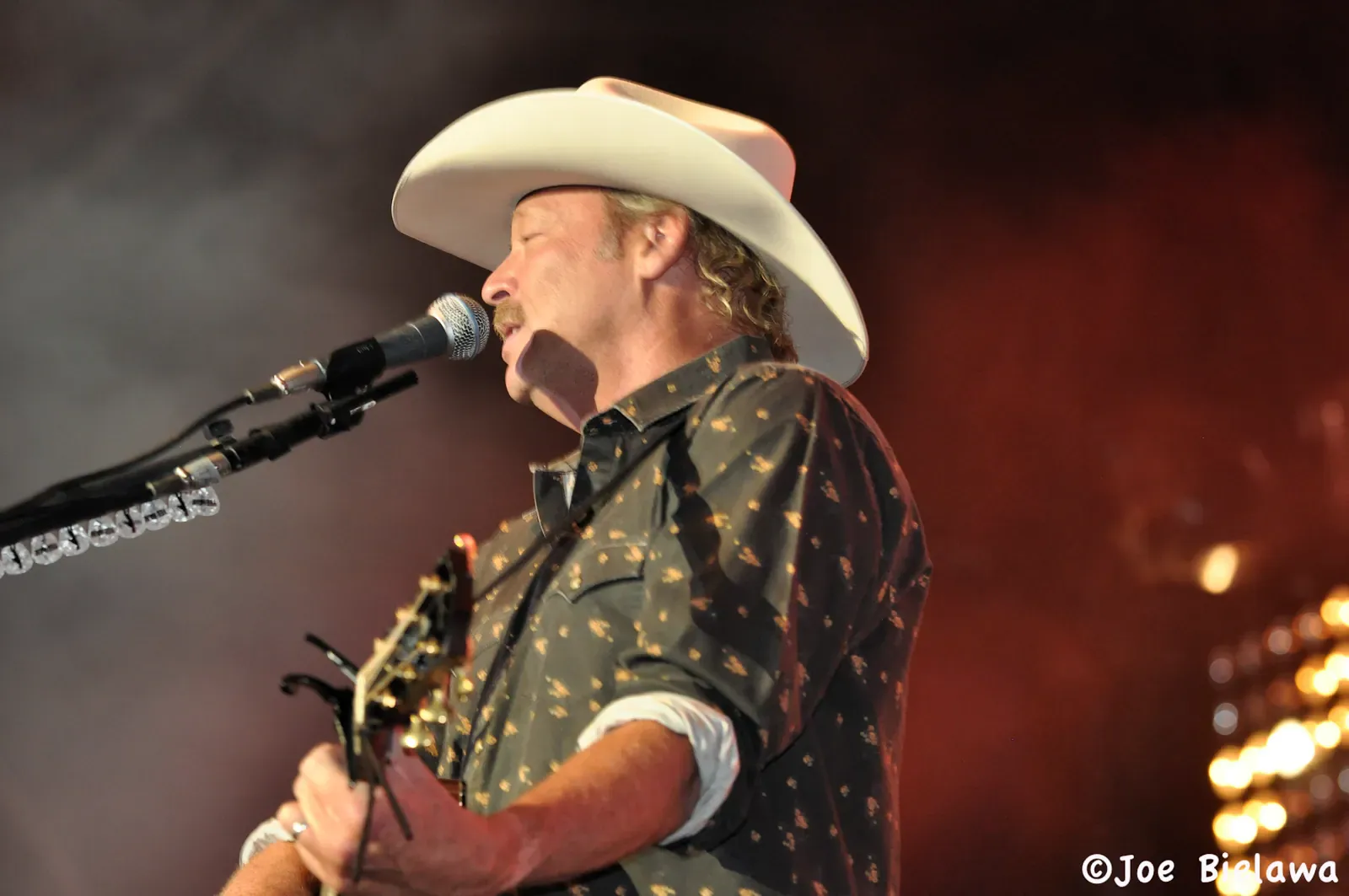
Around 1991, when Billboard changed how its country chart was compiled, a new kind of popular country took over, led by Garth Brooks, Toby Keith and Reba McEntire, who mixed traditional touches with arena-rock staging and pop writing. Shania Twain, Faith Hill and Tim McGraw followed. Even so, more of the neotraditional acts survived the change than the pop-country acts of the previous decade. Travis, Strait, Loveless and the newcomer Alan Jackson kept a traditional sound on the charts beside their newer rivals.
In 2000 Strait and Jackson recorded Murder on Music Row, a song that named the rift directly, with the line that someone had killed tradition. Strait returned to the argument in 2016 with Kicked Outta Country, and Jackson made similar remarks in Where Have You Gone, both pointing out that traditional singers were being sidelined as Haggard and Jones had been in 1991. The style continues in modern honky-tonk acts such as Zach Top, and in bands from the Texas country and red dirt scenes, including Midland and the Turnpike Troubadours.
Characteristics
The style is defined by instrumentation and delivery more than by new songwriting forms. Fiddle and pedal steel guitar carry the arrangements, with electric and acoustic guitars, bass and drums behind them. The rhythm section keeps the two-beat pulse of honky-tonk with a crisp backbeat, and shuffles and walking bass lines from western swing and Bakersfield records are common. The vocal is clean and unforced, closer to the line of George Jones than to pop singing. Lyrics stay with the standard country subjects of lost love, drinking and loneliness. Visually, performers adopted the western dress of the 1940s to 1960s.
Tempos are mid-range for dancing. Measured recordings of the movement run from slow ballads in the region of 90 beats per minute, such as Forever and Ever, Amen, to brisk numbers near 150, such as Don’t Rock the Jukebox.
Instruments and production
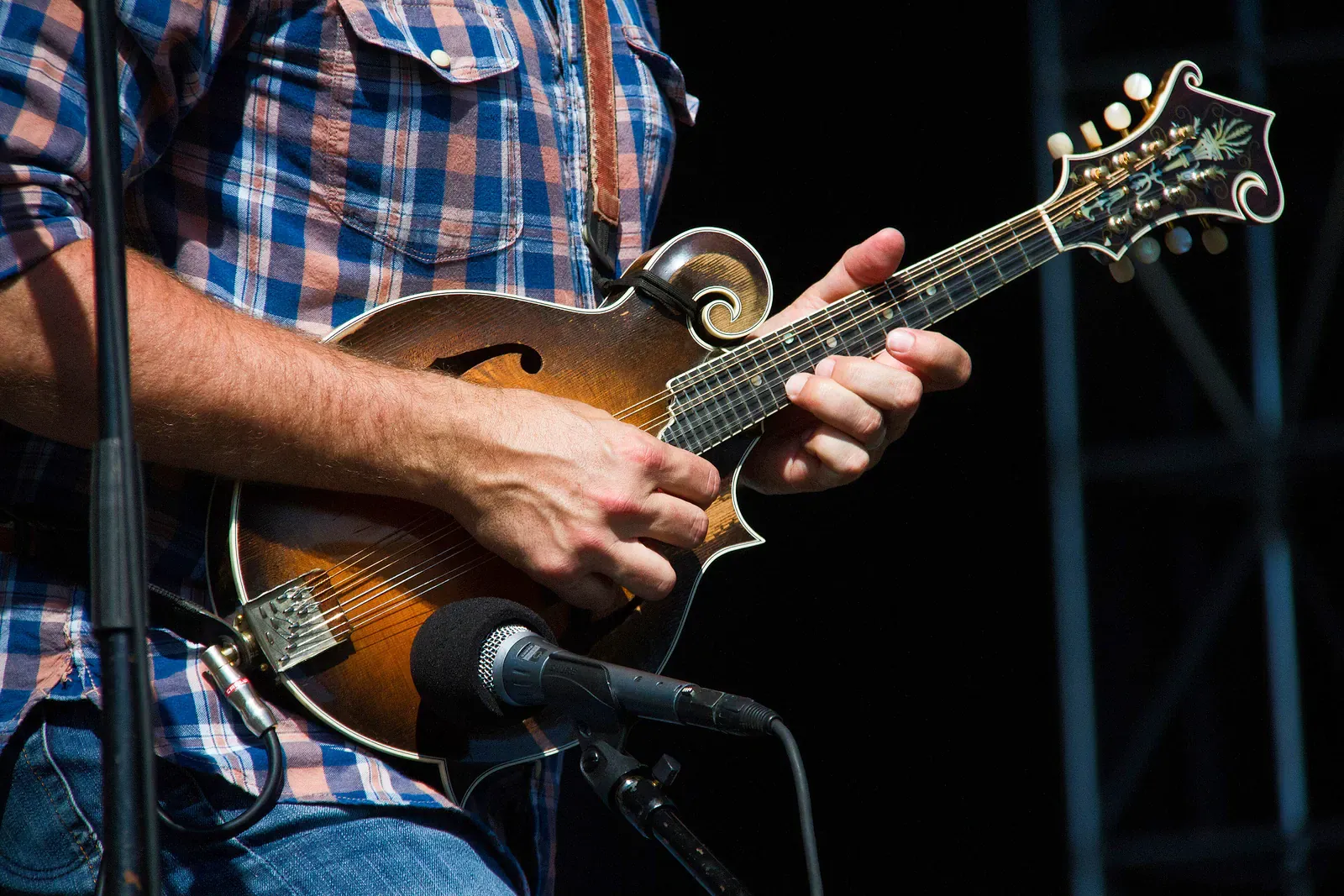
Production stayed close to a live band sound. The fiddle and pedal steel answer the vocal between lines, as they did in the honky-tonk records of the 1940s and 1950s, and the mandolin enters through Skaggs’s bluegrass background.
Notable recordings
Strait Country (1981) set the template of hard honky-tonk numbers mixed with softer ballads. Storms of Life (1986) showed that a traditional baritone and a small band could sell in large numbers, and Always & Forever (1987) confirmed it. Guitars, Cadillacs, Etc., Etc. (1986) carried the Bakersfield sound to a new audience through a singer who was not from Bakersfield. Don’t Rock the Jukebox (1991) is a statement of faith in the jukebox classics, released just as the stadium era began.
Culture
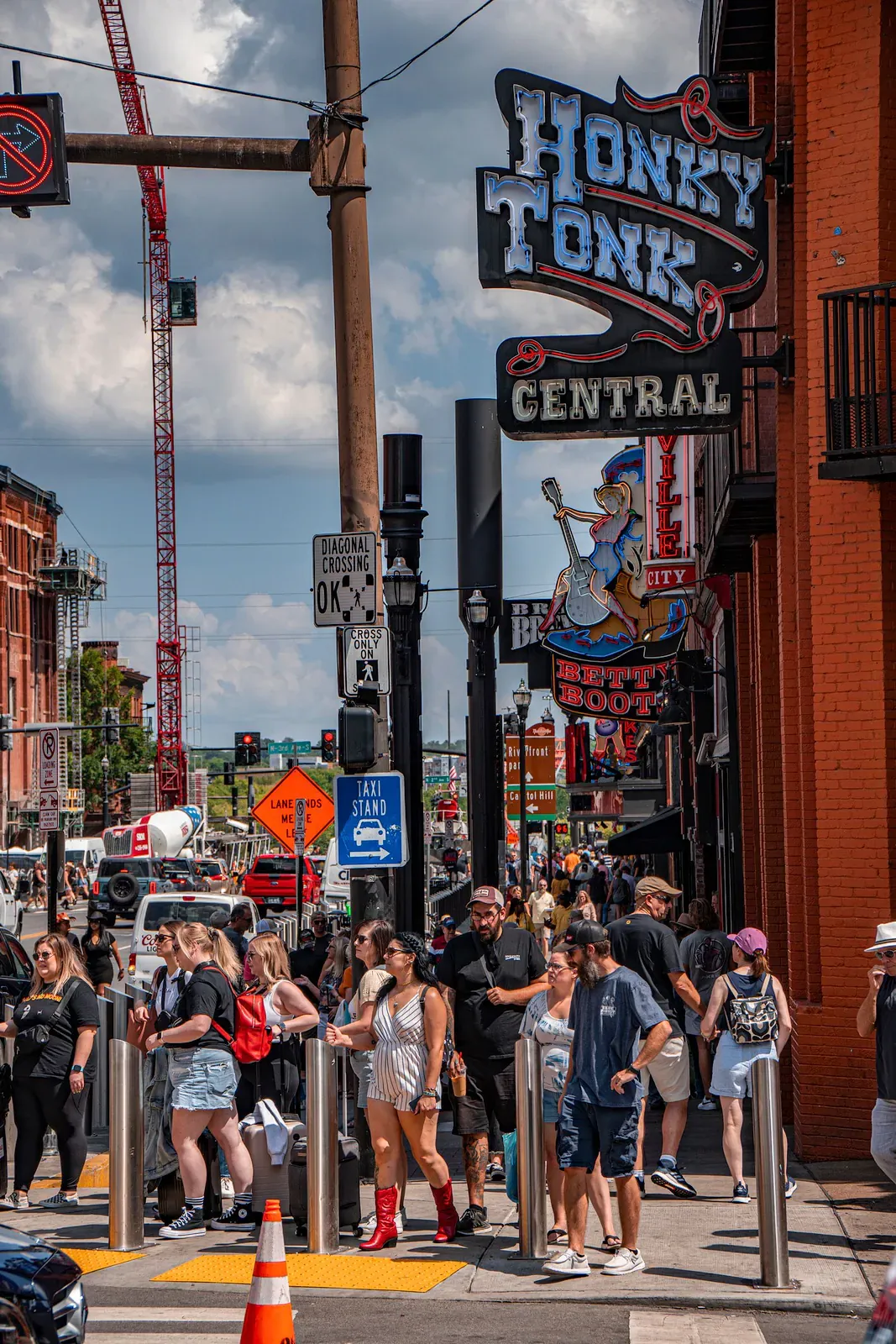
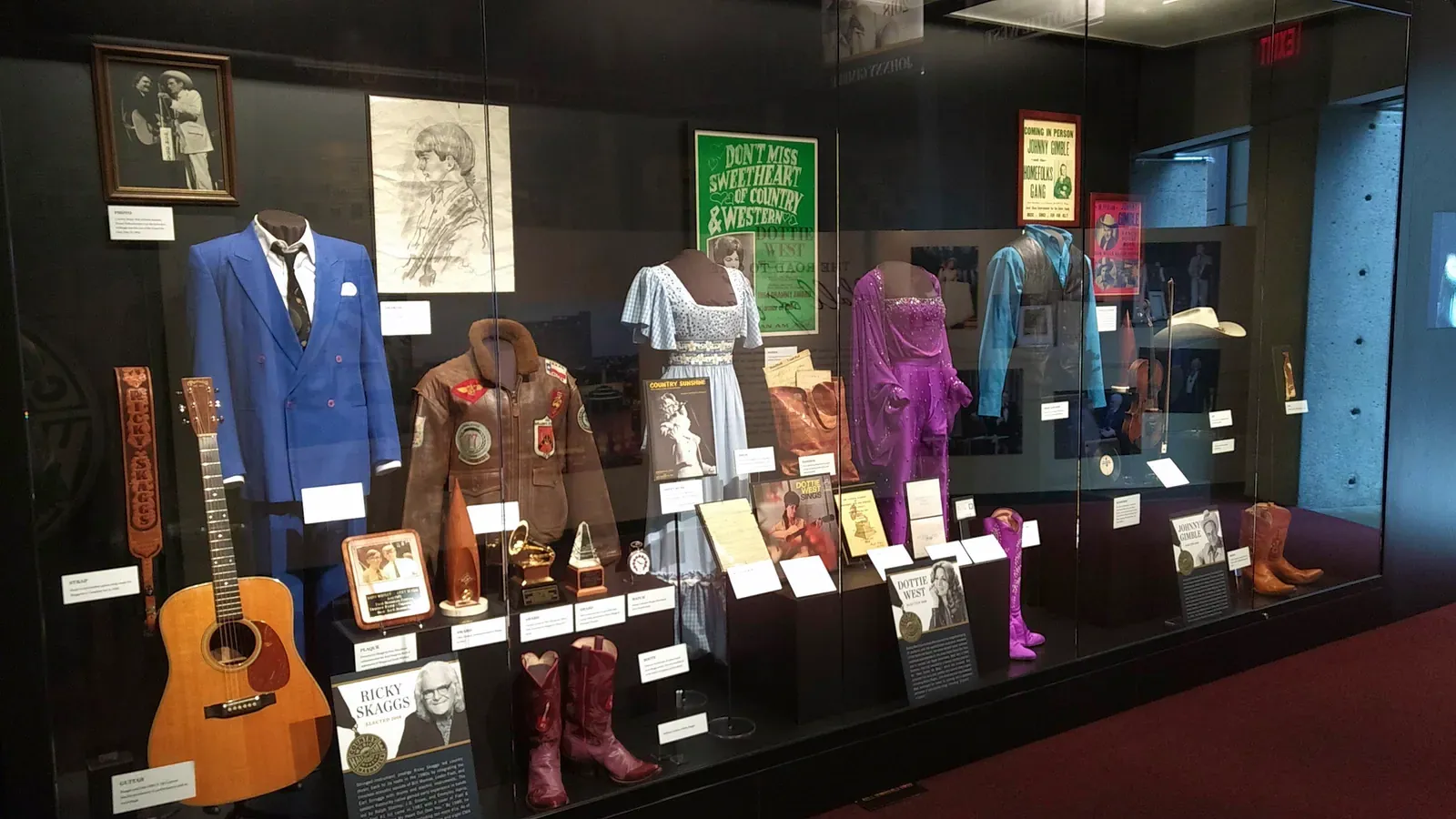
Dress was part of the statement: western shirts, felt hats and the look of 1940s to 1960s country stars replaced the urban cowboy costume. The scene centred on Nashville’s record labels and radio, where Warner Bros. Nashville and MCA signed many of the leading acts,. The movement also shaped the argument about authenticity that still runs through country, between acts counted as traditional and those counted as pop.
Legacy
Neotraditional country reset the sound of mainstream country in the second half of the 1980s and supplied a template for later revivals. It led to the broader category of new country, and it gave artists after 1991 a reference point when they argued for tradition against pop influence. Its singers, Strait and Jackson above all, remained active and popular into the 2020s. A related style, outlaw country, had earlier made a similar appeal to the music’s roots, and country-pop is the opposite pole the movement defined itself against.
Misconceptions
One common claim is that Randy Travis started the movement. Strait’s 1981 debut album and Skaggs’s early-1980s records predate Travis’s 1986 debut, and Strait is the artist usually credited with starting it. A second claim is that the style died in 1991. Stadium country overtook it in sales and attention, but Travis, Strait, Loveless and Jackson all kept having mainstream success after the change. A third claim is that every neotraditional record is honky-tonk. Skaggs drew heavily on bluegrass, and Whitley leaned toward countrypolitan ballads.
Frequently asked questions
What is neotraditional country?
Neotraditional country is a style of country music from the 1980s that emphasises fiddle, pedal steel guitar and the honky-tonk, western swing and Bakersfield traditions of the 1940s to 1960s, with clean traditional vocals.
Who are the main neotraditional country artists?
George Strait, Ricky Skaggs, Randy Travis, Dwight Yoakam and Alan Jackson are the central figures. Keith Whitley, Patty Loveless, The Judds, Clint Black and Ricky Van Shelton are also associated with it.
Why did neotraditional country begin?
It began as a reaction to the pop-oriented country of the late 1970s and early 1980s, shaped by the urban cowboy fad, and as an effort to win back the loyal core audience of country music.
What replaced neotraditional country?
Around 1991, arena-style country led by Garth Brooks, with rock and pop elements, took over the mainstream, though several neotraditional singers continued to chart.
Is neotraditional country the same as honky-tonk?
No. Honky-tonk is the older barroom style of the 1940s and 1950s that the movement revived. Neotraditional country draws on it along with western swing, the Bakersfield sound and bluegrass.
Sound
Sound sheet
Signature sounds
- Fiddle and pedal steel fills between vocal lines
- Two-beat honky-tonk rhythm with a crisp backbeat
- Clear, unaffected traditional country vocal
- Honky-tonk and western swing repertoire
Techniques
- Two-beat honky-tonk rhythm
- Country shuffle
- Steel guitar bends and fills
Keys and modes
Major keys, I-IV-V harmony. Country songs usually rest on the tonic, subdominant and dominant chords.
Vocals
Clear, sharp, unaffected delivery in the line of George Jones and Faron Young, avoiding pop mannerisms.
Scenes
Where it happened
Where and when the sound lived: one bar per city on a shared timeline.
North America
Active scenes
Peak 2, 1980-1982
The country industry's home, where the pop-leaning trend and the traditional answer to it both played out.
Home of Gilley's, the honky-tonk at the centre of the Urban Cowboy film and fad.
Glossary
Terms on this page
Electric, twangy California country from Buck Owens and Merle Haggard that Yoakam revived.
Another name for the style, stressing its honky-tonk edge.
Barroom country with a two-beat pulse, steel guitar and fiddle.
Early-1980s fad of pop-leaning country and western fashion, boosted by the 1980 film.
Dance-band country of the 1930s and 1940s that Strait drew on.
Country family