UK hip hop
UK hip hop is rap made in Britain, from early 1980s London to today, shaped by Caribbean sound systems, regional accents and an independent label economy.
London, 1982
Hip Hop family
Born
1982
London
Subgenres
8
Documented branches
Links
11
Genres it drew on or shaped
Tempo
85-140 BPMLineage
Family tree
Grew out of
Influenced by
London, 1982
UK hip hop
Led to (9)
Timeline
Era by era
From the first sparks to today. Select a dot to read the story behind it.
- Imports and novelties
1980 to 1985
- Music of Life and Britcore
1986 to 1992
- Underground diversification
1993 to 2001
- The Streets, grime and the underground
2002 to 2013
- Chart success and a new underground
2014 to today
Eras
Moments
- 1 Imports and novelties, 1980 to 1985
- 2 Music of Life and Britcore, 1986 to 1992
- 3 Underground diversification, 1993 to 2001
- 4 The Streets, grime and the underground, 2002 to 2013
- 5 Chart success and a new underground, 2014 to today
1980
Imports and novelties
American electro and rap records arrived, graffiti and breakdancing spread, and the first British rap singles appeared, from novelty parodies to Dizzy Heights and Newtrament.
- 1982Christmas RappingDizzy Heights releases it on Polydor, often credited as the first British rap record and the first by an MC signed to a major label.
- 1982Buffalo GalsMalcolm McLaren's single with New York's World's Famous Supreme Team brings sampling and scratching to British pop audiences.
- 1983London Bridge by NewtramentNewtrament's single appears on Jive Records, another early contender for first British hip hop release.
1986
Music of Life and Britcore
The first label devoted to British rap launched, Derek B reached the charts, and acts such as Hijack built a fast hardcore style before majors retreated.
- 1986Music of Life foundedSimon Harris and Froggy start the first British label devoted to UK hip hop, later home to Derek B and Hijack.
- 1987Def Jam tour of BritainLL Cool J, Eric B. & Rakim and a rising Public Enemy tour the country, giving young British fans and rappers a first live look.
- 1988Derek B on Top of the PopsDerek B performs Bad Young Brother on the BBC chart show in May and reaches number 16, a first for a British rapper.
- 1988Money Mad by London PosseRodney P and Bionic rap in London accents with Jamaican influence, setting the template for a British voice.
1993
Underground diversification
A generation raised on hip hop and electronica moved to melodic, jazz and dub flavours, with Ninja Tune's Big Dada and Roots Manuva leading the new sound.
- 1997Big Dada foundedJournalist Will Ashon starts the Ninja Tune-backed imprint that would champion Roots Manuva and later Wiley and Speech Debelle.
- 2001Witness (1 Hope)Roots Manuva's first single from Run Come Save Me reaches number 45 and is often named among the best UK hip hop tracks.
2002
The Streets, grime and the underground
The Streets sold records, grime overtook hip hop in the mainstream, and conscious rappers, road rap and independent labels such as High Focus carried on.
- 2002Original Pirate MaterialMike Skinner's debut as The Streets sells respectably and brings British rap to a broad audience.
- 2003Boy in da Corner and the grime turnDizzee Rascal's Mercury-winning debut signals grime, which labels sign in place of hip hop MCs for a decade.
- 2006Road rap emergesPDC and Giggs' SN1 crew rap about crime and gang life over American gangsta-influenced production.
2014
Chart success and a new underground
Grime's revival reopened doors for Dave, Little Simz and others, who reached number one and won the Mercury Prize, while a new underground scene grew in the early 2020s.
- 2017Gang Signs & Prayer reaches number oneStormzy's debut, mixing grime, hip hop and R&B, tops the UK album chart in February and wins a Brit Award.
- 2018Funky FridayDave and Fredo's single debuts at number one on the UK Singles Chart, a first for both.
- 2019Psychodrama and Grey AreaDave's debut opens at number one with a record first-week stream count, and Little Simz releases Grey Area to wide acclaim.
- 2020New UK underground rapLancey Foux, Fakemink and others draw on American internet rap, then spread to a large audience.
Listening path
Start listening
A short path from an easy way in to the deep end. Thumbnails come from YouTube; the player loads only when you press play.
- 01
Stereo MC's, 1992
Pop-leaning, live-band British hip hop that reached the charts at the end of the Music of Life years.
- 02
Roots Manuva, 2001
The signature London voice over a dancehall and funk bass line; listen for the Doctor Who style melody.
- 03
The Streets, 2001
The garage-flavoured single that carried British rap to a mass audience.
- 04
Dave ft. Fredo, 2018
A number one single that marked UK rap's turn to chart dominance.
- 05
Little Simz, 2019
Grey Area's hard-hitting single from the independent artist later awarded the Mercury Prize.
Facts
| Family | Hip Hop |
| Origin | London, United Kingdom |
| Emerged | Early 1980s |
| Status | Active |
| Tempo | 85 to 140 BPM |
| Meter | 4/4 |
| Subgenres | 7 |
UK hip hop, also called British hip hop, UK rap or Brit hop, is rap and hip hop culture made in the United Kingdom, taking shape in London and other cities from the early 1980s.
It borrowed the American template of rapping, DJing, breakdancing and graffiti, then recast it with Caribbean sound-system bass, British accents and slang, and an independent mixtape and label economy.
Origins
British rap grew from two sources. One was American hip hop on import records and tours. The other was the Jamaican toasting and sound-system culture brought by Caribbean migrants from the 1950s to the 1970s, which produced a British speed-toasting style over dub and later fed grime, jungle and UK garage as well.
Unlike in the United States, the scene was mixed across ethnic lines from the start, since Britain’s diverse communities tended not to live in segregated areas. A handful of records competed for the title of first British hip hop release. Allen and Blewitt’s parody “Chip Shop Wrapping” came out in 1980, and Dizzy Heights’ “Christmas Rapping” (Polydor, 1982) is often credited as the first, making him the first MC signed to a major label. Newtrament’s “London Bridge” followed in 1983 on Jive Records. Malcolm McLaren’s “Buffalo Gals” (1982), made with New York’s World’s Famous Supreme Team, introduced sampling and scratching to a wide British audience.
Imports and novelties, 1980-1985
Early British rap records were scarce, and many were novelties such as Kenny Everett’s “Snot Rap”. Teenagers in inner London with family ties to New York copied subway graffiti on the Underground, so many that the British Transport Police formed a graffiti squad modelled on New York’s. Compilations such as Street Sounds Electro UK (1984), produced by Greg Wilson, carried early appearances by Manchester’s MC Kermit. The scene survived on word of mouth and pirate stations.
Music of Life and Britcore, 1986-1992
The first British label devoted to UK rap, Music of Life, was founded in 1986 by Simon Harris and Froggy. Its A&R man Derek Boland, recording as Derek B, became the first British rapper to reach the charts; “Bad Young Brother” got to number 16 and he performed it on Top of the Pops in May 1988. The label also signed Hijack, the Demon Boyz and Asher D, whose collaboration with Daddy Freddy, Ragamuffin Hip-Hop (1988), was one of the first hip hop and dancehall albums.
The 1987 Def Jam tour, with LL Cool J, Eric B. & Rakim and Public Enemy, gave British fans a first live look. London Posse’s Rodney P and Bionic rapped in London accents with Jamaican influence in “Money Mad” (1988), which showed rap could speak for a British audience. Hijack and others pushed a fast, aggressive Britcore sound that reached continental Europe, while Major labels then retreated, and by the early 1990s the scene had moved underground.
Underground diversification, 1993-2001
After the majors left, a generation raised on hip hop and electronica took the music in jazzier, more melodic and dub-influenced directions. In Bristol the sound mutated into trip hop. The Herbaliser released Remedies on Ninja Tune in 1995. Sampling costs pushed some acts to play their own instruments, as the Stereo MC’s did on “Connected” (1992).
In 1997 the journalist Will Ashon founded Big Dada, a Ninja Tune-backed imprint that became home to Roots Manuva. His second album, Run Come Save Me (2001), carried “Witness (1 Hope)”, a number 45 single built on a dancehall and funk bass line, often named among the best British hip hop tracks.
The Streets, grime and the underground, 2002-2013
Mike Skinner’s The Streets sold respectably from 2002 with Original Pirate Material, whose garage-flavoured single “Has It Come to This?” reached number 18 and was a UK garage and hip hop crossover. Many in the scene shunned his delivery.
Then grime took over. Dizzee Rascal’s Boy in da Corner (2003) won the Mercury Prize, and from then on labels wanted grime MCs rather than hip hop ones. UK hip hop’s momentum faded, and conscious rappers such as Akala, Lowkey and Klashnekoff built an alternative around lyricism and politics. In the mid-2000s road rap appeared in Brixton and Peckham, pioneered by PDC and SN1, combining the gang and violence imagery of early grime with a slower American gangsta-influenced production base. The independent label High Focus, founded in 2010 by Fliptrix, kept an underground scene going.
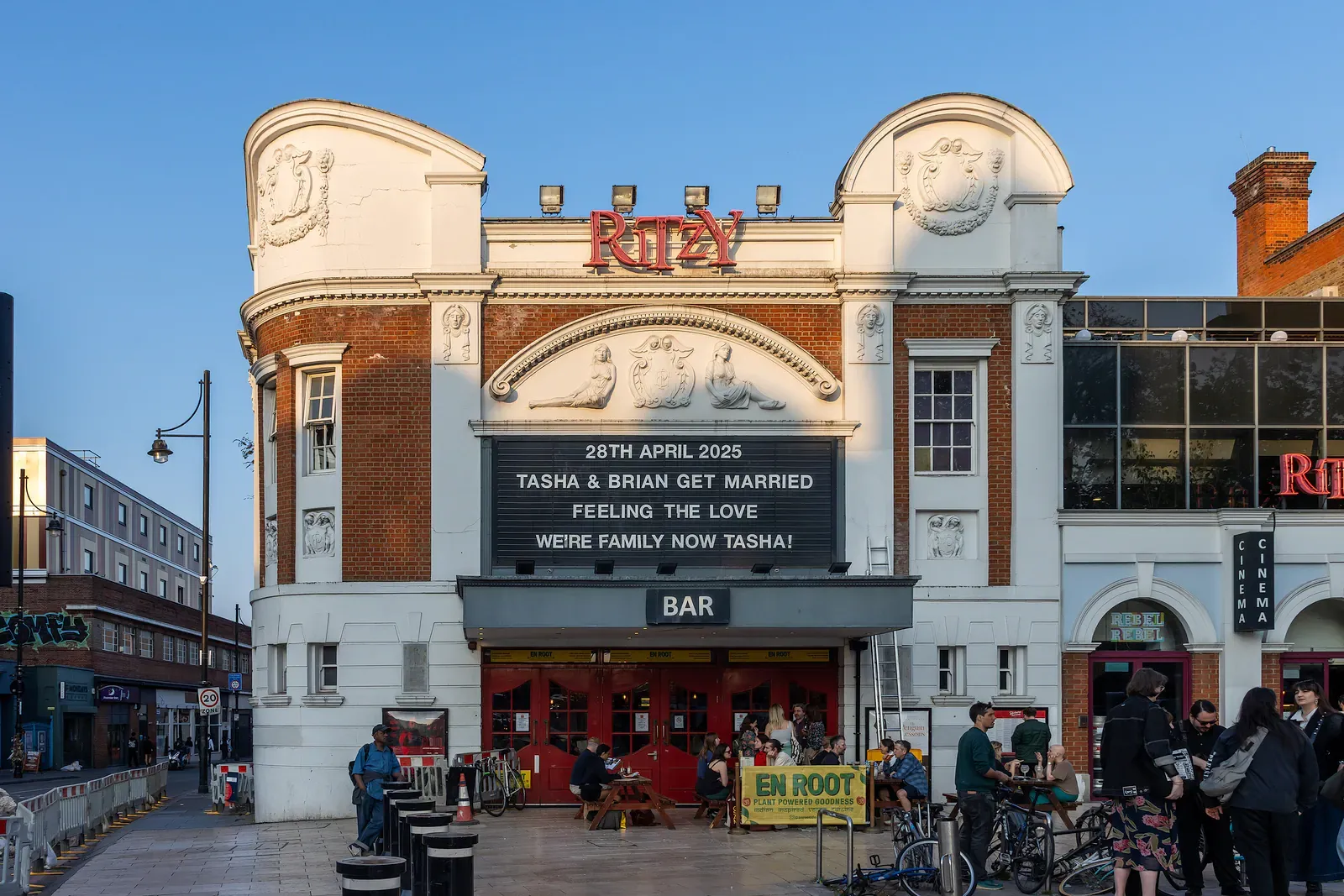
Chart success and a new underground, 2014 onwards
Grime’s revival in 2014 reopened doors for hip hop and afroswing. Dave’s 2015 Blackbox freestyle raised his profile, and in 2018 “Funky Friday”, with Fredo, went to number one. His debut album Psychodrama (2019) opened at number one with 23.6 million first-week streams, the biggest for a British rap album then, and won the Mercury Prize. Little Simz released Grey Area independently in 2019 to wide acclaim and later won the Mercury Prize herself.
In the early 2020s a new UK underground scene grew around Lancey Foux, Fakemink and others, taking cues from American cloud rap and plugg and using Union Jack imagery in a youth-led, multicultural sense.
Characteristics
The genre has no fixed beat; what unites it is delivery and attitude: rapping in London, Birmingham, Scots, Welsh and other accents, slang tied to place, a lineage back to reggae and dub rather than only to the Bronx, and a habit of mixing with whatever Black British dance music sits nearby, from garage and jungle to grime and afrobeats.
Instruments and production
Turntables and samplers built the early records. Where clearance costs were prohibitive, acts such as the Stereo MC’s played their own parts, and the Abstract Orchestra later reworked J Dilla and Madvillain with a jazz orchestra. The sound system supplied the bass weight, and production moved from electro to dub and garage rhythms, then to the slower American-influenced sound of road rap.
Mainstream success
For decades UK rap made up a small share of domestic album sales, with exceptions such as Derek B. Success came in waves rather than through one movement. Pop-leaning acts such as Tinie Tempah, Tinchy Stryder and Plan B reached number one in 2009-2012 but came from grime or pop more than from the underground scene, and drew accusations of selling out. In the 2020s Stormzy, Dave and Little Simz made British rap a chart and awards staple.
Notable recordings
“Money Mad” by London Posse is regarded by many as the finest UK rap single. Its London voice and Jamaican influence answered the question of how a British rapper should sound, and the 1990 album Gangster Chronicle was later crowned the best UK hip hop album in history by a panel of experts at Hip Hop Connection.
“Witness (1 Hope)” has an electronically inspired bass line and a melody that deliberately echoes the Doctor Who theme, tying Roots Manuva’s dancehall and funk influences to British pop culture. It peaked at number 45 in 2001 and became a standard.
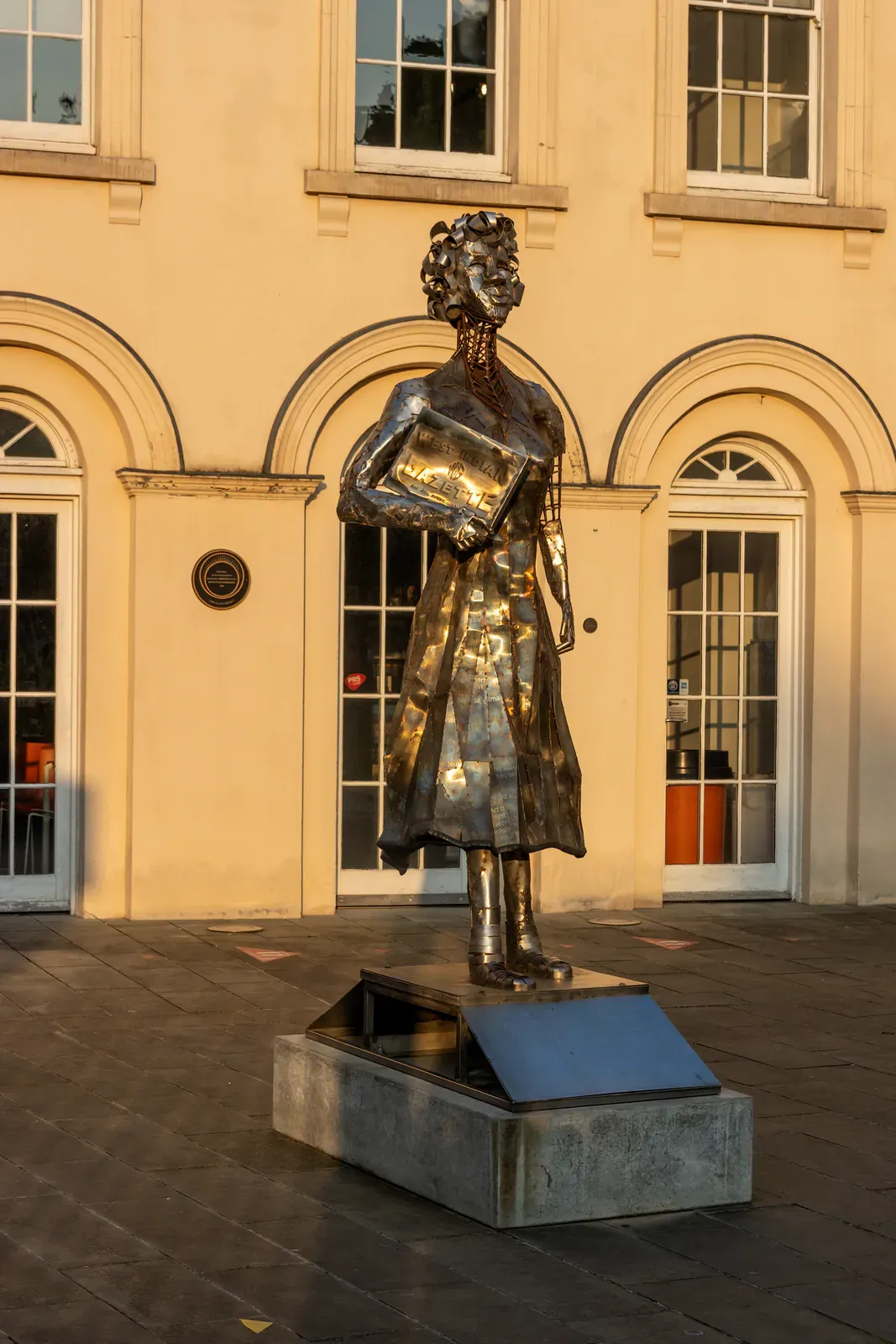
Culture
Hip hop culture reached Britain as a whole: breakdancing, graffiti, DJing and rap together. Pirate radio and Caribbean sound systems carried it when mainstream media would not, and YouTube channels such as SB.TV later did the same. Road rap and drill attracted policing: Giggs said the Metropolitan Police had stopped him touring, and in 2011 a rapper named Stigs received the first gang injunction banning him from rapping about violence.
Legacy
UK hip hop supplied the base for trip hop, Britcore and the grime generation that overtook it, and later afroswing and drill drew from road rap. It also kept a belief that rap should speak in a local voice: the most consistent thread from London Posse to Little Simz.
Misconceptions
One myth is that British rap simply copies the American original. Rodney P chose a London accent in the late 1980s precisely to avoid that, and artists such as Roots Manuva and Blak Twang built identities from British sound-system and South London slang.
Another is that grime and UK hip hop are the same. Grime grew from UK garage and jungle, and the two scenes competed through the 2000s.
A third is that UK hip hop only broke through recently. Derek B reached number 16 in 1988, Stereo MC’s and The Streets charted in the 1990s and 2000s, and what changed in the 2010s was scale, not existence.
Frequently asked questions
What is UK hip hop?
UK hip hop is rap made in Britain, combining American hip hop’s elements with Caribbean sound-system roots, regional accents and slang. It emerged in London in the early 1980s.
What was the first UK hip hop record?
Several records are credited, among them Allen and Blewitt’s “Chip Shop Wrapping” (1980), Dizzy Heights’ “Christmas Rapping” (1982) and Newtrament’s “London Bridge” (1983). Dizzy Heights was the first MC signed to a major label.
Is grime the same as UK hip hop?
No. Grime is generally treated as separate because it grew from UK garage and jungle, though the two share artists and audiences. Road rap and UK drill sit between them.
Who are the key UK hip hop artists?
London Posse, Roots Manuva, The Streets, Dave and Little Simz are among the best known. The scene also includes Hijack, Blak Twang, Akala and Skinnyman.
Where does UK hip hop come from?
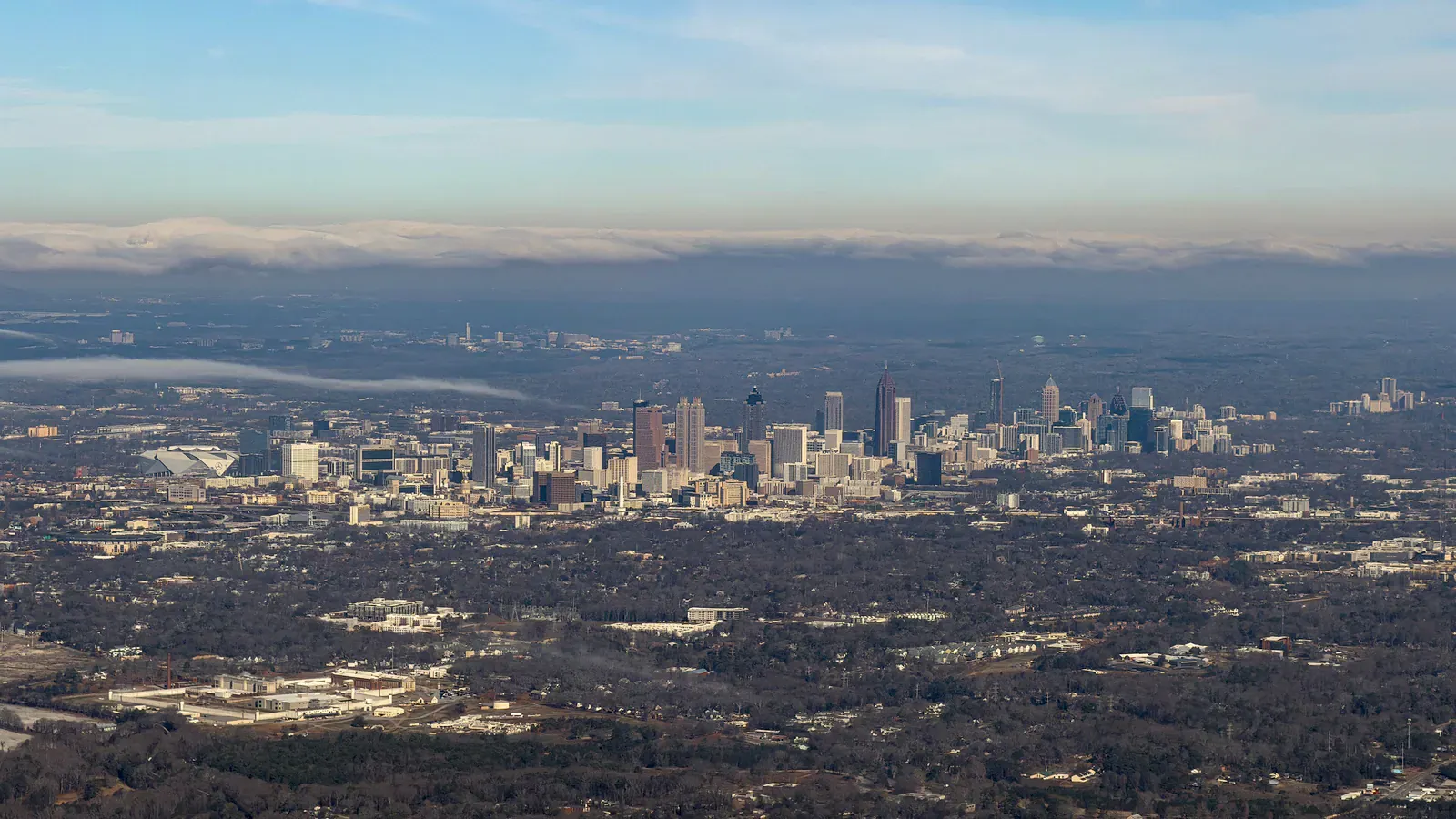
London is its centre, with strong scenes in Bristol, Birmingham and Manchester. See the wider hip hop family for American and international relatives such as European hip hop.
Sound
Sound sheet
Signature sounds
- Reggae and dub bass lines
- Sampled soul, jazz and funk breaks
- Regional British accents and slang
- Garage, grime and trap crossovers
Techniques
- Scratching and cutting
- Sampling
- Toasting-inflected delivery
- Local accent rapping
Tuning
12-TET, A=440
Vocals
Rapped in regional British accents and slang, from London and Birmingham to Glasgow.
Scenes
Where it happened
Where and when the sound lived: one bar per city on a shared timeline.
Europe
Active scenes
Peak 4, 1996-2025
Home of Music of Life, Ladbroke Grove's Positive Beat, London Posse and most of the labels and pirate stations.
Port city whose sound-system culture fed both UK hip hop and its trip hop offshoot.
Midlands city of Juice Aleem, the MSI and Asylum crew and Mike Skinner's early work as The Streets.
Early electro scene around Greg Wilson, whose productions included the Ruthless Rap Assassins.
Venues and places
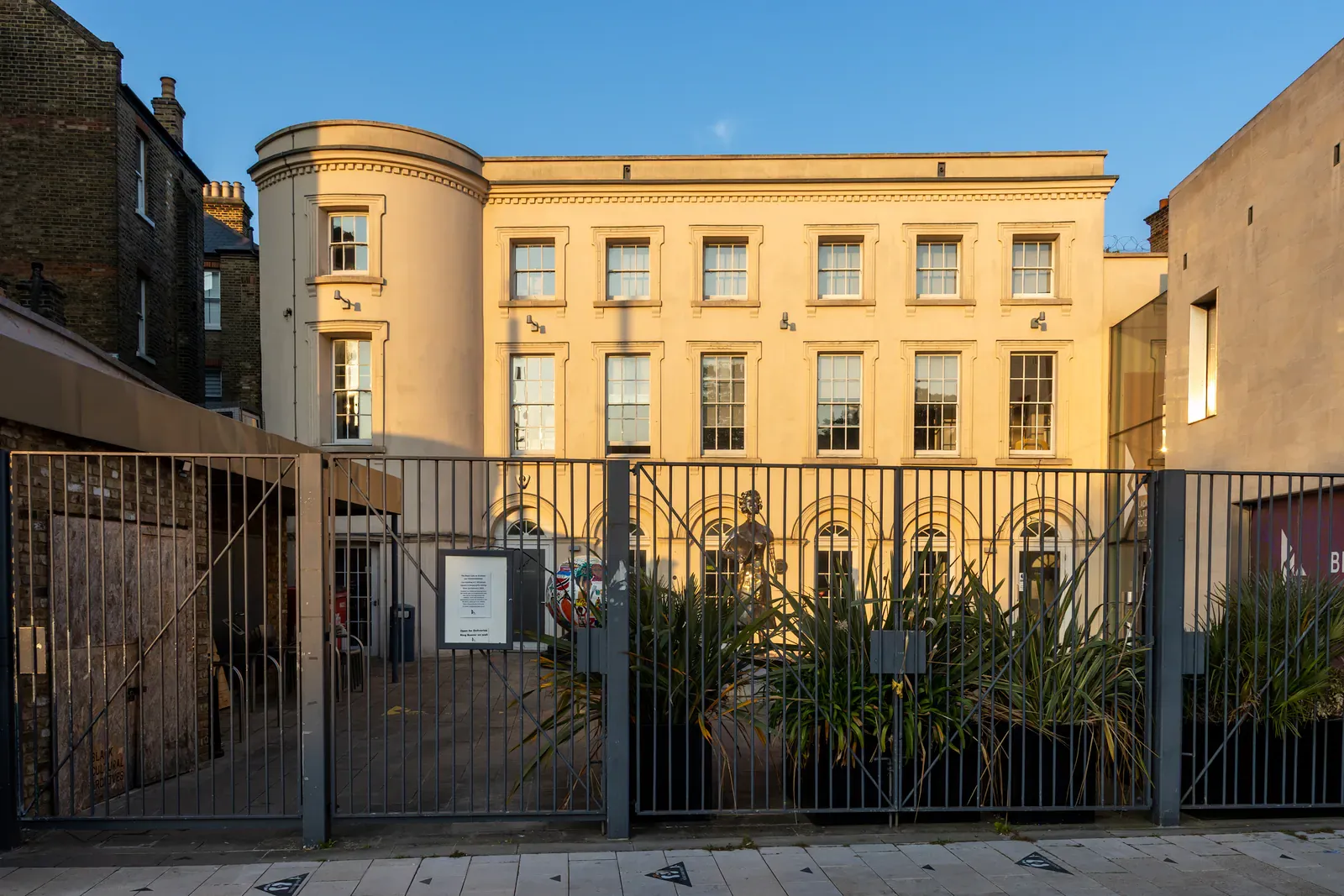
London, 1989 to today. Tooting record shop and label where MC Mell O and Braintax performed.
Culture
Culture markers
- Underground train graffiti
London teenagers with New York family links painted New York style pieces on Tube trains in the 1980s, prompting a police graffiti squad.
Artwork - British accents and slang
Rodney P chose a London accent and Blak Twang filled rhymes with South London places and slang, rejecting American imitation.
Slang - Pirate radio and sound systems
Pirate stations and Caribbean sound-system culture carried the scene when mainstream radio and press largely ignored it.
Ritual - Union Jack imagery
New underground rappers reclaimed the flag for a multicultural, youth-driven idea of Britishness.
Fashion
Media
Key media
- 1984Street Sounds Electro UK
by Various. Greg Wilson-produced compilation with an early appearance by MC Kermit.
Compilation - 1987Known 2 Be Down
by Various. Positive Beat album from Ladbroke Grove showing West London rap talent.
Compilation - 1989Hip Hop Connection
by Hip Hop Connection. The first major British hip hop magazine.
Zine - 2024What Do You Call It? From Grassroots to the Golden Era of UK Rap
by David Kane. Oral history of early British rap with interviews from the scene.
Book
Glossary
Terms on this page
Term coined and popularised mainly by British Vogue and the BBC for British hip hop.
Fast, aggressive hardcore British rap with dense sampling, associated with Hijack.
Unlicensed stations that played British hip hop when mainstream radio would not.
Street rap about gang and crime life, pioneered in the mid-2000s by PDC and SN1.
Mobile Caribbean speaker rig and crew that brought bass-heavy club culture to Britain.
Jamaican style of talking rhythmically over dub, a root of British rapping.
Hip Hop family