UK garage
UK garage is a London dance genre from the mid-1990s that sped up New York garage house and added shuffled drums, chopped R&B vocals, sub-bass and MCs.
London, 1994
Electronic family

Born
1994
London
Subgenres
11
Documented branches
Links
26
Genres it drew on or shaped
Tempo
120-135 BPMLineage
Family tree
Timeline
Era by era
From the first sparks to today. Select a dot to read the story behind it.
- Speed garage and the Sunday scene
1994 to 1998
- 2-step and the charts
1998 to 2001
- Grime, dubstep and decline
2002 to 2008
- Future garage and 2-step returns
2009 to 2018
- New UK garage
2019 to today
Eras
Moments
- 1 Speed garage and the Sunday scene, 1994 to 1998
- 2 2-step and the charts, 1998 to 2001
- 3 Grime, dubstep and decline, 2002 to 2008
- 4 Future garage and 2-step returns, 2009 to 2018
- 5 New UK garage, 2019 to today
around 1994
Speed garage and the Sunday scene
London DJs speed New York garage house up to about 130 BPM, add jungle-style sub-bass and ragga vocals, and build a scene on pirate radio and Sunday-night club slots.
- 1992MC Bushkin founds the Heartless CrewThe crew starts on a mobile sound system playing hip hop, R&B and ragga before turning to garage.
- 1994DJ EZ plays garage house at 130 BPMTodd Edwards records played faster than the usual US tempo suit London's jungle crowd and give speed garage its start.
- 1996Locked On is foundedTarik Nashnush starts the label from the Pure Groove record shop; it later backs Zed Bias and Artful Dodger.
- 1997Double 99 release RipGrooveThe Ice Cream release, with a reissue charting at number 14, becomes a defining speed garage record.
- 1997Armand van Helden remixes Spin Spin SugarThe remix of the Sneaker Pimps track brings speed garage into the mainstream.
- 1997Tina Moore's Never Gonna Let You Go hits number 7The Kelly G remix of the R&B song becomes a garage template and sells platinum.
- 1997Dreem Teem join Kiss 100Spoony, Mikee B and Timmi Magic bring pirate-radio garage to a legal London station in December.
around 1998
2-step and the charts
Producers drop the second and fourth kick, chop R&B vocals and score a run of UK top-10 singles, from Sweet Like Chocolate to 21 Seconds, with Ayia Napa as the summer pilgrimage.
- 1998MJ Cole's Sincere reaches the top 40One of the earliest garage records to chart, it peaks at number 38.
- 1999Sweet Like Chocolate is the first garage number oneShanks & Bigfoot's single becomes the first UK garage number one.
- 1999Re-Rewind introduces Craig DavidArtful Dodger's single with the Southampton singer peaks at number 2.
- 1999Ayia Napa becomes the garage resortFrom 1999 the Cypriot resort becomes the summer destination of the UK garage scene.
- 2000Bound 4 da Reload goes to number oneOxide & Neutrino sample the Casualty theme for an April chart topper.
- 2000Craig David's Fill Me In tops the chartThe Wildstar debut single heads the UK chart in April and starts the Born to Do It run.
- 2000Flowers peaks at number 2Sweet Female Attitude's Sunship-remixed single goes double platinum.
- 2000The first Pure Garage compilationDJ EZ mixes the Warner compilation series, launched in 2000.
- 2000Wookie's Battle reaches the top 10Wookie scores a UK top 10 hit on his own garage production.
- 200121 Seconds goes to number oneSo Solid Crew's August chart topper sells about 118,000 copies in its first week, and its video wins a Brit Award.
- 2001FWD>> night opensSarah Lockhart's night is tied to early dubstep.
around 2002
Grime, dubstep and decline
MC-led crews turn toward grime and producers around FWD>> push darker 2-step into dubstep.
- 2002Garage splits into grime and dubstepYoungstar's Pulse X and darker 2-step records mark a shift from the polished chart sound.
around 2009
Future garage and 2-step returns
Pitched vocal chops and dark atmospheres appear as future garage, 2-step begins to return in 2011, and Disclosure and AlunaGeorge fold garage rhythms into pop and house.
- 2009Future garage appearsPitched vocal chops, warm sub-bass and dark atmospheres.
- 20112-step returns2-step garage begins a gradual resurgence.
2019
New UK garage
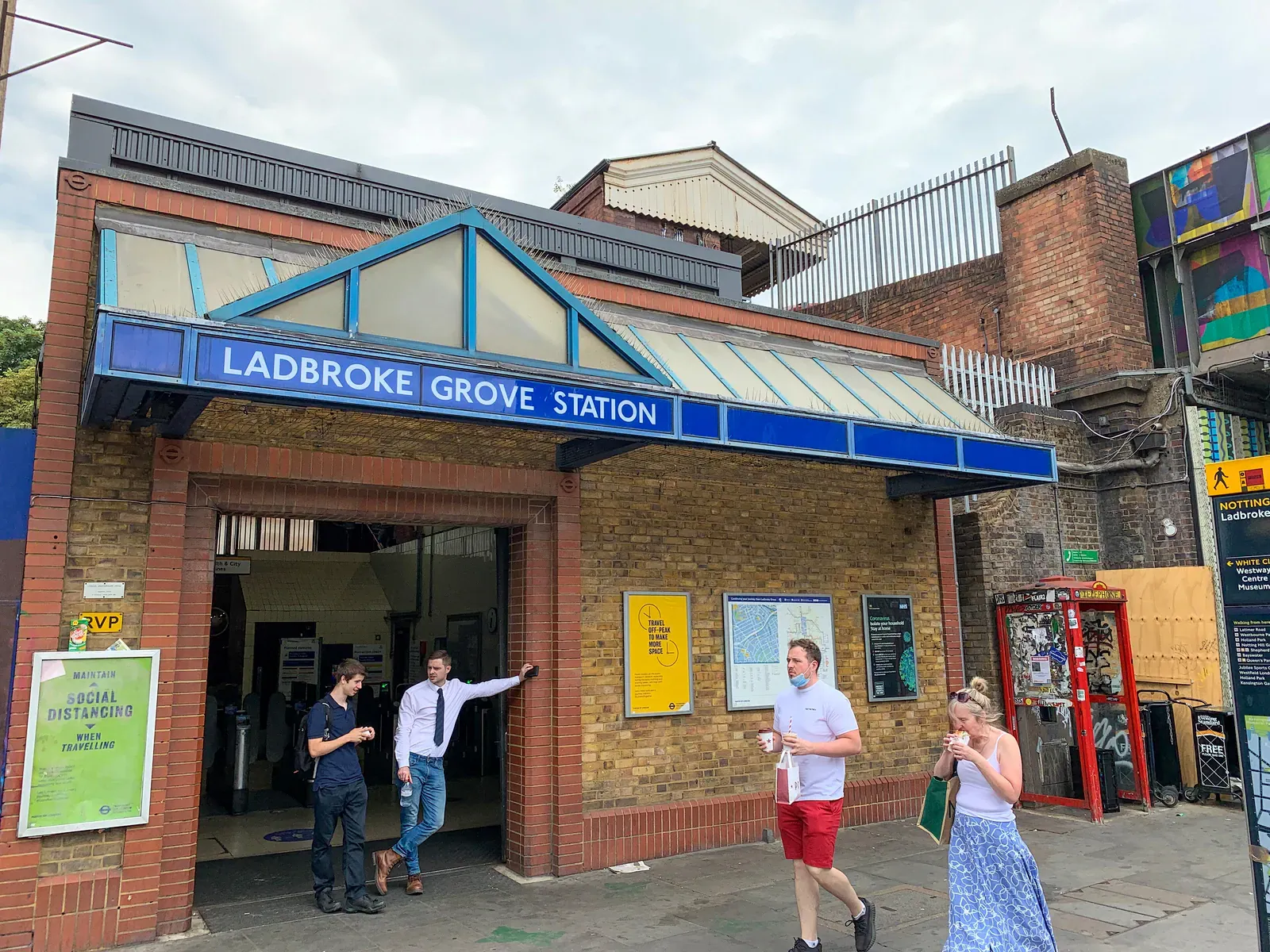
AJ Tracey's Ladbroke Grove reaches number 3 in 2019, and by 2021 a new generation of garage producers and singers dominates dance charts and clubs.
- 2019Ladbroke Grove reaches number 3AJ Tracey's Conducta-produced single, released in February, goes platinum by September.
Listening path
Anthems
The records that built the sound, grouped by the part they played. Thumbnails come from YouTube; the player loads only when you press play.
- 01
Tina Moore, 1997
The 1997 Kelly G remix of this R&B song became the shuffled template DJs built early garage on.
Origin - 02
Shanks & Bigfoot, 1999 · Jive Records
The first UK garage number one.
Start hereBreakthrough - 03
Artful Dodger, 1999 · Relentless Records
Platinum number 2 that launched Craig David.
Start hereBreakthrough - 04
Oxide & Neutrino, 2000
April 2000 number one built on a Casualty theme sample.
Breakthrough - 05
Sweet Female Attitude, 2000
Sunship-remixed number 2 that stayed in circulation and was later interpolated by PinkPantheress.
Breakthrough - 06
MJ Cole, 1998
One of the first garage records to chart, a 2-step record by a classically trained producer that set the polished sound.
Anthem - 07
Wookie, 2000
Wookie's top 10 hit.
Anthem - 08
So Solid Crew, 2001 · #1 UK Singles, 2001
Number one that turned garage darker and MC-led, pointing toward grime.
Anthem - 09
Craig David, 2000
The 2-step R&B debut single that went to number one and carried garage rhythms into pop.
Start hereCrossover - 10
AJ Tracey, 2019
The Conducta-produced single that brought garage back to the charts in 2019.
Revival
Facts
| Family | Electronic |
| Origin | London, United Kingdom |
| Emerged | Early-to-mid 1990s |
| Status | Revival |
| Tempo | 120 to 135 BPM |
| Meter | 4/4 |
| Grew out of | Garage house, Jungle |
| Subgenres | 10 |
UK garage (UKG) is a dance music genre that formed in London in the mid-1990s, when DJs sped up New York garage house and re-swung its drums. Its defining traits are a shuffled, skipping beat, chopped R&B vocals, bass lines borrowed from jungle and an MC talking over the mix.
It moved from pirate radio and Sunday-night clubs to the top of the UK charts around 1999, fragmented into grime and dubstep in the early 2000s, and returned in the 2010s and 2020s.
Origins
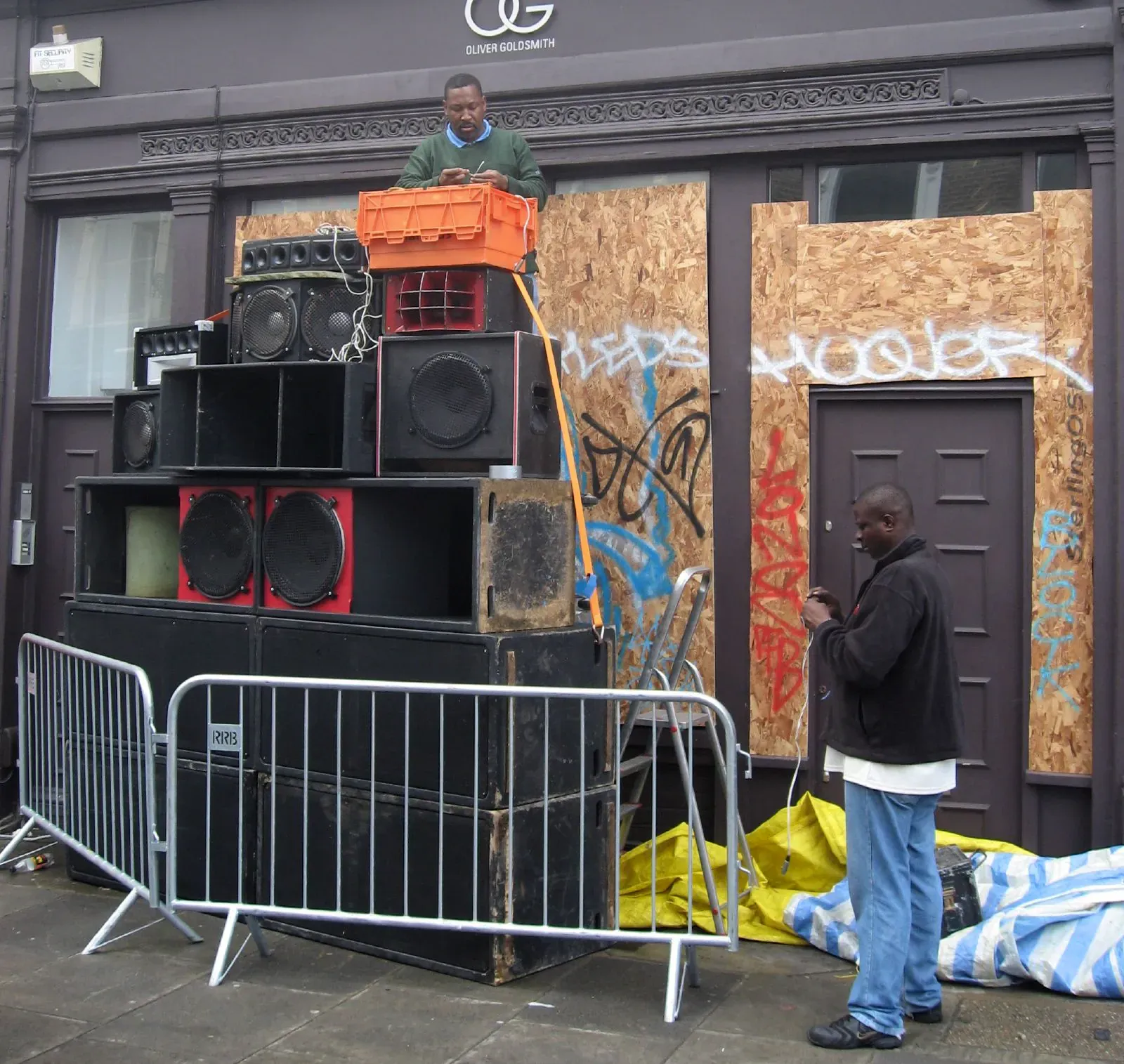
The genre grew out of a London crowd that already knew jungle and hip hop. MC Bushkin founded the Heartless Crew in 1992 on a mobile sound system playing hip hop, R&B and ragga, and the crew later turned to garage. In 1994 DJ EZ began playing records by the New Jersey producer Todd Edwards at about 130 BPM, faster than the usual American tempo, and the pace suited dancers raised on jungle. That faster, jungle-influenced version of house is usually called speed garage.
Early nights were held on Sundays because promoters could only hire venues on Sunday evenings. The music spread through pirate stations, and record shops fed it: Locked On was founded in 1996 by Tarik Nashnush out of the Pure Groove shop in London, and later backed Zed Bias and Artful Dodger.
Tina Moore’s “Never Gonna Let You Go” is the usual origin record. The Kelly G remix of the R&B song, released in 1997, reached number 7 and went platinum, and DJs treated its shuffled drums as a template for what followed.
Speed garage and the Sunday scene, 1994-1998
Between 1994 and 1998 the scene was built on bass and breaks. Double 99’s “RipGroove”, released on Ice Cream Records in 1997, joined sub-bass and ragga vocals and brought jungle and garage crowds onto the same floor; a reissue reached number 14. Armand van Helden’s remix of the Sneaker Pimps song “Spin Spin Sugar” the same year pushed the sound toward the mainstream.
In December 1997 the Dreem Teem (Spoony, Mikee B and Timmi Magic) took pirate-radio garage to the legal station Kiss 100. Heaven, the Charing Cross club, hosted speed garage nights, and Southampton and Manchester produced their own acts.
2-step and the charts, 1998-2001
From about 1998 producers dropped the second and fourth kick of the bar, creating the skipping 2-step pulse, and replaced ragga with smooth R&B vocals cut into short phrases. MJ Cole’s “Sincere”, a 2-step record from a classically trained producer, reached number 38 in 1998 and set the polished style.
Pirate and legal radio carried the sound nationwide. The Dreem Teem moved to BBC Radio 1 in January 2000 and held a Sunday show until November 2003, and DJ EZ’s Pure Garage compilation series for Warner began in 2000. From 1999 the summer scene relocated to the Cypriot resort of Ayia Napa.

Mainstream success
The first garage number one came in 1999: Shanks & Bigfoot’s “Sweet Like Chocolate” topped the UK chart. Later that year Artful Dodger’s “Re-Rewind (The Crowd Say Bo Selecta)” peaked at number 2 and introduced the Southampton singer Craig David, whose “Fill Me In” went to number one in April 2000 and carried 2-step rhythms into pop and contemporary R&B.
April 2000 also saw Oxide & Neutrino’s “Bound 4 da Reload (Casualty)”, built on a sample of the Casualty television theme, reach number one. Sweet Female Attitude’s “Flowers”, in a Sunship remix, peaked at number 2 and went double platinum, and Wookie’s “Battle” reached the top 10. In August 2001 So Solid Crew’s “21 Seconds” went to number one with about 118,000 first-week sales, and its video won a Brit Award, its crowded MC verses pointing away from the glossy vocal sound.
Grime, dubstep and decline, 2002-2008
After 2001 the polished chart style lost ground. MC-led crews moved toward grime, and darker, bass-heavy 2-step records such as Youngstar’s “Pulse X” signalled a break from the vocal sound. In 2001 Sarah Lockhart founded the FWD>> night, which was tied to early dubstep; the related label Tempa, founded in 2000 by Neil Jolliffe and Lockhart, issued early dubstep records. By the mid-2000s garage as a club genre had largely given way to its offshoots.
Future garage and 2-step returns, 2009-2018
Around 2009 a new strand called future garage appeared, with pitched vocal chops, warm sub-bass and dark atmospheres. Around 2011 2-step began a gradual return, and Disclosure and AlunaGeorge folded garage rhythms into pop and house.

New UK garage, 2019 onward
AJ Tracey’s “Ladbroke Grove”, produced by Conducta and released in February 2019, reached number 3 and went platinum by September. By 2021 a new generation of garage producers and singers, grouped under the name NUKG, was dominating dance charts and clubs. The older records returned too: “Flowers” was later interpolated by PinkPantheress.
Characteristics
UK garage keeps the four-beat pulse of house but breaks its rigidity. The kick skips, hi-hats arrive slightly late, and vocals sit on top as a hook rather than a verse. The sub-bass comes from jungle and ragga, and the MC is part of the performance, with crowd calls such as the rewind, a request for the DJ to pull a record back and play it again, which gave the 1999 hit its title.
Instruments and production
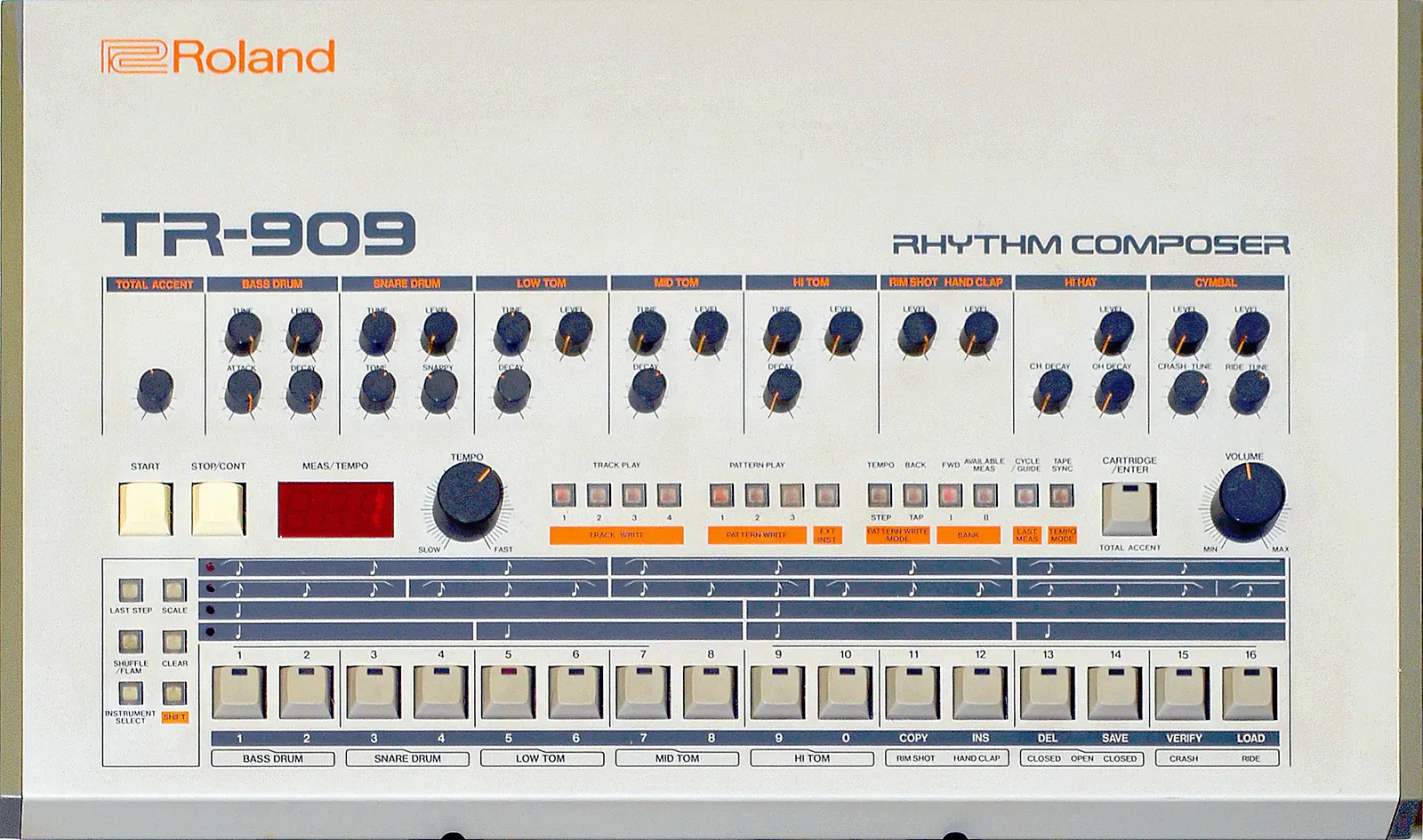
Producers worked with samplers and sequencers, programming swung drums and cutting vocals from R&B records into short phrases. The sound sheet on this page lists the techniques.
Notable recordings
“Never Gonna Let You Go” shows the genre’s method: an American R&B song, remixed in London until the groove, not the verse, became the point. “Re-Rewind” pushed this into pop, with its title taken from the crowd call that audiences shouted at the DJ. “21 Seconds” showed the reverse, trading sung hooks for a relay of MCs and marking the move toward grime. “Flowers” stayed in circulation long after 2000 and was reused in the 2020s.
Culture
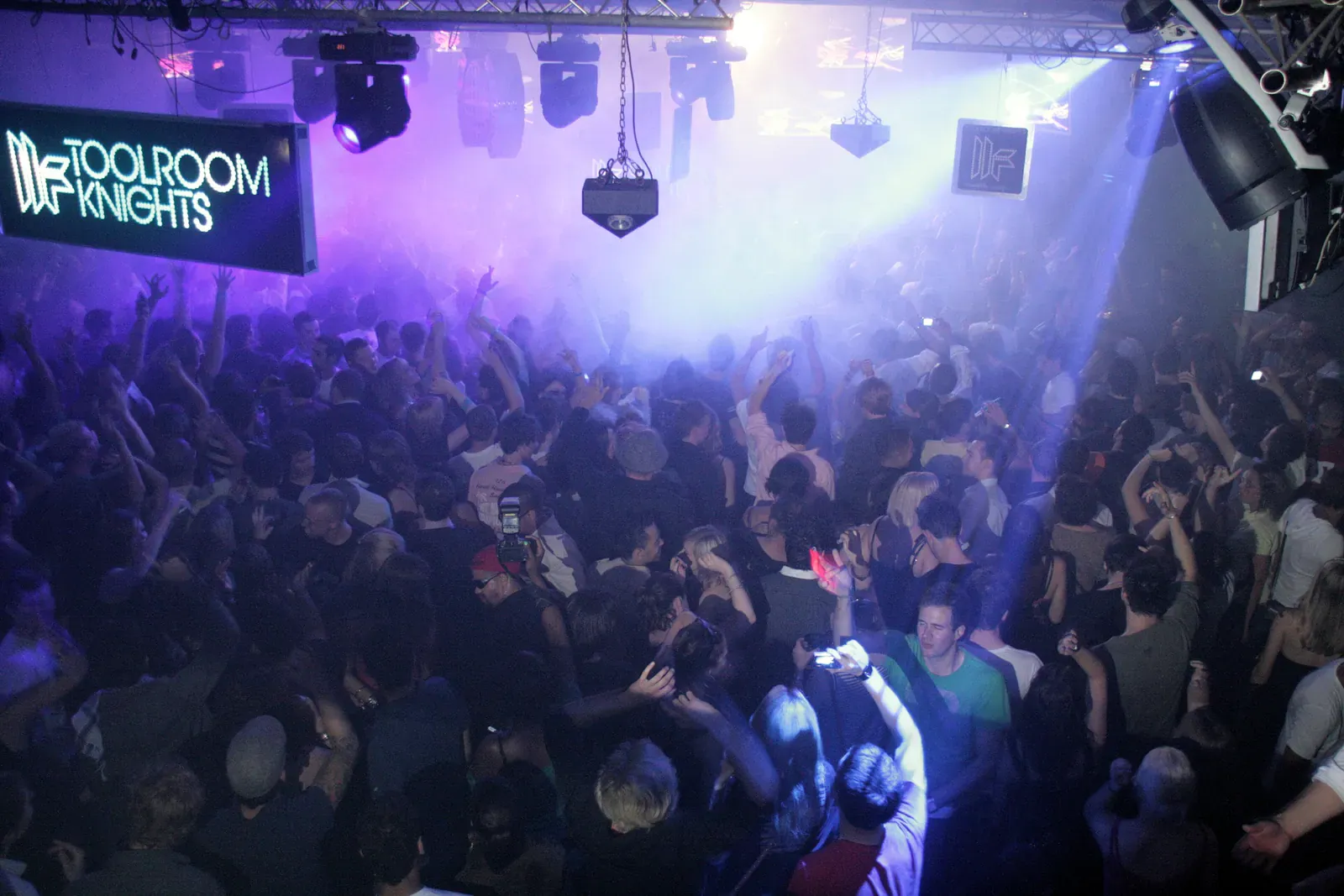
The Sunday slot gave early garage nights their name, and pirate radio and Ayia Napa summers formed the rest of the calendar. The 2013 documentary “Rewind 4Ever: The History of UK Garage” and the Dreem Teem’s Radio 1 show, which won a Sony Radio Award in 2001, are the best-known records of the scene.

Legacy
UK garage supplied the rhythm that ran through British dance and pop. Its MC culture fed grime, its darker 2-step records fed dubstep, and its swung drums reached pop through Craig David and Disclosure. Its sound returned twice, once as future garage and again in the 2019 revival.
Misconceptions
UK garage is not simply American garage house. It began as a London reworking of New York records and became something different: faster, with jungle sub-bass, a skipping 2-step beat and an MC. The name “2-step” does not mean a dance of two steps; it describes a drum pattern that removes the second and fourth kick of each bar. Nor did the genre disappear after 2002: it split into grime, dubstep and future garage, 2-step records came back around 2011, and a new wave charted in 2019 and 2021.
Frequently asked questions
What is UK garage?
UK garage is a London dance genre that developed in the mid-1990s from New York garage house. It uses shuffled drums, chopped R&B vocals, sub-bass from jungle and MCs, and belongs to the electronic family.
What is 2-step garage?
2-step is the drum pattern most associated with UK garage. It removes the second and fourth kick from each bar, so the beat skips instead of pounding, and it led to the polished vocal records of 1998 to 2001.
What was the first UK garage number one?
Shanks & Bigfoot’s “Sweet Like Chocolate” was the first UK garage number one, in 1999.
What is the difference between speed garage and UK garage?
Speed garage was the first named style within UK garage, from about 1994 to 1998: sped-up house beats with ragga vocals and jungle-derived bass. The 2-step style that followed was smoother and more vocal, while UK garage is the umbrella term for both.
Sound
Sound sheet
Anatomy of a track
| # | Part |
|---|---|
| 1 | Intro build |
| 2 | Vocal and bass drop |
| 3 | Breakdown (beats drop out) |
| 4 | Second drop |
| 5 | Bassless outro |
Signature sounds
- 2-step kick pattern with shuffled hi-hats
- Chopped, pitched-up R&B vocals
- Jungle-derived sub-bass
- MC chatter and rewinds
Techniques
- 2-step kick pattern
- Swung hi-hats
- Pitched vocal chops
- Sub-bass
- MC toasting
Vocals
Smooth R&B-style vocals, at first mostly female, chopped over the beat, plus MC chatter.
Scenes
Where it happened
Where and when the sound lived: one bar per city on a shared timeline.
Europe
Active scenes
Peak 4, 1999-2025
Birthplace: pirate stations, Sunday clubs and the Kiss 100 and Radio 1 shows.
Home of Artful Dodger and Craig David.
Zed Bias works from the city.
Summer resort of the UK garage scene.
Venues and places
London, 1991 to today. London club that opened in 1991.
London, 1979 to today. Charing Cross club that hosted speed garage nights in the 1990s.
Ayia Napa, 1999 to today. Resort that hosted garage club nights each summer from 1999.
London, 1997 to today. Dreem Teem joined in December 1997.
London, 2000 to today. Dreem Teem's Sunday show ran from January 2000 until November 2003.
Culture
Culture markers
- Ayia Napa summer
Garage fans followed the scene to Cyprus from 1999.
Ritual - Sunday scene
Garage first found a home on Sunday evenings, when promoters could only hire venues then.
Ritual - Rewind
The crowd's call to replay a track, echoed in the title Re-Rewind.
Slang
Media
Key media
- 2000Pure Garage
by DJ EZ. Compilation series mixed by DJ EZ for Warner.
Compilation - 2000Dreem Teem on BBC Radio 1
by Dreem Teem. Sunday show that won a Sony Radio Award in 2001.
Radio - 2013Rewind 4Ever: The History of UK Garage
by Various. Documentary that features the Dreem Teem.
Film
Glossary
Terms on this page
Drum pattern that removes the second and fourth kick of each bar so the beat skips and shuffles.
Post-2009 style with pitched vocal chops, bass and dark atmospheres.
Crowd call for the DJ to pull a record back and play it again.
Mid-1990s style of sped-up garage house with jungle-derived sub-bass, ragga vocals and breakbeats.
Early garage nights, held on Sundays because promoters could only hire venues on Sunday evenings.
Short sampled vocal phrase, retriggered rhythmically.
Electronic family