Dubstep
Dubstep is bass-led electronic dance music at about 140 BPM with half-time drums, born in South London around 2000 from dark 2-step garage and dub.
South London, 2001
Electronic family
Born
2001
South London
Subgenres
11
Documented branches
Links
39
Genres it drew on or shaped
Tempo
135-145 BPMLineage
Family tree
Grew out of
- 2-step garage
Derived from
Derived from
Influenced by
South London, 2001
Dubstep
Led to (15)
Timeline
Era by era
From the first sparks to today. Select a dot to read the story behind it.
- Croydon and dark garage
2000 to 2004
- DMZ and the underground
2005 to 2008
- Pop crossover and brostep
2009 to 2013
- Fragmentation and revivals
2014 to today
Eras
Moments
- 1 Croydon and dark garage, 2000 to 2004
- 2 DMZ and the underground, 2005 to 2008
- 3 Pop crossover and brostep, 2009 to 2013
- 4 Fragmentation and revivals, 2014 to today
2000
Croydon and dark garage
Tempa, Big Apple and the first FWD>> nights turn the dark side of UK garage into dub-heavy 12-inches by Horsepower Productions, El-B and young Croydon producers.
- 2000Tempa starts in LondonNeil Jolliffe and Sarah Lockhart launch the label that puts out much of early dubstep.
- 2000Horsepower Productions' Gorgon SoundA shuffling, sub-heavy dark garage 12-inch on Tempa, often named among dubstep's forerunners.
- 2001FWD>> club night beginsStarts at the Velvet Rooms in Soho and later moves to Plastic People in Shoreditch, with Kode9 as a resident and on Rinse FM.
- 2002The name dubstep sticksTempa's Neil Jolliffe is credited with the word, used by Tempa and Big Apple for the dub-leaning side of 2-step.
- 2002Horsepower Productions' In Fine StyleA November album gathering early 12-inches with new tracks, later called a birthplace of the sound.
- 2004Hyperdub is foundedSteve Goodman (Kode9) turns his 1999 webzine into a label that later releases Burial.
- 2004DMZ label is set upMala, Coki and Loefah start DMZ to release their own music under a clear name.
2005
DMZ and the underground
DMZ in Brixton, Hyperdub and BBC Radio 1's Dubstep Warz build an audience around Skream, Digital Mystikz, Loefah, Benga and Burial, and the sound spreads to North America.
- 2005DMZ night opens in BrixtonThe bimonthly night starts in March at 3rd Base, under Mass, and moves into Mass by its first anniversary.
- 2005Skream's Midnight Request LineTempa's biggest release becomes a standard in the dubstep canon.
- 2006Dubstep Warz on BBC Radio 1Mary Anne Hobbs devotes a January show to the sound and gives it a national and global audience.
- 2006Burial's debut albumReleased on Hyperdub; The Wire names it album of the year.
- 2006Digital Mystikz's Anti War DubDMZ release heard in the film Children of Men, though not on its soundtrack.
- 2007Burial's UntrueA November Hyperdub album, later a Mercury Prize nominee, that makes dubstep an album form.
- 2007Benga and Coki's NightA Tempa single with crossover appeal beyond the club scene.
2009
Pop crossover and brostep
Magnetic Man, Nero and Flux Pavilion reach the UK charts while Rusko and Skrillex build a harsher mid-range style that wins Grammys and fills American festivals.
- 2009UKF Dubstep channel starts on YouTubeFounded in 2009, it spreads the sound online.
- 2010Skrillex's Scary Monsters and Nice SpritesOut on Beatport on 22 October; its title track later wins a Grammy.
- 2010Magnetic Man's debut album reaches UK number 5Benga, Skream and Artwork release their self-titled album on Columbia in October.
- 2010Brostep backlashRusko says the harsh American style is partly his fault and that he has come to dislike it.
- 2011Pop and dubstep meet in the chartsBritney Spears's Hold It Against Me tops the US Hot 100, and DJ Fresh's Louder and Nero's Promises reach UK number one.
- 2012Skrillex wins three GrammysBest Dance Recording, Best Dance/Electronica Album and Best Remixed Recording at the 54th ceremony.
- 2012Riddim gets its nameBritish producer Jakes coins the term for minimal, triplet-driven sub-bass dubstep, which spreads from about 2015.
2014
Fragmentation and revivals
Mainstream interest falls, original producers move to house and techno, and riddim, colour bass and a revived 140 scene keep the tempo and the bass alive.
- 2014Mainstream dubstep fadesSkream and Loefah move to house and techno, and Skrillex towards trap and pop.
- 2016Excision's VirusA festival-scale album that keeps heavy dubstep in arenas.
- 2025Tempa returns after nine yearsSlikback's Data EP is the label's first release since Horsepower Productions' 2016 album.
Listening path
Anthems
The records that built the sound, grouped by the part they played. Thumbnails come from YouTube; the player loads only when you press play.
- 01
Horsepower Productions, 2000 · Tempa
Dark, dub-heavy garage 12-inch from Tempa, often named among the records that preceded dubstep.
Origin - 02
Flux Pavilion, 2010
Flux Pavilion's bass-riff single made dubstep a festival singalong and Flux a leading name of the 2010s.
Breakthrough - 03
Skrillex, 2010
The title track of the EP that defined brostep and later won a Grammy for Best Dance Recording.
Start hereBreakthrough - 04
Nero, 2011
Nero's vocal-and-bass single reached UK number one in 2011, ahead of Welcome Reality, which also topped the albums chart.
Breakthrough - 05
Skrillex, 2011
The title track of Skrillex's December 2011 EP, a mid-range showcase that sealed the American dubstep boom.
Breakthrough - 06
Skream, 2005 · Tempa
Tempa's biggest release and a scene standard that showed the sound could carry a melody over sparse drums.
Start hereAnthem - 07
Benga, 2007 · Tempa
Benga and Coki's bright, wobbling Tempa single, one of the first dubstep tracks to cross out of the club scene.
Anthem - 08
Rusko, 2007
Rusko's loud, comic wobbler from Babylon Vol. 1 became an underground hit and a template for the harsher style.
Anthem - 09
Burial, 2007 · Hyperdub
Burial's pitch-bent vocal loops and rain-soaked beat brought dubstep's mood to critics and a wider listening audience.
Start hereCrossover - 10
Magnetic Man, 2010 · Columbia Records
Magnetic Man with Katy B turned dubstep's bass weight into a pop single that reached the UK top 20.
Crossover - 11
Excision, 2016
A heavy 150 BPM collaboration with Space Laces from the album Virus, a festival staple for the harder, later wave.
Revival
Facts
| Family | Electronic |
| Origin | South London, United Kingdom |
| Emerged | Early 2000s |
| Status | Active |
| Tempo | 135 to 145 BPM |
| Meter | 4/4 |
| Grew out of | 2-step garage, Dub |
| Subgenres | 10 |
Dubstep is a bass-driven electronic dance genre built on a half-time drum pattern at about 140 BPM, deep sub-bass and sparse, dub-influenced space.
It emerged in South London around 2000 as the darker, slower side of 2-step garage, and later split into a moody UK underground style and a harsher, mid-range-heavy American one.
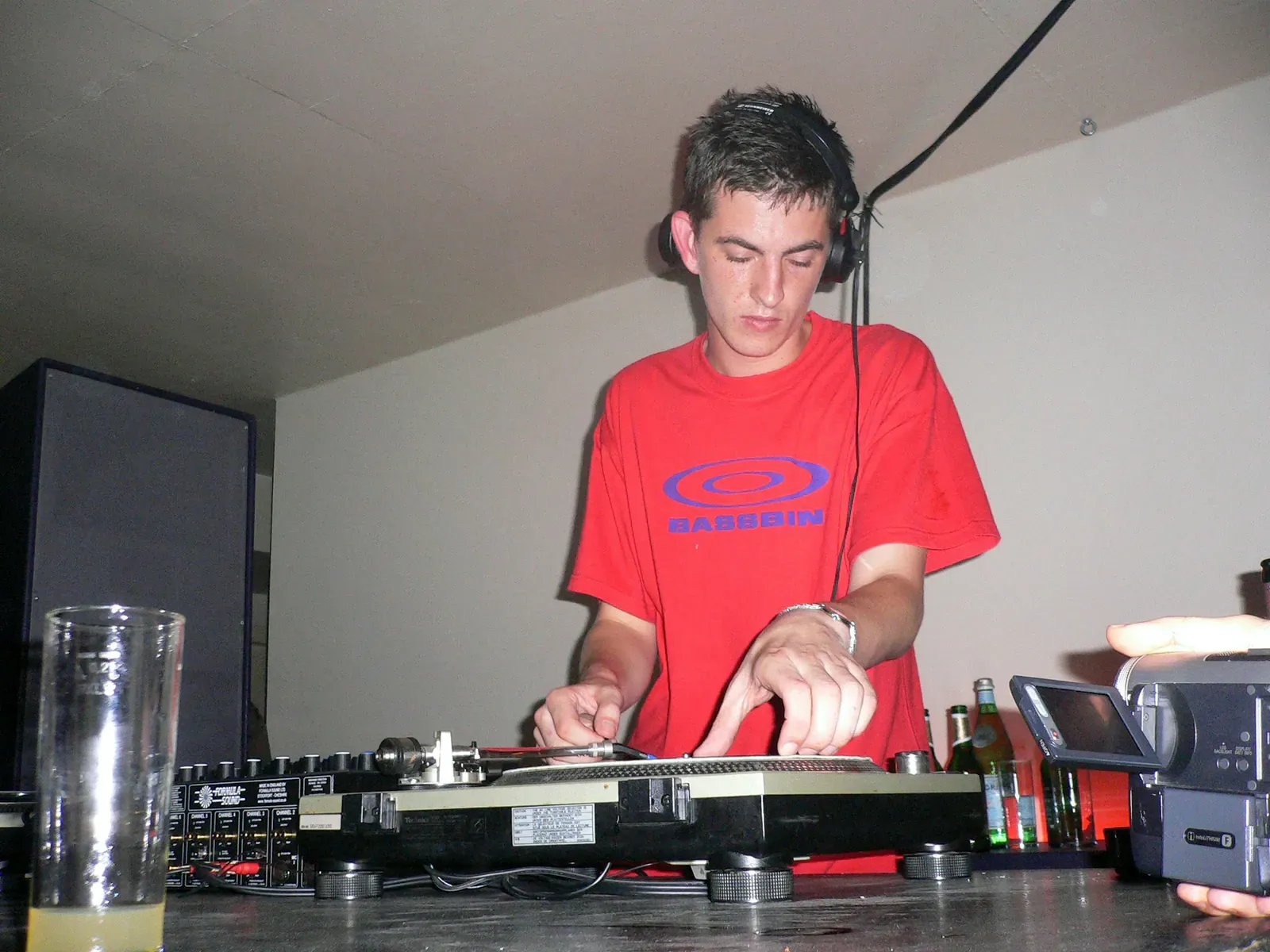
Origins
Dubstep grew out of UK garage. By 2000 a darker strand of 2-step garage, stripped of vocals and slowed into a heavy, shuffling groove, was being pressed on small London labels. Reggae and dub supplied the other half: echo, reverb, silence and a bass line that is felt as much as heard. The result kept the skipping rhythm of garage but left most of the bar empty.

Croydon was the first centre. Big Apple Records, a shop where Hatcha, Skream and Benga worked, was where early producers met and traded white labels. Tempa, founded in London in 2000 by Neil Jolliffe and Sarah Lockhart, issued much of the early music, starting with Horsepower Productions’ “Gorgon Sound”, a sub-heavy dark garage record often named among the forerunners. Horsepower Productions’ album In Fine Style (2002) gathered those 12-inches with new tracks. The name “dubstep” stuck in 2002, used by Tempa and Big Apple for the dub-leaning end of 2-step.
Croydon and dark garage, 2000-2004
The first scene was small and local. FWD>> began in 2001 at the Velvet Rooms in Soho and later moved to Plastic People in Shoreditch, with Kode9 as a resident, and its sets were broadcast on the pirate station Rinse FM. Kode9, the academic Steve Goodman, turned his 1999 webzine into Hyperdub in 2004. In the same year Mala, Coki and Loefah set up DMZ so that their own releases had a clear name.
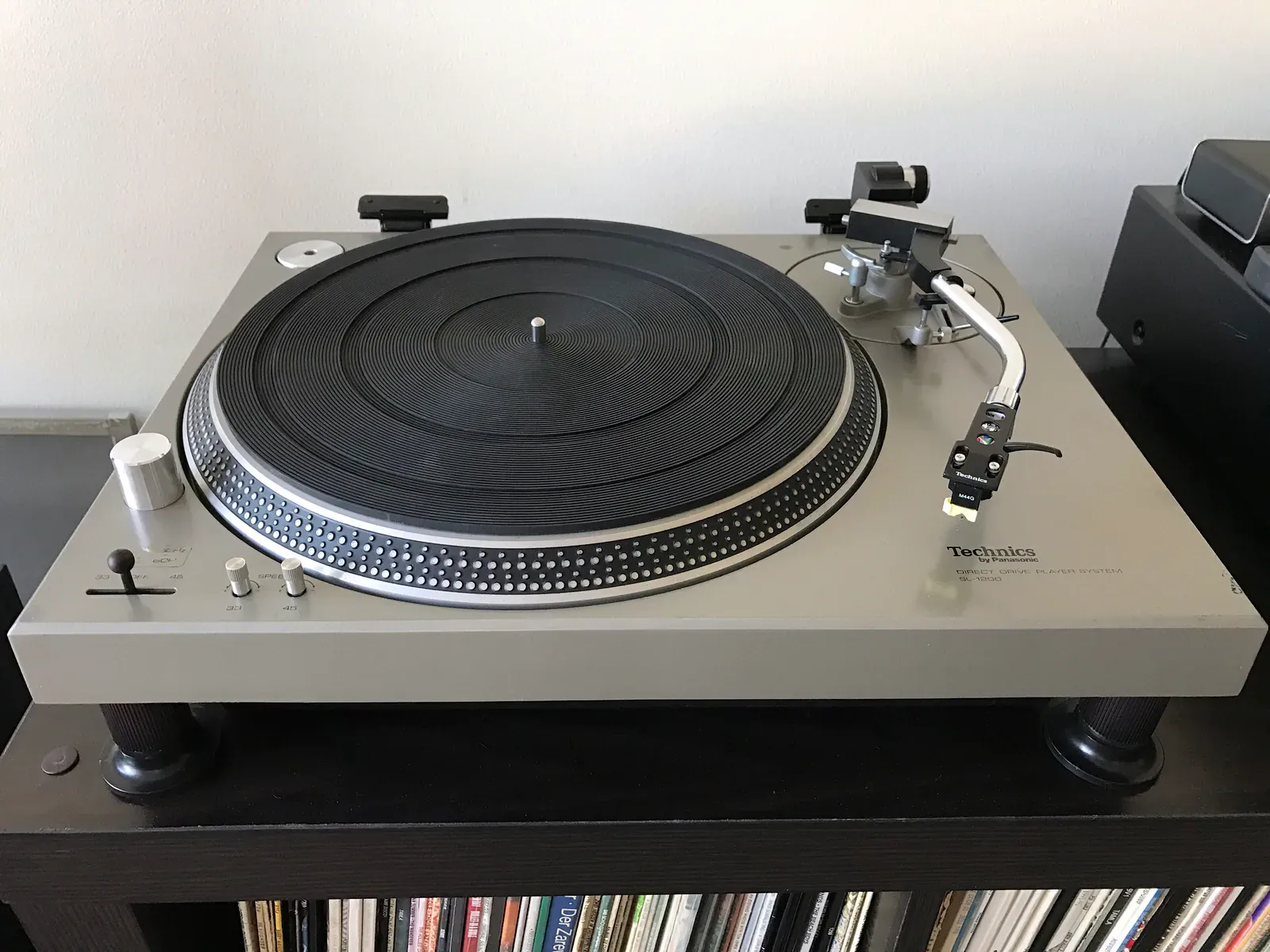
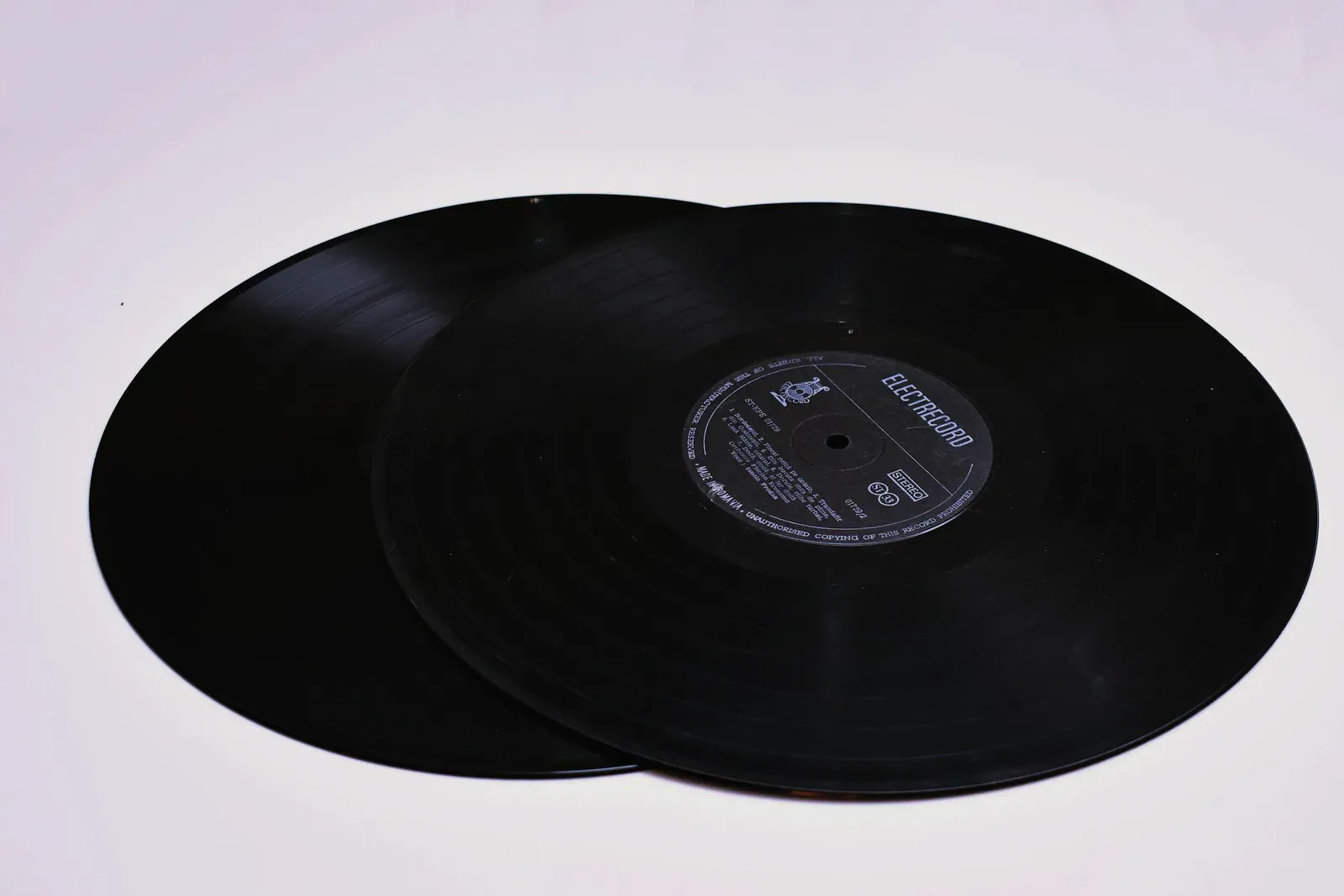
Music circulated on dubplates, one-off acetate discs cut for a single DJ, which gave the scene its currency of exclusives. A track earned its reputation in the room: when a crowd shouted for a drop, the DJ pulled the record back and played it again, the habit known as the rewind.
DMZ and the underground, 2005-2008
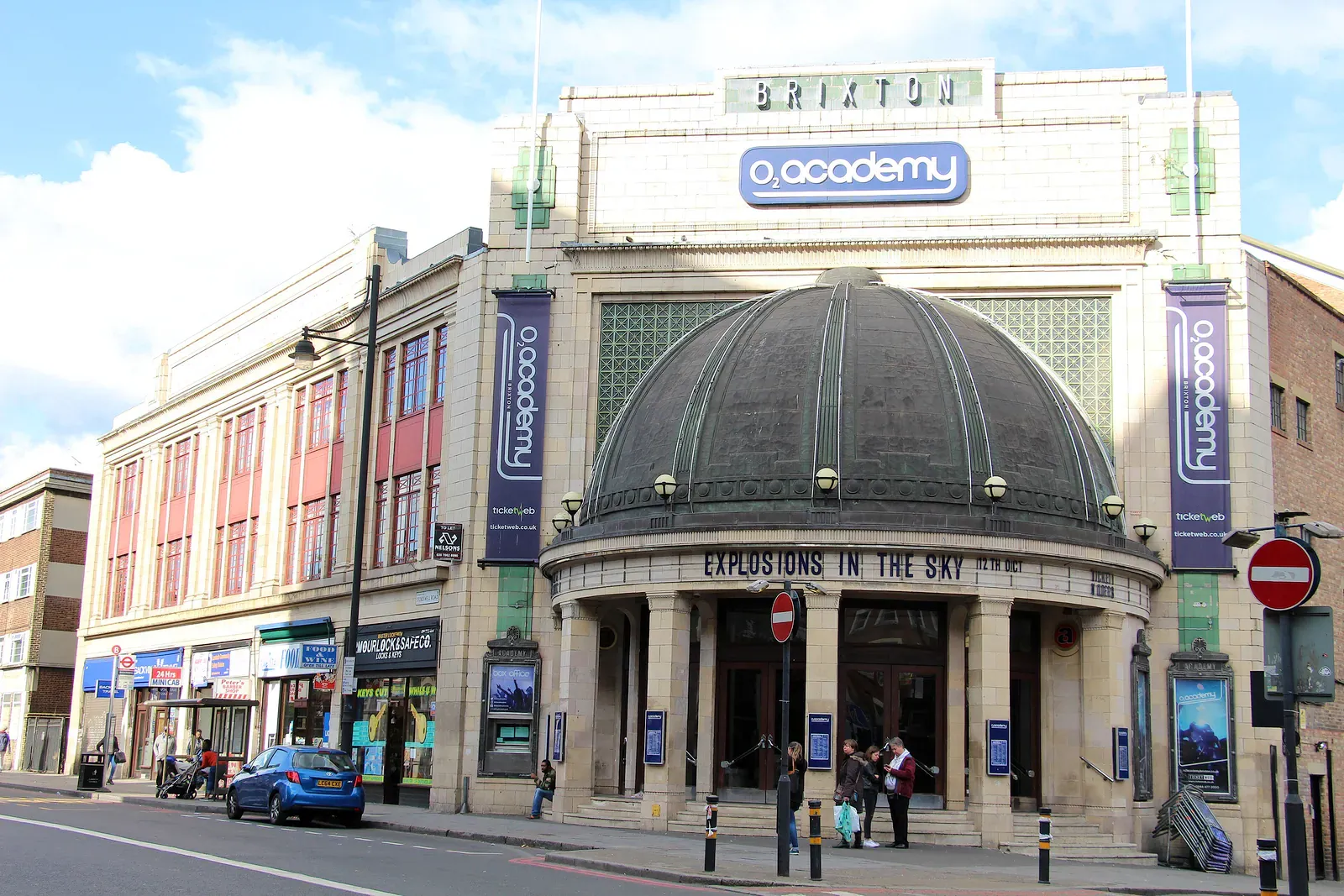
The scene moved to Brixton. DMZ opened in March 2005 at 3rd Base, a basement room under the Mass venue in a Brixton church, a bimonthly night run by Digital Mystikz (Mala and Coki) and Loefah, and it outgrew that room by its first anniversary. Their sets were sparse and bass-heavy and valued meditative weight over speed. “Anti War Dub” (2006) is the clearest example, and it is heard in the film Children of Men.
Skream’s “Midnight Request Line” (2005) was Tempa’s biggest release and showed that a melody could sit over sparse drums. In January 2006 Mary Anne Hobbs devoted a BBC Radio 1 show, Dubstep Warz, to the sound and gave it a national and then global audience. That year Burial’s self-titled debut on Hyperdub appeared, and The Wire named it album of the year. His follow-up Untrue (2007) later became a Mercury Prize nominee and made dubstep an album form. Benga and Coki’s “Night” (2007) was one of the first tracks to leave the club scene for a wider audience. Baltimore’s DJ Joe Nice became the first major North American ambassador.
Pop crossover and brostep, 2009-2013
The YouTube channel UKF Dubstep, founded in 2009, spread the sound online faster than any club could carry it. Magnetic Man (Benga, Skream and Artwork) released a self-titled album on Columbia in October 2010 that reached UK number 5; “Perfect Stranger” with Katy B reached the UK top 20. In 2011 DJ Fresh’s “Louder” and Nero’s “Promises” both reached number one on the UK singles chart, and Nero’s Welcome Reality topped the albums chart.
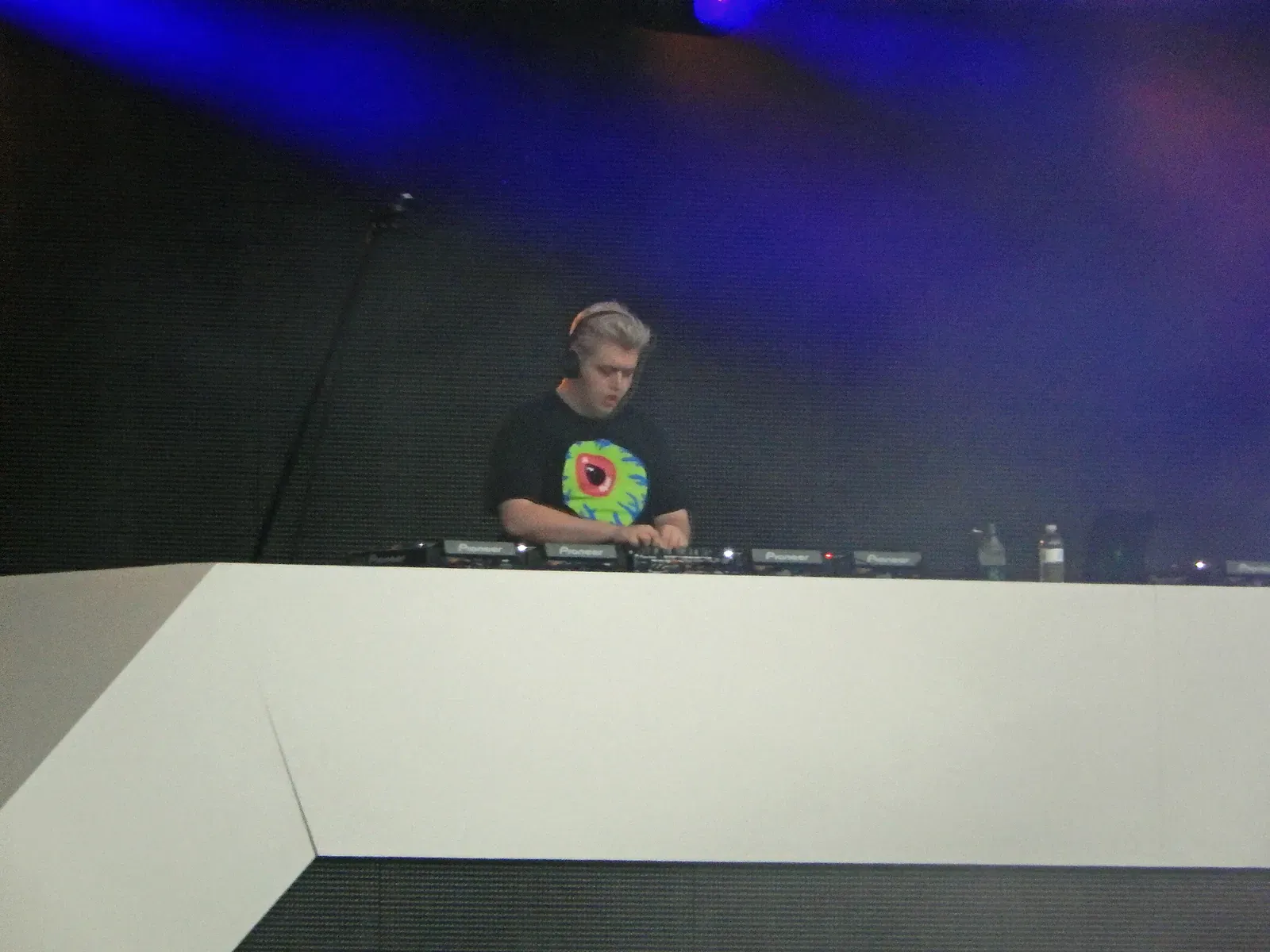
In the United States the music changed. Rusko’s “Cockney Thug” and Flux Pavilion’s “I Can’t Stop” favoured a loud, mid-range bass riff, and Skrillex’s Scary Monsters and Nice Sprites EP, released on 22 October 2010, defined the style that critics called brostep. It won three Grammys for Skrillex at the 54th ceremony in 2012. Britney Spears’s “Hold It Against Me” reached number one on the US Hot 100 in 2011 with dubstep-influenced production. Rusko himself said the harsh American style was partly his fault and that he had come to dislike it.
Fragmentation and revivals, 2014 onward
Mainstream interest fell from about 2014. Skream and Loefah moved towards house and techno, and Skrillex towards trap and pop. The sound split into branches. Riddim, a minimal, triplet-driven form of sub-bass dubstep named by the British producer Jakes in 2012, spread from about 2015. Excision’s album Virus (2016) kept heavy dubstep, at up to 150 BPM, in arenas. Tempa returned in 2025 with Slikback’s Data EP, its first release since Horsepower Productions’ 2016 album.
Characteristics
The tempo sits between roughly 135 and 145 BPM, but the drums are written in half-time: the snare lands on the third beat of the bar, so the music feels like 70. Between those hits the rhythm skips, with the shuffle inherited from 2-step. The bass is the subject. A sustained sub-bass line carries the lowest octaves, and many tracks add a wobble, a bass tone whose filter is swept by a tempo-synced low-frequency oscillator. Dub’s habit of leaving space and using delay gives the music its tension. Most tracks are instrumental, using pitched samples, short vocal fragments or an MC.
A typical track alternates a sparse intro, a build-up of rising effects and drum rolls, a first drop, a breakdown, and a varied second drop.
Instruments and production
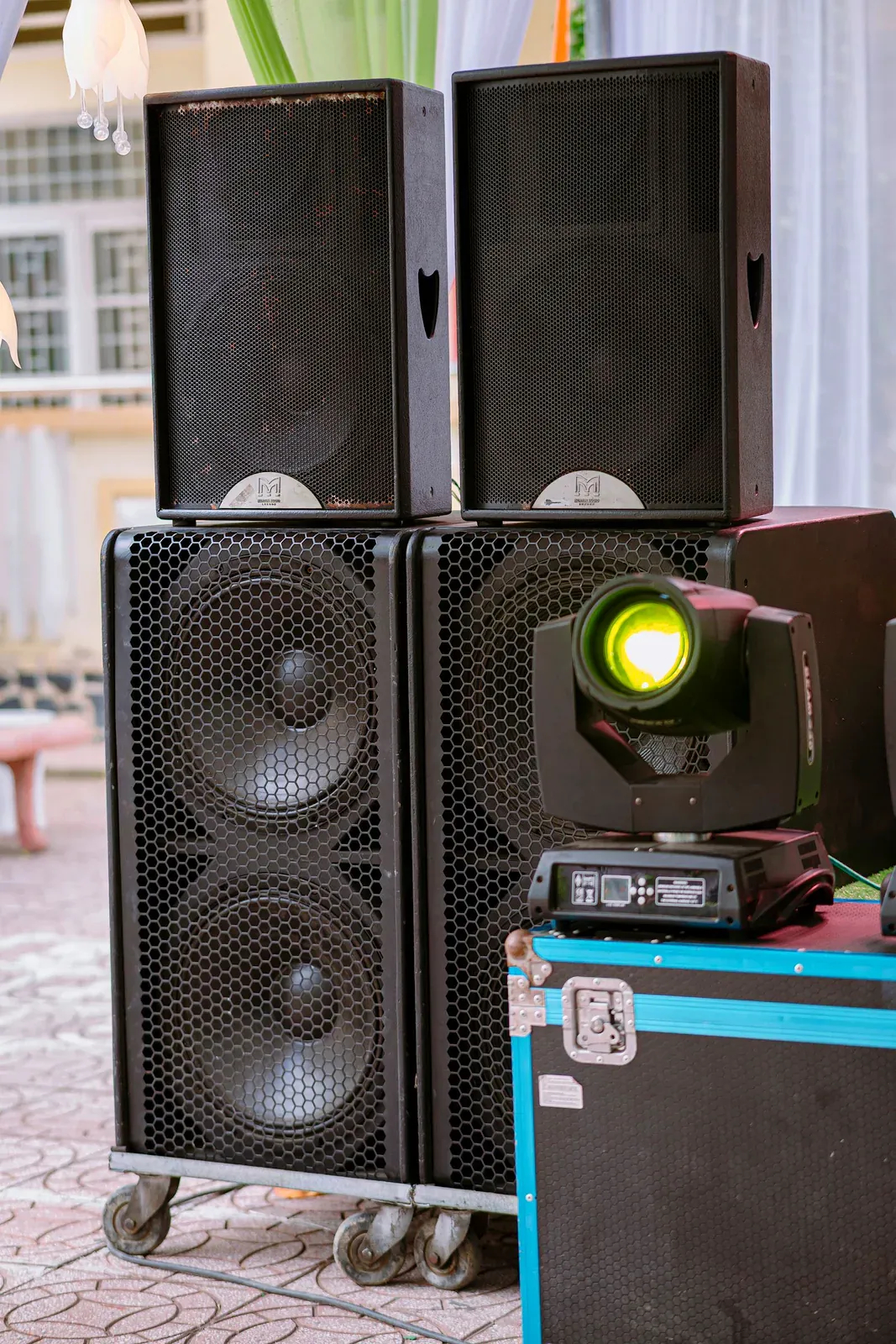
Production is software-based, with FL Studio and Ableton Live as common workstations; the character comes from sound design. A clean sine wave layered below a mid-range bass gives weight on a large sound system, while compression keyed to the kick keeps the low end clear. The mid-range growl of the American style came from heavy processing of synthesizer waveforms in software such as Massive.
Notable recordings
“Midnight Request Line” shows what the scene could do with melody; “Archangel” shows its mood, with pitch-bent vocal loops under a rain-soaked beat; and “I Can’t Stop” and “Bangarang” show the loud end of the genre that filled American arenas. Each came with a different audience: club, home listening, festival.
Culture
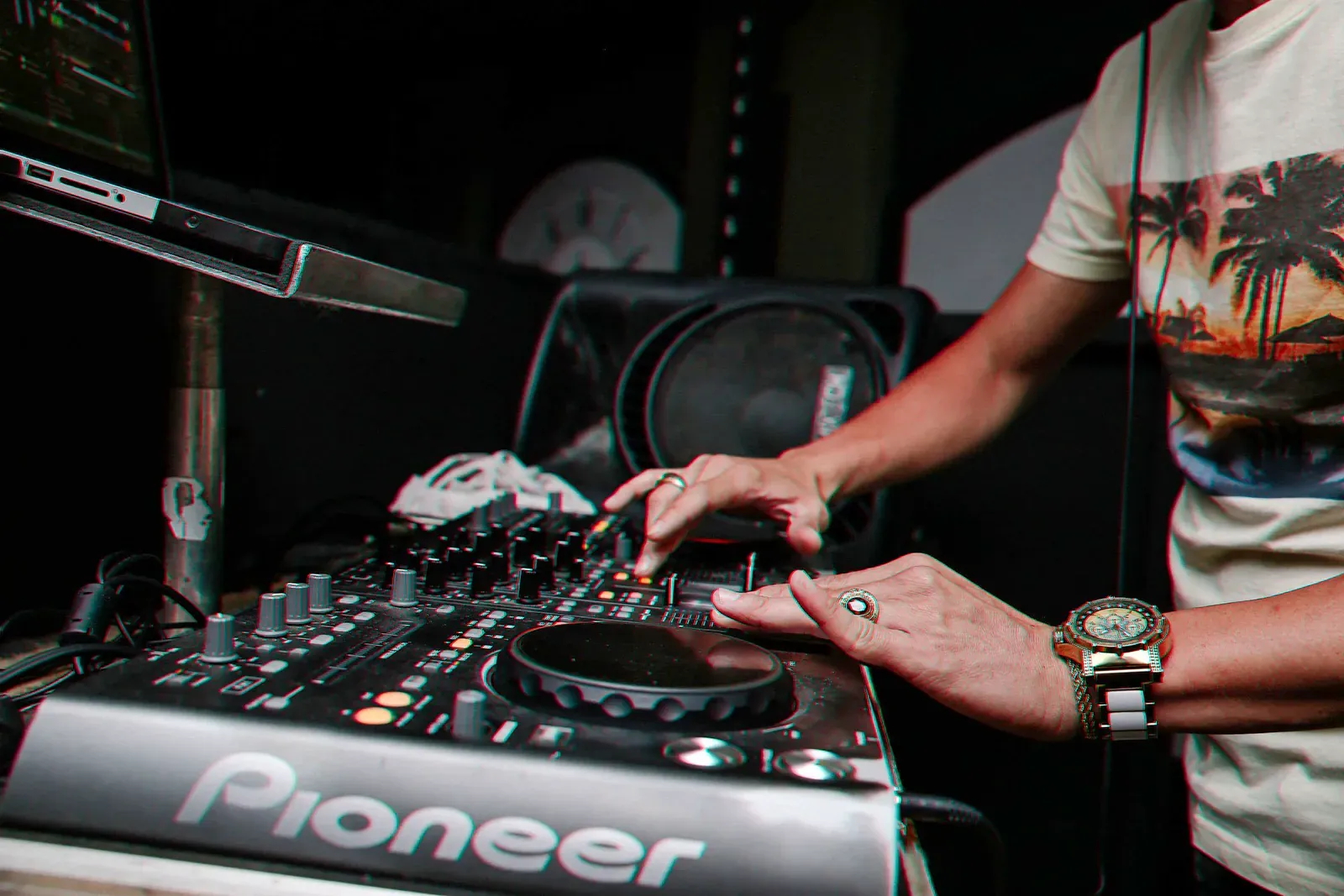
The early scene was small and tied to rooms, radio and record shops: Big Apple, Plastic People, Mass and the pirate station Rinse FM. Money was minimal, since sets were played on dubplates and exclusives mattered more than sales. Tunnidge’s portraits on Deep Medi Musik sleeves, each artist’s first release carrying one drawn portrait, were an unusual visual signature. The American boom went the other way: festival stages, large light shows and online video made the music a spectacle for crowds of tens of thousands.
Legacy
Dubstep gave electronic music a mainstream route for 140 BPM half-time and heavy bass, and its techniques spread into pop, trap and the wider bass music family. Mid-tempo, half-time and sub-bass ideas turned up across the rest of electronic music, and the UK scene’s links to reggae and dub are still audible. Its original producers largely moved on to other sounds, while new generations kept the tempo and the bass.
Misconceptions
Dubstep is not an American invention. The genre began in South London around 2000, and the American style that came later is a branch, not the source. The wobble is also not universal: many early records, such as Burial’s, had little or none, and relied instead on sub-bass, silence and drum patterns. Finally, dubstep is not a form of drum and bass; its drums are half-time at about 140 BPM, while drum and bass runs about 170 to 175 BPM.
Frequently asked questions
What BPM is dubstep?
Dubstep usually runs from 135 to 145 BPM, with 140 the most common. The drums are in half-time, so the snare falls on the third beat and the track feels half as fast.
What is brostep?
Brostep is a name for the harsher, mid-range-heavy American dubstep that became popular around 2010 through Skrillex, Rusko and Flux Pavilion. Its bass sounds are loud and distorted, and its structures are built around a dramatic drop.
What is a wobble bass?
A wobble bass is a bass sound whose filter is moved by a low-frequency oscillator, usually synced to the tempo. The cycling pulse is a defining sound of the drop in many dubstep tracks.
Where did dubstep start?
Dubstep started in South London around 2000, with Croydon and its Big Apple Records shop and the Tempa label at the centre of the first scene.
Sound
Sound sheet
Anatomy of a track
| # | Part | Bars |
|---|---|---|
| 1 | Intro (sparse drums, bass sub) | 16 |
| 2 | Build-up (riser, drum roll) | 8 |
| 3 | First drop (half-time beat, wobble) | 16 |
| 4 | Breakdown (pads, vocal or melody) | 16 |
| 5 | Second build-up | 8 |
| 6 | Second drop (variation, new bass) | 16 |
| 7 | Outro (drums and sub) | 16 |
Signature sounds
- Half-time snare on the third beat at around 140 BPM
- Wobble bass from a tempo-synced LFO
- Sub-bass weight in the lowest octaves
- Sparse, dub-style space and silence
- Dubplate rewinds in DJ sets
Synths and software
- FL Studio
- Ableton Live
- Massive
- Serum
- Sylenth1
Techniques
- Half-time drums
- LFO wobble bass
- Sub-bass layering
- Dub delay and space
- Sidechain compression
Keys and modes
Minor keys. Dark, brooding bass lines and pads dominate.
Phrygian mode. A flat second adds tension to bass motifs.
Vocals
Mostly instrumental, with pitched samples, MC chat and sung toplines in crossover tracks.
Scenes
Where it happened
Where and when the sound lived: one bar per city on a shared timeline.
Europe
North America
Active scenes
Peak 6, 2010-2025
Big Apple Records, Tempa and teenage producers Skream and Benga formed the first scene.
DMZ, run by Digital Mystikz and Loefah at 3rd Base and then Mass, drew crowds of hundreds for its sparse, bass-heavy sets.
FWD>> at the Velvet Rooms and Plastic People was the weekly meeting point for the sound.
Joker and Gemmy's purple sound and other offshoots grew out of the Bristol scene.
DJ Joe Nice became the first major North American ambassador for the sound.
Skrillex and the OWSLA circle turned the style into a US festival staple.
Venues and places
Croydon, 2000 to today. Record shop where Hatcha, Skream and Benga worked and where the early scene met.
London, 2001 to today. Soho home of the first FWD>> nights before the move to Plastic People.
London, 2005 to today. Brixton club complex whose basement room, 3rd Base, hosted the first DMZ nights in 2005; DMZ moved into Mass by March 2006.
London, 1994 to today. Pirate station where Kode9 and other FWD>> DJs broadcast dubstep.
London, 2006 to today. Mary Anne Hobbs's show introduced the sound to a national and global audience.
Culture
Culture markers
- Rewind
A DJ pulls the record back and replays the drop when a crowd shouts for it.
Slang - Wobble
Slang for the LFO-modulated bass that defines the drop.
Slang - Deep Medi portraits
Each artist's first Deep Medi Musik release carries a portrait drawn by Tunnidge.
Artwork
Media
Key media
- 2006Dubstep Warz
by Mary Anne Hobbs. BBC Radio 1 show that gave dubstep a global audience.
Radio - 2006Children of Men
by Alfonso Cuaron. Features Digital Mystikz's Anti War Dub and Kode9 tracks in its sound world.
Film - 2007FabricLive.37
by Caspa and Rusko. Mix that took the harder dubstep sound to a major club-brand audience.
Mix - 2009Sonic Warfare: Sound, Affect, and the Ecology of Fear
by Steve Goodman. Kode9's academic book on the politics of bass and sound systems.
Book
Glossary
Terms on this page
Fan name for the original sparse style, from its typical tempo.
Aggressive, mid-range-led American-flavoured dubstep, often used with a critical edge.
The section after a build where the full bass and drums arrive.
An acetate test pressing of an unreleased track, cut for one DJ.
A drum pattern with the snare on the third beat of the bar, so 140 BPM feels like 70.
A DJ pulls a record back and replays it when the crowd calls for it.
Minimal dubstep built on repetitive sub-bass and triplet percussion.
A bass sound whose filter is swept by a tempo-synced low-frequency oscillator.
Electronic family